- Tabletop Gaming
- Fallout
Interview | Modiphius lead writer Ben Maunder takes us into the Wasteland
When you purchase through links on our site, we may earn an affiliate commission. Here’s how it works.
 (Image credit: Modiphius)
Share
Share by:
(Image credit: Modiphius)
Share
Share by:
- Copy link
- X
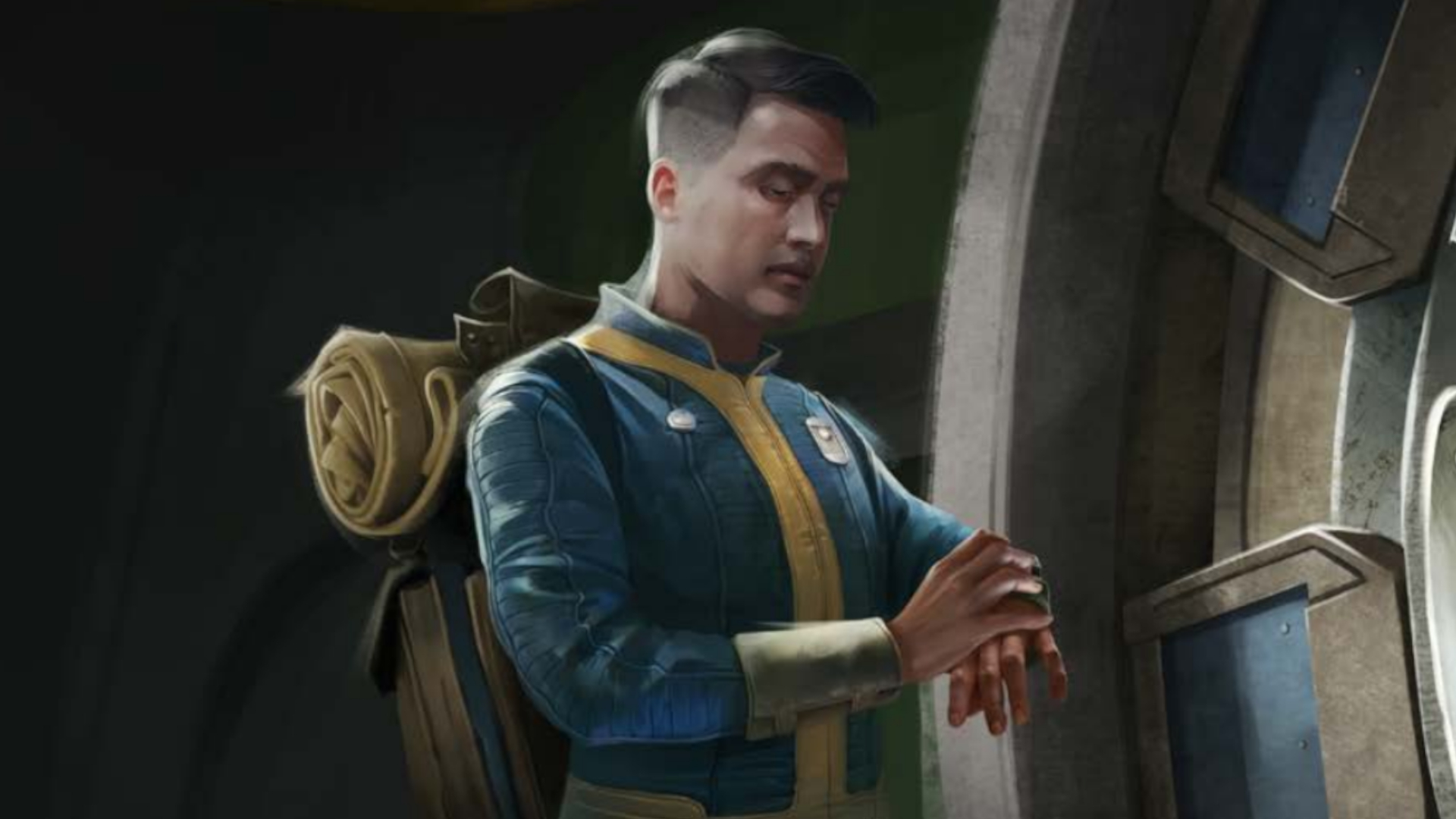
The Fallout solo RPG knows that, sometimes, you just want to veer off the beaten track. Hey, it says. What's that over there? Because the budget is "the entirety of your imagination," it can be the start of a buckwild adventure – or maybe your chance to explore a part of this post-apocalyptic world nobody's ever seen. It's the kind of creativity that makes D&D and other tabletop RPGs great, with none of the scheduling snafus.
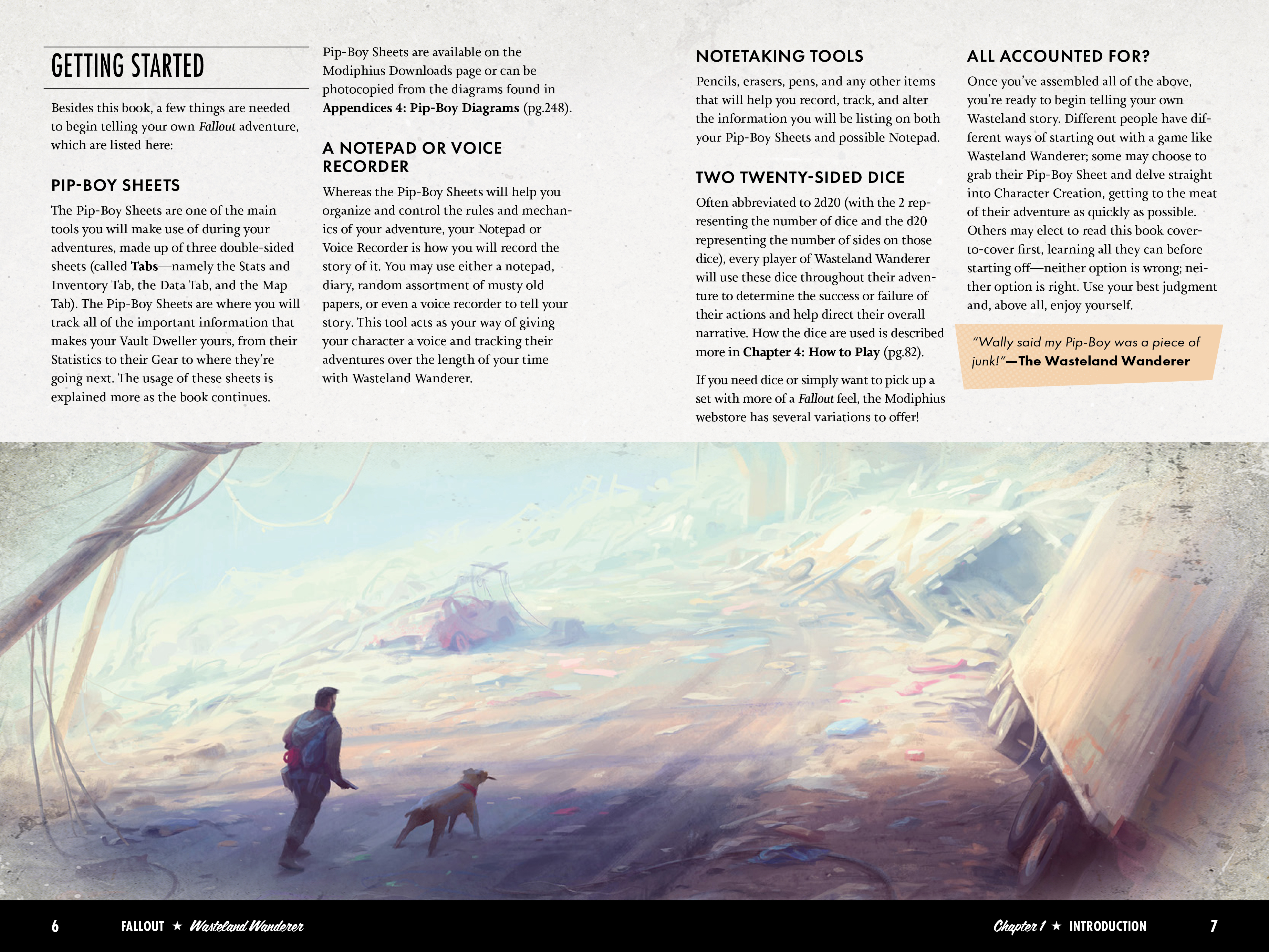
Fallout: Wasteland Wanderer is a solo RPG designed by Modiphius, the team behind more than a few tabletop RPGs and wargames (including a Fallout skirmisher putting you in charge of raider factions). That means you don't need a gamemaster to run it, unlike the best tabletop RPGs. There's no party to schedule around either; all that's required is the rulebook, dice, a pen, and some paper.
You may like-
 Almost 30 years later, Fallout 1's depth of choice, chance, and consequence is still an RPG gold standard
-
 “We started with the solid foundation that we inherited from Fallout 3”: How Fallout: New Vegas delivered a bigger, better post-apocalypse by sticking to the script – mostly
-
 The Outer Worlds 2 is an RPG that's as much about what you can't do as what you can: "Everybody is going to have a different experience, and they may not see everything, and that's okay"
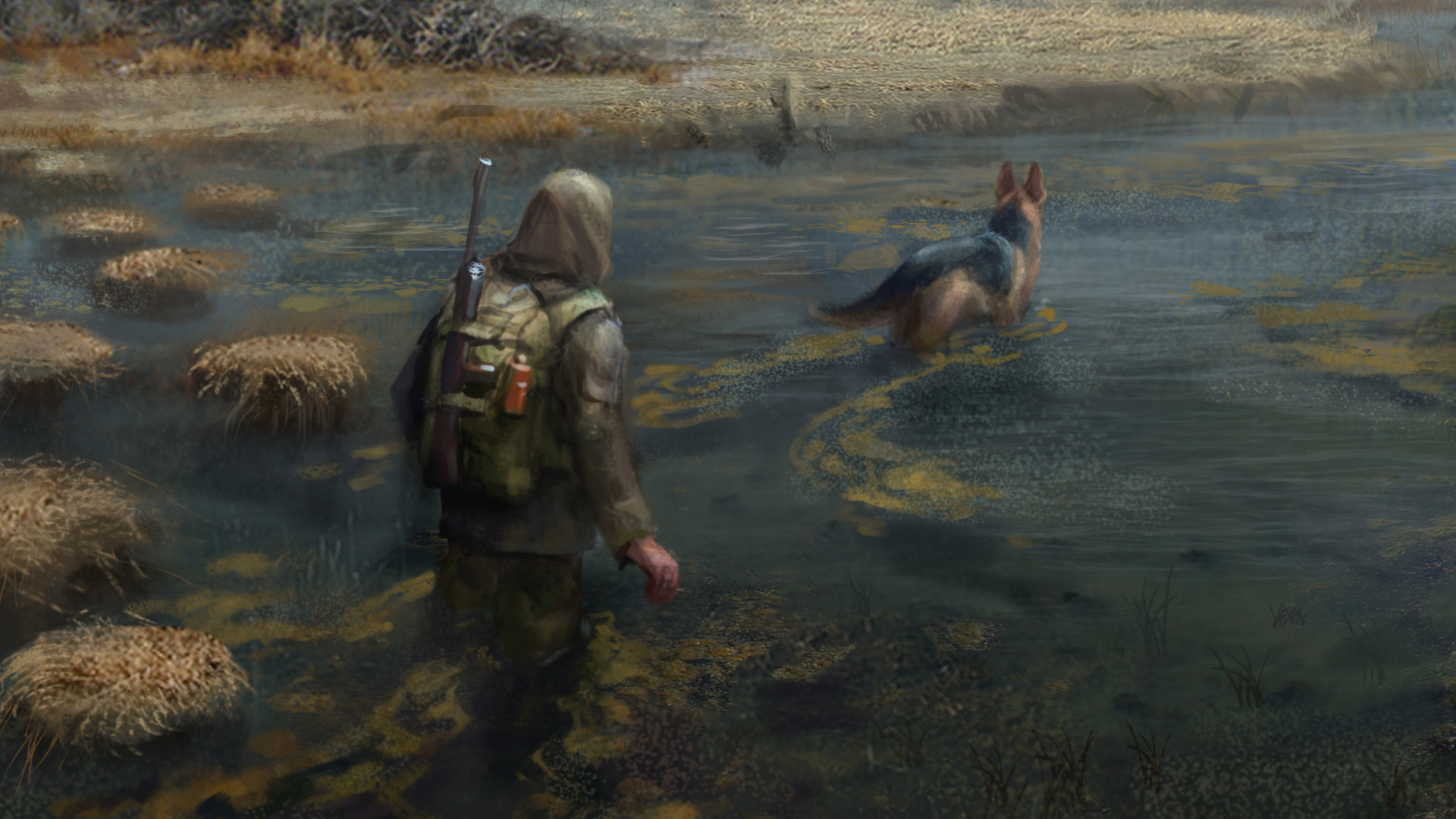
You can grab the Fallout: Wasteland Wanderer PDF via the Modiphius store now, as well as pre-order the physical book ahead of launch in April, 2026. If you'd rather play with a party, you can grab the full Fallout RPG core rules for $34.25 at Amazon (or £36.57 via Amazon UK).
With that in mind, I caught up with Ben Maunder, lead writer at Modiphius, to find out exactly how the system works. What I came away with is the sense that this could be the perfect project for folks who have always been curious about solo RPGs, but never knew where to start.
GamesRadar: First off, congrats on another launch! How is the team feeling about the Fallout TTRPG and how it's been received by the community so far?
Ben Maunder: Thank you! The team is really excited to see more and more people picking up the TTRPG, especially given the massive success of the Amazon show. Player feedback has been great; it's always invigorating to see people meshing with an IP so close to many hearts.
GR: How long has this solo sourcebook been in the works? Thanks for this, by the way – as a Fallout fan and someone who sometimes struggles to find time to play, I really appreciate the project!
Sign up to the GamesRadar+ NewsletterContact me with news and offers from other Future brandsReceive email from us on behalf of our trusted partners or sponsorsBy submitting your information you agree to the Terms & Conditions and Privacy Policy and are aged 16 or over.BM: We're glad! You're exactly the type of person we made this book for! With the way of the world at the moment, people are finding less and less time to engage with their hobbies and dive into the stories that mean so much to them. Being able to help those people get that time is the reason a lot of us got into this business. Wanderers has been batting around the office for the better part of two years now, though the planning for it began three years back. So yeah, it's been in the pipeline for a while.
GR: What's the main difference between developing for a party and designing for a single person?
BM: Generally, the difference comes down to a single word: intent. Parties want to play together. They are inherently playing a shared story where each player wants something slightly different. They want to use different tools to achieve different goals, and the game has to cater to all of those different desires. Everyone’s needs require balancing against one another, and that requires a lot of rigorous fine-tuning. The player who wants to charge through a horde of ghouls in Power Armor needs to have as much agency as the player whose main goal is to sell the greatest Nuka-Cola cocktail on the West Coast. The experience, while different, must be as satisfying for every player around the table, including the gamemaster [GM]. Obviously, that means you're designing a lot of things for a lot of people. It takes time, iteration, varied playtest groups, etc. For solo games, however, you're hitting a totally different metric. Suddenly, you're only focusing on helping one person tell THEIR story, empowering them with the tools they need to facilitate making decisions. Rather than worrying about balancing four different people, not only against the game but also against each other, you only need to worry about the one-on-one experience. Now, how that works is a whole topic in and of itself. So as not to completely devastate anyone's word count, let's just boil it down to intent!
You may like-
Almost 30 years later, Fallout 1's depth of choice, chance, and consequence is still an RPG gold standard
-
“We started with the solid foundation that we inherited from Fallout 3”: How Fallout: New Vegas delivered a bigger, better post-apocalypse by sticking to the script – mostly
-
The Outer Worlds 2 is an RPG that's as much about what you can't do as what you can: "Everybody is going to have a different experience, and they may not see everything, and that's okay"
GR: I imagine switching gears to solo play for this book has been a bit of a mental shift. Can you talk me through any challenges you might have had during the process?
BM: Wanderers passed through two designers, and I know both of them had their own trials and tribulations. The project was headed by the amazing Jess Gibbs, who did a fantastic job capturing the core feeling of what a Fallout solo RPG should be. She laid the foundations for how the system works and identified the levers you, as a player, can pull to propel your story forward. I know she tried a few incarnations of that before ending on the final point you'll see. After Jess finished up, Jack Caesar (of CaesarINK fame) came in to do a developmental pass and refined some elements that just needed that extra bit of polish to shine. I know he spent a lot of time trimming the edges on the action system to make each choice as quick and easy as possible. Finally, I jumped in at the end, one final pass to dot the I's and cross the T's, and honestly, my main challenge was the fact that I'd never played a solo RPG before! So there was a lot of time getting used to a new way of playing and – frankly – really enjoying it.
Going solo
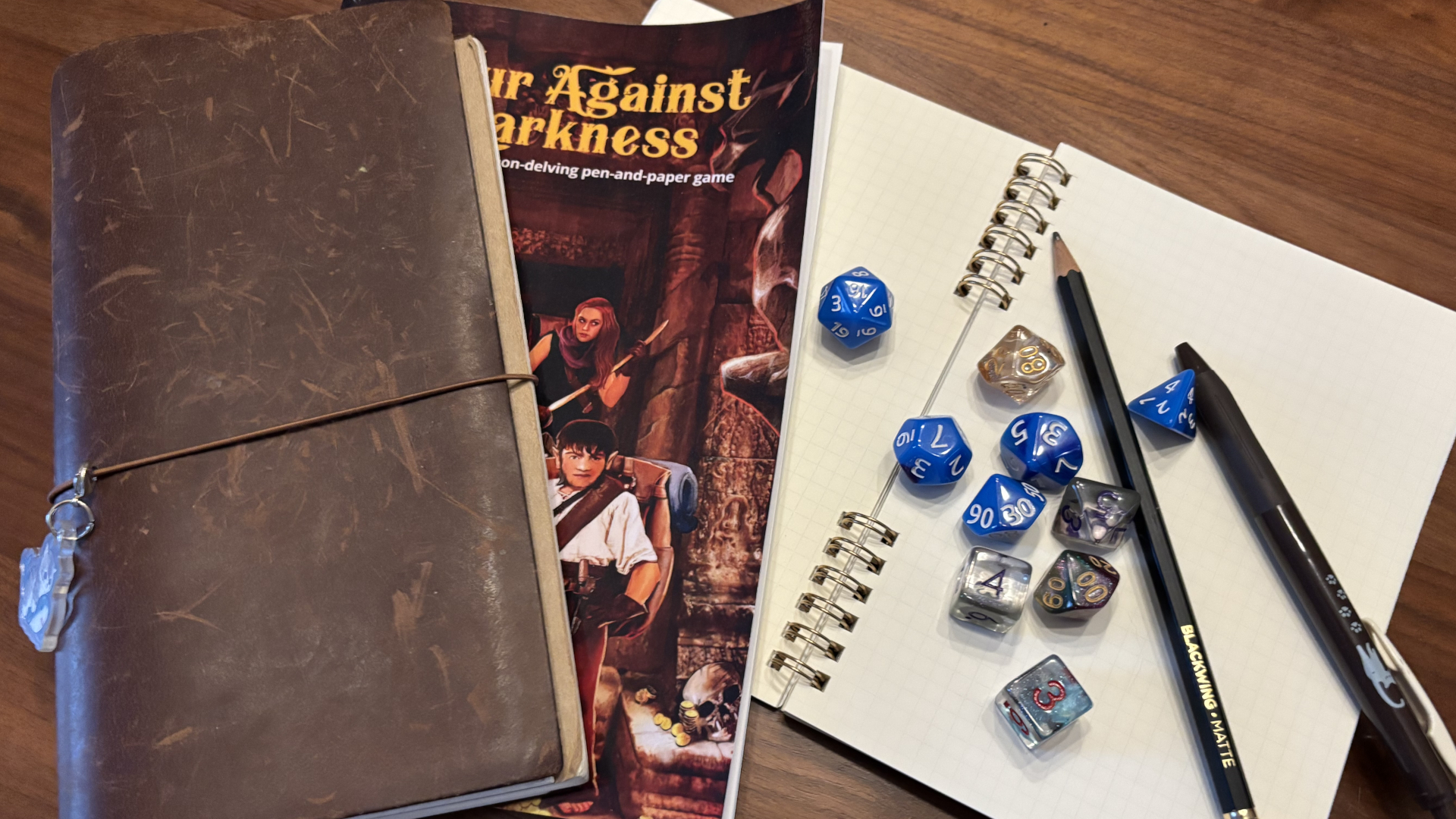
If you want to dive into the subject more, here's everything you need to get started playing solo tabletop RPGs.
GR: The idea of 'Blockers' for your main quest that the character's got to overcome is intriguing. How did you settle on this particular idea rather than another approach? It feels like a gamified version of the "hero's journey" story structure.
BM: You've hit the nail on the head there. Fallout's stories have nearly always followed that classic ‘Hero's Journey’ script, and in wanting to replicate the feeling of playing through a Fallout story, the connection was easy. Blockers allow the stories you generate and play through to push back. A challenge many writers and first-time solo players find is giving themselves a plot to work against; the Blockers system makes sure to lift that weight for you, generating challenges and pushing the story forward. For players less worried about that particular issue, they can simply pick the Blockers they are facing, rather than generate one via the rulebook, meaning we're not taking that agency away from players who want it. While I can’t speak for either Jess or Jack, I can say they've done a fantastic job with Blockers.
GR: I love that the process of finding a location is basically GM worldbuilding on a micro scale. Would you say the solo book is useful for GMs hoping to further flesh out their world or flex their creative muscles?
BM: Oh, big time! I've spoken a little about this on a podcast recently, but Wanderers is an excellent tool for GMs for a variety of reasons. Firstly, the lore chapter is incredibly expansive, covering more or less the entire 'modern' Wasteland. In it, we talk about all of the various factions and locations that make up the Wasteland, as well as sprinkling in plot hooks and the like. There's lots there to spark the imagination. Next comes the map generation you mentioned, which makes creating a new space in the Wasteland really quick and easy, to say nothing of opening new storytelling avenues. Finally, my favourite way of using the book is to generate the stories of important NPCs that may appear in group [Fallout TTRPG] 2d20 games, from quirky shopkeepers who have finished their stories, to antagonistic Vault Dwellers whose final Blocker is the player themselves!
GR: With something so free-flow and creative as this, how do you manage to set some boundaries on encounters?
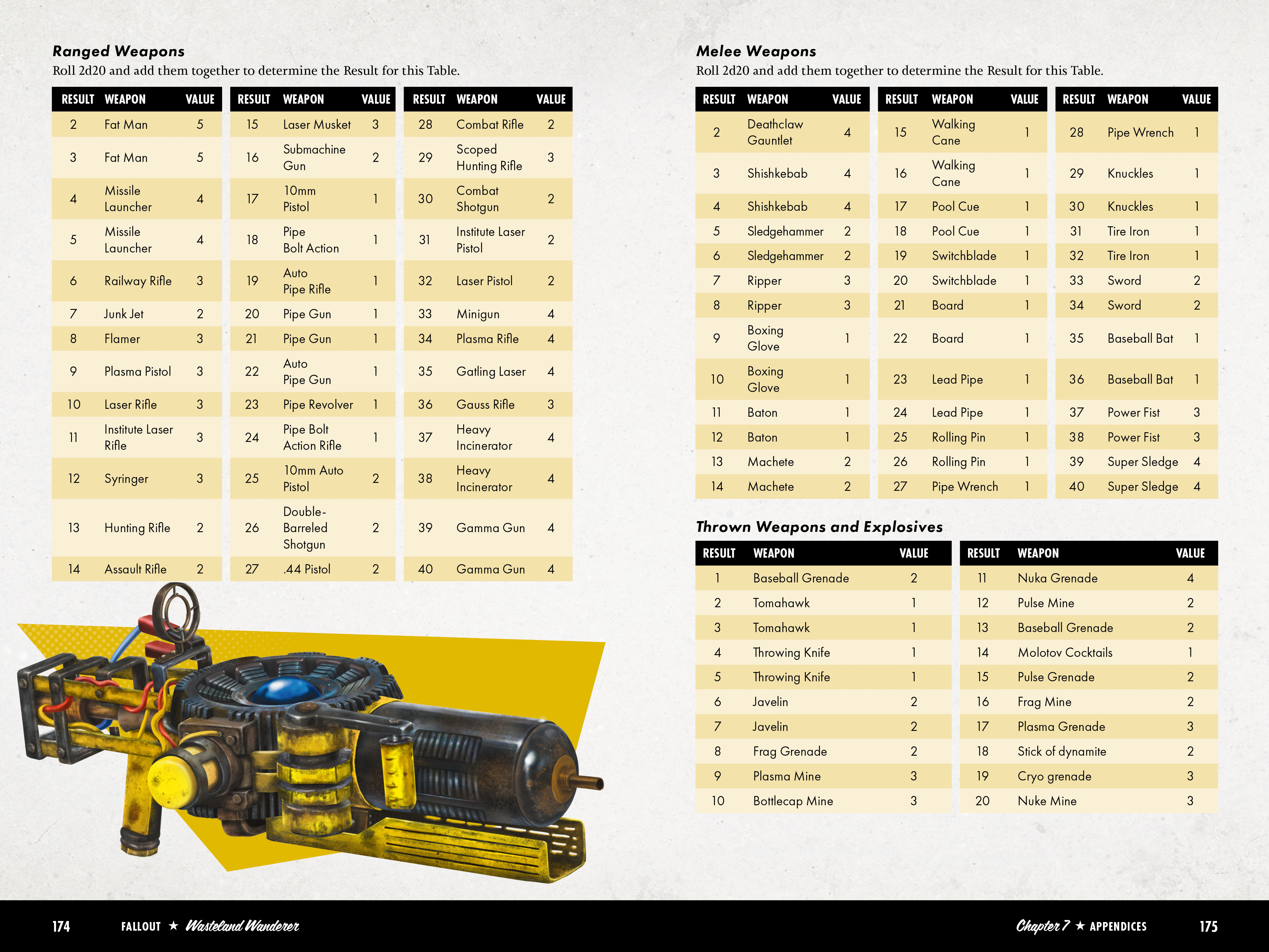
BM: It was tricky, but the team came up with some amazing solutions. The problem-solving mechanics are built to address the whole issue you're facing, rather than grinding it down to specifics. For example, should you come across a group of raiders and attempts at diplomacy fail, you can choose to resolve the whole fight with a single test, rather than deal with each raider one at a time. This allows players to deal with a problem however they choose. You can even just… run away, if needs be. Generating encounters is actually a really simple process; each is quickly pulled together by rolling on a few tables and seeing what you end up with, and those tables have been curated so that no matter how the dice fall, you’ll come up with an answer. GR: I adore the concept of keeping journal entries or even Dictaphone entries for your adventures, like the ones you find in the video game. Do you have any advice for players if this is their first time using that kind of technique?
BM: Honestly, it's as simple as relaxing and having fun with it. Solo RPGs are a creative outlet, and how you choose to engage with them is completely up to you. How we tell stories is a deeply personal experience, and the only person who needs to enjoy them is you. Play around with a few methods and see which one you enjoy the most. If you want to detail every interaction with a hastily scribbled note in a beaten-up journal, amazing. If you'd rather meticulously detail every step with the melodic tapping of keystrokes like a brotherhood scribe, fantastic. If you want to croak into an old-style voice recorder, listening back to the analog click of a cassette tape as you recount your character's story, perfect. This is your story. Tell it how you choose and do so in the way that makes you happiest. That’s genuinely all that matters.
GR: Do you have any fun stories or moments from internal playtesting?
BM: I can only share my own from the very end of testing. I started with some hesitancy as this was my first proper solo play. It ended with me incessantly recounting my playthrough to my child, who very patiently (read: excessively patiently) listened along before dropping a knowing "I'm glad you had fun, dad," at the end.
Want more tabletop adventure? Check out the best board games and the best card games.
 Benjamin AbbottSocial Links NavigationTabletop & Merch Editor
I've been writing about games in one form or another since 2012, and now manage GamesRadar+'s tabletop gaming and toy coverage. You'll find my grubby paws on everything from board game reviews to the latest Lego news.
Show More CommentsYou must confirm your public display name before commenting
Please logout and then login again, you will then be prompted to enter your display name.
Logout Read more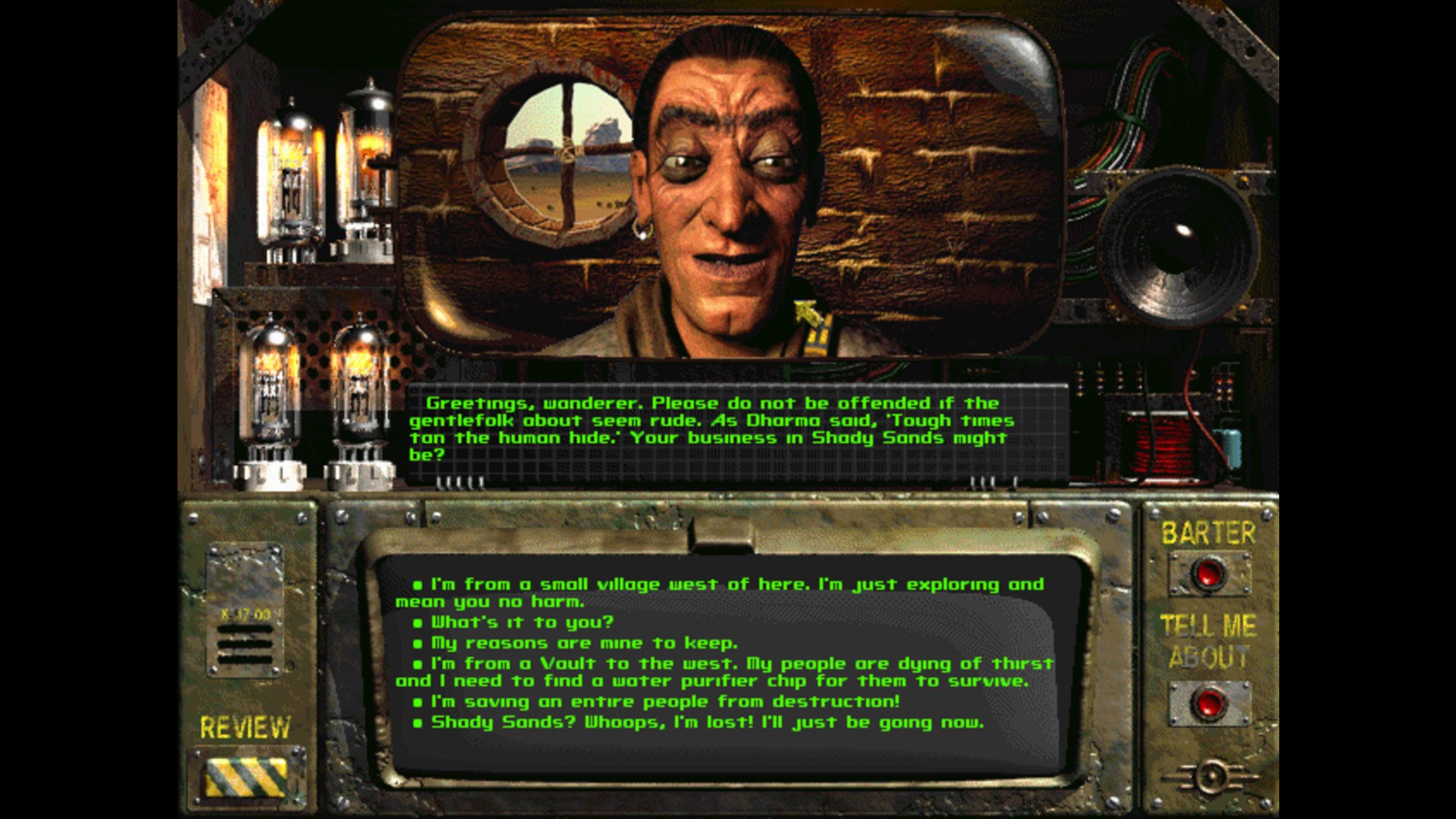 Almost 30 years later, Fallout 1's depth of choice, chance, and consequence is still an RPG gold standard
 “We started with the solid foundation that we inherited from Fallout 3”: How Fallout: New Vegas delivered a bigger, better post-apocalypse by sticking to the script – mostly
 The Outer Worlds 2 is an RPG that's as much about what you can't do as what you can: "Everybody is going to have a different experience, and they may not see everything, and that's okay"
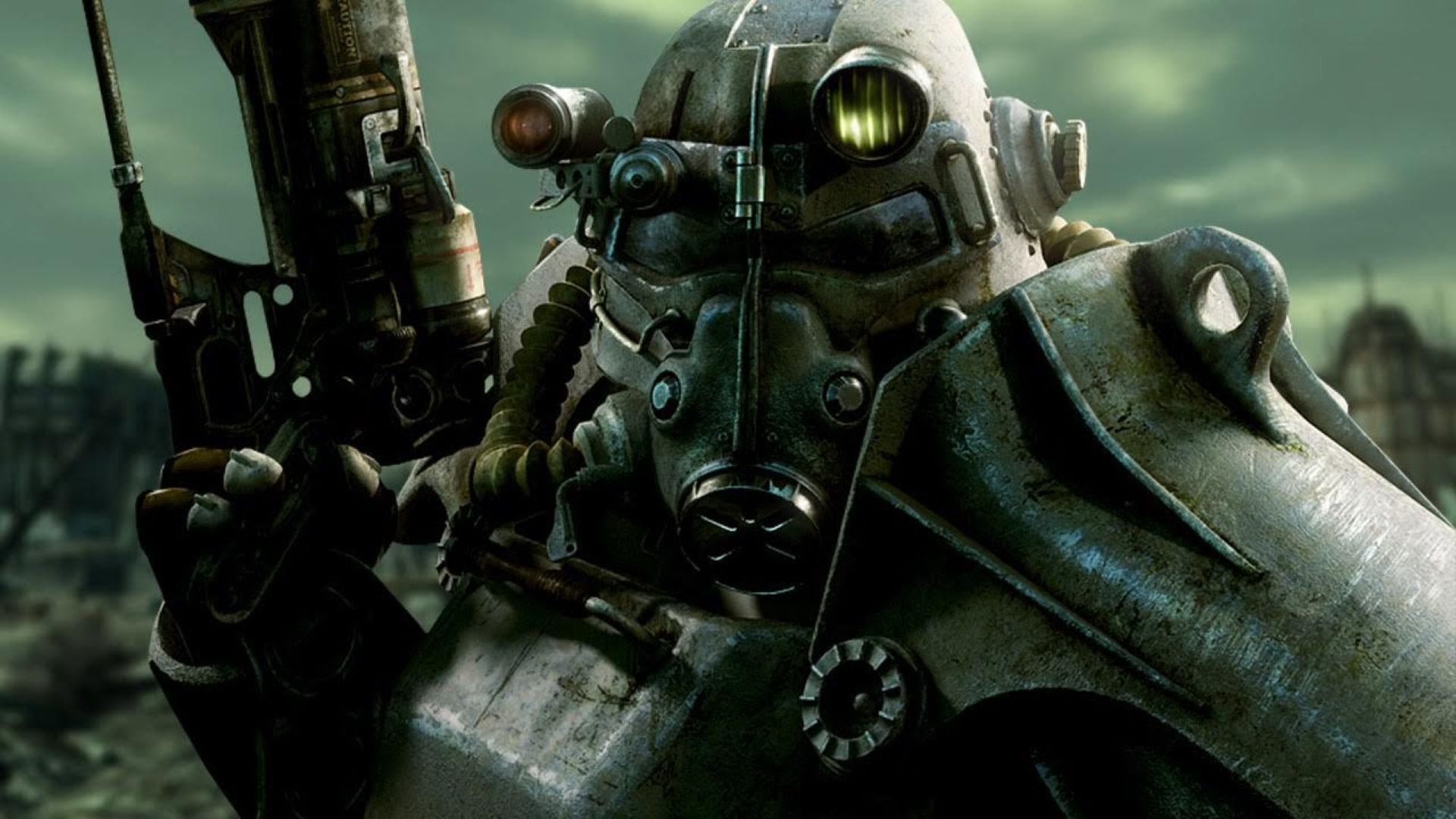 "Fallout was one of the first games that really shocked": Our first hands-on with Fallout 3 back in 2007
Everything you need to get started playing solo tabletop RPGs
"Fallout was one of the first games that really shocked": Our first hands-on with Fallout 3 back in 2007
Everything you need to get started playing solo tabletop RPGs
 Fallout 76 has become a living world that connects every point in the series – within reason
Latest in Tabletop Gaming
Fallout 76 has become a living world that connects every point in the series – within reason
Latest in Tabletop Gaming
 The Doom Arena Board Game is hell on Earth (in the best way) | Preview
 The new hero for my favorite Warhammer 40K army looks great, and it confirms my suspicion about what comes next
 Lorwyn Eclipsed is an all-timer Magic: The Gathering set, but these are the cards I'm most excited to try out
 I've played Warhammer for years, but sets like Kill Team: Shadowhunt flip the script enough to keep me locked in
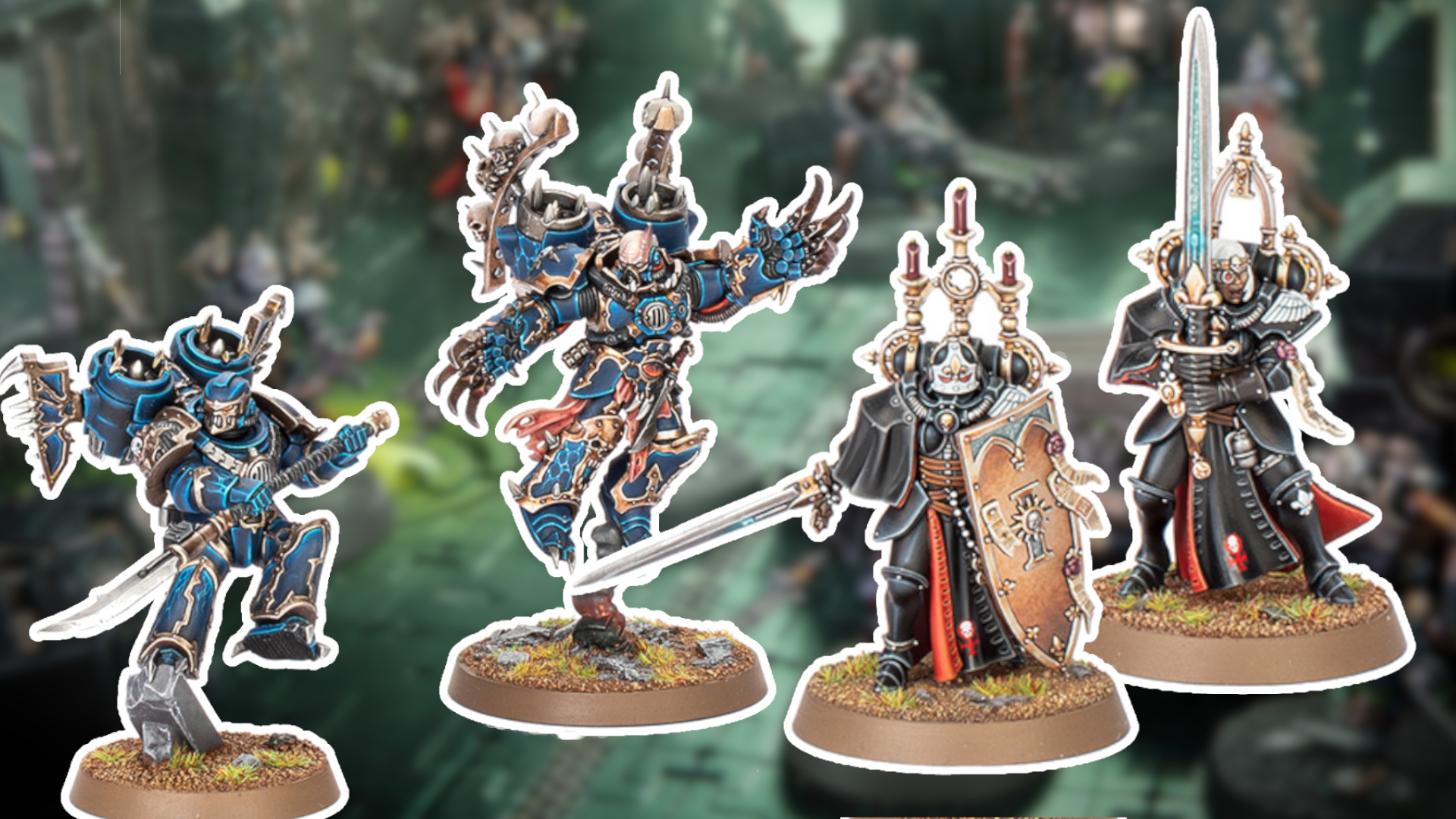 Where to buy Kill Team Shadowhunt before it sells out
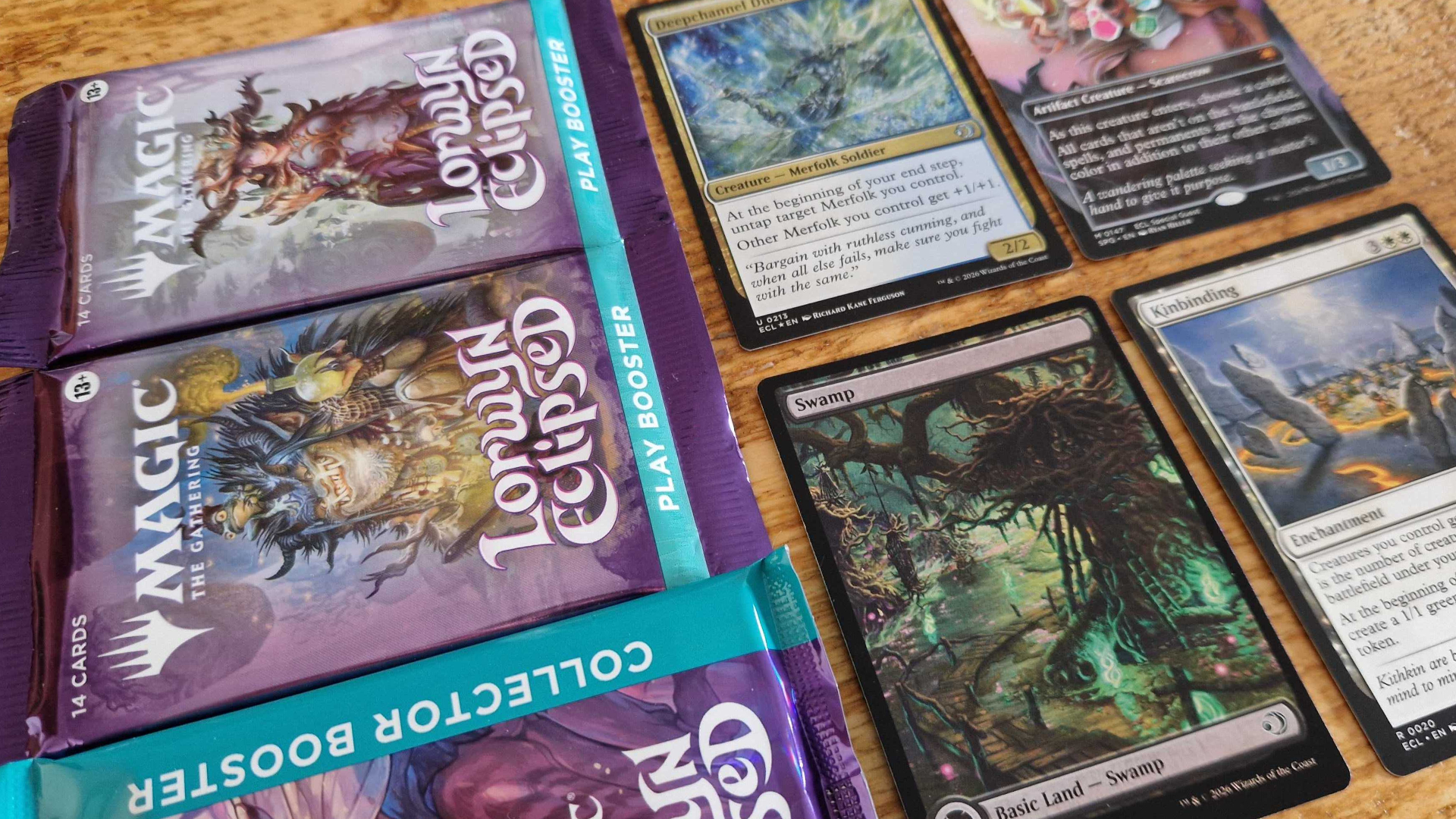 Where to buy Lorwyn Eclipsed, the whimsical new Magic: The Gathering set
Latest in Features
New Fallout solo RPG lets you go off the beaten track, no gamemaster or party required
Where to buy Lorwyn Eclipsed, the whimsical new Magic: The Gathering set
Latest in Features
New Fallout solo RPG lets you go off the beaten track, no gamemaster or party required
 SteelSeries Arctis Nova Pro Wireless vs SteelSeries Arctis Nova Elite - the ultimate headset clash
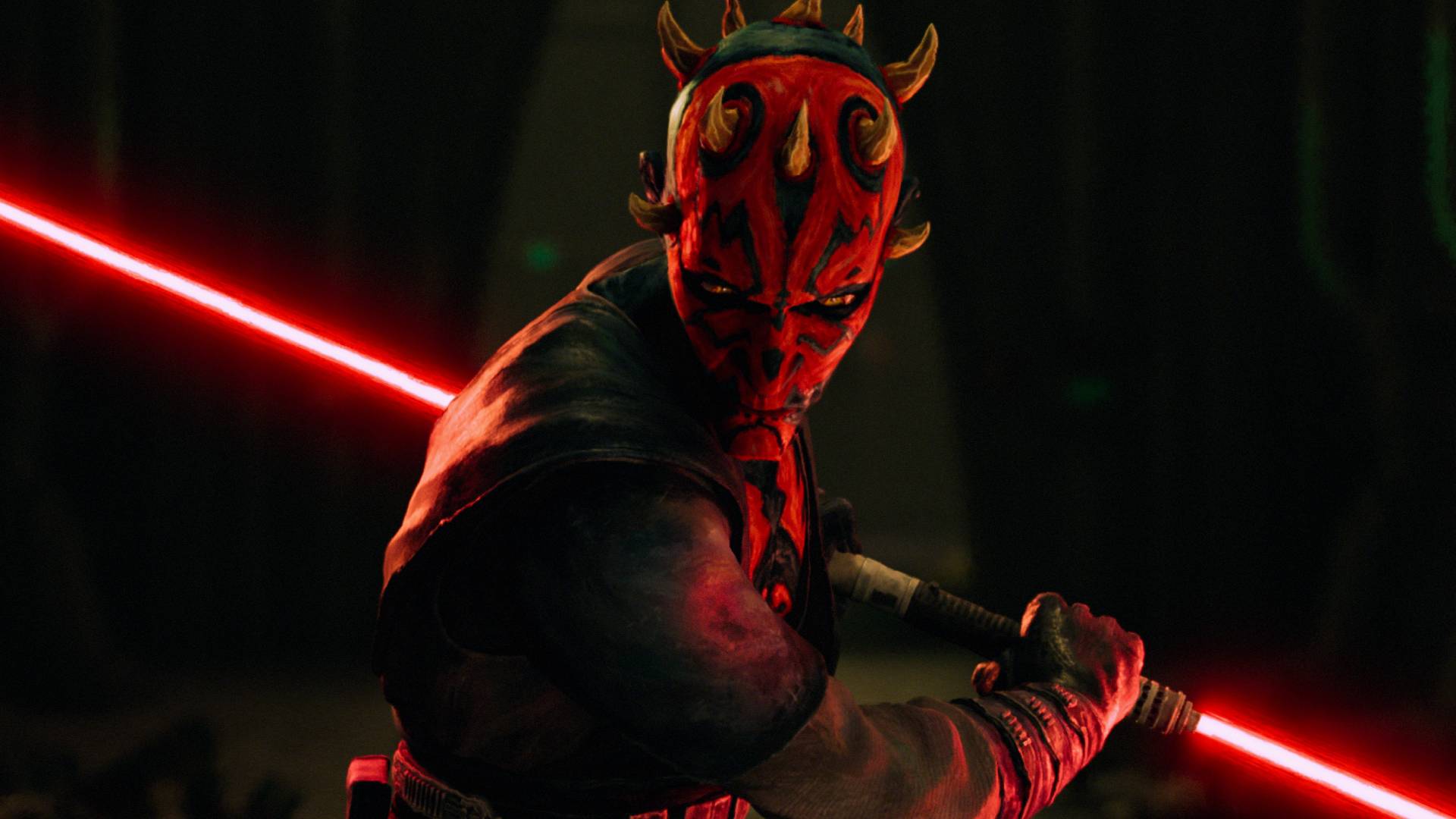 Star Wars: Maul – Shadow Lord release date, cast, trailer, and everything else we know about the animated show
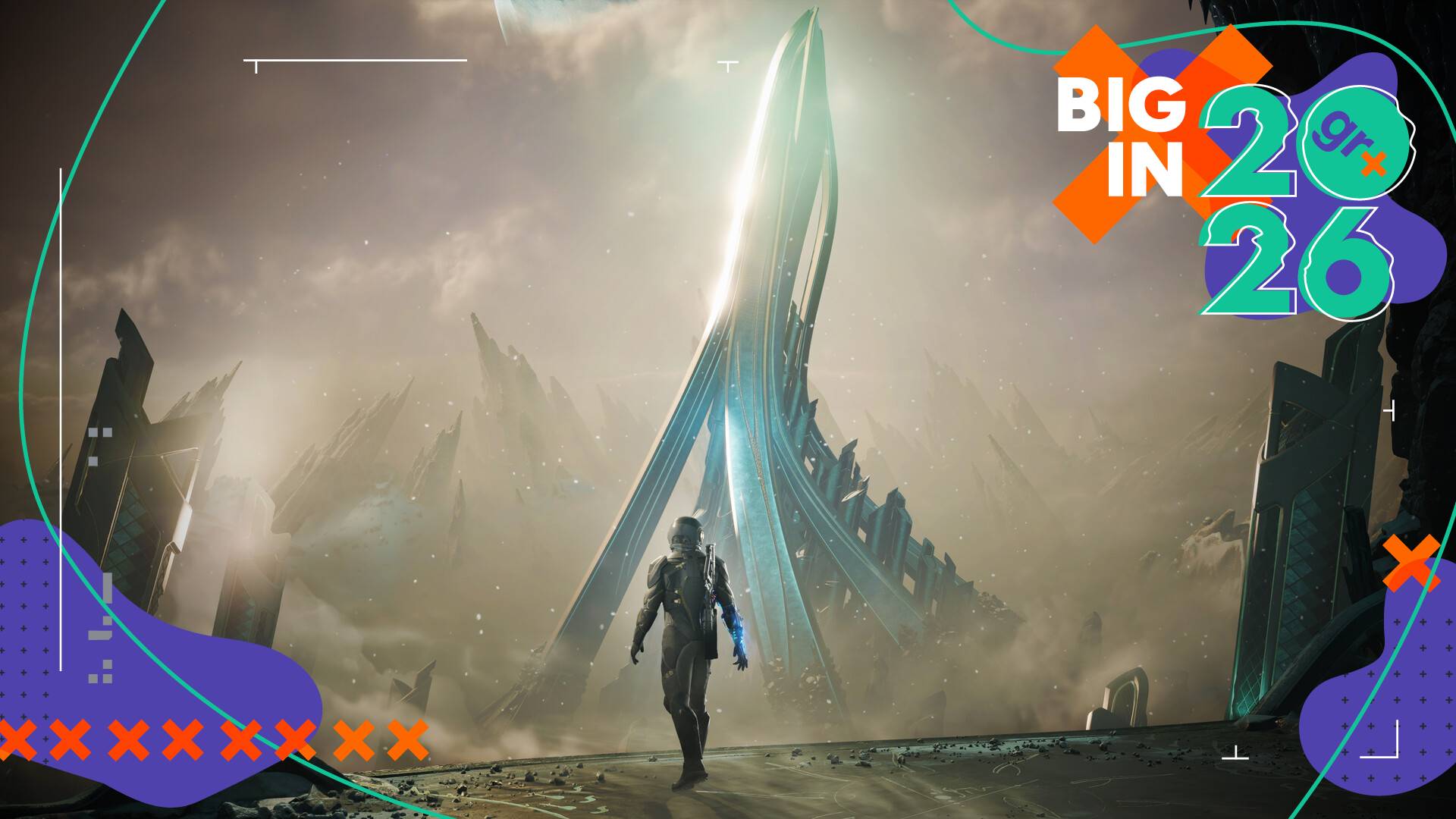 More than Mass Effect's spiritual successor, Exodus wants to pull decades of player choice into a single story
 Doorman: The comic book history of Wonder Man's tragic hero
 "It's emboldened us to keep going": Arc Raiders dev dives deep on bigger updates and learning from players
GAME REVIEWSMOVIE REVIEWSTV REVIEWS
"It's emboldened us to keep going": Arc Raiders dev dives deep on bigger updates and learning from players
GAME REVIEWSMOVIE REVIEWSTV REVIEWS- 1The Doom Arena Board Game is hell on Earth (in the best way) | Preview
- 2This award-winning board game is a five star must-have
- 3Code Vein 2 review: "This vampire take on Elden Ring almost works, but the dungeons themselves lack bite"
- 4Looking for a good 2-player board game? This superhero adventure is worth suiting up for
- 5Trails Beyond the Horizon review: "This JRPG's thrilling real-time and turn-based hybrid combat is finely balanced"
 1Return to Silent Hill review: "Neither an impressive adaptation nor coherent enough to act as a standalone film"
- 228 Years Later: The Bone Temple review: "The wildest and weirdest entry into the franchise yet"
- 3Avatar: Fire and Ash review: "Still a technical marvel, with some of the year's best action filmmaking"
- 4Five Nights at Freddy's 2 review: "We have waited two years for a Five Nights at Freddy's 1.5"
- 5Wake Up Dead Man: A Knives Out Mystery review: "Brings Knives Out back to its roots for a sequel that's almost on a par with the original"
 1Wonder Man review: "A low-key gem that's up there with the MCU's best"
- 2Starfleet Academy review: "It may feel a little different to what we're used to, but this is Star Trek through and through"
- 3A Knight of the Seven Kingdoms review: "This Game of Thrones spin-off is a heartfelt and fun return to Westeros"
- 4Stranger Things season 5 finale review: “Shows off both the best and the worst of Hawkins”
- 5Stranger Things season 5, Volume 2 review: “All set up for a finale that has so much to deliver”