- Archaeology
Archaeologists have discovered Anglo-Saxon children buried with a spear, shield and buckles, gear that's usually seen in warriors' graves.
When you purchase through links on our site, we may earn an affiliate commission. Here’s how it works.
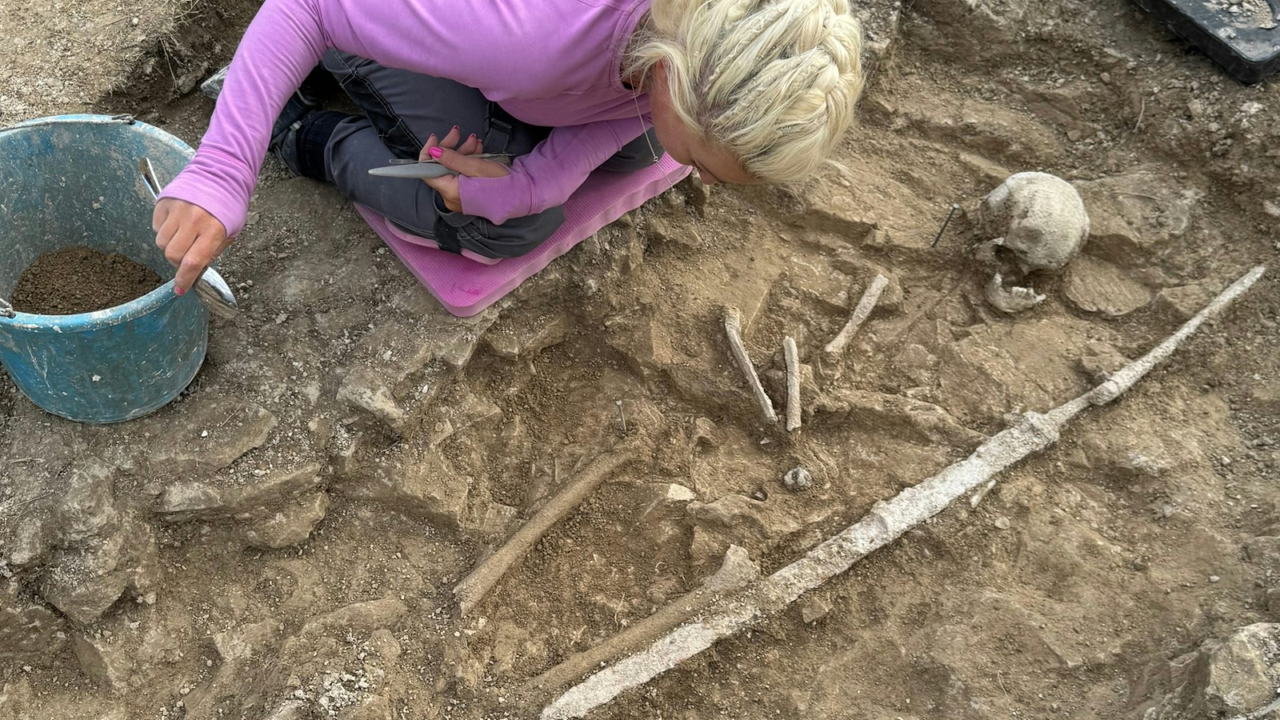
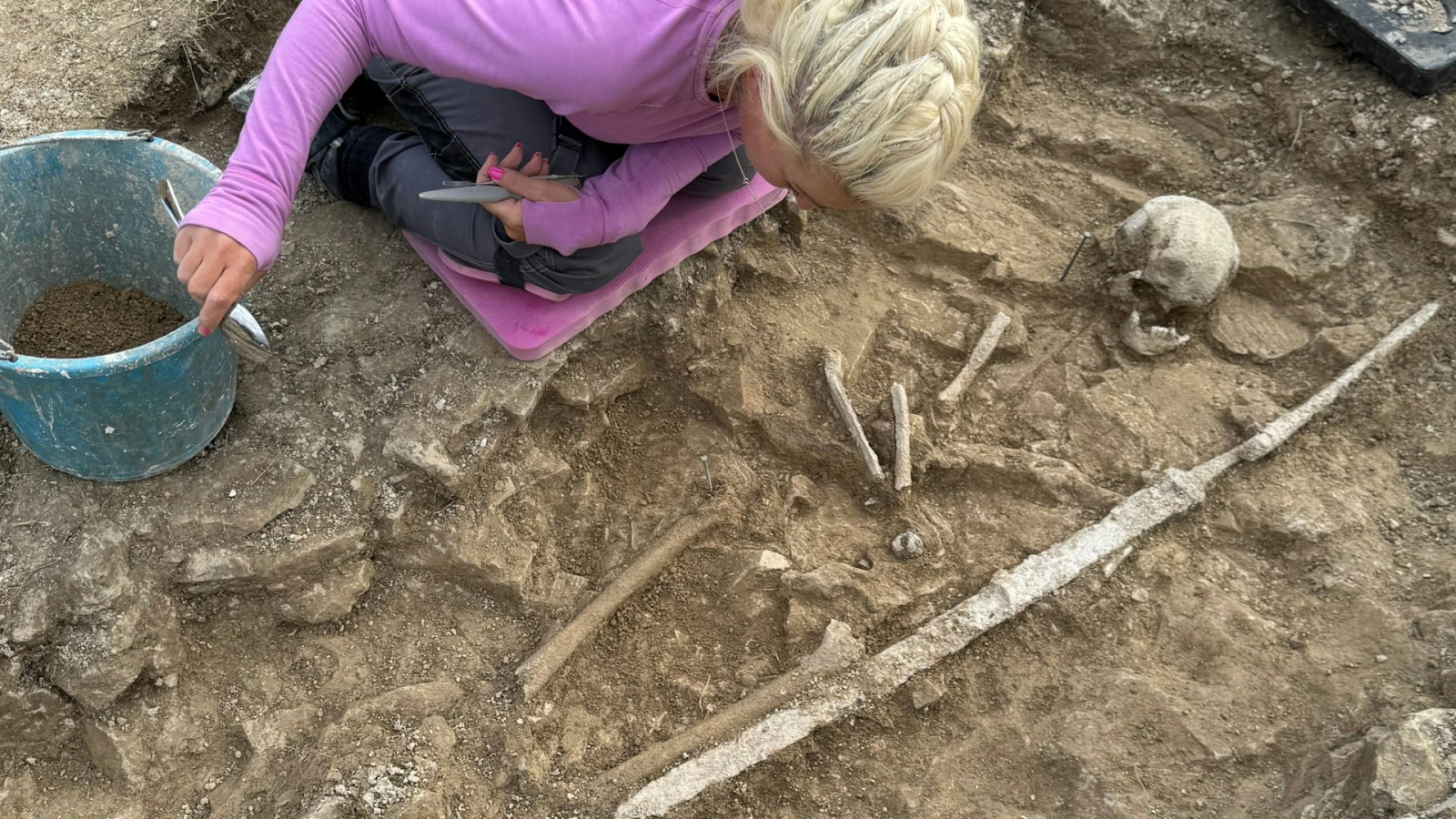 Uncovering the graves in the U.K.
(Image credit: Duncan Sayer (no reuse))
Uncovering the graves in the U.K.
(Image credit: Duncan Sayer (no reuse))
- Copy link
- X
Get the world’s most fascinating discoveries delivered straight to your inbox.
Become a Member in Seconds
Unlock instant access to exclusive member features.
Contact me with news and offers from other Future brands Receive email from us on behalf of our trusted partners or sponsors By submitting your information you agree to the Terms & Conditions and Privacy Policy and are aged 16 or over.You are now subscribed
Your newsletter sign-up was successful
Want to add more newsletters?

Delivered Daily
Daily Newsletter
Sign up for the latest discoveries, groundbreaking research and fascinating breakthroughs that impact you and the wider world direct to your inbox.
Signup +
Once a week
Life's Little Mysteries
Feed your curiosity with an exclusive mystery every week, solved with science and delivered direct to your inbox before it's seen anywhere else.
Signup +
Once a week
How It Works
Sign up to our free science & technology newsletter for your weekly fix of fascinating articles, quick quizzes, amazing images, and more
Signup +
Delivered daily
Space.com Newsletter
Breaking space news, the latest updates on rocket launches, skywatching events and more!
Signup +
Once a month
Watch This Space
Sign up to our monthly entertainment newsletter to keep up with all our coverage of the latest sci-fi and space movies, tv shows, games and books.
Signup +
Once a week
Night Sky This Week
Discover this week's must-see night sky events, moon phases, and stunning astrophotos. Sign up for our skywatching newsletter and explore the universe with us!
Signup +Join the club
Get full access to premium articles, exclusive features and a growing list of member rewards.
Explore An account already exists for this email address, please log in. Subscribe to our newsletterFour early Anglo-Saxon swords uncovered during a recent archaeological excavation I took part in each tell a story about how weapons were viewed at the time. There was also a striking discovery of a child buried with spear and shield. Was the child an underage fighter? Or were weapons more than mere tools of war to these people?
Weapons are embedded with values. Would, for example, the Jedi knights in the Star Wars franchise have as much nobility if they were armed with knives instead of light sabers? Today, modern armies fight remotely with missiles and drones, or mechanically with guns and armor. Yet in many countries, an officer still has a ceremonial sword, which worn incorrectly might even reveal an imposter.
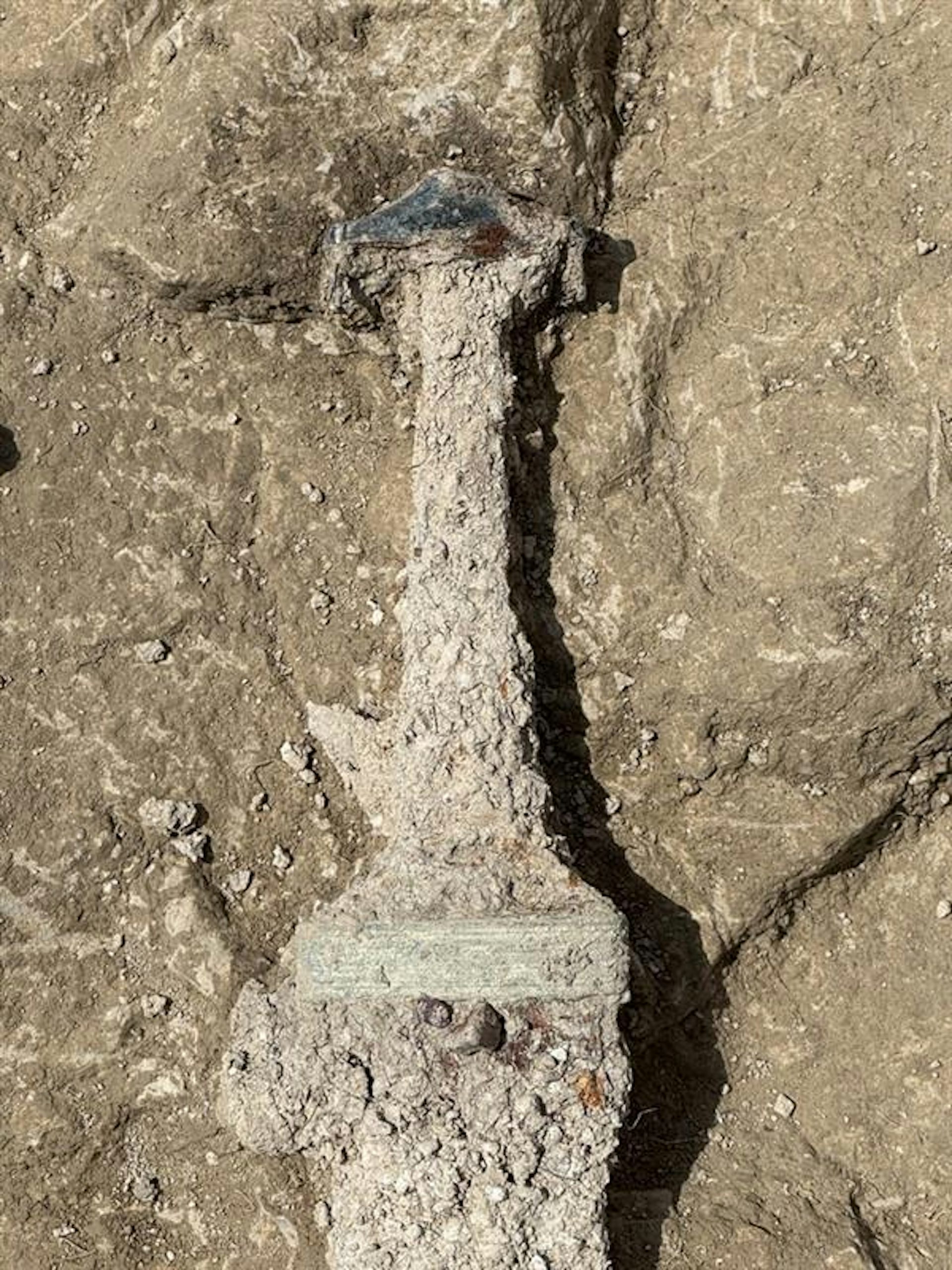
The excavation, which I carried out with archaeologist Andrew Richardson, focused on an early medieval cemetery and our swords were found in graves. Our team from the University of Lancashire and Isle Heritage has excavated around 40 graves in total. The discovery can be seen in BBC2's Digging for Britain.
You may like-
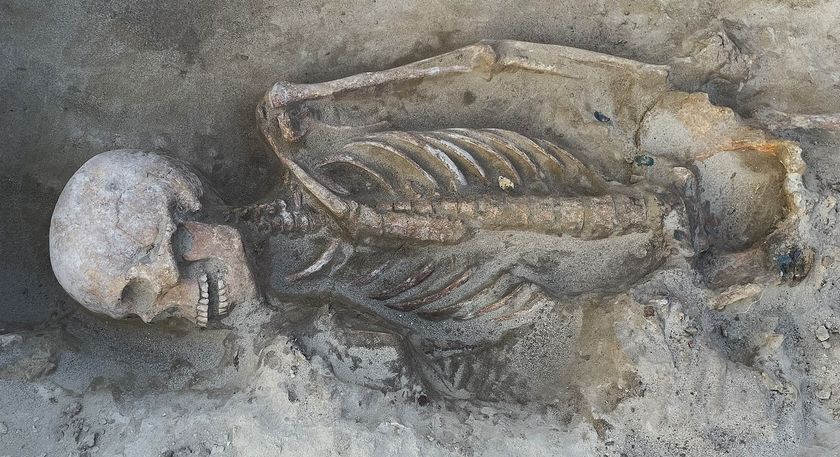 1,100-year-old burials of elite warriors and their ornate weapons discovered in Hungary
-
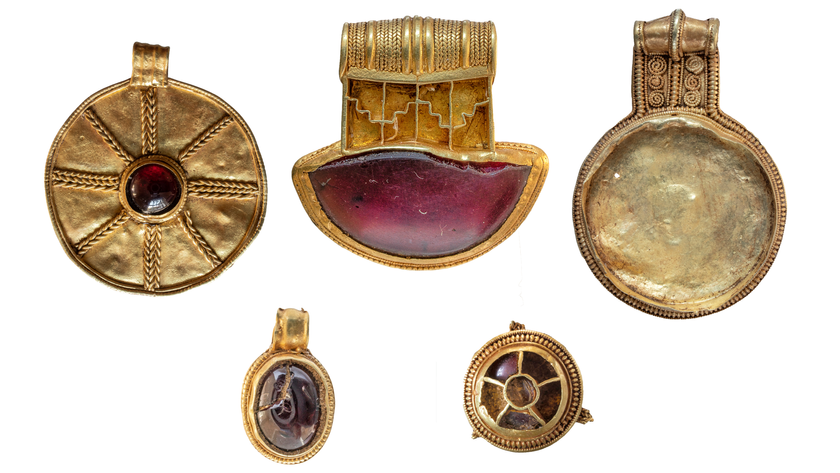 Detectorists find Anglo-Saxon treasure hoard that may have been part of a 'ritual killing'
-
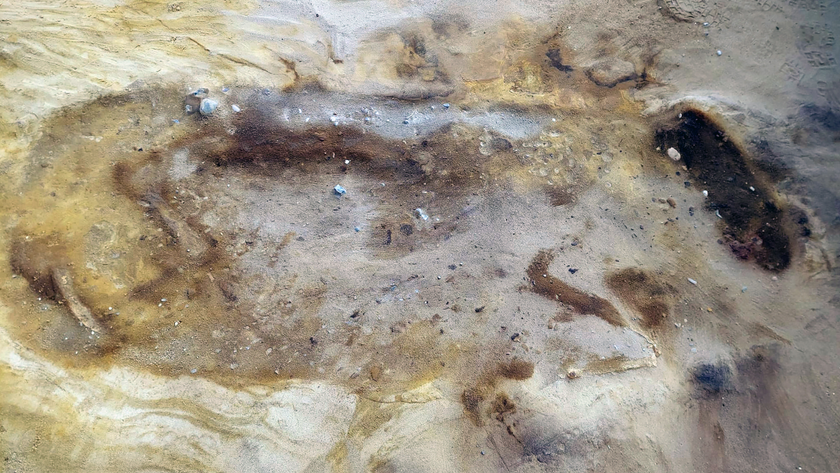 Eerie 'sand burials' of elite Anglo-Saxons and their 'sacrificed' horse discovered near UK nuclear power plant
One of the swords we uncovered has a decorated silver pommel (the rear part of the handle) and ring which is fixed to the handle. It is a beautiful, high status sixth-century object sheathed in a beaver fur lined scabbard. The other sword has a small silver hilt and wide, ribbed, gilt scabbard mouth — two elements with different artistic styles, from different dates, brought together on one weapon.
This mixture was also seen in the Staffordshire Hoard (discovered in 2009) which featured 78 pommels and 100 hilt collars with a range of dates from the fifth to the seventh centuries A.D.
In medieval times, swords — or their parts — were curated by their owners, and old swords were valued more highly than new ones.
The Old English poem Beowulf (probably composed between the eighth and early 11th century) describes old swords ("ealdsweord"), ancient swords ("gomelswyrd") and heirlooms ("yrfelafe"). As well as describing "waepen wundum heard" — "weapons hardened by wounds."
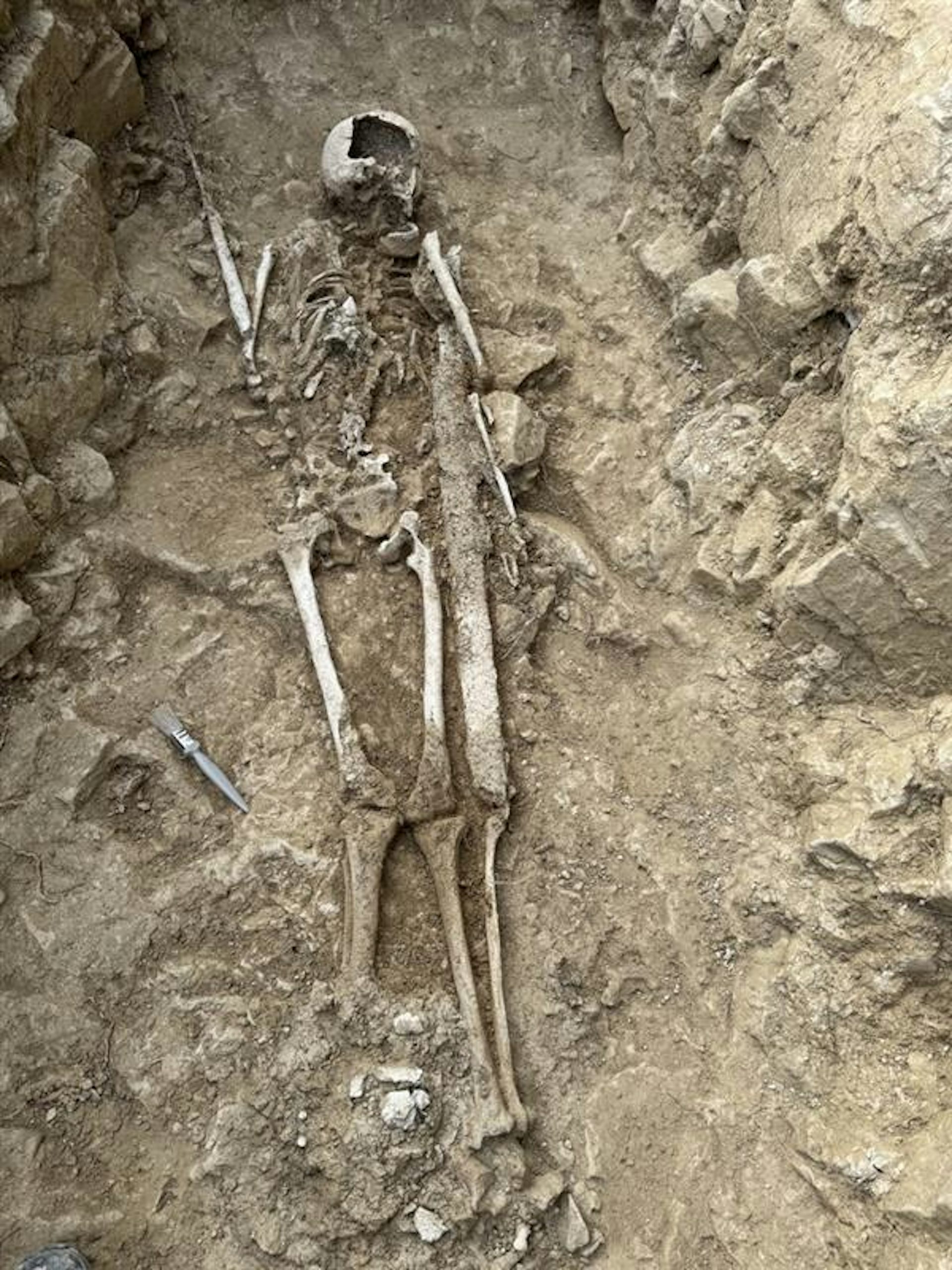
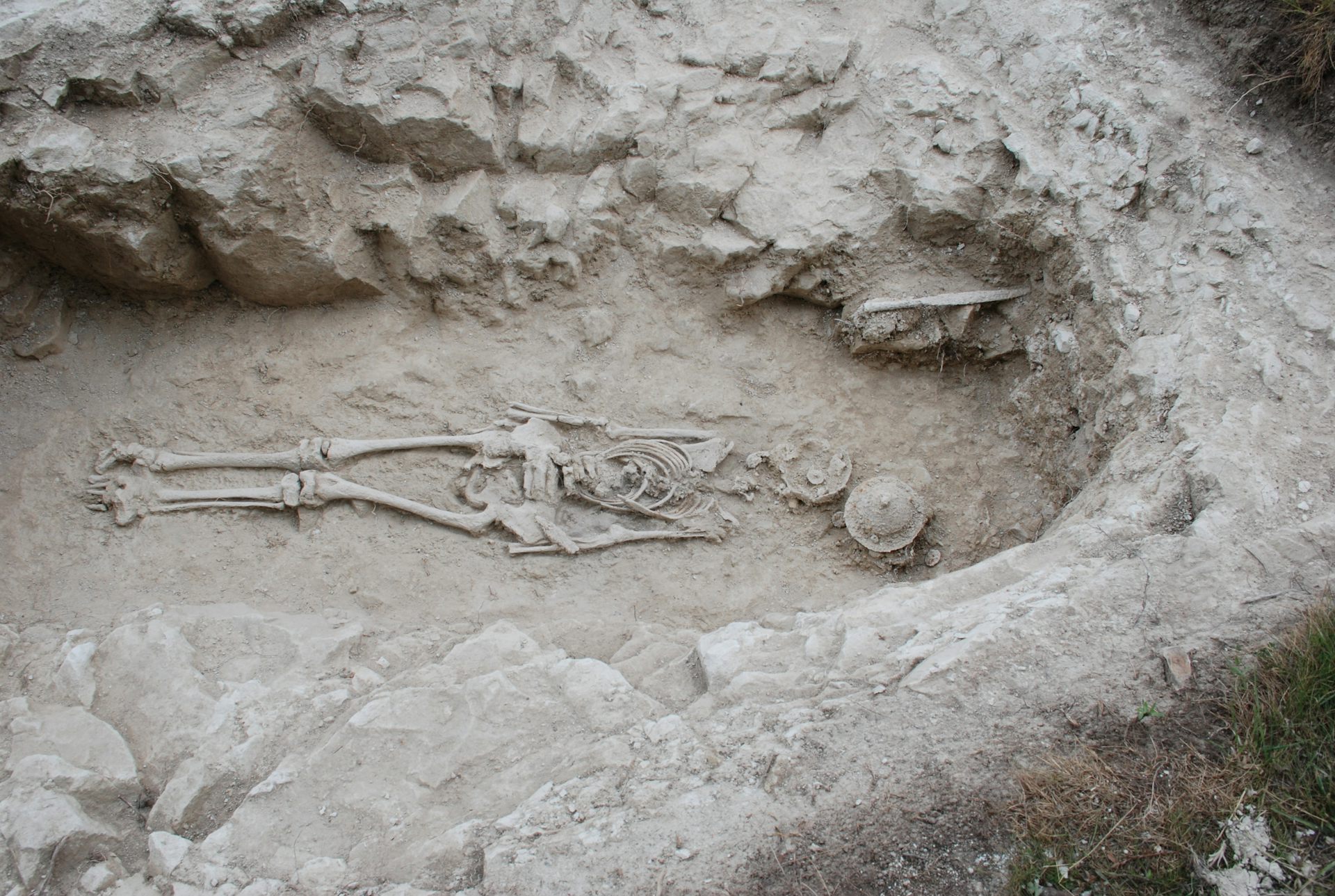
Sign up for the Live Science daily newsletter nowContact me with news and offers from other Future brandsReceive email from us on behalf of our trusted partners or sponsorsBy submitting your information you agree to the Terms & Conditions and Privacy Policy and are aged 16 or over.There are two sword riddles in the Exeter Book, a large codex of poetry written down in the 10th century (although the texts within it may describe earlier attitudes). In riddle 80, the sword describes itself: "I am a warrior's shoulder-companion". It's an interesting turn of phrase given our sixth century discoveries. In each case the hilt was placed at the shoulder and the arm of the deceased appeared to hug the weapon.
A comparable embrace has been seen in burials at Dover Buckland, also in Kent. There were two in Blacknall Field, Wiltshire, and one in West Garth Gardens, Suffolk. It is, however, unusual to see four people buried like this in one cemetery, and interestingly they were found in close proximity.
The part of the cemetery we have excavated includes several weapon burials placed around a deep grave with a ring ditch enclosing it. A small mound of earth would have been built over the top of the grave marking it out.
You may like-
1,100-year-old burials of elite warriors and their ornate weapons discovered in Hungary
-
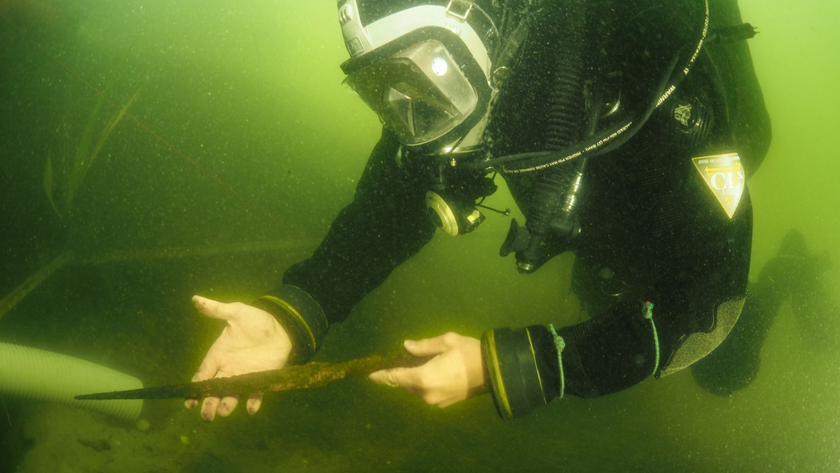 Medieval spear pulled from Polish lake may have belonged to prince or nobleman
-
 Viking Age woman found buried with scallop shells on her mouth, and archaeologists are mystified
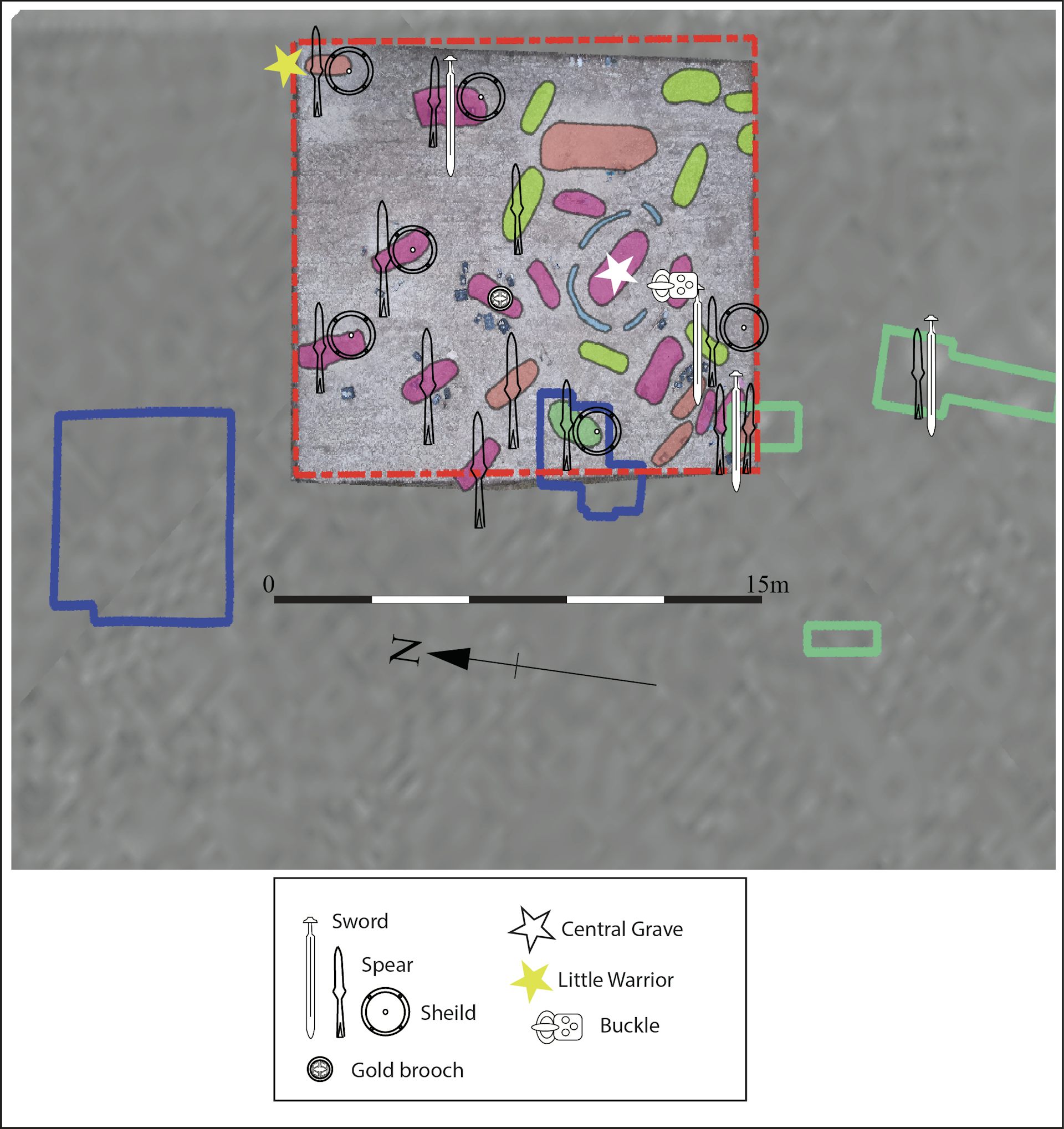
This earliest grave — the one that the others weapon graves used to guide their location — contained a man without metal artifacts or weapons. Weapon graves were more popular in the generations either side of the middle sixth century, so it is likely this person was buried before the fashion to dress the dead with weapons was established. Perhaps because during the tumultuous later fifth century and earliest years of the sixth century weapons were valued too highly for the defense of the living.
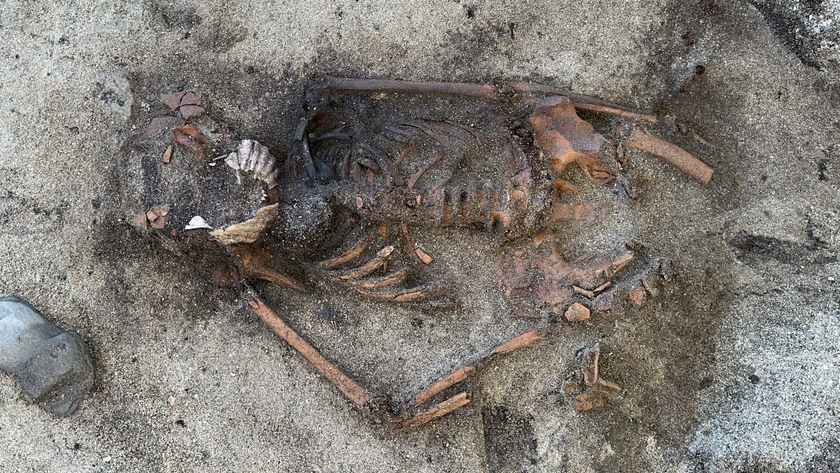
Our further discovery of a 10-12 year old child's grave with a spear and shield adds to this picture. The child's curved spine made it unlikely he could use these weapons comfortably.
A second grave of a younger child contained a large silver belt buckle. This looks to have been far too large to be worn by the boy who was just 2 to 3 years old. Graves with objects like these usually belong to adult men, large buckles were a symbol of office in later Roman and early Medieval contexts, for example the spectacular gold examples from Sutton Hoo.
So why were these objects found in the graves? Recent DNA results point to the importance of relatedness, particularly within the Y chromosome that denotes male ancestry.
At West Helsterton in east Yorkshire, DNA results point to a biological relationships between men buried in close proximity. Many of these men had weapons, including one with a sword and two spears. Many of the other male graves were placed around their heavily armed ancestor.
We are not saying that ancient weapons were purely ceremonial. Dents on shields, and wear on bladed weapons speak of practice and conflict. Injury and early death seen in skeletons testifies to the use of weapons in early medieval society and early English poetry speaks of grief and loss as much as heroism.
As Beowulf shows, feelings of loss were bound up in the display of the male dead and their weapons as well as fears for the future:
The Geat people built a pyre for Beowulf, Beowulf's funeral
stacked and decked it until it stood four-square,
hung with helmets, heavy war-shields
and shining armor, just as he had ordered.
Then his warriors laid him in the middle of it,
mourning a lord far-famed and beloved.
RELATED STORIES—Eerie 'sand burials' of elite Anglo-Saxons and their 'sacrificed' horse discovered near UK nuclear power plant
—Detectorists find Anglo-Saxon treasure hoard that may have been part of a 'ritual killing'
—1,500-year-old Anglo-Saxon burial holds a 'unique' mystery — a Roman goblet once filled with pig fat
The weapons in our graves were as much as an expression of loss and grief, as they were a physical statement about strength or masculinity and the male family. Even battle hardened and ancient warriors cried, and they buried their dead with weapons like swords that told stories.
The spear, shield and buckles found in little graves spoke of the men these children might have become.
This edited article is republished from The Conversation under a Creative Commons license. Read the original article.
 Duncan SayerProfessor in Archaeology, University of Lancashire
Professor Duncan Sayer is a leading expert in historical archaeology and has a particular interest in early medieval cemeteries, migration, death, burial and ethics. Duncan has lead field work projects for over 20 year, most recently these have included Oakington early Anglo-Saxon cemetery and Ribchester Roman fort. As a result Duncan is currently collaborating with DNA labs in Harvard and Max Planck to put together one of the largest ancient DNA projects in Europe.
View MoreYou must confirm your public display name before commenting
Please logout and then login again, you will then be prompted to enter your display name.
Logout Read more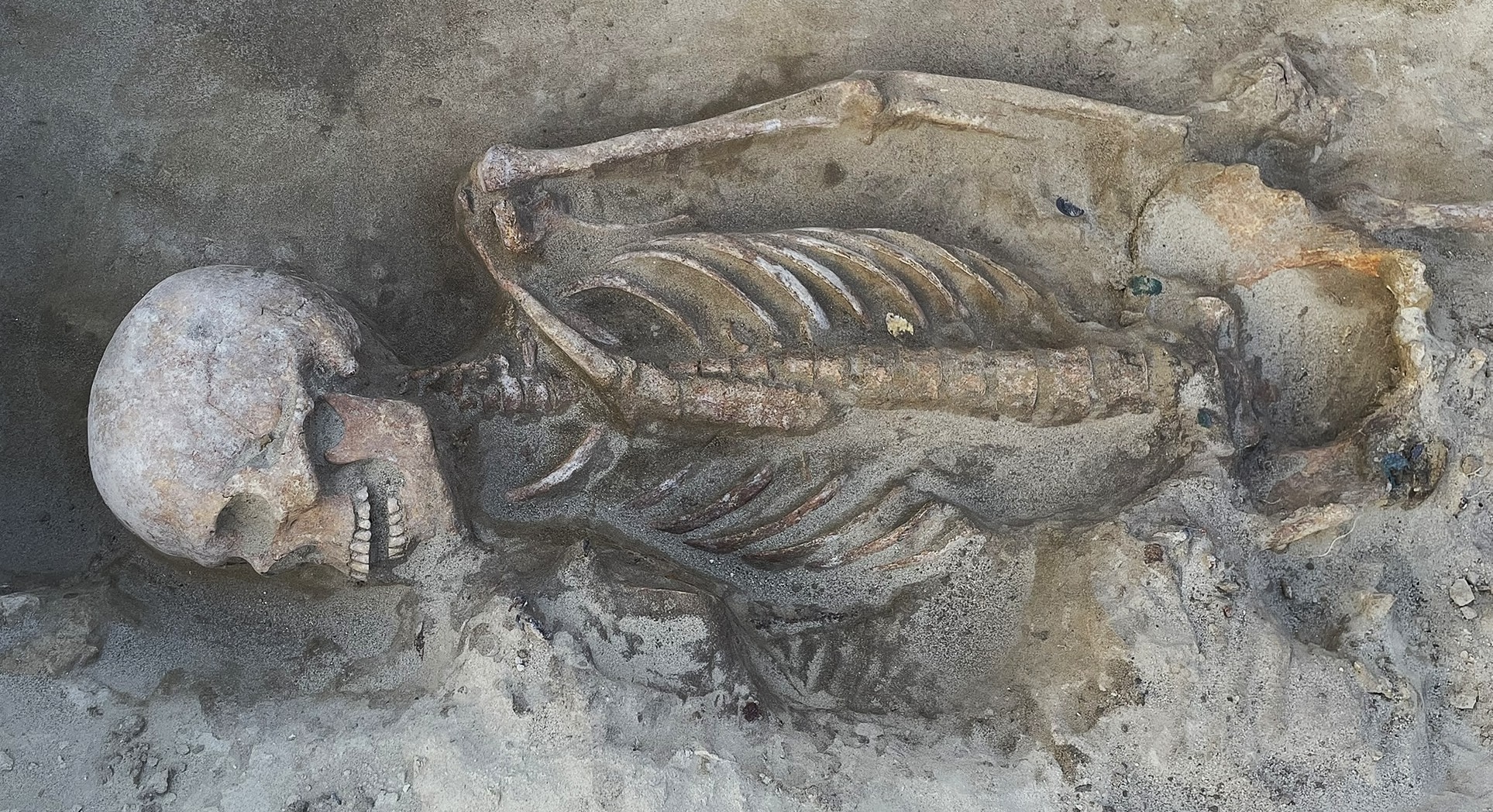 1,100-year-old burials of elite warriors and their ornate weapons discovered in Hungary
 Medieval spear pulled from Polish lake may have belonged to prince or nobleman
 Viking Age woman found buried with scallop shells on her mouth, and archaeologists are mystified
 'I had never seen a skull like this before': Medieval Spanish knight who died in battle had a rare genetic condition, study finds
 3,300-year-old cremations found in Scotland suggest the people died in a mysterious catastrophic event
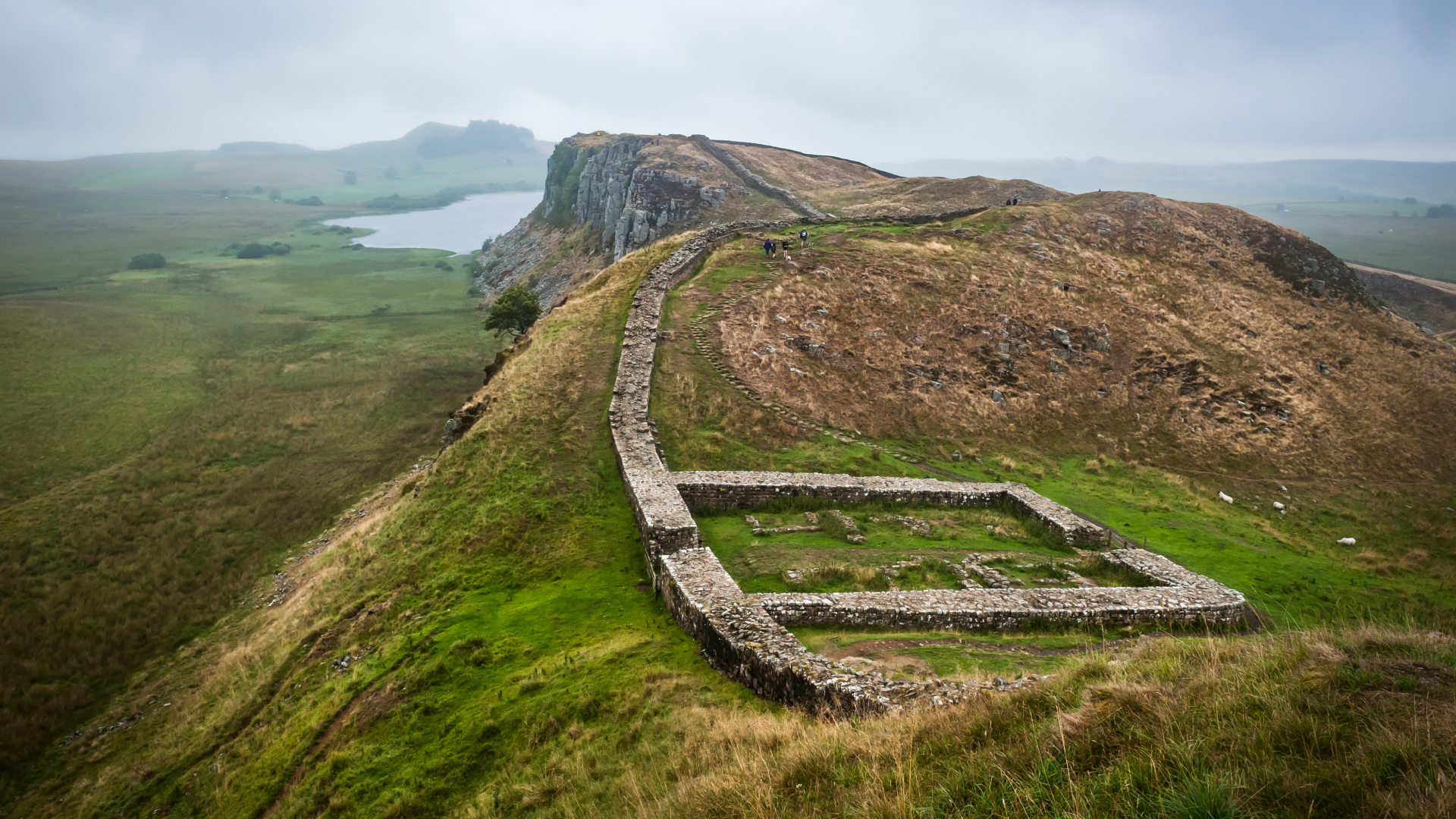 New discoveries at Hadrian's Wall are changing the picture of what life was like on the border of the Roman Empire
Latest in Archaeology
New discoveries at Hadrian's Wall are changing the picture of what life was like on the border of the Roman Empire
Latest in Archaeology
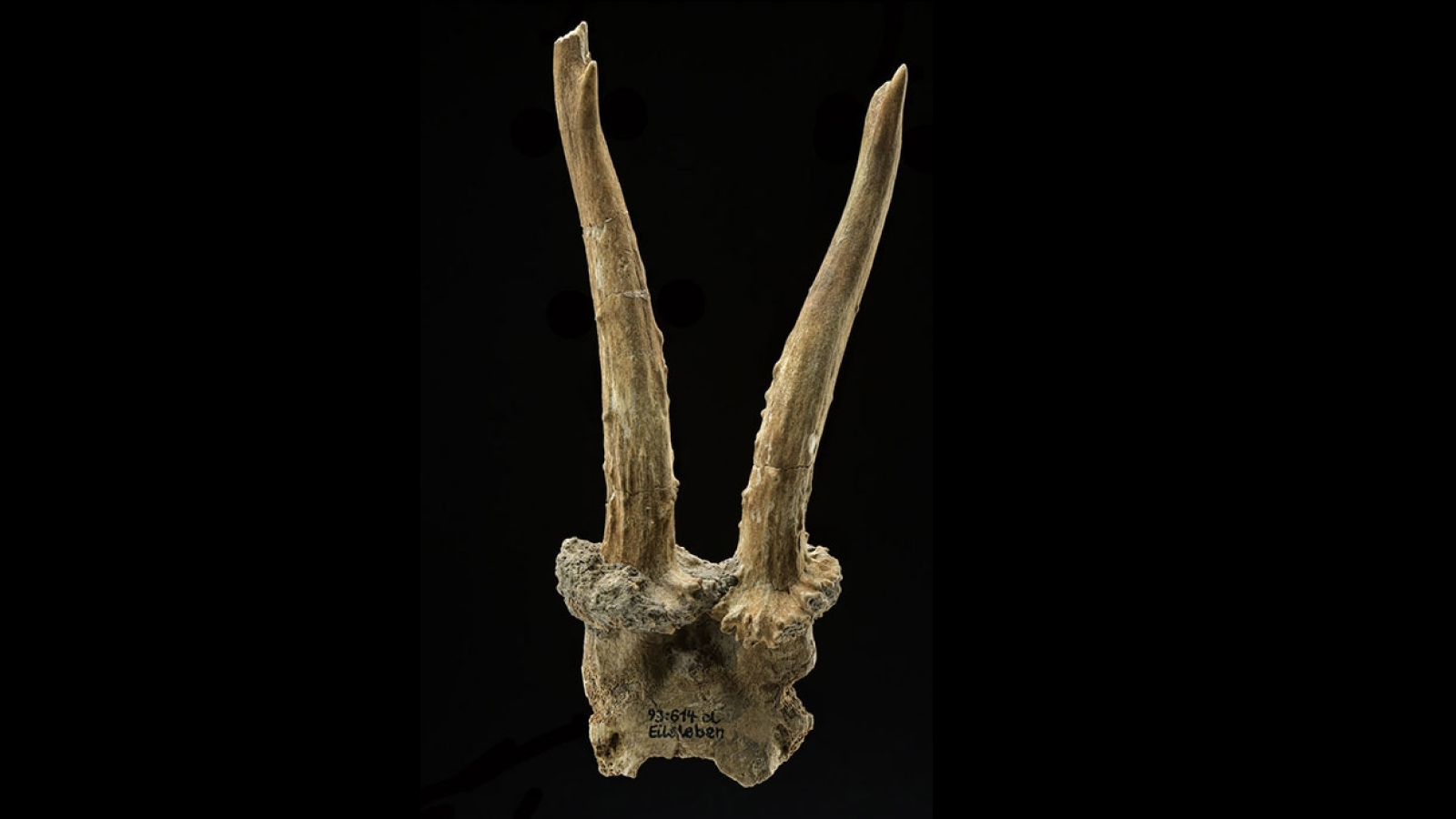 7,500-year-old deer skull headdress discovered in Germany indicates hunter-gatherers shared sacred items and ideas with region's first farmers
 Remote region in Greece has one of the most genetically distinct populations in Europe
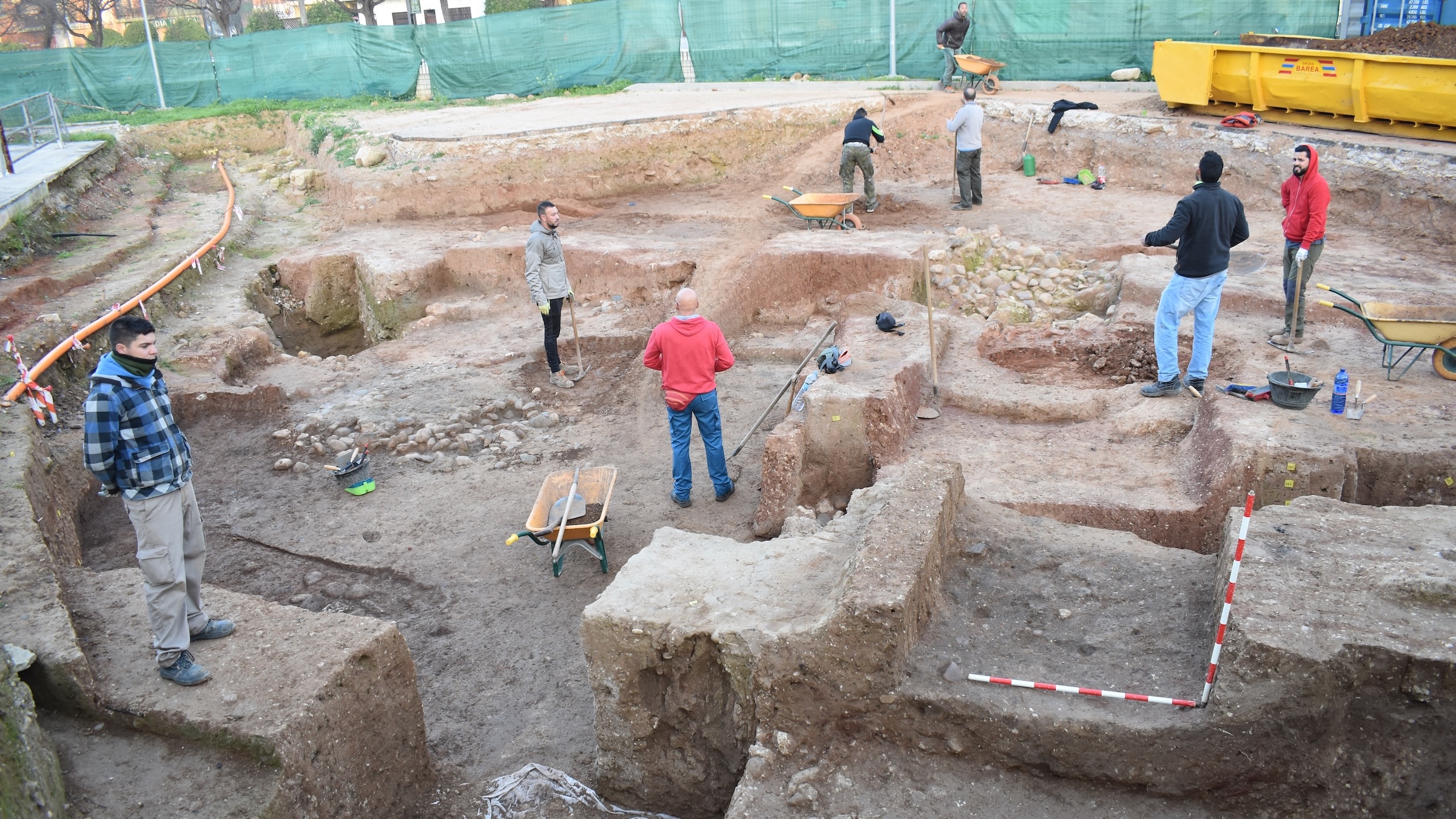 'Landmark' elephant bone finding in Spain may be from time of Hannibal's war against Rome
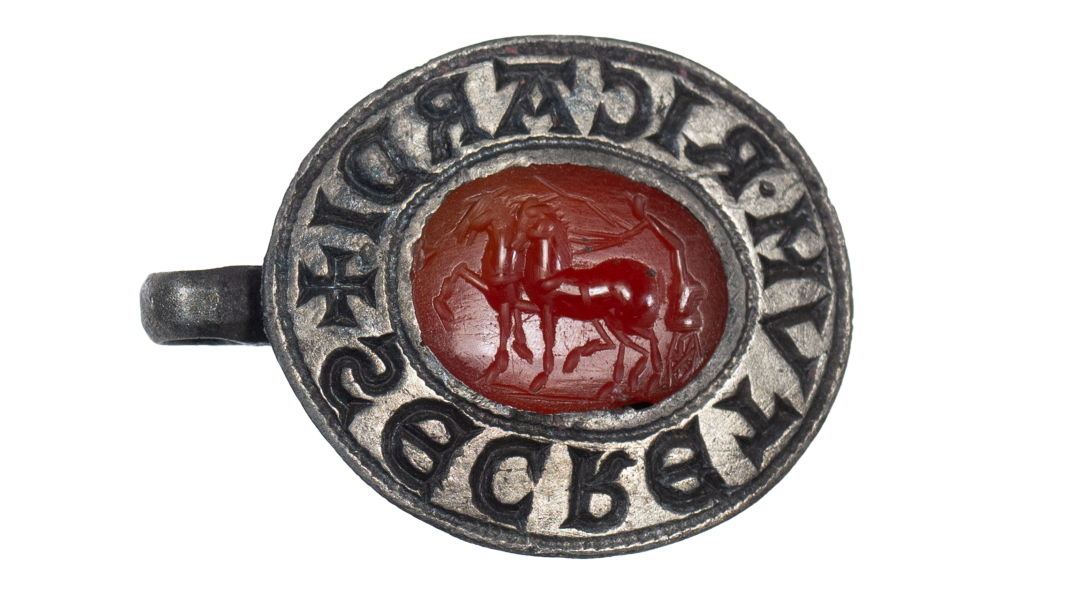 Rare medieval seal discovered in UK is inscribed with 'Richard's secret' and bears a Roman-period gemstone
 'It's similar to how Google can map your home without your consent': Why using aerial lasers to map an archaeology site should have Indigenous partnership
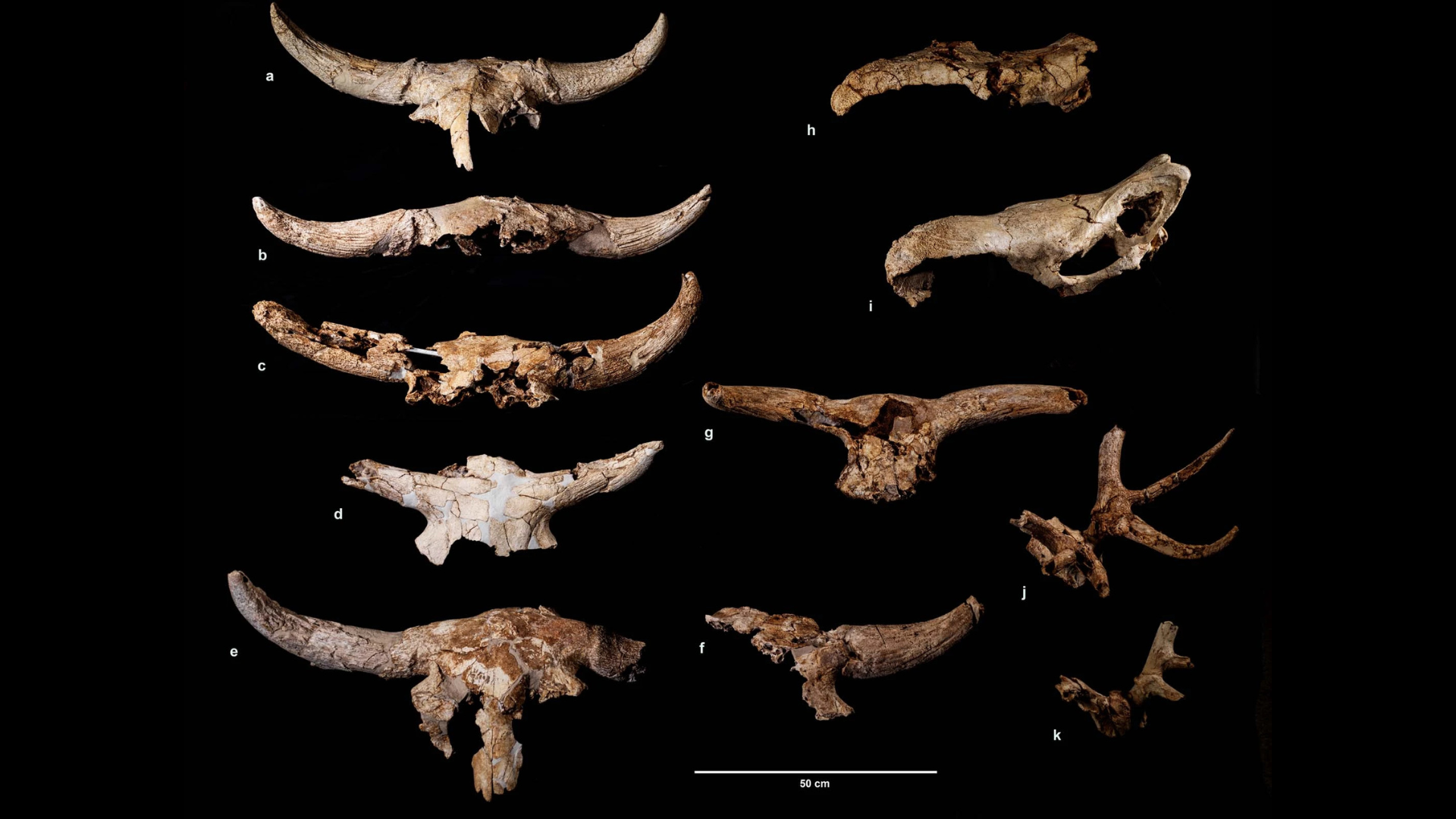 More than 43,000 years ago, Neanderthals spent centuries collecting animal skulls in a cave; but archaeologists aren't sure why
Latest in Opinion
Anglo-Saxon children discovered buried with warrior gear in UK — perhaps as a nod to 'the men these children might have become'
More than 43,000 years ago, Neanderthals spent centuries collecting animal skulls in a cave; but archaeologists aren't sure why
Latest in Opinion
Anglo-Saxon children discovered buried with warrior gear in UK — perhaps as a nod to 'the men these children might have become'
 Giving AI the ability to monitor its own thought process could help it think like humans
 'The problem isn't just Siri or Alexa': AI assistants tend to be feminine, entrenching harmful gender stereotypes
 Antibiotic resistance is the 'silent pandemic' — here are four steps to stop it
 Google Glass has found yet another lease of life — but is it too little too late for smart glasses?
 AI may accelerate scientific progress — but here's why it can't replace human scientists
LATEST ARTICLES
AI may accelerate scientific progress — but here's why it can't replace human scientists
LATEST ARTICLES 1AI-supported breast cancer screening spots more cancers earlier, landmark trial finds
- 2'There's no reason to ban us from playing': Analysis debunks notion that transgender women have inherent physical advantages in sports
- 3Clean energy is surging — with or without Trump
- 4Top 5 tips for buying an electric toothbrush for kids, according to experts
- 5Discoveries inside Earth, Artemis II scrub, and an ape that can play pretend


