- Planet Earth
- Energy
- Renewable Energy
In 2025, solar and wind surpassed coal as a global energy source.
When you purchase through links on our site, we may earn an affiliate commission. Here’s how it works.
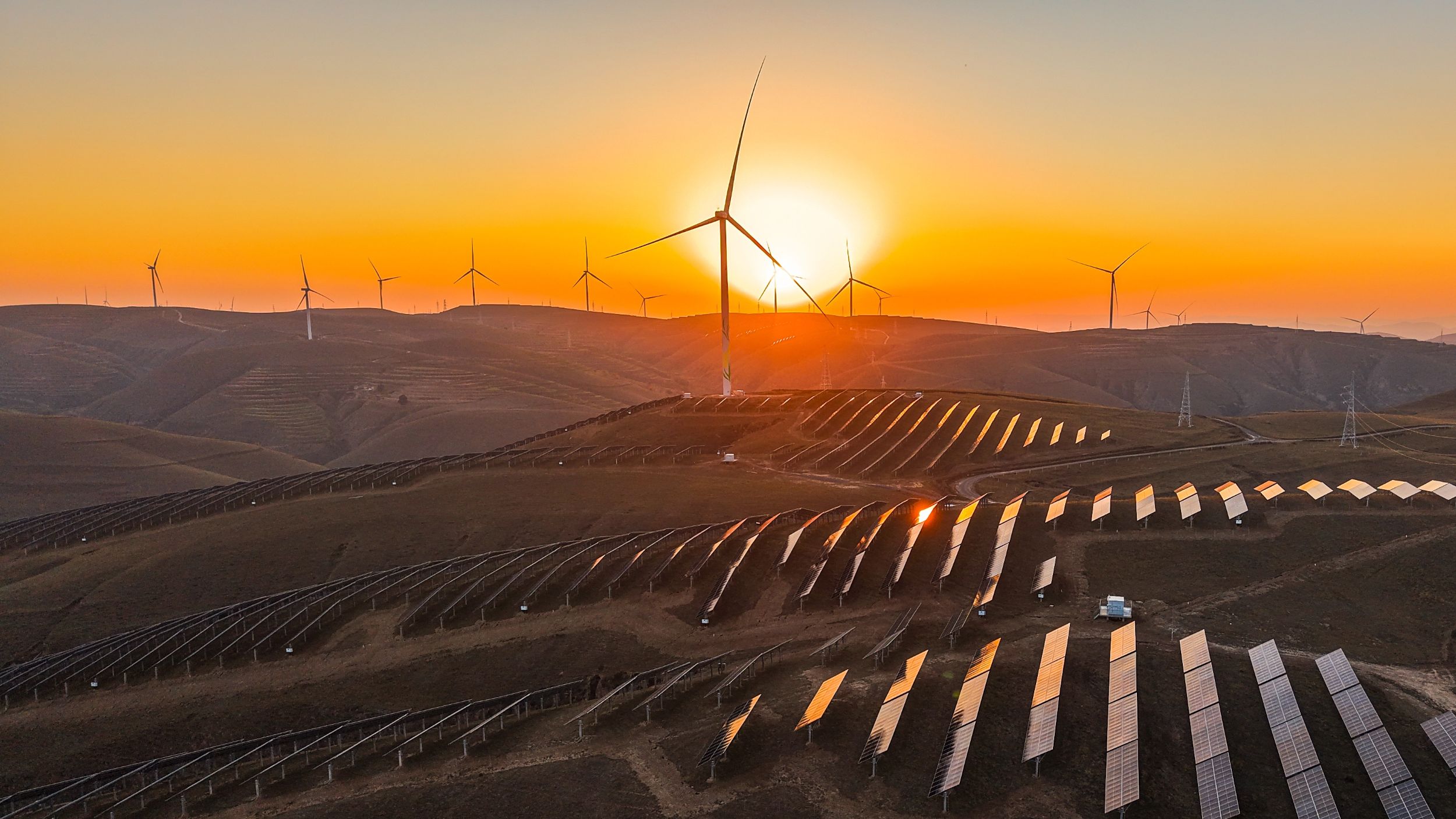 The cost of solar and wind generation has fallen sharply in the past 15 years, making renewables economically viable.
(Image credit: VCG/Contributor/Getty Images)
The cost of solar and wind generation has fallen sharply in the past 15 years, making renewables economically viable.
(Image credit: VCG/Contributor/Getty Images)
- Copy link
- X
Get the world’s most fascinating discoveries delivered straight to your inbox.
Become a Member in Seconds
Unlock instant access to exclusive member features.
Contact me with news and offers from other Future brands Receive email from us on behalf of our trusted partners or sponsors By submitting your information you agree to the Terms & Conditions and Privacy Policy and are aged 16 or over.You are now subscribed
Your newsletter sign-up was successful
Want to add more newsletters?

Delivered Daily
Daily Newsletter
Sign up for the latest discoveries, groundbreaking research and fascinating breakthroughs that impact you and the wider world direct to your inbox.
Signup +
Once a week
Life's Little Mysteries
Feed your curiosity with an exclusive mystery every week, solved with science and delivered direct to your inbox before it's seen anywhere else.
Signup +
Once a week
How It Works
Sign up to our free science & technology newsletter for your weekly fix of fascinating articles, quick quizzes, amazing images, and more
Signup +
Delivered daily
Space.com Newsletter
Breaking space news, the latest updates on rocket launches, skywatching events and more!
Signup +
Once a month
Watch This Space
Sign up to our monthly entertainment newsletter to keep up with all our coverage of the latest sci-fi and space movies, tv shows, games and books.
Signup +
Once a week
Night Sky This Week
Discover this week's must-see night sky events, moon phases, and stunning astrophotos. Sign up for our skywatching newsletter and explore the universe with us!
Signup +Join the club
Get full access to premium articles, exclusive features and a growing list of member rewards.
Explore An account already exists for this email address, please log in. Subscribe to our newsletterA funny thing happened on the way to President Donald Trump's mission to obliterate renewable energy. Solar and wind energy use is surging, especially globally, but even in the United States.
Solar and wind electricity generation grew 109% worldwide last year, pushing these renewable sources past coal for the first time as a global energy supplier, according to an analysis by Ember Energy Research. More than 600 gigawatts of solar electricity were added last year, led by China and also including India, Brazil, Vietnam, the European Union, Kenya, and Mozambique. African experts say much of the continent is leaning heavily into solar and wind as it electrifies new regions and industries, bypassing fossil fuels.
Meanwhile, investment in new clean energy, including storage, grid upgrades, efficiency measures, and electric vehicles, soared as of 2024 year-end to $2.2 trillion — double the investment in new fossil fuels projects of $1.1 trillion — according to the International Energy Agency. Globally, the future for renewable energy looks bright.
You may like-
 World's first global carbon tax was about to be introduced. Trump dealt a 'devastating blow' to the deal.
-
 China's 'artificial sun' reactor shatters major fusion limit — a step closer to near-limitless clean energy
-
 'The scientific cost would be severe': A Trump Greenland takeover would put climate research at risk
Even in the U.S., renewable generation grew substantially, with solar generation up 37% last year and wind up 12%. The Energy Information Administration says renewables provided 24% of U.S. electricity generation last year. For at least one month, March 2025, renewables supplied more than half the electricity generated nationwide. That was the first time ever that fossil fuels supplied less than half of total U.S. electricity generation. Solar alone provided about 85% of all new electricity added to the U.S. grid last year, according to the Solar Energy Industry Association.
Why? It's simple economics. The cost of solar and wind generation plummeted in the past 15 years. Utility-scale solar generation, meaning the cost to an electric utility to generate electricity from solar, fell 85% in the decade between 2010 and 2020. Things got complicated during the pandemic because of supply chain snags, but then in 2023 prices fell by 12%. Prices fell again in 2024.
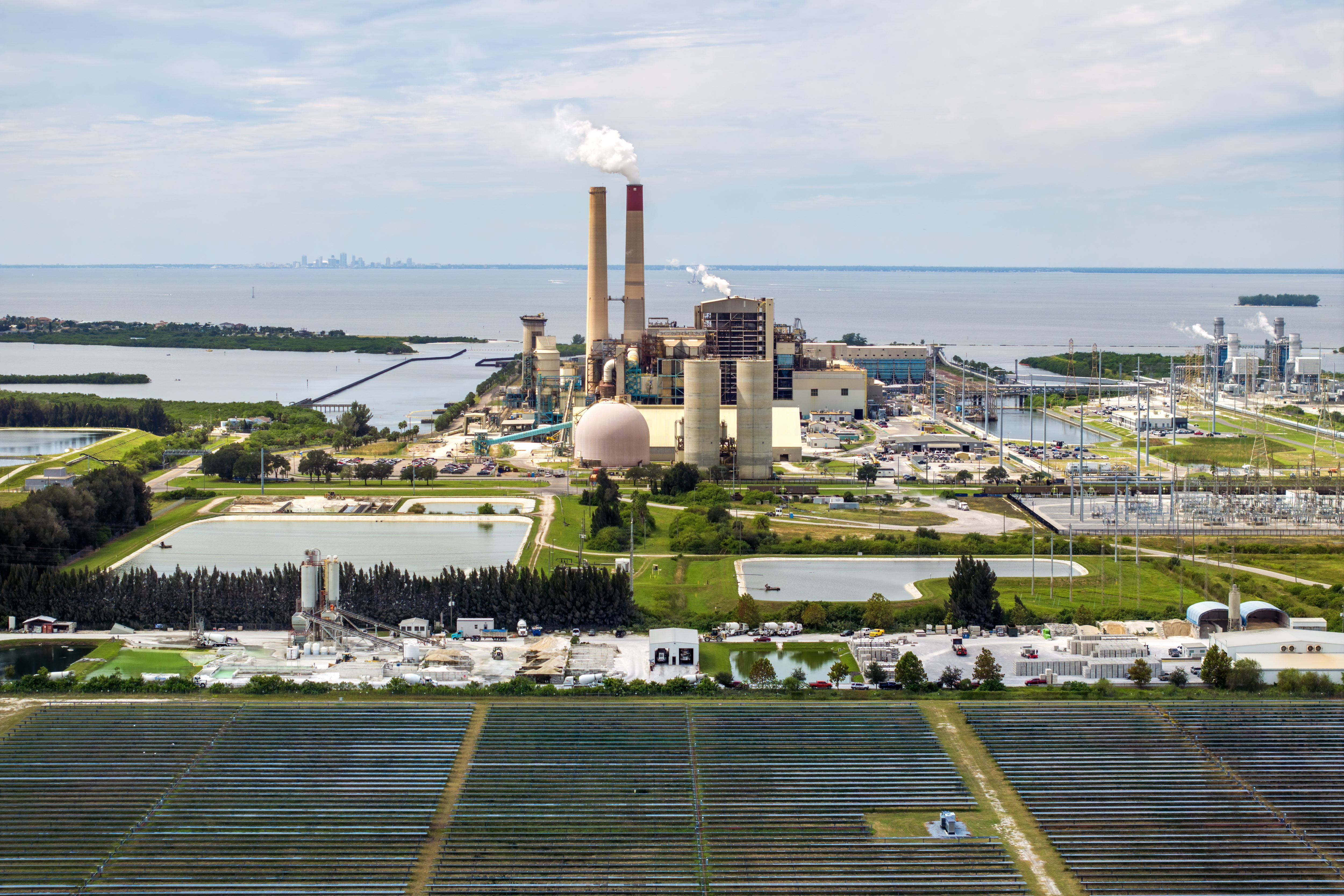
Solar and wind are less expensive for generating electricity than natural gas or coal, according to PV Magazine's report on Lazard's Levelized Cost of Energy for 2025. Utility-scale solar costs between four and eight cents per kilowatt-hour, even without the subsidies that Republicans killed with the reversal of the Inflation Reduction Act. With battery storage added, solar generation costs five cents to 13 cents. By comparison, generating electricity from natural gas costs 13.8 to 26 cents per kilowatt-hour, according to PV magazine and Lazard. Coal is even more expensive.
"The big thing that is happening is the very rapid rise of clean energy around the world, happening over the last six months," said climate author and activist Bill McKibben, speaking to journalists in January, citing this as one of the major developments in climate right now.
Sign up for the Live Science daily newsletter nowContact me with news and offers from other Future brandsReceive email from us on behalf of our trusted partners or sponsorsBy submitting your information you agree to the Terms & Conditions and Privacy Policy and are aged 16 or over.The cause is "the dramatic reduction in the price of clean energy, which is shaking up all of our assumptions," he added. For a long time, solar and wind were called "alternative energy," but now they are the dominant source of new energy across the globe, "so there's nothing alternative about them," he added.
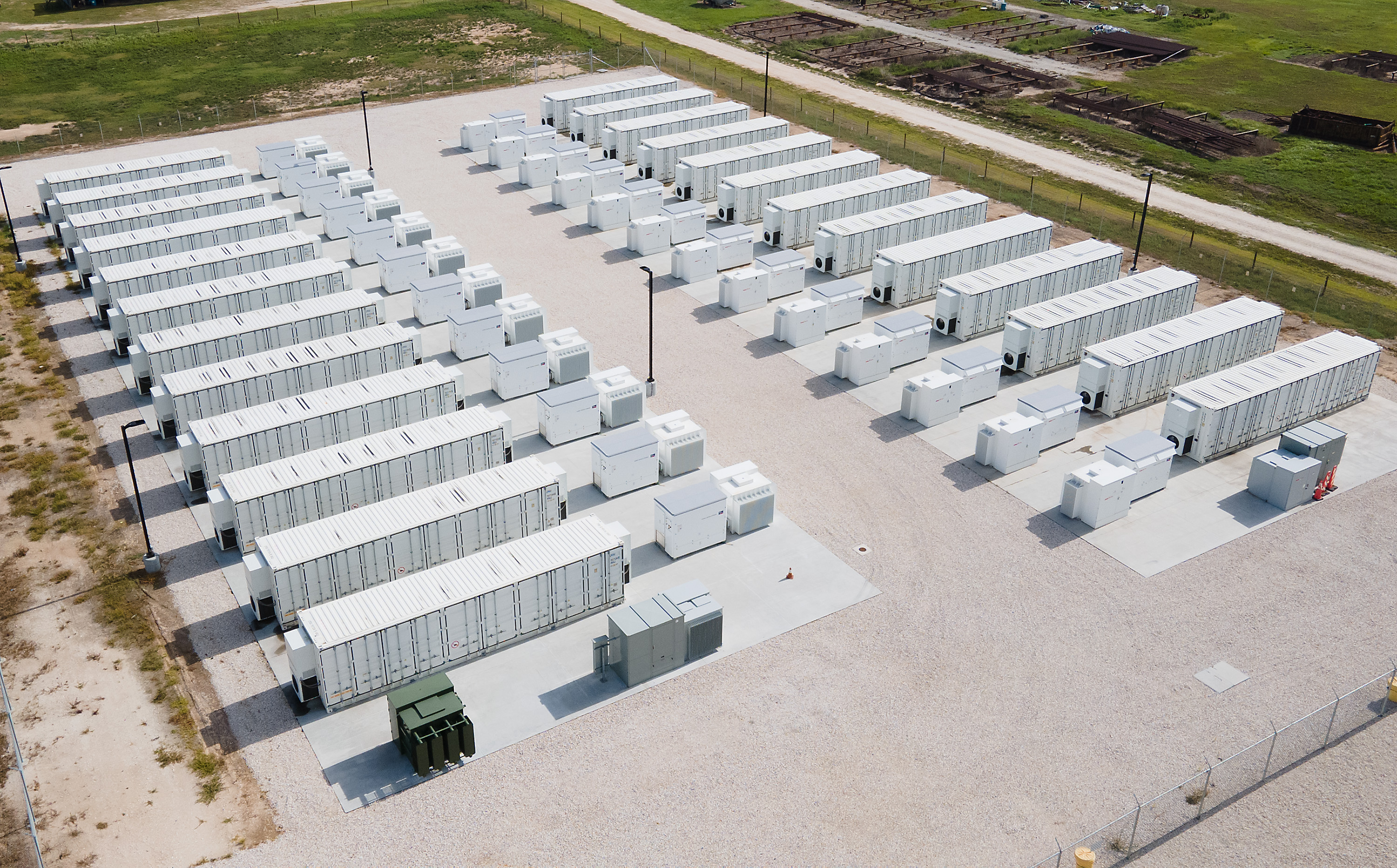
When battery storage is added to a utility's system, the cost of generating electricity from solar and storage is five to 13 cents per kilowatt-hour — still considerably cheaper than natural gas and coal. Battery storage allows wind and solar to be reliable sources even when the sun isn't shining and wind isn't blowing. Battery storage deployment doubled in the U.S. during 2024.
Climate solutions investor Tom Steyer said solar and wind adoption are experiencing the sharp upward trajectory that other successful new technologies, like mobile phones, experienced after an initial period of slow growth.
You may like-
China's 'artificial sun' reactor shatters major fusion limit — a step closer to near-limitless clean energy
-
'The scientific cost would be severe': A Trump Greenland takeover would put climate research at risk
-
 Earth's crust hides enough 'gold' hydrogen to power the world for tens of thousands of years, emerging research suggests
"When it really gets cheaper, faster, and better, then (adoption) goes up almost vertical," Steyer said on an MCJ podcast a few months ago. Steyer is the cofounder of Galvanize Climate Solutions investment firm and recently entered the race for governor of California.
Solar and wind energy have become so cheap that big utilities, corporations, and residents alike have been choosing them over natural gas, coal, or oil. However, the loss of federal tax incentives in the U.S. for solar and wind, and the U.S. administration's cutting back on permits for new wind and solar projects, are expected to slow the adoption of renewables this year.
"Unless this administration reverses course, the future of clean, affordable, and reliable solar and storage will be frozen by uncertainty, and Americans will continue to see their energy bills go up," said Solar Energy Industry Association president and CEO Abigail Ross Hopper in a statement last month. She added that the U.S. has a lot to lose: "America's manufacturing surge, our global competitiveness, and billions of dollars in private investment are on the line."
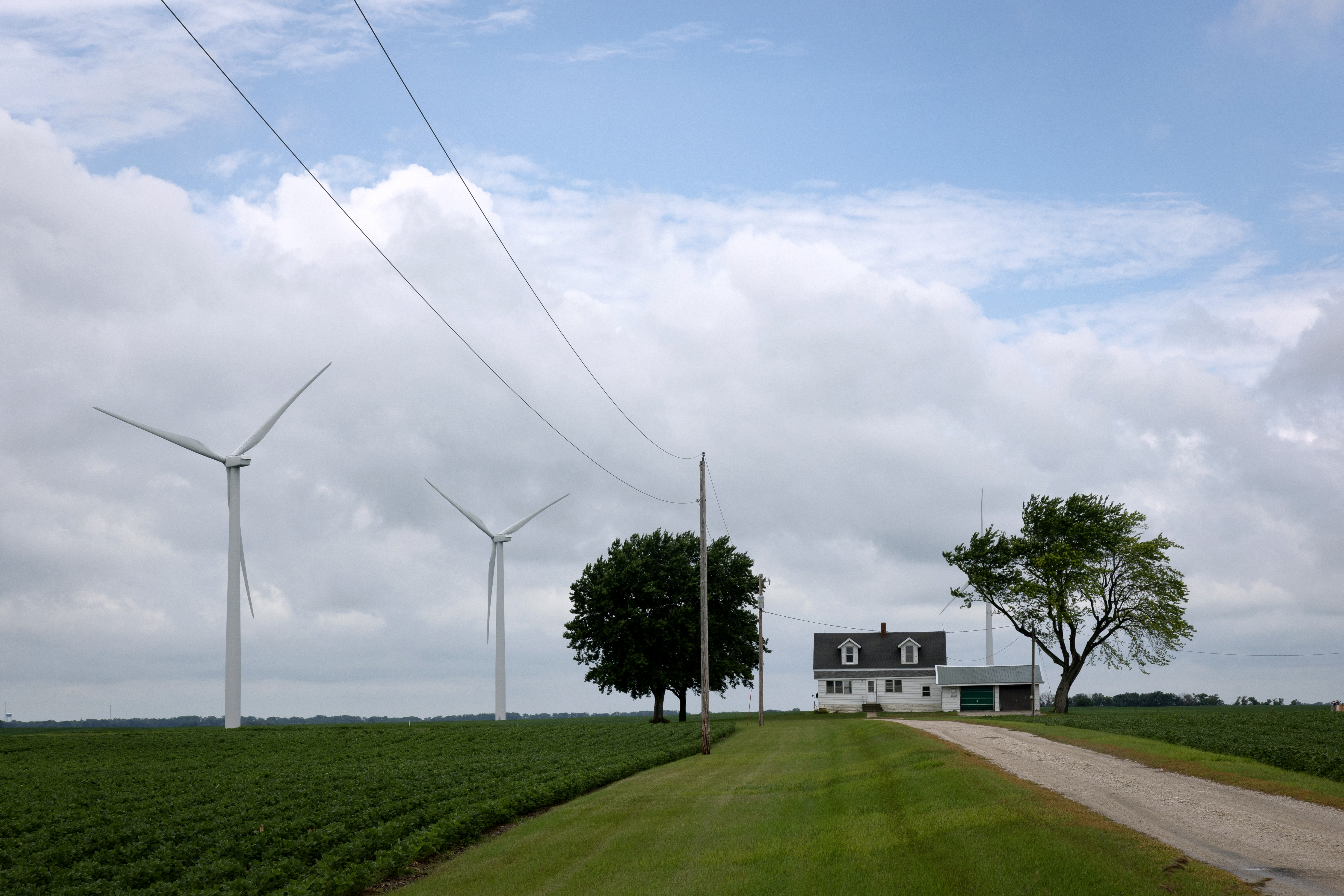
Even though the Republican federal administration favors fossil fuels over renewables, the SEIA noted that 73% of new solar capacity added in the U.S. in 2025 was installed in Republican states. Among the 10 states adding the most solar capacity were Texas, Indiana, Florida, Arizona, Ohio, Utah, Kentucky, and Arkansas.
Iowa gets 60% of its electricity from renewable sources, according to the state government, and at certain times last year, wind energy alone accounted for 64% of its electricity generation. In Texas, renewable energy supplied 40% of electricity generation in early 2024, according to Conservative Texans for Energy Innovation. Wind and solar became the cost-effective bet partly because battery storage improved and adoption of battery storage doubled.
In 2026, wind adoption is expected to fall in the U.S. after the administration revoked permits for five major offshore wind projects — although Trump's efforts to block offshore wind have faced legal setbacks.
The energy transition continues to accelerate elsewhere — in almost all corners of the globe.
"What is often missed in global discussions is the speed at which change is happening," said Mohamed Adow, founder and director of Power Shift Africa, a climate and energy think tank based in Kenya. "Our continent is making a huge energy leap," skipping fossil fuel adoption to go straight to deploying renewables instead, much the way the continent skipped over adopting landline telephones and adopted cellphones instead.
RELATED STORIES—When China makes a climate pledge, the world should listen
—World's first global carbon tax was about to be introduced. Trump dealt a 'devastating blow' to the deal.
—China has planted so many trees it's changed the entire country's water distribution
"In many countries, renewable energy is central to their economic development," Adow said.
Across Africa, 18 countries added more than 100 megawatts of solar power last year, up from two doing so the year before. The continent is estimated to have added 66.9 gigawatts of renewable capacity last year, and at least 10 countries get more than 90% of their electricity from renewables.
This article was originally published by Yale Climate Connections.
Yale Climate Connections View MoreYou must confirm your public display name before commenting
Please logout and then login again, you will then be prompted to enter your display name.
Logout Read more China's 'artificial sun' reactor shatters major fusion limit — a step closer to near-limitless clean energy
 'The scientific cost would be severe': A Trump Greenland takeover would put climate research at risk
 Earth's crust hides enough 'gold' hydrogen to power the world for tens of thousands of years, emerging research suggests
 'Putting the servers in orbit is a stupid idea': Could data centers in space help avoid an AI energy crisis? Experts are torn.
 A huge helium shortage is looming — but ancient rocks in Earth's crust may be hiding massive reservoirs
 Last year, the oceans absorbed a record-breaking amount of heat — equivalent to 12 Hiroshima bombs exploding every second
Latest in Renewable Energy
Last year, the oceans absorbed a record-breaking amount of heat — equivalent to 12 Hiroshima bombs exploding every second
Latest in Renewable Energy
 Wind and solar power overtakes coal for the first time ever in the US
 How to store renewable energy
 Biofuel: Definition, types, pros and cons
 Are solar panels worth it? How to save money and energy
 10 energy-saving life hacks: How to save on electricity bills & more
 Disastrous Houston blackouts captured from space
Latest in News
Disastrous Houston blackouts captured from space
Latest in News
 'Invisible scaffolding of the universe' revealed in ambitious new James Webb telescope images
 Extraordinary photo captures first appearance of Siberian peregrine falcon in Australia's arid center
 Scientist accidentally stumbles across bizarre ancient ‘wrinkle structures’ in Morocco that shouldn't be there
 Discoveries inside Earth, Artemis II scrub, and an ape that can play pretend
 The 'mono' virus raises the risk of MS and cancer in some. 22 genes hint at why.
 Spotted lanternflies are invading the US. They may have gotten their evolutionary superpowers in China's cities.
LATEST ARTICLES
Spotted lanternflies are invading the US. They may have gotten their evolutionary superpowers in China's cities.
LATEST ARTICLES 1Why do kids eat their boogers?
- 2'Invisible scaffolding of the universe' revealed in ambitious new James Webb telescope images
- 3Extraordinary photo captures first appearance of Siberian peregrine falcon in Australia's arid center
- 4Scientist accidentally stumbles across bizarre ancient ‘wrinkle structures’ in Morocco that shouldn't be there
- 5Psychedelic drug ayahuasca could treat PTSD, early studies hint. But exactly how it works isn't clear.


