- Archaeology
The 1,400 year-old "sand burials" of two people and a horse were found near a nuclear power plant construction site in the U.K.
When you purchase through links on our site, we may earn an affiliate commission. Here’s how it works.
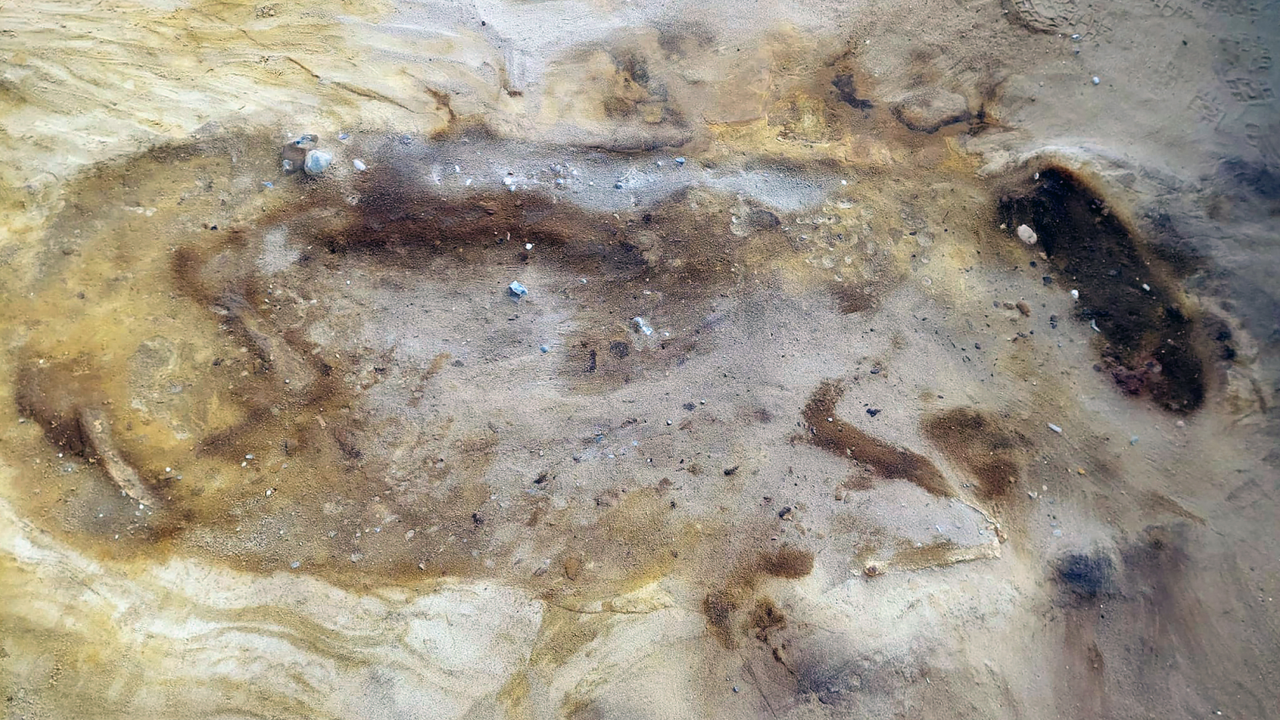
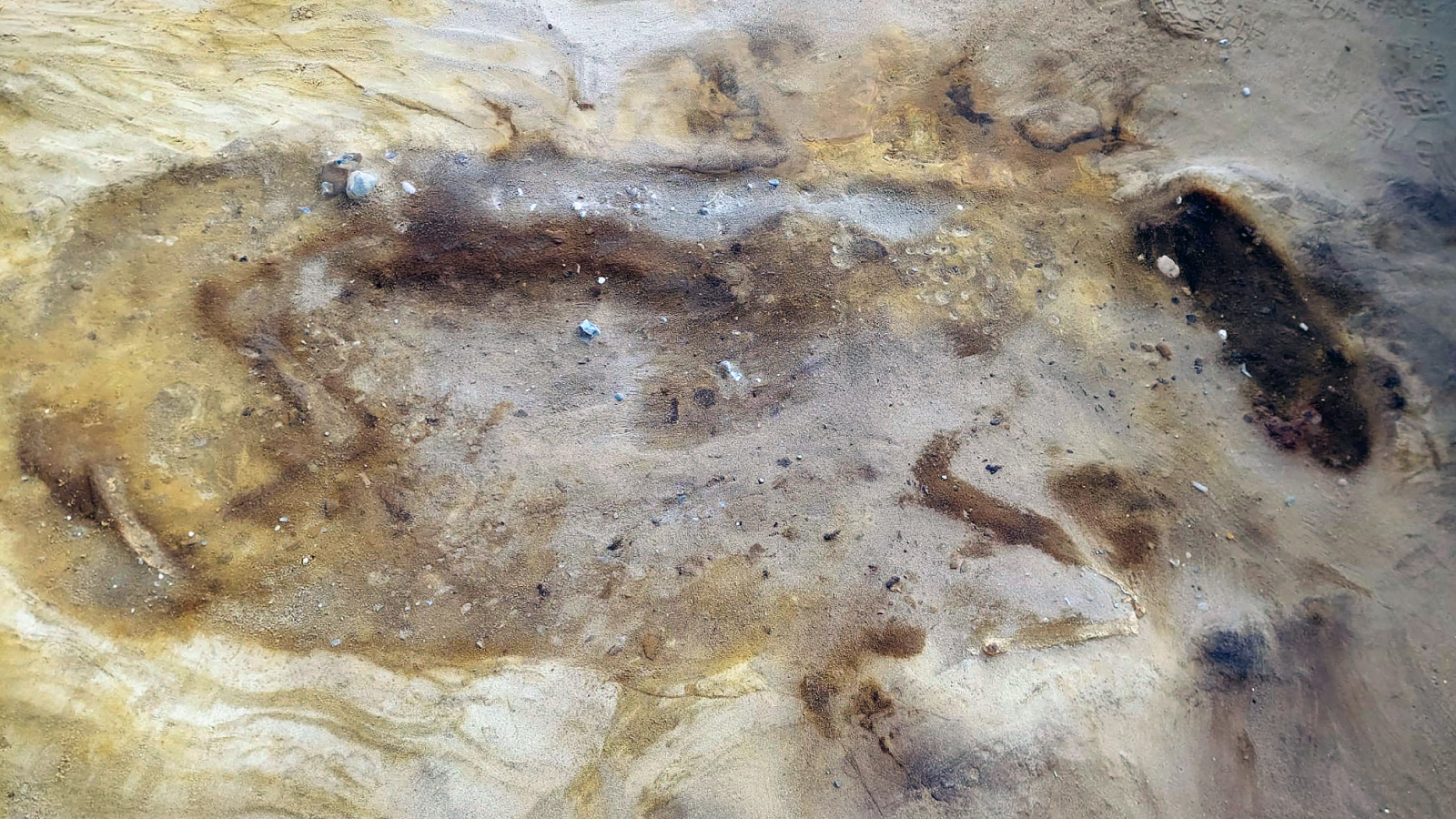 The outline of a horse that was buried with two people in the sixth or seventh century A.D. The acidic soil destroyed the skeletons, so only the outlines remain.
(Image credit: Copyright Oxford Cotswold Archaeology)
Share
Share by:
The outline of a horse that was buried with two people in the sixth or seventh century A.D. The acidic soil destroyed the skeletons, so only the outlines remain.
(Image credit: Copyright Oxford Cotswold Archaeology)
Share
Share by:
- Copy link
- X
Archaeologists in the U.K. have discovered a 1,400-year-old burial ground that contains "sand burials" of two elite people and a horse dating to Anglo-Saxon times.
The archaeological team from Oxford Cotswold Archaeology found "at least 11 burial mounds, known as barrows, along with cremation and inhumation burials," they wrote in a statement. The researchers found the burial ground ahead of the construction of a nuclear power plant near the village of Sizewell, which is in the eastern English district of Suffolk.
You may like-
 3,300-year-old cremations found in Scotland suggest the people died in a mysterious catastrophic event
-
 2,400-year-old 'sacrificial complex' uncovered in Russia is the richest site of its kind ever discovered
-
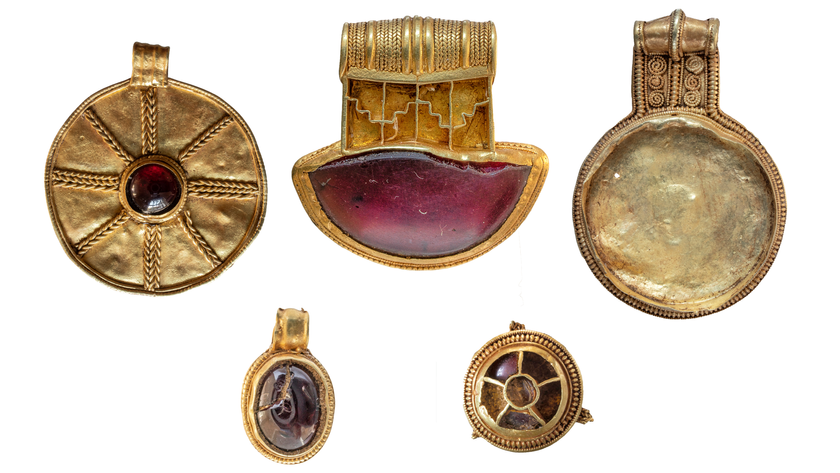 Detectorists find Anglo-Saxon treasure hoard that may have been part of a 'ritual killing'
The burials, even the horse's, contained grave goods.
"The horse was buried with its tack [riding gear] still on its head and shoulders that comprised [pieces] of copper alloy decoration and a probable iron bit in its mouth," Maria Bellissimo, a spokesperson at Oxford Cotswold Archaeology, told Live Science in an email. The two people "were buried with a sword, a spear, two shields, an iron banded bucket, along with a copper and a silver vessel."
Although the sand burials hold important clues, they don't impart as much information as a preserved skeleton would.
"We cannot tell their age as accurately" from their sandy silhouettes as experts could from a skeleton, Bellissimo said, "but it looks like they were both probably full-grown adults." The sex of the two people is unknown, but "our evidence indicates that the two individuals were buried at the same time and so it's very likely they died at the same time," Bellissimo said.
Sign up for the Live Science daily newsletter nowContact me with news and offers from other Future brandsReceive email from us on behalf of our trusted partners or sponsorsBy submitting your information you agree to the Terms & Conditions and Privacy Policy and are aged 16 or over.
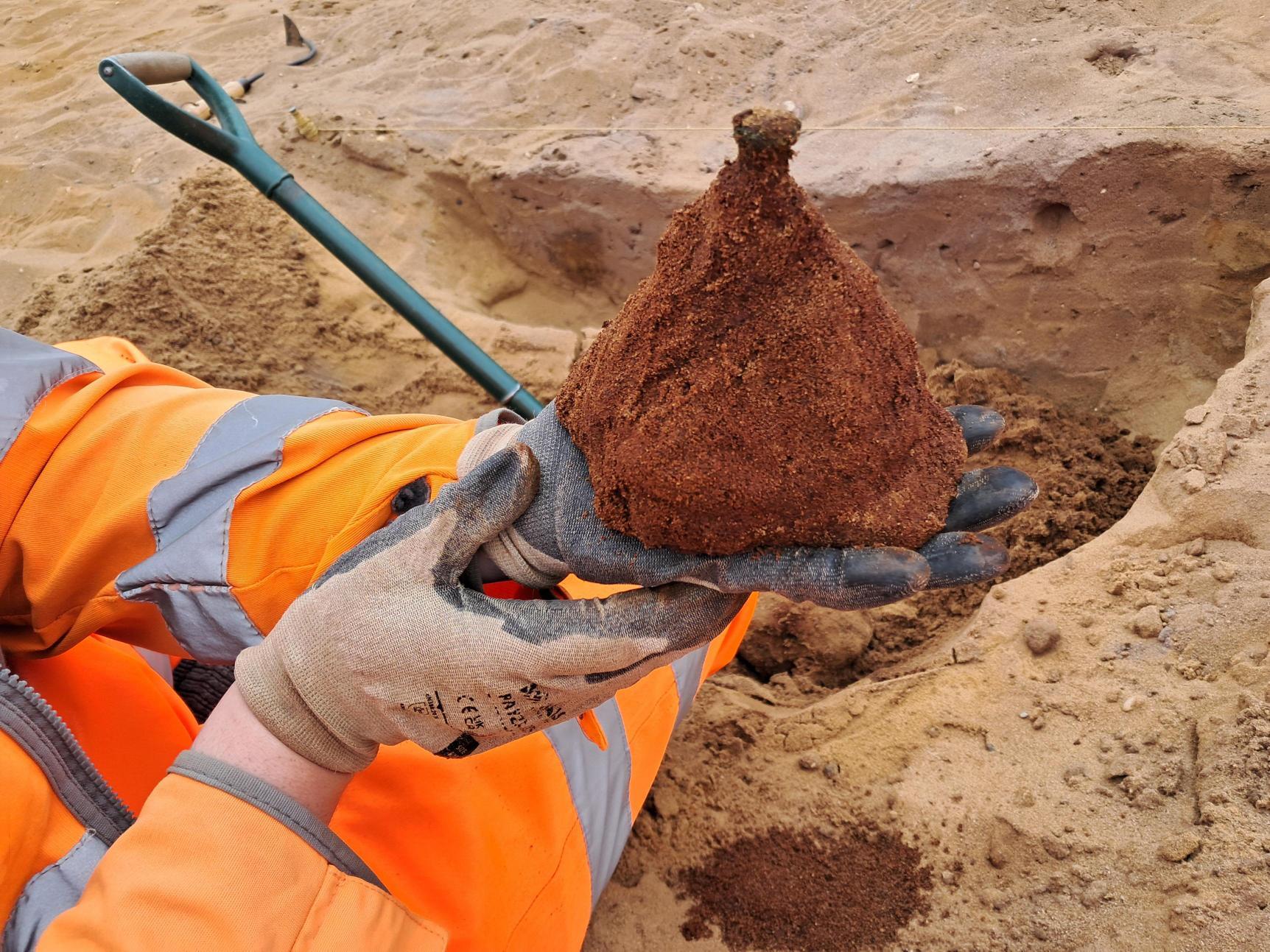
Their cause of death is also a mystery. "We can postulate that the horse was probably sacrificed to be interred with its owners, who we assume to be the two individuals in the adjacent grave," she said.
They appear to date to the sixth or seventh century A.D., a time when England was divided into several kingdoms. It's not clear who these people were, but the "weaponry, the horse and the copper and silver items within the grave as well as them being buried in a burial mound [suggest] that these were elite individuals," Bellissimo said.
Howard Williams, a professor of archaeology at the University of Chester in the U.K. who was not involved with the excavations, said that the burials are located on a ridge that is "prominent in the local landscape for those travelling inland" after landing at sea. At the time there "were maritime communities connected by trade and kinship along England's east coast as well as connections inland across south-east Britain."
You may like-
3,300-year-old cremations found in Scotland suggest the people died in a mysterious catastrophic event
-
2,400-year-old 'sacrificial complex' uncovered in Russia is the richest site of its kind ever discovered
-
Detectorists find Anglo-Saxon treasure hoard that may have been part of a 'ritual killing'
The new discovery promises "to add important information to our understanding of the practices and beliefs of these people who [were] part of the emerging East Anglian kingdom in the centuries after the collapse of the Roman province of Britannia," Williams told Live Science in an email.
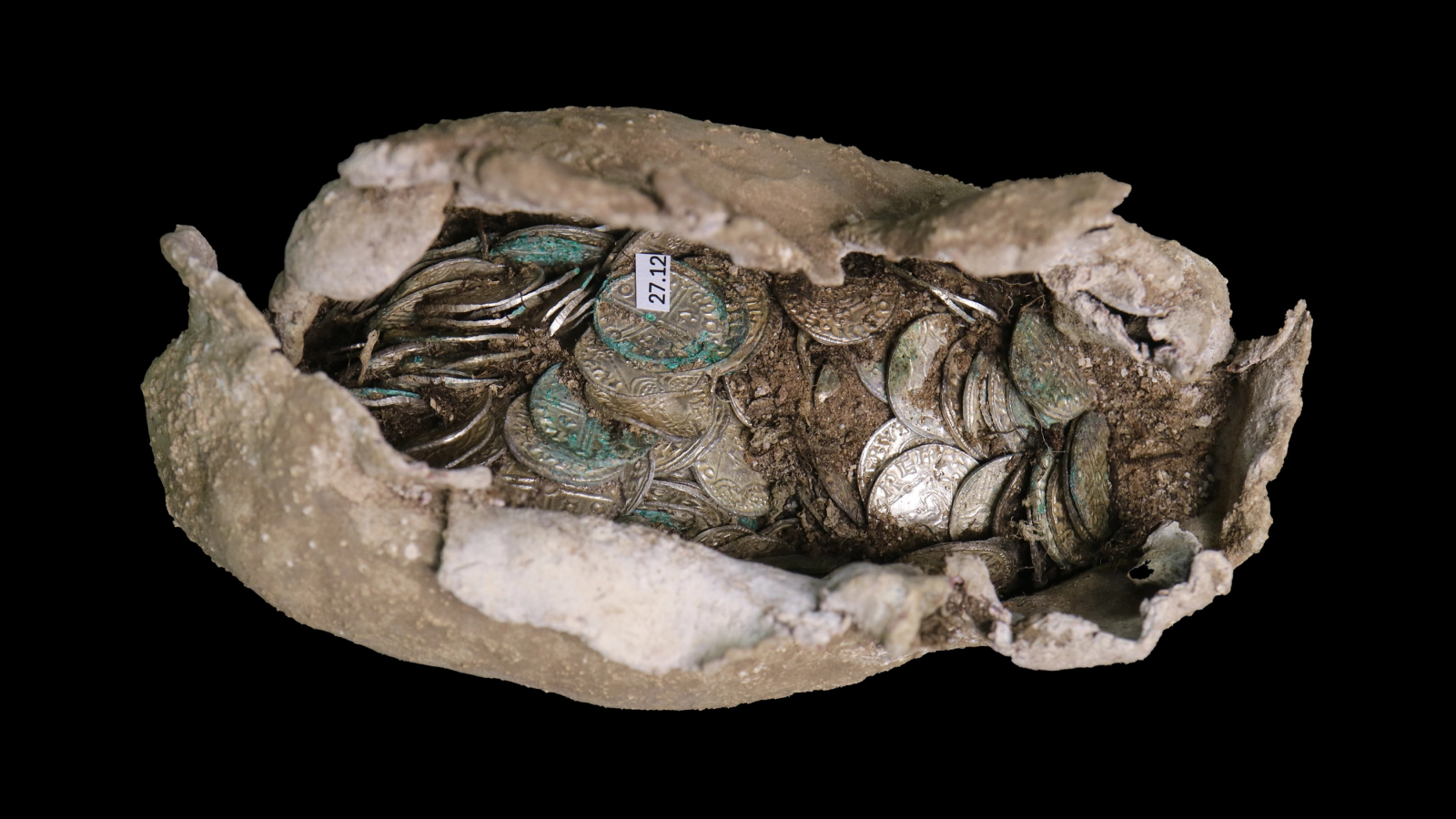
Archaeologists made additional discoveries during the excavation. One of them was a hoard of more than 300 silver coins that dates to the 11th century.
RELATED STORIES—1,300-year-old skeletons found in England had grandparents from sub-Saharan Africa, DNA studies reveal
—Archaeology student finds rare ninth-century gold 'within the first 90 minutes' of her first excavation
—Artificial islands surrounding British Isles were used for ancient parties, archaeologists find
Found bundled in lead and cloth, the "hoard is believed to have been a savings pot buried by a local figure as a precaution during a time of significant social and political unrest" in the 11th century, the team wrote in the statement.
What's more, experts identified a pottery kiln dating to the Roman period (A.D. 43 to 410), an oak ladder dating to the Iron Age (800 B.C. to A.D. 50), the remains of settlements from the Bronze Age (2300 to 800 B.C.), as well as numerous ovens from medieval times (600 to 1500). Research into the discoveries is ongoing.
 Owen JarusSocial Links NavigationLive Science Contributor
Owen Jarus is a regular contributor to Live Science who writes about archaeology and humans' past. He has also written for The Independent (UK), The Canadian Press (CP) and The Associated Press (AP), among others. Owen has a bachelor of arts degree from the University of Toronto and a journalism degree from Ryerson University.
Show More CommentsYou must confirm your public display name before commenting
Please logout and then login again, you will then be prompted to enter your display name.
Logout Read more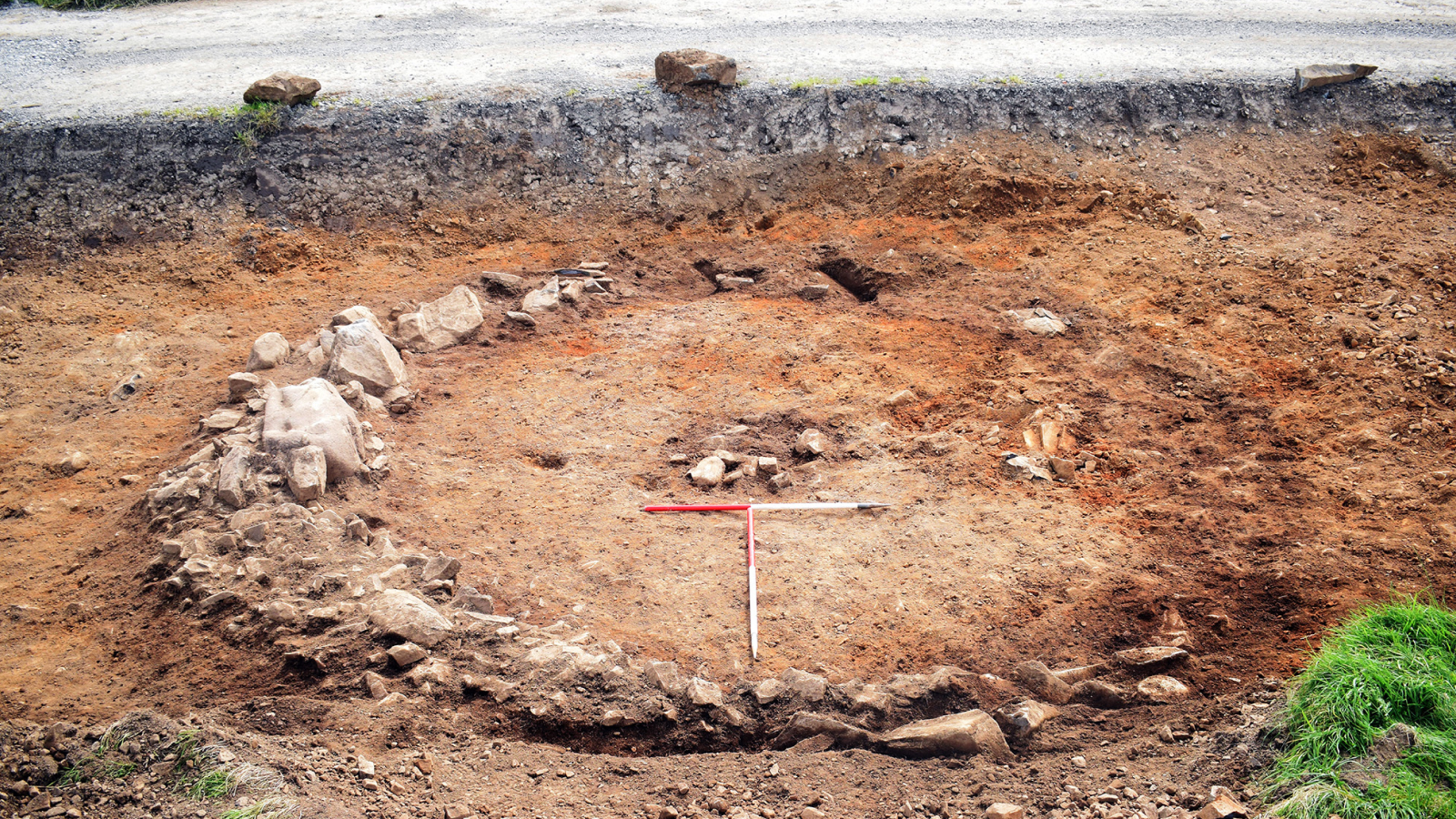 3,300-year-old cremations found in Scotland suggest the people died in a mysterious catastrophic event
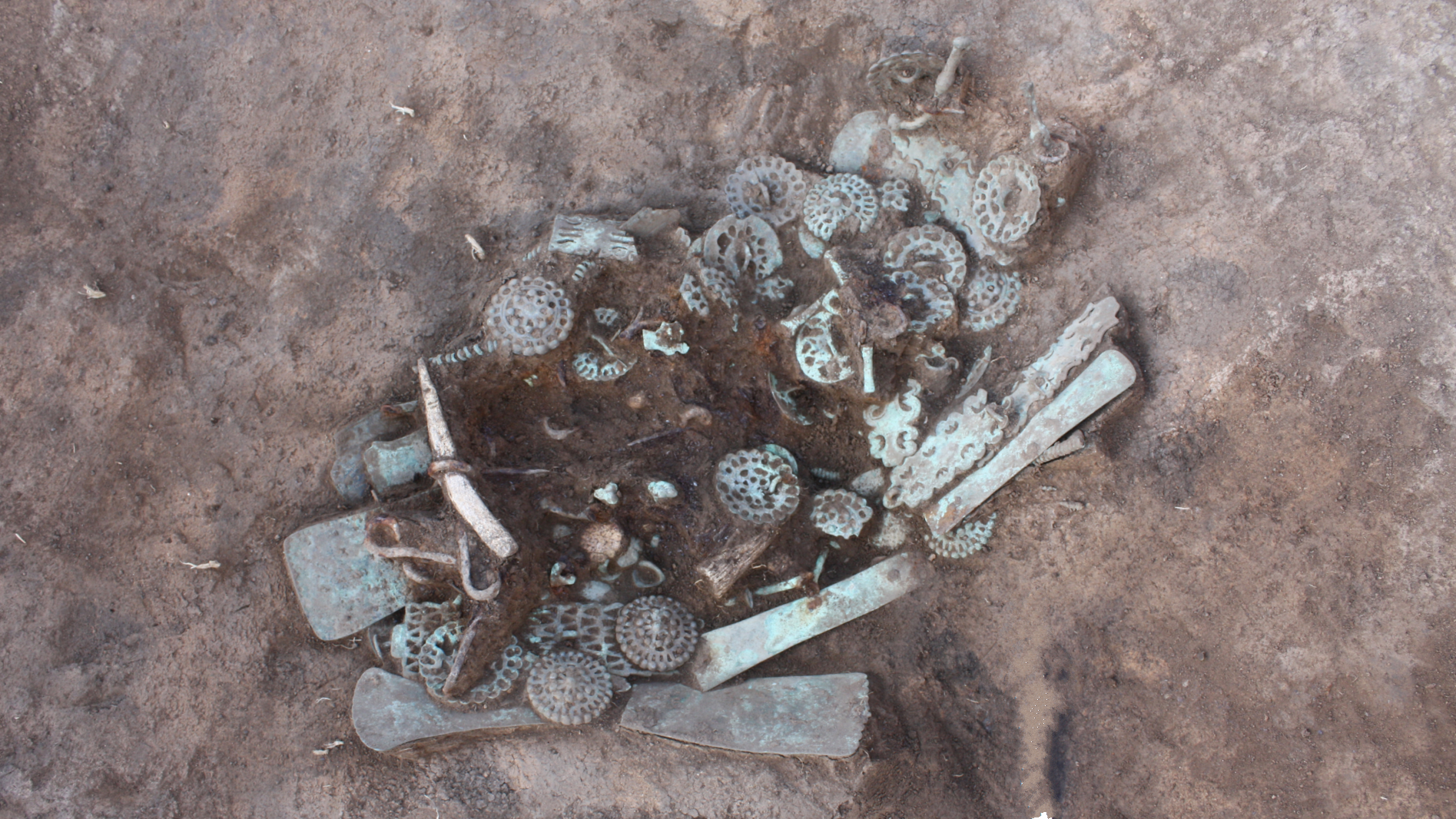 2,400-year-old 'sacrificial complex' uncovered in Russia is the richest site of its kind ever discovered
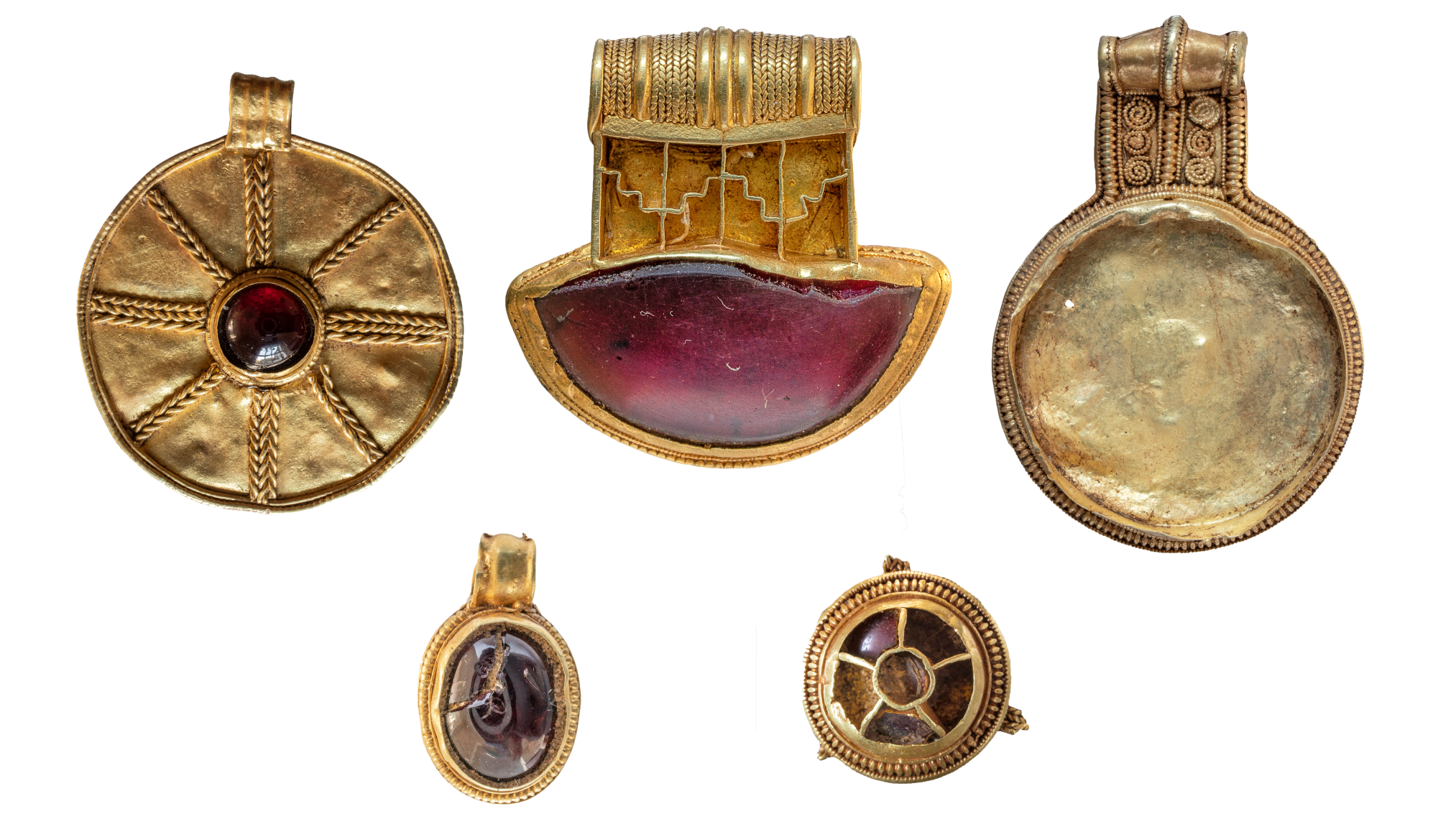 Detectorists find Anglo-Saxon treasure hoard that may have been part of a 'ritual killing'
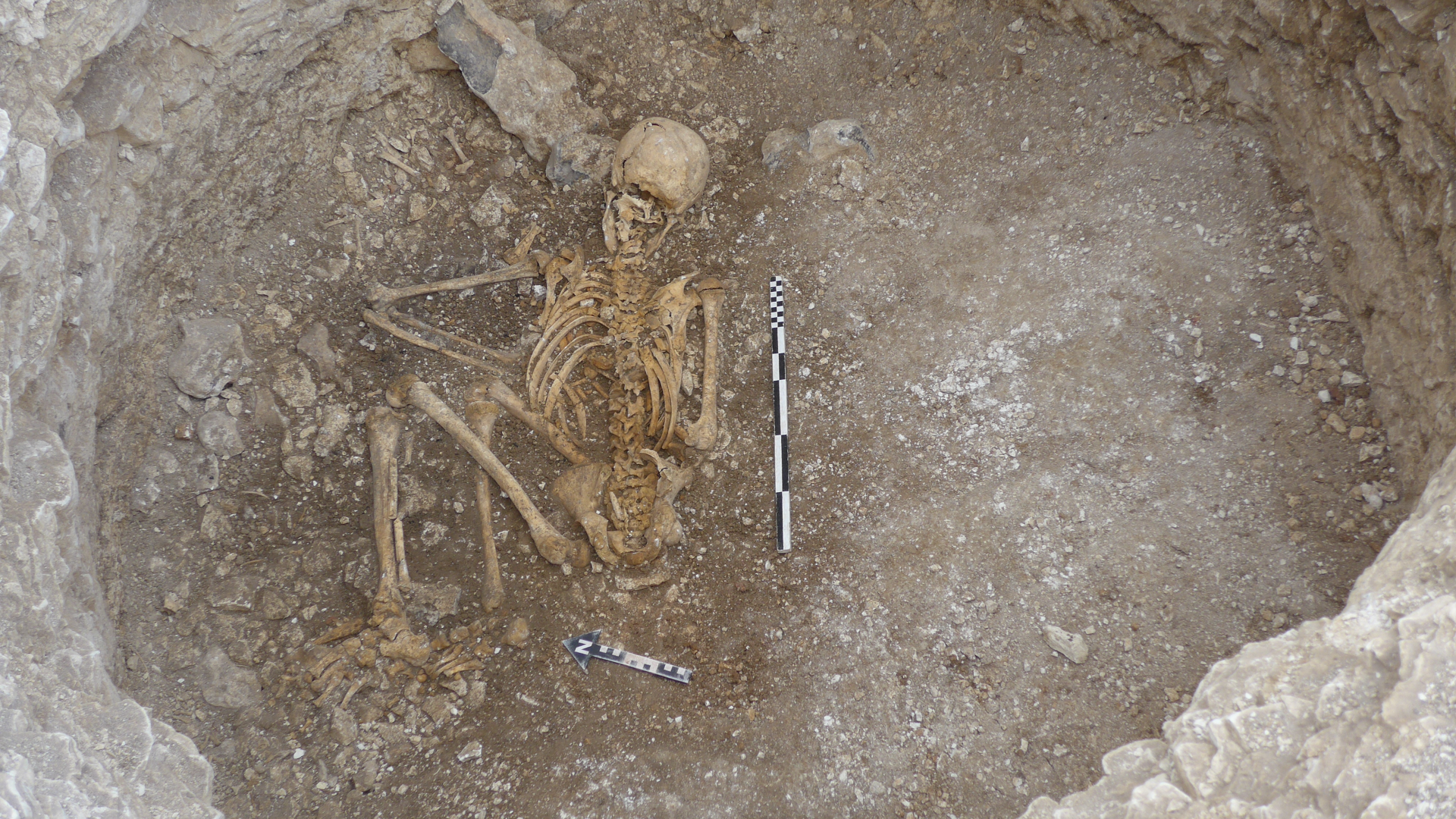 2,000-year-old Celtic teenager may have been sacrificed and considered 'disposable'
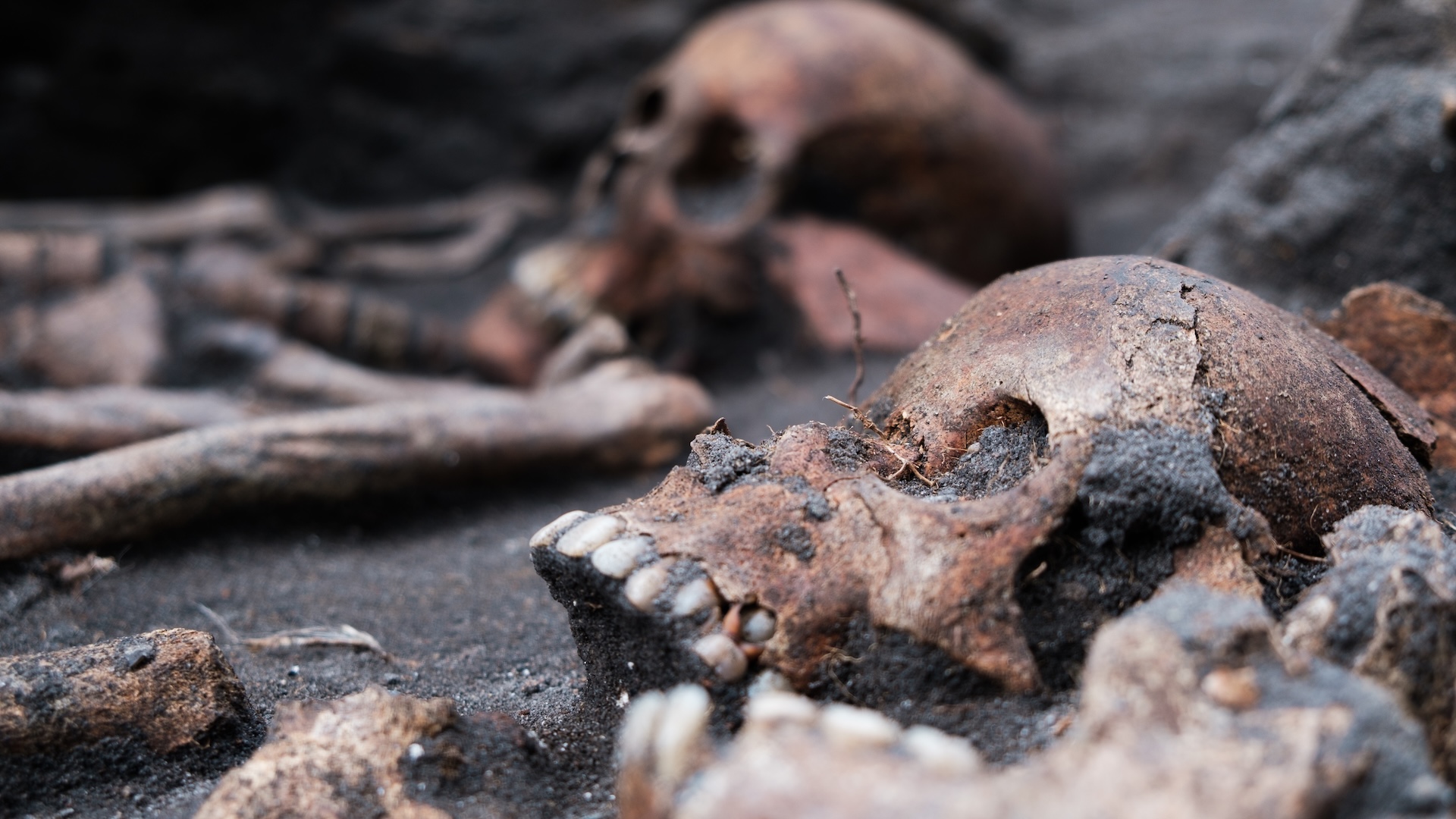 900-year-old burials of Denmark's early Christians discovered in medieval cemetery
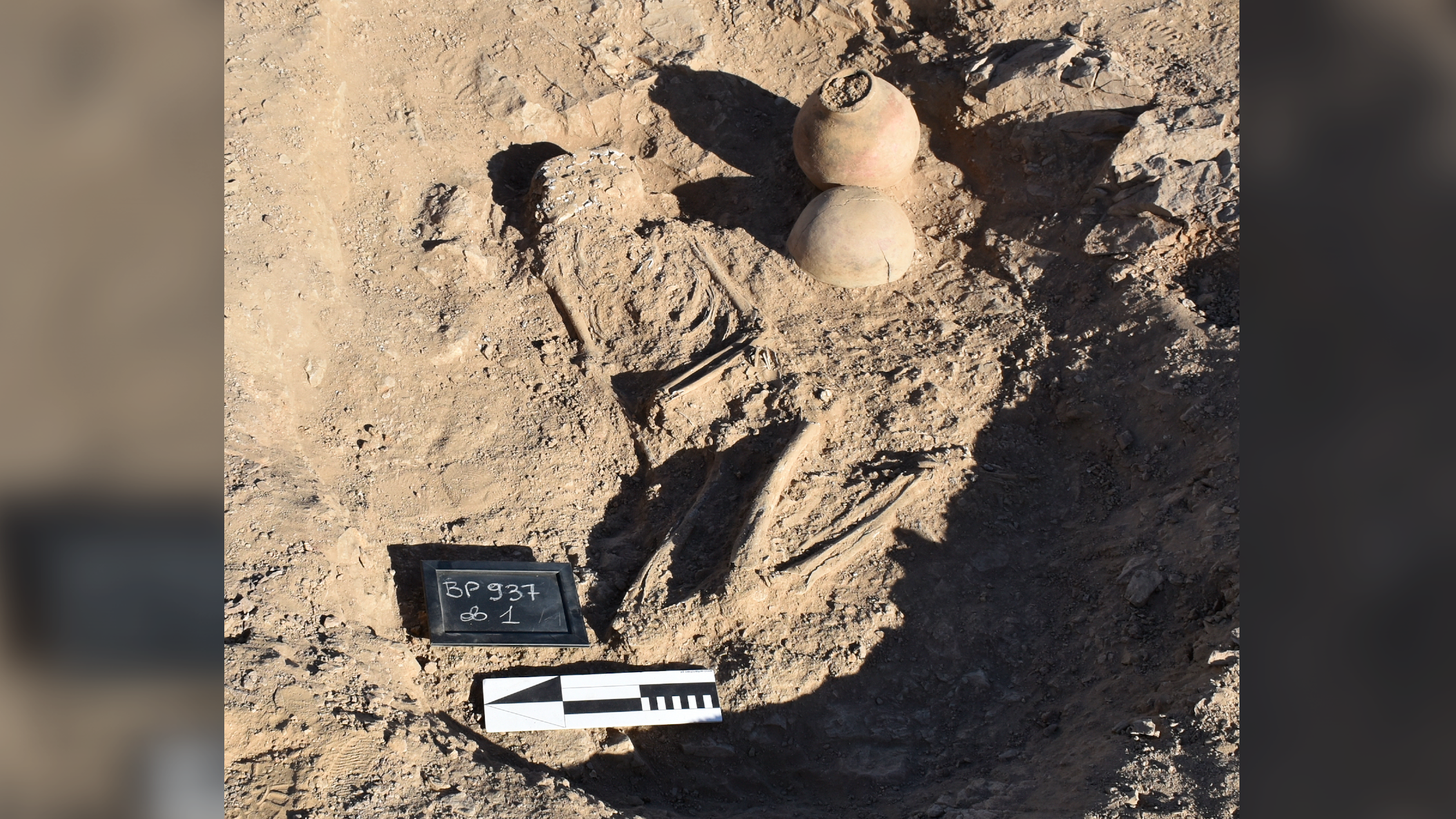 'We do not know of a similar case': 4,000-year-old burial in little-known African kingdom mystifies archaeologists
Latest in Archaeology
'We do not know of a similar case': 4,000-year-old burial in little-known African kingdom mystifies archaeologists
Latest in Archaeology
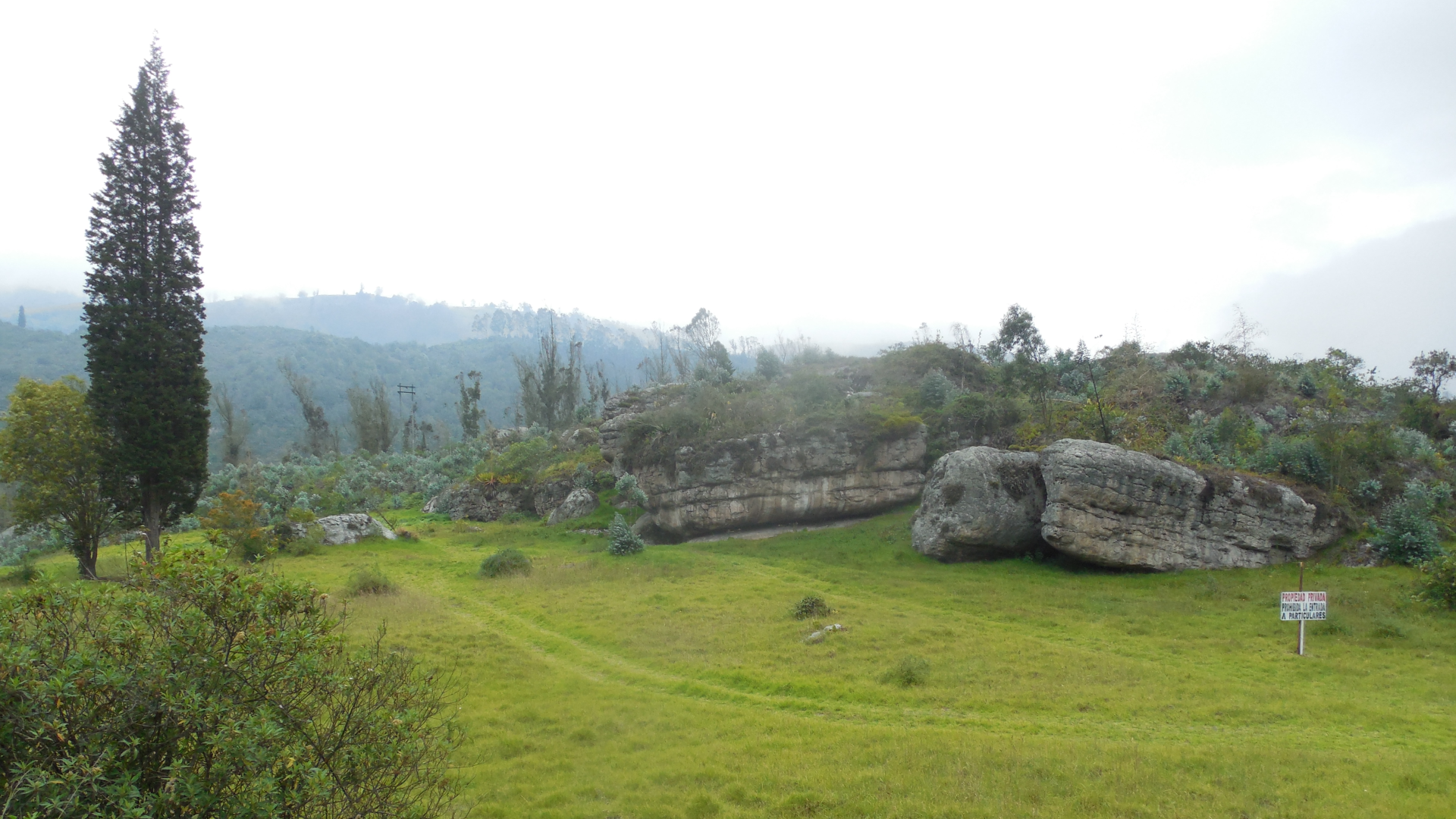 5,500-year-old human skeleton discovered in Colombia holds the oldest evidence yet that syphilis came from the Americas
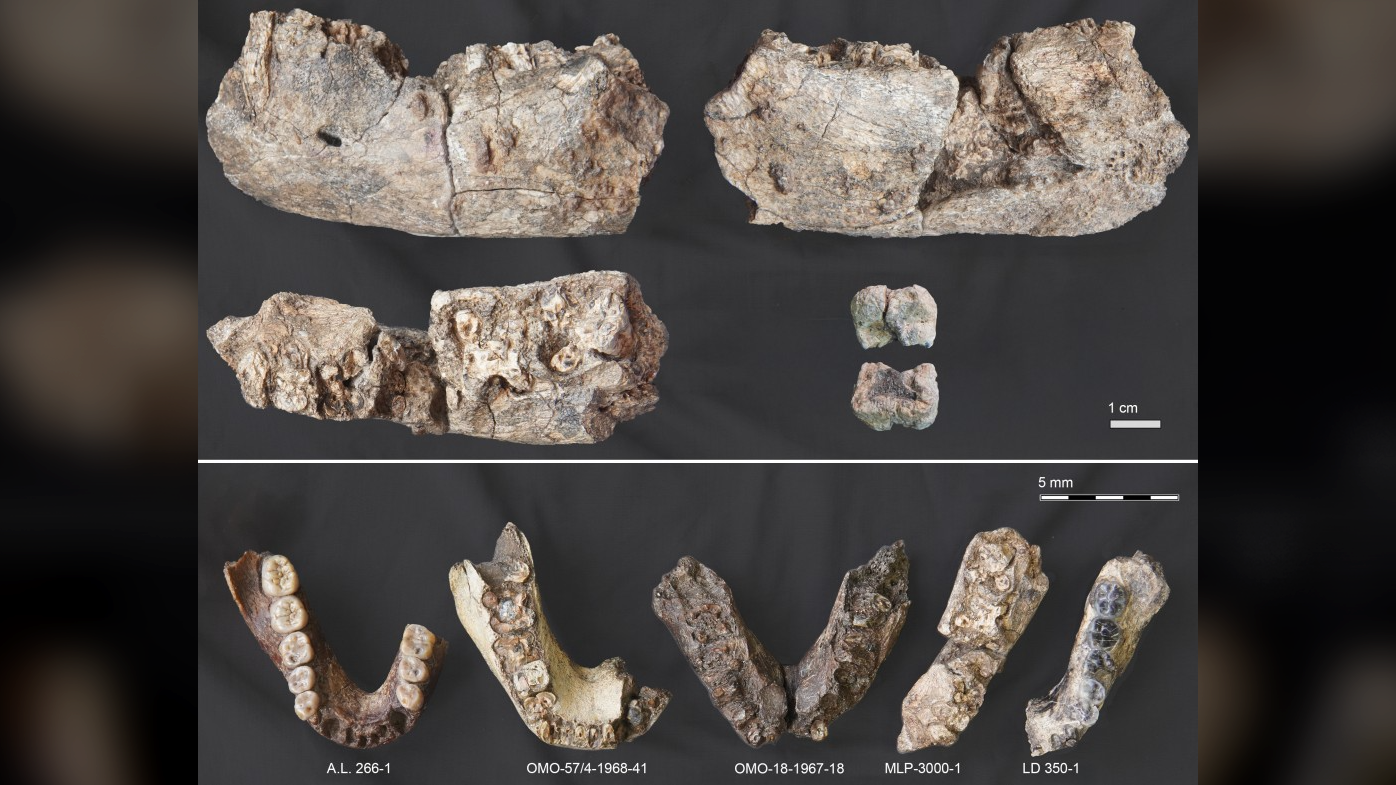 2.6 million-year-old jaw from extinct 'Nutcracker Man' is found where we didn't expect it
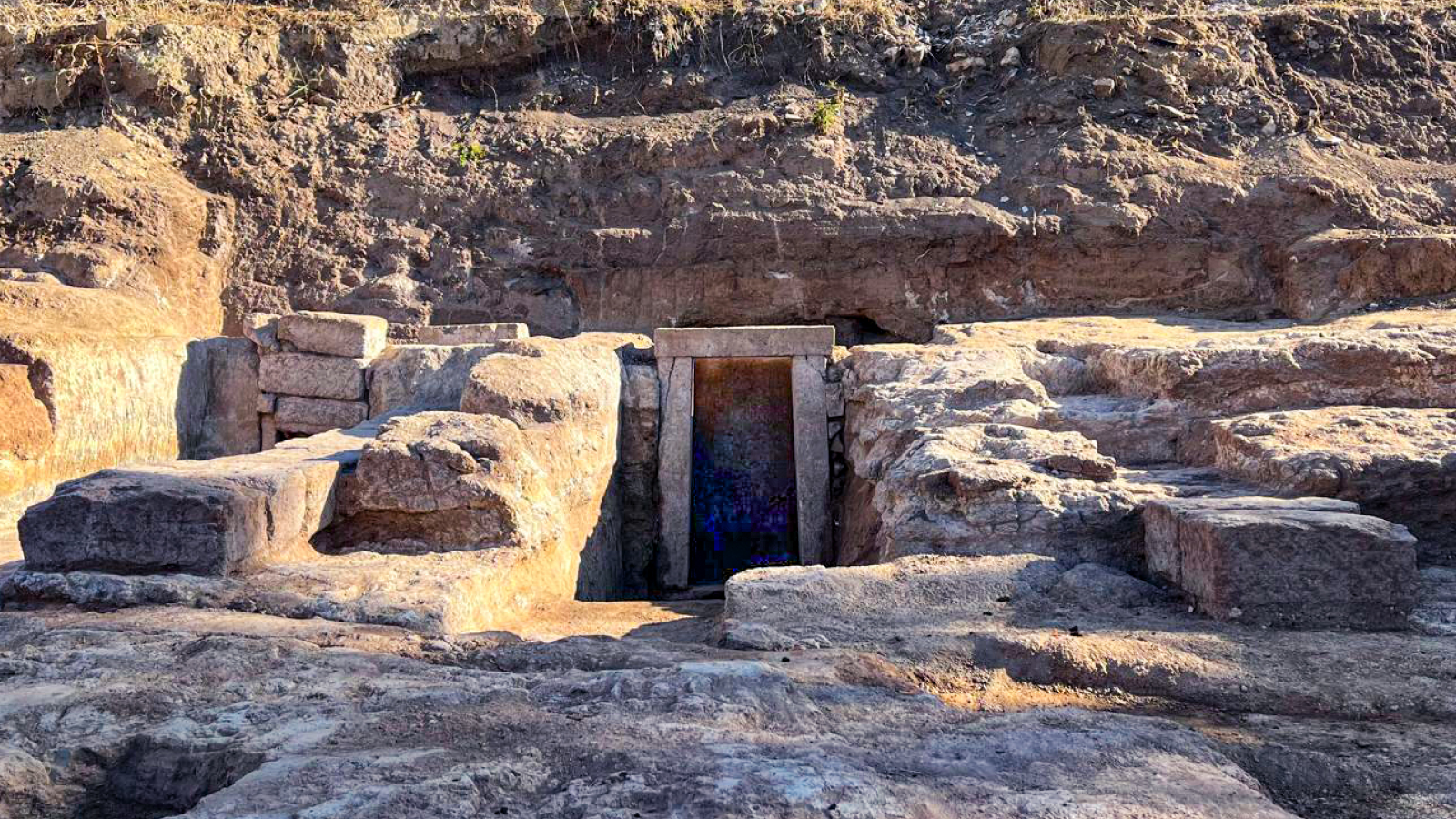 2,400-year-old Hercules shrine and elite tombs discovered outside ancient Rome's walls
 World's oldest known rock art predates modern humans' entrance into Europe — and it was found in an Indonesian cave
 Medieval 'super ship' found wrecked off Denmark is largest vessel of its kind
 Remnants of spills on Renaissance-era textbook reveal recipes for 'curing' ailments with lizard heads and human feces
Latest in News
Remnants of spills on Renaissance-era textbook reveal recipes for 'curing' ailments with lizard heads and human feces
Latest in News
 Wegovy now comes in pill form — here's how it works
 Creepy robotic hand detaches at the wrist before scurrying away to collect objects
 Dark matter and neutrinos may interact, hinting at 'fundamental breakthrough' in particle physics
 Lab mice that 'touch grass' are less anxious — and that highlights a big problem in rodent research
 Californians have been using far less water than suppliers estimated — what does this mean for the state?
 Coyote scrambles onto Alcatraz Island after perilous, never-before-seen swim
LATEST ARTICLES
Coyote scrambles onto Alcatraz Island after perilous, never-before-seen swim
LATEST ARTICLES- 15,500-year-old human skeleton discovered in Colombia holds the oldest evidence yet that syphilis came from the Americas
- 2Wegovy now comes in pill form — here's how it works
- 3Creepy robotic hand detaches at the wrist before scurrying away to collect objects
- 4Sega Toys Homestar Classic star projector review
- 56 tips to kickstart your exercise routine and actually stick to it, according to science