- Archaeology
The president of Mexico called the discovery of a 1,400-year-old Zapotec tomb in Oaxaca the "most significant archaeological discovery in a decade."
When you purchase through links on our site, we may earn an affiliate commission. Here’s how it works.
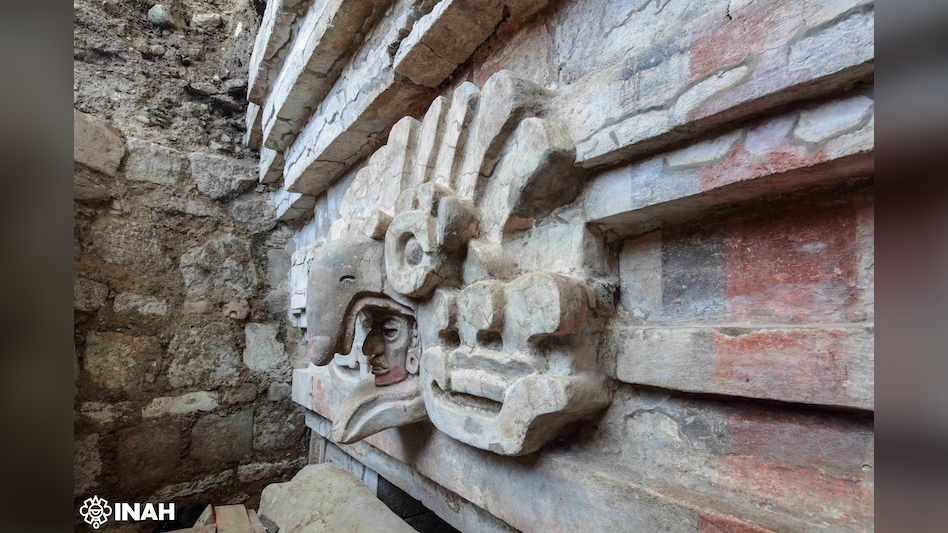
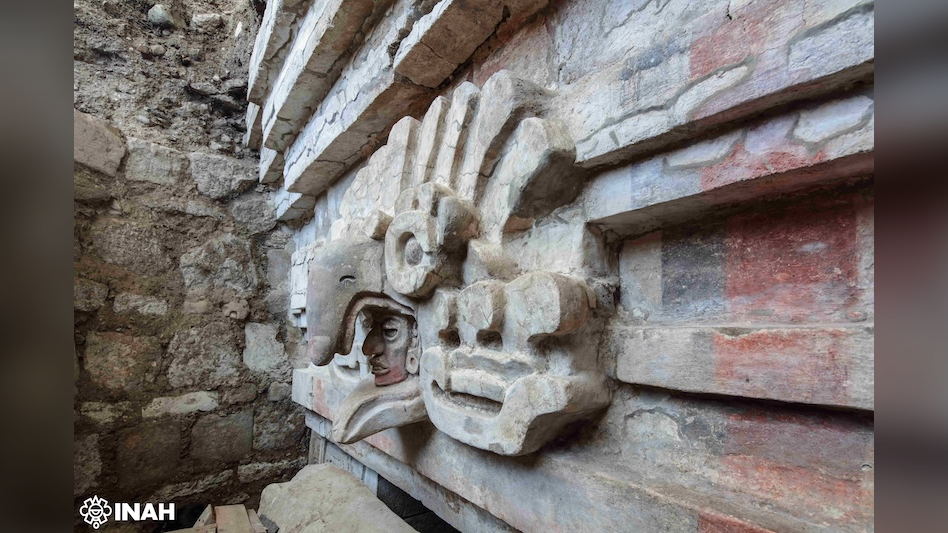 A sculpted owl, whose beak covers the painted face of a Zapotec lord, decorates the front of a 1,400-year-old tomb in Oaxaca.
(Image credit: Luis Gerardo Peña Torres/INAH)
Share
Share by:
A sculpted owl, whose beak covers the painted face of a Zapotec lord, decorates the front of a 1,400-year-old tomb in Oaxaca.
(Image credit: Luis Gerardo Peña Torres/INAH)
Share
Share by:
- Copy link
- X
Archaeologists in Mexico have discovered a 1,400-year-old tomb from the Zapotec culture that features well-preserved details, including a sculpture of a wide-eyed owl with a man in its beak, multicolored murals and calendrical carvings.
Officials found the tomb after following up on an anonymous report of looting at the site. Their investigation revealed the "most significant archaeological discovery in a decade in Mexico," Mexico's president, Claudia Sheinbaum Pardo, announced at a Jan. 23 news conference in Spanish.
The tomb was discovered in San Pablo Huitzo, a municipality in Oaxaca in southern Mexico, in 2025. It dates to about A.D. 600, when the Indigenous Zapotecs — also known as the "Cloud People" — flourished in the area. The Zapotec civilization was established around 700 B.C. and collapsed due to the Spanish conquest in 1521. However, hundreds of thousands of Zapotec-speaking people still live in Mexico today.
You may like-
 Massive 3,000-year-old Maya site in Mexico depicts the cosmos and the 'order of the universe,' study claims
-
 Unusual, 1,400-year-old cube-shaped human skull unearthed in Mexico
-
 Science history: Archaeologists discover King Tut's tomb, and rumors of the 'mummy's curse' begin swirling — Nov. 4, 1922
At the entrance to the newly announced tomb, archaeologists found a large carved owl whose beak opens to reveal the painted face of a Zapotec lord. In ancient Zapotec culture, the owl represented death and power, suggesting it held in its mouth a portrait of the ancestor the tomb honors, according to a translated statement from Mexico's National Institute of Anthropology and History (INAH).
Inside the tomb, a threshold between two chambers boasts an elaborately carved doorway. The top has a horizontal beam made of stone slabs engraved with "calendrical names" — a naming system in which deities and important people were given a specific symbol associated with their birth date. Flanking the doorway were engraved figures of a man and a woman, perhaps representing ancestors buried in the tomb or guardians of the palace, according to the INAH statement.
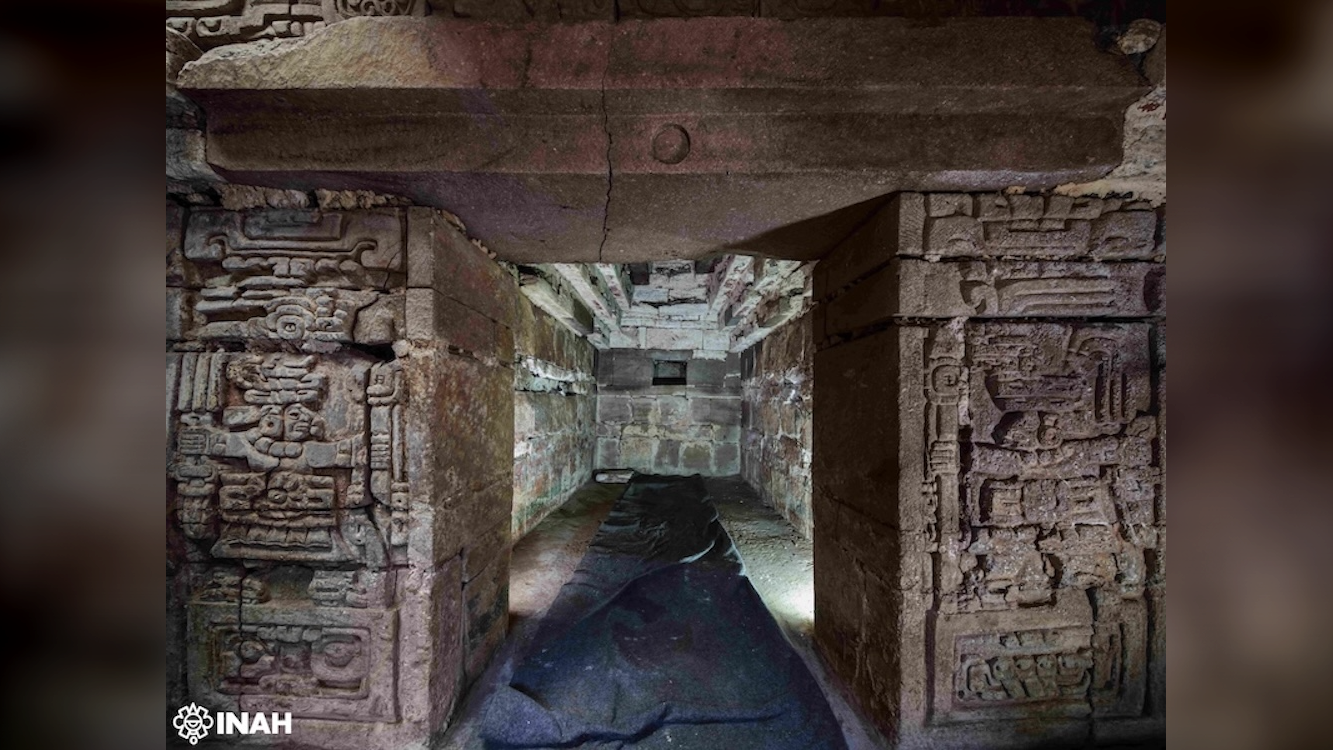
The walls of the burial chamber preserved multicolored murals in white, green, red and blue. They depict a funeral procession of people carrying bags of "copal," a tree resin that was burned as incense during ceremonies in pre-Hispanic Mesoamerica.
The highly decorated tomb is an "exceptional discovery due to its level of preservation and what it reveals about Zapotec culture: its social organization, its funerary rituals, and its worldview, preserved in its architecture and mural paintings," Claudia Curiel de Icaza, Mexico's secretary of culture, said in the statement.
Sign up for the Live Science daily newsletter nowContact me with news and offers from other Future brandsReceive email from us on behalf of our trusted partners or sponsorsBy submitting your information you agree to the Terms & Conditions and Privacy Policy and are aged 16 or over.RELATED STORIES—Zapotec 'entrance to underworld' discovered under Catholic church in Mexico
—Lasers reveal 15th-century fortified Zapotec city in Mexico
—'Lost' 1,500-year-old Teotihuacan village discovered in the heart of Mexico City
An interdisciplinary team from the INAH is currently working to conserve and protect the tomb, and further research will address the ceramic evidence, the iconography, and the handful of human bones recovered from the tomb.
The Huitzo tomb joins a dozen other ancient Zapotec tombs discovered in Oaxaca in the past decade, many of which had been looted before archaeologists could study them. But even though some information about the ancient Zapotec civilization has been lost to looting, the Huitzo tomb is "a source of pride for Mexicans; a testament to the greatness of Mexico," Sheinbaum said.
Archaeology Fragments Quiz: Can you work out what these mysterious artifacts are?
TOPICS mexico Kristina KillgroveSocial Links NavigationStaff writer
Kristina Killgrove is a staff writer at Live Science with a focus on archaeology and paleoanthropology news. Her articles have also appeared in venues such as Forbes, Smithsonian, and Mental Floss. Kristina holds a Ph.D. in biological anthropology and an M.A. in classical archaeology from the University of North Carolina, as well as a B.A. in Latin from the University of Virginia, and she was formerly a university professor and researcher. She has received awards from the Society for American Archaeology and the American Anthropological Association for her science writing.
Show More CommentsYou must confirm your public display name before commenting
Please logout and then login again, you will then be prompted to enter your display name.
Logout Read more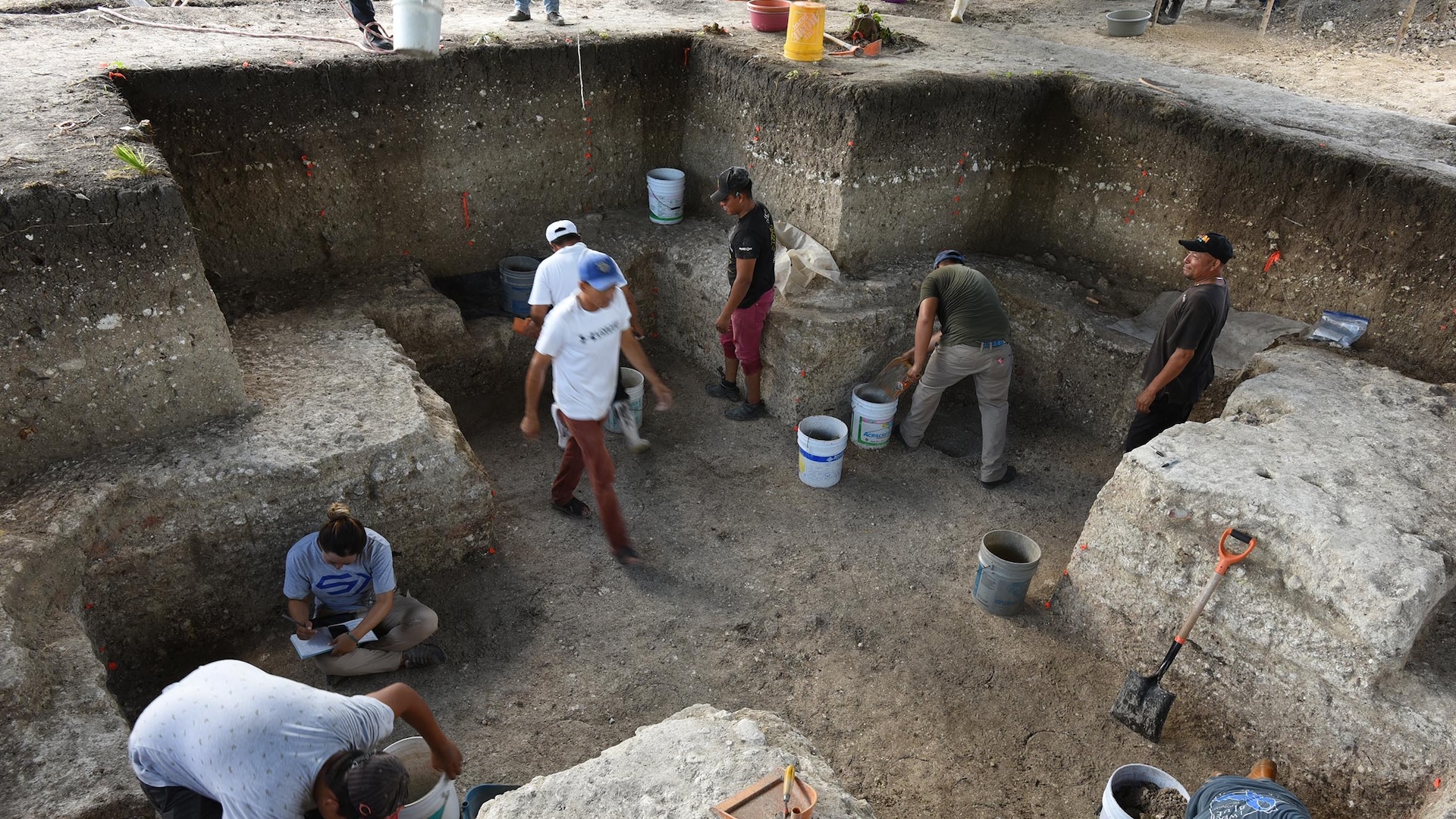 Massive 3,000-year-old Maya site in Mexico depicts the cosmos and the 'order of the universe,' study claims
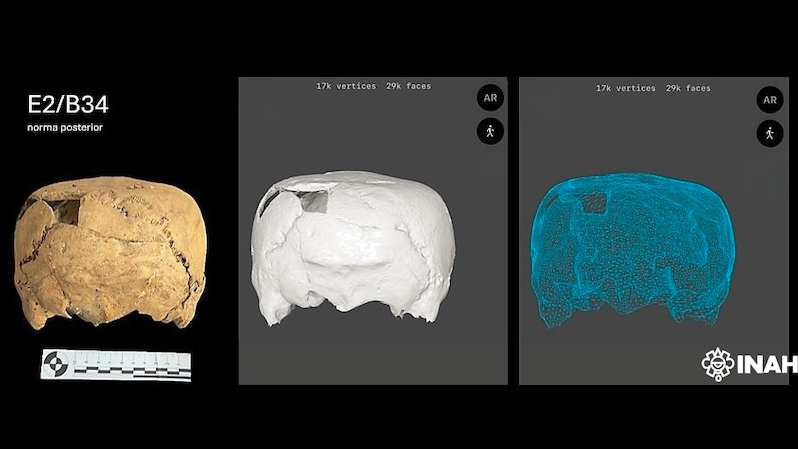 Unusual, 1,400-year-old cube-shaped human skull unearthed in Mexico
 Science history: Archaeologists discover King Tut's tomb, and rumors of the 'mummy's curse' begin swirling — Nov. 4, 1922
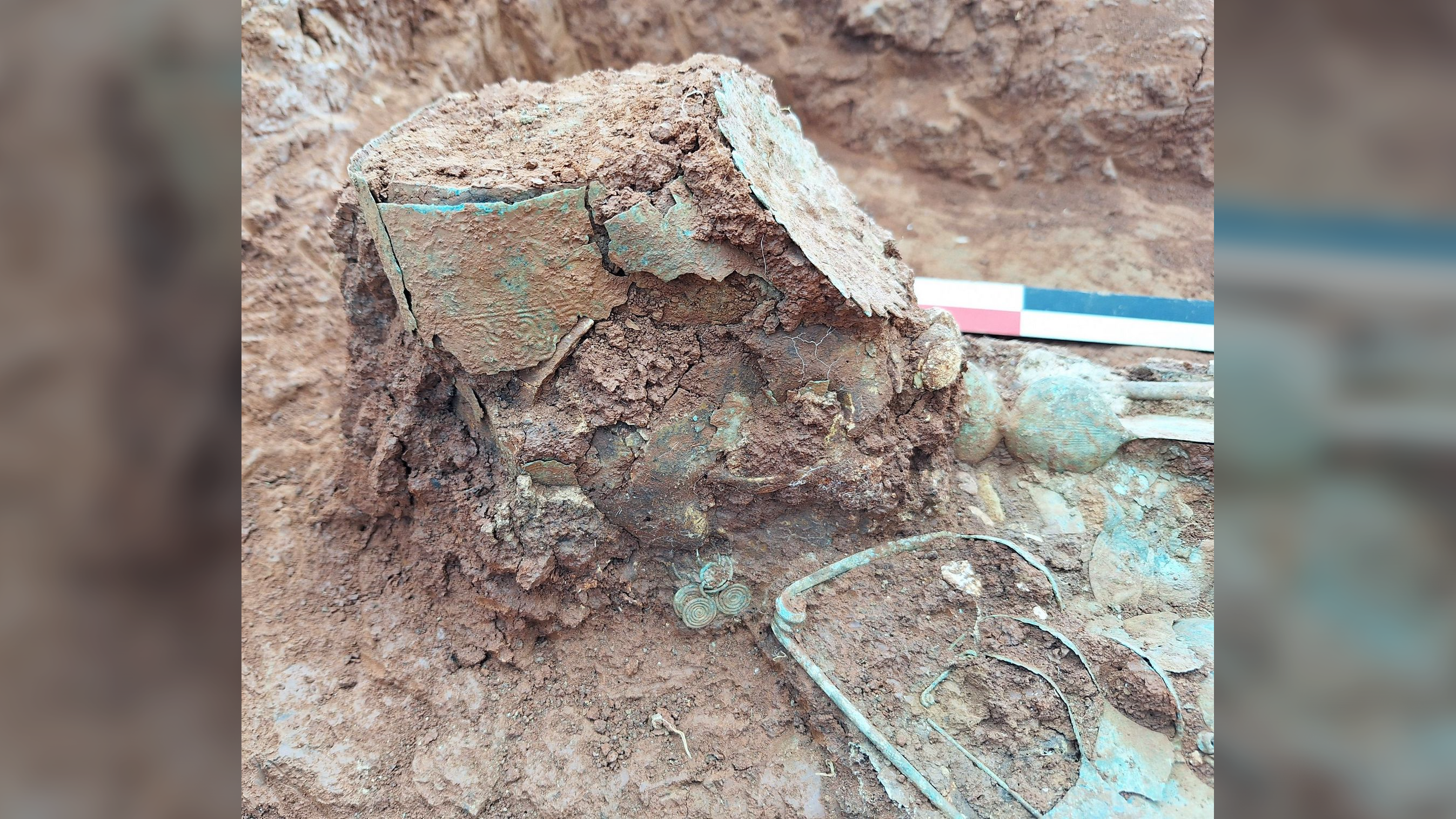 Elaborate 2,700-year-old tomb in Greece contains burial of a woman with an upside-down crown
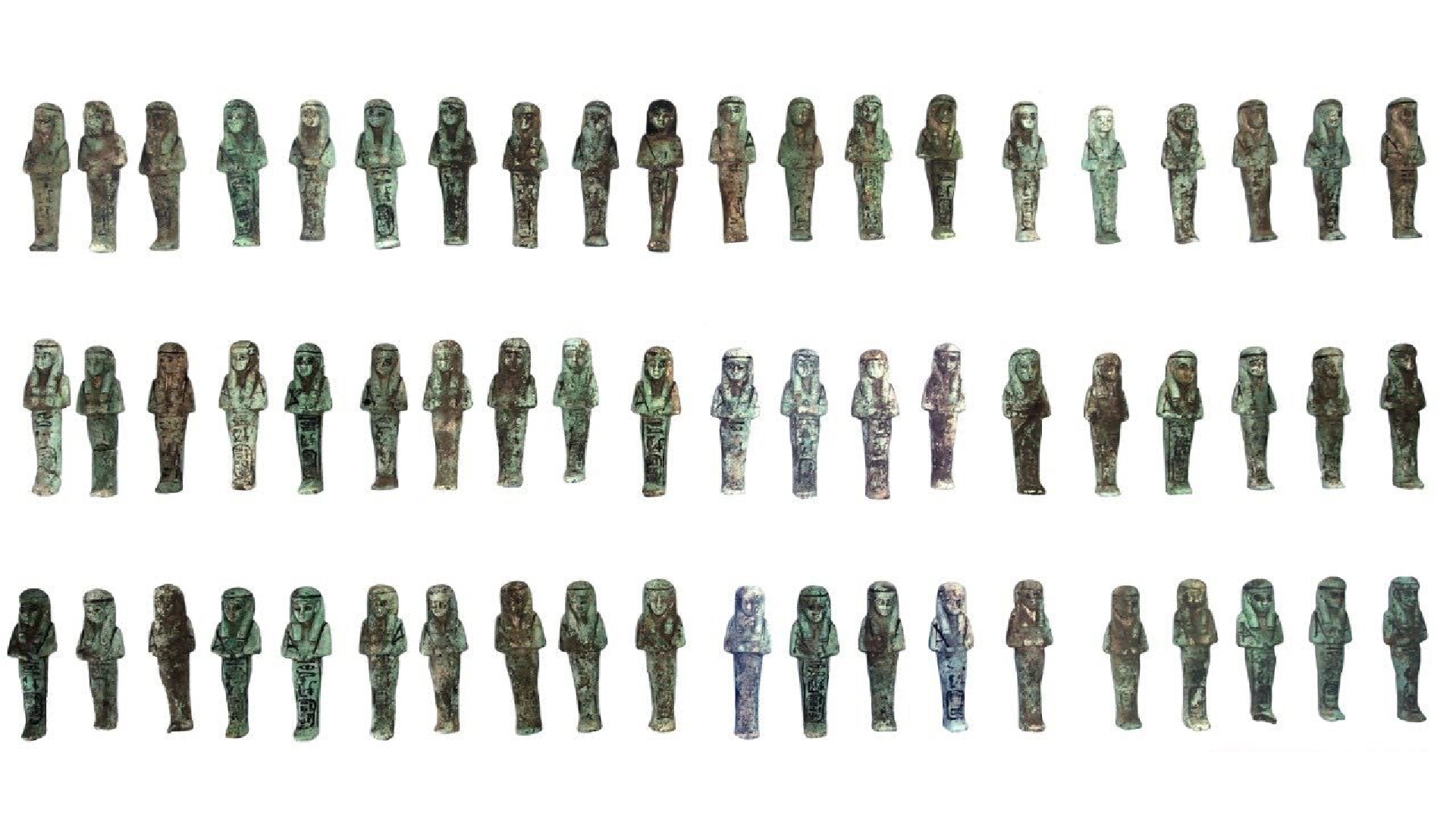 Ancient Egyptian pharaoh moved another ruler's body and stole his tomb, hundreds of funerary figurines suggest
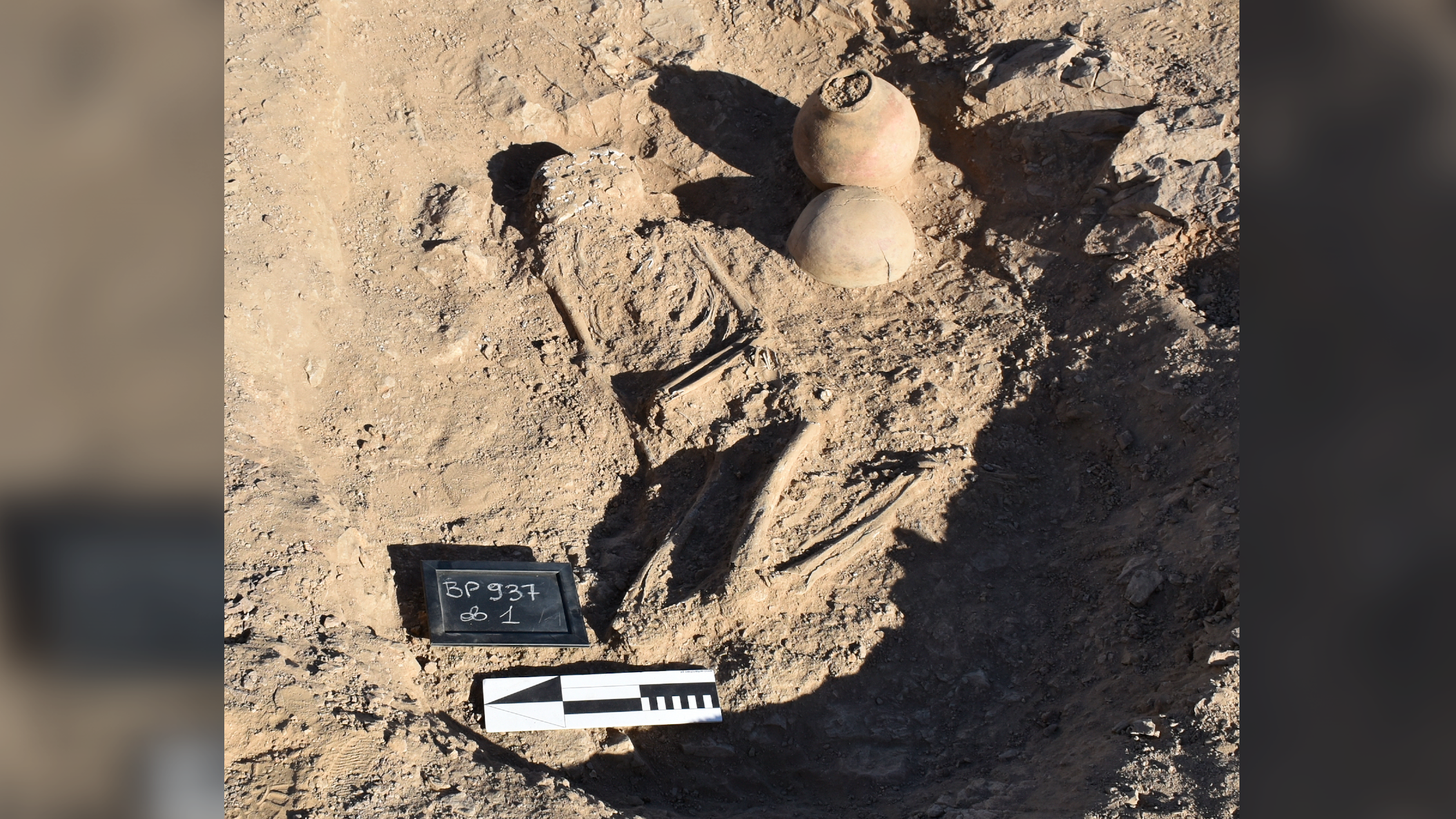 'We do not know of a similar case': 4,000-year-old burial in little-known African kingdom mystifies archaeologists
Latest in Archaeology
'We do not know of a similar case': 4,000-year-old burial in little-known African kingdom mystifies archaeologists
Latest in Archaeology
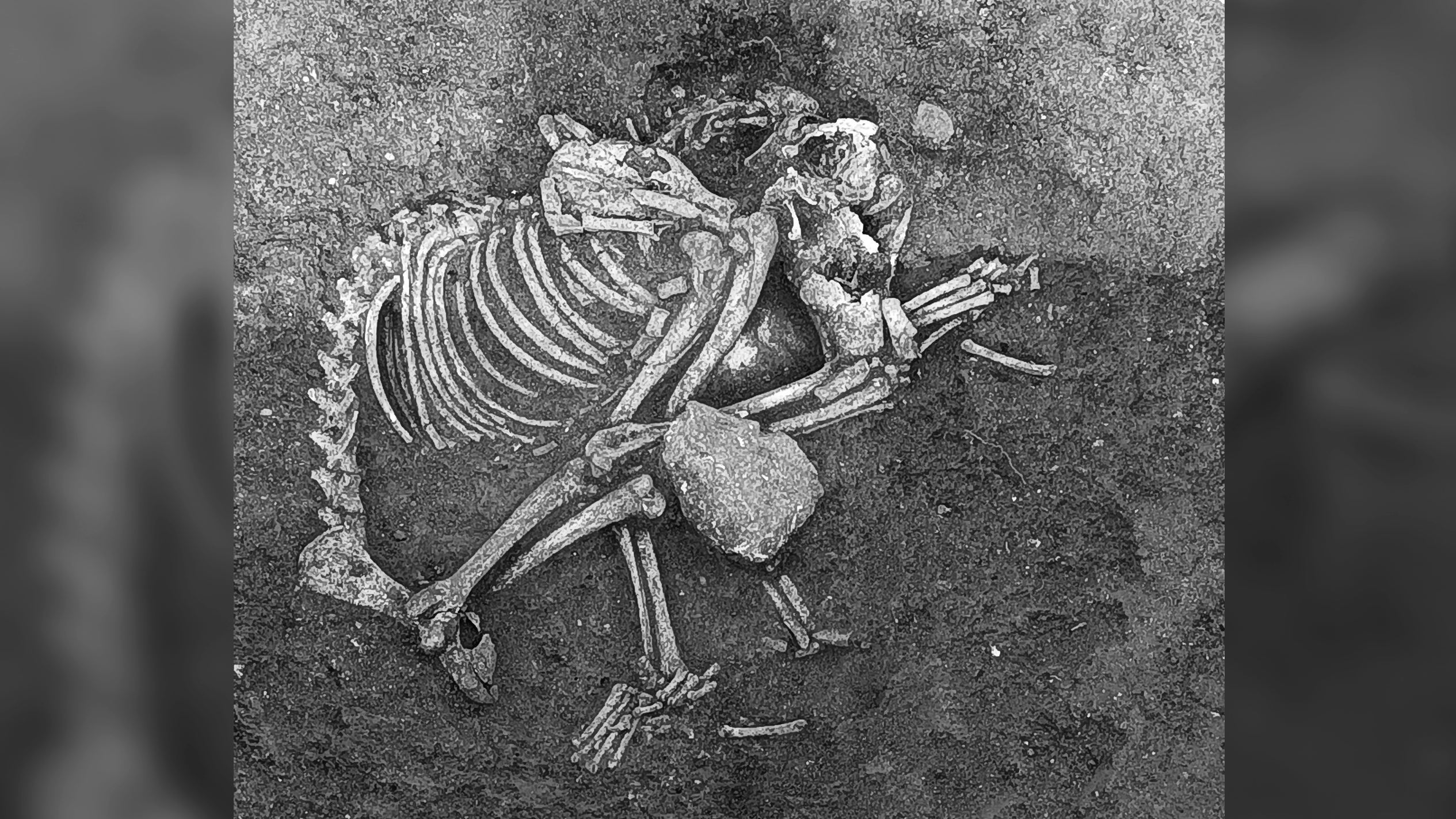 2,500 years ago, people in Bulgaria ate dog meat at feasts and as a delicacy, archaeological study finds
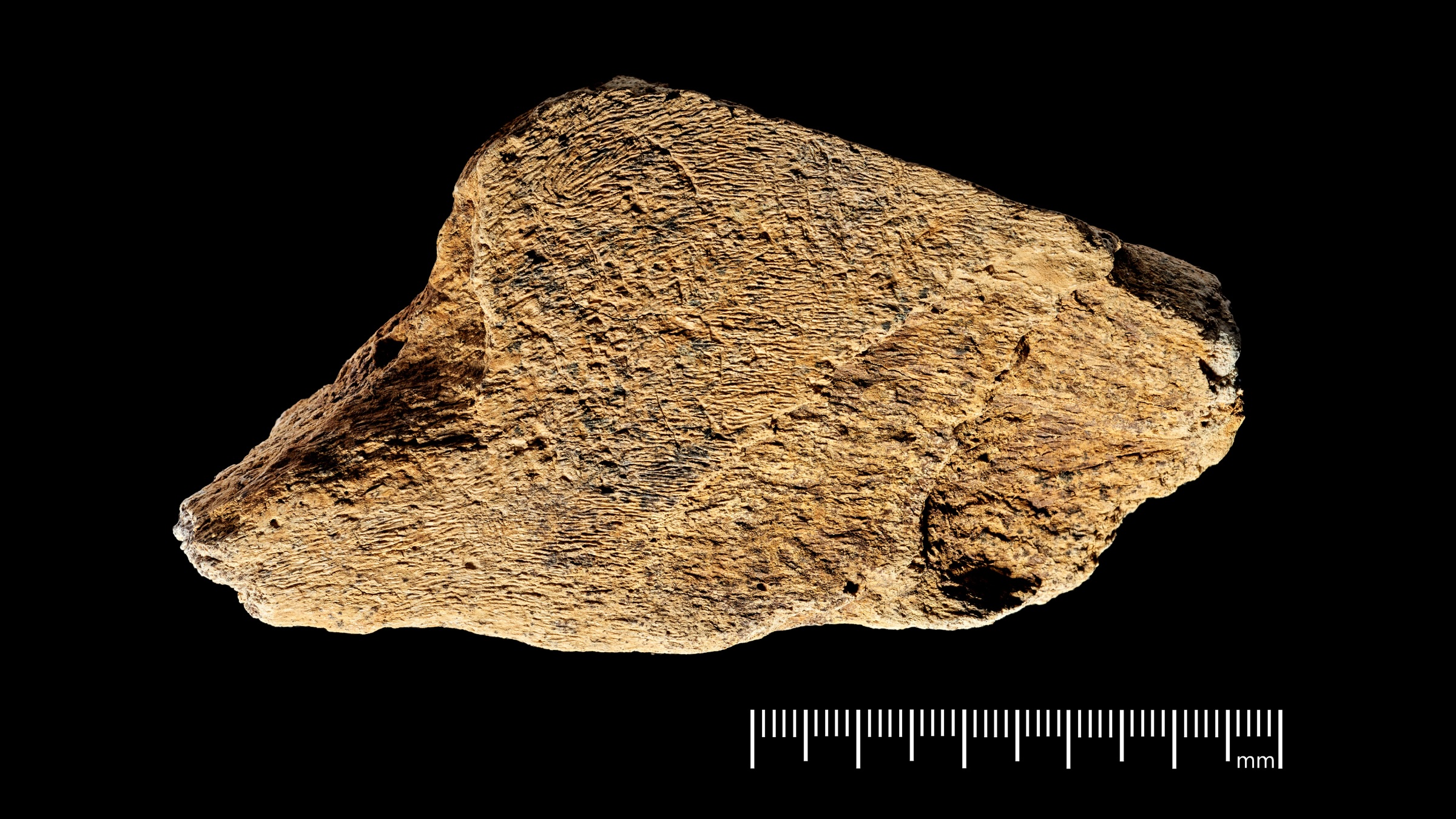 480,000-year-old ax sharpener is the oldest known elephant bone tool ever discovered in Europe
 People, not glaciers, transported rocks to Stonehenge, study confirms
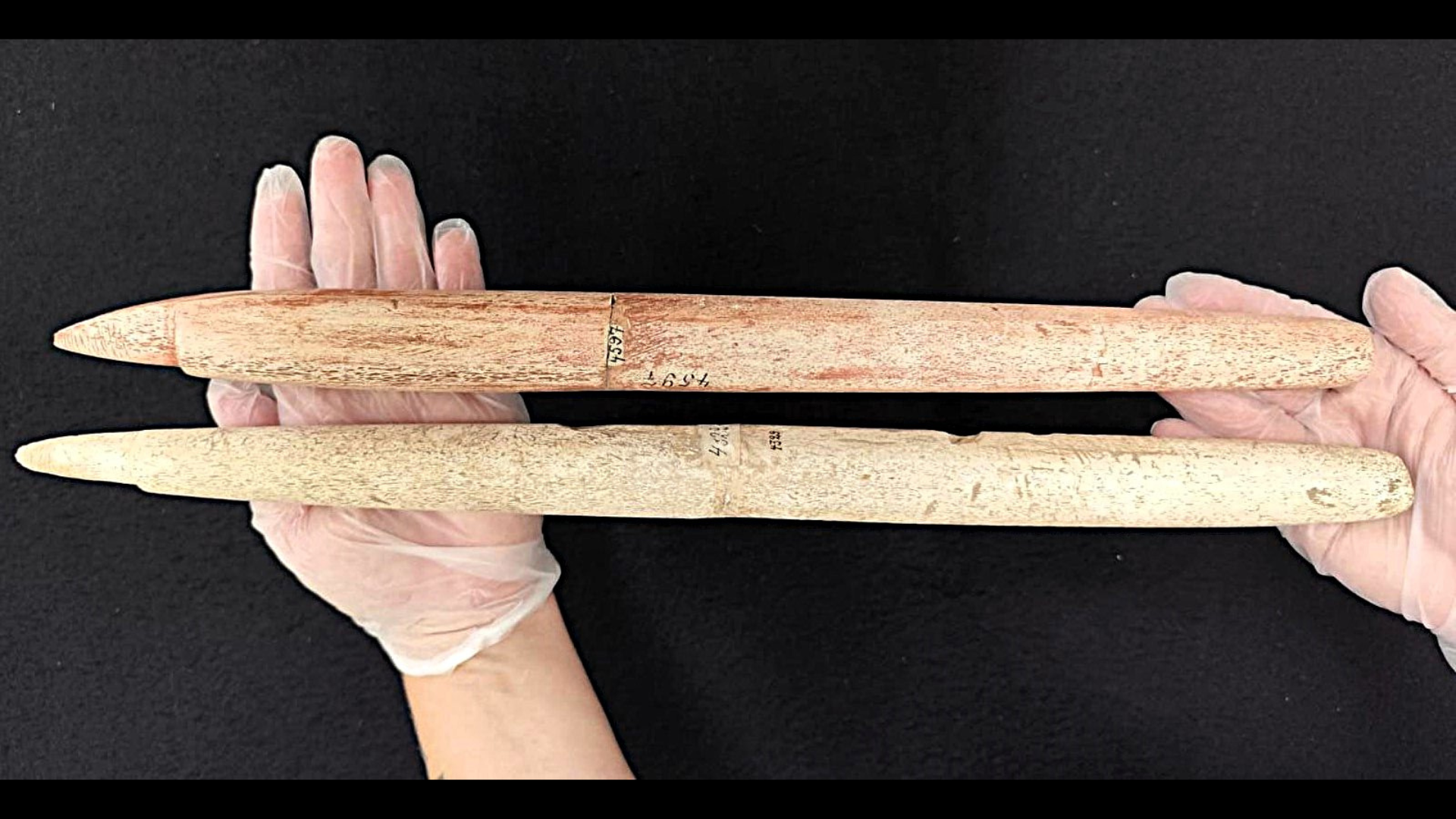 Some of the oldest harpoons ever found reveal Indigenous people in Brazil were hunting whales 5,000 years ago
 World's oldest rock art, giant reservoir found beneath the East Coast seafloor, black hole revelations, and a record solar radiation storm
 Varna Gold: Humanity's first gold jewelry was found in a cemetery with a gold 'penis sheath'
Latest in News
1,400-year-old Zapotec tomb discovered in Mexico features enormous owl sculpture symbolizing death
Varna Gold: Humanity's first gold jewelry was found in a cemetery with a gold 'penis sheath'
Latest in News
1,400-year-old Zapotec tomb discovered in Mexico features enormous owl sculpture symbolizing death
 The UK has lost its measles elimination status — again
 People with more 'brown fat' have healthier cardiovascular systems. A new study in mice may explain why.
 Microsoft says its newest AI chip Maia 200 is 3 times more powerful than Google's TPU and Amazon's Trainium processor
 How to see 2 total solar eclipses in the next 2 years — including the 'eclipse of the century'
 A drying climate is making East Africa pull apart faster
LATEST ARTICLES
A drying climate is making East Africa pull apart faster
LATEST ARTICLES- 1The UK has lost its measles elimination status — again
- 2People with more 'brown fat' have healthier cardiovascular systems. A new study in mice may explain why.
- 3Microsoft says its newest AI chip Maia 200 is 3 times more powerful than Google's TPU and Amazon's Trainium processor
- 4Canon 18x50 IS UD all-weather binoculars review
- 5Varna Gold: Humanity's first gold jewelry was found in a cemetery with a gold 'penis sheath'