 Photography @_yushyJanuary
28,
2026Music
/
NewsMusic /
NewsA 24-hour London will save the city’s nightlife, says new report
Photography @_yushyJanuary
28,
2026Music
/
NewsMusic /
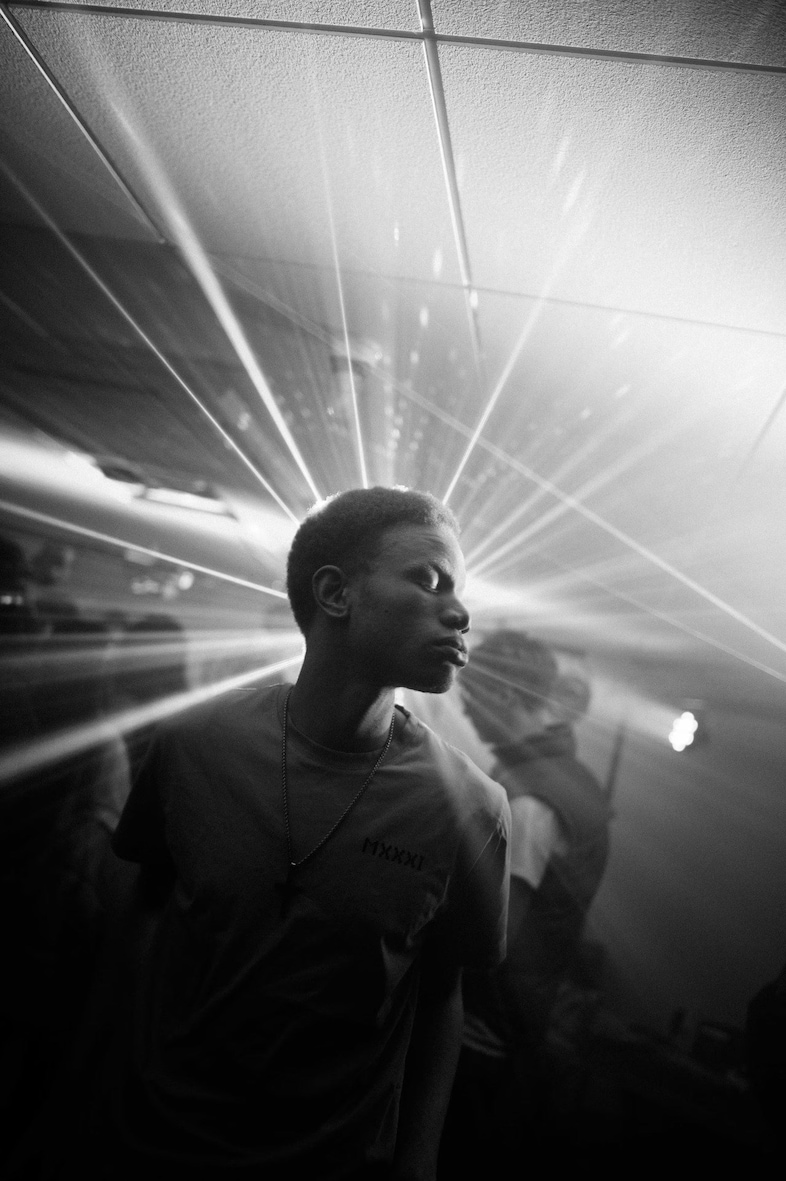
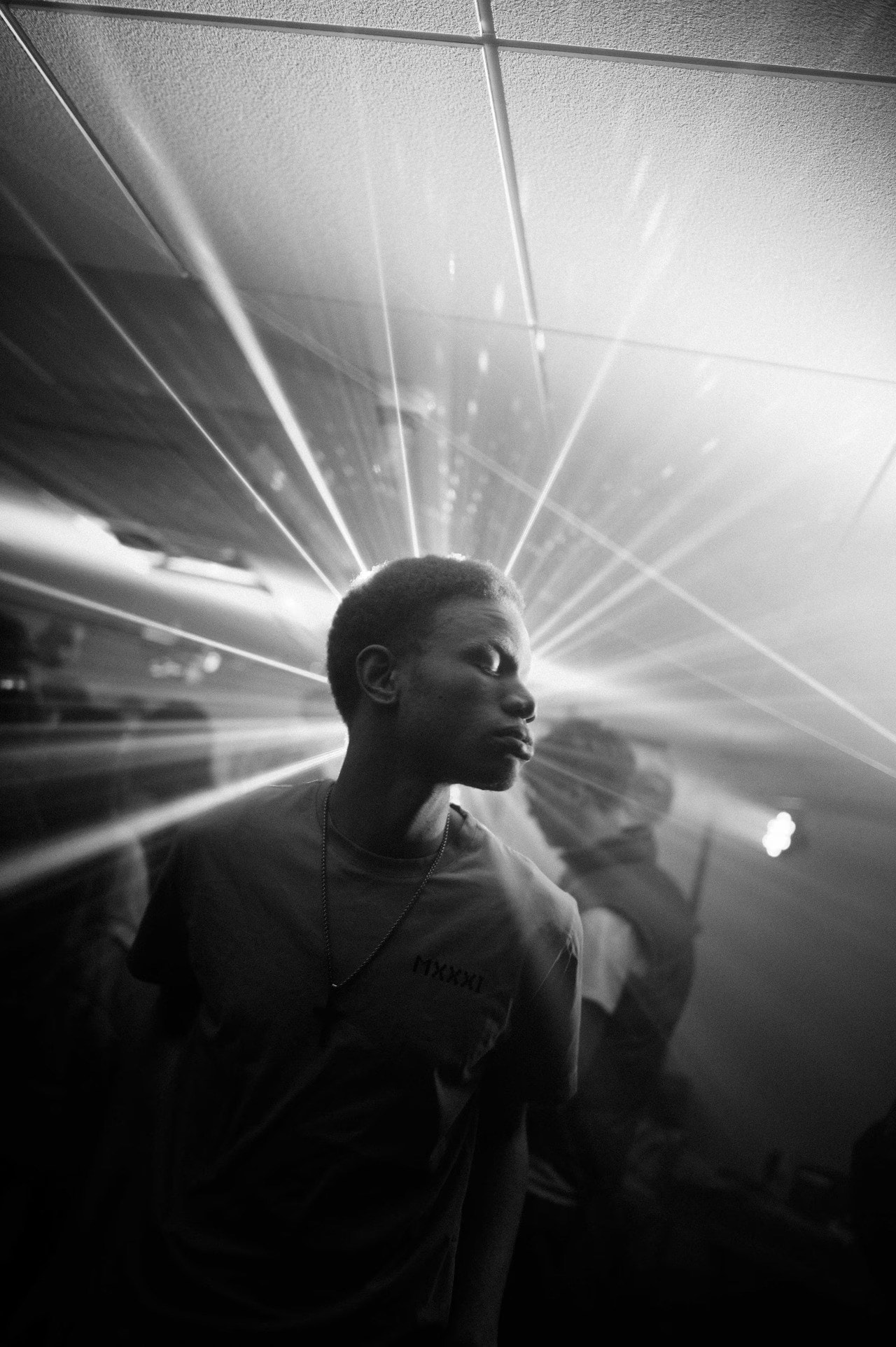
NewsA 24-hour London will save the city’s nightlife, says new reportBeing appointed last year to explore new solutions to the capital’s ongoing nightlife crisis, the Nightlife Taskforce has now produced its first findings
ShareLink copied ✔️January 28, 2026January 28, 2026TextSolomon Pace-McCarrickLondon’s nightlife crisis is no secret. Last year, the Nighttime Industries Association predicted that, if venue closures continue at the current rate, then there will be no major clubs left in the entire UK by 2030. It is in this context that London Mayor Sadiq Khan created a new Nightlife Taskforce last year, to explore new solutions to the crisis, appointing Pxssy Palace co-founder Nadine Noor, Colour Factory and Jumbi founder Nathaneal Williams, and former Corsica Studios head of operations Alice Hoffman-Fuller, among others. The commission produced its first findings yesterday (January 27).
Most notably, the new report called to make London a true 24-hour-city by extending venue licences and increasing transport and late-night food provisions, as well as urging that nightlife must be recognised as a distinct form of culture. Railing against the current framing of nightlife purely in relation to the economy, the Taskforce argued that recognising nightlife’s social and cultural benefits will be central to preserving music spaces for generations to come. “Nightlife is the evening, nighttime and early morning spaces where people meet, ideas are exchanged, cultures are expressed, and creativity happens,” the report reads. “It is this reciprocal mix of the cultural and social that makes nightlife both unique and special.”
This recommendation runs in parallel with research detailed elsewhere in the report: that there is no statistical link between nightlife spaces and crime. “Combining crime and footfall data shows that late-night non-violent crime is associated with busy areas of all kinds, rather than gravitating specifically towards clubs or other cultural spaces,” the Taskforce reports.
This is particularly significant given London’s historical over-policing of nightlife spaces. The report emphasises that, while theft and robbery are often cited as reasons to restrict or withhold venue licenses, evidence shows that, across all of London, these crimes peak in the afternoon. More widely, between 2008 and 2017, the Met Police required that all promoters and venues complete Form 696 before a music event – a risk assessment form that appeared to draw a link between the genres played and (in its original iteration) the ethnicity of attendees, and the risk of crime. The Taskforce’s new report aims to dispel these negative stereotypes.
Elsewhere, the Taskforce called for authorities to raise the minimum threshold for how many noise complaints need to be made before a venue’s license is called into question, responding to, among other instances, a recent controversy in which beloved Hackney venue Moth Club’s license was threatened by the building of a new apartment complex next door. Noise complaints are a significant point of conflict between nightlife spaces and local residents,” the report reads. “Supporting night-time vibrancy means rethinking our approaches to managing night-time sound.”
For music writer Ed Gillett, however, who himself worked across the new report, the Taskforce’s biggest achievement is in managing to democratise debates around nightlife. “For me, [it’s] most important contribution has been to shift how these debates are conducted: moving from a narrow group of politicians and industry figures and towards one driven by broader and more diverse perspectives.”
Escape the algorithm! Get The DropEmail address SIGN UPPrivacy policy
Thank you. You have been subscribed
Privacy policy ShareLink copied ✔️More on these topicsMusicNewsclubbingLondoncrimeExpand your creative community and connect with 15,000 creatives from around the world.
READ MORE
‘It’s a revolution’: Nigeria’s new-gen rappers are hitting the mainstream
Why are we so nostalgic for the music of 2016?
Jim Beam

Jim Beam and Dazed want to help you get game day-ready
Listen to Oskie’s ‘perennially joyful’ Dazed mix
Corridos tumbados: A guide to Mexico’s most controversial music genre
Sekou is the 21-year-old baritone making 70s soul cool again

Don’t Be Dumb: The top 5 features on A$AP Rocky’s new album
The rise of ‘Britainicana’: How Westside Cowboy are reshaping UK indie

R!R!Riot is Taiwan’s pluggnb princess

When did UK underground rap get so Christian?

Why listening parties are everywhere right now