- Space
- Space Exploration
NASA has announced it will fuel the Artemis II rocket as part of a simulated launch that will take place as early as Saturday (Jan. 31).
When you purchase through links on our site, we may earn an affiliate commission. Here’s how it works.
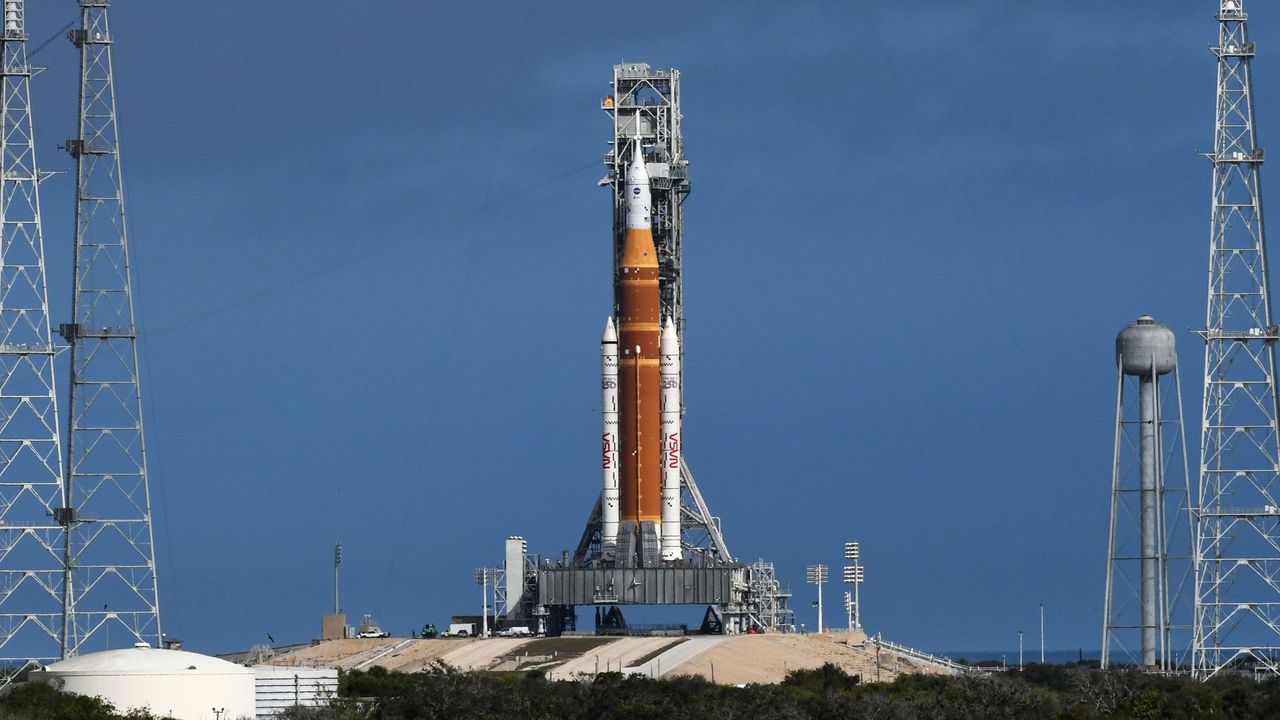
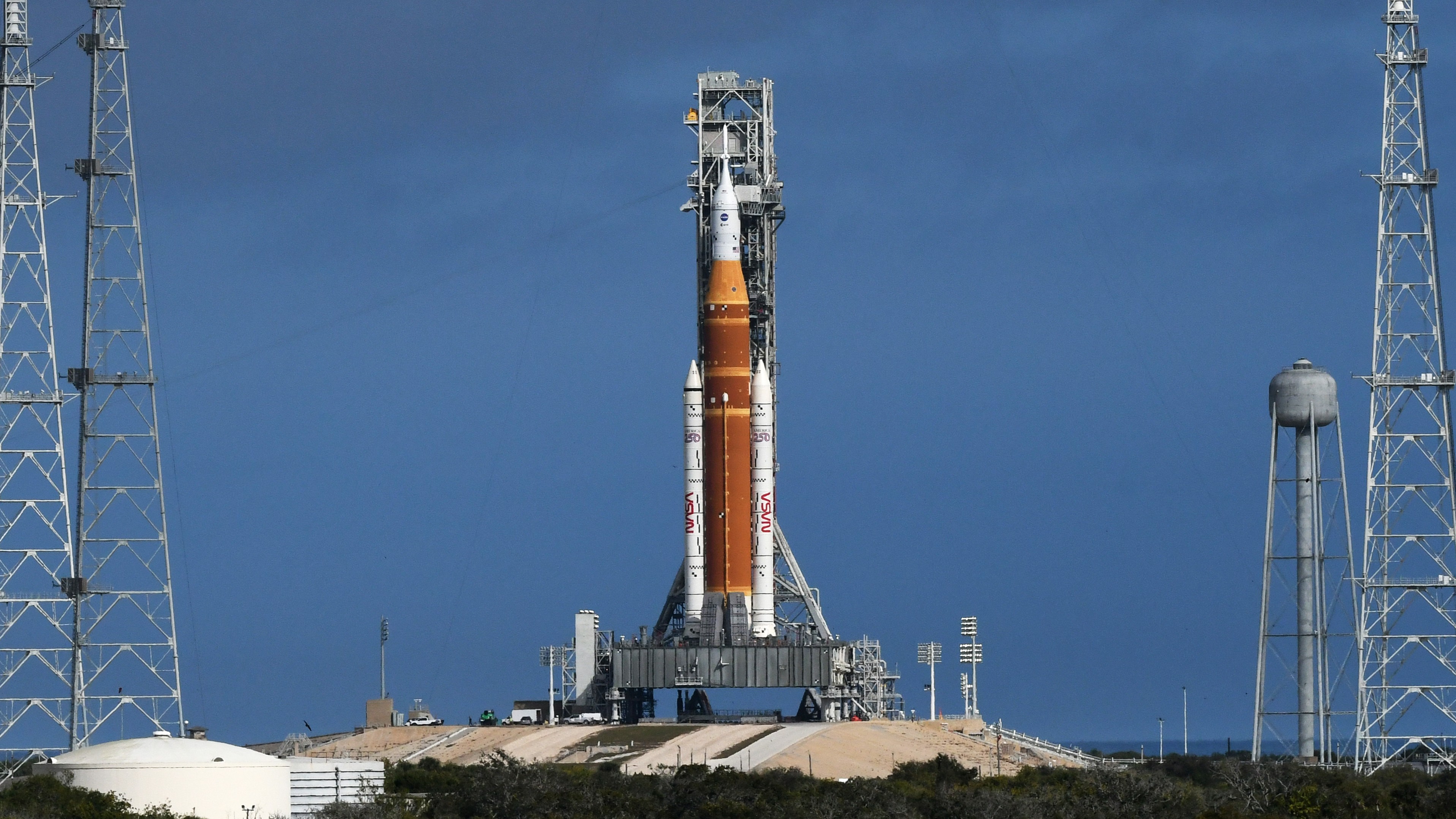 The Artemis II rocket is currently poised to launch from Kennedy Space Center in Cape Canaveral, Florida.
(Image credit: Paul Hennessy/Anadolu via Getty Images)
Share
Share by:
The Artemis II rocket is currently poised to launch from Kennedy Space Center in Cape Canaveral, Florida.
(Image credit: Paul Hennessy/Anadolu via Getty Images)
Share
Share by:
- Copy link
- X
NASA will simulate a test launch of its Artemis II mega moon rocket as early as Saturday (Jan. 31), with the space agency announcing its engineers are on track or ahead of schedule.
The Artemis II mission, which could launch as early as Feb. 6, aims to send humans around the moon in preparation for the subsequent Artemis III mission that will land astronauts on its surface. This is the first time in more than 50 years that NASA is sending humans back to the moon, and the first time that a woman will be part of the crew.
You may like-
 Artemis 2 mission update: Rollout imminent as NASA prepares first crewed Artemis mission to the moon
-
 Watch NASA roll its historic Artemis II moon rocket to the launch pad this weekend
-
 Blue Origin New Glenn rocket: New launch window for historic Mars mission after solar storm delay
The upcoming simulated test launch is part of the final preparations NASA will undergo before confirming a launch date for Artemis II. The simulated launch will be preceded by a "wet dress rehearsal," during which engineers will test fueling the Artemis II rocket.
NASA wheeled out the mission’s Space Launch System (SLS) rocket and Orion spacecraft on Jan. 17. The rocket and spacecraft are currently sitting on a launch pad at the Kennedy Space Center in Florida. With a 212-foot-tall (65 meters) core stage and a total height of 322 feet (98 m) with the Orion crew capsule on top, the structure is taller than the Statue of Liberty.
During the wet dress rehearsal, NASA's crew will demonstrate its ability to fill the rocket with more than 700,000 gallons (2.6 million liters) of cryogenic propellants. The rehearsal will also include a countdown to the simulated launch, scheduled for 9 p.m. EST. However, the tests could go on until around 1 a.m. EST, according to NASA.
The space agency noted that temperatures in Florida are lower than expected due to the Arctic blast currently hitting the U.S. Technicians are therefore taking steps to ensure environmental control systems keeping the SLS rocket and Orion at the appropriate temperature can handle the cold.
Sign up for the Live Science daily newsletter nowContact me with news and offers from other Future brandsReceive email from us on behalf of our trusted partners or sponsorsBy submitting your information you agree to the Terms & Conditions and Privacy Policy and are aged 16 or over.NASA's staff is also working on other issues, including Orion's potable water system, which initial samples revealed had higher levels of organic carbon than expected. This water system will supply drinking water to the Artemis II crew, according to the space agency.
Artemis II's four-person crew includes three NASA astronauts: Commander Reid Wiseman, pilot Victor Glover, and mission specialist Christina Koch. The fourth member of the crew is Canadian Space Agency astronaut and mission specialist Jeremy Hansen.
RELATED STORIES—NASA astronauts back on Earth after unprecedented medical emergency on ISS
—NASA's powerful new Roman Space Telescope is complete — and will soon begin mission to find 100,000 alien worlds
—Should humans colonize other planets?
The crew started quarantining in Houston Jan. 23, according to NASA. Astronauts go into quarantine ahead of a launch to ensure they don't get infected by illnesses that could delay their mission. NASA plans to fly the crew to Florida about six days ahead of launch.
The Artemis mission has previously experienced delays. For example, Artemis I returned to NASA's Vehicle Assembly Building twice in 2022 following issues during wet dress rehearsals. The rocket ultimately took off during NASA's fourth attempt at a launch in November 2022. As with all spaceflight missions, any date NASA proposes for a test or launch is subject to change. The potential launch windows for Artemis II extend to no later than April 2026.
If Artemis II makes a successful trip around the moon, then NASA will have tested systems and hardware needed for sending astronauts on increasingly difficult future missions to the lunar surface and beyond. The space agency plans to establish a sustained presence on the moon, which it claims will serve as a stepping stone for future missions to Mars.
TOPICS NASA Space Launch System Patrick PesterSocial Links NavigationTrending News Writer
Patrick Pester is the trending news writer at Live Science. His work has appeared on other science websites, such as BBC Science Focus and Scientific American. Patrick retrained as a journalist after spending his early career working in zoos and wildlife conservation. He was awarded the Master's Excellence Scholarship to study at Cardiff University where he completed a master's degree in international journalism. He also has a second master's degree in biodiversity, evolution and conservation in action from Middlesex University London. When he isn't writing news, Patrick investigates the sale of human remains.
Show More CommentsYou must confirm your public display name before commenting
Please logout and then login again, you will then be prompted to enter your display name.
Logout Read more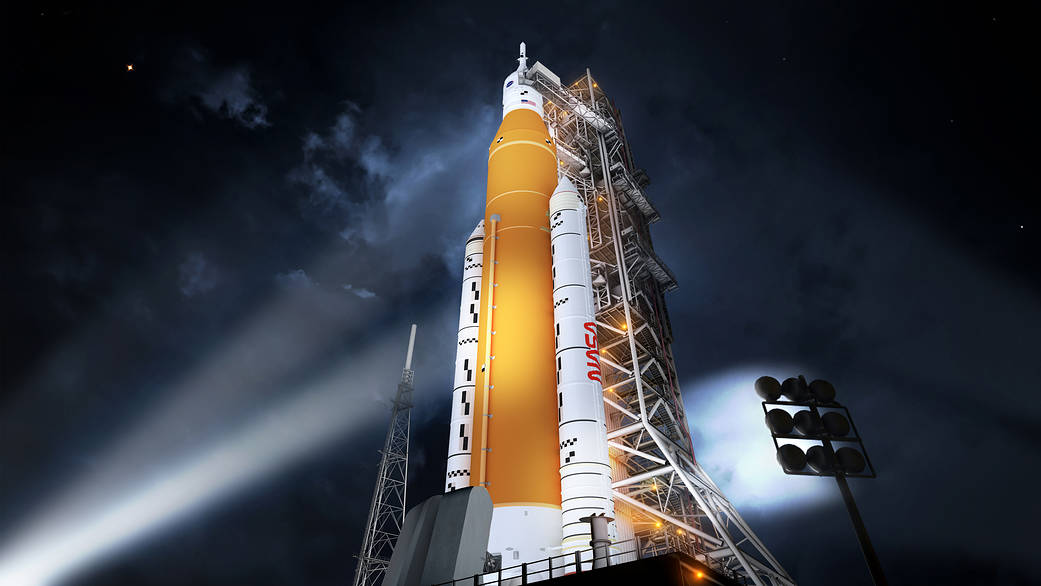 Artemis 2 mission update: Rollout imminent as NASA prepares first crewed Artemis mission to the moon
 Blue Origin New Glenn rocket: New launch window for historic Mars mission after solar storm delay
 NASA jet crashes in flames on Texas runway — taking it out of the Artemis II mission
 Russia accidentally destroys its only working launch pad as astronauts lift off to ISS
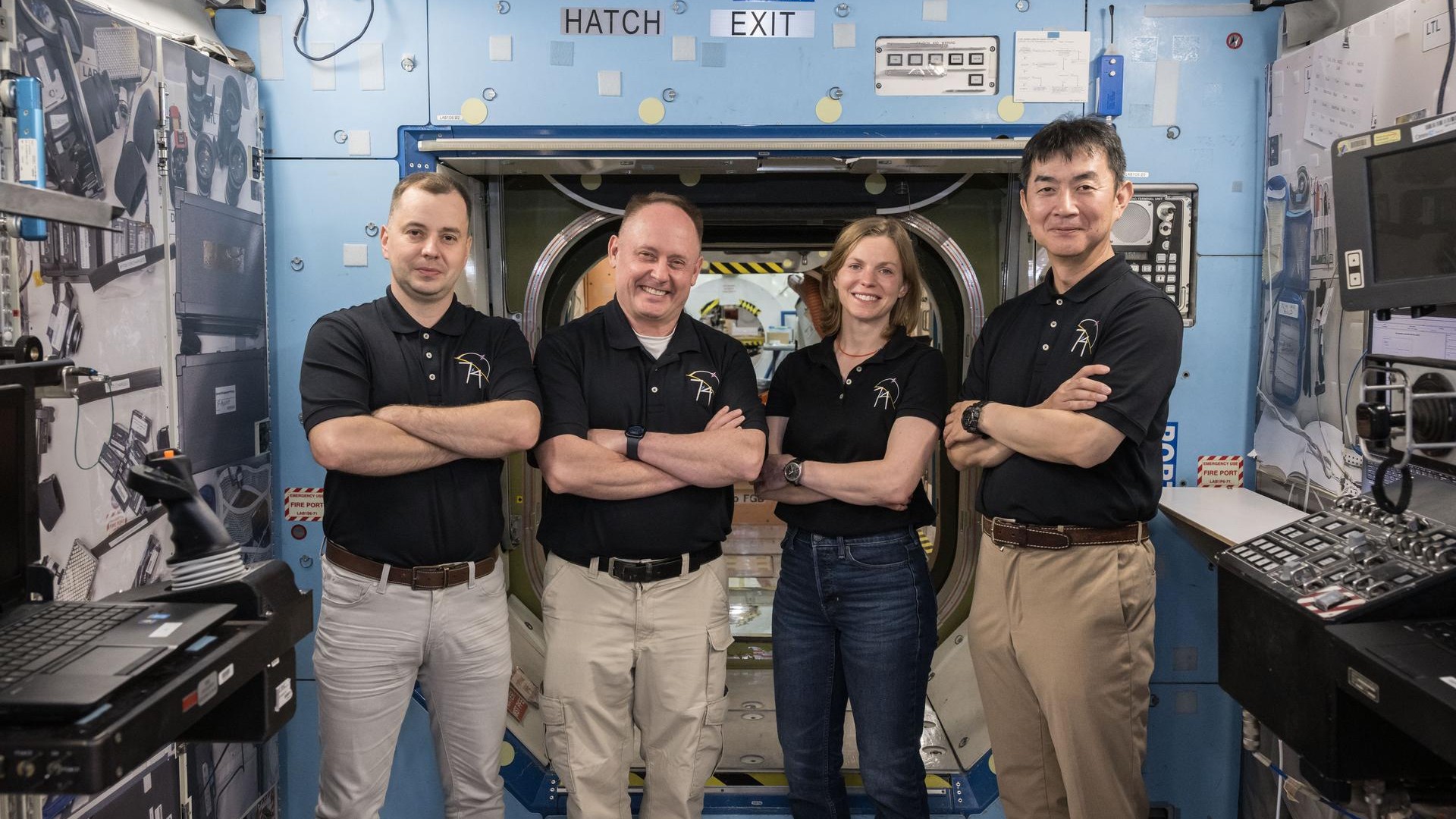 NASA announces unprecedented return of sick ISS astronaut and crew
 Marooned no more! Stranded Chinese astronauts finally have a way home following launch of unmanned 'lifeboat'
Latest in Space Exploration
NASA jet crashes in flames on Texas runway — taking it out of the Artemis II mission
Marooned no more! Stranded Chinese astronauts finally have a way home following launch of unmanned 'lifeboat'
Latest in Space Exploration
NASA jet crashes in flames on Texas runway — taking it out of the Artemis II mission
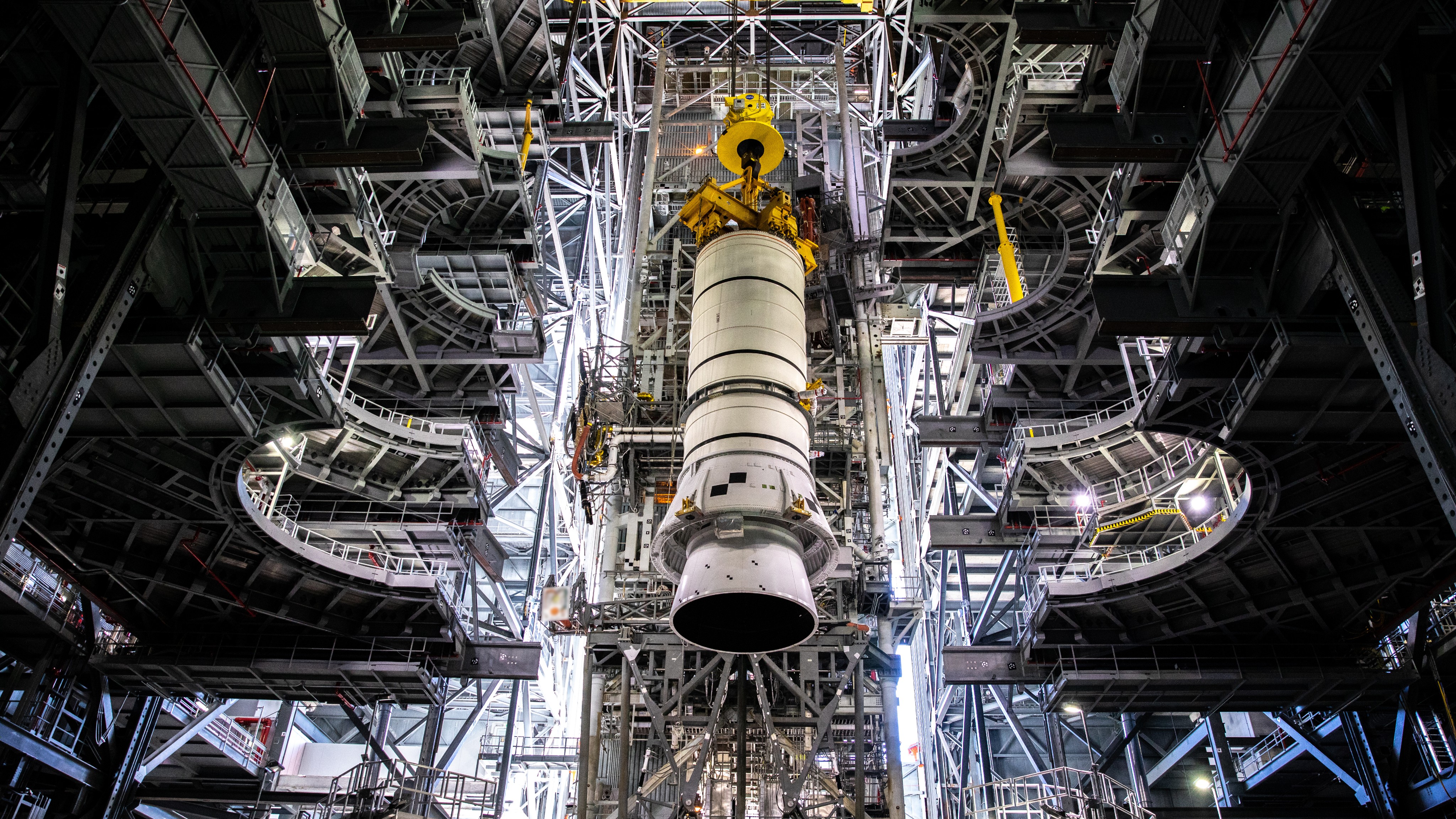 Watch NASA roll its historic Artemis II moon rocket to the launch pad this weekend
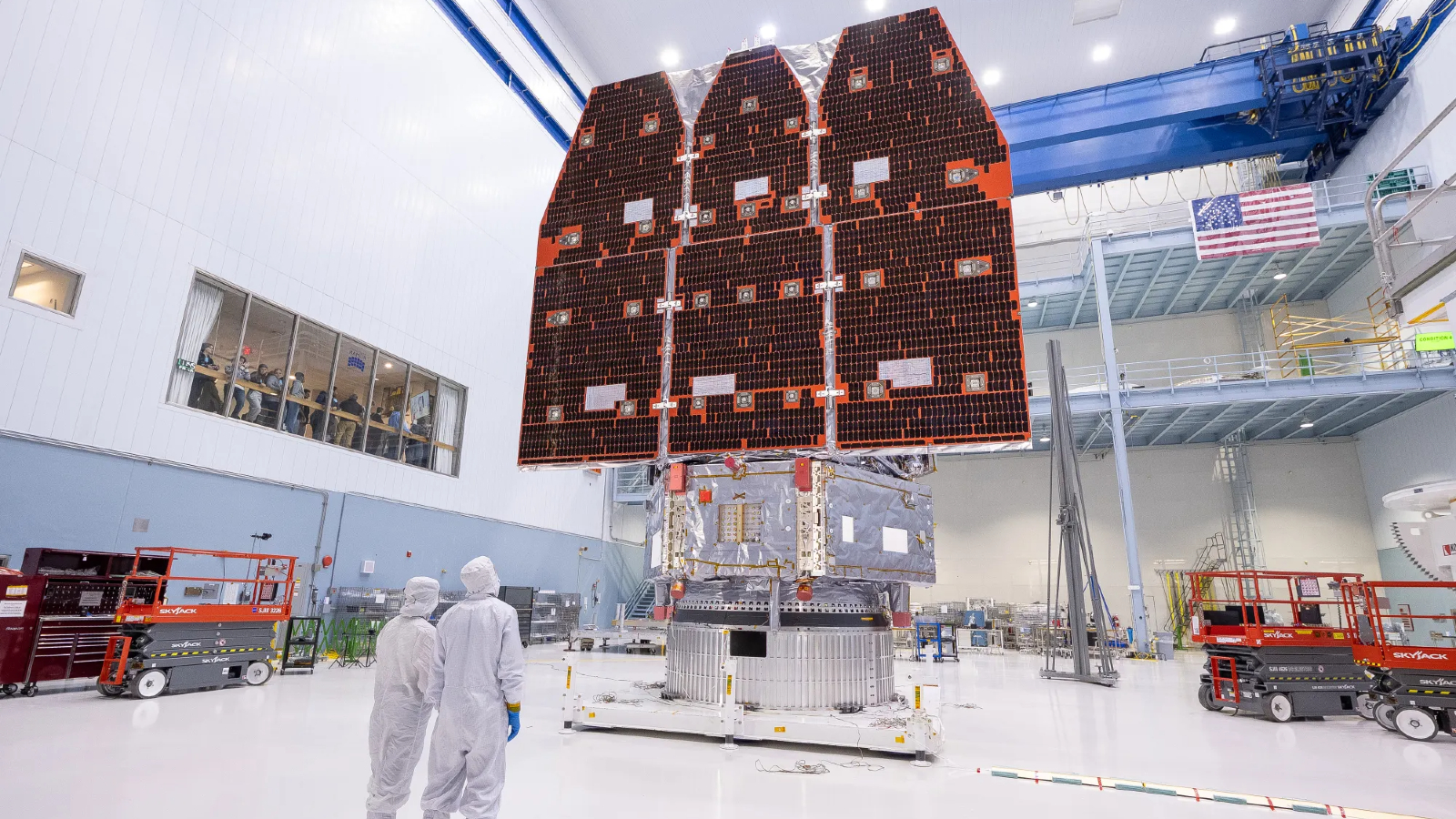 NASA's powerful new Roman Space Telescope is complete — and will soon begin mission to find 100,000 alien worlds
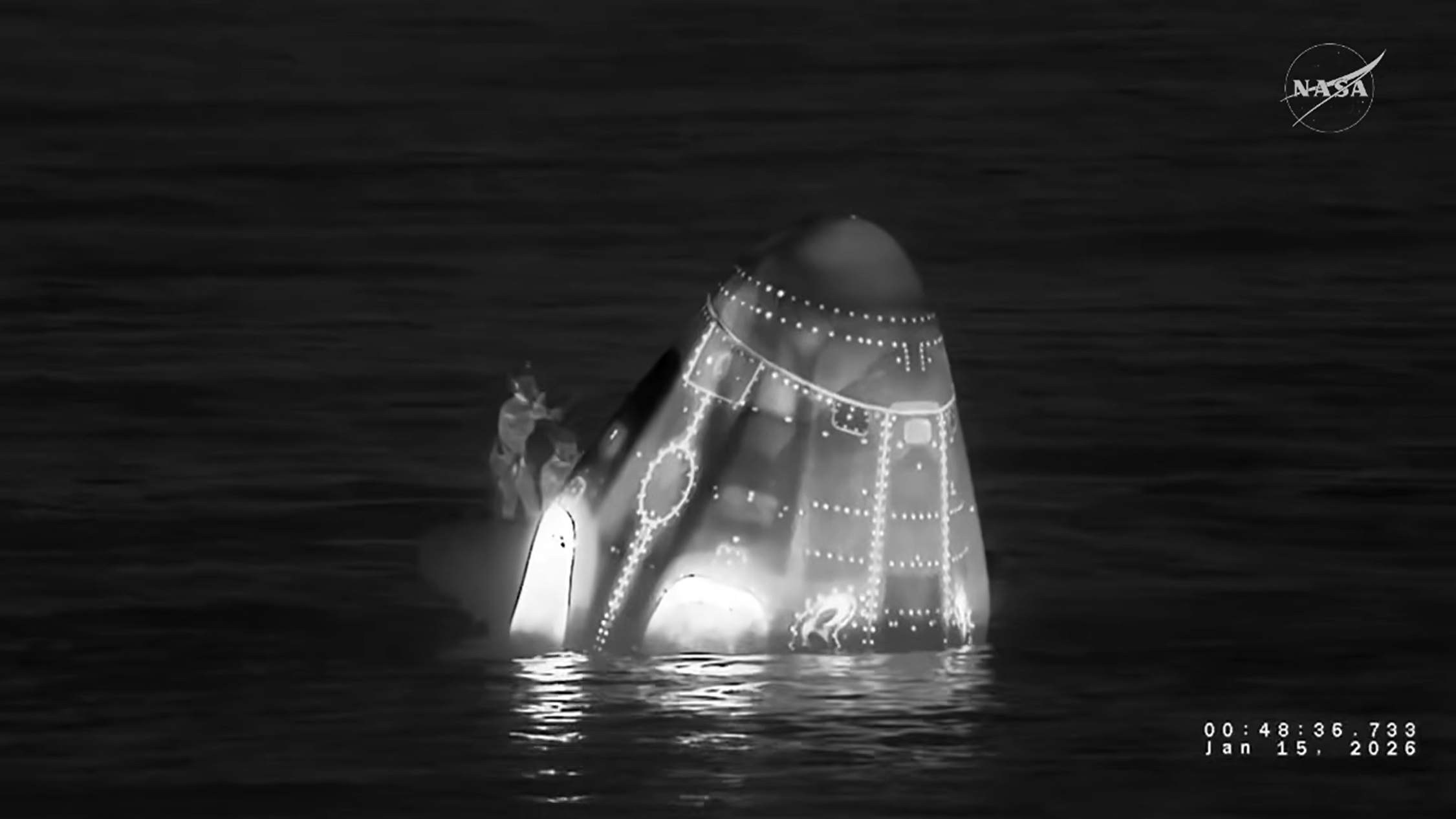 NASA astronauts back on Earth after unprecedented medical emergency on ISS
Artemis 2 mission update: Rollout imminent as NASA prepares first crewed Artemis mission to the moon
NASA announces unprecedented return of sick ISS astronaut and crew
Latest in News
NASA astronauts back on Earth after unprecedented medical emergency on ISS
Artemis 2 mission update: Rollout imminent as NASA prepares first crewed Artemis mission to the moon
NASA announces unprecedented return of sick ISS astronaut and crew
Latest in News
 New triple-drug treatment stops pancreatic cancer in its tracks, a mouse study finds
 'Part of the evolutionary fabric of our societies': Same-sex sexual behavior in primates may be a survival strategy, study finds
 More than 43,000 years ago, Neanderthals spent centuries collecting animal skulls in a cave; but archaeologists aren't sure why
 Halley wasn't the first to figure out the famous comet. An 11th-century monk did it first, new research suggests.
 James Webb telescope breaks own record, discovering farthest known galaxy in the universe
 South Carolina's measles outbreak nears 790 cases — making it the biggest in decades
LATEST ARTICLES
South Carolina's measles outbreak nears 790 cases — making it the biggest in decades
LATEST ARTICLES- 1New triple-drug treatment stops pancreatic cancer in its tracks, a mouse study finds
- 2Thousands of dams in the US are old, damaged and unable to cope with extreme weather. How bad is it?
- 3'Part of the evolutionary fabric of our societies': Same-sex sexual behavior in primates may be a survival strategy, study finds
- 4More than 43,000 years ago, Neanderthals spent centuries collecting animal skulls in a cave; but archaeologists aren't sure why
- 5Watch awkward Chinese humanoid robot lay it all down on the dance floor