- Space
- Astronomy
- The Moon
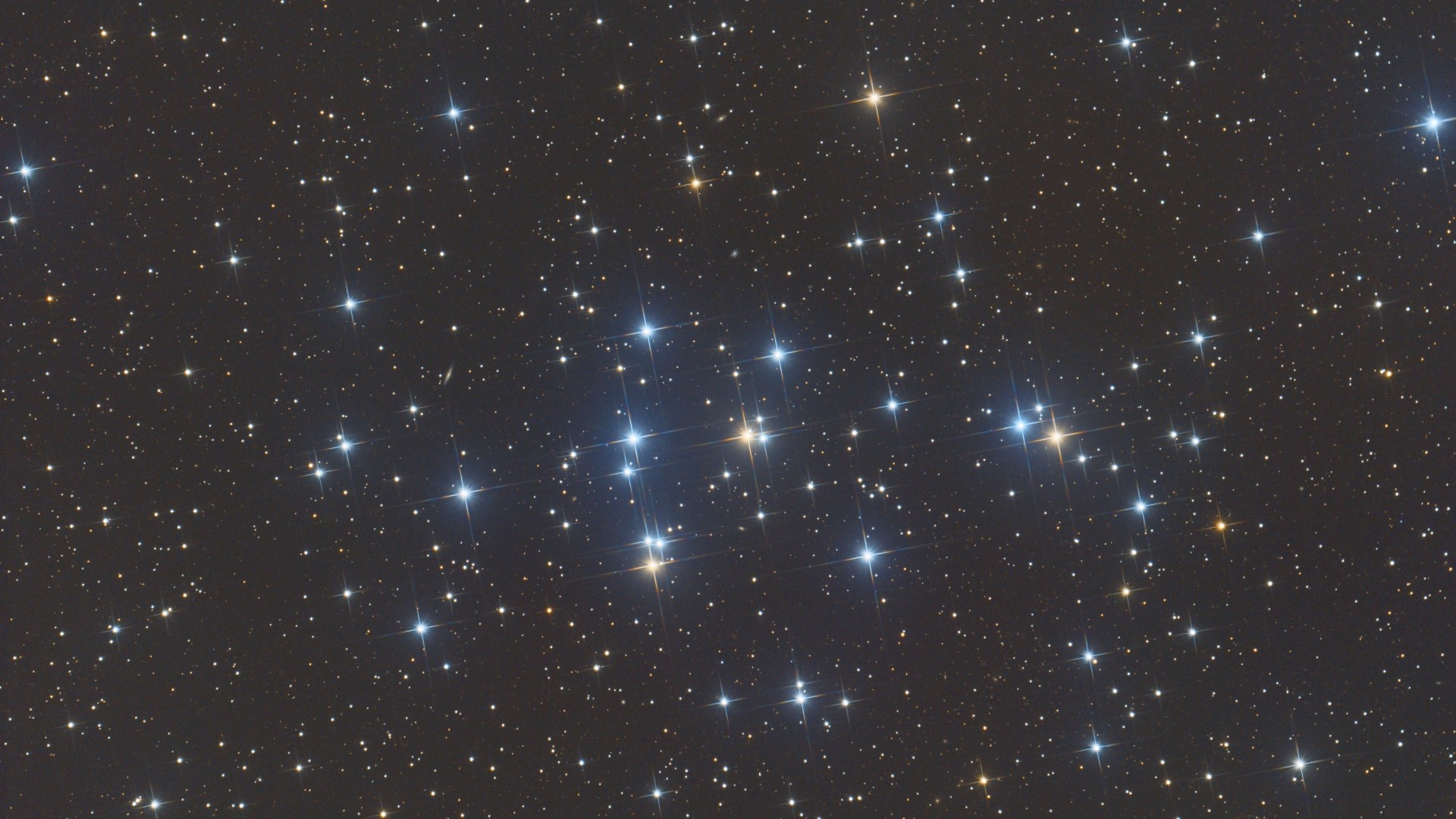
February's full "Snow Moon" will be at its fullest on Sunday, Feb. 1, and will be best seen at moonrise. It will appear just beneath the Beehive Cluster, one of the closest star clusters to the solar system.
When you purchase through links on our site, we may earn an affiliate commission. Here’s how it works.
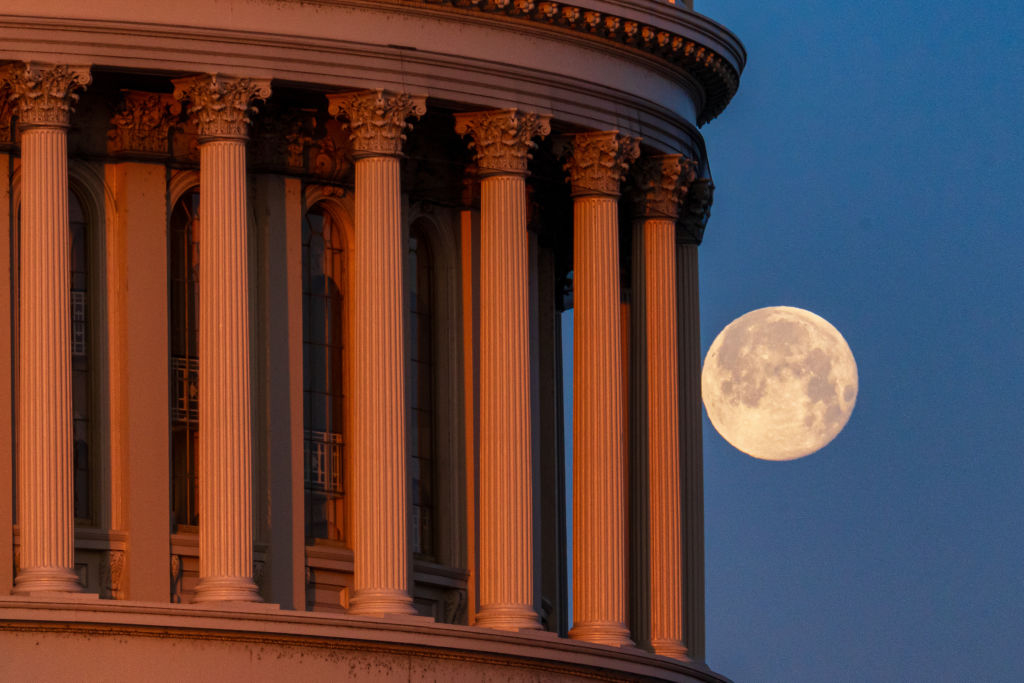 The full "Snow Moon" sets behind the U.S. Capitol on Feb. 25, 2024.
(Image credit: Getty Images/J. David Ake / Contributor)
Share
Share by:
The full "Snow Moon" sets behind the U.S. Capitol on Feb. 25, 2024.
(Image credit: Getty Images/J. David Ake / Contributor)
Share
Share by:
- Copy link
- X
The second full moon of 2026, February's Snow Moon, will rise Sunday (Feb. 1) alongside one of the most beautiful open star clusters in the night sky.
The moon will be officially full at 5:09 p.m. EST on Feb. 1 and will be best seen at dusk at moonrise where you are. It will be in the constellation Leo, hanging below the Beehive Cluster. The moon will also appear bright and full on Feb. 2.
You may like-
 Full moons of 2026: When to see all 13 moons rise next year
-
 The Snow Moon will 'swallow' one of the brightest stars in the sky this weekend: Where and when to look
-
January 'Wolf Supermoon': How to see the full moon rise with Jupiter this weekend
You'll find the Beehive Cluster halfway between the bright stars Pollux in the constellation Gemini (to the top right of the moon) and Regulus in the constellation Leo (to the bottom left of the moon). Regulus will be easiest to see about an hour after the moon rises, as will the other stars of Leo.
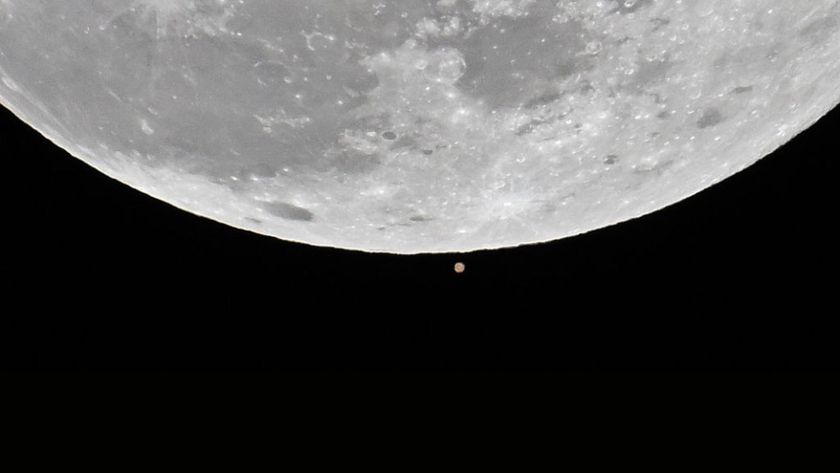
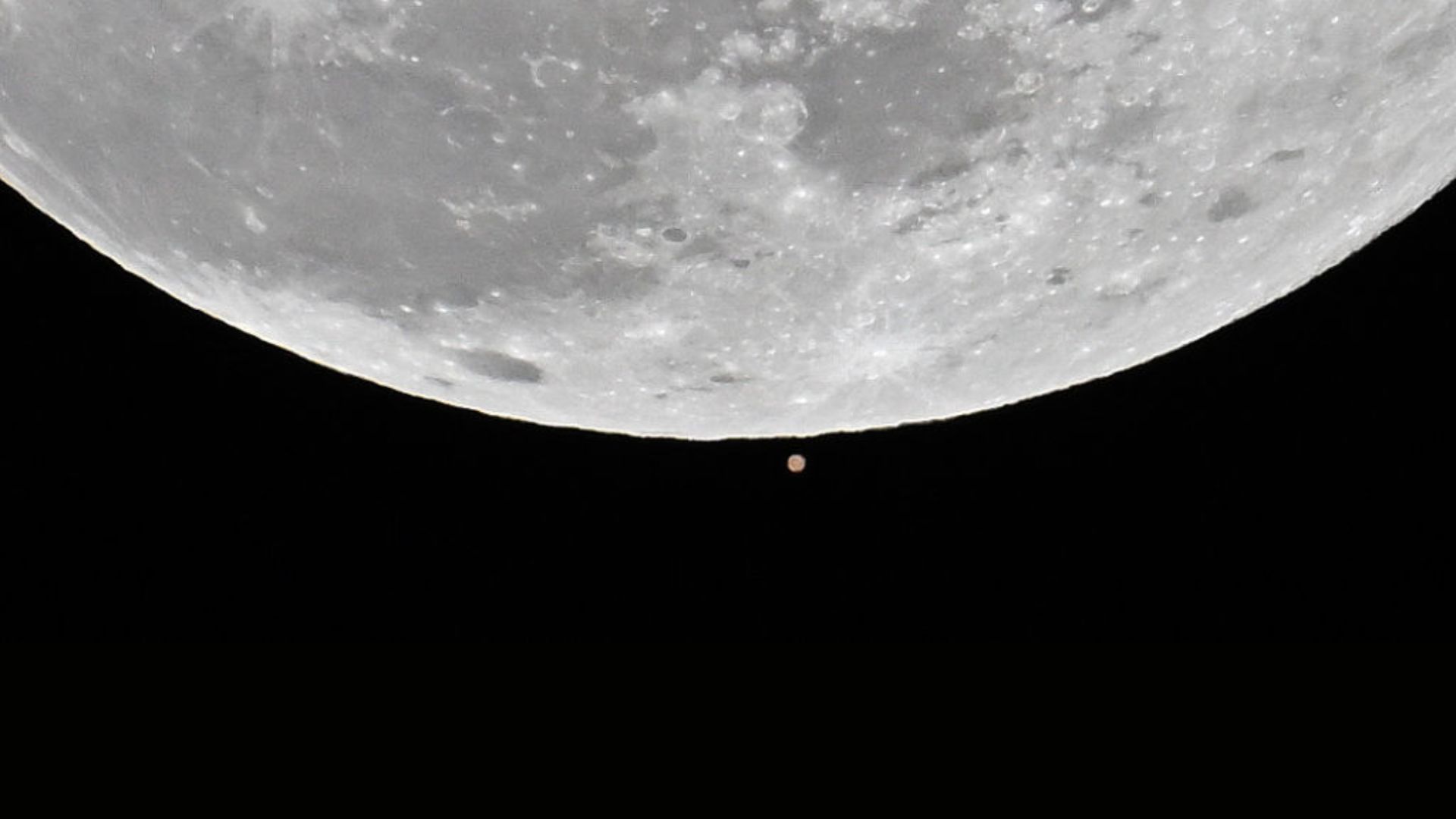
If you look up on Feb. 2, it will be possible to watch Regulus be occulted (appear to vanish) by the near-full moon for an hour or so as seen from parts of North America — a rare event that won't be repeated until the late 2030s.
February's full moon is also known as the Hungry Moon, Storm Moon and Candles Moon, according to NASA. Per the Old Farmer's Almanac, other names for February's full moon include the Bald Eagle Moon or Eagle Moon (the Cree), Bear Moon (the Ojibwe), Black Bear Moon (the Tlingit), Raccoon Moon (the Dakota), Groundhog Moon (the Algonquin) and Goose Moon (the Haida).
Next comes the new moon, on Tuesday, Feb. 17, which will cause a rare annular solar eclipse — often called a "ring of fire," as just the center of the sun's visible surface is blocked by the moon — seen only from Antarctica.
Sign up for the Live Science daily newsletter nowContact me with news and offers from other Future brandsReceive email from us on behalf of our trusted partners or sponsorsBy submitting your information you agree to the Terms & Conditions and Privacy Policy and are aged 16 or over.The next full moon, the Worm Moon, will rise on March 3. This one will be extra special because it will be a total lunar eclipse. During this spectacular event, colloquially called a "blood moon," the lunar surface will turn a reddish-copper color for 58 minutes as seen from North America, the Pacific, Australia and East Asia.
TOPICS Solar eclipse Jamie CarterSocial Links NavigationLive Science contributor
Jamie Carter is a Cardiff, U.K.-based freelance science journalist and a regular contributor to Live Science. He is the author of A Stargazing Program For Beginners and co-author of The Eclipse Effect, and leads international stargazing and eclipse-chasing tours. His work appears regularly in Space.com, Forbes, New Scientist, BBC Sky at Night, Sky & Telescope, and other major science and astronomy publications. He is also the editor of WhenIsTheNextEclipse.com.
Show More CommentsYou must confirm your public display name before commenting
Please logout and then login again, you will then be prompted to enter your display name.
Logout Read more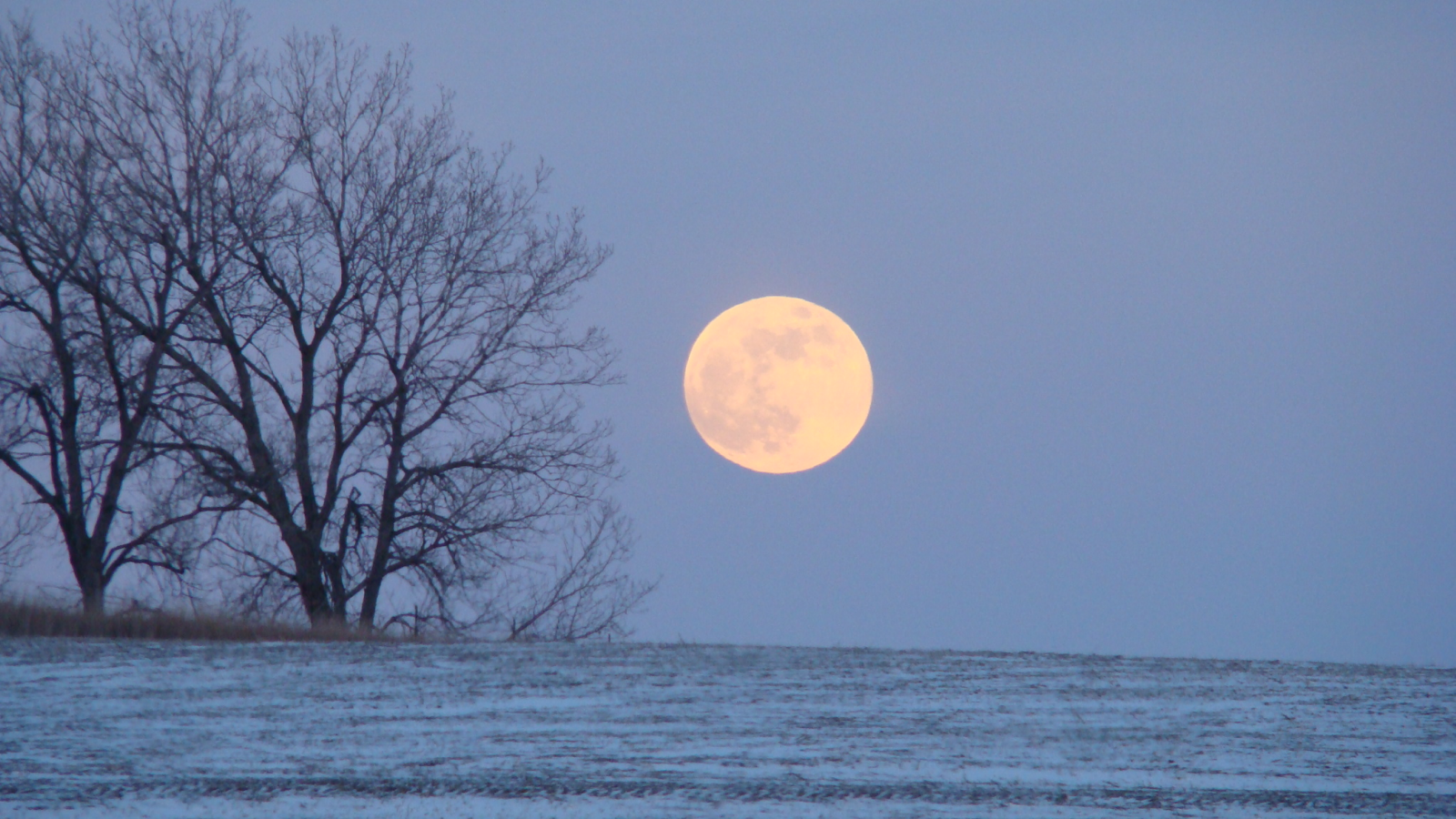 Full moons of 2026: When to see all 13 moons rise next year
 The Snow Moon will 'swallow' one of the brightest stars in the sky this weekend: Where and when to look
January 'Wolf Supermoon': How to see the full moon rise with Jupiter this weekend
The Snow Moon will 'swallow' one of the brightest stars in the sky this weekend: Where and when to look
January 'Wolf Supermoon': How to see the full moon rise with Jupiter this weekend
 Cold Moon 2025: See the last and highest full moon of the year
 When is the next full moon?
 Quadrantid meteor shower peaks this week: How to see the first 'shooting' stars of the year
Latest in The Moon
The Snow Moon will 'swallow' one of the brightest stars in the sky this weekend: Where and when to look
Quadrantid meteor shower peaks this week: How to see the first 'shooting' stars of the year
Latest in The Moon
The Snow Moon will 'swallow' one of the brightest stars in the sky this weekend: Where and when to look
 Why does the moon look larger when it's on the horizon?
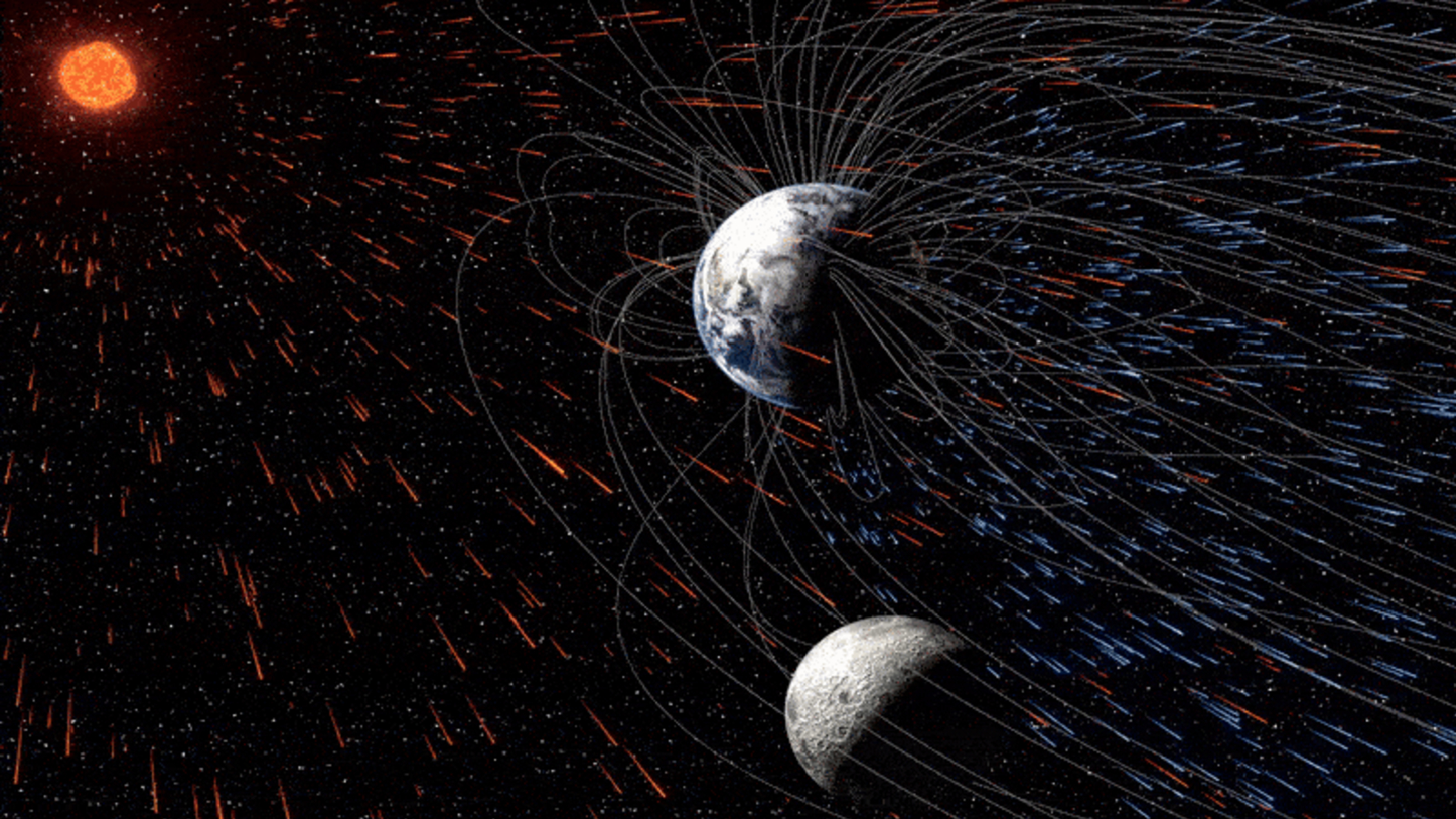 The moon has been secretly feasting on Earth's atmosphere for billions of years
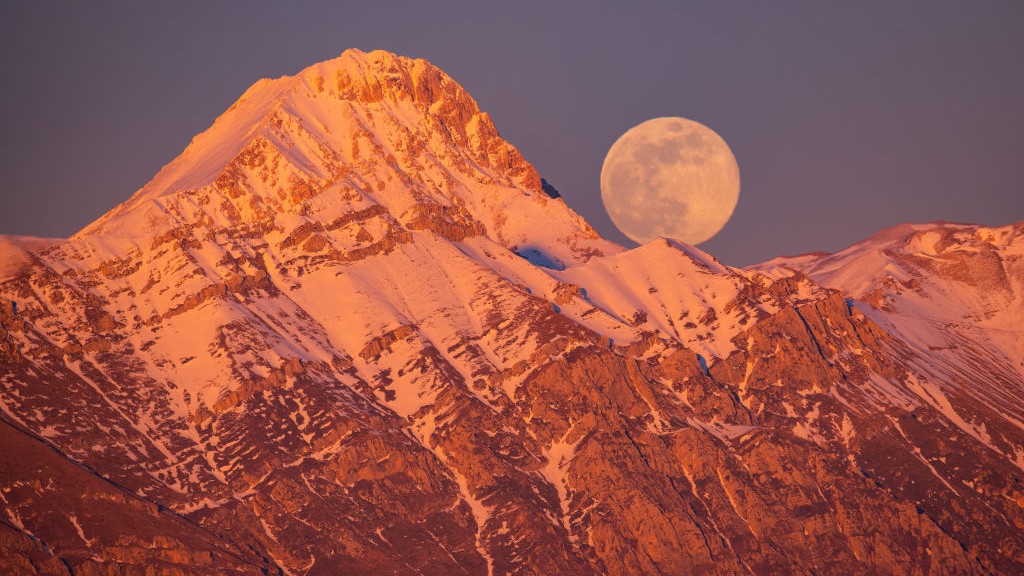 'Wolf Supermoon' gallery: See the first full moon of 2026 in pictures from across the world
Full moons of 2026: When to see all 13 moons rise next year
Cold Moon 2025: See the last and highest full moon of the year
Latest in News
'Wolf Supermoon' gallery: See the first full moon of 2026 in pictures from across the world
Full moons of 2026: When to see all 13 moons rise next year
Cold Moon 2025: See the last and highest full moon of the year
Latest in News
 New triple-drug treatment stops pancreatic cancer in its tracks, a mouse study finds
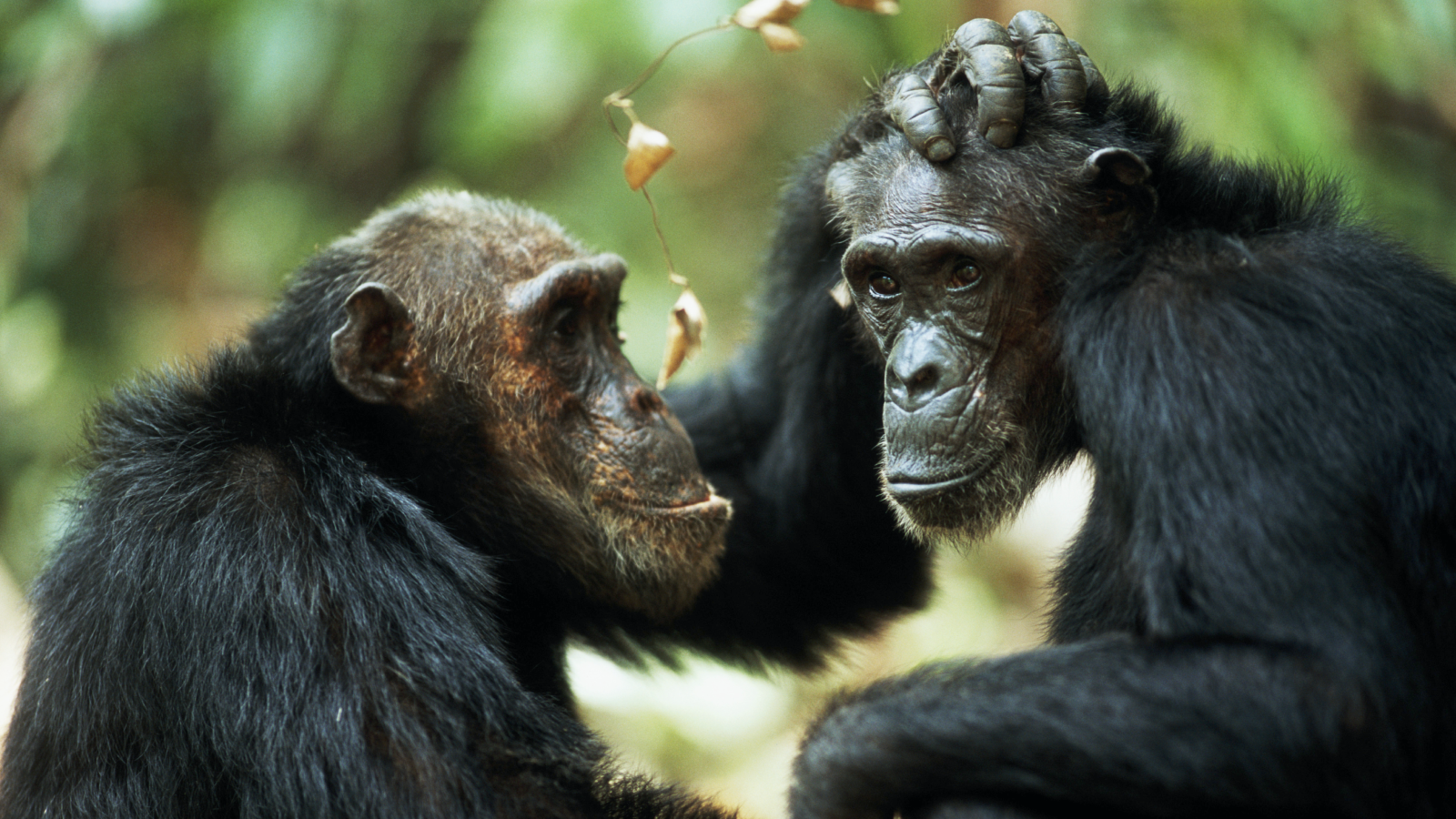 'Part of the evolutionary fabric of our societies': Same-sex sexual behavior in primates may be a survival strategy, study finds
 More than 43,000 years ago, Neanderthals spent centuries collecting animal skulls in a cave; but archaeologists aren't sure why
 Halley wasn't the first to figure out the famous comet. An 11th-century monk did it first, new research suggests.
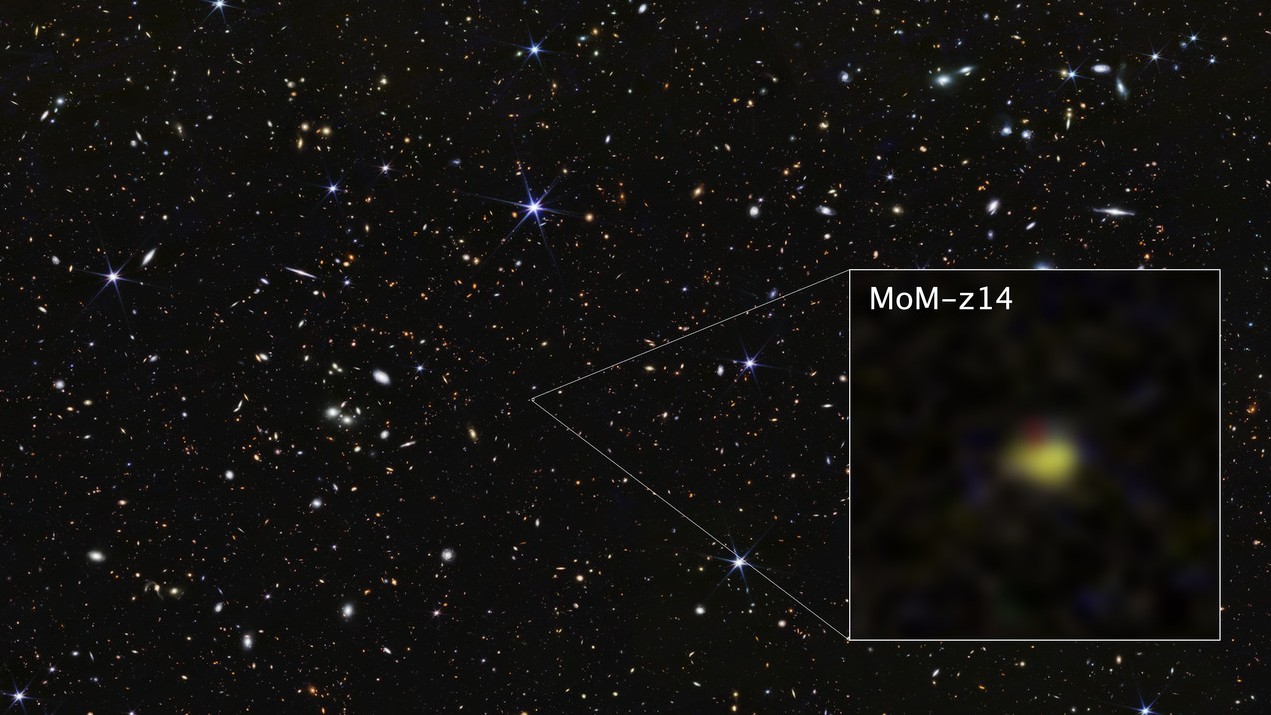 James Webb telescope breaks own record, discovering farthest known galaxy in the universe
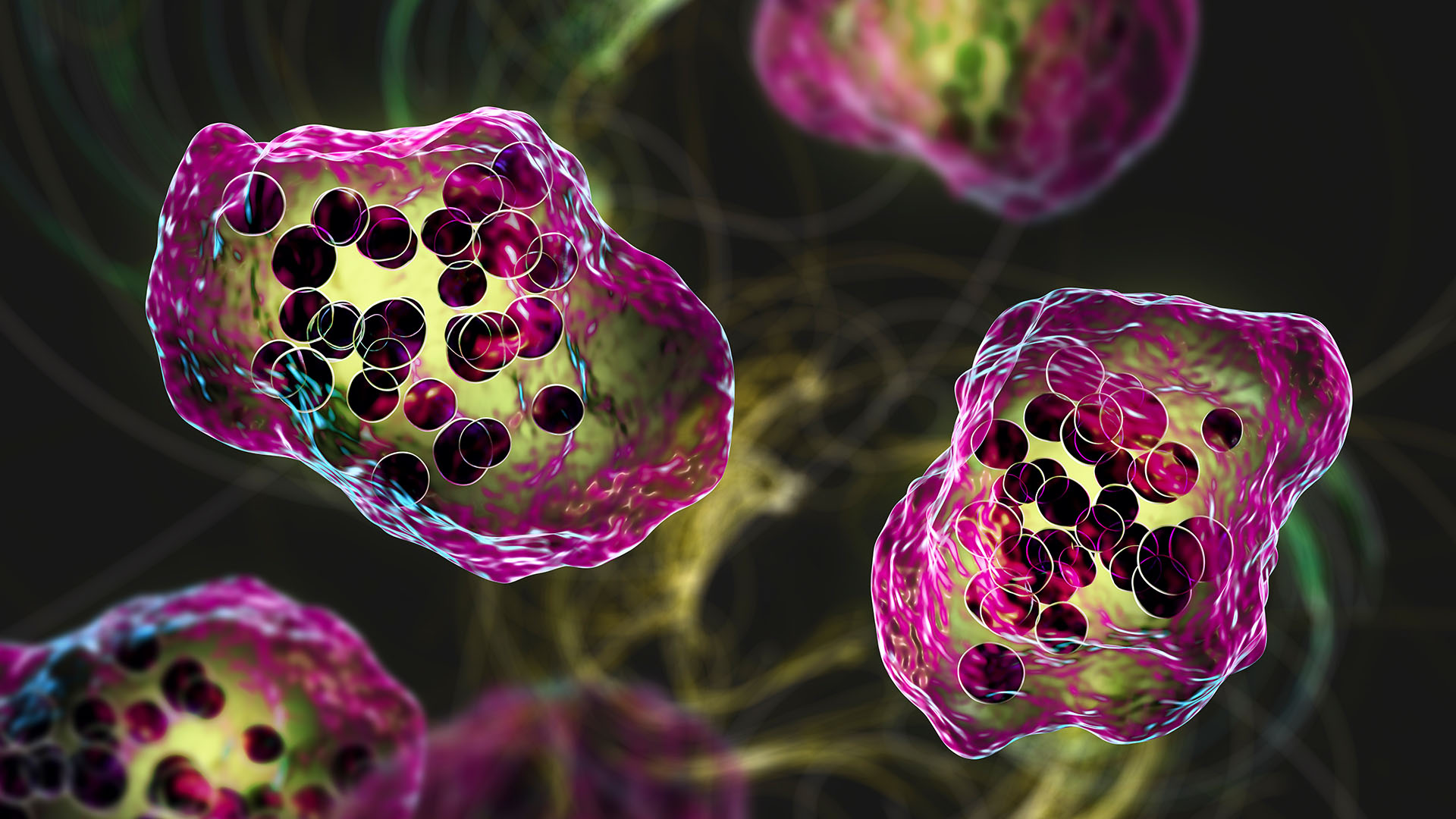 South Carolina's measles outbreak nears 790 cases — making it the biggest in decades
LATEST ARTICLES
South Carolina's measles outbreak nears 790 cases — making it the biggest in decades
LATEST ARTICLES- 1New triple-drug treatment stops pancreatic cancer in its tracks, a mouse study finds
- 2Thousands of dams in the US are old, damaged and unable to cope with extreme weather. How bad is it?
- 3'Part of the evolutionary fabric of our societies': Same-sex sexual behavior in primates may be a survival strategy, study finds
- 4More than 43,000 years ago, Neanderthals spent centuries collecting animal skulls in a cave; but archaeologists aren't sure why
- 5Watch awkward Chinese humanoid robot lay it all down on the dance floor