- Archaeology
An 11th-century monk saw the famous "Halley's comet" first as a child and later as an adult, new research finds.
When you purchase through links on our site, we may earn an affiliate commission. Here’s how it works.
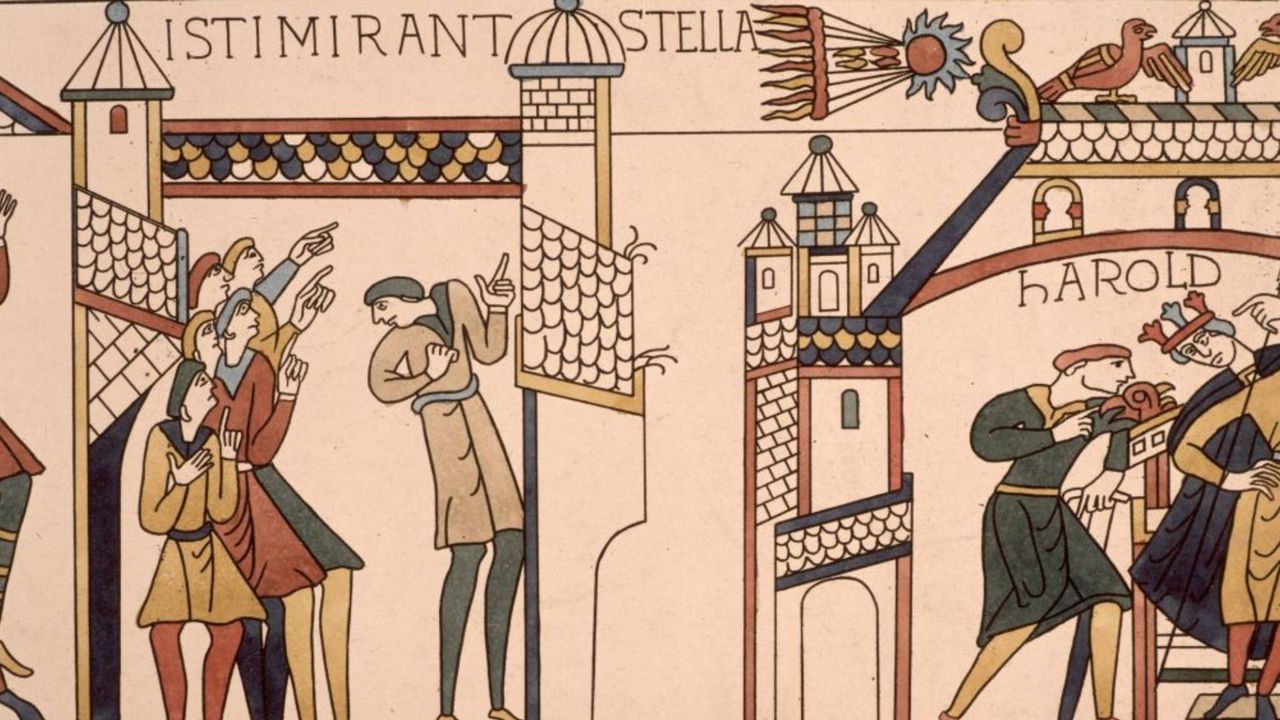
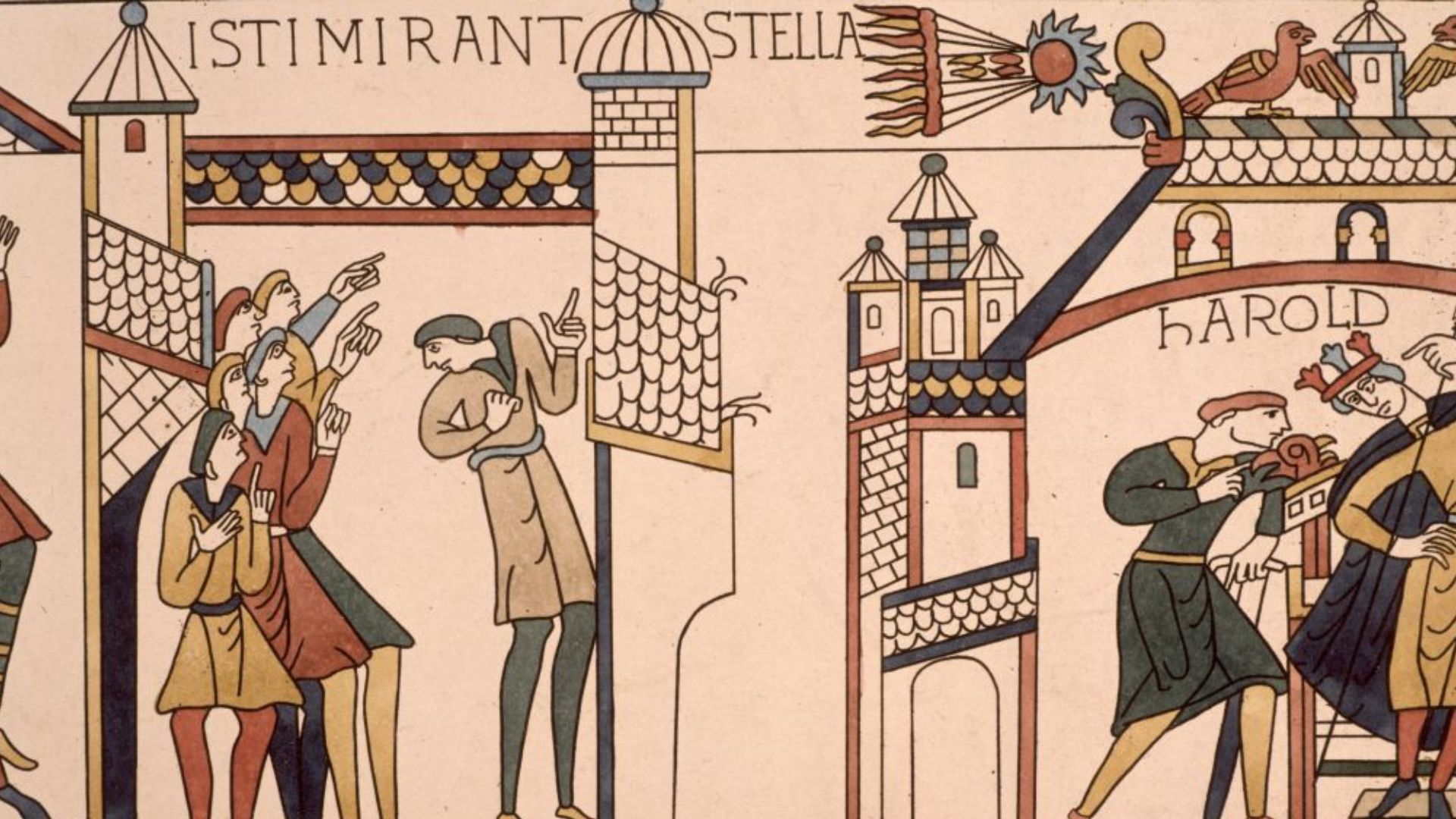 Halley's Comet (top right) is featured in one section of the famous Bayeux Tapestry. A medieval monk may have been the first to figure out the comet's periodic orbit.
(Image credit: Art Images/Getty Images)
Share
Share by:
Halley's Comet (top right) is featured in one section of the famous Bayeux Tapestry. A medieval monk may have been the first to figure out the comet's periodic orbit.
(Image credit: Art Images/Getty Images)
Share
Share by:
- Copy link
- X
Halley's comet bears the name of the astronomer who famously first described its movements through space, but he wasn't the first to discover its periodic orbit past Earth, new research suggests.
Halley's comet is named for British astronomer Edmond Halley, who pieced the space rock's orbit together in 1705 through a combination of his own observations and historical records from other observers. But recent research suggests that Halley was not the first to discover his eponymous comet's roughly 75-year cycle. Instead, the English monk Eilmer (also known as Aethelmaer) of Malmesbury may have connected two observations of the comet more than 600 years earlier.
You may like-
 New 'nearly interstellar' comet — wrongly linked to 3I/ATLAS — will reach its closest point to Earth on Tuesday (Nov. 11)
-
 Astronomers may have already spotted the 'Great Comet of 2026' — and it could soon be visible to the naked eye
-
 Irradiated Comet 3I/ATLAS glows green and hides its tail in new image
In addition to his fascination with flight, Eilmer had a keen interest in astrology and astronomy. As a young boy in 989, he watched a comet blaze through the skies over his home in England, William of Malmesbury wrote. Decades later, in 1066, he saw the comet a second time — and he connected the two events, Simon Portegies Zwart, astronomer at Leiden University in the Netherlands, argues in a new book.
Portegies Zwart writes that according to William of Malmesbury's account, upon seeing the comet in 1066 Eilmer exclaimed, "You've come, have you?...It is long since I saw you; but as I see you now, you are much more terrible, for I see you brandishing the downfall of my mother-country." At the time, England was in the midst of a succession crisis following the death of King Edward the Confessor, who left no clear heir to the throne. If William's record is accurate, then Eilmer realized the two "gleaming stars" he witnessed were indeed the same. Either way, it is clear William himself realized the connection.
Halley's comet is the first comet astronomers recognized as periodic, or recurring. It has a highly elliptical orbit around the sun. This stretched-out orbit causes it to pass by Earth every 72 to 80 years, leaving a bright trail of dust in its wake.
The earliest probable record of Halley's comet comes from a Chinese chronicle in 239 B.C. Since then, it was recorded dozens of times by astronomers around the world, often interpreted as some sort of omen. The Roman-Jewish historian Flavius Josephus, for example, believed his A.D. 66 sighting of the comet portended the fall of Jerusalem. The comet's passing was stitched onto the Bayeux Tapestry, which recorded William the Conqueror's invasion of England in 1066, after it was seen flying over Brittany and the British Isles in April that year.
Sign up for the Live Science daily newsletter nowContact me with news and offers from other Future brandsReceive email from us on behalf of our trusted partners or sponsorsBy submitting your information you agree to the Terms & Conditions and Privacy Policy and are aged 16 or over.related stories—'Bouncing' comets may be delivering the seeds of life to alien planets, new study finds
—Comets played a 'major' role in making life on Earth possible, new study hints
—Comets played a 'Comet 3I/ATLAS has been transformed by billions of years of space radiation, James Webb Space Telescope observations reveal
Halley, the astronomer, connected the comet's 1531, 1607 and 1682 appearances. He went on to predict its return in 1758. Halley died in 1742 before he could see his forecast play out, but he was vindicated posthumously when the comet did indeed return as expected.
Halley's calculations were impressive, but Portegies Zwart contends that Eilmer should get credit for putting the comet's appearances together centuries earlier. He and Michael Lewis, of the British Museum, published a chapter arguing this point in the book "Dorestad and Everything After: Ports, Townscapes and Travelers in Europe, 800-1100" (Sidestone Press, 2025).
You can catch Halley's — or Eilmer's — comet on its next pass in late July 2061. Mark your calendars now.
 Joanna ThompsonSocial Links NavigationLive Science Contributor
Joanna Thompson is a science journalist and runner based in New York. She holds a B.S. in Zoology and a B.A. in Creative Writing from North Carolina State University, as well as a Master's in Science Journalism from NYU's Science, Health and Environmental Reporting Program. Find more of her work in Scientific American, The Daily Beast, Atlas Obscura or Audubon Magazine.
Show More CommentsYou must confirm your public display name before commenting
Please logout and then login again, you will then be prompted to enter your display name.
Logout Read more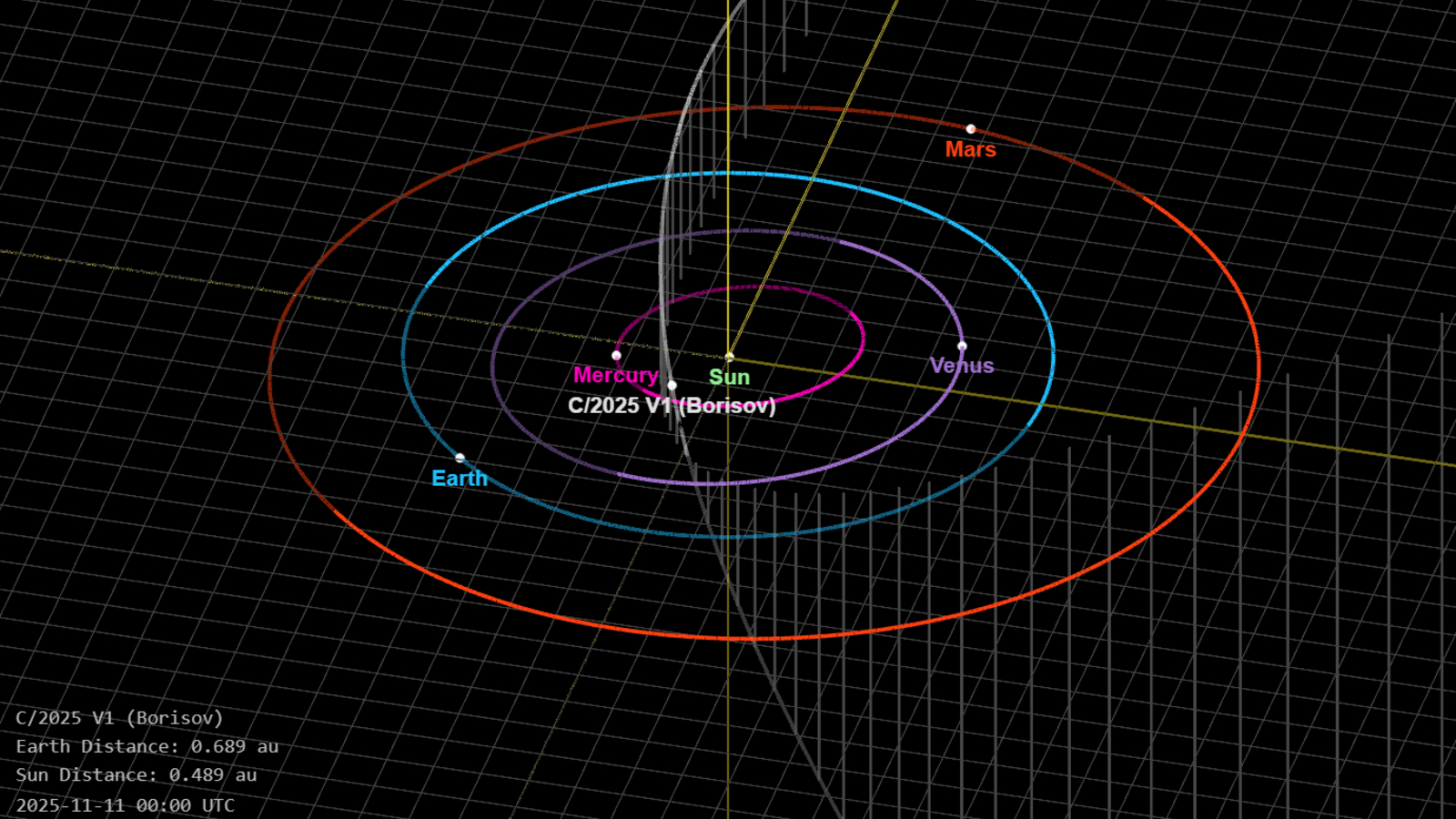 New 'nearly interstellar' comet — wrongly linked to 3I/ATLAS — will reach its closest point to Earth on Tuesday (Nov. 11)
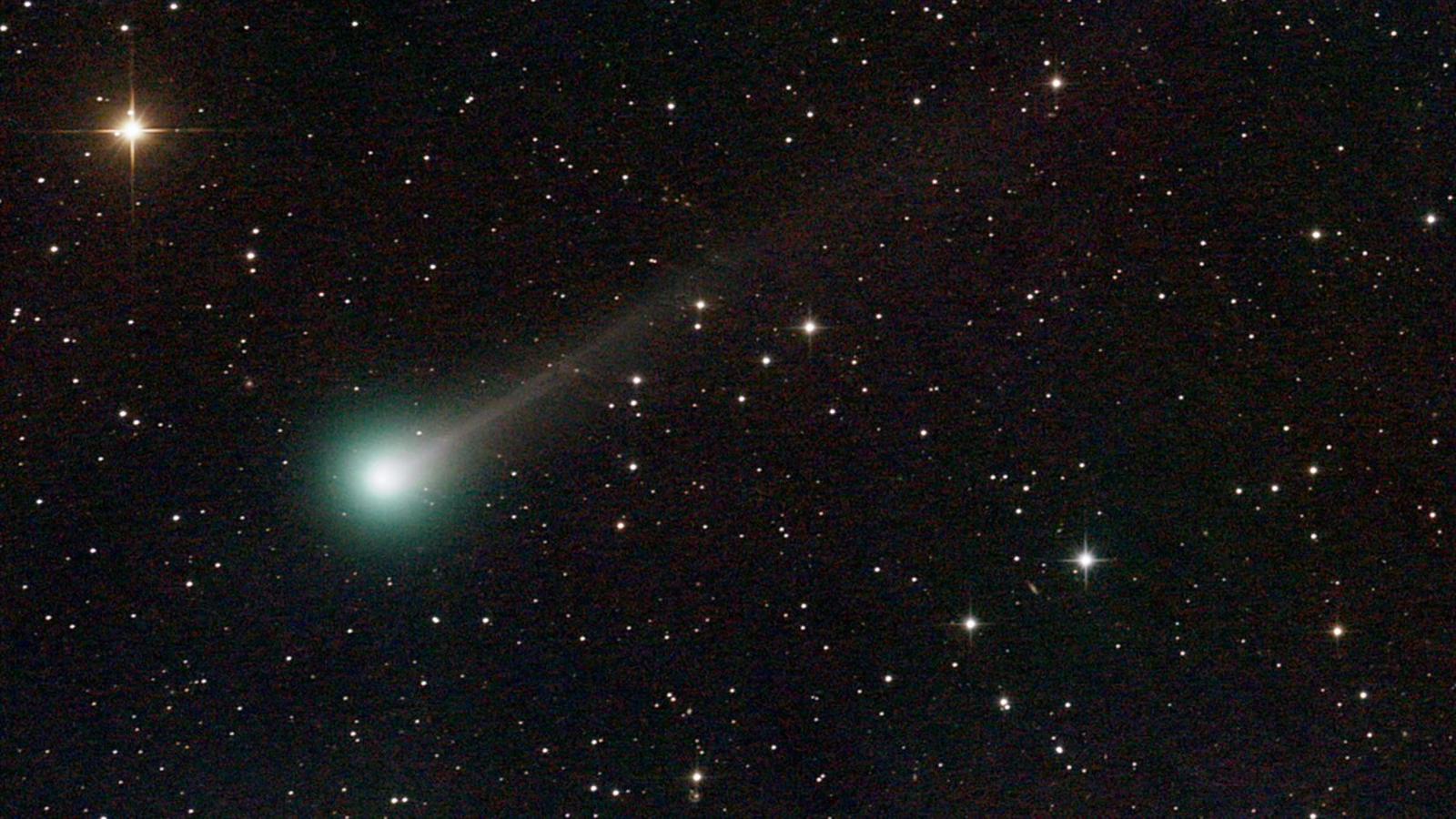 Astronomers may have already spotted the 'Great Comet of 2026' — and it could soon be visible to the naked eye
 Irradiated Comet 3I/ATLAS glows green and hides its tail in new image
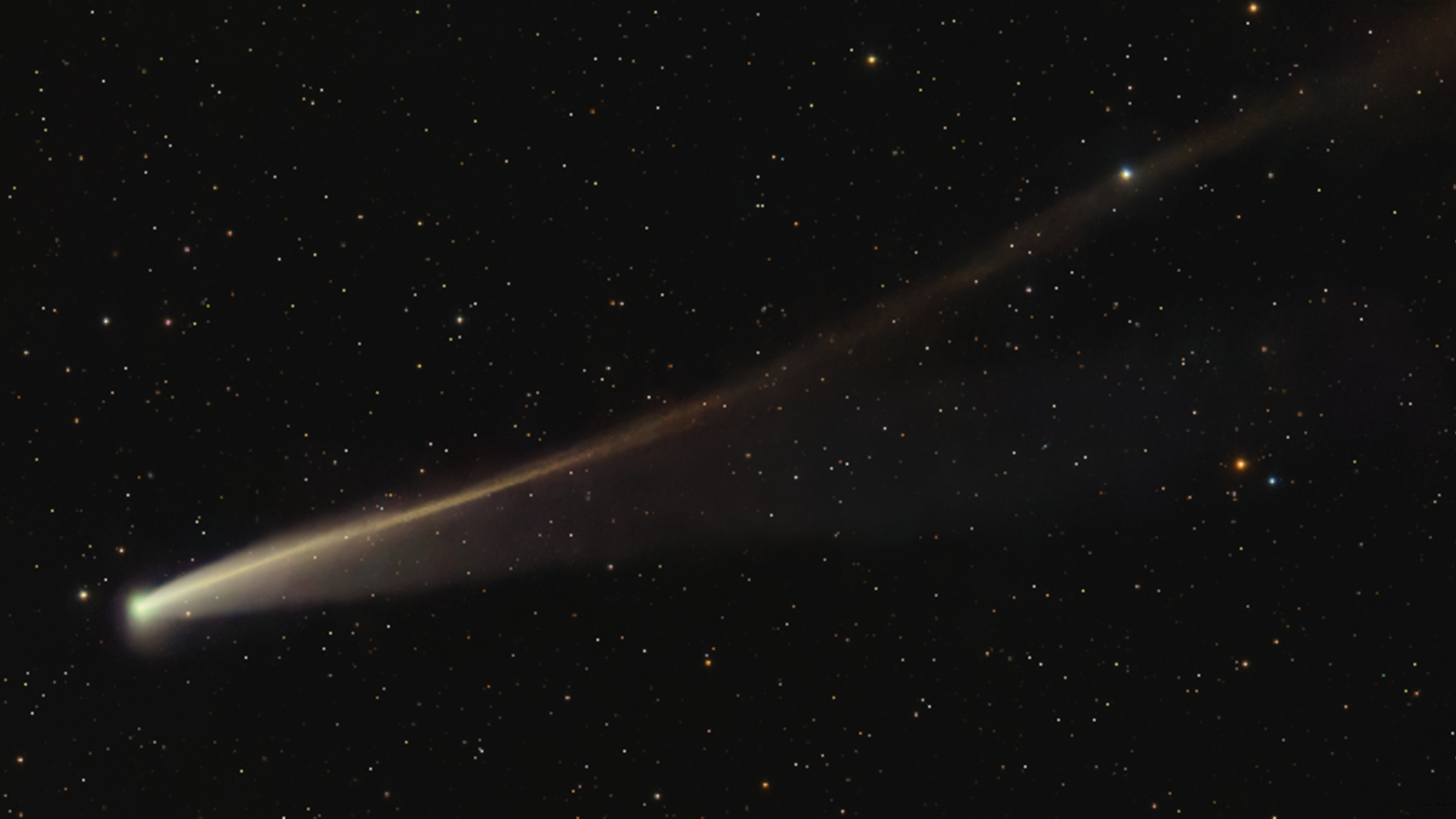 There's another comet ATLAS in our solar system — and it just turned gold after a perilous dance with the sun
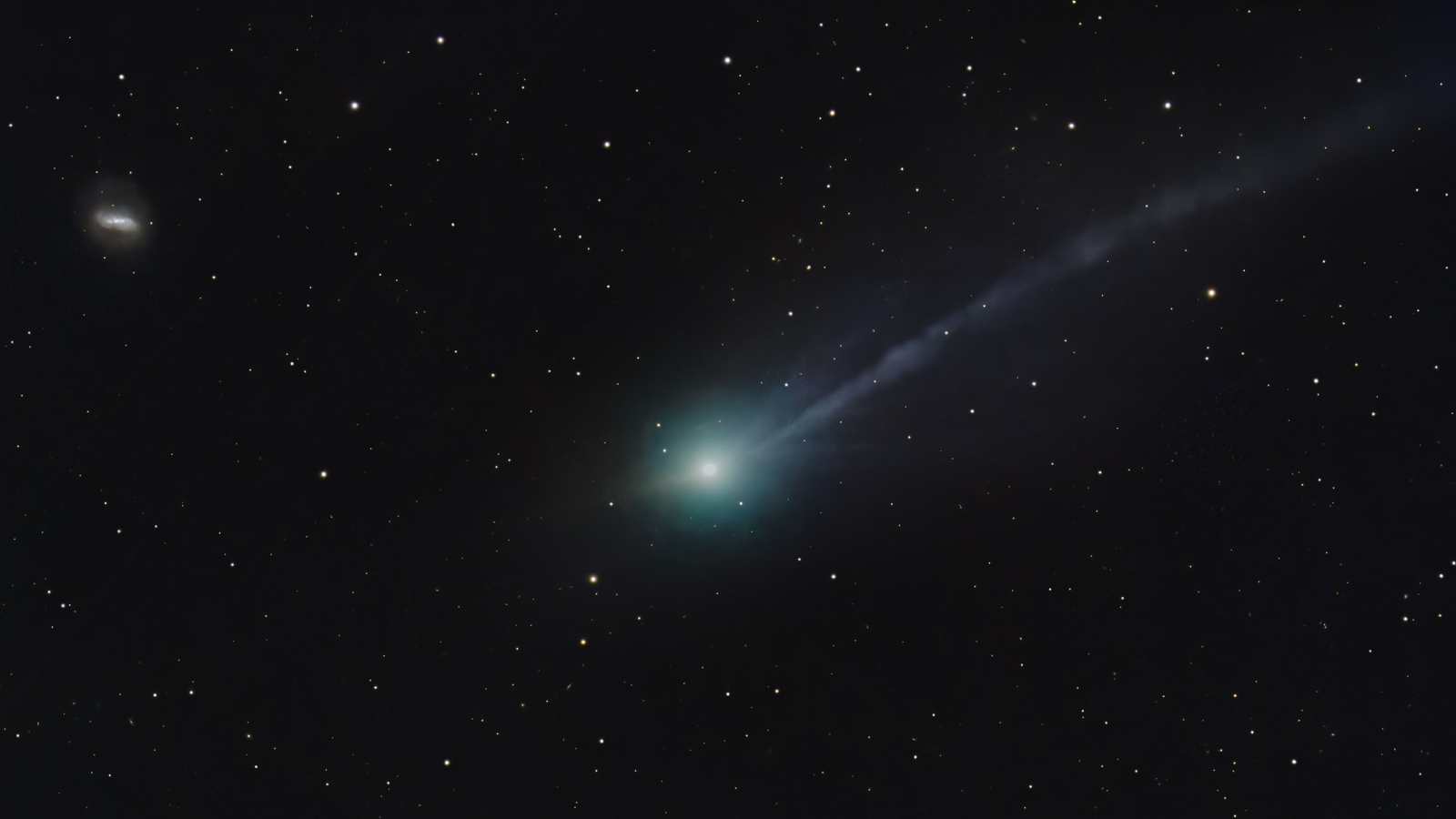 Interstellar comet 3I/ATLAS makes closest pass of Earth. Where's it heading next?
 'Interstellar visitor' 3I/ATLAS may have just changed color — for the third time
Latest in Archaeology
'Interstellar visitor' 3I/ATLAS may have just changed color — for the third time
Latest in Archaeology
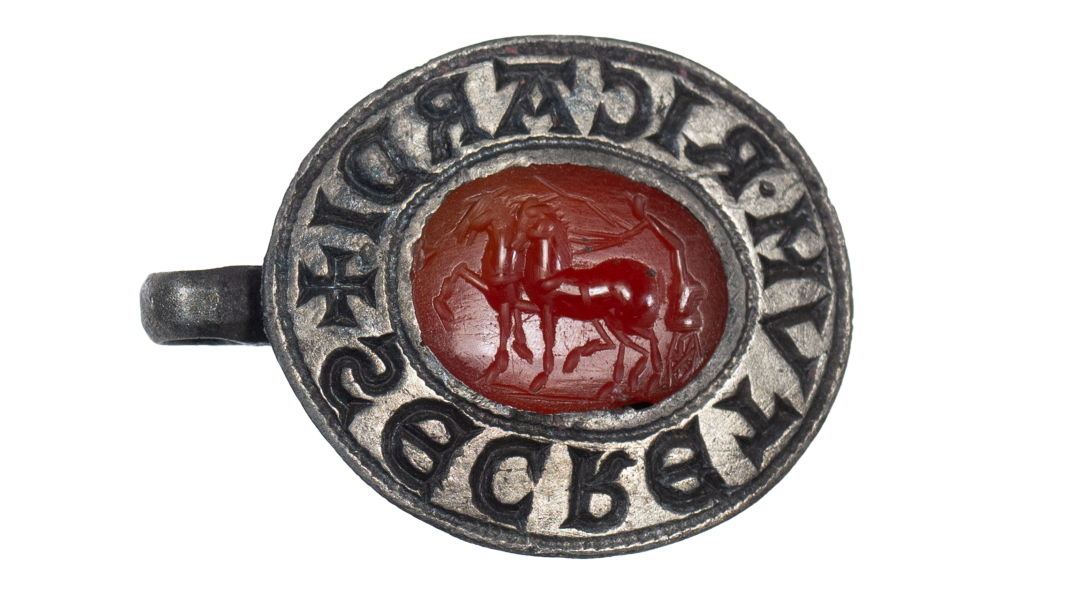 Rare medieval seal discovered in UK is inscribed with 'Richard's secret' and bears a Roman-period gemstone
 'It's similar to how Google can map your home without your consent': Why using aerial lasers to map an archaeology site should have Indigenous partnership
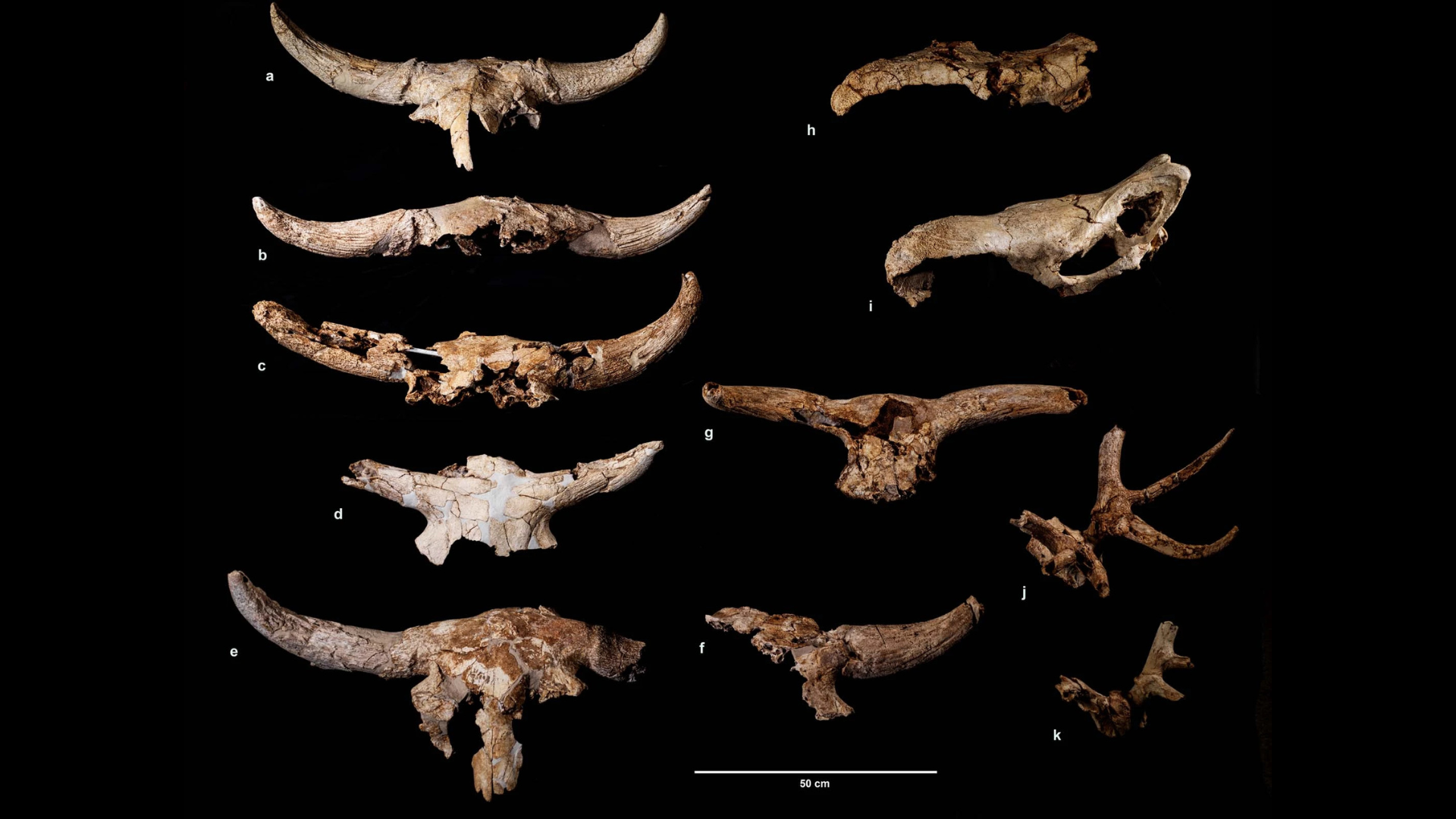 More than 43,000 years ago, Neanderthals spent centuries collecting animal skulls in a cave; but archaeologists aren't sure why
 When were boats invented?
 5,000-year-old rock art from ancient Egypt depicts 'terrifying' conquest of the Sinai Peninsula
 Stone Age teenager was mauled by a bear 28,000 years ago, skeletal analysis confirms
Latest in News
Stone Age teenager was mauled by a bear 28,000 years ago, skeletal analysis confirms
Latest in News
 Earth is 'missing' lighter elements. They may be hiding in its solid inner core.
 Lifespan may be 50% heritable, study suggests
 Astronomers spot 'time-warped' supernovas whose light both has and hasn't reached Earth
 Life may have rebounded 'ridiculously fast' after the dinosaur-killing asteroid impact
 'Nose-in-a-dish' reveals why the common cold hits some people hard, while others recover easily
 New triple-drug treatment stops pancreatic cancer in its tracks, a mouse study finds
LATEST ARTICLES
New triple-drug treatment stops pancreatic cancer in its tracks, a mouse study finds
LATEST ARTICLES- 1'It's similar to how Google can map your home without your consent': Why using aerial lasers to map an archaeology site should have Indigenous partnership
- 2'Nose-in-a-dish' reveals why the common cold hits some people hard, while others recover easily
- 3Earth is 'missing' lighter elements. They may be hiding in its solid inner core.
- 4Oneisall Pet Air Purifier (PP02) review: Great value pick for dog and cat lovers
- 5Rare medieval seal discovered in UK is inscribed with 'Richard's secret' and bears a Roman-period gemstone


