- Planet Earth
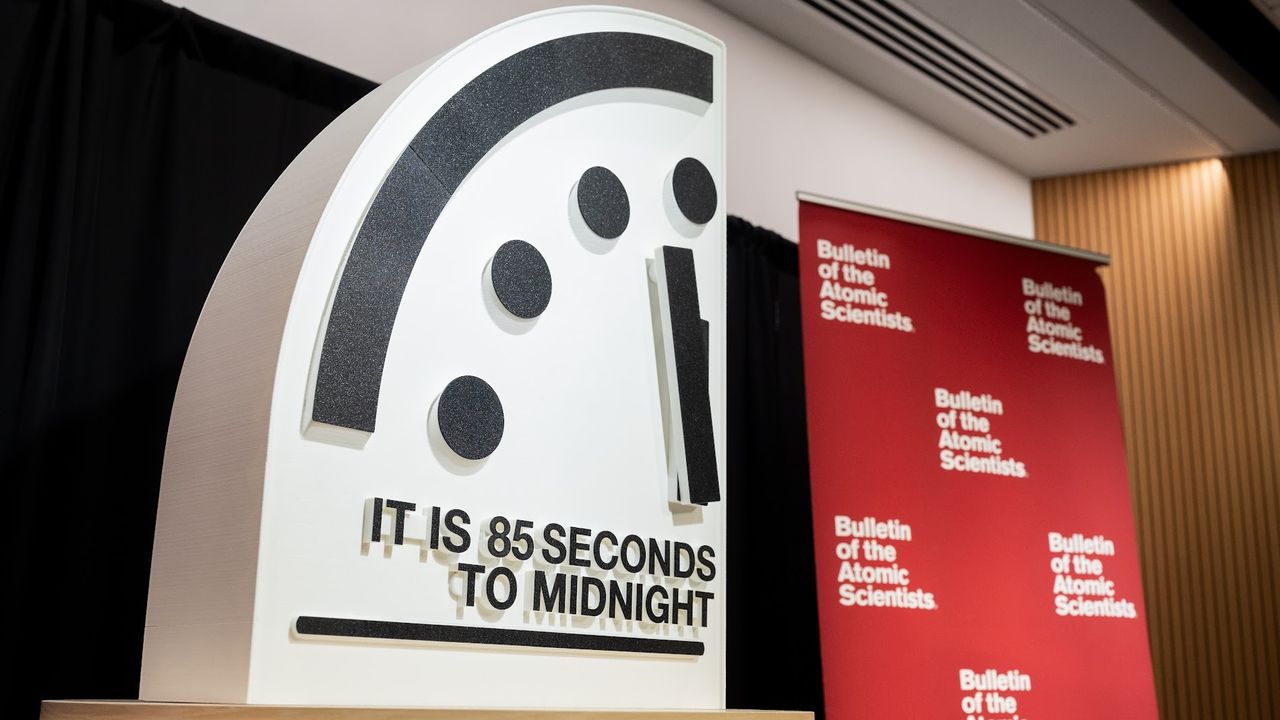
The Bulletin of the Atomic Scientists now says humanity is a metaphorical 85 seconds to global disaster.
When you purchase through links on our site, we may earn an affiliate commission. Here’s how it works.
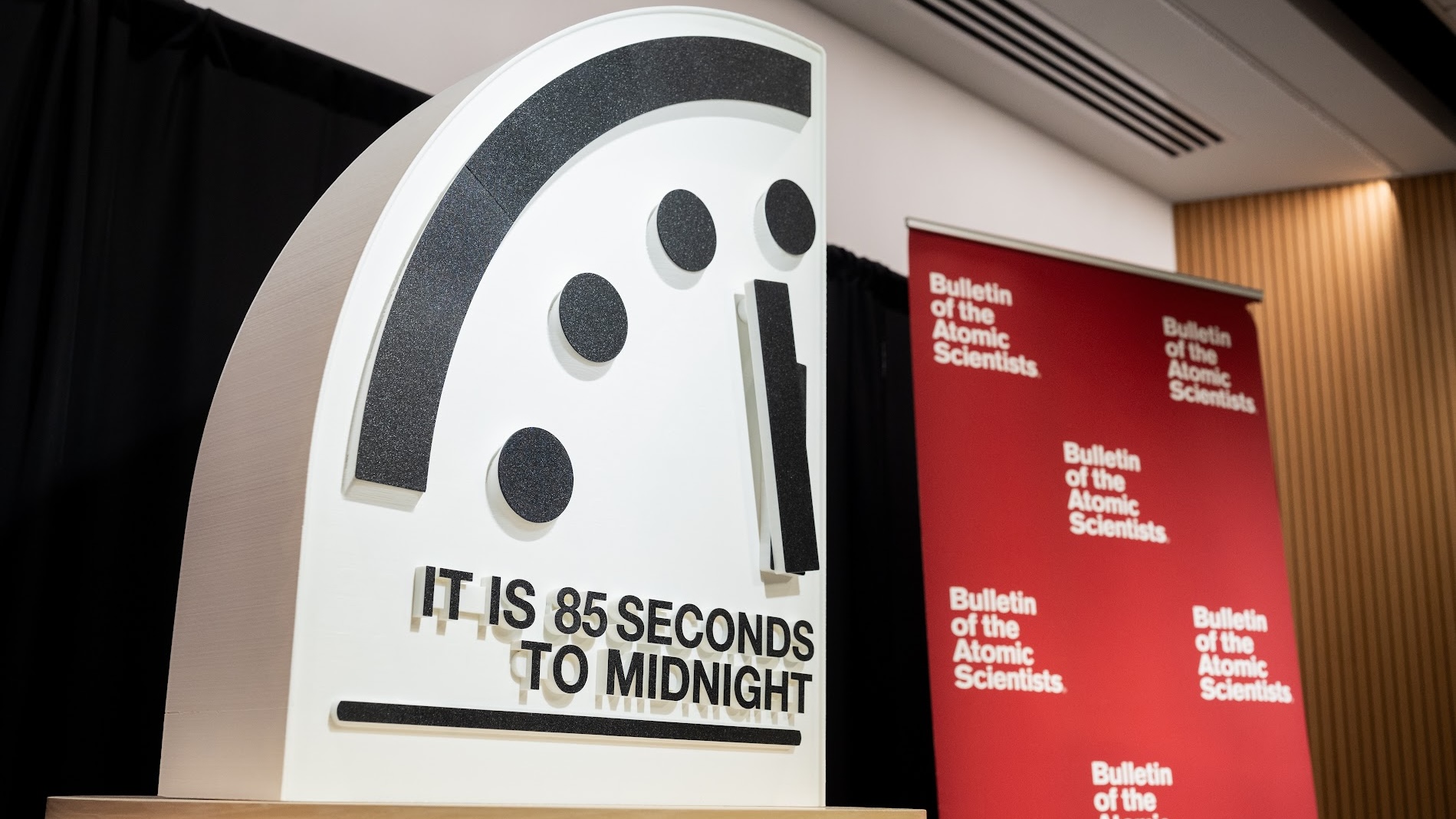 Created in 1945 by Manhattan Project Scientists, the 'Doomsday Clock' is a constant reminder of impending global catastrophe. In 2026, the clock ticked closer to midnight than ever before.
(Image credit: Bulletin of the Atomic Scientists)
Share
Share by:
Created in 1945 by Manhattan Project Scientists, the 'Doomsday Clock' is a constant reminder of impending global catastrophe. In 2026, the clock ticked closer to midnight than ever before.
(Image credit: Bulletin of the Atomic Scientists)
Share
Share by:
- Copy link
- X
The "Doomsday Clock," which reassesses the state of the world annually, is now set at 85 seconds to midnight — the closest it has ever been to heralding a manmade global catastrophe.
Humanity continues to court species-threatening disaster through nuclear brinkmanship, a failure to address climate change, and a hasty rollout of artificial intelligence (AI), according to the Bulletin of the Atomic Scientists, the organization that updates the Doomsday Clock.
You may like-
 Orbiting satellites could start crashing into one another in less than 3 days, theoretical new 'CRASH Clock' reveals
-
 AI swarms, mysterious Zapotec tomb, pancreatic cancer breakthrough and the growing threat of U.S. dam collapses.
-
 It's official: The world will speed past 1.5 C climate threshold in the next decade, UN says
"Our current trajectory is unsustainable," they wrote in their report. "National leaders — particularly those in the United States, Russia, and China — must take the lead in finding a path away from the brink."
Nuclear escalation from 'major powers'
The urgency comes as nuclear powers flirt with escalation around the world.
"[C]ompetition among major powers has become a full-blown arms race, as evidenced by increasing numbers of nuclear warheads and platforms in China, and the modernization of nuclear delivery systems in the United States, Russia, and China," the scientists wrote.
The report also decried the lack of international cooperation on disarmament.
Sign up for the Live Science daily newsletter nowContact me with news and offers from other Future brandsReceive email from us on behalf of our trusted partners or sponsorsBy submitting your information you agree to the Terms & Conditions and Privacy Policy and are aged 16 or over."As we publish this statement, the last major agreement limiting the numbers of strategic nuclear weapons deployed by the United States and Russia, New START, is set to expire, ending nearly 60 years of efforts to constrain nuclear competition between the world's two largest nuclear countries," they said. "In addition, the US administration may be considering the resumption of explosive nuclear testing, further accelerating a renewed nuclear arms race."
These escalating conflicts sit against a backdrop of accelerating climate change, which countries have also failed to control. The international response has become "profoundly destructive," according to the Bulletin scientists, who cited a lack of commitment to phasing out fossil fuels globally and attacks by the Trump administration on renewable energy technology.
The threat of AI and 'mirror life'
Continuing a theme from last year's report, the Bulletin also warned of unregulated technologies, particularly the creation of "mirror life" — chemically synthesized life that is molecularly a mirror image of the life that naturally evolved on Earth. The fear is that mirror organisms could displace natural microbes or other organisms and that these life-forms could evade immune systems, leading to deadly pandemics.
Related Stories—Some people love AI. Others hate it. Here's why.
—What happens when a nuclear bomb explodes?
—Global warming is forcing Earth's systems toward 'doom loop' tipping points. Can we avoid them?
AI is another threat, according to the report's authors, both because of its power to amplify disinformation and because of the incorporation of AI into countries' defense sectors.
Fixing these problems does not look easy, and the rise of autocracy globally is undermining efforts to tackle these international crises, the report's authors concluded.
"The current autocratic trend impedes international cooperation, reduces accountability, and acts as a threat accelerant, making dangerous nuclear, climatic, and technological threats all the harder to reverse," they wrote.
 Stephanie PappasSocial Links NavigationLive Science Contributor
Stephanie Pappas is a contributing writer for Live Science, covering topics ranging from geoscience to archaeology to the human brain and behavior. She was previously a senior writer for Live Science but is now a freelancer based in Denver, Colorado, and regularly contributes to Scientific American and The Monitor, the monthly magazine of the American Psychological Association. Stephanie received a bachelor's degree in psychology from the University of South Carolina and a graduate certificate in science communication from the University of California, Santa Cruz.
Show More CommentsYou must confirm your public display name before commenting
Please logout and then login again, you will then be prompted to enter your display name.
Logout Read more Orbiting satellites could start crashing into one another in less than 3 days, theoretical new 'CRASH Clock' reveals
 AI swarms, mysterious Zapotec tomb, pancreatic cancer breakthrough and the growing threat of U.S. dam collapses.
 It's official: The world will speed past 1.5 C climate threshold in the next decade, UN says
 Japan laser weapon trial, comet 3I/ATLAS bids farewell, and AI solves 'impossible' math problems
 That was the week in science: Comet 3I/ATLAS glows green | Roman roads | Bear attacks
 An enigmatic human relative, dark matter discovery and mysterious lights in the sky during nuclear weapons tests
Latest in Planet Earth
An enigmatic human relative, dark matter discovery and mysterious lights in the sky during nuclear weapons tests
Latest in Planet Earth
 Earth is 'missing' lighter elements. They may be hiding in its solid inner core.
 Life may have rebounded 'ridiculously fast' after the dinosaur-killing asteroid impact
 Critical moment when El Niño started to erode Russia's Arctic sea ice discovered
 Ancient lake full of crop circles lurks in the shadow of Saudi Arabia's 'camel-hump' mountain
 Thousands of dams in the US are old, damaged and unable to cope with extreme weather. How bad is it?
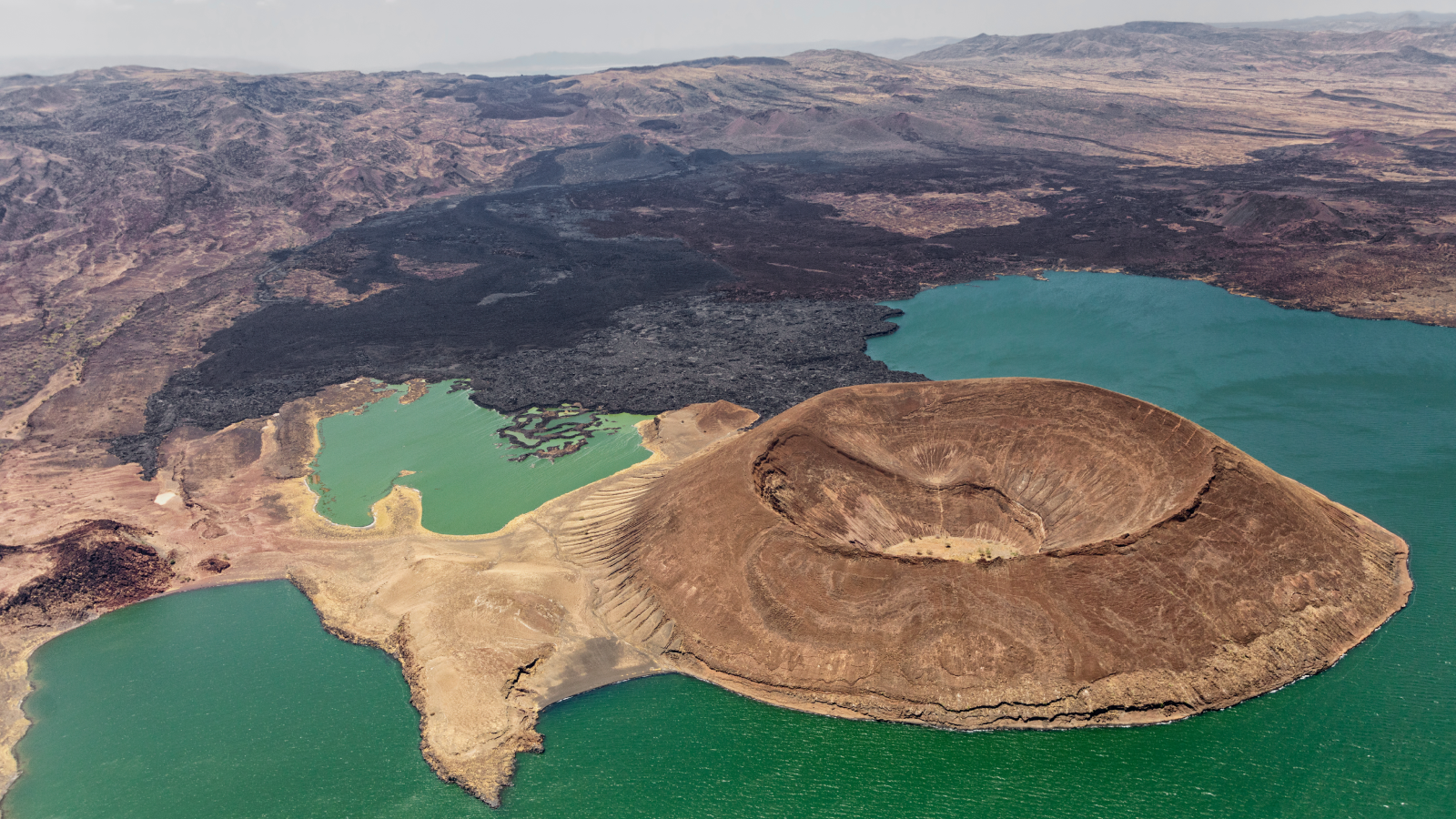 A drying climate is making East Africa pull apart faster
Latest in News
A drying climate is making East Africa pull apart faster
Latest in News
 Lifespan may be 50% heritable, study suggests
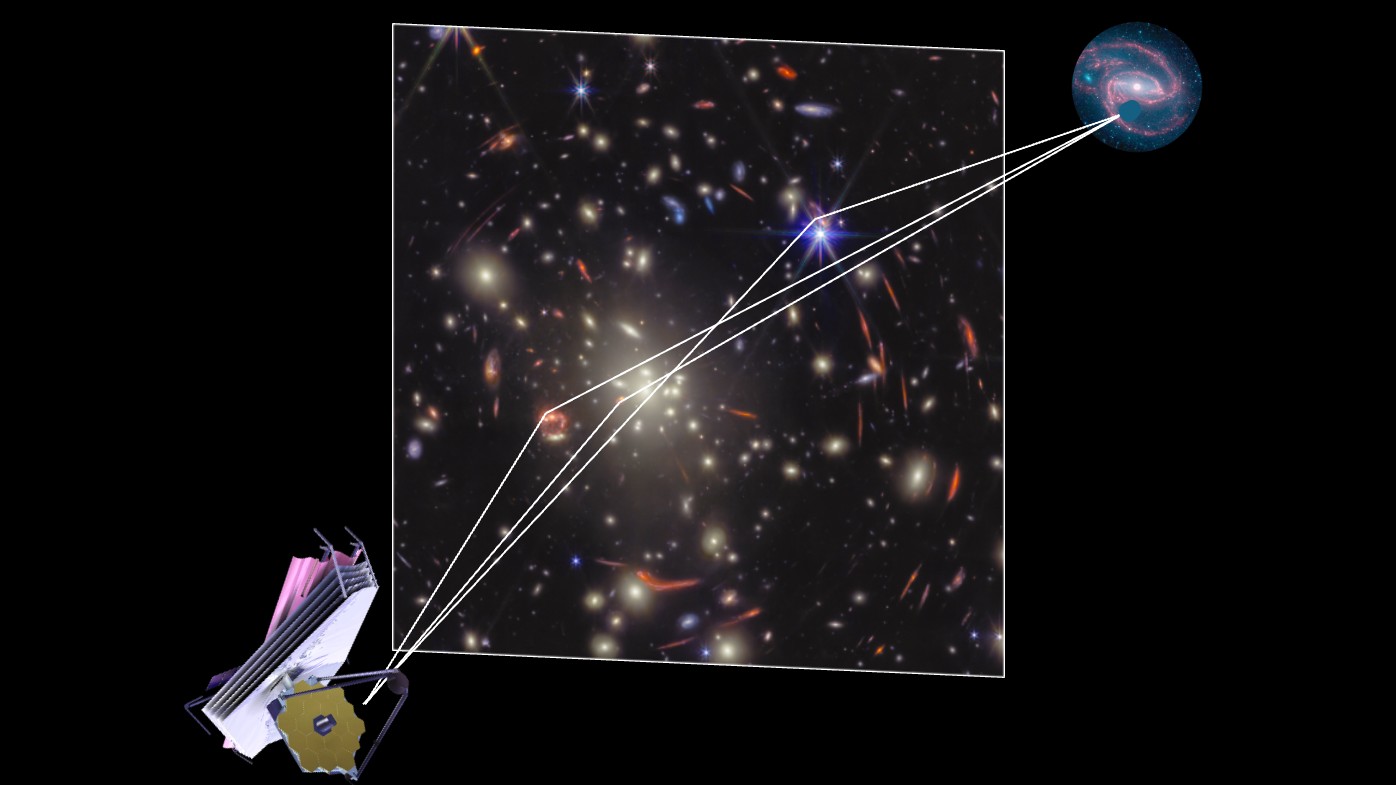 Astronomers spot 'time-warped' supernovas whose light both has and hasn't reached Earth
 'Nose-in-a-dish' reveals why the common cold hits some people hard, while others recover easily
 Rare medieval seal discovered in UK is inscribed with 'Richard's secret' and bears a Roman-period gemstone
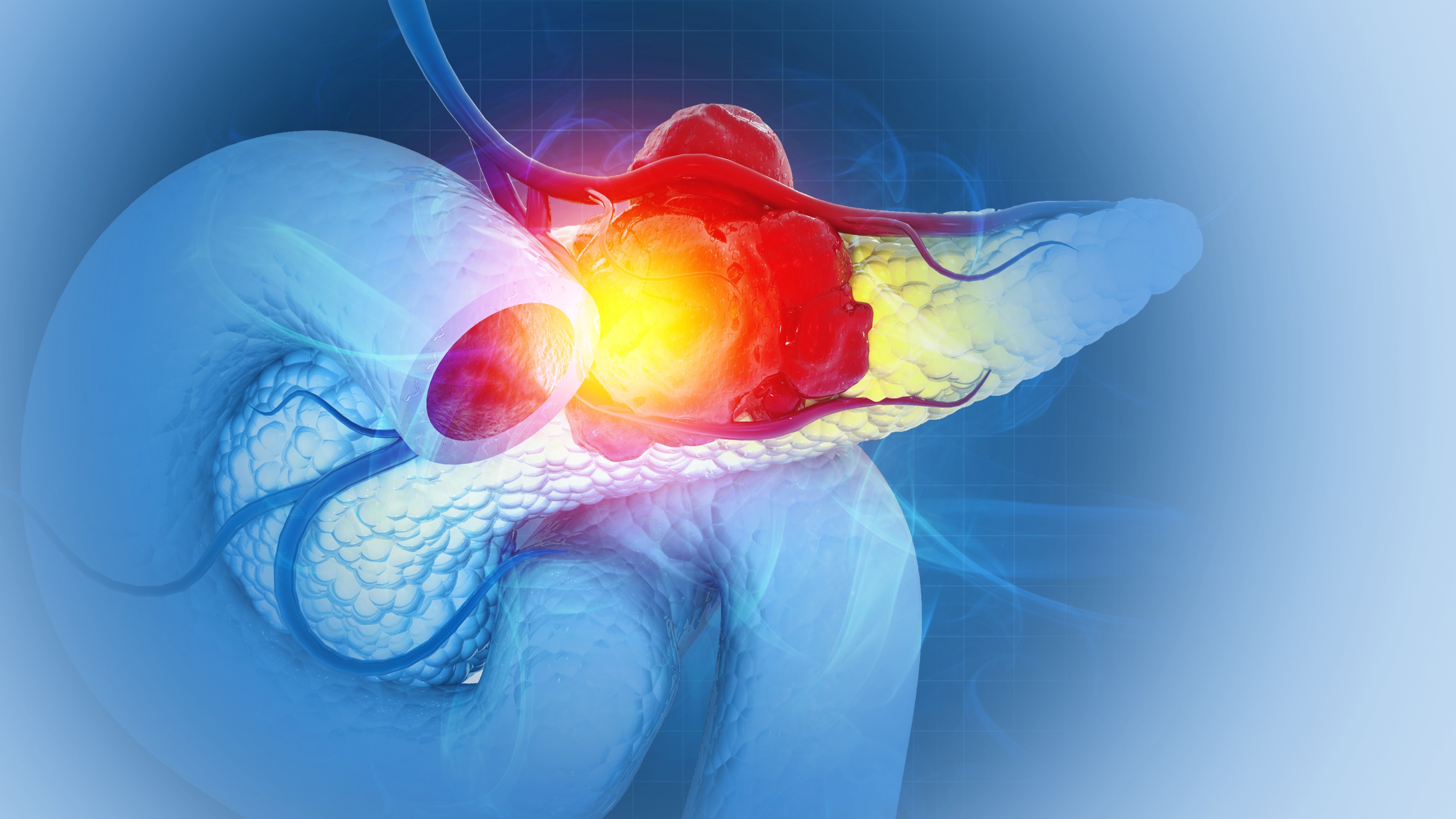 New triple-drug treatment stops pancreatic cancer in its tracks, a mouse study finds
AI swarms, mysterious Zapotec tomb, pancreatic cancer breakthrough and the growing threat of U.S. dam collapses.
LATEST ARTICLES
New triple-drug treatment stops pancreatic cancer in its tracks, a mouse study finds
AI swarms, mysterious Zapotec tomb, pancreatic cancer breakthrough and the growing threat of U.S. dam collapses.
LATEST ARTICLES 1'It's similar to how Google can map your home without your consent': Why using aerial lasers to map an archaeology site should have Indigenous partnership
- 2'Nose-in-a-dish' reveals why the common cold hits some people hard, while others recover easily
- 3Earth is 'missing' lighter elements. They may be hiding in its solid inner core.
- 4Oneisall Pet Air Purifier (PP02) review: Great value pick for dog and cat lovers
- 5Rare medieval seal discovered in UK is inscribed with 'Richard's secret' and bears a Roman-period gemstone


