- Animals
- Land Mammals
Past anecdotal observations have hinted that great apes play pretend. But now, experimental research shows that our closest living relatives can keep track of imaginary objects.
When you purchase through links on our site, we may earn an affiliate commission. Here’s how it works.
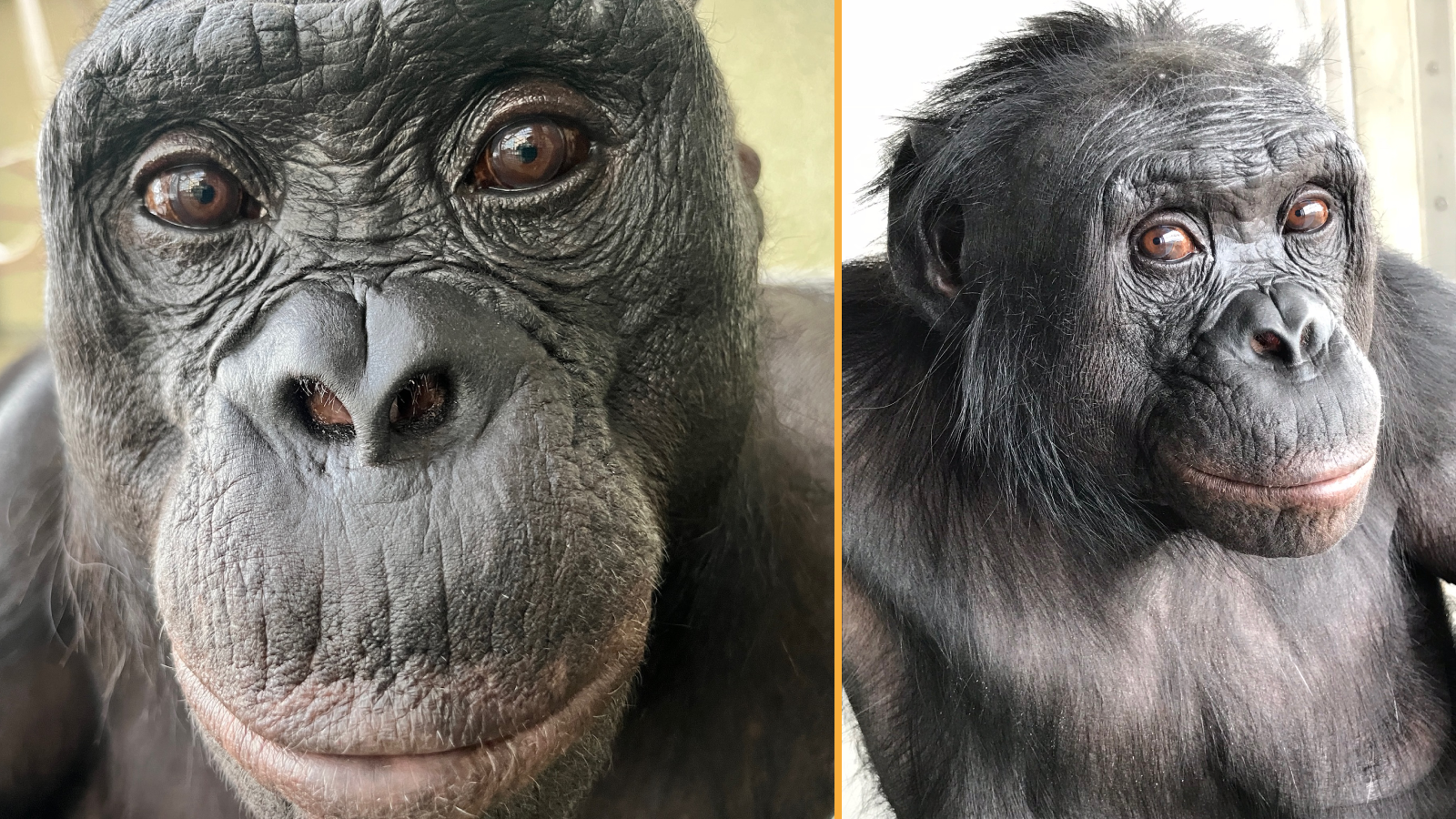 Kanzi consistently identified the correct location of the pretend juice and grape.
(Image credit: Ape Initiative)
Kanzi consistently identified the correct location of the pretend juice and grape.
(Image credit: Ape Initiative)
- Copy link
- X
Get the world’s most fascinating discoveries delivered straight to your inbox.
Become a Member in Seconds
Unlock instant access to exclusive member features.
Contact me with news and offers from other Future brands Receive email from us on behalf of our trusted partners or sponsors By submitting your information you agree to the Terms & Conditions and Privacy Policy and are aged 16 or over.You are now subscribed
Your newsletter sign-up was successful
Want to add more newsletters?

Delivered Daily
Daily Newsletter
Sign up for the latest discoveries, groundbreaking research and fascinating breakthroughs that impact you and the wider world direct to your inbox.
Signup +
Once a week
Life's Little Mysteries
Feed your curiosity with an exclusive mystery every week, solved with science and delivered direct to your inbox before it's seen anywhere else.
Signup +
Once a week
How It Works
Sign up to our free science & technology newsletter for your weekly fix of fascinating articles, quick quizzes, amazing images, and more
Signup +
Delivered daily
Space.com Newsletter
Breaking space news, the latest updates on rocket launches, skywatching events and more!
Signup +
Once a month
Watch This Space
Sign up to our monthly entertainment newsletter to keep up with all our coverage of the latest sci-fi and space movies, tv shows, games and books.
Signup +
Once a week
Night Sky This Week
Discover this week's must-see night sky events, moon phases, and stunning astrophotos. Sign up for our skywatching newsletter and explore the universe with us!
Signup +Join the club
Get full access to premium articles, exclusive features and a growing list of member rewards.
Explore An account already exists for this email address, please log in. Subscribe to our newsletterFor the first time, scientists have experimentally shown bonobos (Pan paniscus), our closest living relatives along with chimpanzees (Pan troglodytes), can engage in pretend play — something previously assumed to be unique to humans.
Just like 2-year-old children can, Kanzi, a unique bonobo who could understand English, kept track of imaginary juice and grapes during pretend tea parties, according to a study published Thursday (Feb. 5) in the journal Science.
You may like-
 'A forest with bonobos has never been so quiet': Most extreme case of violence in 'hippie' species recorded, with females ganging up on male in unprecedented attack
-
 'Part of the evolutionary fabric of our societies': Same-sex sexual behavior in primates may be a survival strategy, study finds
-
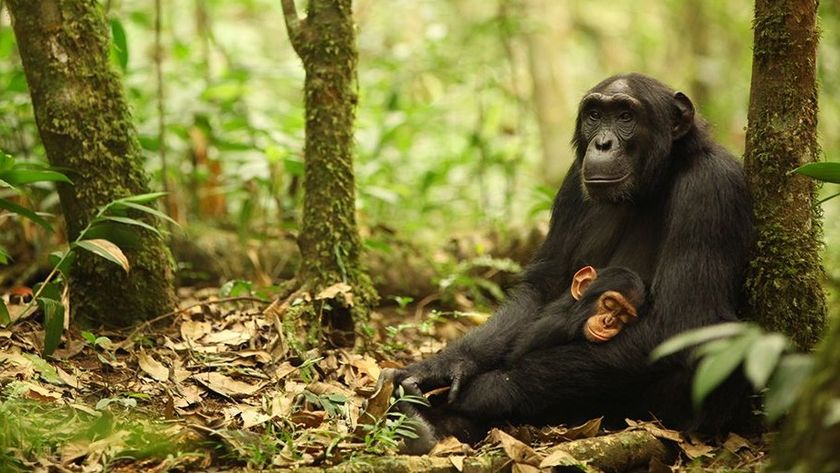 A decade-long chimp war ended in a baby boom for the victors, scientists discover
"We were really in awe at this finding," study co-author Christopher Krupenye, an assistant professor of psychological and brain sciences at Johns Hopkins University, told Live Science. "What we're seeing in this case is that … something that seems to be fundamentally human and is emerging early in our human development is also shared with our closest relatives," he said.
This suggests the human capacity to imagine objects that aren't really there could have evolved before humans and bonobos split from our last common ancestor over 6 million years ago, Krupenye said.
Imagined realities
Previous anecdotal evidence has hinted that captive and wild great apes engage in pretend play. For example, a wild 3-year-old chimpanzee in Guinea was observed playing with a discarded human-made leaf cushion by placing it on his head. A captive bonobo also "picked" and "ate" blueberries from a photograph of real blueberries.
But because the anecdotal examples could be explained by alternative explanations, such as the apes believing the pretend objects were actually real, Krupenye and his colleague Amalia Bastos, a comparative psychologist at the University of St Andrews in the U.K., wanted to bring the question of "can animals really pretend?" into a controlled, experimental setting.
Sign up for the Live Science daily newsletter nowContact me with news and offers from other Future brandsReceive email from us on behalf of our trusted partners or sponsorsBy submitting your information you agree to the Terms & Conditions and Privacy Policy and are aged 16 or over.Because Kanzi could understand and respond to English, he was the obvious first animal to study, Krupenye said.
First, Kanzi was trained to point to the vessel containing juice. He was shown two see-through bottles, one containing juice and the other empty, and he was asked to point out where the juice was. If he answered correctly, he was rewarded with some of the juice. Kanzi got a perfect score over the 18 repeats of this training phase.
In the test trials, an experimenter placed two transparent empty cups side-by-side on a table in front of Kanzi. Next, they pretended to pour juice from an empty jug into each cup, then poured the pretend juice from one of the cups back into the jug. Kanzi was then asked to point to the location of the cup with the juice, but he was never told if he was correct, and wasn't rewarded.
You may like-
'A forest with bonobos has never been so quiet': Most extreme case of violence in 'hippie' species recorded, with females ganging up on male in unprecedented attack
-
'Part of the evolutionary fabric of our societies': Same-sex sexual behavior in primates may be a survival strategy, study finds
-
A decade-long chimp war ended in a baby boom for the victors, scientists discover
Kanzi correctly identified the location of the pretend juice 68% of the time, which suggested he could keep track of the imaginary liquid.
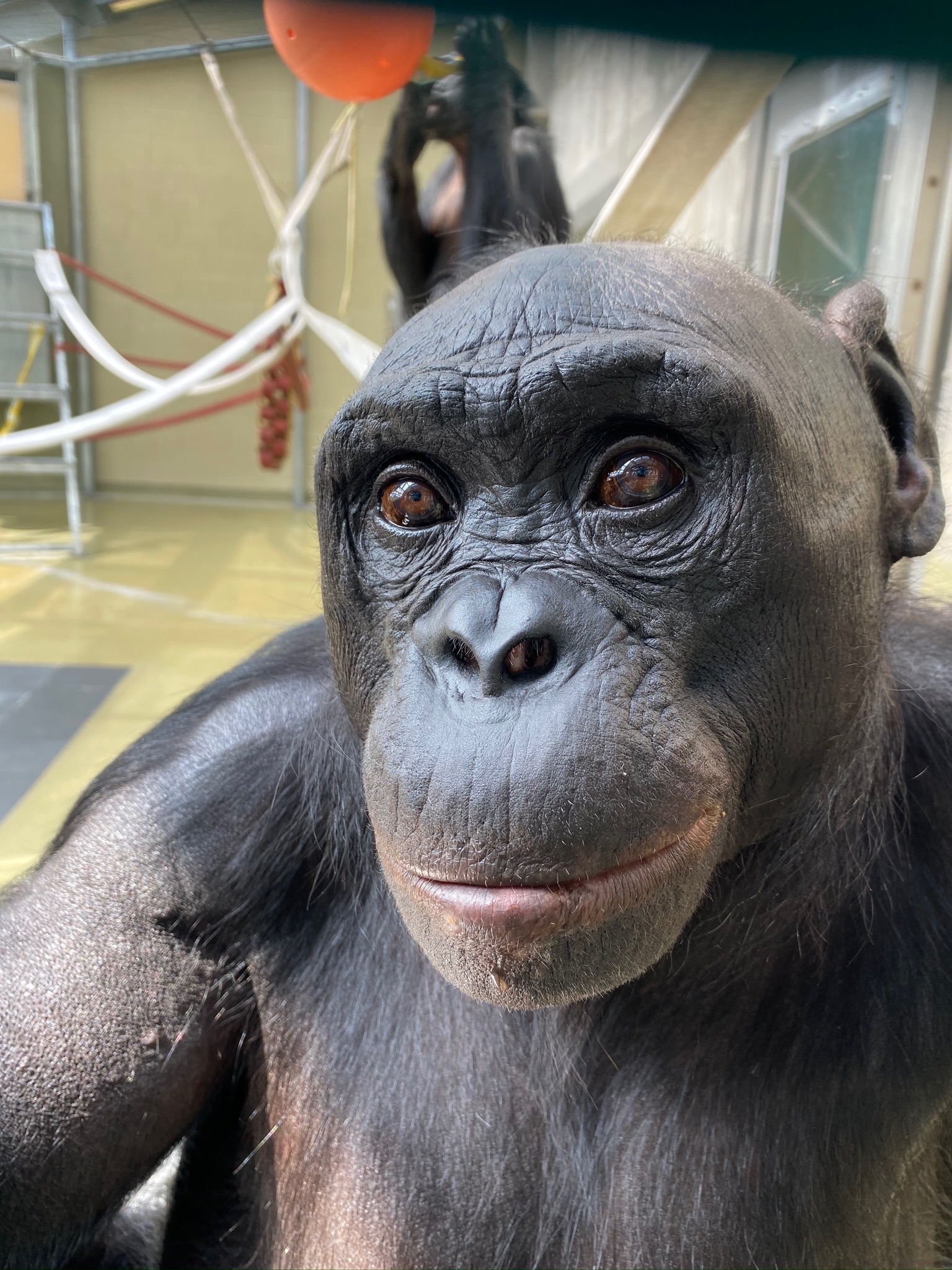
But the possibility remained that he simply thought the empty cup actually contained real juice. To check if this was the case, the team ran a second experiment where they placed a juice-filled cup and an empty cup on a table. They pretended to pour juice into the empty cup and then held the empty jug over the full cup without doing the pouring motion.
Krupenye said that if Kanzi really thought there was juice in both cups, he would have chosen them at equal frequency. But, when asked which cup he wanted, Kanzi selected the cup containing real juice 77.8% of the time, suggesting he could clearly distinguish real from imaginary juice.
"That sort of gave us confidence that we were really looking at some ability to track imaginary or pretend objects," Krupenye said.
Bastos said she was still a little skeptical at this point — Kanzi's ability to point out where the pretend juice was could have been a fluke. So the team repeated the same procedure but with a pretend grape. Kanzi correctly identified the location of the imaginary grape in 68.9% of trials.
"By the time we finished experiment three, I was very confident that what we saw was what we saw," Bastos said.
The research is limited as only one bonobo was tested, but is nonetheless the first clear evidence that great apes can engage in pretend play, Laura Simone Lewis, an evolutionary anthropologist and psychologist at the University of California, Santa Barbara, who was not involved in the research, told Live Science in an email.
"This is a huge development for our field, because it provides direct evidence to support the anecdotal reports from the wild that our great ape cousins can use their imaginations for all sorts of activities, including pretend play," she said.
RELATED STORIES—Selfless chimps shed light on evolution of altruism
—Chimps 'think about thinking' in order to weigh evidence and plan their actions, new research suggests
—Here's another reason bonobo 'hippie chimps' are awesome
This research demonstrates that Kanzi could understand shared pretense created by humans, but not that he could produce pretend scenarios himself.
"I think it would be a big leap to say that, because of this, in some sense we're seeing something comparable to what we see in 2-year-old children, where you typically routinely see pretense production including things like drinking from empty cups and so forth," Paul Harris, a psychologist at Harvard University who was not involved in the study, told Live Science.
Krupenye and Bastos hope that pretend play can now be explored in other great apes. "If the anecdotes are right, it should be the case that other apes also share this capacity," Krupenye said.
Article SourcesBastos, A. P. M., & Krupenye, C. (2026). Evidence for representation of pretend objects by Kanzi, a language trained bonobo. Science, 392. http://dx.doi.org/10.1126/science.adz0743
Primates Quiz: What do you know about our closest relatives?
 Sophie BerdugoSocial Links NavigationStaff writer
Sophie is a U.K.-based staff writer at Live Science. She covers a wide range of topics, having previously reported on research spanning from bonobo communication to the first water in the universe. Her work has also appeared in outlets including New Scientist, The Observer and BBC Wildlife, and she was shortlisted for the Association of British Science Writers' 2025 "Newcomer of the Year" award for her freelance work at New Scientist. Before becoming a science journalist, she completed a doctorate in evolutionary anthropology from the University of Oxford, where she spent four years looking at why some chimps are better at using tools than others.
View MoreYou must confirm your public display name before commenting
Please logout and then login again, you will then be prompted to enter your display name.
Logout Read more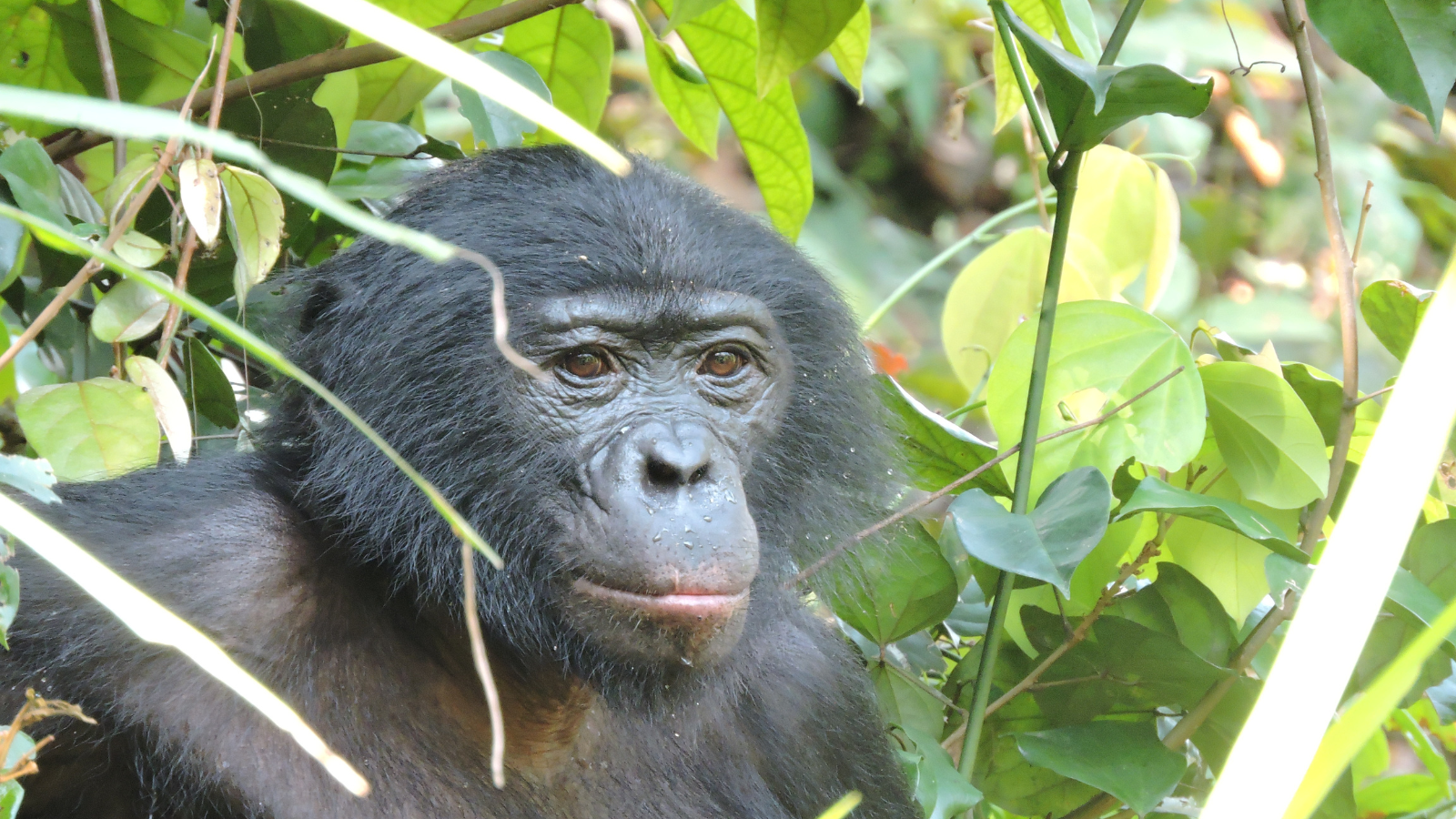 'A forest with bonobos has never been so quiet': Most extreme case of violence in 'hippie' species recorded, with females ganging up on male in unprecedented attack
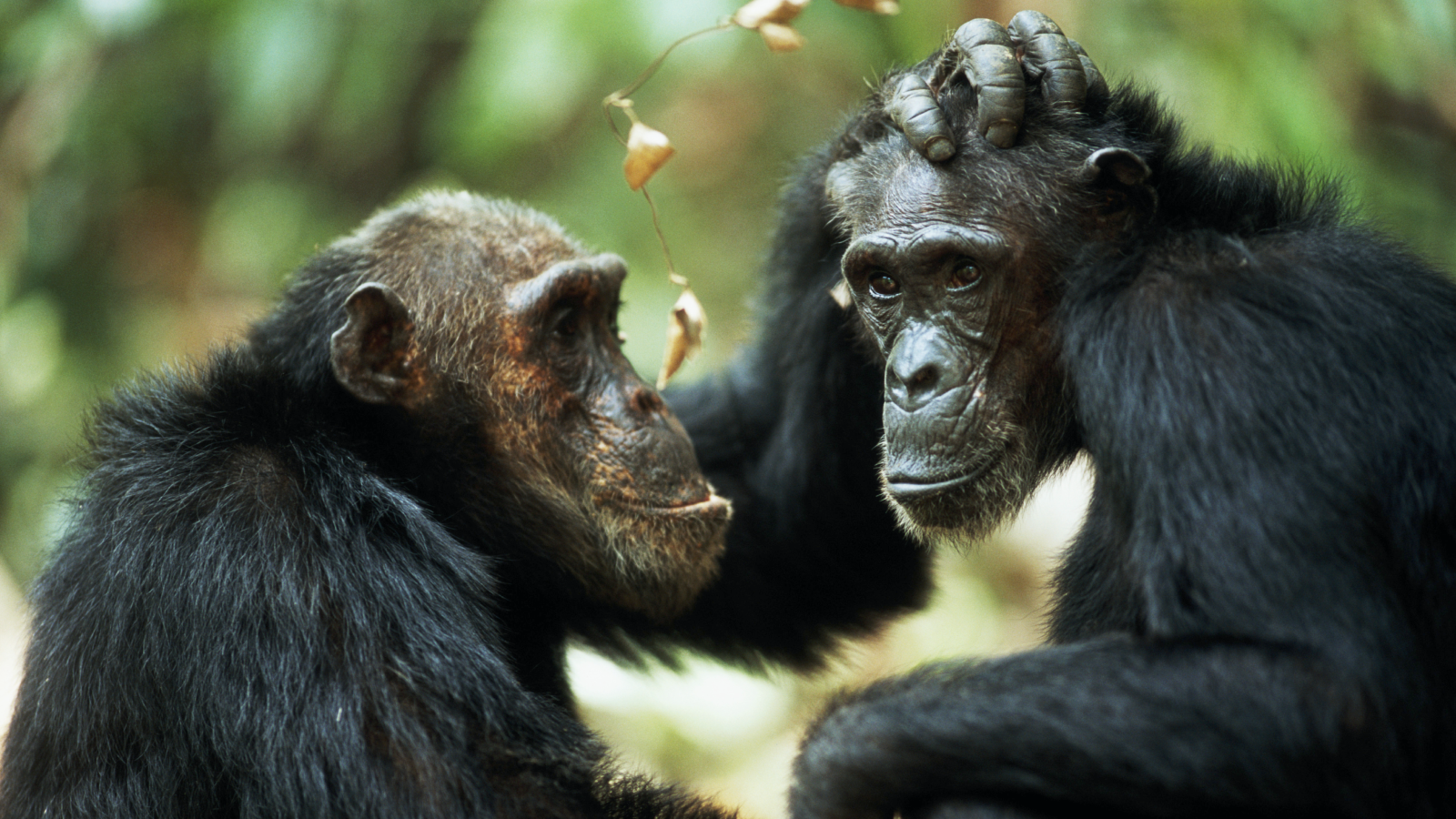 'Part of the evolutionary fabric of our societies': Same-sex sexual behavior in primates may be a survival strategy, study finds
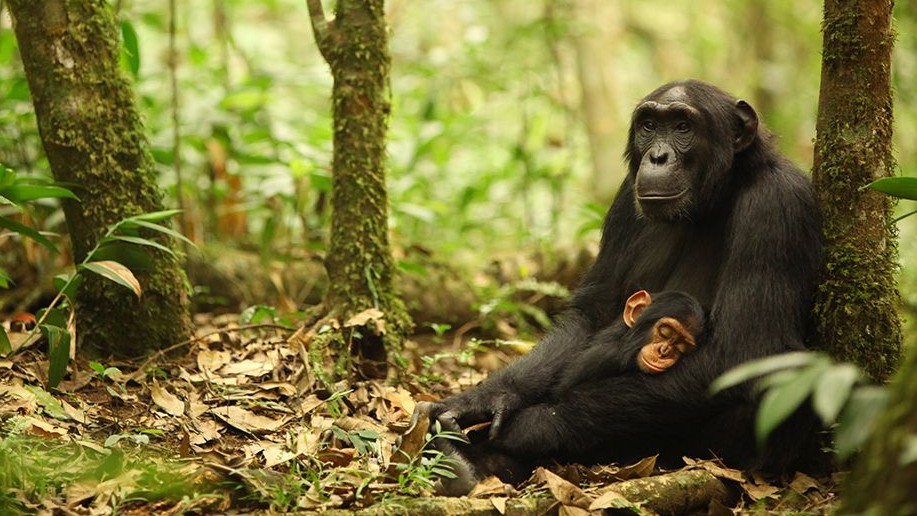 A decade-long chimp war ended in a baby boom for the victors, scientists discover
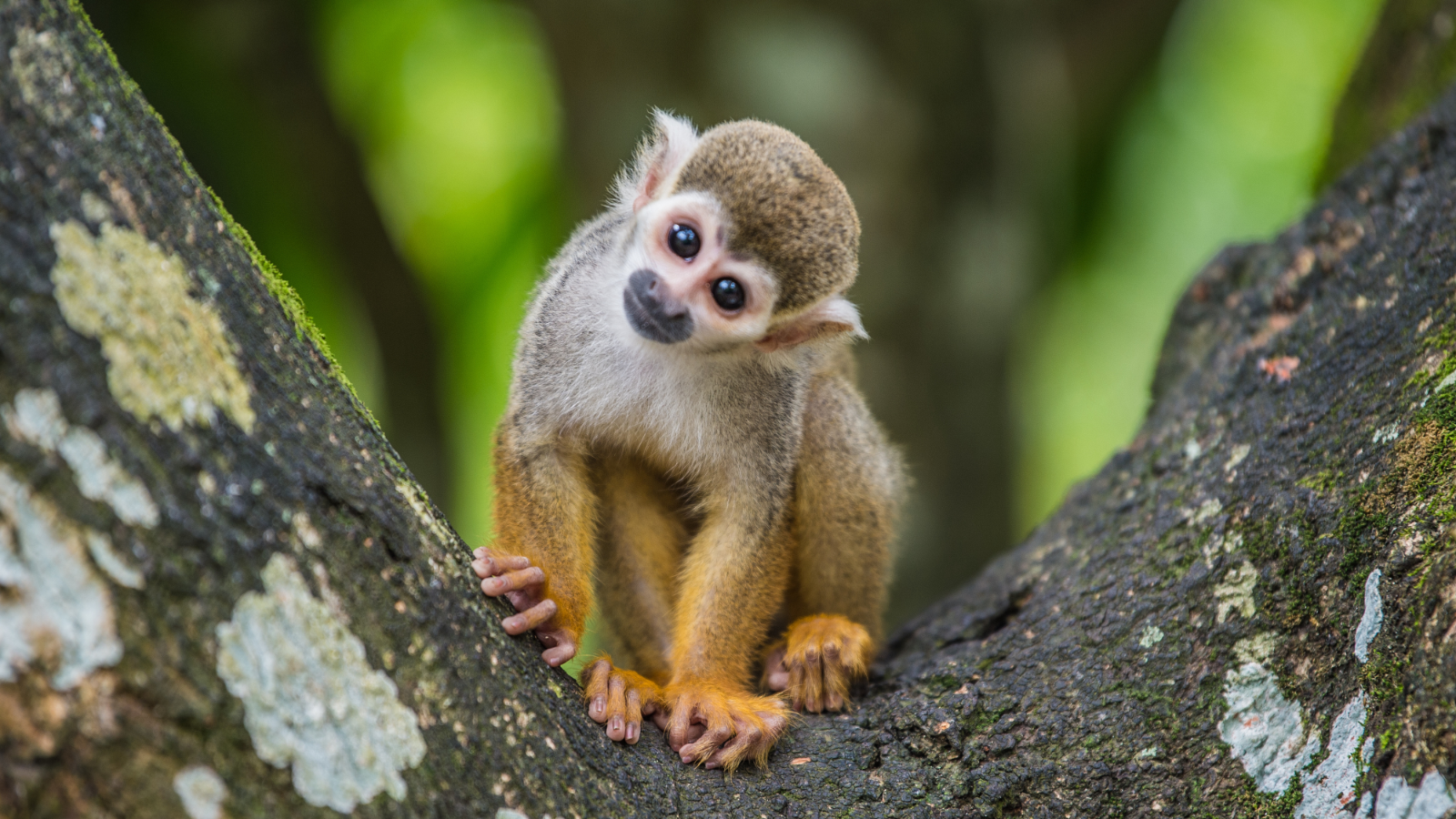 Primates Quiz: Go ape and test your knowledge on our closest relatives
 'Intelligence comes at a price, and for many species, the benefits just aren't worth it': A neuroscientist's take on how human intellect evolved
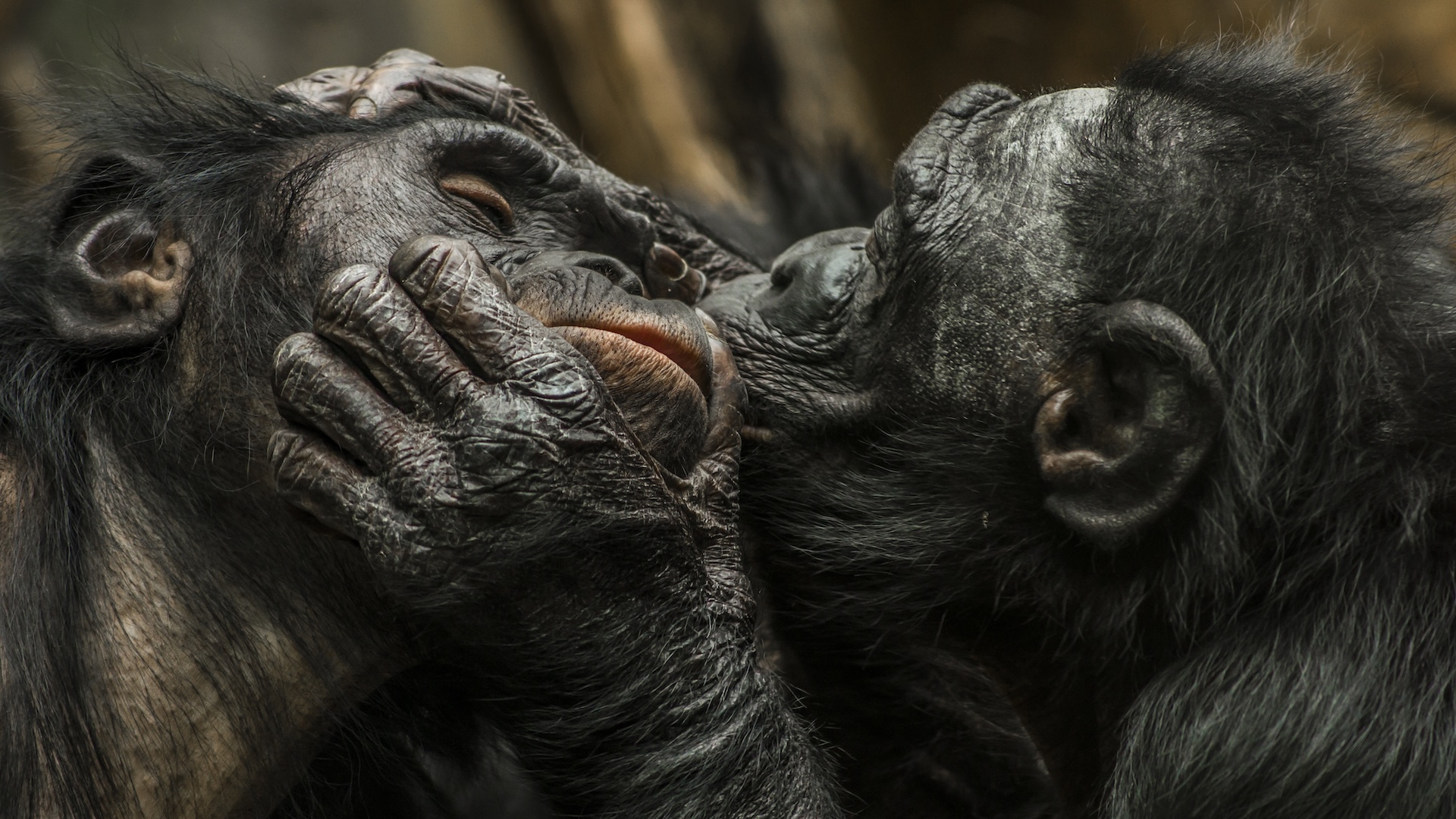 Kissing goes back 21 million years, to the common ancestor of humans and other large apes, study finds
Latest in Land Mammals
Kissing goes back 21 million years, to the common ancestor of humans and other large apes, study finds
Latest in Land Mammals
 Grim photo captures polar bear mom and cubs resting in mud in summer heat
 'System in flux': Scientists reveal what happened when wolves and cougars returned to Yellowstone
'Part of the evolutionary fabric of our societies': Same-sex sexual behavior in primates may be a survival strategy, study finds
'System in flux': Scientists reveal what happened when wolves and cougars returned to Yellowstone
'Part of the evolutionary fabric of our societies': Same-sex sexual behavior in primates may be a survival strategy, study finds
 Coyote scrambles onto Alcatraz Island after perilous, never-before-seen swim
 Ever watched a pet cow pick up a broom and scratch herself with it? You have now
 Ancient mummified cheetahs discovered in Saudi Arabia contain preserved DNA from the long-lost population
Latest in News
Ancient mummified cheetahs discovered in Saudi Arabia contain preserved DNA from the long-lost population
Latest in News
 'Jetty McJetface' is one of the most energetic objects in the universe — and only growing brighter
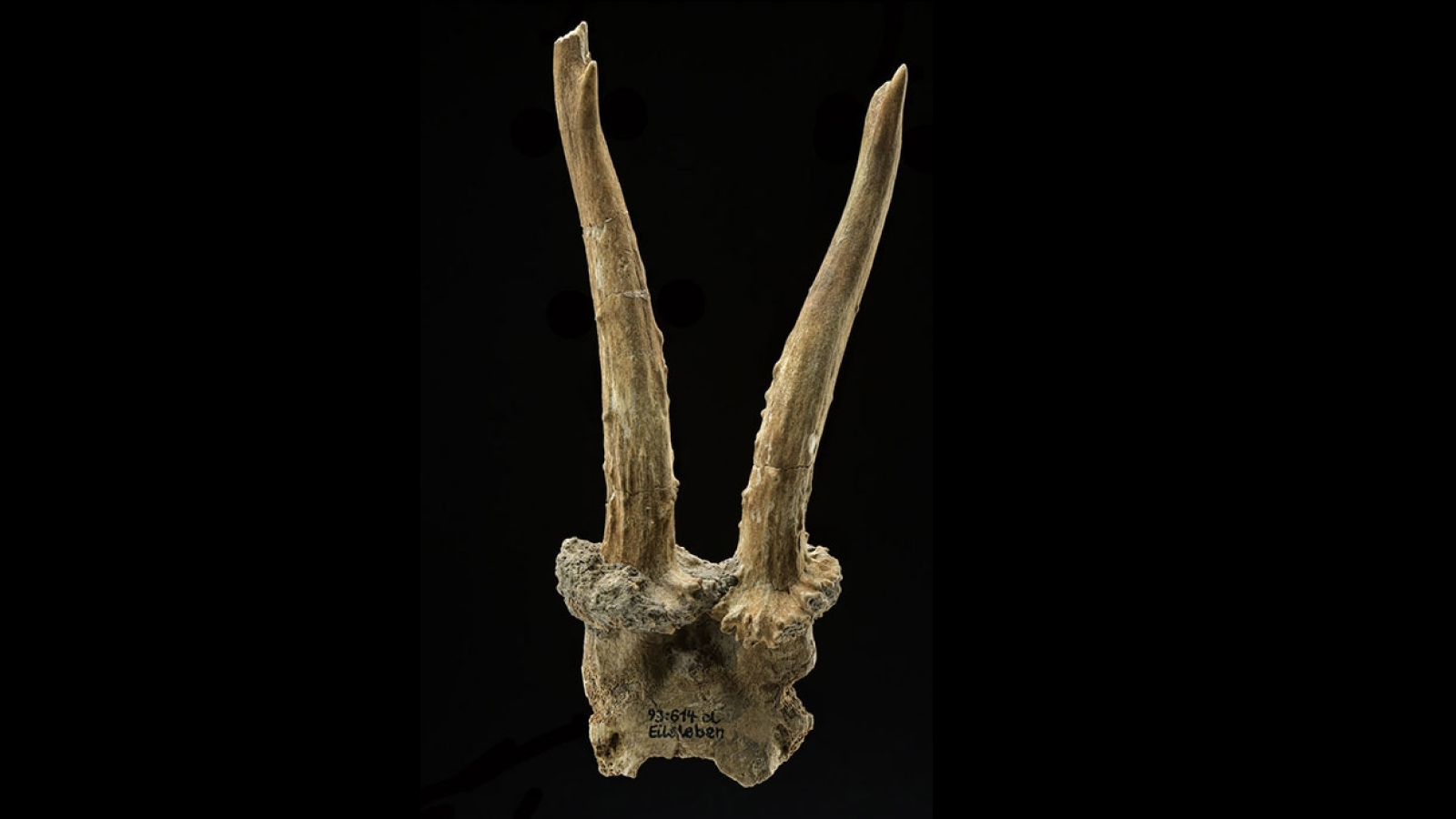 7,500-year-old deer skull headdress discovered in Germany indicates hunter-gatherers shared sacred items and ideas with region's first farmers
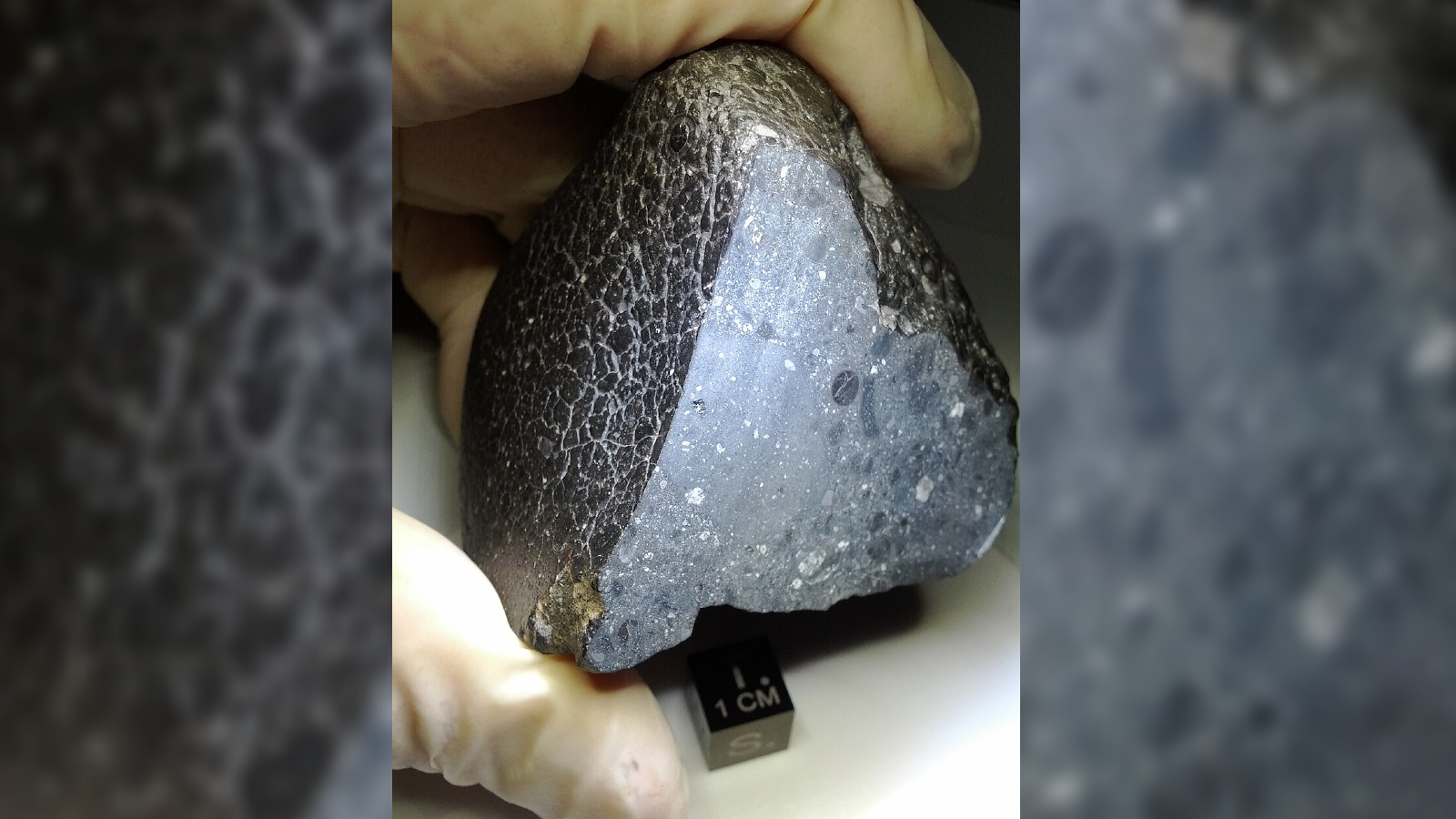 Martian meteorite that fell to Earth is full of ancient water, new scans reveal
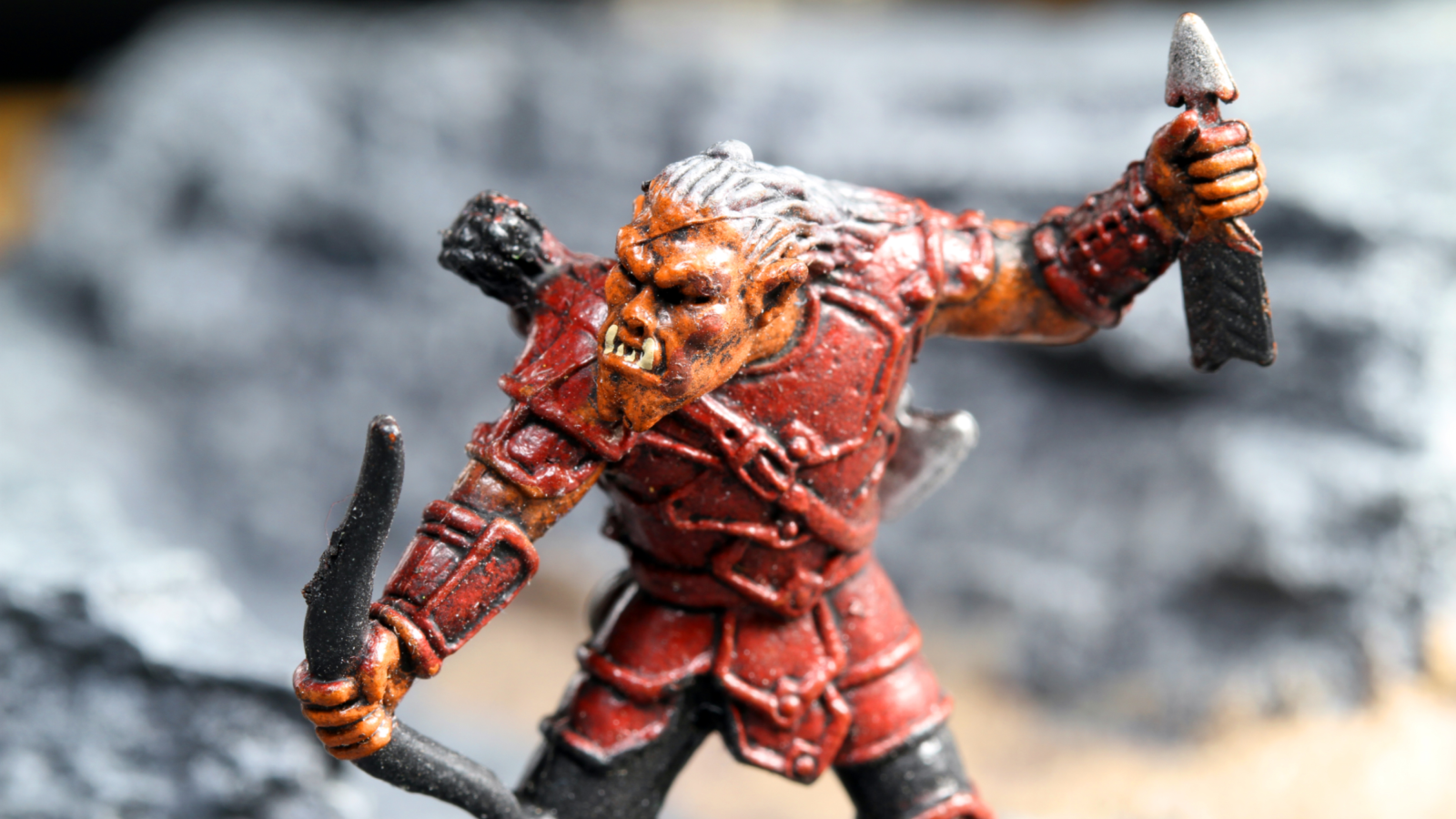 How well can AI and humans work together? Scientists are turning to Dungeons & Dragons to find out
Kanzi the bonobo could play pretend — a trait thought unique to humans
How well can AI and humans work together? Scientists are turning to Dungeons & Dragons to find out
Kanzi the bonobo could play pretend — a trait thought unique to humans
 Remote region in Greece has one of the most genetically distinct populations in Europe
LATEST ARTICLES
Remote region in Greece has one of the most genetically distinct populations in Europe
LATEST ARTICLES- 1Kanzi the bonobo could play pretend — a trait thought unique to humans
- 2'Jetty McJetface' is one of the most energetic objects in the universe — and only growing brighter
- 3Martian meteorite that fell to Earth is full of ancient water, new scans reveal
- 47,500-year-old deer skull headdress discovered in Germany indicates hunter-gatherers shared sacred items and ideas with region's first farmers
- 5How well can AI and humans work together? Scientists are turning to Dungeons & Dragons to find out