- Archaeology
Archaeological remains on the Kitsissut islands off the coast of Greenland reveal that whole communities regularly journeyed across the dangerous Arctic waters.
When you purchase through links on our site, we may earn an affiliate commission. Here’s how it works.
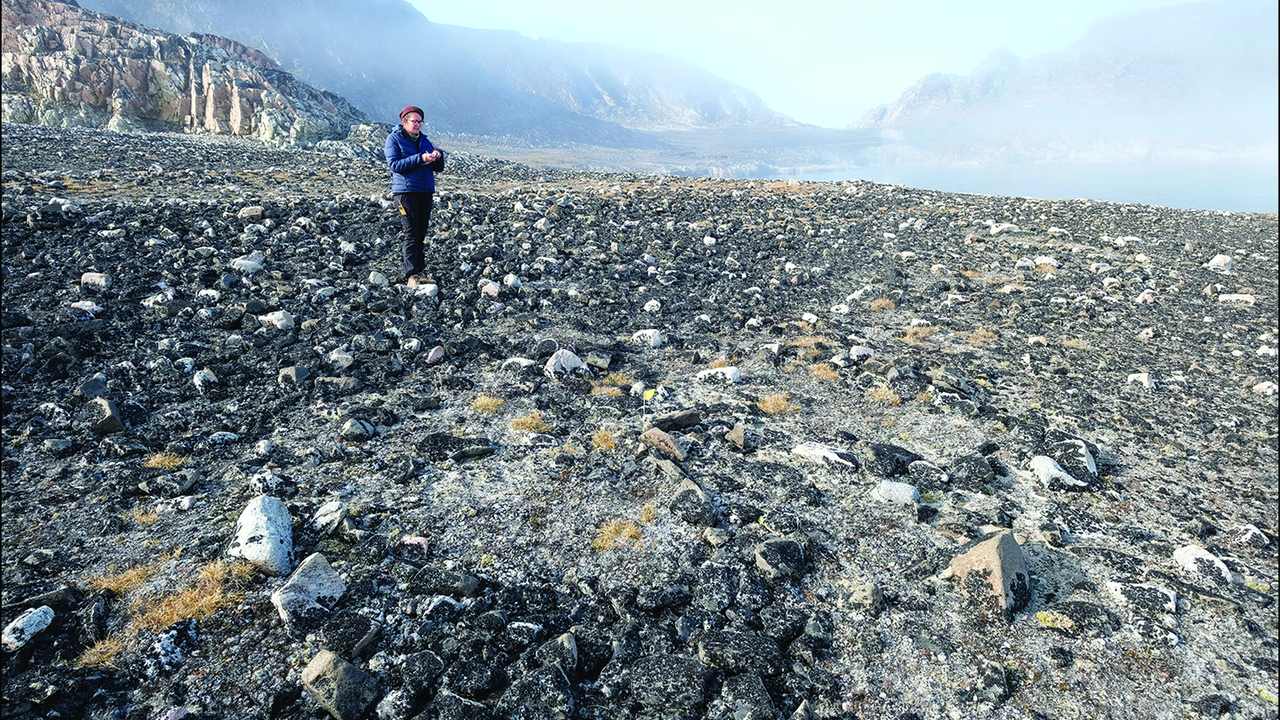
 Study co-author Mari Kleist documents an Early Paleo-Inuit tent ring on Isbjørne Island, Kitsissut.
(Image credit: M. Walls, M. Kleist & P. Knudsen; Antiquity Publications Ltd.)
Study co-author Mari Kleist documents an Early Paleo-Inuit tent ring on Isbjørne Island, Kitsissut.
(Image credit: M. Walls, M. Kleist & P. Knudsen; Antiquity Publications Ltd.)
- Copy link
- X
Get the world’s most fascinating discoveries delivered straight to your inbox.
Become a Member in Seconds
Unlock instant access to exclusive member features.
Contact me with news and offers from other Future brands Receive email from us on behalf of our trusted partners or sponsors By submitting your information you agree to the Terms & Conditions and Privacy Policy and are aged 16 or over.You are now subscribed
Your newsletter sign-up was successful
Want to add more newsletters?

Delivered Daily
Daily Newsletter
Sign up for the latest discoveries, groundbreaking research and fascinating breakthroughs that impact you and the wider world direct to your inbox.
Signup +
Once a week
Life's Little Mysteries
Feed your curiosity with an exclusive mystery every week, solved with science and delivered direct to your inbox before it's seen anywhere else.
Signup +
Once a week
How It Works
Sign up to our free science & technology newsletter for your weekly fix of fascinating articles, quick quizzes, amazing images, and more
Signup +
Delivered daily
Space.com Newsletter
Breaking space news, the latest updates on rocket launches, skywatching events and more!
Signup +
Once a month
Watch This Space
Sign up to our monthly entertainment newsletter to keep up with all our coverage of the latest sci-fi and space movies, tv shows, games and books.
Signup +
Once a week
Night Sky This Week
Discover this week's must-see night sky events, moon phases, and stunning astrophotos. Sign up for our skywatching newsletter and explore the universe with us!
Signup +Join the club
Get full access to premium articles, exclusive features and a growing list of member rewards.
Explore An account already exists for this email address, please log in. Subscribe to our newsletterPaleo-Inuit people reached remote islands in the High Arctic off the northwest coast of Greenland nearly 4,500 years ago, according to a new study that documents evidence of prehistoric dwellings there.
These early Arctic people, who had fine-tuned advanced watercraft technology and seafaring skills, repeatedly made the treacherous open-water journey to the islands to access vital maritime resources.
You may like-
 Some of the oldest harpoons ever found reveal Indigenous people in Brazil were hunting whales 5,000 years ago
-
 Archaeologists discover 1,500-year-old reindeer trap and other artifacts 'melting out of the ice' in Norway's mountains
-
 18,000 years ago, ice age humans built dwellings out of mammoth bones in Ukraine
In a study published Monday (Feb. 9) in the journal Antiquity, researchers detailed the results of their archaeological survey of three of the islands. They found nearly 300 archaeological features in their survey, with the largest concentration being 15 Paleo-Inuit dwellings at the tip of Isbjørne Island. The dwellings suggested that people made the difficult journey from Greenland's mainland to Kitsissut numerous times.
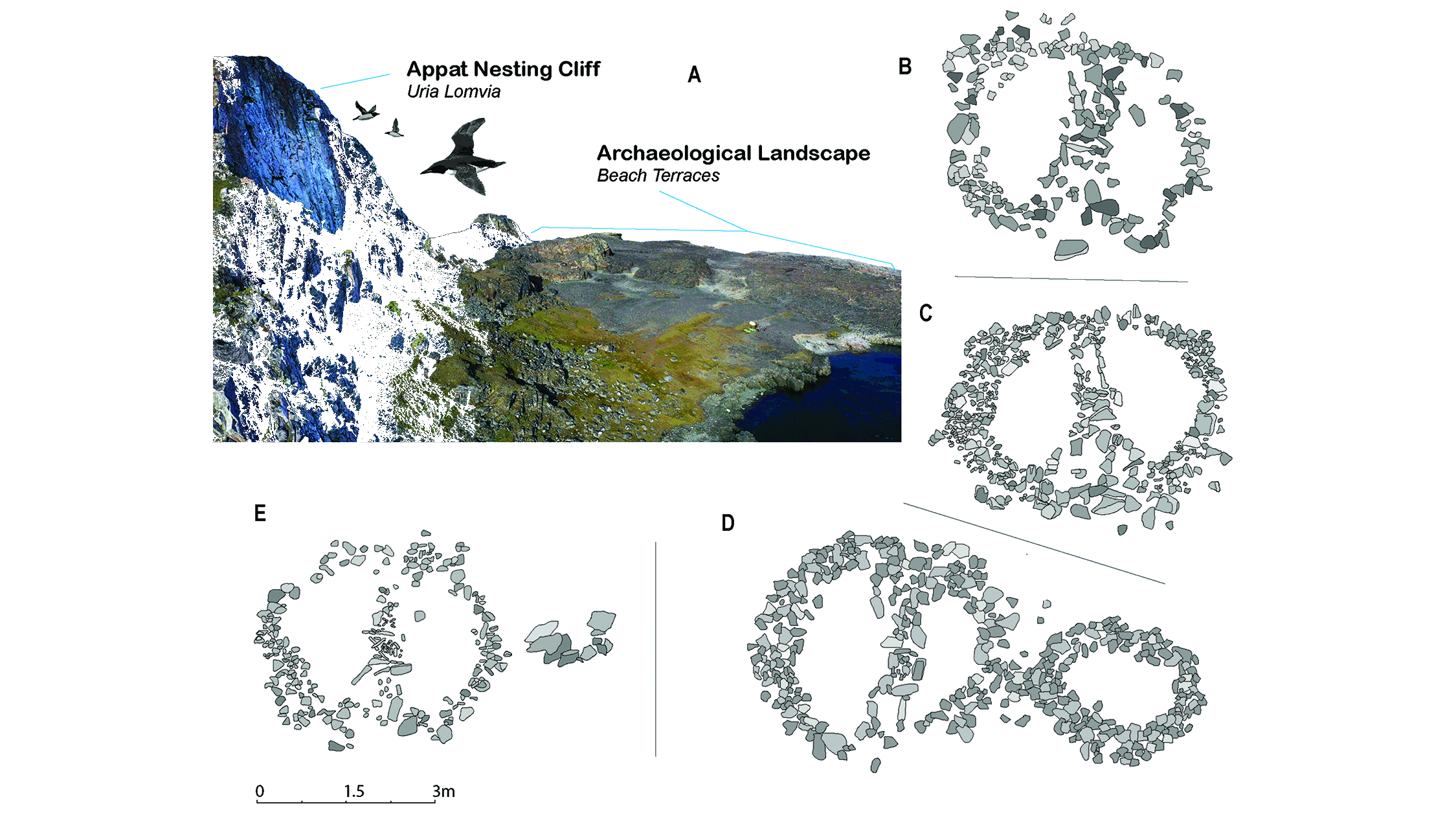
The dwellings were identified by a ring of stones indicating the past presence of a tent with a hearth at the center. Based on an animal bone discovered in one of the tent rings, the archaeologists dated the occupation to around 4,000 to 4,475 years ago.
"In a regional perspective, it is a lot of tent rings in one place, indeed one of the largest concentrations," study lead author Matthew Walls, an archaeologist at the University of Calgary in Canada, told Live Science in an email. This suggests that Kitsissut and the polynya was "a place of return," Walls said. "It wasn't just a one-off visit by a family blown off course, for example."
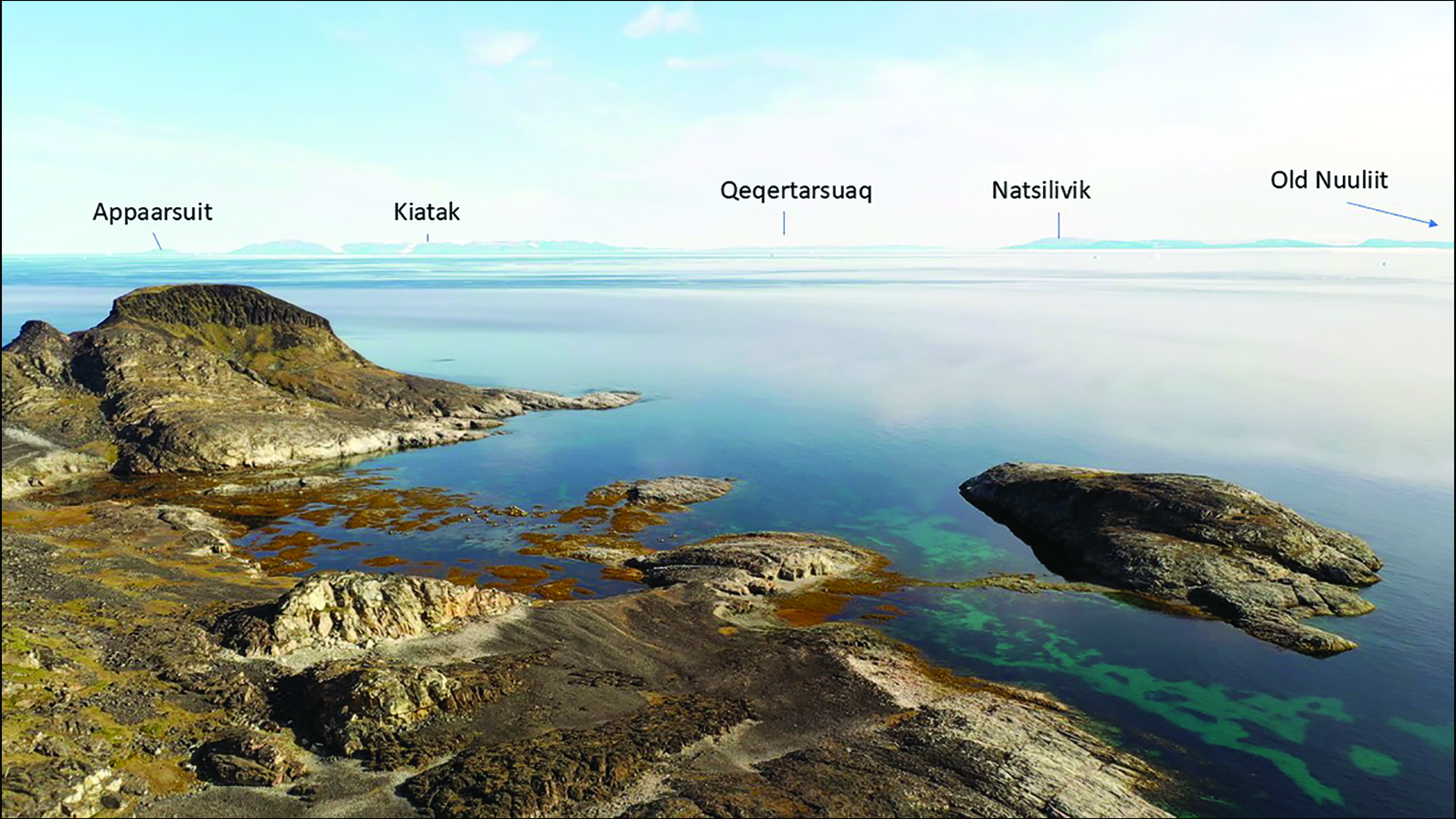
It is unclear exactly how the Paleo-Inuit people arrived at Kitsissut, but the minimum journey from the mainland to the dwellings on Isbjørne Island is 33 miles (53 kilometers), the researchers wrote in the study. The route through the open sea is marked by erratic crosswinds, dense fog and powerful mixing currents — an extraordinarily risky journey that would have taken around 12 hours to complete in a wood-framed, skin-covered watercraft typical of Paleo-Inuit peoples.
Sign up for the Live Science daily newsletter nowContact me with news and offers from other Future brandsReceive email from us on behalf of our trusted partners or sponsorsBy submitting your information you agree to the Terms & Conditions and Privacy Policy and are aged 16 or over."They are almost certainly visiting during the warm season, which doesn't last very long," Walls said. "The travel conditions also make it most likely that they are doing this in the brief summer."
Paleo-Inuit people probably headed to Kitsissut to hunt and gather eggs from the thick-billed murre (Uria lomvia), a polar seabird that nests in the thousands in the summer. The dwelling sites the archaeologists found are located directly below their nesting cliffs, Walls said, and there are numerous murre bones around the tent rings.
—Thule snow goggles: 1,000-year-old Arctic eyewear carved from walrus tusks
—Bering Land Bridge emerged much later than we thought it did, new study finds
—9 of the most 'genetically isolated' human populations in the world
"The number of rings does give the sense that it is a whole community making the crossing, rather than a small hunting party," Walls said, but "that is something that we could perhaps prove with further excavation, giving us a better snapshot of community life."
The Paleo-Inuit people's ability to navigate frigid expanses of open water in kayak-like vessels to reach Kitsissut shows their strong commitment to a maritime lifestyle, the researchers wrote, but it also demonstrates their advanced skills in navigation and watercraft technology.
"Archaeologists have tended to think about the area as a crossroads, or primarily a route of movement between Canada and Greenland," Walls said. But Kitsissut and the polynya are "better framed as a place of innovation."
Article SourcesWalls, M., Kleist, M., & Knudsen, P. (2026). Voyage to Kitsissut: a new perspective on Early Paleo-Inuit watercraft and maritime lifeways at a High Arctic polynya. Antiquity. https://doi.org/10.15184/aqy.2026.10285
Archaeology Fragments Quiz: Can you work out what these mysterious artifacts are?
 Kristina KillgroveSocial Links NavigationStaff writer
Kristina Killgrove is a staff writer at Live Science with a focus on archaeology and paleoanthropology news. Her articles have also appeared in venues such as Forbes, Smithsonian, and Mental Floss. Kristina holds a Ph.D. in biological anthropology and an M.A. in classical archaeology from the University of North Carolina, as well as a B.A. in Latin from the University of Virginia, and she was formerly a university professor and researcher. She has received awards from the Society for American Archaeology and the American Anthropological Association for her science writing.
View MoreYou must confirm your public display name before commenting
Please logout and then login again, you will then be prompted to enter your display name.
Logout Read more Some of the oldest harpoons ever found reveal Indigenous people in Brazil were hunting whales 5,000 years ago
 Archaeologists discover 1,500-year-old reindeer trap and other artifacts 'melting out of the ice' in Norway's mountains
 18,000 years ago, ice age humans built dwellings out of mammoth bones in Ukraine
 2,400-year-old fingerprint from mysterious sea raider found preserved on Scandinavia's oldest plank boat
 Huge ice dome in Greenland vanished 7,000 years ago — melting at temperatures we're racing toward today
 People, not glaciers, transported rocks to Stonehenge, study confirms
Latest in Archaeology
People, not glaciers, transported rocks to Stonehenge, study confirms
Latest in Archaeology
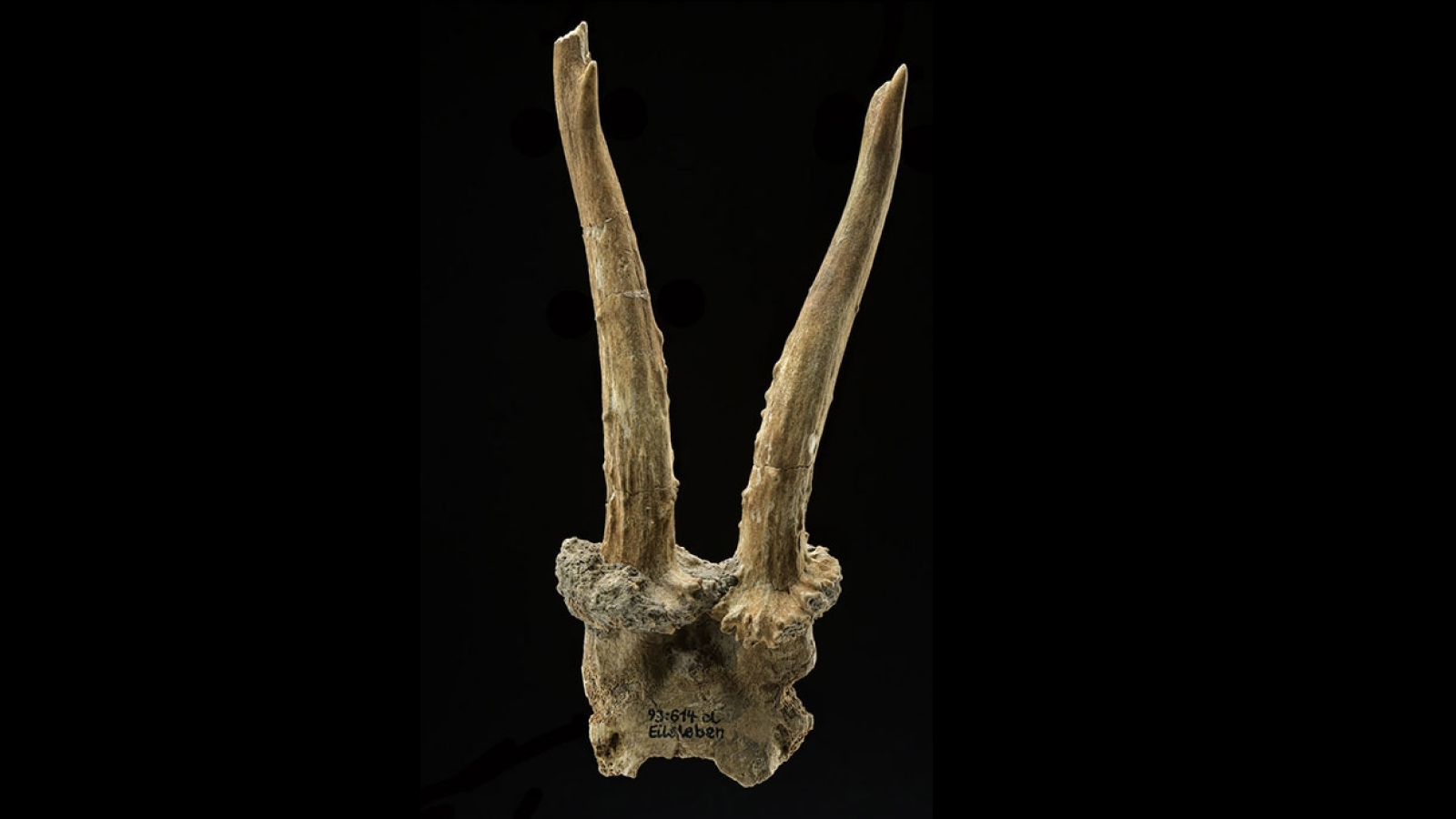 7,500-year-old deer skull headdress discovered in Germany indicates hunter-gatherers shared sacred items and ideas with region's first farmers
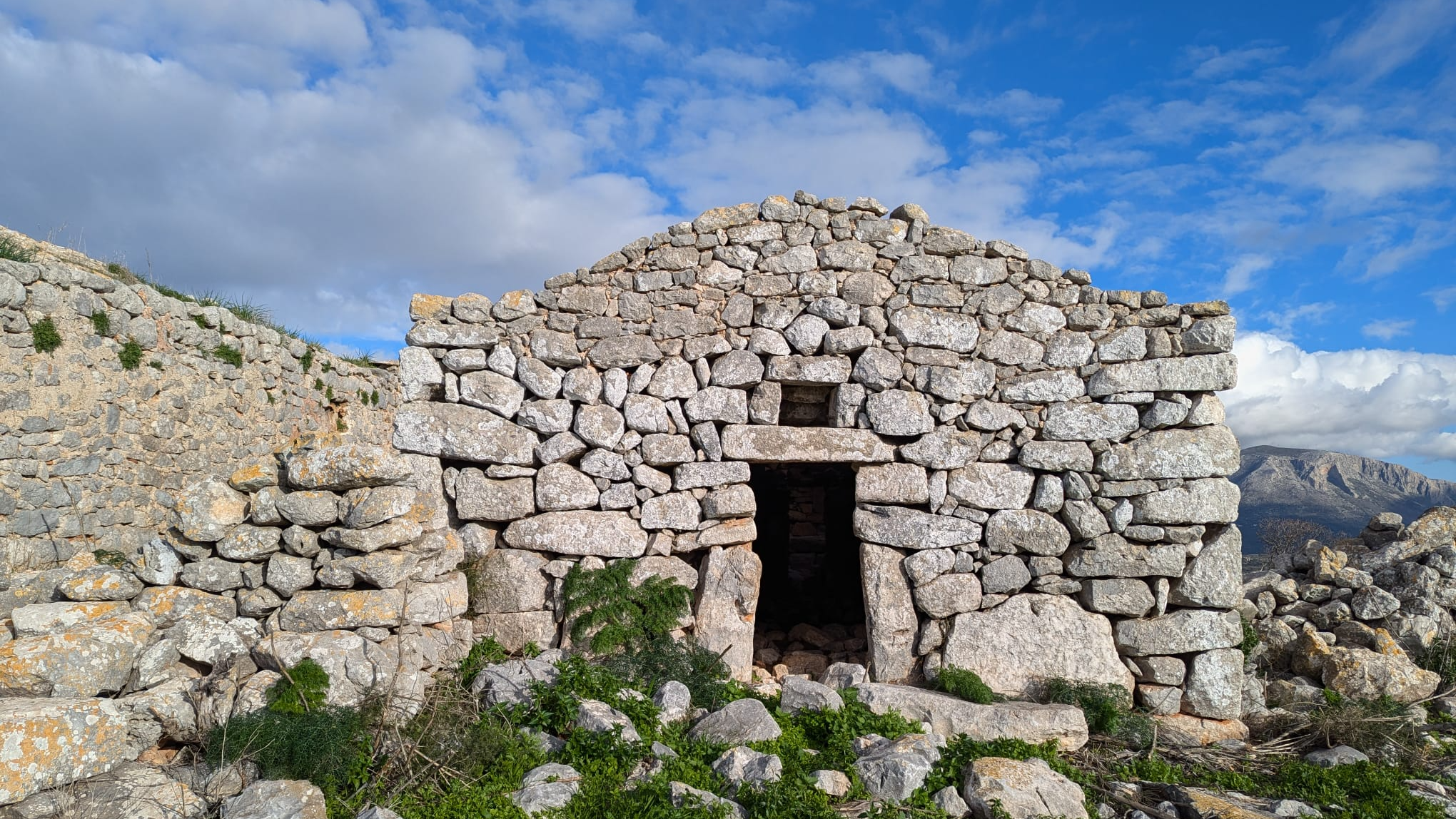 Remote region in Greece has one of the most genetically distinct populations in Europe
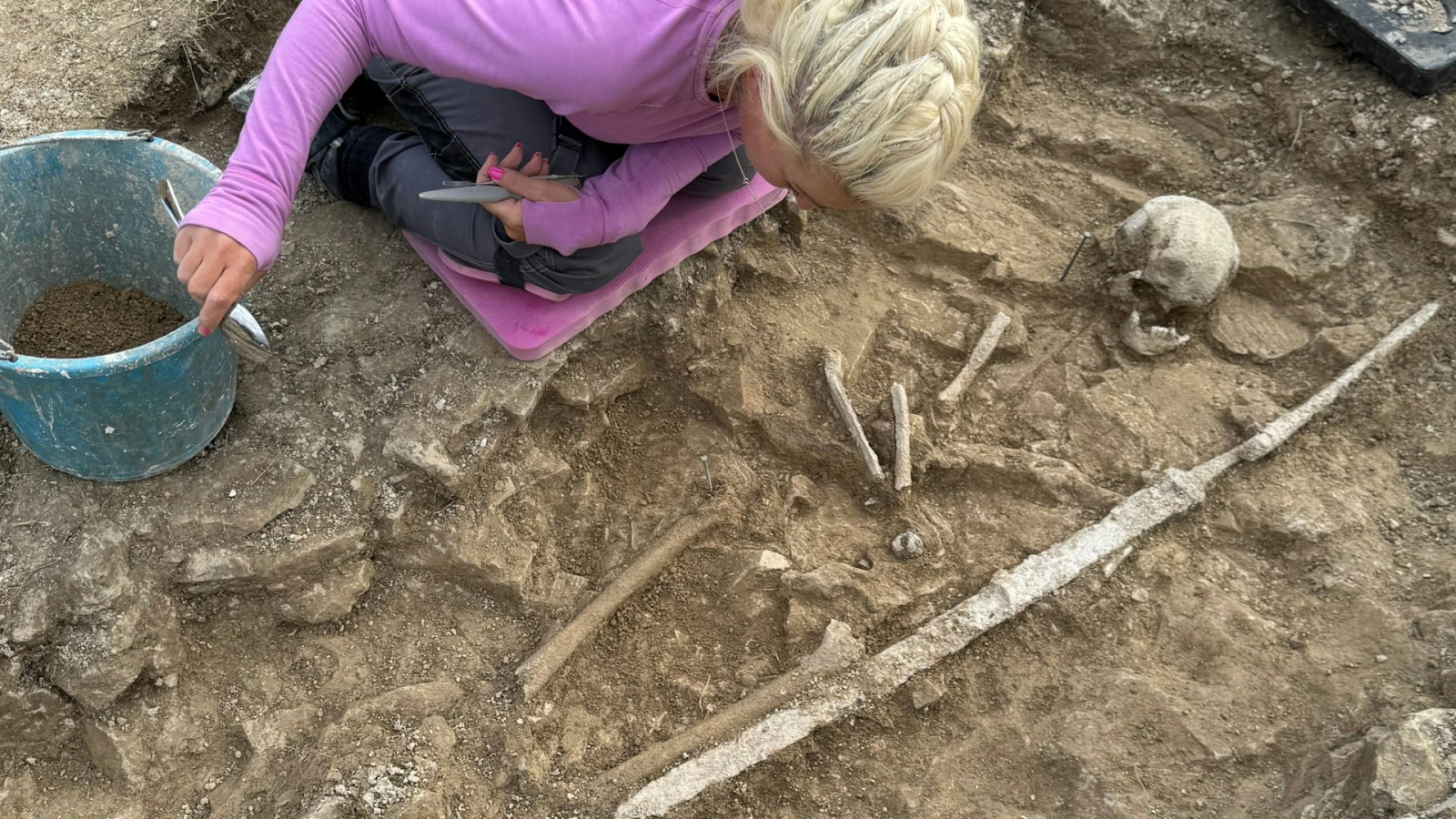 Anglo-Saxon children discovered buried with warrior gear in UK — perhaps as a nod to 'the men these children might have become'
 Did ancient Greeks let women compete in the Olympics?
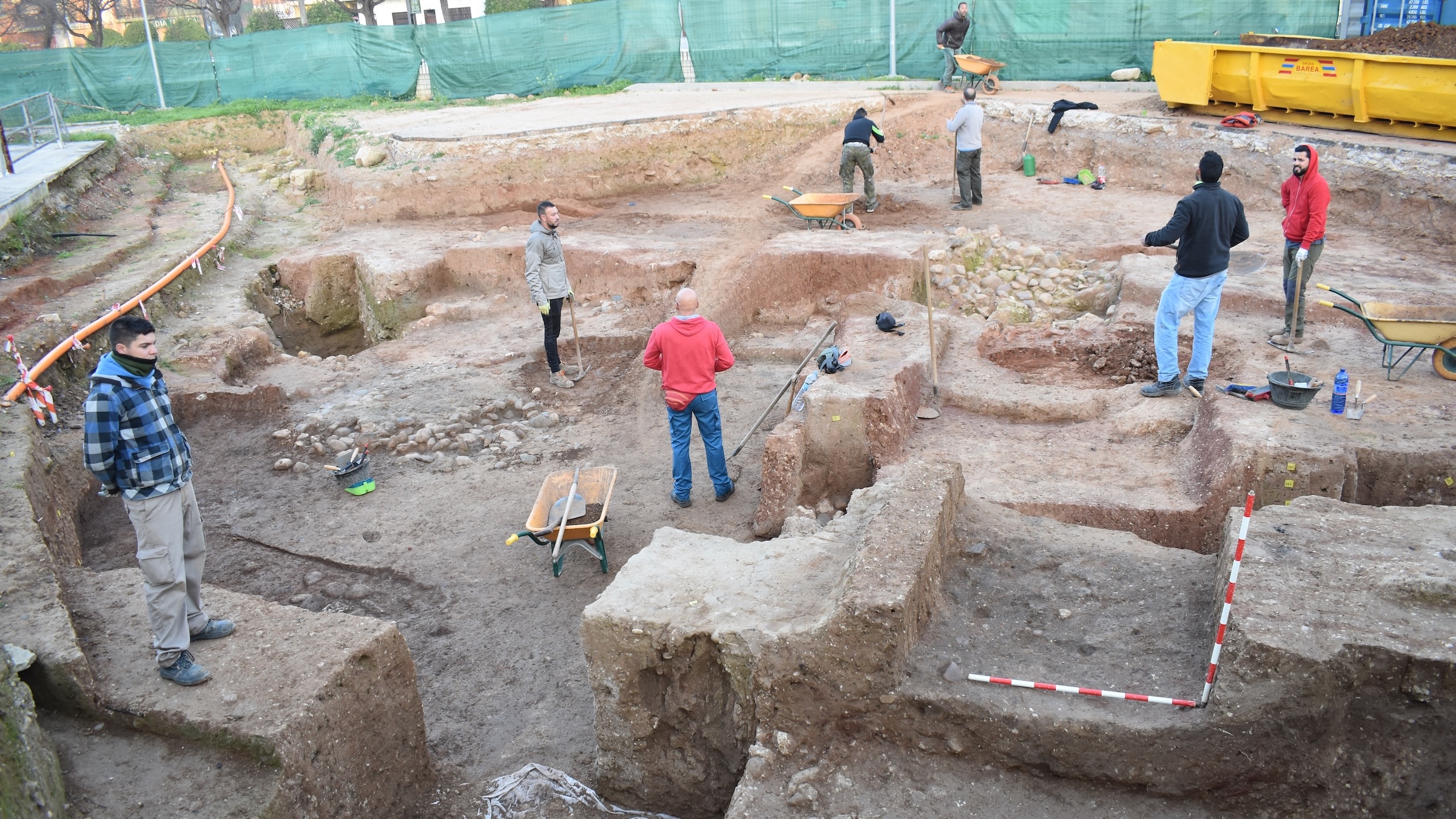 'Landmark' elephant bone finding in Spain may be from time of Hannibal's war against Rome
 Rare medieval seal discovered in UK is inscribed with 'Richard's secret' and bears a Roman-period gemstone
Latest in News
Rare medieval seal discovered in UK is inscribed with 'Richard's secret' and bears a Roman-period gemstone
Latest in News
 'There's no reason to ban us from playing': Analysis debunks notion that transgender women have inherent physical advantages in sports
 Physicists push quantum boundaries by turning a superfluid into a supersolid — and back — for the first time
Paleo-Inuit people braved icy seas to reach remote Greenland islands 4,500 years ago, archaeologists discover
Physicists push quantum boundaries by turning a superfluid into a supersolid — and back — for the first time
Paleo-Inuit people braved icy seas to reach remote Greenland islands 4,500 years ago, archaeologists discover
 'Invisible scaffolding of the universe' revealed in ambitious new James Webb telescope images
 'Night owls' may have worse heart health — but why?
 Dramatic death of Comet C/2025 K1 (ATLAS) caught on camera — Space photo of the week
LATEST ARTICLES
Dramatic death of Comet C/2025 K1 (ATLAS) caught on camera — Space photo of the week
LATEST ARTICLES- 1'Night owls' may have worse heart health — but why?
- 2Microbes in Iceland are hoarding nitrogen, and that's mucking up the nutrient cycle
- 3Physicists push quantum boundaries by turning a superfluid into a supersolid — and back — for the first time
- 4Dramatic death of Comet C/2025 K1 (ATLAS) caught on camera — Space photo of the week
- 5Did ancient Greeks let women compete in the Olympics?


