- Archaeology
- Vikings
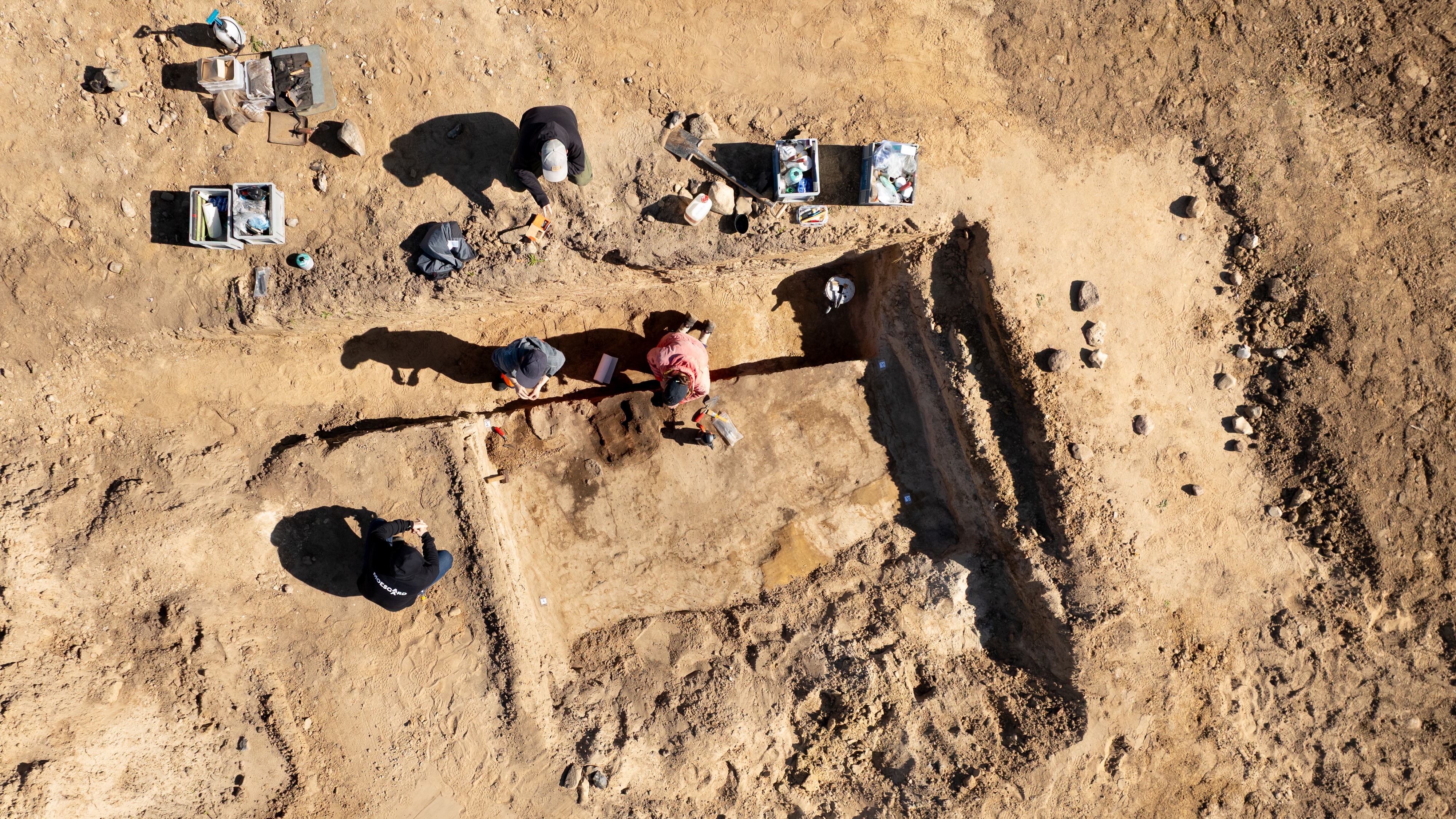
Archaeologists and student excavators uncovered a Viking Age pit full of dismembered remains near Cambridge, England.
When you purchase through links on our site, we may earn an affiliate commission. Here’s how it works.
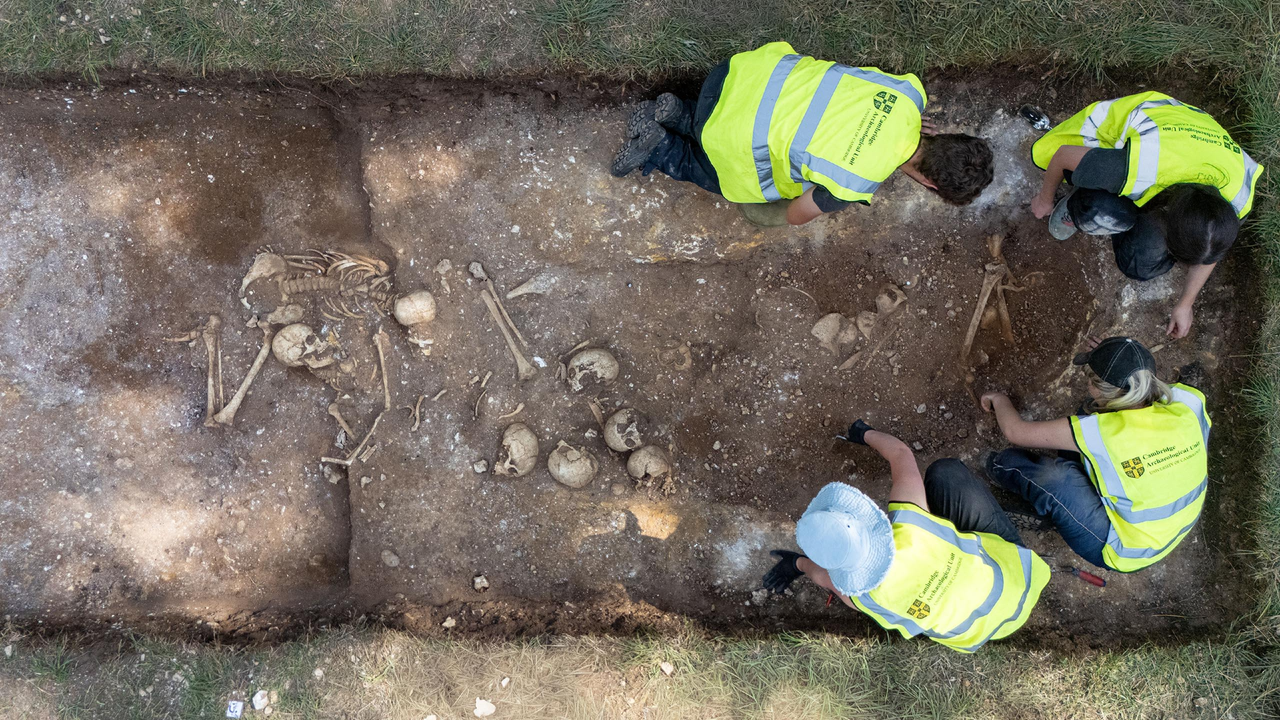
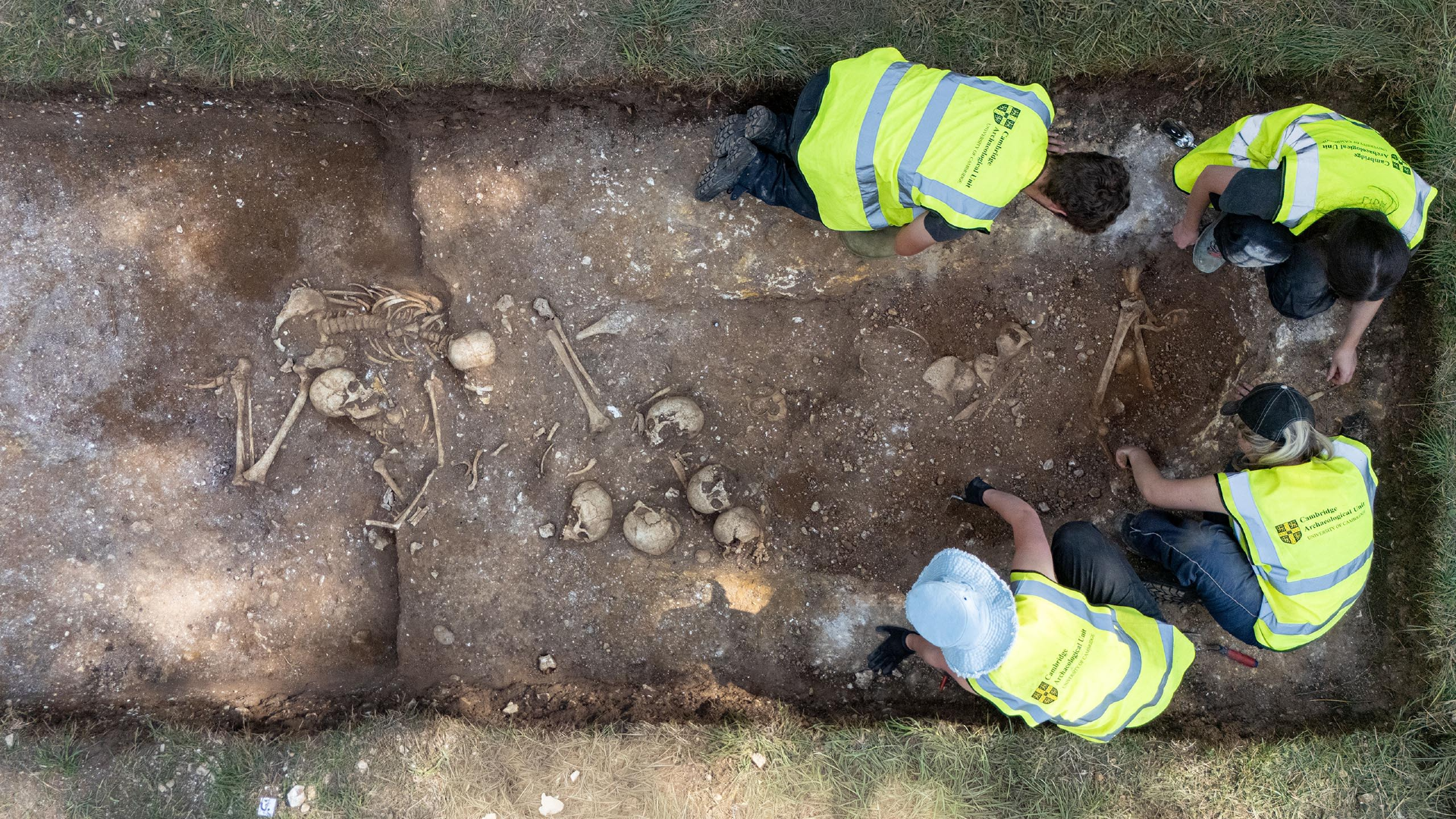 University of Cambridge archaeology students excavated a mass grave from the ninth century.
(Image credit: David Matzliach, Cambridge Archaeological Unit / © University of Cambridge)
University of Cambridge archaeology students excavated a mass grave from the ninth century.
(Image credit: David Matzliach, Cambridge Archaeological Unit / © University of Cambridge)
- Copy link
- X
Get the world’s most fascinating discoveries delivered straight to your inbox.
Become a Member in Seconds
Unlock instant access to exclusive member features.
Contact me with news and offers from other Future brands Receive email from us on behalf of our trusted partners or sponsors By submitting your information you agree to the Terms & Conditions and Privacy Policy and are aged 16 or over.You are now subscribed
Your newsletter sign-up was successful
Want to add more newsletters?

Delivered Daily
Daily Newsletter
Sign up for the latest discoveries, groundbreaking research and fascinating breakthroughs that impact you and the wider world direct to your inbox.
Signup +
Once a week
Life's Little Mysteries
Feed your curiosity with an exclusive mystery every week, solved with science and delivered direct to your inbox before it's seen anywhere else.
Signup +
Once a week
How It Works
Sign up to our free science & technology newsletter for your weekly fix of fascinating articles, quick quizzes, amazing images, and more
Signup +
Delivered daily
Space.com Newsletter
Breaking space news, the latest updates on rocket launches, skywatching events and more!
Signup +
Once a month
Watch This Space
Sign up to our monthly entertainment newsletter to keep up with all our coverage of the latest sci-fi and space movies, tv shows, games and books.
Signup +
Once a week
Night Sky This Week
Discover this week's must-see night sky events, moon phases, and stunning astrophotos. Sign up for our skywatching newsletter and explore the universe with us!
Signup +Join the club
Get full access to premium articles, exclusive features and a growing list of member rewards.
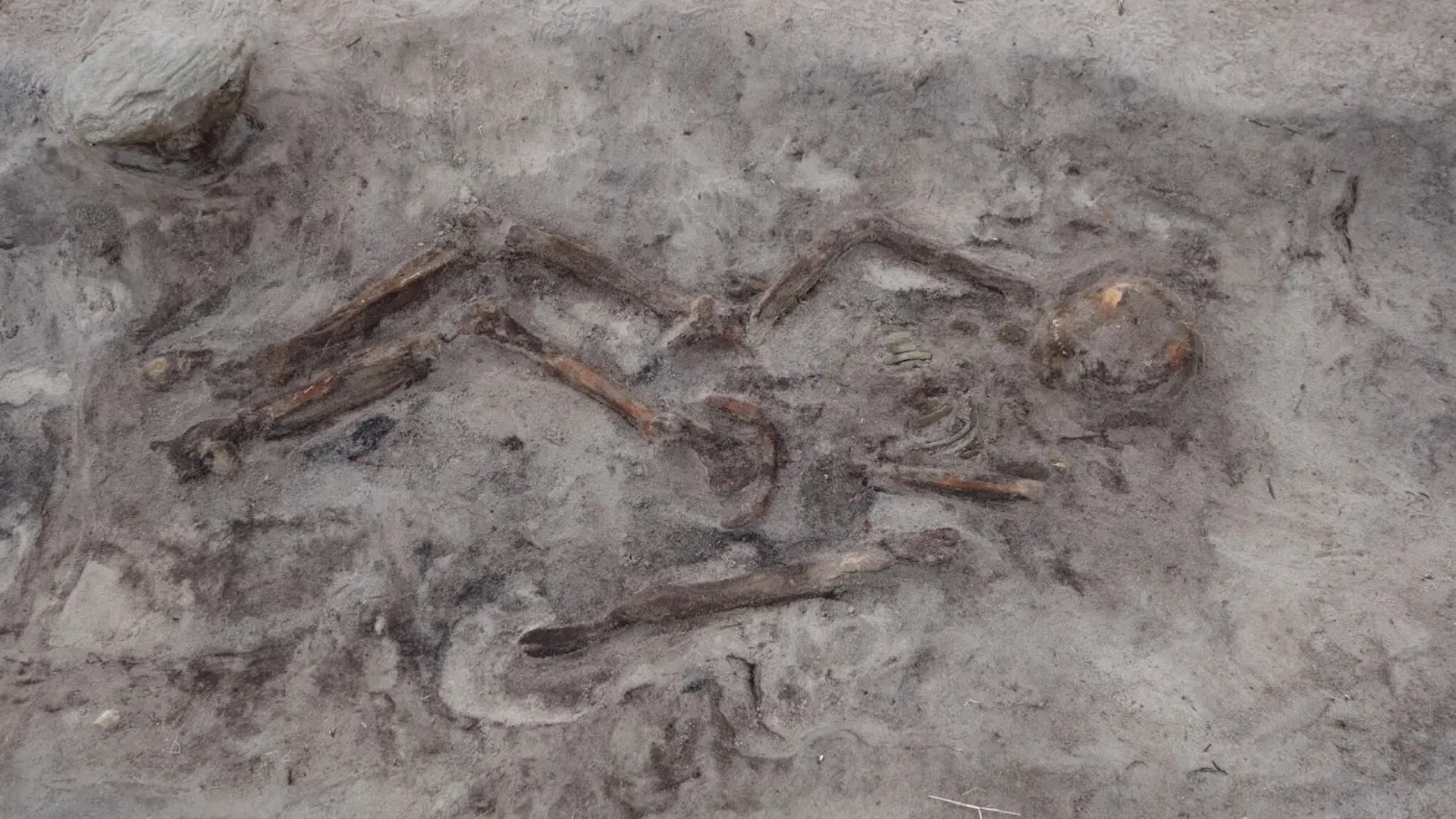
Explore An account already exists for this email address, please log in. Subscribe to our newsletterArchaeologists have unearthed a Viking Age pit filled with the dismembered remains of 10 people in the outskirts of Cambridge, England. The unusual mass grave, which also contained the skeleton of an extremely tall man who had undergone brain surgery, may be related to ninth-century conflicts among the Saxons and the Vikings.
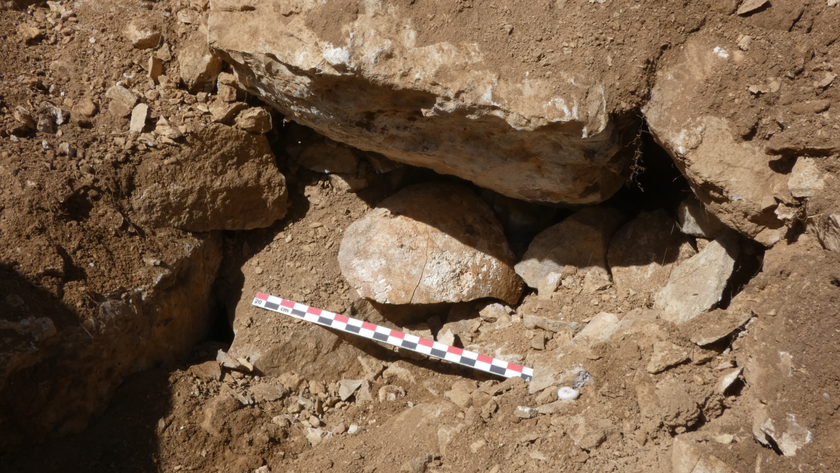
In the summer of 2025, a team of professional and student archaeologists excavated a pit during a training dig in Wandlebury Country Park, about 3 miles (5 kilometers) south of Cambridge. Previous archaeological excavation in the area revealed an Iron Age hillfort that was used in the second century. It was just outside the hillfort that the archaeologists discovered the 13-by-3.3-foot (4 by 1 meter) pit.
You may like-
 'I had never seen a skull like this before': Medieval Spanish knight who died in battle had a rare genetic condition, study finds
-
 Detectorists find Anglo-Saxon treasure hoard that may have been part of a 'ritual killing'
-
 Archaeologists discover decapitated head the Romans used as a warning to the Celts
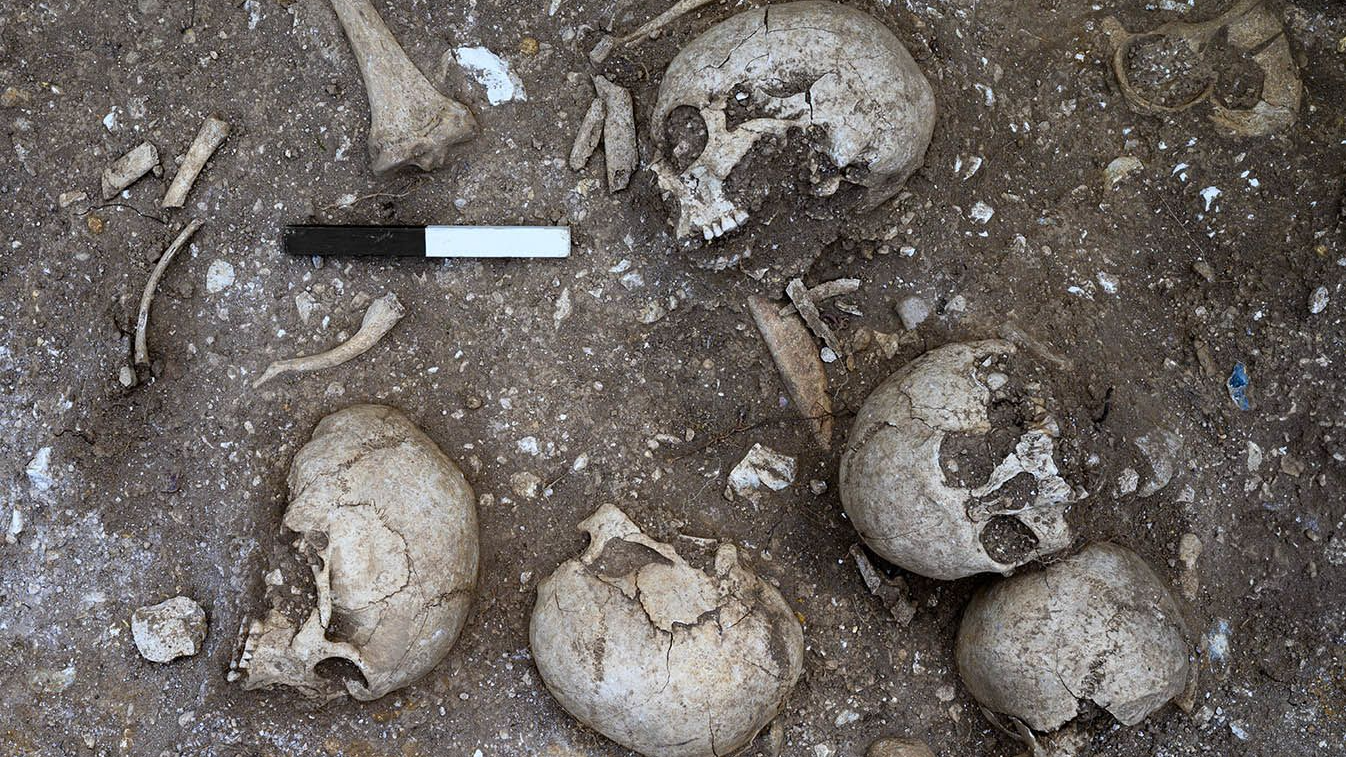
"It may be that some of the disarticulated body parts had previously been displayed as trophies and then were gathered up and interred with the executed or otherwise slaughtered individuals," Aldred said. The individual body parts "may have been in a state of decomposition and literally falling apart when they went into the pit," he added.
During the ninth century, the area that is now Cambridge was a kind of "frontier zone" in the wars between the Saxons and the Vikings, according to Aldred. One skeleton has been carbon-dated to between 772 and 891, so "we suspect the pit may relate to those conflicts," Aldred said.
But the lack of injuries associated with medieval combat means the men in the pit were likely not killed in battle. "Those buried could have been recipients of corporal punishment, and that may be connected to Wandlebury as a sacred or well-known meeting place," Aldred said.
"It was a sobering experience to identify ever more disarticulated bones and realise the extent of the suffering that had taken place," Grace Grandfield, a Cambridge undergraduate student who took part in the dig, said in the statement.
Sign up for the Live Science daily newsletter nowContact me with news and offers from other Future brandsReceive email from us on behalf of our trusted partners or sponsorsBy submitting your information you agree to the Terms & Conditions and Privacy Policy and are aged 16 or over.
A giant with a hole in his head
One particular skeleton discovered face down in the pit has given researchers insight into the individual's health issues.
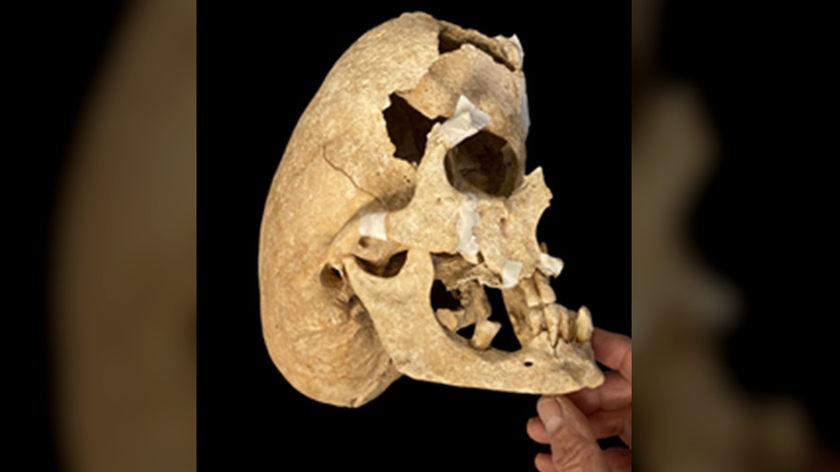
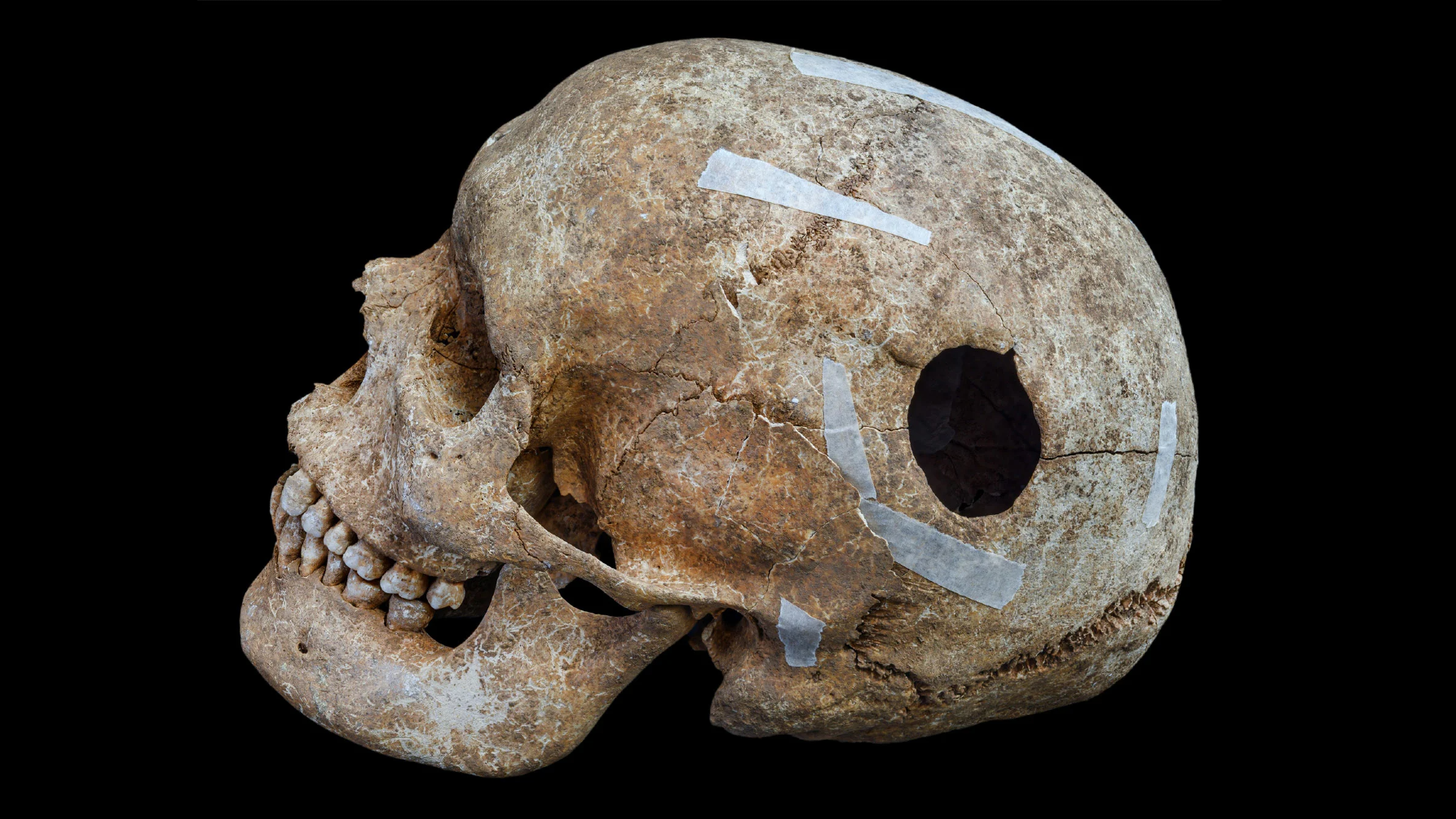
The body of a man who was between 17 and 24 years old when he died revealed he may have stood around 6 feet, 5 inches (1.95 meters) — a massive height at a time when men averaged 5 feet, 6 inches (1.68 m). He also had a 1.2-inch (3 cm) oval hole in his skull, which may have been connected to his towering stature.
"The individual may have had a tumour that affected their pituitary gland and caused an excess of growth hormones," Trish Biers, an osteologist at the University of Cambridge, said in the statement.
You may like-
'I had never seen a skull like this before': Medieval Spanish knight who died in battle had a rare genetic condition, study finds
-
Detectorists find Anglo-Saxon treasure hoard that may have been part of a 'ritual killing'
-
Archaeologists discover decapitated head the Romans used as a warning to the Celts
Pituitary gigantism is a condition characterized by the overproduction of growth hormone during adolescence and is usually caused by a benign tumor called an adenoma. The extra growth hormone causes children to grow extremely tall. This condition can strain the circulatory and skeletal systems, which must maintain a large, heavy body.
"Such a condition in the brain would have led to increased pressure in the skull, causing headaches," Biers said. This may have necessitated a form of brain surgery called trepanation, when a hole is drilled into or scraped out of the skull, exposing the brain's protective membranes.
The hole in the man's skull may have been an attempt to alleviate pressure on his brain, Biers said, which is "not uncommon with head trauma today."
RELATED STORIES—Viking Age woman found buried with scallop shells on her mouth, and archaeologists are mystified
—Viking Age burial of chieftain with 'enormous power' found in Denmark — and he may have served Harald Bluetooth
—50 Viking Age burials discovered in Denmark, including a woman in a rare 'Viking wagon'
The University of Cambridge Department of Archaeology and the Cambridge Archaeological Unit have conducted student training digs at Wandlebury for several years, but this is the first time human remains have turned up since 1976, according to the statement. The discovery was featured in a recent episode of BBC Two's "Digging for Britain."
Further scientific analysis is planned for the 10 skeletons. Experts aim to use DNA and chemical analysis techniques to investigate the people's health and ancestry. These results should also determine whether the deceased individuals were Vikings.
Viking quiz: How much do you know about these seaborne raiders, traders and explorers?
 Kristina KillgroveSocial Links NavigationStaff writer
Kristina Killgrove is a staff writer at Live Science with a focus on archaeology and paleoanthropology news. Her articles have also appeared in venues such as Forbes, Smithsonian, and Mental Floss. Kristina holds a Ph.D. in biological anthropology and an M.A. in classical archaeology from the University of North Carolina, as well as a B.A. in Latin from the University of Virginia, and she was formerly a university professor and researcher. She has received awards from the Society for American Archaeology and the American Anthropological Association for her science writing.
View MoreYou must confirm your public display name before commenting
Please logout and then login again, you will then be prompted to enter your display name.
Logout Read more 'I had never seen a skull like this before': Medieval Spanish knight who died in battle had a rare genetic condition, study finds
 Detectorists find Anglo-Saxon treasure hoard that may have been part of a 'ritual killing'
 Archaeologists discover decapitated head the Romans used as a warning to the Celts
 3,300-year-old cremations found in Scotland suggest the people died in a mysterious catastrophic event
 Medieval Hungarian duke was murdered in a brutal and coordinated attack, forensic analysis reveals
 Eerie 'sand burials' of elite Anglo-Saxons and their 'sacrificed' horse discovered near UK nuclear power plant
Latest in Vikings
Eerie 'sand burials' of elite Anglo-Saxons and their 'sacrificed' horse discovered near UK nuclear power plant
Latest in Vikings
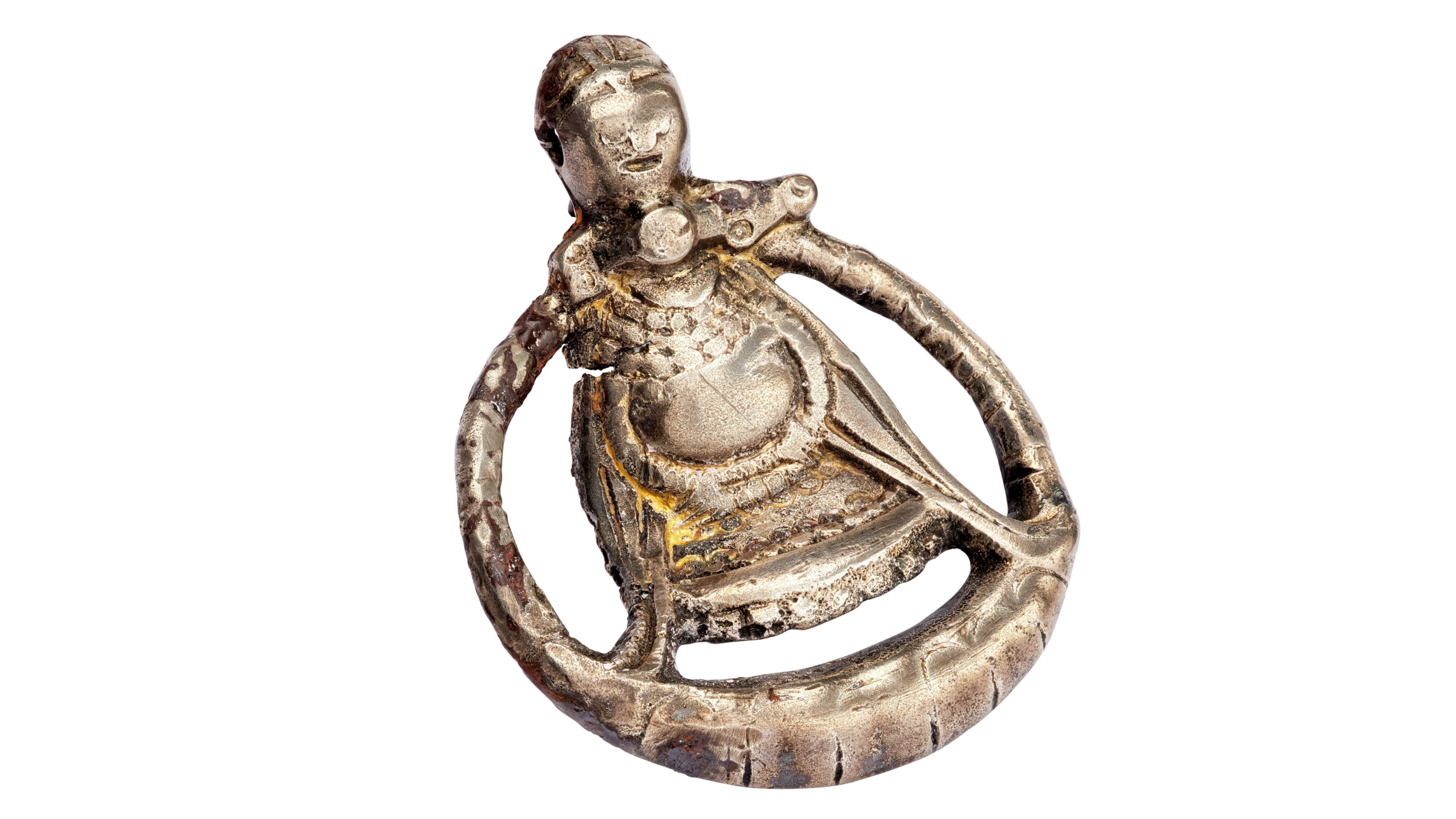 Ash Pendant: The only known depiction of a pregnant Viking woman
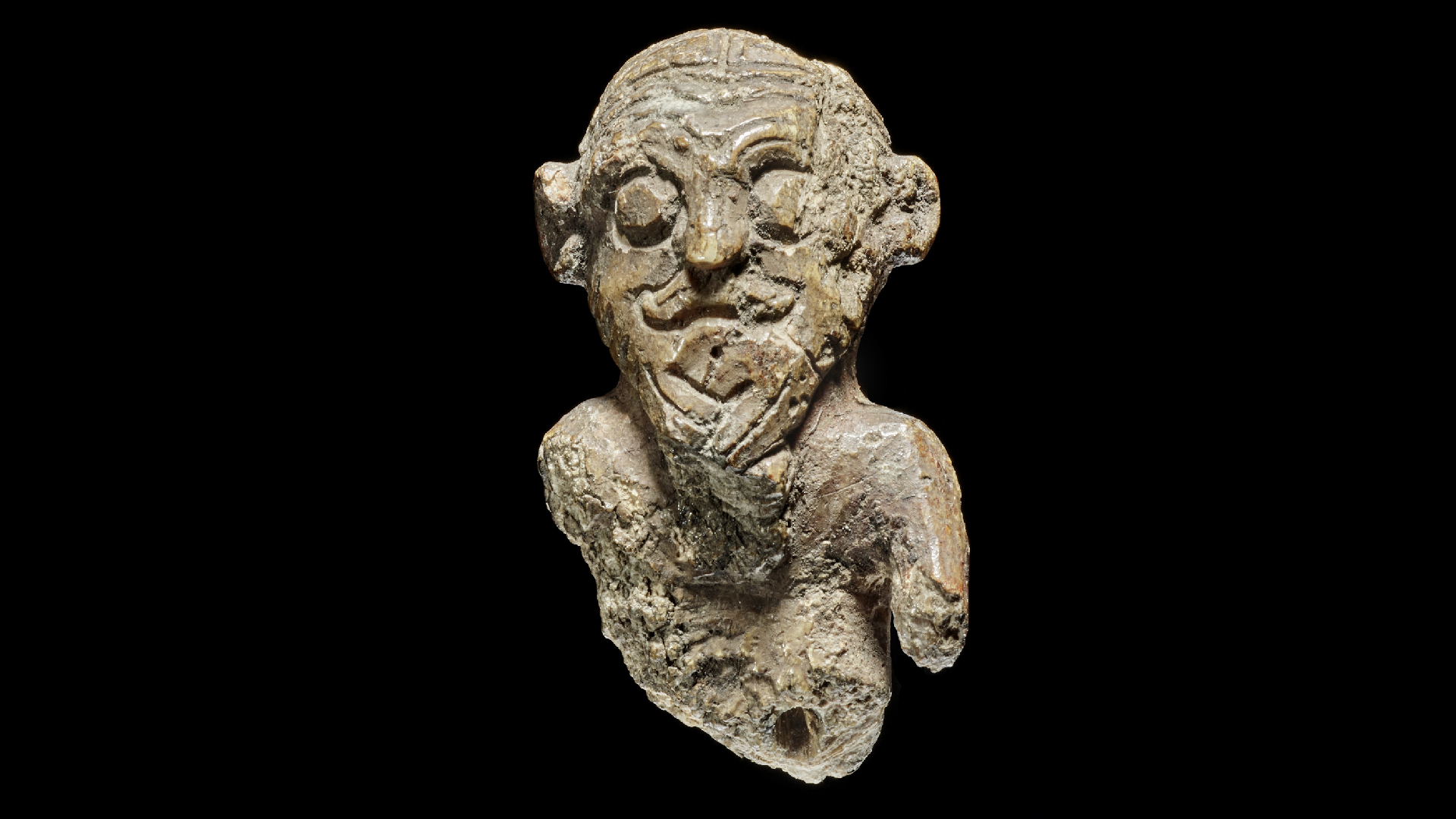 1,000-year-old 'king' game piece with a distinctive hairstyle is 'as close as we will ever get to a portrait of a Viking'
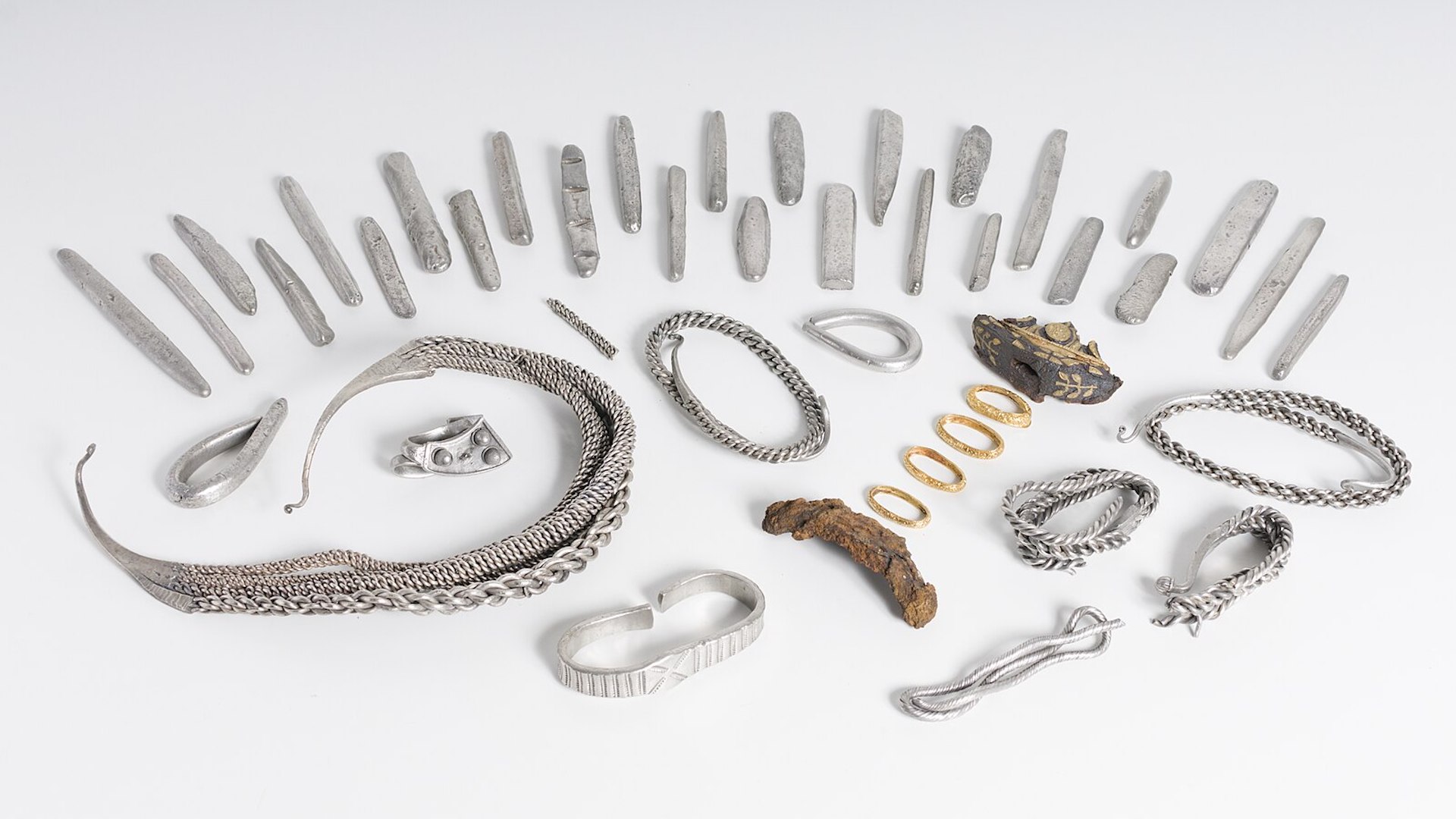 1,100-year-old Viking hoard reveals raiding wealthy only 'part of the picture' — they traded with the Middle East too
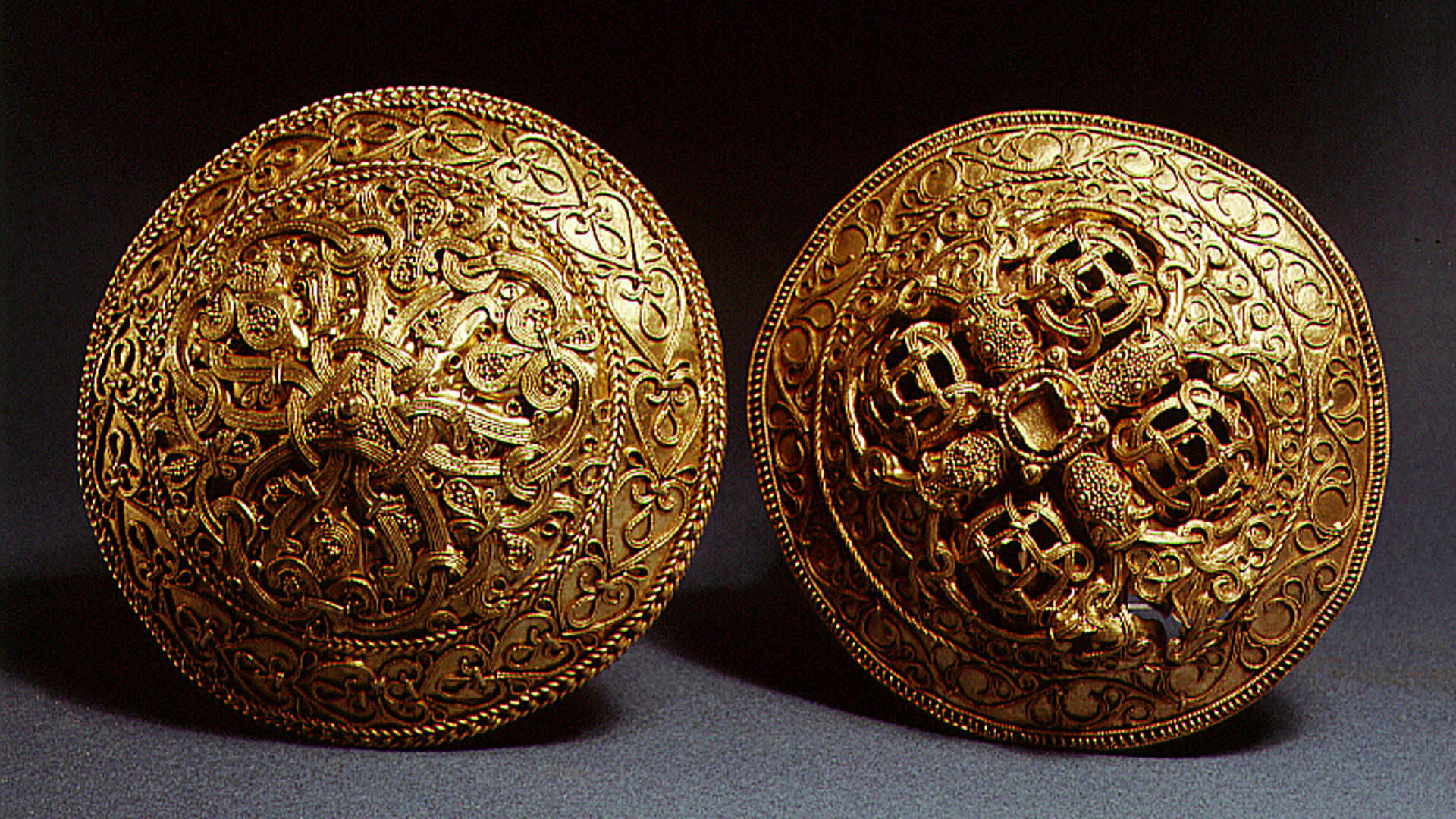 Hornelund Brooches: Viking age gold ornaments mysteriously buried in Denmark 1,000 years ago
 Viking Age burial of chieftain with 'enormous power' found in Denmark — and he may have served Harald Bluetooth
 Viking Age woman was buried with her dog in an elaborate 'boat grave,' excavations reveal
Latest in News
Viking Age mass grave holds mysterious mix of dismembered human remains and complete skeletons, including a 'giant' who'd had brain surgery
Viking Age woman was buried with her dog in an elaborate 'boat grave,' excavations reveal
Latest in News
Viking Age mass grave holds mysterious mix of dismembered human remains and complete skeletons, including a 'giant' who'd had brain surgery
 New 'sungrazing' comet could become visible to the naked eye during the day — if the sun doesn't destroy it
 Impossibly powerful 'ghost particle' that hit Earth may have come from an exploding black hole
 'There's no reason to ban us from playing': Analysis debunks notion that transgender women have inherent physical advantages in sports
 Physicists push quantum boundaries by turning a superfluid into a supersolid — and back — for the first time
 Paleo-Inuit people braved icy seas to reach remote Greenland islands 4,500 years ago, archaeologists discover
LATEST ARTICLES
Paleo-Inuit people braved icy seas to reach remote Greenland islands 4,500 years ago, archaeologists discover
LATEST ARTICLES- 1New 'sungrazing' comet could become visible to the naked eye during the day — if the sun doesn't destroy it
- 2Impossibly powerful 'ghost particle' that slammed into Earth may have come from an exploding black hole — and it could upend both particle physics and cosmology
- 3The best toddler-friendly air purifier we have tested is now at its lowest-ever price
- 4Sandals of Tutankhamun: 3,300-year-old footwear that let King Tut walk all over his enemies
- 5Paleo-Inuit people braved icy seas to reach remote Greenland islands 4,500 years ago, archaeologists discover