- Planet Earth
- Arctic
An analysis of peatland soil samples and satellite images has found that wildfires on Alaska's North Slope are more frequent and severe now than they were at any point over the past 3,000 years.
When you purchase through links on our site, we may earn an affiliate commission. Here’s how it works.
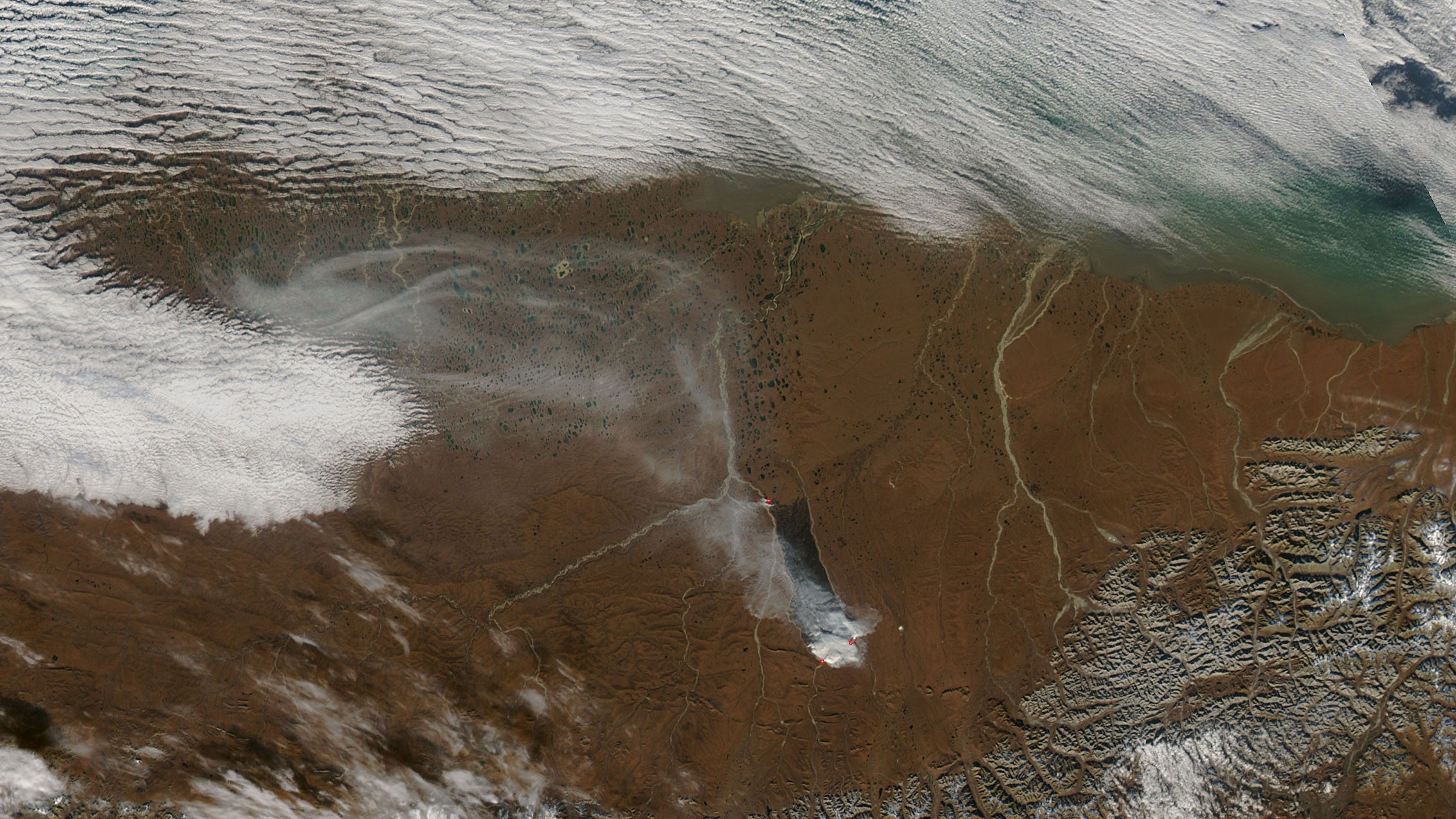 Alaska's North Slope has experienced more frequent and severe wildfires since 1950 than it has over the past 3,000 years. Here, we see a scorched rectangle of land from fires in July 2007.
(Image credit: NASA Earth Observatory)
Alaska's North Slope has experienced more frequent and severe wildfires since 1950 than it has over the past 3,000 years. Here, we see a scorched rectangle of land from fires in July 2007.
(Image credit: NASA Earth Observatory)
- Copy link
- X
Get the world’s most fascinating discoveries delivered straight to your inbox.
Become a Member in Seconds
Unlock instant access to exclusive member features.
Contact me with news and offers from other Future brands Receive email from us on behalf of our trusted partners or sponsors By submitting your information you agree to the Terms & Conditions and Privacy Policy and are aged 16 or over.You are now subscribed
Your newsletter sign-up was successful
Want to add more newsletters?

Delivered Daily
Daily Newsletter
Sign up for the latest discoveries, groundbreaking research and fascinating breakthroughs that impact you and the wider world direct to your inbox.
Signup +
Once a week
Life's Little Mysteries
Feed your curiosity with an exclusive mystery every week, solved with science and delivered direct to your inbox before it's seen anywhere else.
Signup +
Once a week
How It Works
Sign up to our free science & technology newsletter for your weekly fix of fascinating articles, quick quizzes, amazing images, and more
Signup +
Delivered daily
Space.com Newsletter
Breaking space news, the latest updates on rocket launches, skywatching events and more!
Signup +
Once a month
Watch This Space
Sign up to our monthly entertainment newsletter to keep up with all our coverage of the latest sci-fi and space movies, tv shows, games and books.
Signup +
Once a week
Night Sky This Week
Discover this week's must-see night sky events, moon phases, and stunning astrophotos. Sign up for our skywatching newsletter and explore the universe with us!
Signup +Join the club
Get full access to premium articles, exclusive features and a growing list of member rewards.
Explore An account already exists for this email address, please log in. Subscribe to our newsletterWildfires on Alaska's North Slope are more frequent and more severe now than they have been at any point over the past 3,000 years, research suggests.
The findings are based on satellite data, as well as on soil pulled from peatlands that contain ancient chunks of charcoal and other signs of wildfires. The research team says the increase in blazes, driven by permafrost thaw and tundra "shrubification," constitutes a new wildfire regime that will likely intensify as global temperatures continue to rise.
You may like-
 Huge ice dome in Greenland vanished 7,000 years ago — melting at temperatures we're racing toward today
-
 Amazon rainforest is transitioning to a 'hypertropical' climate — and trees won't survive that for long
-
 Critical moment when El Niño started to erode Russia's Arctic sea ice discovered
Researchers previously documented an increase in wildfires over recent decades on Alaska's North Slope and elsewhere in the Arctic, but the new study contextualizes these reports by examining wildfires over past millennia.
The research, published Nov. 10, 2025, in the journal Biogeosciences, reveals that the current peak in northern Alaskan fires started in the mid-20th century and hugely exceeds wildfire activity recorded as charcoal in local peatlands since about 1000 B.C. Global warming is behind the increase, the authors say, because rising temperatures create dry conditions on land as well as moisture in the atmosphere that boosts the risk of lightning, the main source of ignition in Alaska.
The soil samples in the study came from nine peatlands located between the Brooks Range and the Arctic Ocean. Many of these peatlands are covered in small shrubs and sphagnum moss (also known as peat moss), which only recently became widespread on Alaska's North Slope, where it replaced tussock-forming sedges such as Eriophorum vaginatum. Sphagnum moss can absorb moisture from the air, which is how it thrives despite drying conditions, Feurdean said. Sedges, on the other hand, need access to water in the soil to survive.
The samples were cores that measured about 1.6 feet (0.5 meters) long and encapsulated the past 3,000 years. The researchers analyzed the samples to reconstruct changes in vegetation, soil moisture and wildfire activity over time. Specifically, they inspected pollen and other plant remains; charcoal fragments; and tiny, single-celled organisms called testate amoebae, which are good indicators of water-table levels.
Sign up for the Live Science daily newsletter nowContact me with news and offers from other Future brandsReceive email from us on behalf of our trusted partners or sponsorsBy submitting your information you agree to the Terms & Conditions and Privacy Policy and are aged 16 or over.
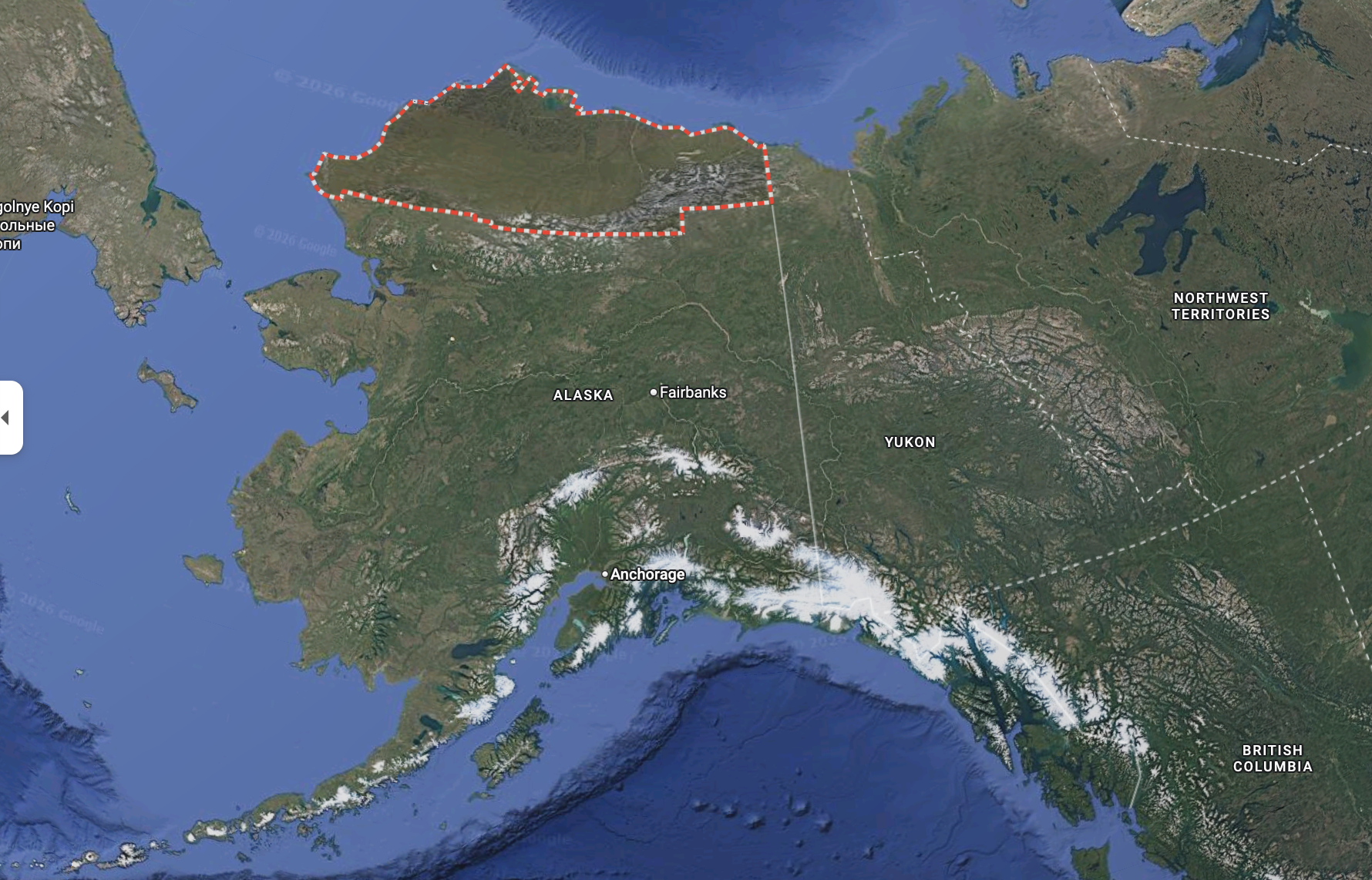
The researchers also analyzed satellite images of wildfires north of the Brooks Range between 1969 and 2023. When they combined these images with charcoal data to reconstruct the frequency and severity of fires, they found large discrepancies in the 2000s, when satellites captured huge fires but there was minimal charcoal evidence.
One explanation is that these fires were hotter than 930 degrees Fahrenheit (500 degrees Celsius) — the threshold above which charcoal turns to ash, Feurdean said. If that's the case, then the mismatch in the data over the past two decades suggests there has been an increase in extremely intense fires, she said.
Overall, the results showed a dramatic decline in soil moisture since about 1950 due to accelerating permafrost thaw, which causes surface water to sink into the ground. Plants that depend on shallow soil moisture, such as sedges and certain mosses, were replaced by shrubs — particularly shrubs in the heath family (Ericaceae) — and sphagnum moss, leading to an explosion in plant fuel for wildfires.
RELATED STORIES—'We are creating the fire equivalent of an ice age': Humans have plunged Earth into the 'Pyrocene'
—'New' island emerges from melting ice in Alaska
—Alaska's ice is melting in front of our eyes, staggering satellite shots show
Combined with a rise in temperature and lightning strikes, these effects have culminated in the most severe wildfire activity in 3,000 years, Feurdean said.
Alaska's North Slope is likely a model for what is taking place across Arctic tundra ecosystems, and we can expect wildfires to worsen if warming continues, Feurdean added.
"If you have higher temperatures, you have higher shrub cover, more flammable biomass, and then more fires," she said. "The fires will continue to be more frequent and severe."
Article SourcesArticle source: Feurdean, A., Fulweber, R., Diaconu, A., Swindles, G. T., & Gałka, M. (2025). Fire activity in the northern Arctic tundra now exceeds late Holocene levels, driven by increasing dryness and shrub expansion. Biogeosciences, 22(21), 6651–6667. https://doi.org/10.5194/bg-22-6651-2025
 Sascha PareSocial Links NavigationStaff writer
 Sascha is a U.K.-based staff writer at Live Science. She holds a bachelor’s degree in biology from the University of Southampton in England and a master’s degree in science communication from Imperial College London. Her work has appeared in The Guardian and the health website Zoe. Besides writing, she enjoys playing tennis, bread-making and browsing second-hand shops for hidden gems.
View MoreYou must confirm your public display name before commenting
Please logout and then login again, you will then be prompted to enter your display name.
Logout Read more Huge ice dome in Greenland vanished 7,000 years ago — melting at temperatures we're racing toward today
 Amazon rainforest is transitioning to a 'hypertropical' climate — and trees won't survive that for long
 Critical moment when El Niño started to erode Russia's Arctic sea ice discovered
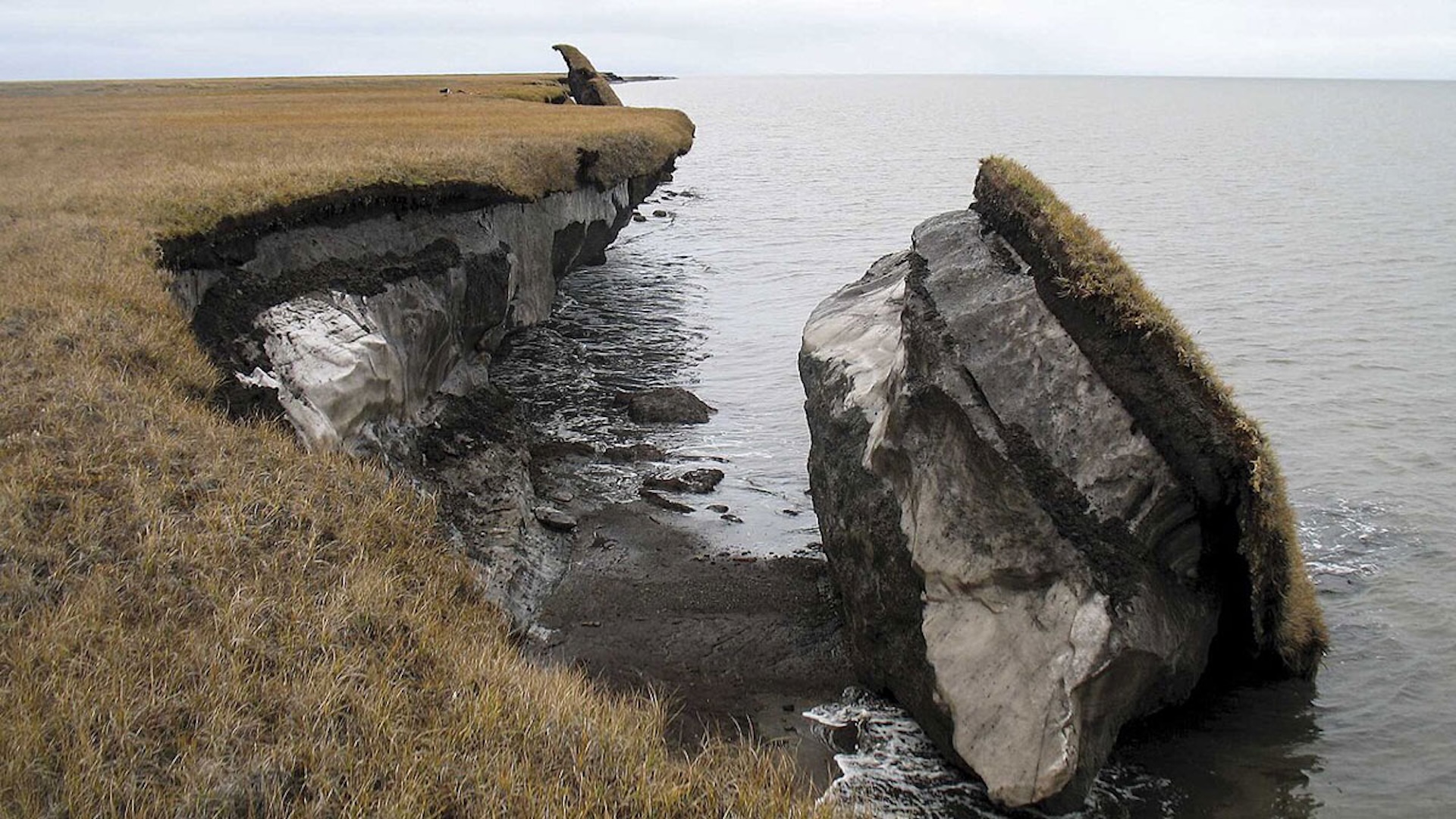 Arctic 'methane bomb' may not explode as permafrost thaws, new study suggests
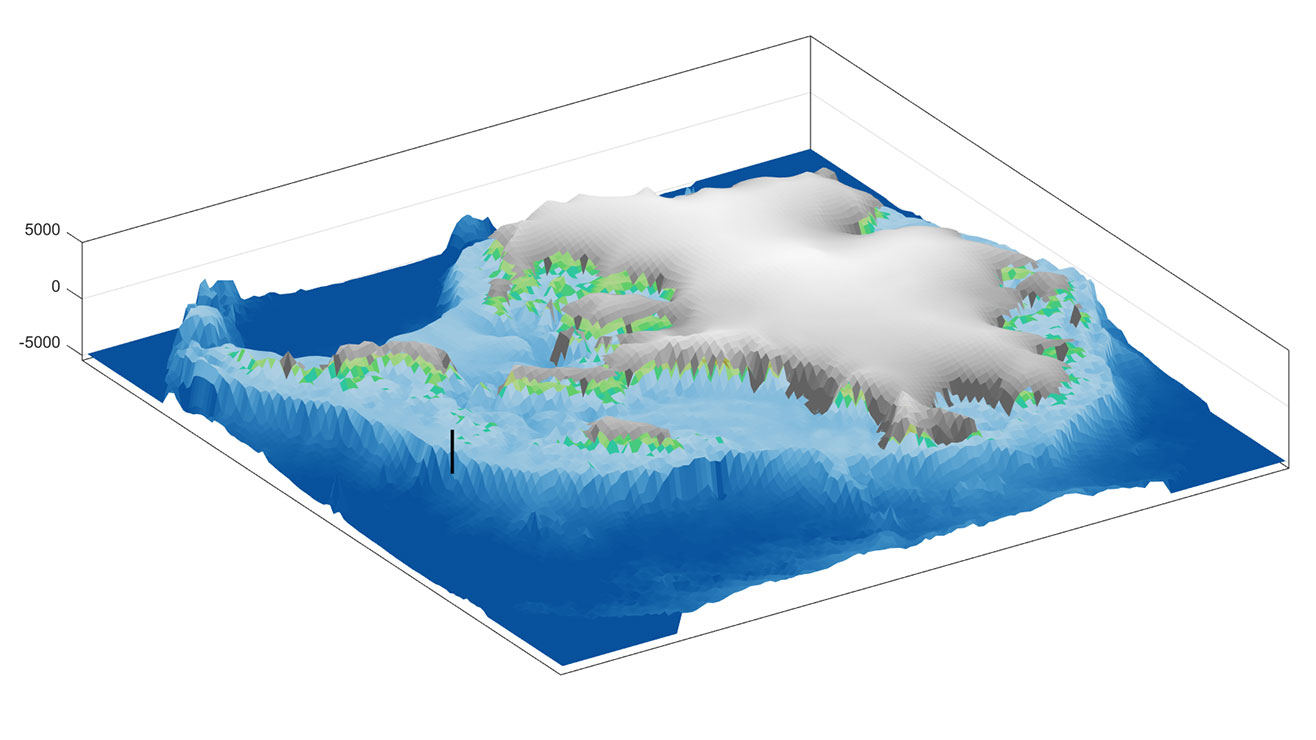 Melting of West Antarctic ice sheet could trigger catastrophic reshaping of the land beneath
 'It is simply too hot to handle': 2024 was Arab region's hottest year on record, first-of-its-kind climate report reveals
Latest in Arctic
Critical moment when El Niño started to erode Russia's Arctic sea ice discovered
Huge ice dome in Greenland vanished 7,000 years ago — melting at temperatures we're racing toward today
Arctic 'methane bomb' may not explode as permafrost thaws, new study suggests
'It is simply too hot to handle': 2024 was Arab region's hottest year on record, first-of-its-kind climate report reveals
Latest in Arctic
Critical moment when El Niño started to erode Russia's Arctic sea ice discovered
Huge ice dome in Greenland vanished 7,000 years ago — melting at temperatures we're racing toward today
Arctic 'methane bomb' may not explode as permafrost thaws, new study suggests
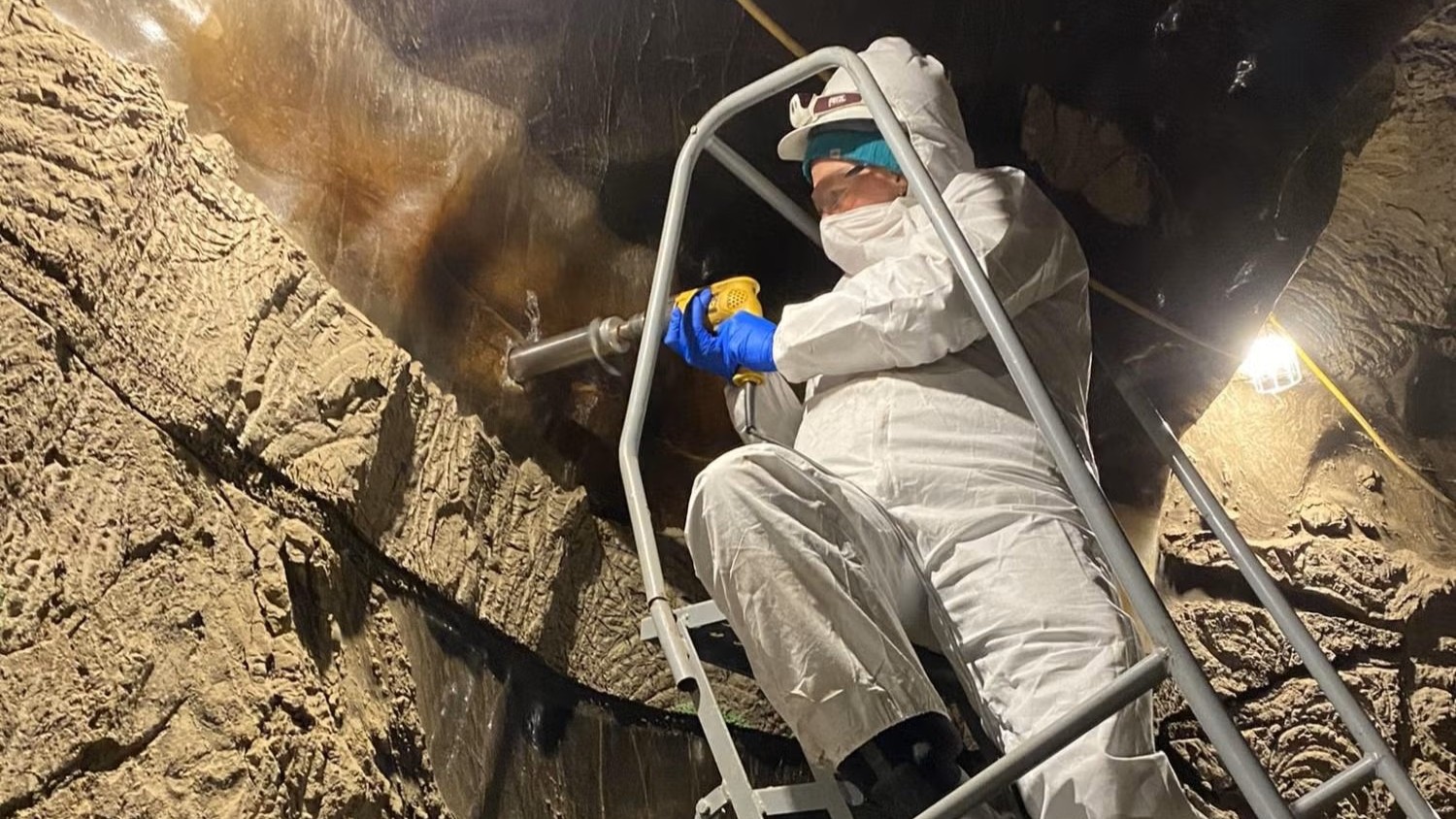 Scientists 'reawaken' ancient microbes from permafrost — and discover they start churning out CO2 soon after
 'It was so unexpected': 90 billion liters of meltwater punched its way through Greenland ice sheet in never-before-seen melting event
 New technologies are helping to regrow Arctic sea ice
Latest in News
Wildfires in northern Alaska are the worst they've been in 3,000 years
New technologies are helping to regrow Arctic sea ice
Latest in News
Wildfires in northern Alaska are the worst they've been in 3,000 years
 China has planted so many trees around the Taklamakan Desert that it's turned this 'biological void' into a carbon sink
 Needle-free insulin? Scientists invent gel that delivers insulin through the skin in animal studies
 Western Europe's earliest known mule died 2,700 years ago — and it was buried with a partially cremated woman
 Something supercharged Uranus with radiation during Voyager flyby 40 years ago. Scientists now know what.
 Scientists infiltrated volunteers' dreams to boost their creative thinking
LATEST ARTICLES
Scientists infiltrated volunteers' dreams to boost their creative thinking
LATEST ARTICLES 1World's oldest known sewn clothing may be stitched pieces of ice age hide unearthed in Oregon cave
- 2Are you a night owl or an early bird?
- 3Save $102 on our fitness experts' recommended choice as the best walking treadmill, now at one of its lowest-ever prices
- 4Needle-free insulin? Scientists invent gel that delivers insulin through the skin in animal studies
- 5We used AI as our photography assistant for a week — what worked and what did not