- Health
- Sleep
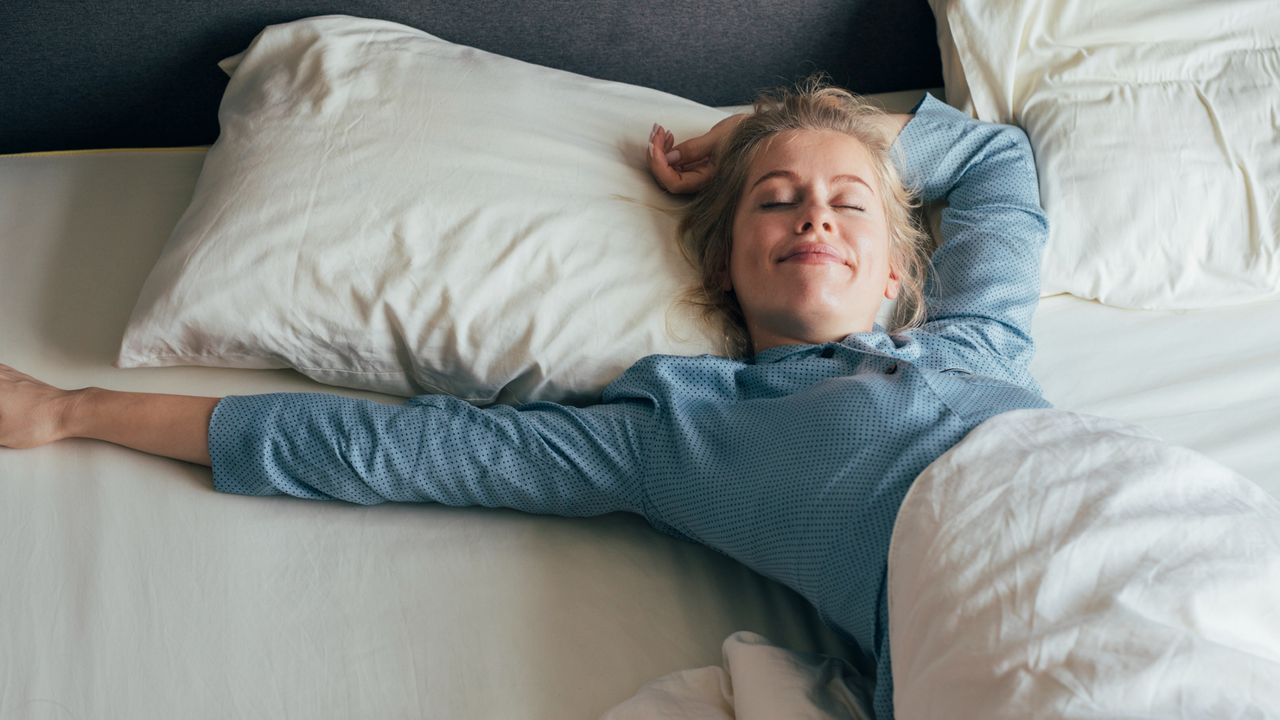
Research suggests night owls may face different health risks than early birds do. Which category do you fit into, if either?
When you purchase through links on our site, we may earn an affiliate commission. Here’s how it works.
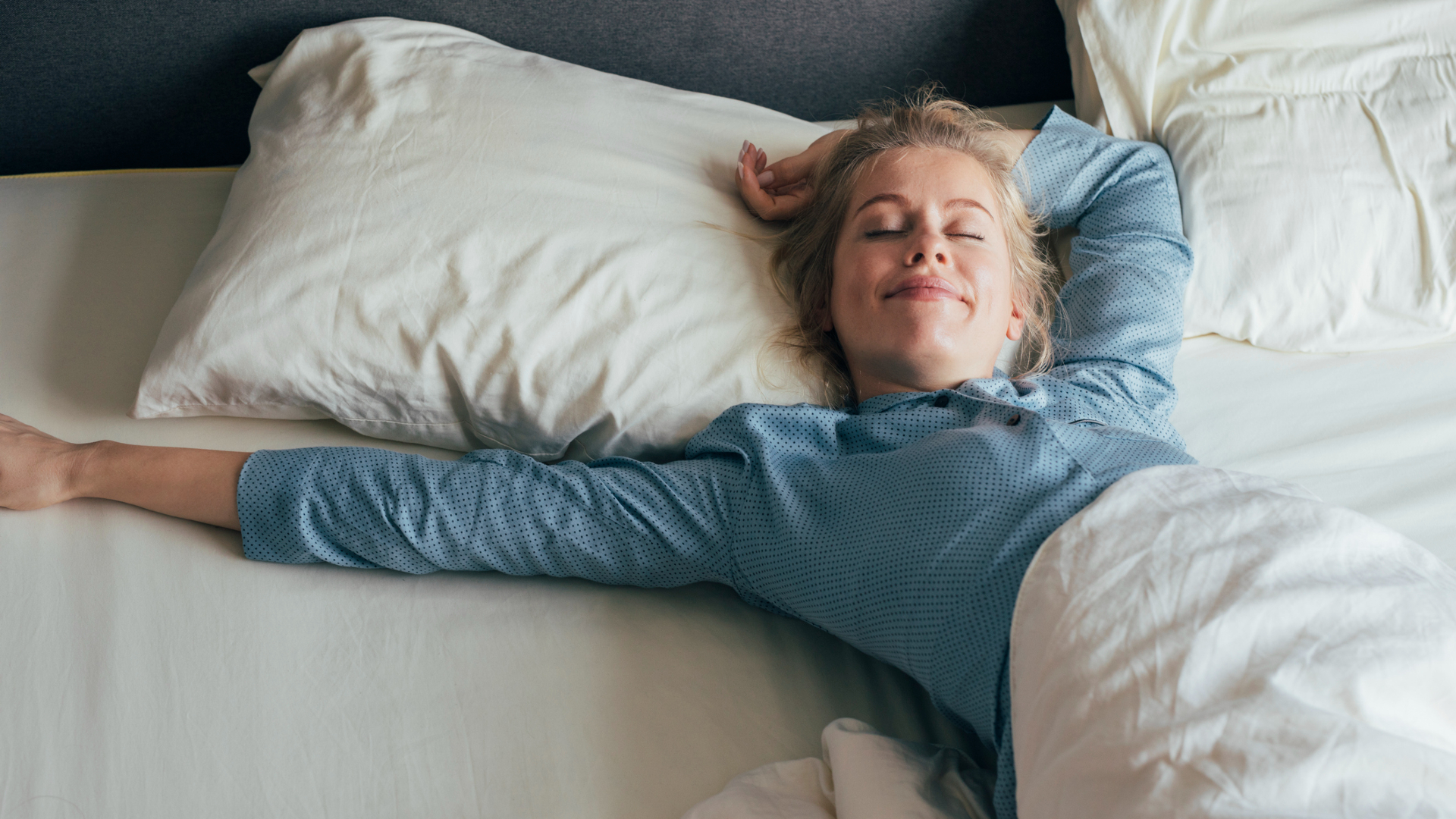 Which "chronotype" best describes you? Let us know below.
(Image credit: FreshSplash via Getty Images)
Which "chronotype" best describes you? Let us know below.
(Image credit: FreshSplash via Getty Images)
- Copy link
- X
Get the world’s most fascinating discoveries delivered straight to your inbox.
Become a Member in Seconds
Unlock instant access to exclusive member features.
Contact me with news and offers from other Future brands Receive email from us on behalf of our trusted partners or sponsors By submitting your information you agree to the Terms & Conditions and Privacy Policy and are aged 16 or over.You are now subscribed
Your newsletter sign-up was successful
Want to add more newsletters?
Delivered Daily
Daily Newsletter
Sign up for the latest discoveries, groundbreaking research and fascinating breakthroughs that impact you and the wider world direct to your inbox.
Signup +
Once a week
Life's Little Mysteries
Feed your curiosity with an exclusive mystery every week, solved with science and delivered direct to your inbox before it's seen anywhere else.
Signup +
Once a week
How It Works
Sign up to our free science & technology newsletter for your weekly fix of fascinating articles, quick quizzes, amazing images, and more
Signup +
Delivered daily
Space.com Newsletter
Breaking space news, the latest updates on rocket launches, skywatching events and more!
Signup +
Once a month
Watch This Space
Sign up to our monthly entertainment newsletter to keep up with all our coverage of the latest sci-fi and space movies, tv shows, games and books.
Signup +
Once a week
Night Sky This Week
Discover this week's must-see night sky events, moon phases, and stunning astrophotos. Sign up for our skywatching newsletter and explore the universe with us!
Signup +Join the club
Get full access to premium articles, exclusive features and a growing list of member rewards.
Explore An account already exists for this email address, please log in. Subscribe to our newsletterNight owls are known to habitually stay up late and ride a wave of energy that can carry them into the wee hours of the morning before they start to nod off. Morning people, on the other hand, tend to be most alert and energized upon waking up in the a.m., and they tucker out earlier than night owls do.
These two rhythms of wakefulness and sleepiness, known as "chronotypes," are thought to be at least partially determined by people's genetics. But research suggests that being a natural night owl may come with some downsides.
You may like-
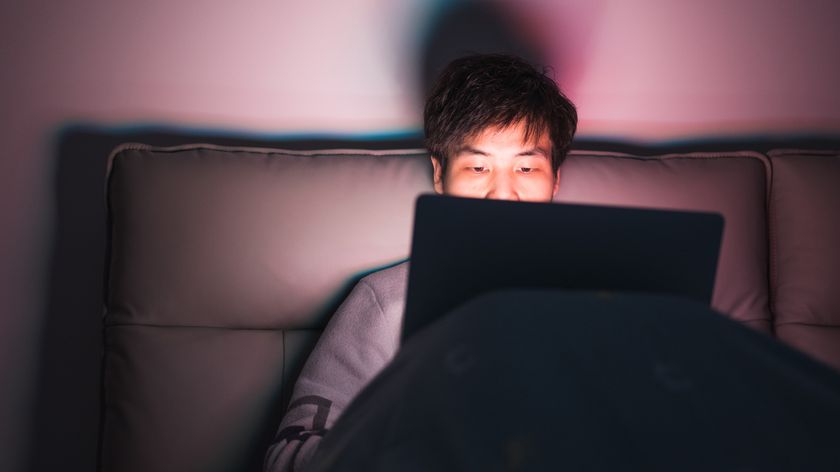 'Night owls' may have worse heart health — but why?
-
 Heart attacks are less harmful at night. And that might be key to treating them.
-
 Study reveals why the brain 'zones out' when you're exhausted
This article is for informational purposes only and is not meant to offer medical advice.
RELATED STORIES
—Night owls and morning larks, make room for 'afternoon people' and 'nappers'
—Abandoning daylight saving time could prevent over 300,000 stroke cases a year in the US, study claims
—We actually have trillions of 'body clocks,' not just one. Here's how they all work together.
 Nicoletta LaneseSocial Links NavigationChannel Editor, Health
Nicoletta Lanese is the health channel editor at Live Science and was previously a news editor and staff writer at the site. She holds a graduate certificate in science communication from UC Santa Cruz and degrees in neuroscience and dance from the University of Florida. Her work has appeared in The Scientist, Science News, the Mercury News, Mongabay and Stanford Medicine Magazine, among other outlets. Based in NYC, she also remains heavily involved in dance and performs in local choreographers' work.
View MoreYou must confirm your public display name before commenting
Please logout and then login again, you will then be prompted to enter your display name.
Logout Read more Heart attacks are less harmful at night. And that might be key to treating them.
 Study reveals why the brain 'zones out' when you're exhausted
 Insomnia and anxiety come with a weaker immune system — a new study starts to unravel why
 Tiny improvements in sleep, nutrition and exercise could significantly extend lifespan, study suggests
 It matters what time of day you get cancer treatment, study suggests
 Lifespan may be 50% heritable, study suggests
Latest in Sleep
Lifespan may be 50% heritable, study suggests
Latest in Sleep
 Scientists infiltrated volunteers' dreams to boost their creative thinking
Study reveals why the brain 'zones out' when you're exhausted
Scientists infiltrated volunteers' dreams to boost their creative thinking
Study reveals why the brain 'zones out' when you're exhausted
 'DST just seems so pointless': Poll reveals most Live Science readers want to eliminate daylight saving time
 Would you get rid of daylight saving time?
 Scientists have just defined five sleep profiles — and some could help spot mental illness
 REM sleep may reshape what we remember
Latest in Opinion
Are you a night owl or an early bird?
REM sleep may reshape what we remember
Latest in Opinion
Are you a night owl or an early bird?
 Anglo-Saxon children discovered buried with warrior gear in UK — perhaps as a nod to 'the men these children might have become'
 'It's similar to how Google can map your home without your consent': Why using aerial lasers to map an archaeology site should have Indigenous partnership
 Giving AI the ability to monitor its own thought process could help it think like humans
 'The problem isn't just Siri or Alexa': AI assistants tend to be feminine, entrenching harmful gender stereotypes
 Antibiotic resistance is the 'silent pandemic' — here are four steps to stop it
LATEST ARTICLES
Antibiotic resistance is the 'silent pandemic' — here are four steps to stop it
LATEST ARTICLES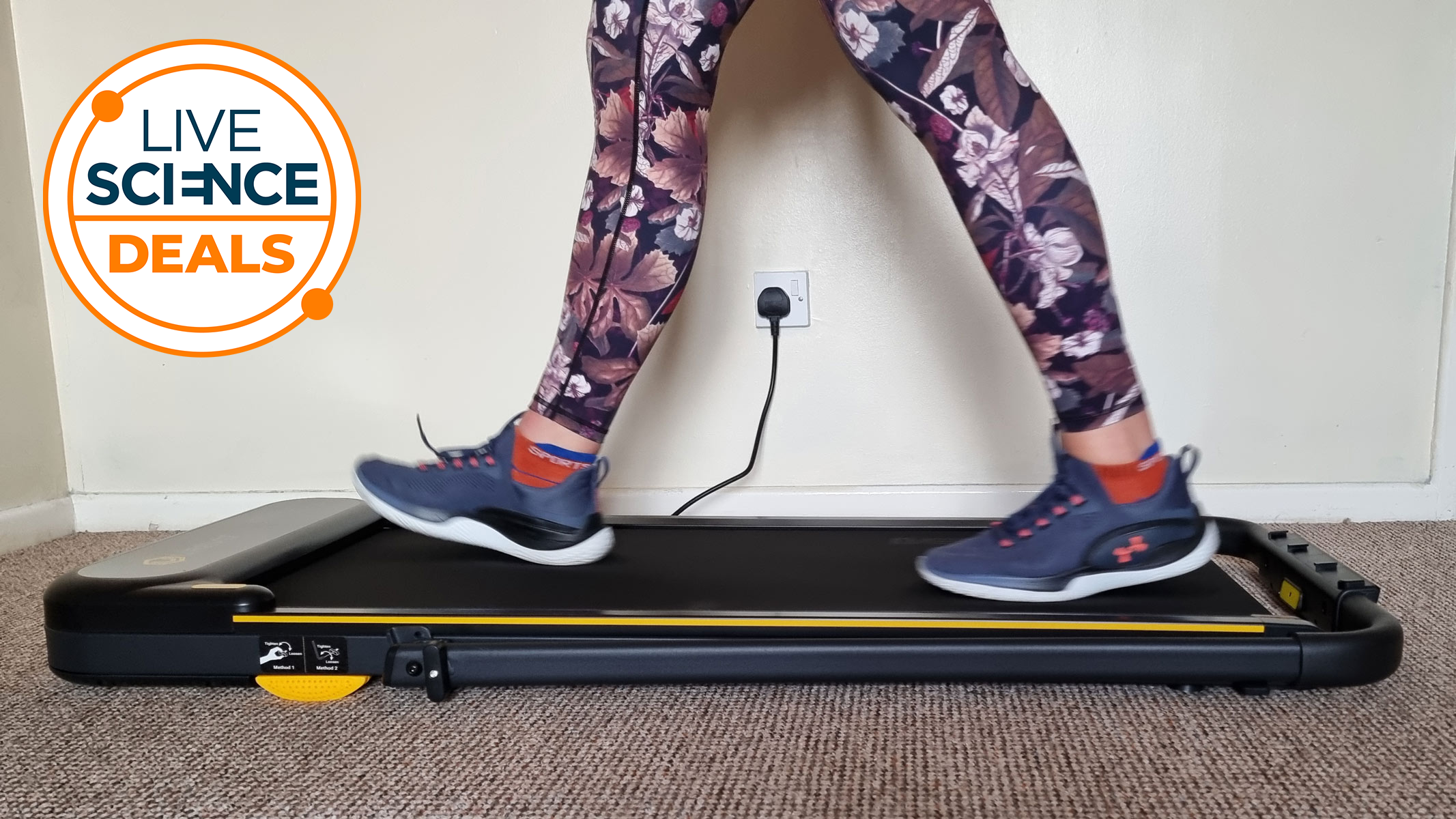 1Save $102 on our fitness experts' recommended choice as the best walking treadmill, now at one of its lowest-ever prices
- 2Needle-free insulin? Scientists invent gel that delivers insulin through the skin in animal studies
- 3We used AI as our photography assistant for a week — what worked and what did not
- 4China has planted so many trees around the Taklamakan Desert that it's turned this 'biological void' into a carbon sink
- 5Teenager contracts rare 'welder's anthrax,' marking the ninth known case ever reported