 Courtesy of Paul Mpagi Sepuya and Primary InformationMarch
6,
2026Art & Photography
/
LightboxArt & Photography /
LightboxThese playfully erotic zines capture Williamsburg’s 00s art scene
Courtesy of Paul Mpagi Sepuya and Primary InformationMarch
6,
2026Art & Photography
/
LightboxArt & Photography /
LightboxThese playfully erotic zines capture Williamsburg’s 00s art scenePaul Mpagi Sepuya’s experimental zines are collected in the new book SHOOT, bringing together the renowned photographer’s outtakes and explorations of portraiture
ShareLink copied ✔️March 6, 2026March 6, 2026TextSam MoorePaul Mpagi Sepuya, SHOOT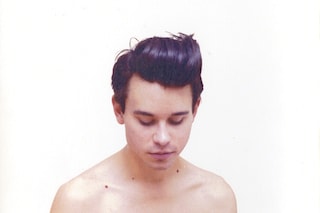
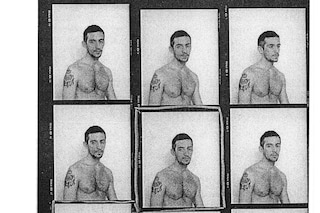
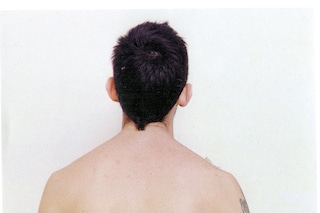
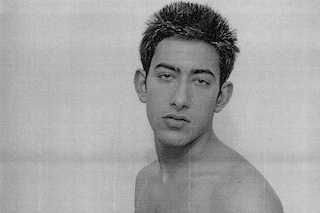
 Gallery / 8 images
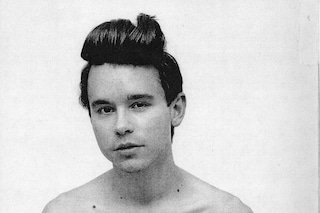
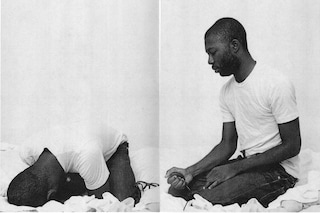
SHOOT, a new publication of old work by photographer Paul Mpagi Sepuya, exists in a strange space, in between the past and present of his artistic practice. SHOOT, as originally conceived, was a series of zines which Sepuya published between 2005 and 2007. Back then, there was an urgency to this way of distributing work. “As far as producing something tangible, it was the zine or nothing,” Sepuya tells me, stressing the fact that “it was accessible and playful”. But now, he admits, decades later, “there is a radically different audience for my work”.
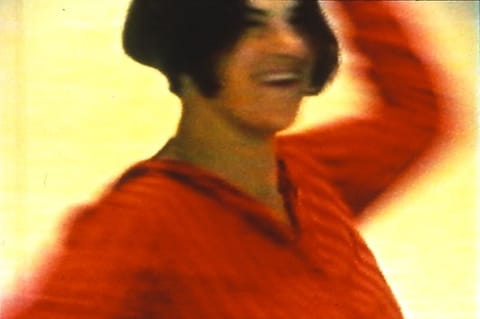
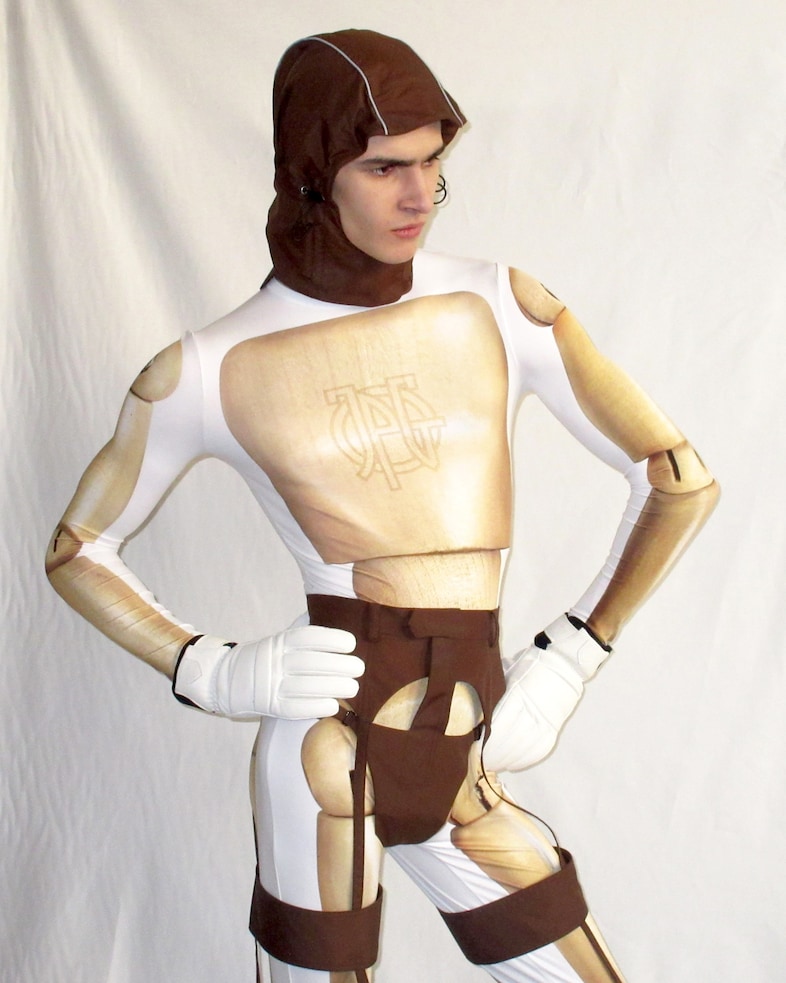
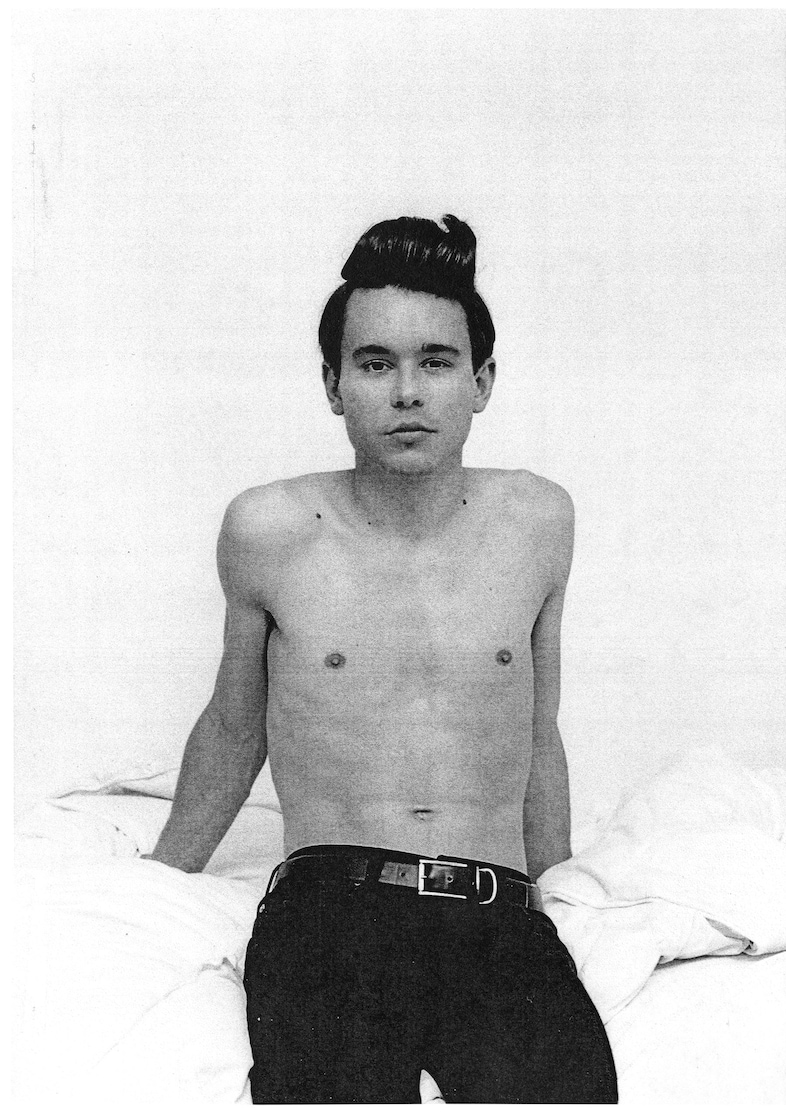
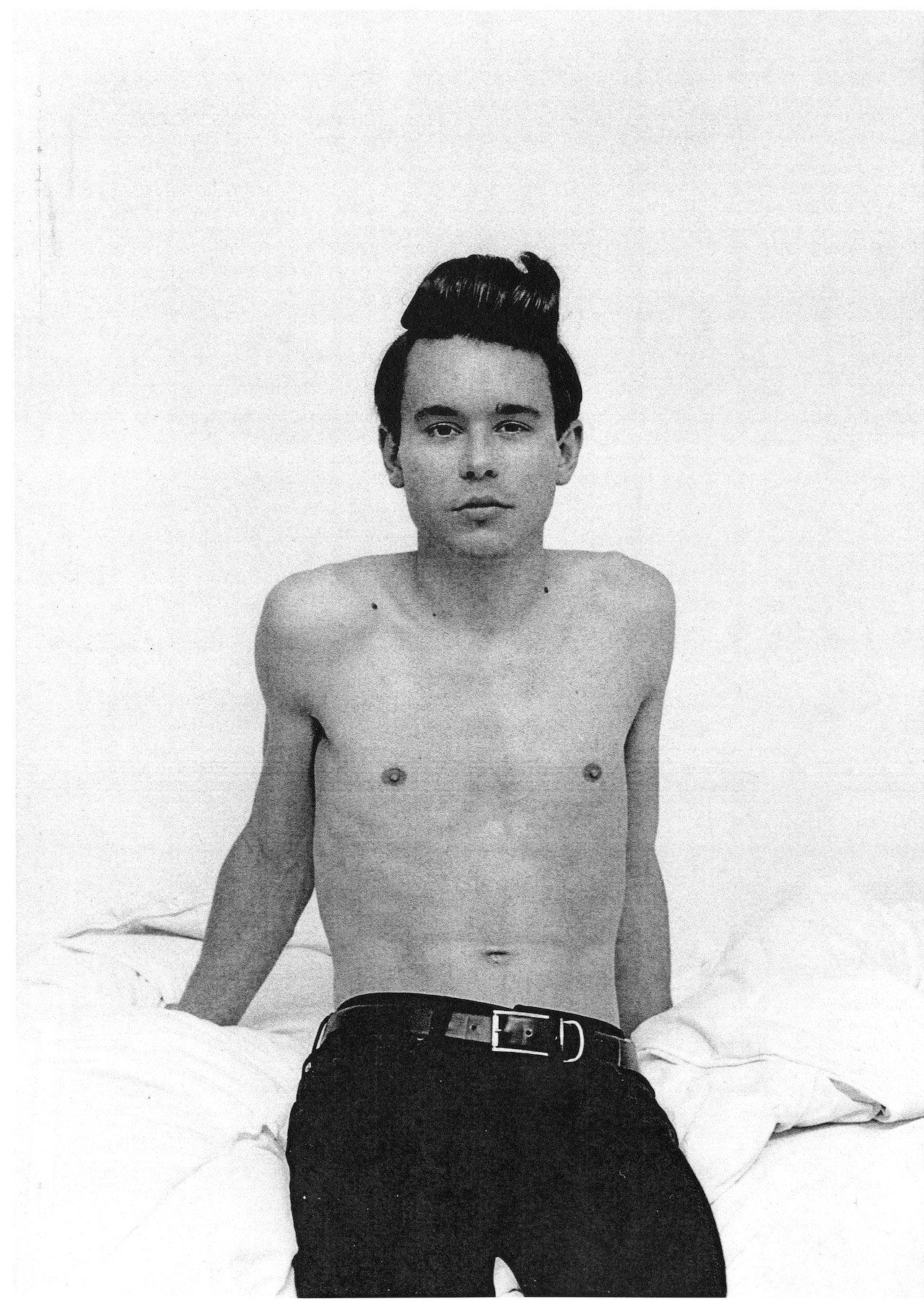
The playful nature of zines as a way of producing and disseminating work carries through to the photographs that make up SHOOT. A series of double-page spreads, the images wink at their own artifice – one subject is flanked by a camera, others by fragments of text; some stretch across both pages. “I made the first two zines from what were otherwise outtakes and additions to the ‘right’ or final portrait selection,” Sepuya says. In photography, the emphasis is often placed on finding the ‘right’ image, but he was more interested in “the accumulation of images, the contact sheets, things that reflected duration and time with multiple possibilities”. Portraiture, stretching back centuries to ornate paintings of kings, queens and aristocrats, has long been fixated on the idea of a flawless, untouchable – even unknowable – subject. By selecting these images, Sepuya presents his subjects – and photography itself – as containing multitudes, far more than could ever be contained in a single image.

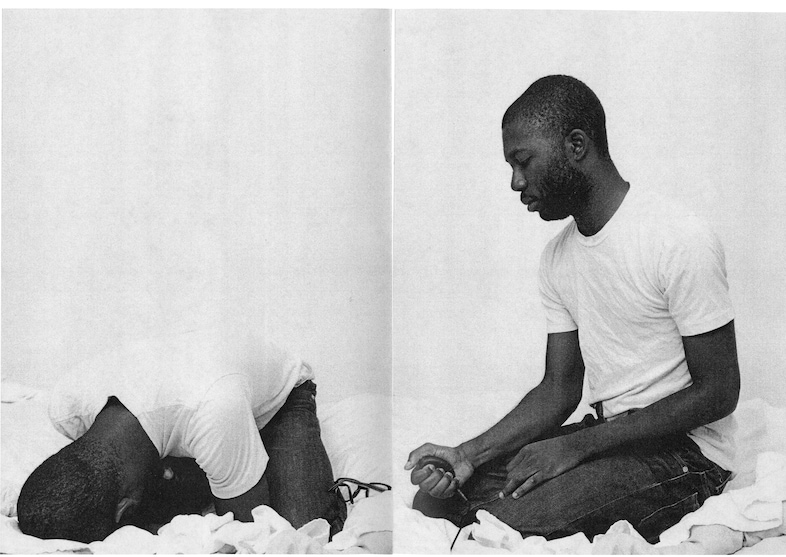 Courtesy of Paul Mpagi Sepuya and Primary Information
These multitudes are also reflected in the artist himself; this collection of zines traces the emergence and continued transformation of his practice. “The text started off incredibly earnestly [in a way that] feels cringe-worthy to me now,” Sepuya admits of some of the writing that features in the book, even as it “became more refined and sparse as the issues went on”. Through SHOOT, his work also reflects the growing importance of “friends, muses, and collaborators”, each shaped by the context in which he met them and the social worlds they inhabit. One muse is a crush that once felt “unattainable”, the shoot taking on the quality of a romance; another appeared on Artstar, a reality TV show about the art world. Sepuya himself even features in SHOOT. “I knew I had to make a self-portrait, and it was about heartbreak, but the subject of that heartbreak was not pictured.”
Sepuya confesses that some of the ways SHOOT is being considered now, as a collection, are “all in retrospect”, even if that retrospect “began probably around 2009”. This includes a growing ambivalence around “the idea that the subjects of my pictures needed to all be Black people”. Audiences, he tells me, wouldn’t “read [the] work as Black the way they did as gay”, often presuming that all of the subjects were gay, which they weren’t. For Sepuya, the work was simply capturing the world around him at the time: the Williamsburg of the 00s. “And I was being honest about the spaces I was in, for better or worse.”
What gives SHOOT its continued impact today is the way Sepuya explores these spaces and those who occupy them, challenging the limits of how a person, a body, or an art form might be perceived. These photographs offer the power of possibility – a way to consider the things so often cast aside in the name of the ‘right’ aesthetic. Even now, looking back on the work, Sepuya seems to think of the zines as alive with what might come next. “That last zine, number seven, positioned me – my hand, my eye – behind the camera, moving back and forth in a visual choreography […] and I think it was getting somewhere…”
SHOOT is published by Primary Information and is available here now.
Escape the algorithm! Get The DropEmail address SIGN UPPrivacy policy
Thank you. You have been subscribed
Privacy policy ShareLink copied ✔️More on these topicsArt & PhotographyLightboxZinesPortraitsPhoto BooksExpand your creative community and connect with 15,000 creatives from around the world.
READ MORE
‘This show is like a world’: Collier Schorr on her major new exhibition
La dolce vita: These photos explore Cortina beyond the Olympic hype
The rise of EsDeeKid in 5 tracks
Dazed Club handpicked this curator for a new show in London
Catherine Opie on ‘perverts’, Heated Rivalry and photographing neo-Nazis
FILA
From track to concrete: Fila reimagines sportswear in the city for AW26
Candid photos capture life inside a women’s prison in Mexico
Life lessons from the legendary photographer Larry Sultan
These intimate photos show the multiplicity of ‘Dykes’
The most loved photo stories from February 2026
The best art and photography shows to see in March 2026