- Animals
- Birds
Researchers have revealed that North American birds are declining at an accelerating rate in three regional hotspots associated with intense agriculture.
When you purchase through links on our site, we may earn an affiliate commission. Here’s how it works.
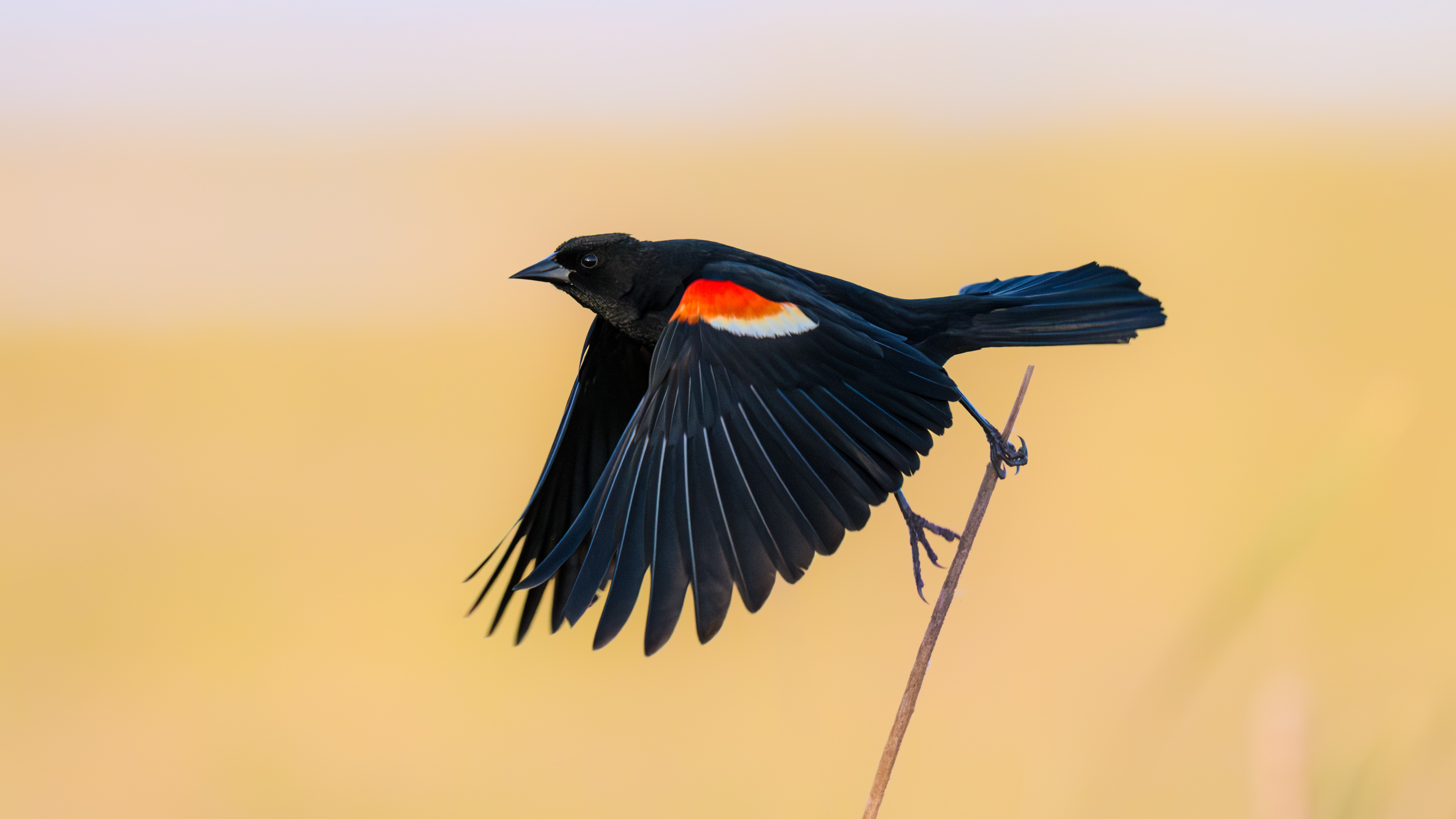 Red-winged blackbirds are among the North American birds to have experienced an accelerated decline.
(Image credit: StuartDuncanSmith via Getty Images)
Red-winged blackbirds are among the North American birds to have experienced an accelerated decline.
(Image credit: StuartDuncanSmith via Getty Images)
- Copy link
- X
Get the world’s most fascinating discoveries delivered straight to your inbox.
Become a Member in Seconds
Unlock instant access to exclusive member features.
Contact me with news and offers from other Future brands Receive email from us on behalf of our trusted partners or sponsors By submitting your information you agree to the Terms & Conditions and Privacy Policy and are aged 16 or over.You are now subscribed
Your newsletter sign-up was successful
Want to add more newsletters?

Delivered Daily
Daily Newsletter
Sign up for the latest discoveries, groundbreaking research and fascinating breakthroughs that impact you and the wider world direct to your inbox.
Signup +
Once a week
Life's Little Mysteries
Feed your curiosity with an exclusive mystery every week, solved with science and delivered direct to your inbox before it's seen anywhere else.
Signup +
Once a week
How It Works
Sign up to our free science & technology newsletter for your weekly fix of fascinating articles, quick quizzes, amazing images, and more
Signup +
Delivered daily
Space.com Newsletter
Breaking space news, the latest updates on rocket launches, skywatching events and more!
Signup +
Once a month
Watch This Space
Sign up to our monthly entertainment newsletter to keep up with all our coverage of the latest sci-fi and space movies, tv shows, games and books.
Signup +
Once a week
Night Sky This Week
Discover this week's must-see night sky events, moon phases, and stunning astrophotos. Sign up for our skywatching newsletter and explore the universe with us!
Signup +Join the club
Get full access to premium articles, exclusive features and a growing list of member rewards.
Explore An account already exists for this email address, please log in. Subscribe to our newsletterBird populations are in free fall across North America. And in some hotspots their decline is accelerating, a new study reveals.
Wild bird numbers declined at an accelerating rate in California, the Midwest and the Mid-Atlantic between 1987 and 2021. Across these hotspots, losses were associated with high-intensity agriculture, according to the study.
You may like-
 In the search for bees, Mozambique honey hunters and birds share a language with distinct, regional dialects
-
 Last of its kind dodo relative spotted in a remote Samoan rainforest
-
 Spotted lanternflies are invading the US. They may have gotten their evolutionary superpowers in China's cities.
Birds perform important roles in the ecosystem, including spreading plant seeds and keeping insect populations under control. For decades, scientists have been concerned that bird populations are falling due to human activities, both in North America and globally — a plight shared by many other animals. What's special about the new research is that it reveals how the decline in North America has accelerated since the late 1980s.
"We are not talking about the decline but the acceleration of the decline," study lead author François Leroy, a postdoctoral researcher in macroecology at The Ohio State University, told Live Science. "We see that this decline is getting faster and faster with the intensification of human activities."
Leroy and his colleagues mapped bird decline by studying data from the North American Breeding Bird Survey, which is an annual surveying effort by professional biologists and skilled amateurs to monitor bird populations across North America. As a part of the survey, participants walk along specific routes and record the birds they find.
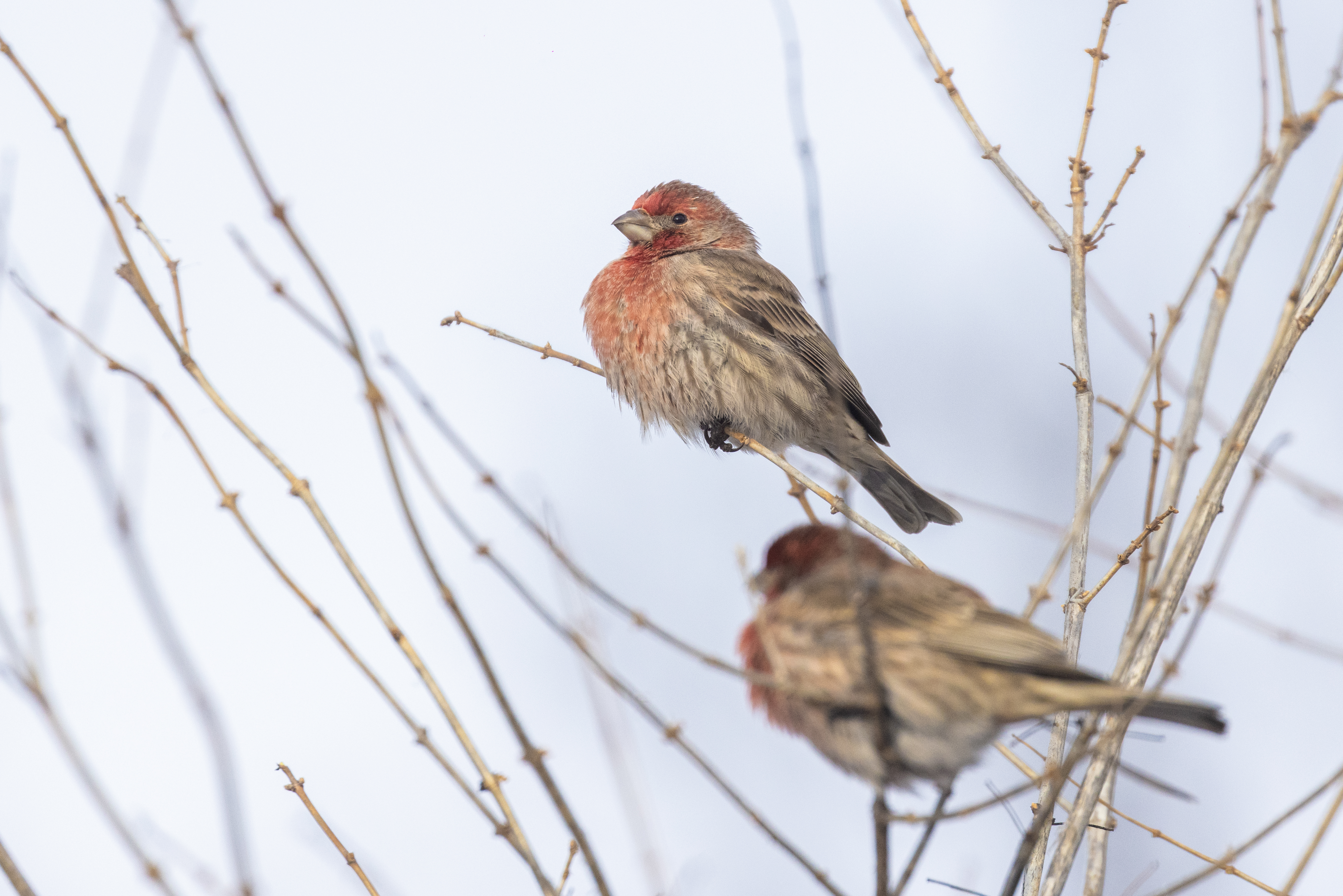
Sign up for the Live Science daily newsletter nowContact me with news and offers from other Future brandsReceive email from us on behalf of our trusted partners or sponsorsBy submitting your information you agree to the Terms & Conditions and Privacy Policy and are aged 16 or over.The researchers focused on specific routes with enough data to measure the rate of decline over 35 years. These routes were primarily in the U.S. and included 261 bird species. Across all of the species surveyed, the overall abundance of birds fell by at least 15%, with significant drops documented in about half (122) of the species and accelerating declines reported in about a quarter (63) of the species. Common birds — like red-winged blackbirds (Agelaius phoeniceus), house finches (Haemorhous mexicanus) and American crows (Corvus brachyrhynchos) — were among the native species found to have suffered an accelerated decline.
The study focused on the rate of decline in specific routes, so it's unclear how many individual birds were lost across the entire continent during the study period. However, previous research has found that billions of birds have disappeared in recent decades.
A 2019 study published in the journal Science estimated that the North American bird population decreased by 2.9 billion individual birds between 1970 and 2017. That estimate equated to a drop of 29%, which is almost double the 15% decline documented in the new study. However, the 2019 study also covered an earlier and longer time period when there may have been more severe losses.
You may like-
Spotted lanternflies are invading the US. They may have gotten their evolutionary superpowers in China's cities.
-
 Pumas in Patagonia started feasting on penguins — but now they're behaving strangely, a new study finds
-
 Extraordinary photo captures first appearance of Siberian peregrine falcon in Australia's arid center
People only started surveying North American birds in the second half of the 20th century, but we've been killing them directly and indirectly for much longer than that. For example, commercial hunting by humans forced passenger pigeons (Ectopistes migratorius), a species estimated to have once had a population of 3 billion to 5 billion, to extinction in 1914.
What caused the "birdemic"?
The new study demonstrated that birds were incurring losses not just at the species level but across whole families of species and across different habitats. To better understand the worrying trend, the researchers compared the bird data to potential contributing factors, such as temperature change, rainfall and land-cover changes.
The acceleration of bird decline coincided with large areas of croplands and high usage of fertilizers and pesticides, which are signs of intense agriculture. This tracks with research in Europe that has found that agricultural intensification has negatively impacted bird diversity.
Intense agriculture can destroy, change and break up traditional bird habitat. The amount of land used for farming in the U.S. hasn't changed that much since the 1980s. Agriculture has become more consolidated in that time, with a decline in midsize farms and a shift to larger farming operations, but there's slightly less land being used for farming overall. Thus, the bird losses can't be blamed solely on the amount of farmland. However, they could be the result of changes in farming practices.
Leroy said that from the new study, it's not really possible to say which specific practice in agriculture is the worst for bird losses. However, he noted that from previously published studies, it seems like pesticide use is one of the main suspects.
A 2023 study published in the journal PNAS found that the use of pesticides and fertilizers was the key to agricultural intensification being the main pressure behind most bird population drops, particularly in birds that feed on invertebrates. Most disappearing bird species depend on insects for food, and insects are in steep decline as they are killed through the use of pesticides. Birds also consume pesticides directly.
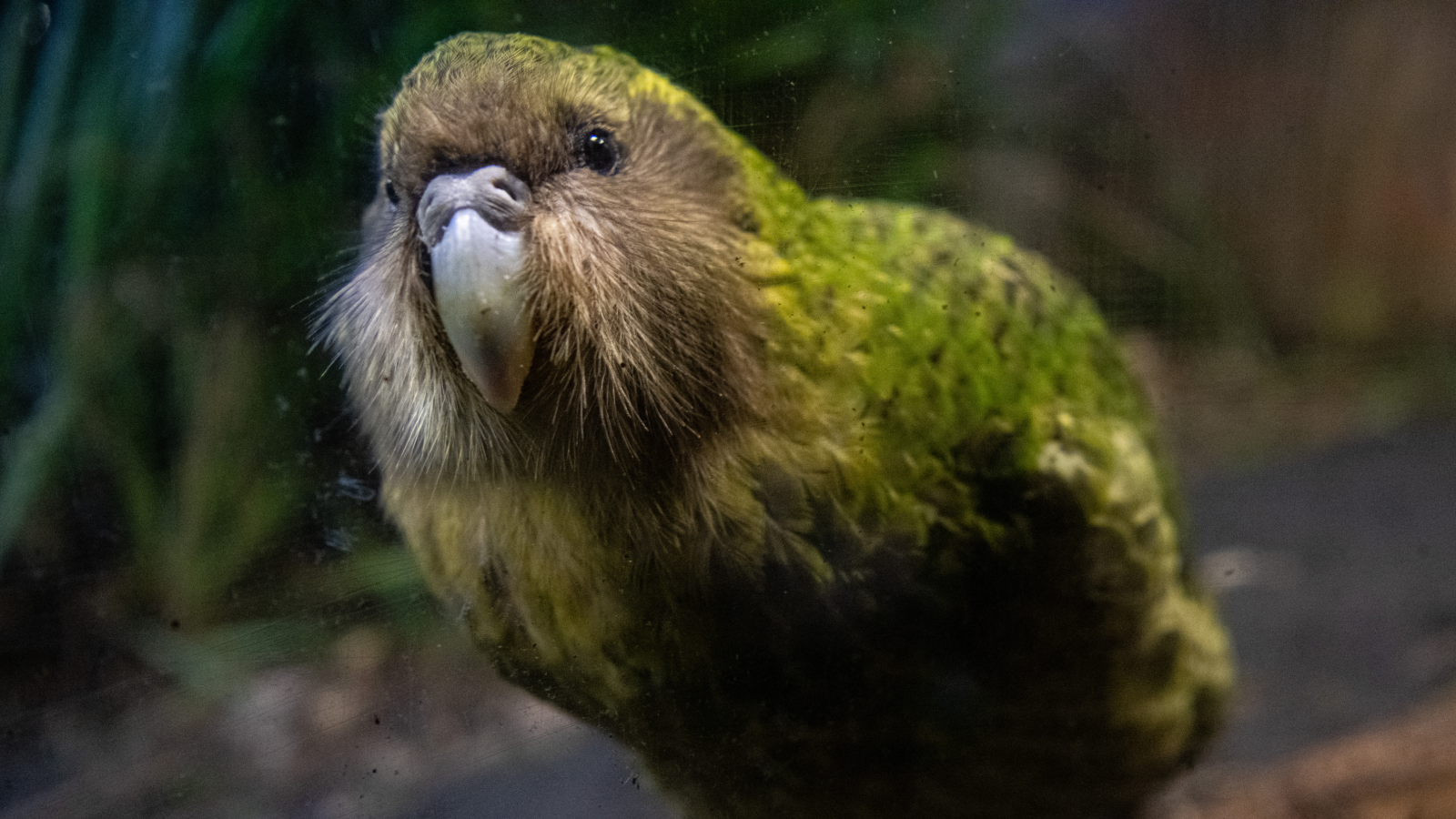
Related:—Rare nocturnal parrots in New Zealand are breeding for the first time in 4 years — here's why
—In the search for bees, Mozambique honey hunters and birds share a language with distinct, regional dialects
—Last of its kind dodo relative spotted in a remote Samoan rainforest
Leroy said he would like to see what farmers think about the correlation between agricultural intensification and bird losses. He and his co-authors also noted in the study that agriculture warms landscapes by reducing the amount of vegetation and altering its properties, which may then amplify warming impacts on birds.
While the findings were mostly bad news for birds, there were some bright spots. For example, the researchers found some local increases in forest bird populations, which likely benefited from the reforesting of old farmland. There was also a small pocket of land just north of the U.S.-Canada border where the overall abundance of birds increased — the only region in which this occurred. However, Leroy said he had "no clue" why this was the case.
"It doesn't mean that Canada is doing better because if you look at other regions in Canada, there were also some significant declines," he added.
TOPICS agriculture biodiversity Patrick PesterSocial Links NavigationTrending News Writer
Patrick Pester is the trending news writer at Live Science. His work has appeared on other science websites, such as BBC Science Focus and Scientific American. Patrick retrained as a journalist after spending his early career working in zoos and wildlife conservation. He was awarded the Master's Excellence Scholarship to study at Cardiff University where he completed a master's degree in international journalism. He also has a second master's degree in biodiversity, evolution and conservation in action from Middlesex University London. When he isn't writing news, Patrick investigates the sale of human remains.
View MoreYou must confirm your public display name before commenting
Please logout and then login again, you will then be prompted to enter your display name.
Logout Read more
Spotted lanternflies are invading the US. They may have gotten their evolutionary superpowers in China's cities.
Pumas in Patagonia started feasting on penguins — but now they're behaving strangely, a new study finds
Extraordinary photo captures first appearance of Siberian peregrine falcon in Australia's arid center
 Permafrost thaw and 'shrubification' have tipped Alaska's North Slope into a wildfire regime not seen for 3,000 years
 18 of Earth's biggest river deltas — including the Nile and Amazon — are sinking faster than global sea levels are rising
 Earth's seasons vary wildly, even at the same latitude, new research finds
Latest in Birds
Extraordinary photo captures first appearance of Siberian peregrine falcon in Australia's arid center
In the search for bees, Mozambique honey hunters and birds share a language with distinct, regional dialects
Earth's seasons vary wildly, even at the same latitude, new research finds
Latest in Birds
Extraordinary photo captures first appearance of Siberian peregrine falcon in Australia's arid center
In the search for bees, Mozambique honey hunters and birds share a language with distinct, regional dialects
 Rare nocturnal parrots in New Zealand are breeding for the first time in 4 years — here's why
Last of its kind dodo relative spotted in a remote Samoan rainforest
Rare nocturnal parrots in New Zealand are breeding for the first time in 4 years — here's why
Last of its kind dodo relative spotted in a remote Samoan rainforest
 Why do vultures circle?
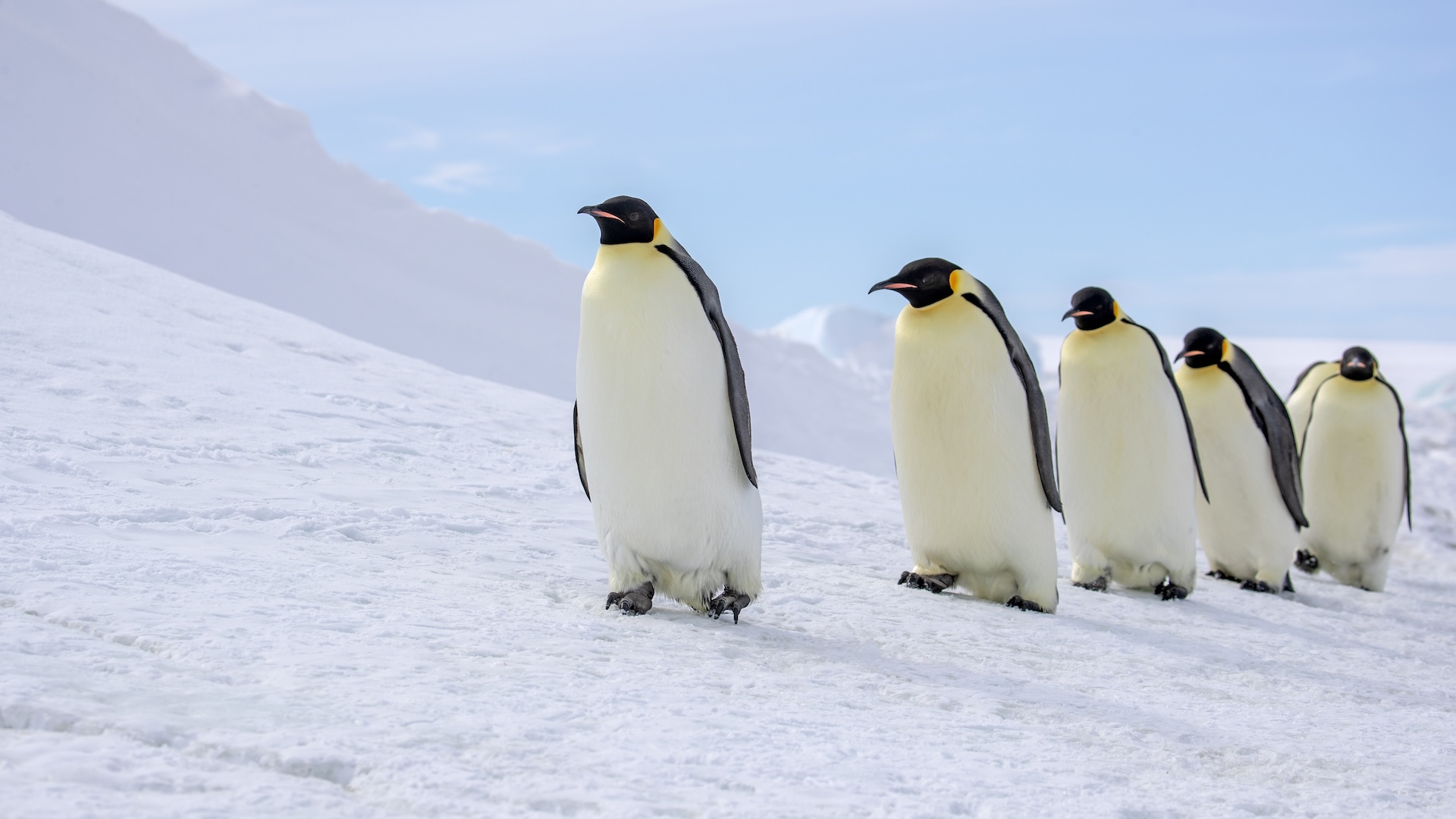 Fossil of huge penguin that lived 3 million years ago discovered in New Zealand — what happened to it?
Latest in News
Birds are declining faster and faster in 3 US hotspots, new study finds
Fossil of huge penguin that lived 3 million years ago discovered in New Zealand — what happened to it?
Latest in News
Birds are declining faster and faster in 3 US hotspots, new study finds
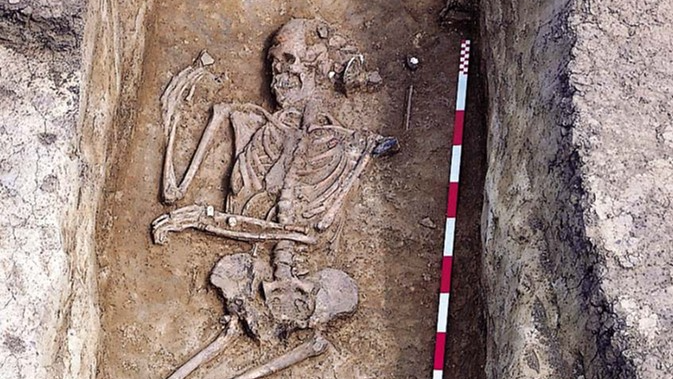 Stone Age woman was buried like a man, revealing flexible gender roles 7,000 years ago in Hungary
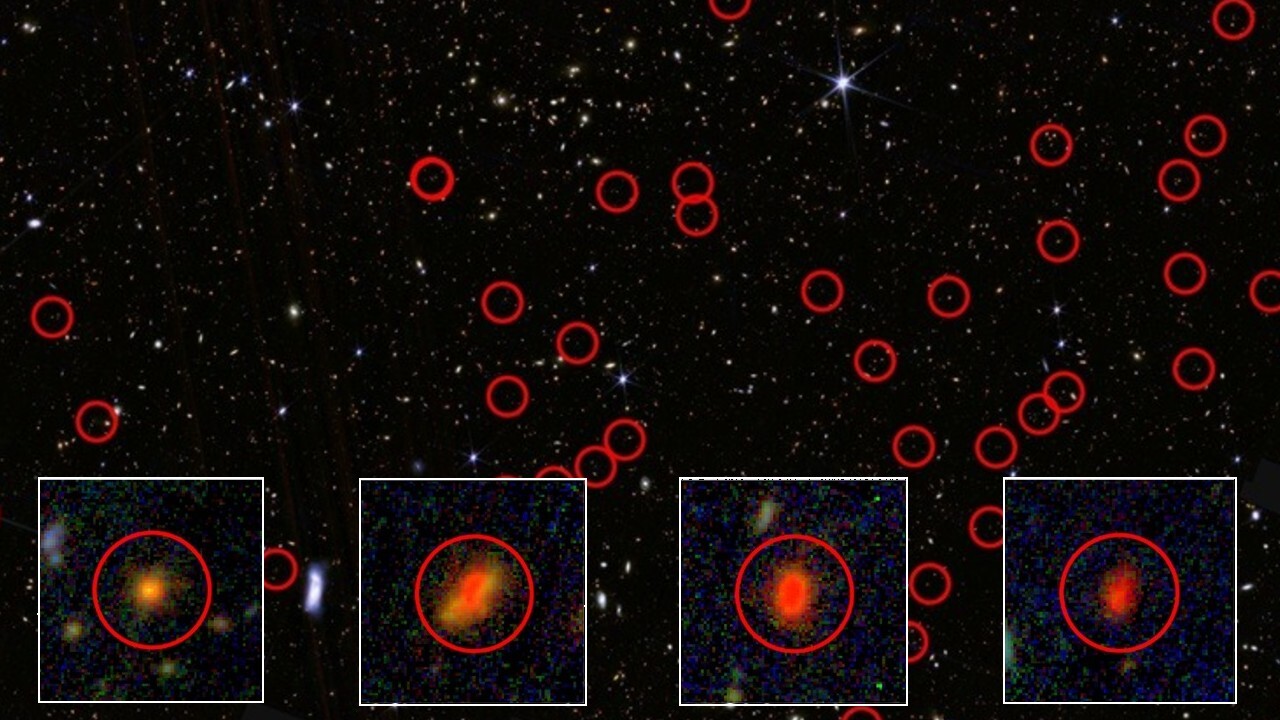 Mysterious 'dots' discovered by Webb telescope may be the first stars in the universe on the verge of collapse
 Gold coin discovered by a metal detectorist in the UK may have been dropped by a Viking invader from the Great Heathen Army
 'Collective hum' of black holes could settle the debate over new physics
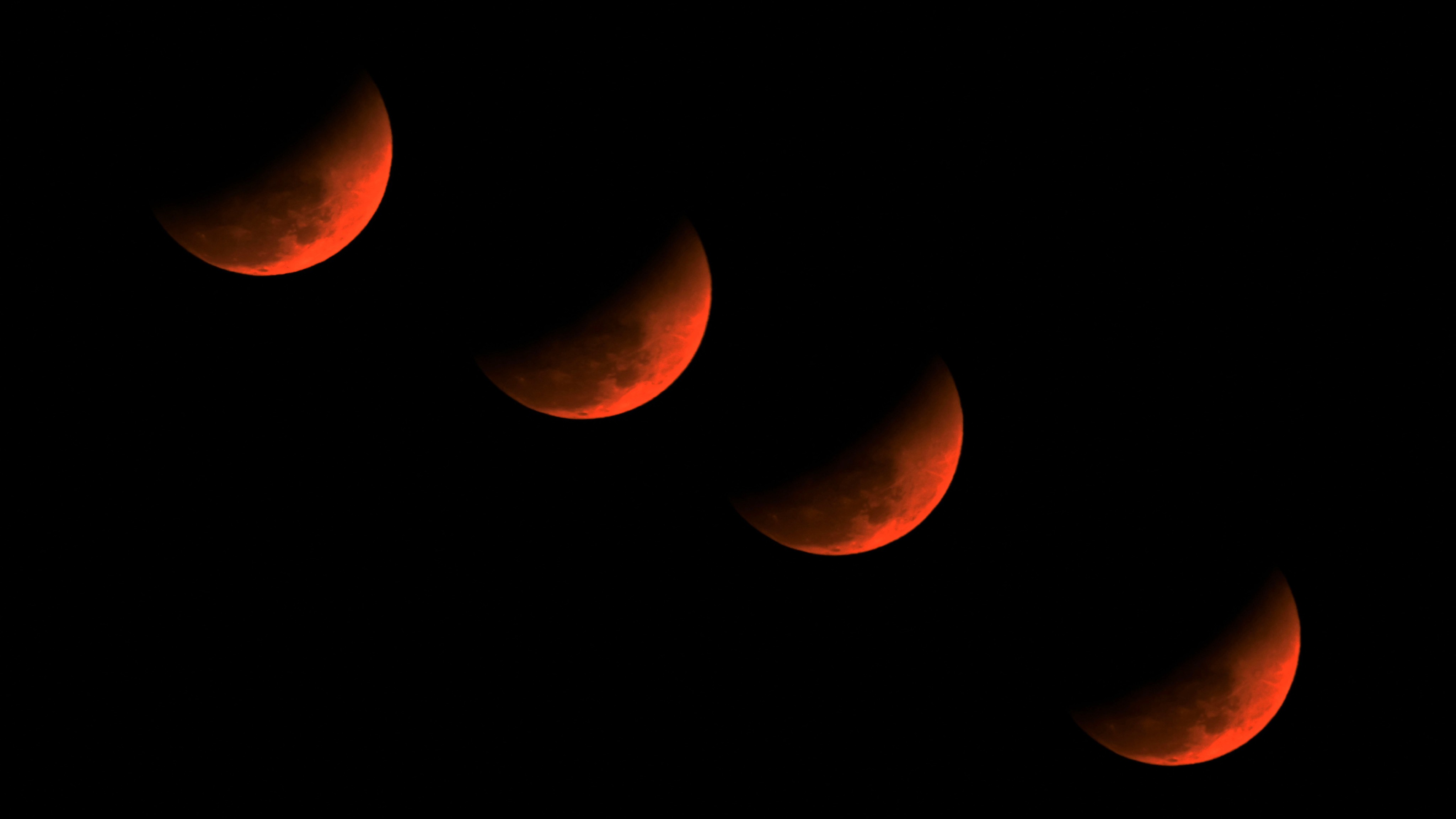 'Blood moon' total eclipse dazzles millions around the world (photos)
LATEST ARTICLES
'Blood moon' total eclipse dazzles millions around the world (photos)
LATEST ARTICLES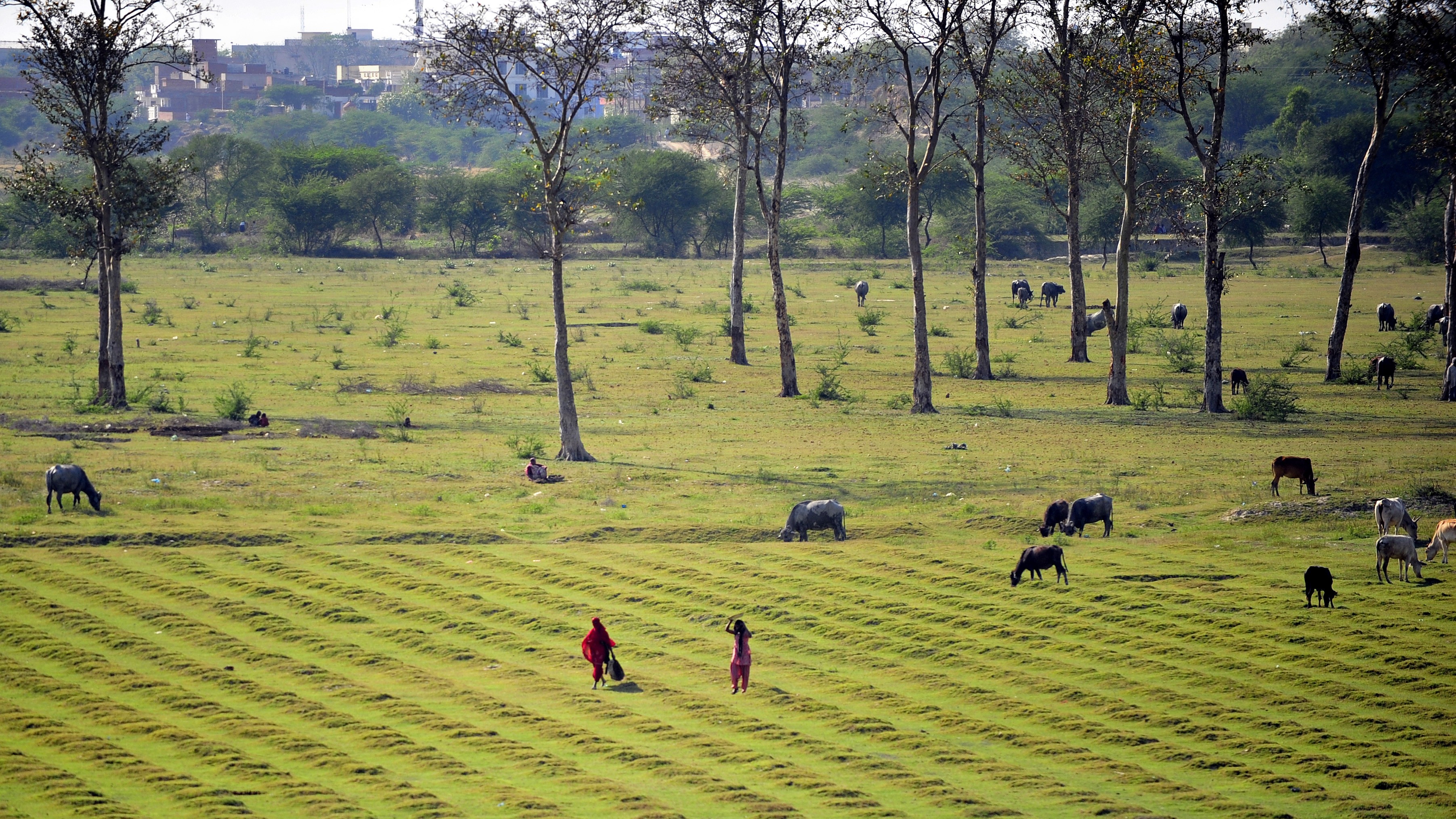 1'Seeing how important agriculture was for daily livelihoods, and how uncertain and precarious agriculture had become in these times, it just made me feel very passionate about working on this issue'
- 2Meet the world's smallest AI supercomputer — it packs 'doctorate-level intelligence', its makers say, and can fit into your pocket
- 3When was the last time Antarctica was ice-free?
- 4Hawke Endurance ED 8x25 binocular review
- 5A doctor discovered the gene mutation behind his family's mysterious missing-teeth condition