- Archaeology
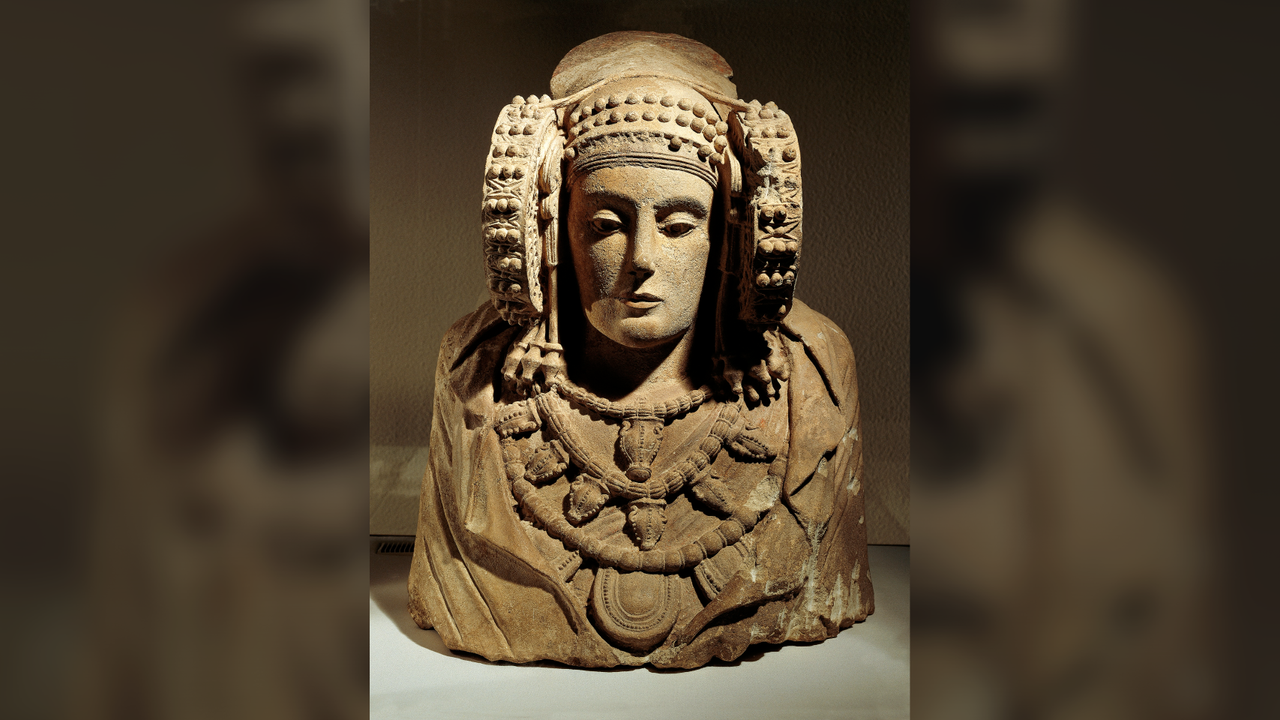
The mysterious Lady of Elche was crafted from a large limestone block before the Romans ruled Spain.
When you purchase through links on our site, we may earn an affiliate commission. Here’s how it works.
- Copy link
- X
Get the world’s most fascinating discoveries delivered straight to your inbox.
Become a Member in Seconds
Unlock instant access to exclusive member features.
Contact me with news and offers from other Future brands Receive email from us on behalf of our trusted partners or sponsors By submitting your information you agree to the Terms & Conditions and Privacy Policy and are aged 16 or over.You are now subscribed
Your newsletter sign-up was successful
Want to add more newsletters?

Delivered Daily
Daily Newsletter
Sign up for the latest discoveries, groundbreaking research and fascinating breakthroughs that impact you and the wider world direct to your inbox.
Signup +
Once a week
Life's Little Mysteries
Feed your curiosity with an exclusive mystery every week, solved with science and delivered direct to your inbox before it's seen anywhere else.
Signup +
Once a week
How It Works
Sign up to our free science & technology newsletter for your weekly fix of fascinating articles, quick quizzes, amazing images, and more
Signup +
Delivered daily
Space.com Newsletter
Breaking space news, the latest updates on rocket launches, skywatching events and more!
Signup +
Once a month
Watch This Space
Sign up to our monthly entertainment newsletter to keep up with all our coverage of the latest sci-fi and space movies, tv shows, games and books.
Signup +
Once a week
Night Sky This Week
Discover this week's must-see night sky events, moon phases, and stunning astrophotos. Sign up for our skywatching newsletter and explore the universe with us!
Signup +Join the club
Get full access to premium articles, exclusive features and a growing list of member rewards.
Explore An account already exists for this email address, please log in. Subscribe to our newsletter
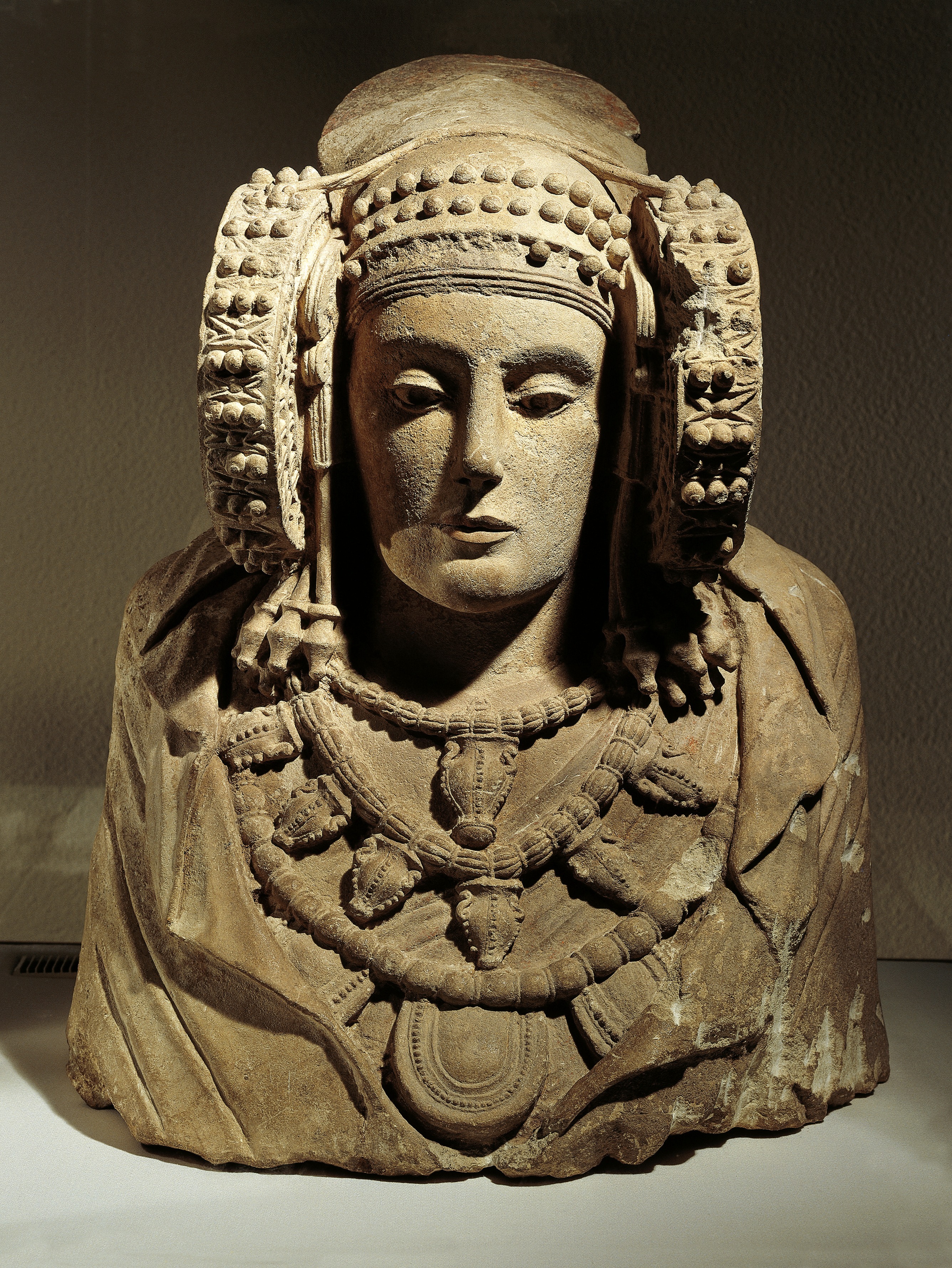
Name: Lady of Elche
What it is: A limestone bust
Where it is from: Elche, Spain
When it was made: Circa 400 to 350 B.C.
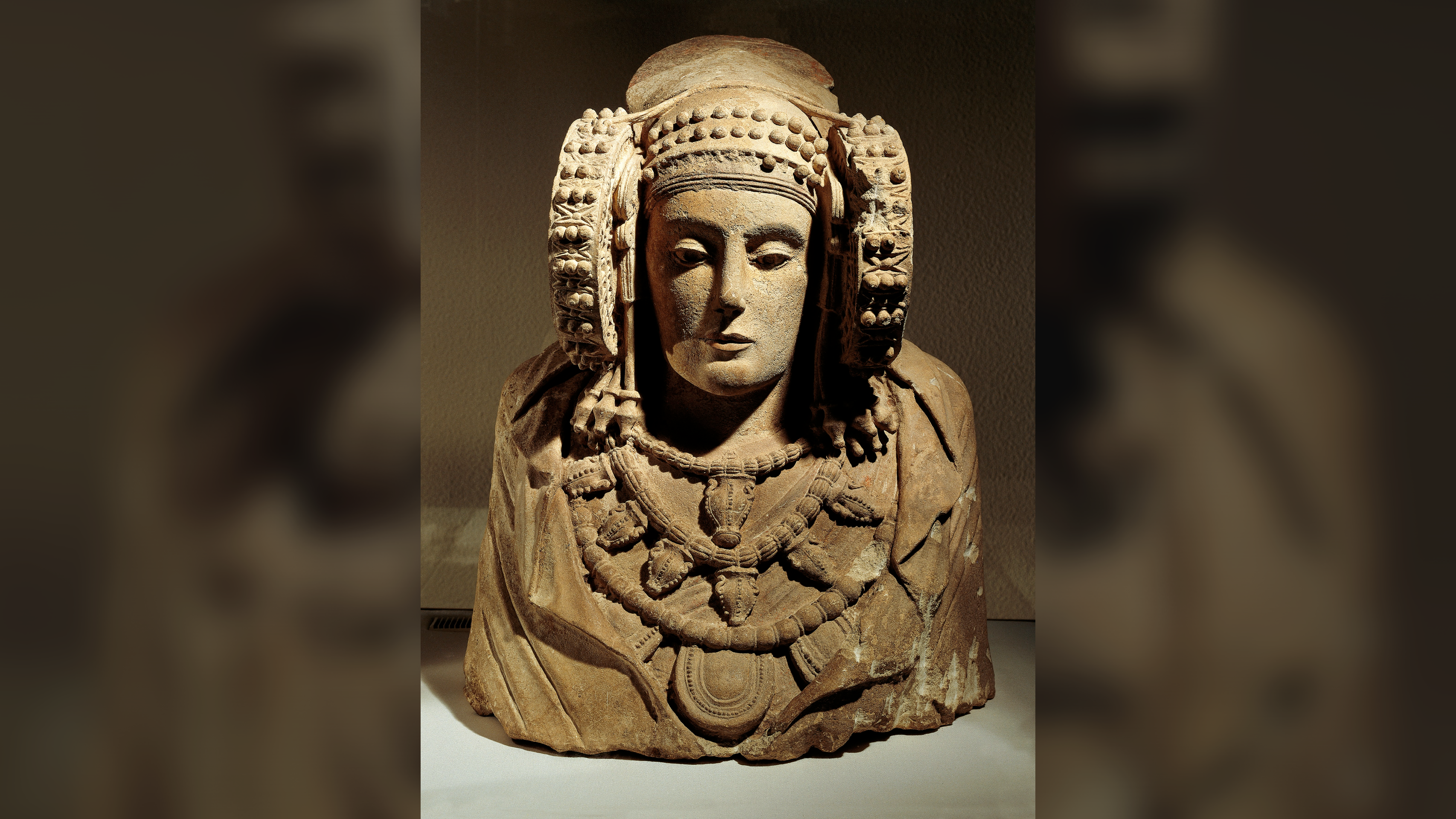
On a hot summer day in 1897, a farmer in Elche, a city on Spain's Mediterranean coast, discovered a life-size painted limestone bust of a mysterious-looking woman among a pile of seemingly discarded stones. The statue — now known as La Dama de Elche or the Lady of Elche — is a mishmash of ancient artistic styles and may represent a goddess or priestess.
The Lady of Elche is 22 inches (56 centimeters) tall and weighs just over 143 pounds (65 kilograms). Carved from a block of limestone, the bust depicts a woman richly adorned with a pointed tiara and a forehead diadem covered by a veil. The strap of the headdress ends in giant rosettes at her ears.
You may like-
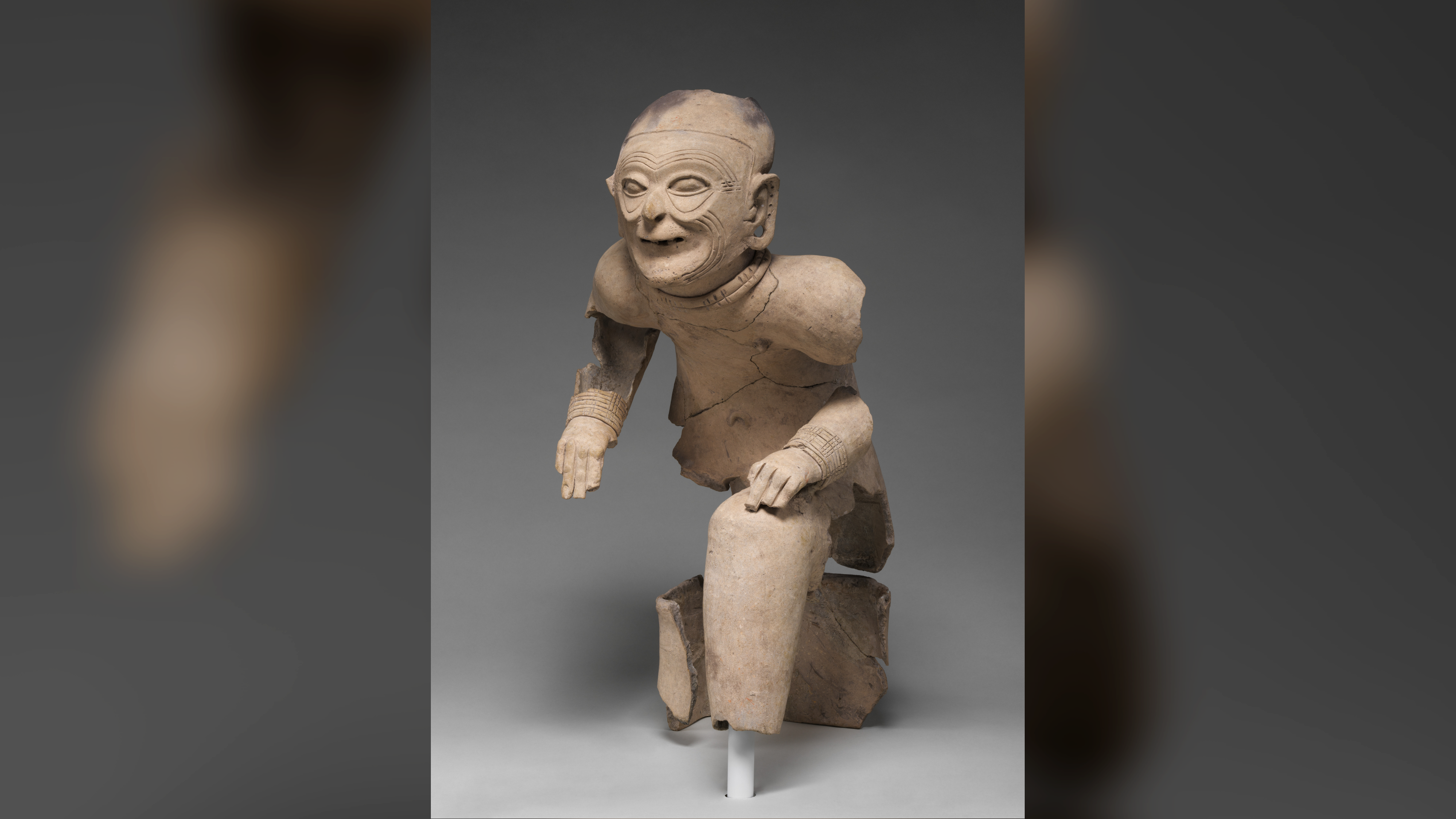 Tumaco-Tolita Seated Elder: This 2,000-year-old depiction of an aged man with wrinkles struck fear in people because it held 'the power'
-
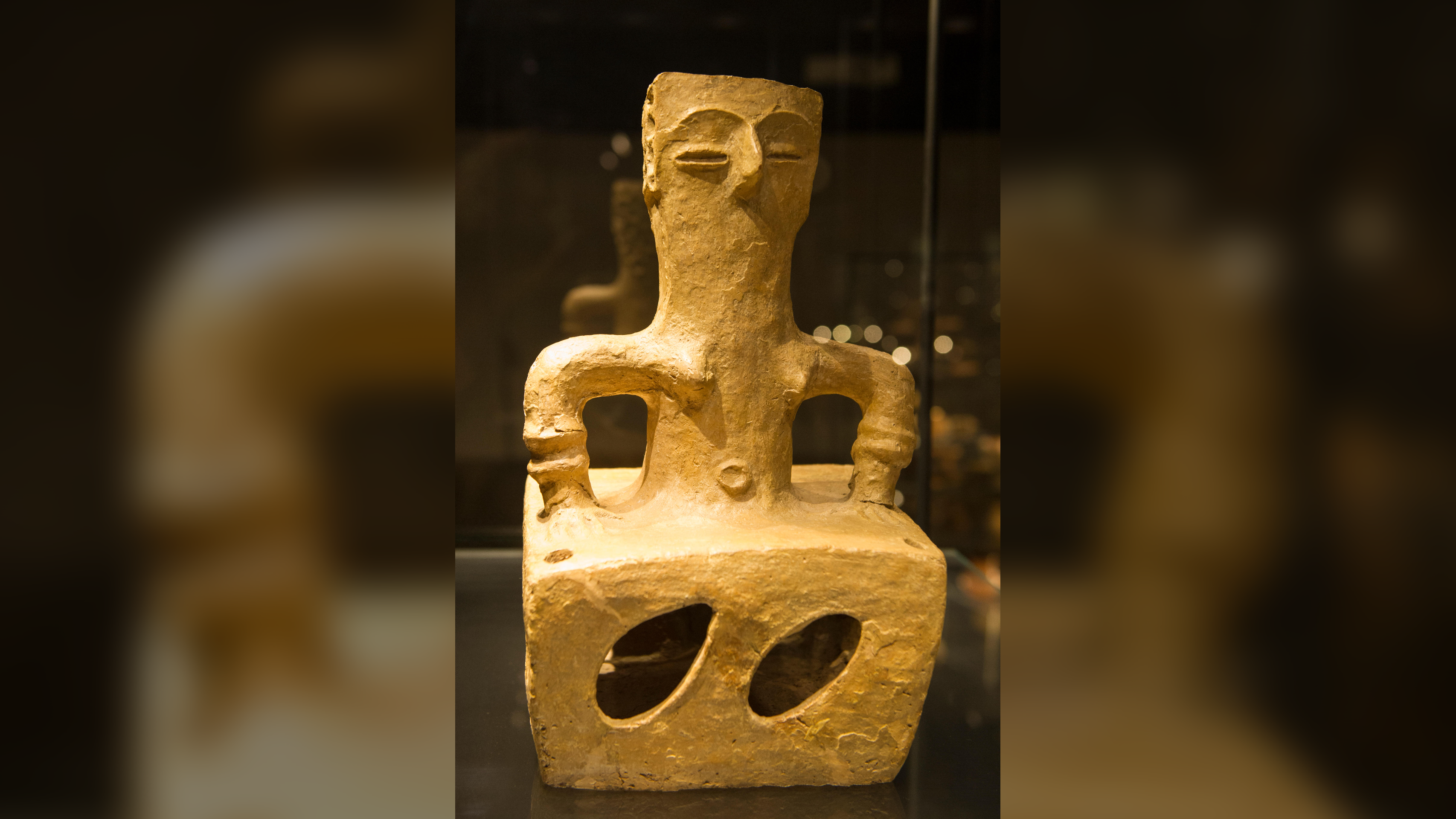 Tumba Madžari Great Mother: A boxy goddess figurine from North Macedonia designed to protect Stone Age houses 7,800 years ago
-
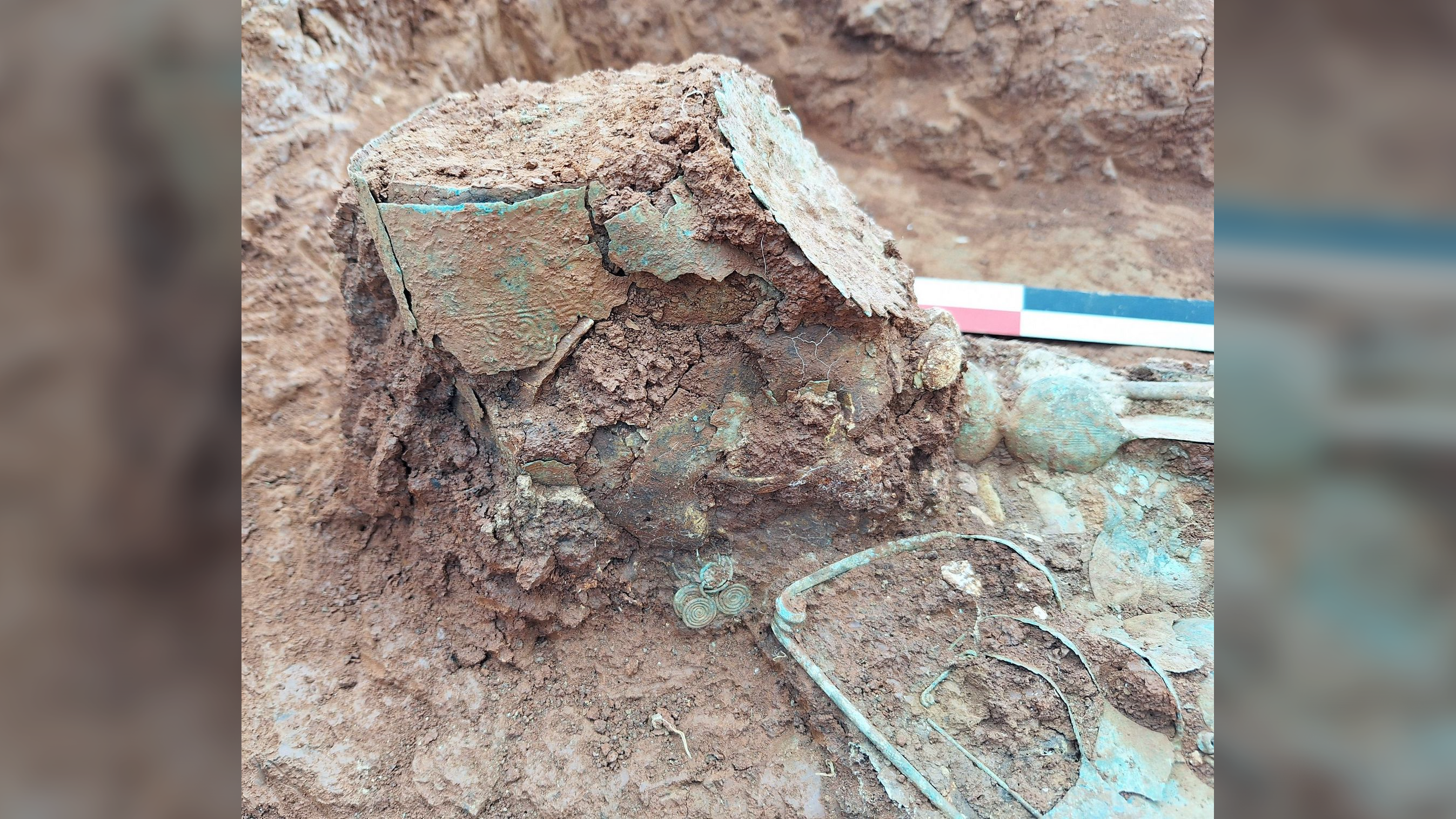 Elaborate 2,700-year-old tomb in Greece contains burial of a woman with an upside-down crown
The woman wears a cape-like cloak secured by a small pin; it opens in the front to reveal three necklaces with amulets. Earrings and ribbons bedeck the sides of her face. Traces of paint remain on her lips and parts of her face and clothing. On the back of the bust is a large hole, which suggests it may have been used as a funerary vessel to hold cremated remains.
The unique appearance of the Lady of Elche — which blends Iberian, Greek and North African styles — contributed to accusations that the bust was a fake. In a 1995 book, art historian John F. Moffitt suggested that the bust may have been made in the late 19th century by well-known Spanish art forger Francisco Pallas y Puig. However, subsequent scientific analyses revealed that the pigments on the Lady of Elche were indeed antique and that ashes remaining in the back of the bust were from an ancient cremation.
MORE ASTONISHING ARTIFACTS—Lotus shoes: Tiny footwear for Chinese women whose feet were bound as children
—Tumaco-Tolita Seated Elder: This 2,000-year-old depiction of an aged man with wrinkles struck fear in people because it held 'the power'
—Sandals of Tutankhamun: 3,300-year-old footwear that let King Tut walk all over his enemies
While the Lady of Elche has been proved to be more than 2,400 years old, experts still debate whether the sculpture was originally a bust or a part of a standing figure. It is also unclear whom the Lady of Elche was meant to depict. One suggestion is that she was associated with Tanit, the chief deity of ancient Carthage, showcasing religious similarities between Iberian and Punic people.
The National Archaeological Museum, however, says "the figure's identity is a mystery." The Lady of Elche is thought to have both human and divine attributes and "has most recently been interpreted as a highborn Iberian lady who was deified by her descendants."
For more stunning archaeological discoveries, check out our Astonishing Artifacts archives.
TOPICS astonishing artifacts Kristina KillgroveSocial Links NavigationStaff writer
Kristina Killgrove is a staff writer at Live Science with a focus on archaeology and paleoanthropology news. Her articles have also appeared in venues such as Forbes, Smithsonian, and Mental Floss. Kristina holds a Ph.D. in biological anthropology and an M.A. in classical archaeology from the University of North Carolina, as well as a B.A. in Latin from the University of Virginia, and she was formerly a university professor and researcher. She has received awards from the Society for American Archaeology and the American Anthropological Association for her science writing.
View MoreYou must confirm your public display name before commenting
Please logout and then login again, you will then be prompted to enter your display name.
Logout Read more
Tumba Madžari Great Mother: A boxy goddess figurine from North Macedonia designed to protect Stone Age houses 7,800 years ago
Elaborate 2,700-year-old tomb in Greece contains burial of a woman with an upside-down crown
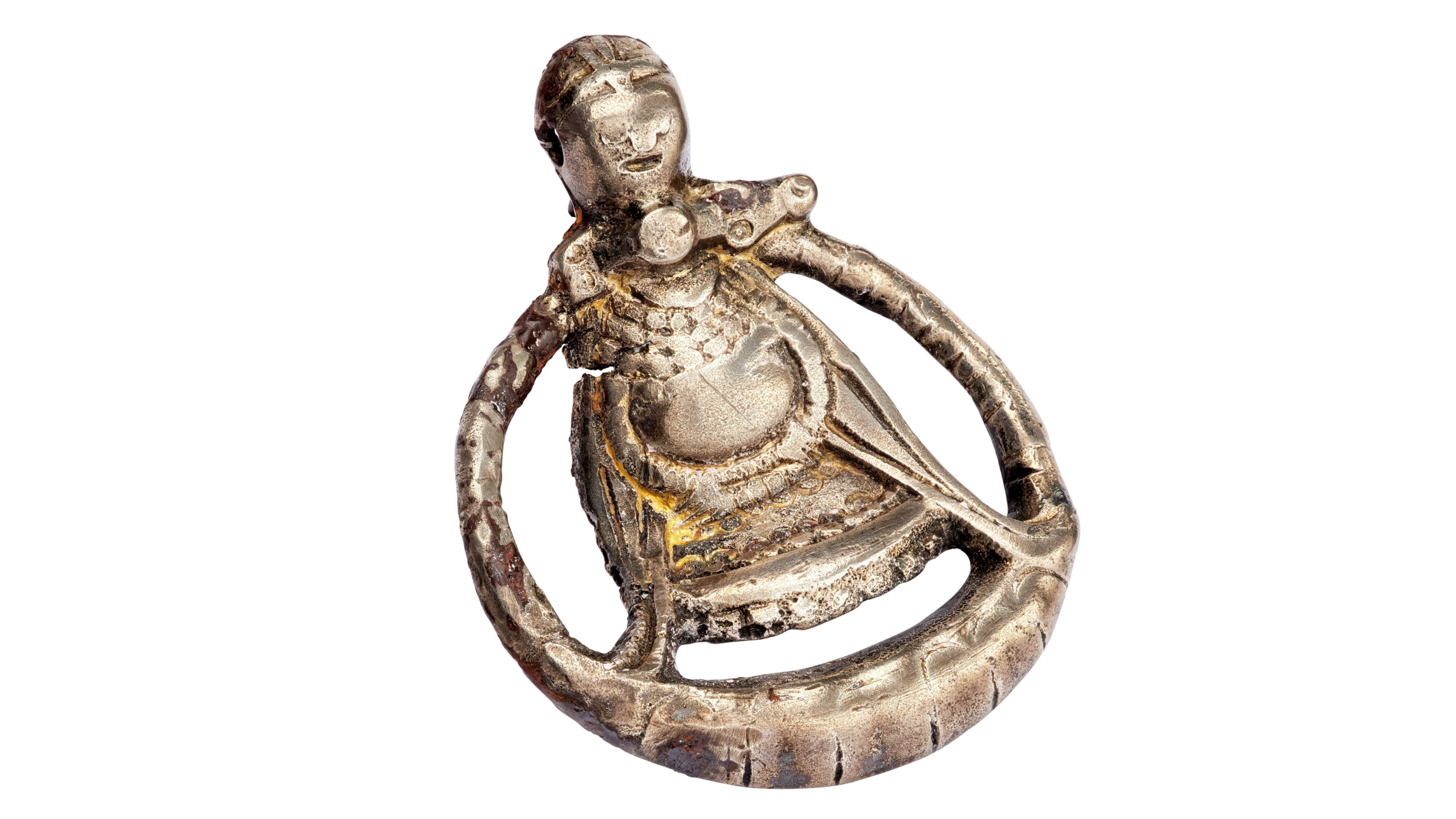 Ash Pendant: The only known depiction of a pregnant Viking woman
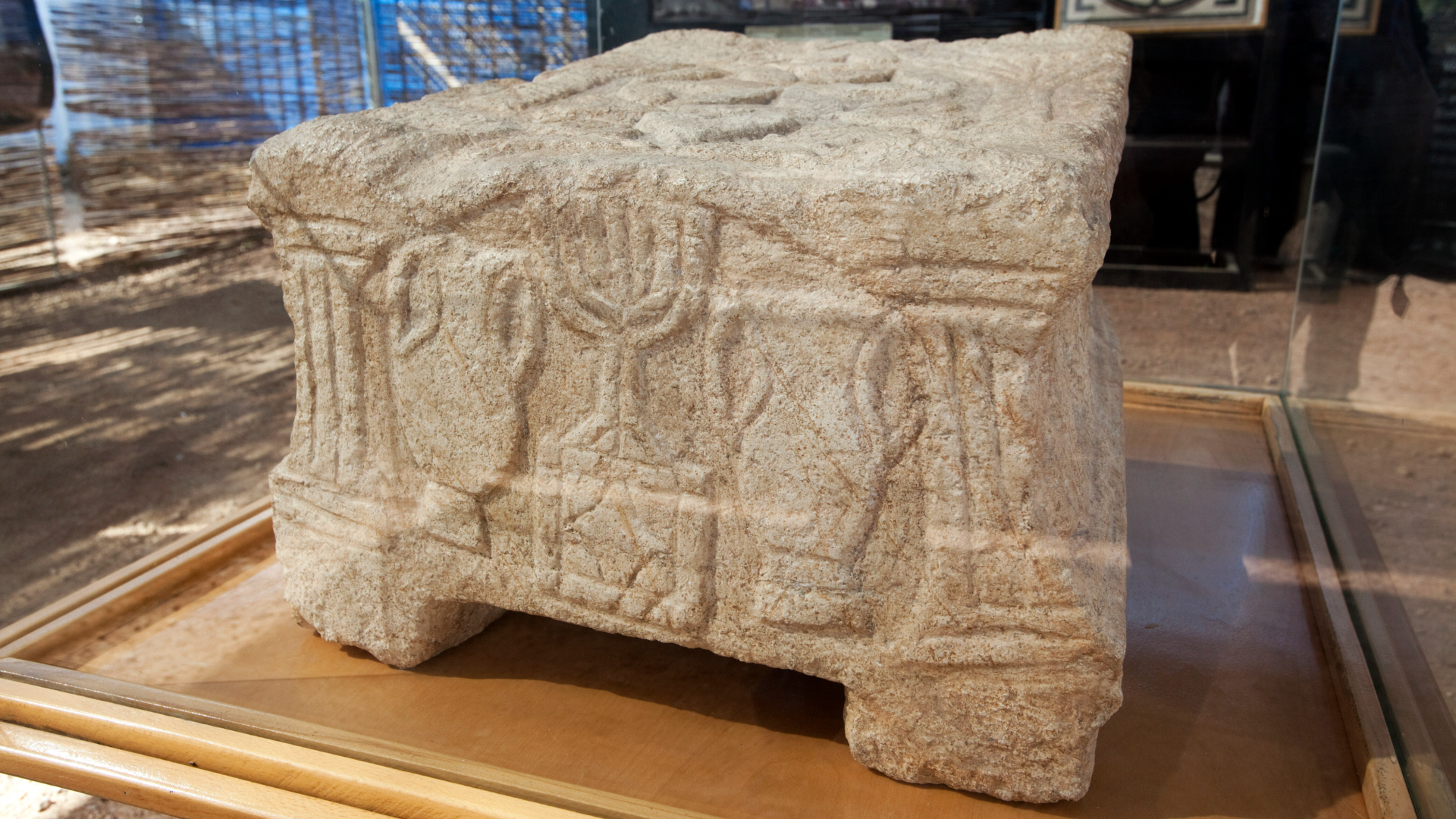 Magdala stone: 2,000-year-old carving from Jerusalem is world's oldest known depiction of a menorah
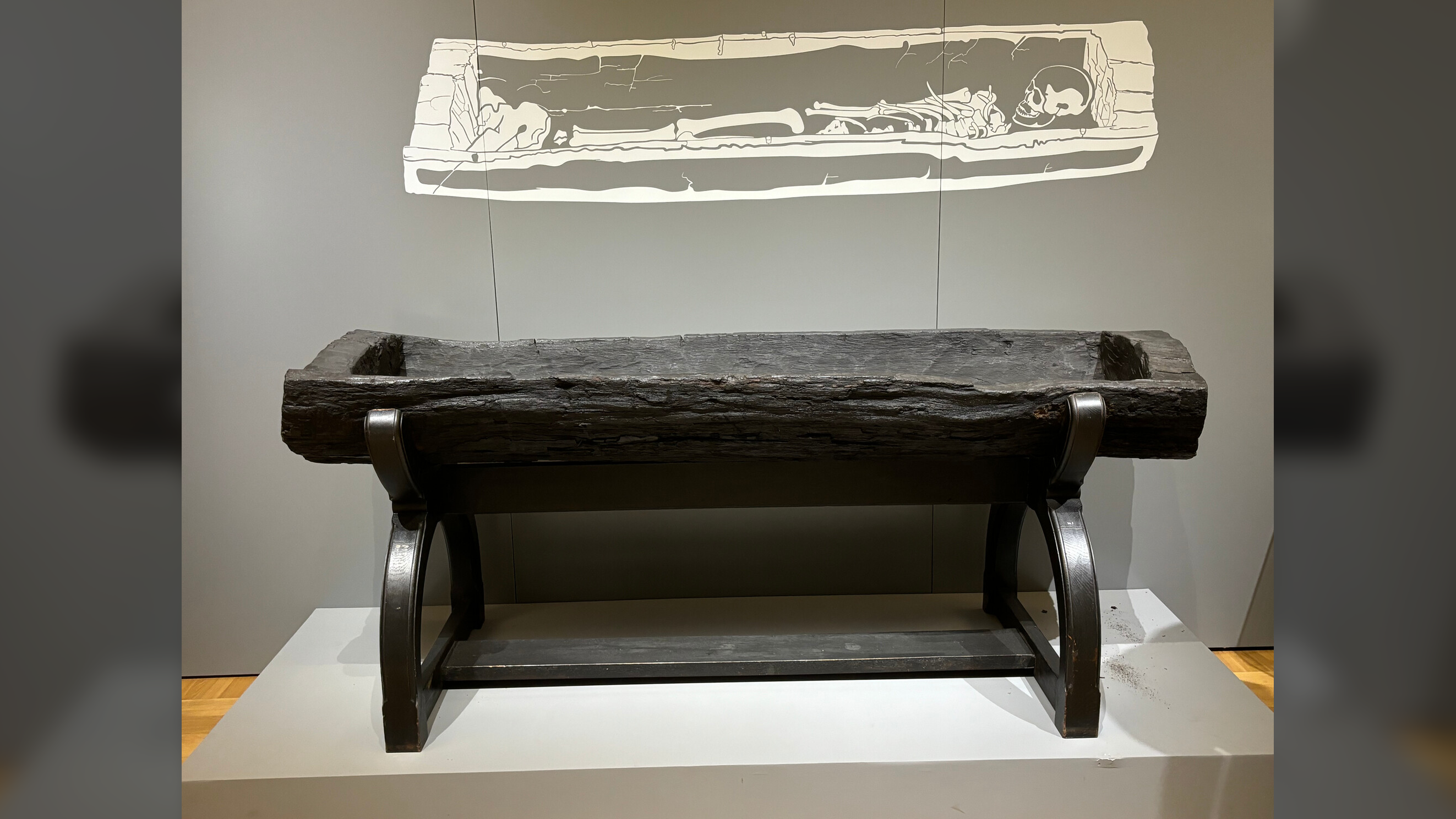 A coffin holding a dead 'princess' fell from an eroded cliff over 100 years ago — archaeologists just solved a major mystery about her
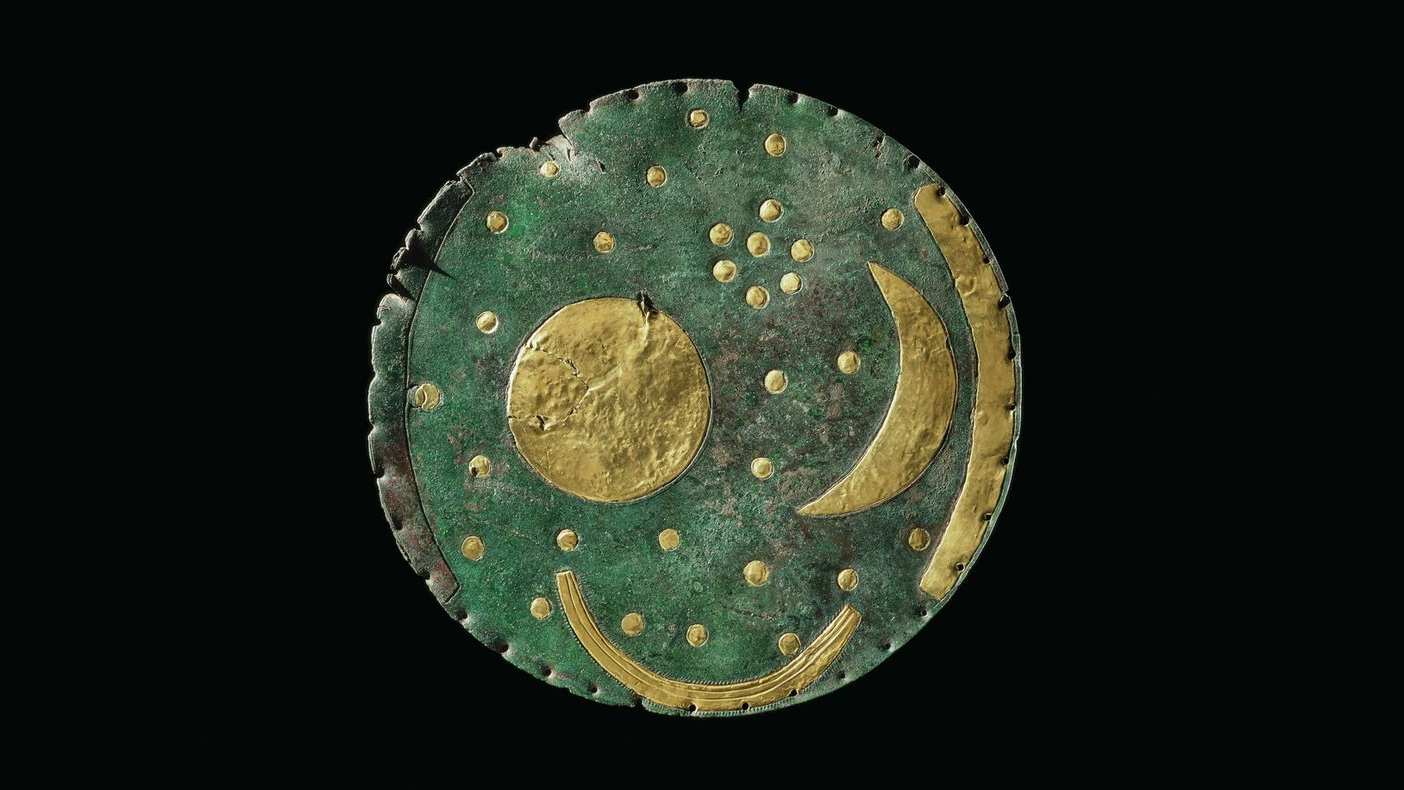 Nebra Sky Disc: The world's oldest depiction of astronomical phenomena — and it may depict the Pleiades
Latest in Archaeology
Nebra Sky Disc: The world's oldest depiction of astronomical phenomena — and it may depict the Pleiades
Latest in Archaeology
 Stone Age boy in Sweden was buried in deerskin and a woodpecker headdress, archaeologists discover
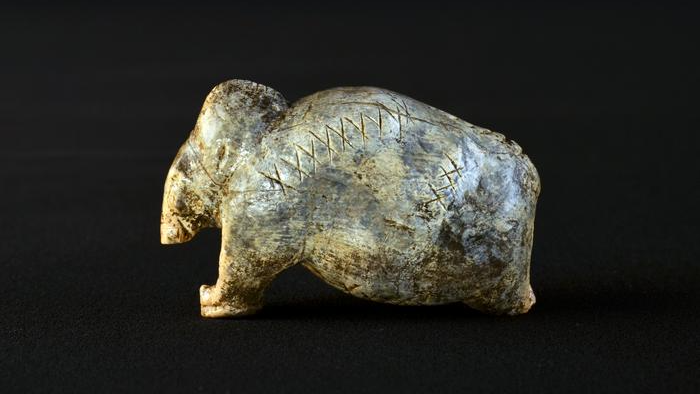 Paleolithic humans invented an 'early predecessor to writing' at least 40,000 years ago, carved signs suggest
 Ancient Greek mystery cult priestesses may have chemically tweaked fungus to induce psychedelic hallucinations
 Humans and Neanderthals interbred — but it was mostly male Neanderthals and female humans who coupled up, study finds
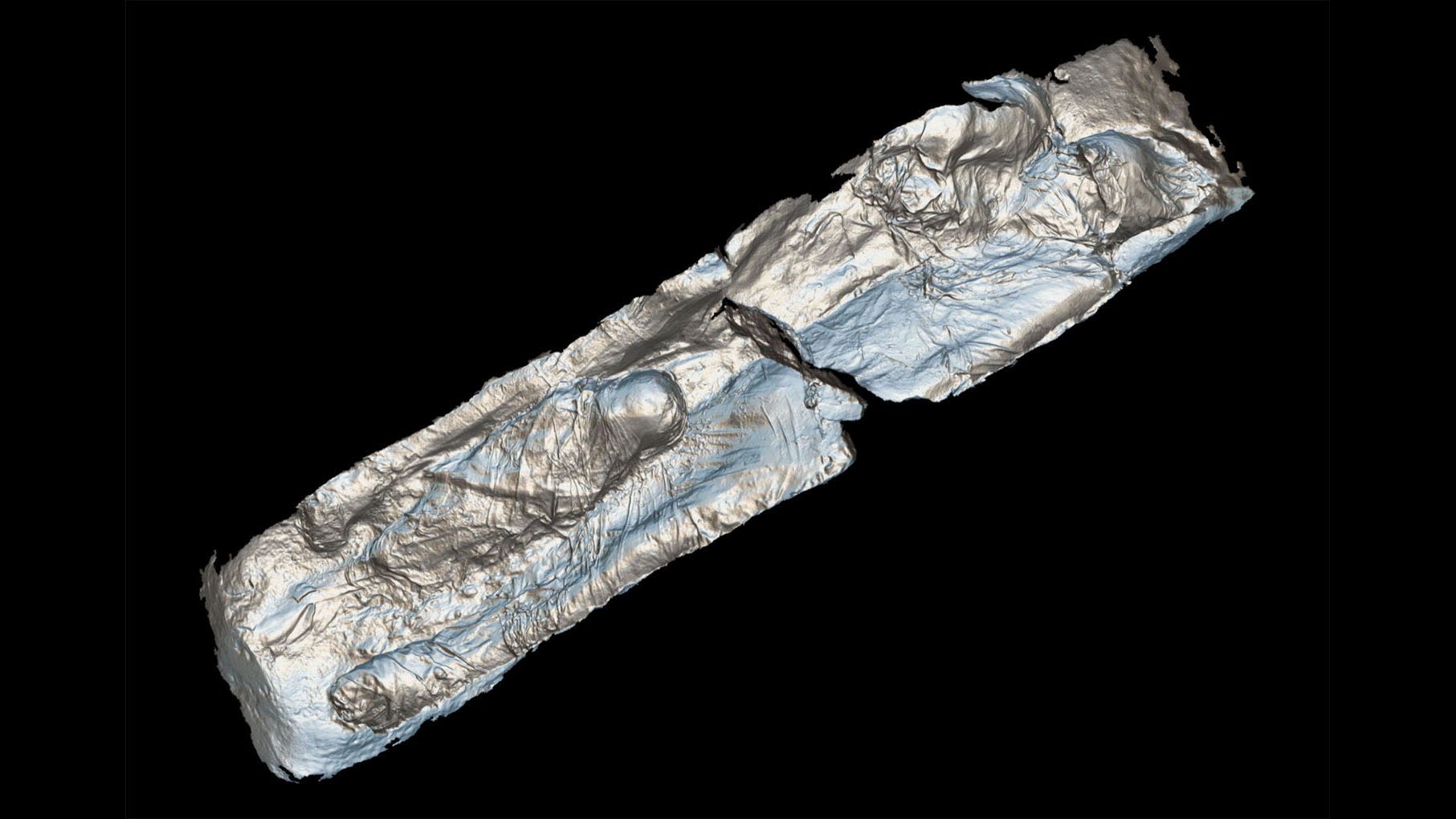 Babies weren't supposed to be mourned in the Roman Empire. These rare liquid-gypsum burials prove otherwise.
 Did the Vikings reach Maine?
Latest in Features
Did the Vikings reach Maine?
Latest in Features
 NASA telescope spots first alien 'astrosphere' around a sun-like star: Space photo of the week
 Science history: Stephen Hawking writes a tiny paper — and turns our understanding of black holes inside out — March 1, 1974
 'We're starting to find a lot more weirdness': These strange animals can control their body heat
 Do you weigh more when an elevator goes up or when it comes down?
 Lady of Elche: A 2,400-year-old bust of a mysterious 'highborn' woman from pre-Roman Spain
 Science history: Carbon-14 is discovered, opening a window into past civilizations — Feb. 27, 1940
LATEST ARTICLES
Science history: Carbon-14 is discovered, opening a window into past civilizations — Feb. 27, 1940
LATEST ARTICLES- 1Lady of Elche: A 2,400-year-old bust of a mysterious 'highborn' woman from pre-Roman Spain
- 2Pain lasts longer in women, and immune cells may the culprit
- 3The 'sweet spot' of overconfidence — project a bit to be perceived as competent, but don't be 'too seduced,' a cognitive neuroscientist explains in a Q&A
- 4Ancient Greek mystery cult priestesses may have chemically tweaked fungus to induce psychedelic hallucinations
- 5March could be the best month for the northern lights for nearly a decade