- Health
An experimental treatment reduces seizures and other symptoms in children with a type of epilepsy called Dravet syndrome.
When you purchase through links on our site, we may earn an affiliate commission. Here’s how it works.
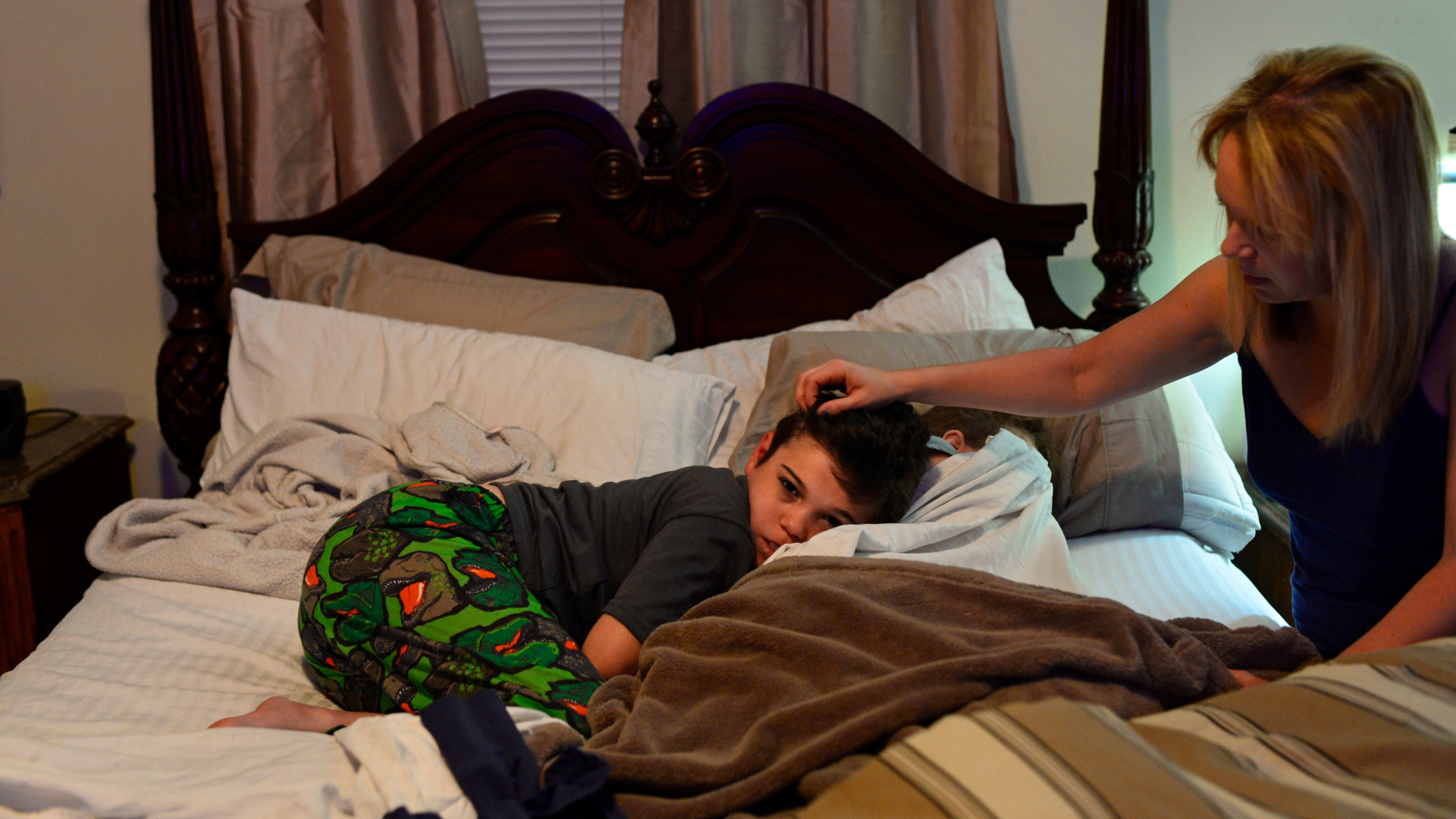 12-year-old Preston Raynor of North Carolina suffers from Dravet Syndrome, a childhood form of epilepsy.
(Image credit: Joe Amon via Getty Images)
12-year-old Preston Raynor of North Carolina suffers from Dravet Syndrome, a childhood form of epilepsy.
(Image credit: Joe Amon via Getty Images)
- Copy link
- X
Get the world’s most fascinating discoveries delivered straight to your inbox.
Become a Member in Seconds
Unlock instant access to exclusive member features.
Contact me with news and offers from other Future brands Receive email from us on behalf of our trusted partners or sponsors By submitting your information you agree to the Terms & Conditions and Privacy Policy and are aged 16 or over.You are now subscribed
Your newsletter sign-up was successful
Want to add more newsletters?

Delivered Daily
Daily Newsletter
Sign up for the latest discoveries, groundbreaking research and fascinating breakthroughs that impact you and the wider world direct to your inbox.
Signup +
Once a week
Life's Little Mysteries
Feed your curiosity with an exclusive mystery every week, solved with science and delivered direct to your inbox before it's seen anywhere else.
Signup +
Once a week
How It Works
Sign up to our free science & technology newsletter for your weekly fix of fascinating articles, quick quizzes, amazing images, and more
Signup +
Delivered daily
Space.com Newsletter
Breaking space news, the latest updates on rocket launches, skywatching events and more!
Signup +
Once a month
Watch This Space
Sign up to our monthly entertainment newsletter to keep up with all our coverage of the latest sci-fi and space movies, tv shows, games and books.
Signup +
Once a week
Night Sky This Week
Discover this week's must-see night sky events, moon phases, and stunning astrophotos. Sign up for our skywatching newsletter and explore the universe with us!
Signup +Join the club
Get full access to premium articles, exclusive features and a growing list of member rewards.
Explore An account already exists for this email address, please log in. Subscribe to our newsletterA new drug appeared to slash seizures up to 90% in children with a rare and devastating form of epilepsy called Dravet syndrome by tackling the underlying genetic mutation that causes the condition.
The findings are in an early-stage trial not designed to show efficacy, so it's not yet clear whether the results will hold up in a larger trial. But if they do, it would be the first drug with the potential to alter the trajectory of the disease, which comes with neurodevelopmental delays and a high risk of sudden death.
You may like-
 'Zombie' cells may drive common form of epilepsy
-
 New triple-drug treatment stops pancreatic cancer in its tracks, a mouse study finds
-
 'Pain sponge' derived from stem cells could soak up pain signals before they reach the brain
The results of the clinical trial, published March 4 in The New England Journal of Medicine, showed that the drug, called zorevunersen, can safely be given to children with Dravet syndrome and that it reduces the number of seizures and improves their overall quality of life.
The main purpose of this study was to test the drug's safety and find an optimal dose, but Cross' team also investigated whether the treatment led to seizure reduction, neurodevelopmental improvements and quality of life.
"We saw improvements in all those domains, particularly at the higher doses," told Live Science.
Tackling the root cause
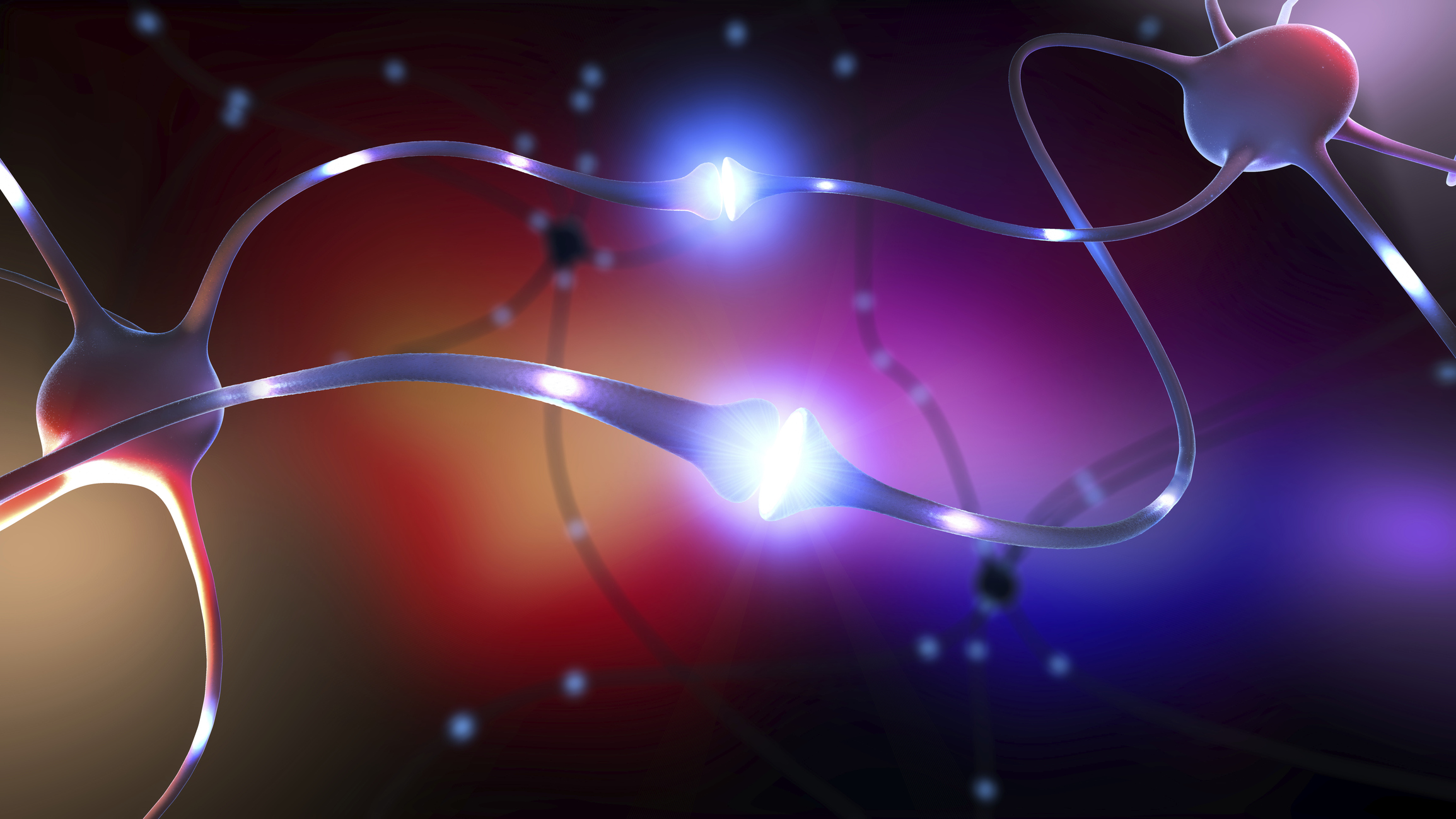
Besides frequent seizures, people with Dravet syndrome also have developmental delays, coordination problems, behavioral issues and other symptoms. And around half of the people who have Dravet's will die suddenly and prematurely due to the disease. These symptoms are all caused by a problem with interneurons, a type of cell that relays messages in the central nervous system. Anti-epileptic drugs and implants can reduce the number of seizures somewhat, but do not improve developmental delays.
Sign up for the Live Science daily newsletter nowContact me with news and offers from other Future brandsReceive email from us on behalf of our trusted partners or sponsorsBy submitting your information you agree to the Terms & Conditions and Privacy Policy and are aged 16 or over.A gene called SCN1A controls the formation of sodium channels that are required for interneuron signaling. Most people have two copies of this gene, but in many people with Dravet syndrome, a genetic change stops one of these copies from working properly. Zorevunersen fixes this problem by increasing the amount of protein that the other, working copy of the SCN1A gene produces. The drug is a type of molecule called an antisense oligonucleotide, and it works by increasing messenger RNA that gives instructions for the working version of the SCN1A proteins.
To ensure that zorevunersen reaches the brain, it was given as a lumbar puncture — an injection in the spine that puts the drug into the cerebrospinal fluid, which bathes the brain. Although treatment required a visit to the clinic for every dose, the study showed that the effects last a few months.
A total of 81 children ages 2 to 18 took part in this early stage study at hospitals in the U.K. and the U.S. Cross and her colleagues were particularly interested in finding out what dose of zorevunersen would have the best results, so they tried a few different doses. Some got a single treatment, while others received a series of lumbar punctures a few months apart. After this, 75 of the study participants continued to receive zorevunersen treatment every four months. The participants were followed for a total of three years.
What to read next-
 A fentanyl vaccine enters human trials in 2026 — here's how it works
-
 These genes were thought to lead to blindness 100% of the time. They don't.
-
 Inherited diseases don't work like we thought they did
After 20 months of treatment, children who received the highest dose at the start of the trial had between 59% and 91% fewer seizures.
Several children in the study had mild side effects, such as a headache or vomiting from the lumbar puncture procedure, or increased levels of protein in the cerebral spinal fluid. But overall the trial showed that the drug was safe for children.
The study does have some limitations. It only studied a small group of children, and there was no placebo group.
RELATED STORIES—'Zombie' cells may drive common form of epilepsy
—From gene therapy breakthroughs to preventable disease outbreaks: The health trends that will shape 2026
—'Groundbreaking' gene therapy is first treatment for Huntington's disease to slow the condition
In a larger trial that is already underway, researchers are studying an additional 170 children to find out if those who receive the treatment indeed show more improvement than a control group.
"We're targeting the actual underlying cause of the problem," Cross said, "and therefore, not only reducing seizures but improving other aspects of the disease."
The trial is expected to be completed in October 2028, so even if the results are positive, it will be a few years until this treatment is available to all children with Dravet syndrome.
 Eva AmsenSocial Links NavigationLive Science Contributor
Eva Amsen is a science writer in London. Her articles about biology, chemistry, environmental sciences and the overlap of science and the arts have appeared in Undark, The Observer (Guardian), Nature, Hakai, Nautilus, Forbes.com and other publications. Eva has won an Association of British Science Writers award in the Opinion/Essay category in 2020, and that same year received a journalism grant from Falling Walls. She has a Ph.D. in biochemistry from the University of Toronto.
View MoreYou must confirm your public display name before commenting
Please logout and then login again, you will then be prompted to enter your display name.
Logout Read more
New triple-drug treatment stops pancreatic cancer in its tracks, a mouse study finds
'Pain sponge' derived from stem cells could soak up pain signals before they reach the brain
A fentanyl vaccine enters human trials in 2026 — here's how it works
These genes were thought to lead to blindness 100% of the time. They don't.
Inherited diseases don't work like we thought they did
 Psychedelic drug ayahuasca could treat PTSD, early studies hint. But exactly how it works isn't clear.
Latest in Health
Psychedelic drug ayahuasca could treat PTSD, early studies hint. But exactly how it works isn't clear.
Latest in Health
 The 'sweet spot' of overconfidence — project a bit to be perceived as competent, but don't be 'too seduced,' a cognitive neuroscientist explains in a Q&A
Inherited diseases don't work like we thought they did
The 'sweet spot' of overconfidence — project a bit to be perceived as competent, but don't be 'too seduced,' a cognitive neuroscientist explains in a Q&A
Inherited diseases don't work like we thought they did
 Pain lasts longer in women, and immune cells may be the culprit
 COVID-19 vaccination during pregnancy may cut risk of preeclampsia
 Obesity is linked to 1 in 10 deaths from infection worldwide — and scientists are still learning why
 'The limits of human longevity have still not been reached,' study suggests
Latest in News
Groundbreaking new drug shows promise for treating children with a devastating form of epilepsy
'The limits of human longevity have still not been reached,' study suggests
Latest in News
Groundbreaking new drug shows promise for treating children with a devastating form of epilepsy
 Tiny, swimming robots solved 'space-time' mazes using Einstein's relativity
 The sword in the sea: How one lucky graduate student found his second Crusader sword while taking a swim off Israel's coast
 Climate disasters caused societal upheaval 3,000 years ago in China, study of 'oracle bones' hints
 'Truly extraordinary': Mega-laser shooting at us from halfway across the universe is the brightest 'cosmic beacon' we've ever seen
 NASA fixes Artemis II rocket for April launch to take astronauts around moon
LATEST ARTICLES
NASA fixes Artemis II rocket for April launch to take astronauts around moon
LATEST ARTICLES- 1Tiny, swimming robots solved 'space-time' mazes using Einstein's relativity
- 2The sword in the sea: How one lucky graduate student found his second Crusader sword while taking a swim off Israel's coast
- 3Sodium-ion batteries are getting ready for prime time. How can they improve EVs?
- 49 ways people have modified their bodies since the dawn of time, from foot binding to castration
- 5ZWO SeeStar S50 smart telescope review