
- Planet Earth
- Weather
A new analysis of July temperatures in Death Valley between 1923 and 2024 suggests the world record near-surface air temperature of 134 F measured in July 1913 may be erroneous.
4 Comments Join the conversationWhen you purchase through links on our site, we may earn an affiliate commission. Here’s how it works.
 Oscar Denton (left) was the foreman of Greenland Ranch when the temperature record of 134 F was measured in July 1913.
(Image credit: Cropped from Spencer et al. (2025). Bulletin of the American Meteorological Society. Photo archived at Eastern California Museum, Independence, California.)
Oscar Denton (left) was the foreman of Greenland Ranch when the temperature record of 134 F was measured in July 1913.
(Image credit: Cropped from Spencer et al. (2025). Bulletin of the American Meteorological Society. Photo archived at Eastern California Museum, Independence, California.)
Death Valley has held the record for the hottest air temperature ever measured near Earth's surface for 112 years, but now scientists are calling for the title to be rescinded.
According to U.S. Weather Bureau data, the air temperature at Greenland Ranch in Death Valley reached a scorching 134 degrees Fahrenheit (56.7 degrees Celsius) on July 10, 1913. This is still the highest air temperature on record, but its authenticity has been debated by meteorologists and climatologists, because — despite global warming — temperatures in the region have rarely reached 130 F (54.4 C) since 1913.
You may like-
 What's the hottest temperature the human body can endure?
-
 Mystery of the sun's mind-bogglingly hot atmosphere may finally be solved
-
 6 million-year-old ice discovered in Antarctica shatters records — and there's ancient air trapped inside
For the study, Spencer and his colleagues analyzed July temperatures recorded at stations within 155 miles (250 kilometers) of Greenland Ranch between 1923 and 2024. The stations were 3,000 to 3,700 feet (910 to 1,130 meters) above sea level while Greenland Ranch is 178 feet (54 m) below sea level, so the researchers adjusted the data for elevation. (These were the closest stations to the ranch and provided the most reliable long-term data.) The team then compared the values and examined high-elevation July temperatures from 1913 to estimate the temperature at Greenland Ranch on that day.
They found that the air temperature at Greenland Ranch on July 10, 1913 was about 120 F (48.9 C), nowhere near 134 F. "The unusually hot temperatures measured at Greenland Ranch in early July 1913 are shown to be inconsistent with temperatures at surrounding stations," they wrote in the study, published Sept. 24 in the journal Bulletin of the American Meteorological Society.
Many scientists were previously skeptical about Death Valley's temperature record but few really questioned it because the World Meteorological Organization (WMO) accepted it and observations from the early 1900s with which to scrutinize the Greenland Ranch data were scarce, Spencer said.
"All deserts are hot in the summer, but Death Valley is especially hot because it is below sea level," he said. "The Death Valley record has more entertainment than climatological value, with an element of 'bragging rights' from the standpoint of tourism."
Sign up for the Live Science daily newsletter nowContact me with news and offers from other Future brandsReceive email from us on behalf of our trusted partners or sponsorsBy submitting your information you agree to the Terms & Conditions and Privacy Policy and are aged 16 or over.The U.S. Weather Bureau installed a station to measure temperatures at Greenland Ranch in 1911. The shelter was initially placed on the edge of an irrigated alfalfa field, but subsequent photographs suggest the ranch foreman, Oscar Denton, moved it to a hotter site above bare ground without official approval or documentation, according to the study.
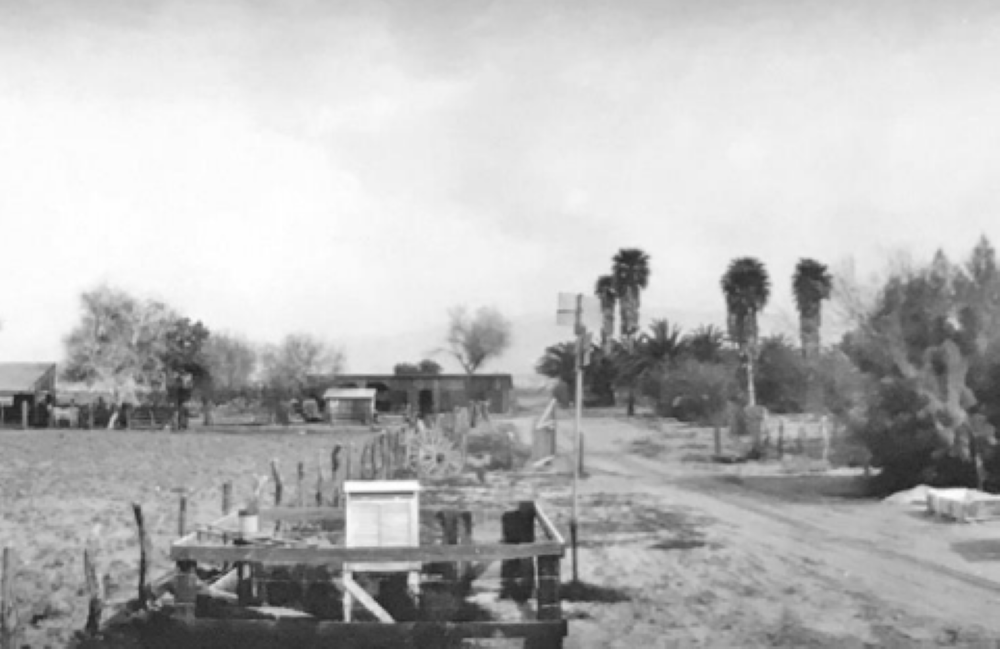
Denton may have done this because ranch employees were used to measuring hotter temperatures on the ranch veranda than the station was recording and he wanted their experience to be reflected in the data, the researchers wrote. The veranda had a double roof, which may have vented hot air onto the veranda, they noted.
"While the station move away from the irrigated field would not explain the excessively hot temperature measurements, especially those in the first two weeks of July 1913, they support a pattern of straying from proper observing protocol," they wrote.
You may like-
What's the hottest temperature the human body can endure?
-
Mystery of the sun's mind-bogglingly hot atmosphere may finally be solved
-
6 million-year-old ice discovered in Antarctica shatters records — and there's ancient air trapped inside
Denton may have also substituted some of the station's measurements for thermometer values on the veranda, Spencer said. "Newspaper, magazine, book accounts, and even correspondence with the Weather Bureau in San Francisco from back then show that 135 deg. F or hotter temperatures were made from that veranda using one or more thermometers of unknown provenance," he said.
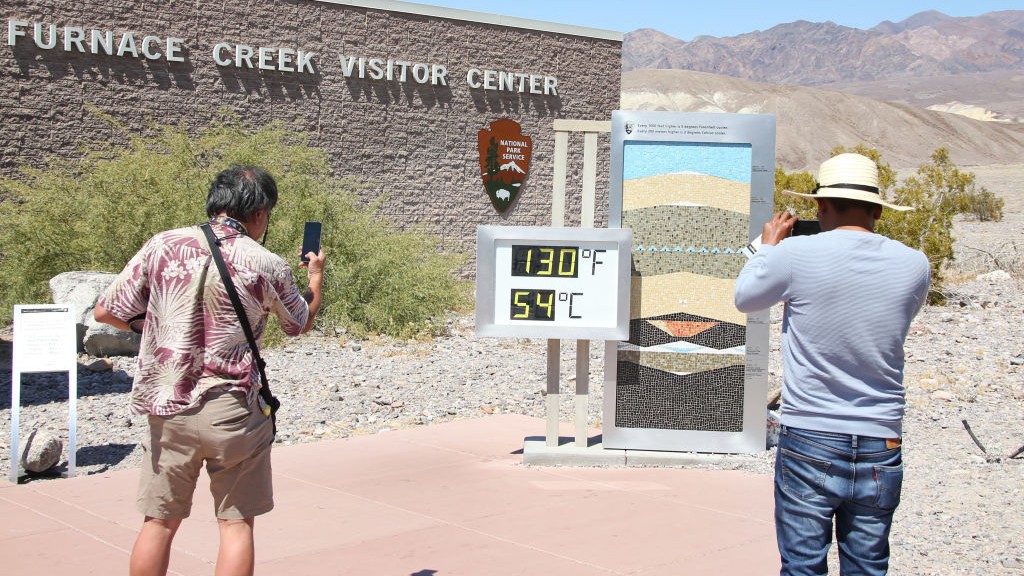
The findings suggest Death Valley's world record should be rescinded, although temperatures of 130 F recorded in 2020 and 2021 might help the valley keep it, Spencer said. The period from July 2 to 18, 1913 and other years in the record also show anomalously high temperatures that should be scrutinized, the researchers noted in the study.
RELATED STORIES—Death Valley shrub rearranges its insides to thrive in one of the hottest places on Earth
—Racetrack Playa: The home of Death Valley's mysterious 'sailing stones'
—'This is weird': Experts 'shocked' by record-breaking longevity of Death Valley's phantom lake
"I would support further investigation into this by the WMO and NOAA’s National Center for Environmental Information," said Dan McEvoy, an associate research professor of climatology at the Desert Research Institute who was not involved in the study.
The true story behind the value recorded on July 10, 1913 may never be known, but the study's conclusion that 134 F is incorrect is convincing and based on solid historical evidence, McEvoy told Live Science in an email.
"They are sampling from many surrounding stations, not just cherry picking one location," he said.
 Sascha PareSocial Links NavigationStaff writer
 Sascha is a U.K.-based staff writer at Live Science. She holds a bachelor’s degree in biology from the University of Southampton in England and a master’s degree in science communication from Imperial College London. Her work has appeared in The Guardian and the health website Zoe. Besides writing, she enjoys playing tennis, bread-making and browsing second-hand shops for hidden gems.
You must confirm your public display name before commenting
Please logout and then login again, you will then be prompted to enter your display name.
Logout Read more What's the hottest temperature the human body can endure?
 Mystery of the sun's mind-bogglingly hot atmosphere may finally be solved
 6 million-year-old ice discovered in Antarctica shatters records — and there's ancient air trapped inside
 Weird symmetry between Earth's Northern and Southern Hemispheres appears to be breaking
 It's official: The world will speed past 1.5 C climate threshold in the next decade, UN says
 Yosemite's glaciers have survived 20,000 years — but we could be the first people to see Sierra Nevada ice-free
Latest in Weather
Yosemite's glaciers have survived 20,000 years — but we could be the first people to see Sierra Nevada ice-free
Latest in Weather
 Bizarre, UFO-like halo of red light appears over small Italian town — for the second time in 3 years
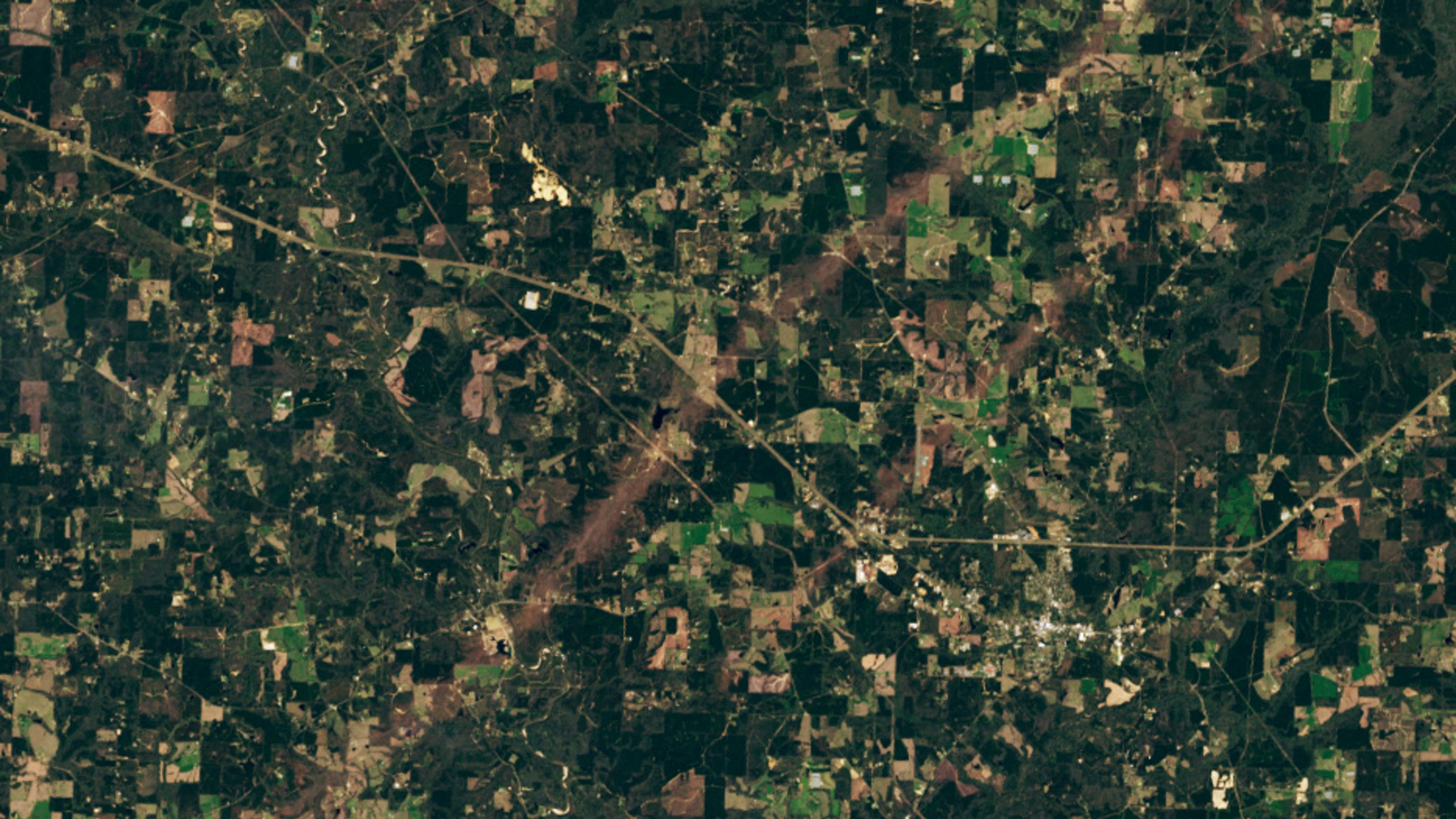 Twin tornadoes tear perfectly parallel tracks through Mississippi during deadly 'superstorm'
 Why do European cities have milder winters than those in North America, despite being at the same latitude?
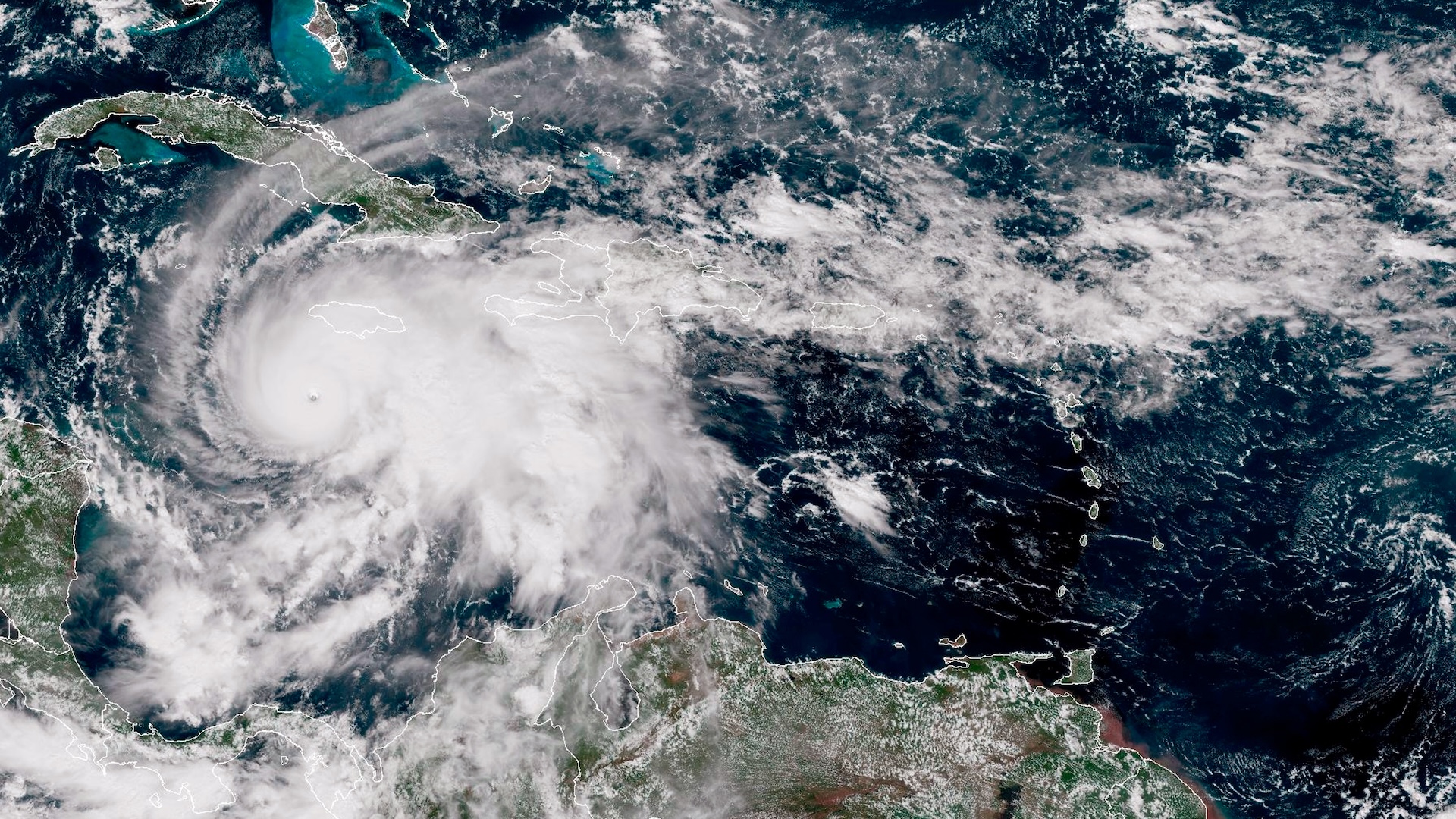 Watch Air Force fly inside the eye of Hurricane Melissa as experts warn 'storm of the century' will be catastrophic for Jamaica
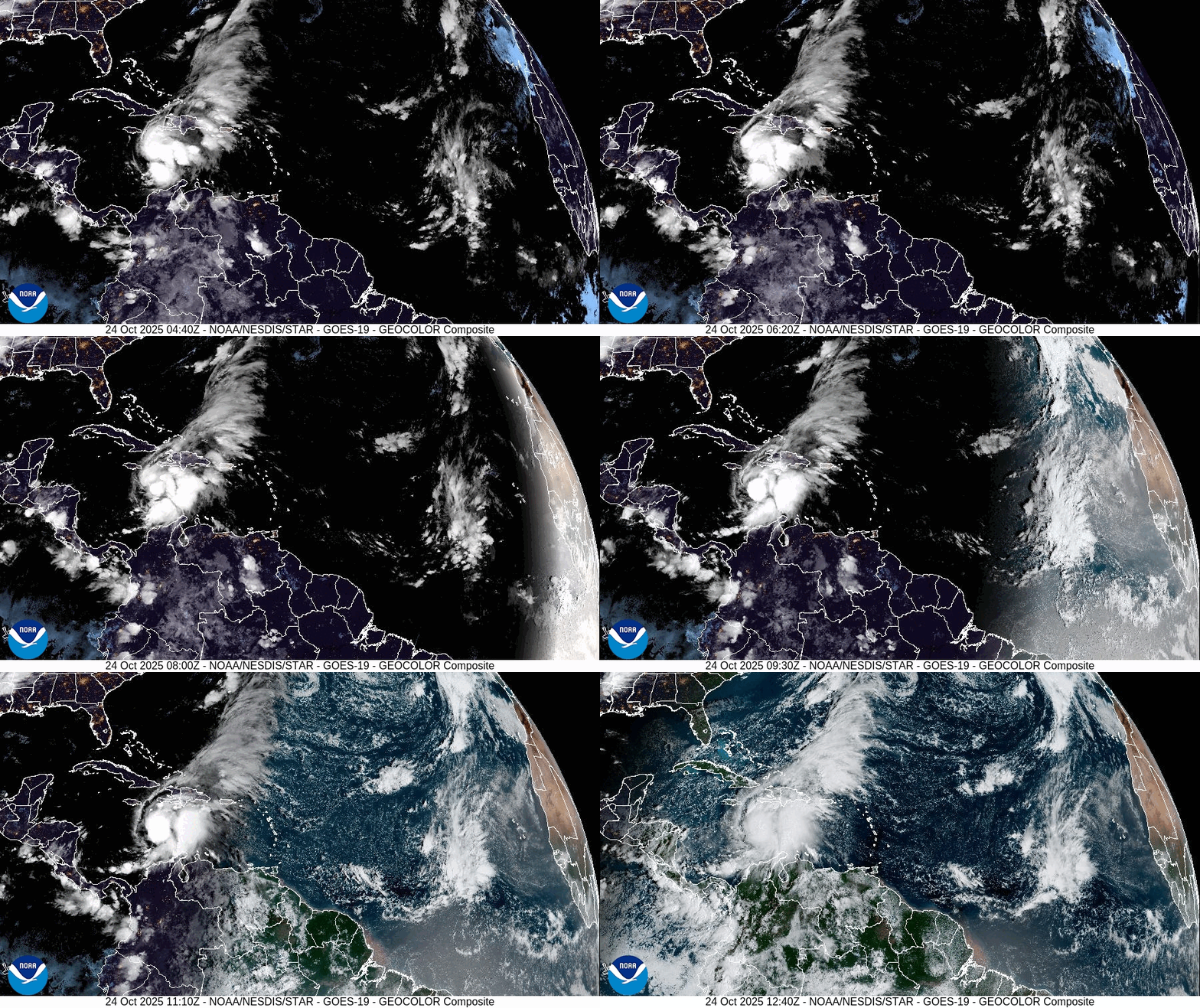 'Near stationary' Tropical Storm Melissa is moving slower than a person walking — and it may bring deadly flash floods to the Caribbean
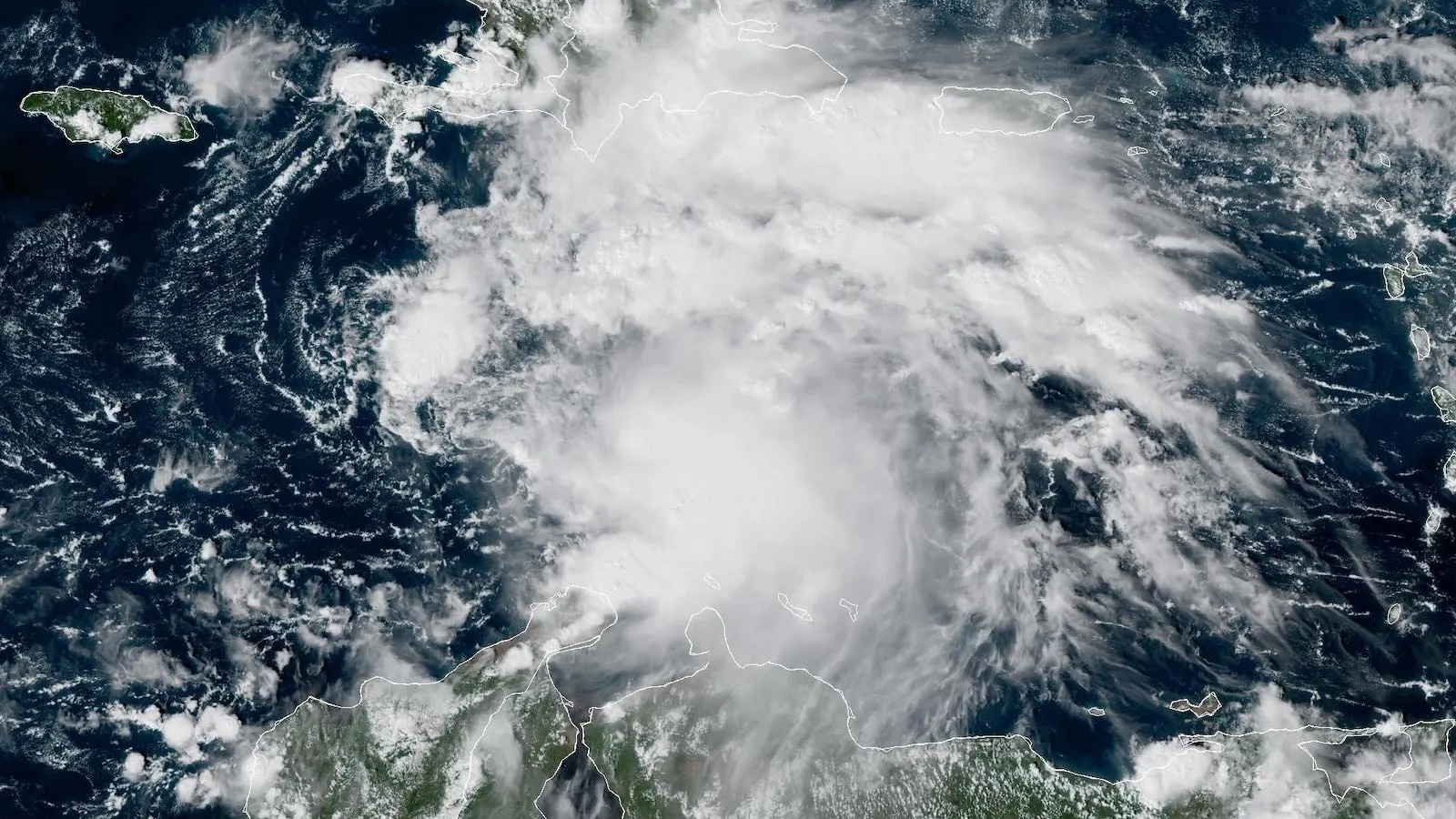 Tropical Storm Melissa puts Caribbean's most flood-vulnerable places at risk
Latest in News
Tropical Storm Melissa puts Caribbean's most flood-vulnerable places at risk
Latest in News
 New 3I/ATLAS images show the comet getting active ahead of close encounter with Earth
 Ethereal structure in the sky rivals 'Pillars of Creation' — Space photo of the week
 Unusual, 1,400-year-old cube-shaped human skull unearthed in Mexico
 Strangely bleached rocks on Mars hint that the Red Planet was once a tropical oasis
 2,400-year-old 'sacrificial complex' uncovered in Russia is the richest site of its kind ever discovered
 1,800-year-old 'piggy banks' full of Roman-era coins unearthed in French village
LATEST ARTICLES
1,800-year-old 'piggy banks' full of Roman-era coins unearthed in French village
LATEST ARTICLES- 12,400-year-old 'sacrificial complex' uncovered in Russia is the richest site of its kind ever discovered
- 2Ethereal structure in the sky rivals 'Pillars of Creation' — Space photo of the week
- 3What was the loudest sound ever recorded?
- 4New 3I/ATLAS images show the comet getting active ahead of close encounter with Earth
- 5Unusual, 1,400-year-old cube-shaped human skull unearthed in Mexico