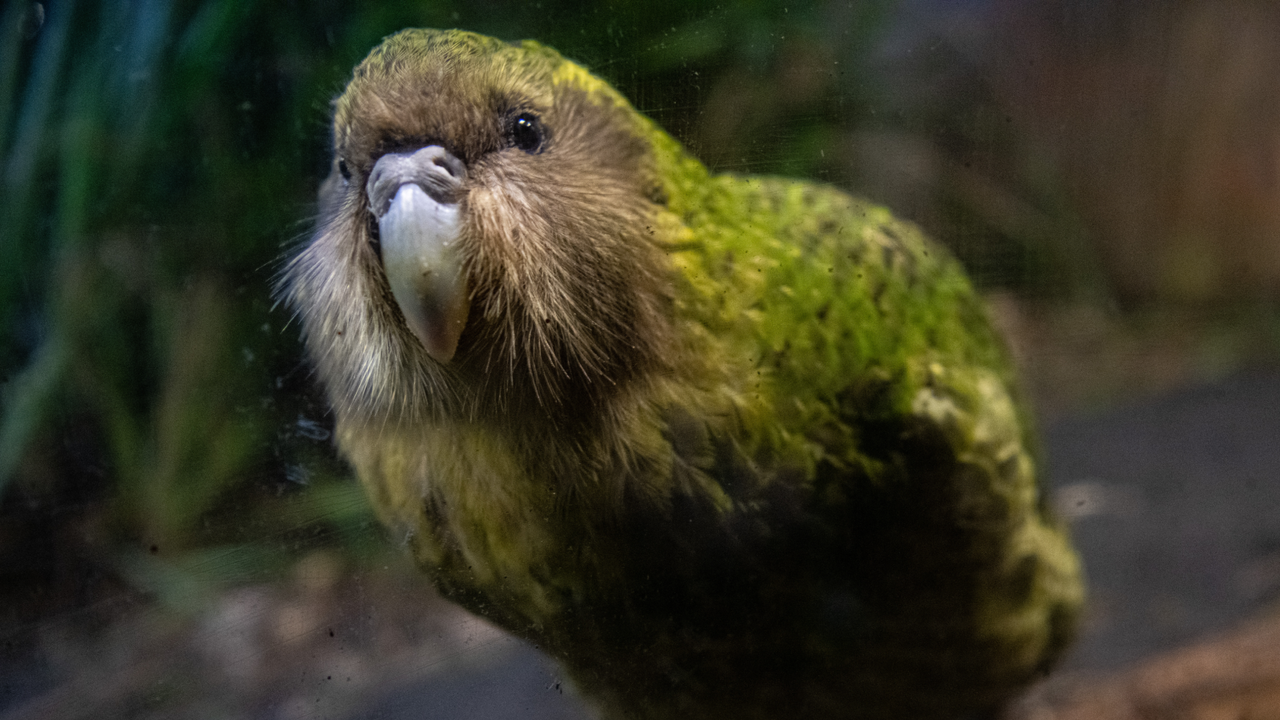
- Animals
- Birds
The 2026 breeding season for endangered kākāpō could produce the most chicks in decades.
When you purchase through links on our site, we may earn an affiliate commission. Here’s how it works.
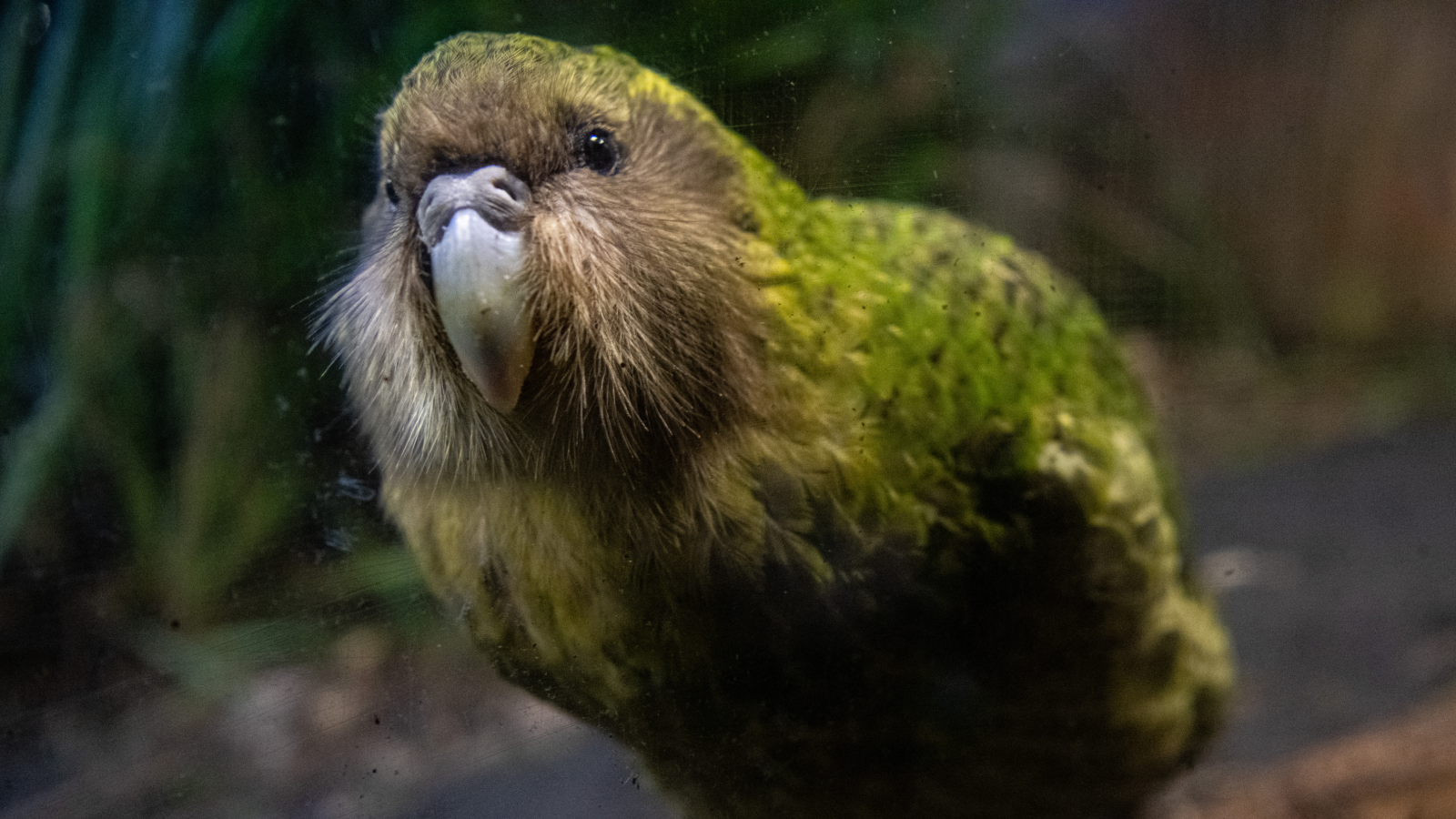 The critically endangered kakapo have entered their first breeding season in four years, officials report.
(Image credit: Liu Yang/Getty Images)
Share
Share by:
The critically endangered kakapo have entered their first breeding season in four years, officials report.
(Image credit: Liu Yang/Getty Images)
Share
Share by:
- Copy link
- X
A critically endangered, flightless parrot species is breeding for the first time in four years in New Zealand, officials announced Jan. 6.
Kākāpō (Strigops habroptilus) are large, flightless, nocturnal parrots with mottled green and yellow plumage that only breed every two to four years. Their breeding seasons are triggered by the mass fruiting of the rimu tree (Dacrydium cupressinum), a native conifer that can live for more than 600 years.
"It's always exciting when the breeding season officially begins, but this year it feels especially long-awaited after such a big gap since the last season in 2022," Deidre Vercoe, operations manager for kākāpō recovery at New Zealand's Department of Conservation, said in a statement.
You may like-
 Last of its kind dodo relative spotted in a remote Samoan rainforest
-
 Newly discovered toads skip the tadpole stage and give birth to live 'toadlets'
-
 Scientists find rare tusked whale alive at sea for the first time — and shoot it with a crossbow
The birds became critically endangered by the mid-1900s due to human expansion across New Zealand. Intensive management has raised kākāpō numbers from just 51 individuals over the last 30 years, but only 236 kākāpōs remain in the wild today, including 83 breeding females. All of them wear backpack radio transmitters to monitor their location and activities. Most kākāpō females raise one chick each breeding season.
The 2026 breeding season could produce the most chicks since records began 30 years ago, according to the statement. But the kākāpō recovery program is focusing on ensuring the birds can sustain themselves — not just the number of chicks they produce.
"Kākāpō are still critically endangered, so we'll keep working hard to increase numbers, but looking ahead, chick numbers are not our only measure of success," Vercoe said. "We want to create healthy, self-sustaining populations of kākāpō that are thriving, not just surviving. This means with each successful breeding season, we're aiming to reduce the level of intensive, hands-on management to return to a more natural state."
In previous years, being hand-raised by humans has led some kākāpō to imprint on people rather than other members of their own species. One, named Sirocco, made headlines when he attempted to mate with the head of a zoologist filming a documentary on the birds in 2009. That prompted creative rangers to develop a latex "kākāpō ejaculation helmet," Stuff reported in 2018.
Sign up for the Live Science daily newsletter nowContact me with news and offers from other Future brandsReceive email from us on behalf of our trusted partners or sponsorsBy submitting your information you agree to the Terms & Conditions and Privacy Policy and are aged 16 or over.RELATED STORIES—Last of its kind dodo relative spotted in a remote Samoan rainforest
—Watch elusive New Zealand snail lay an egg through a 'genital pore' in its neck
—Fowl play? 'Bird of the Year' winner in New Zealand contest is a bat
This season, to reduce interference, the team plans to leave more eggs to hatch in kākāpō nests rather than in incubators, and limit how much they interact with the nests that hold more than one chick.
During the breeding season, male kākāpō come together to build networks of paths and depressions that amplify their booming mating calls. Each night, for weeks or months, their calls attract females to this communal area, called a lek. After mating, the female kākāpō incubates the eggs and raises the chicks alone.
Officials expect the first chicks of the season to hatch around mid-February.
Bird quiz: How much do you know about our feathered friends?
 Skyler WareSocial Links NavigationLive Science Contributor
Skyler Ware is a freelance science journalist covering chemistry, biology, paleontology and Earth science. She was a 2023 AAAS Mass Media Science and Engineering Fellow at Science News. Her work has also appeared in Science News Explores, ZME Science and Chembites, among others. Skyler has a Ph.D. in chemistry from Caltech.
Show More CommentsYou must confirm your public display name before commenting
Please logout and then login again, you will then be prompted to enter your display name.
Logout Read more Newly discovered toads skip the tadpole stage and give birth to live 'toadlets'
 Scientists find rare tusked whale alive at sea for the first time — and shoot it with a crossbow
 Pumas in Patagonia started feasting on penguins — but now they're behaving strangely, a new study finds
 Never-before-seen footage captures moment scientists find new, giant anaconda species in Amazon
 Giant 'cow of the Cretaceous' discovered almost 100 years ago identified as new duck-billed dinosaur
 Flat-headed cat not seen in Thailand for almost 30 years is rediscovered
Latest in Birds
Flat-headed cat not seen in Thailand for almost 30 years is rediscovered
Latest in Birds
 Last of its kind dodo relative spotted in a remote Samoan rainforest
 Why do vultures circle?
 Fossil of huge penguin that lived 3 million years ago discovered in New Zealand — what happened to it?
 Rare blue-and-green hybrid jay spotted in Texas is offspring of birds whose lineages split 7 million years ago
 'Rare' ancestor reveals how huge flightless birds made it to faraway lands
 Best bird song identification apps in 2025 — Identify bird calls and improve your avian knowledge
Latest in News
Best bird song identification apps in 2025 — Identify bird calls and improve your avian knowledge
Latest in News
 Color blindness linked to lower bladder cancer survival, early study hints
 Medieval 'super ship' found wrecked off Denmark is largest vessel of its kind
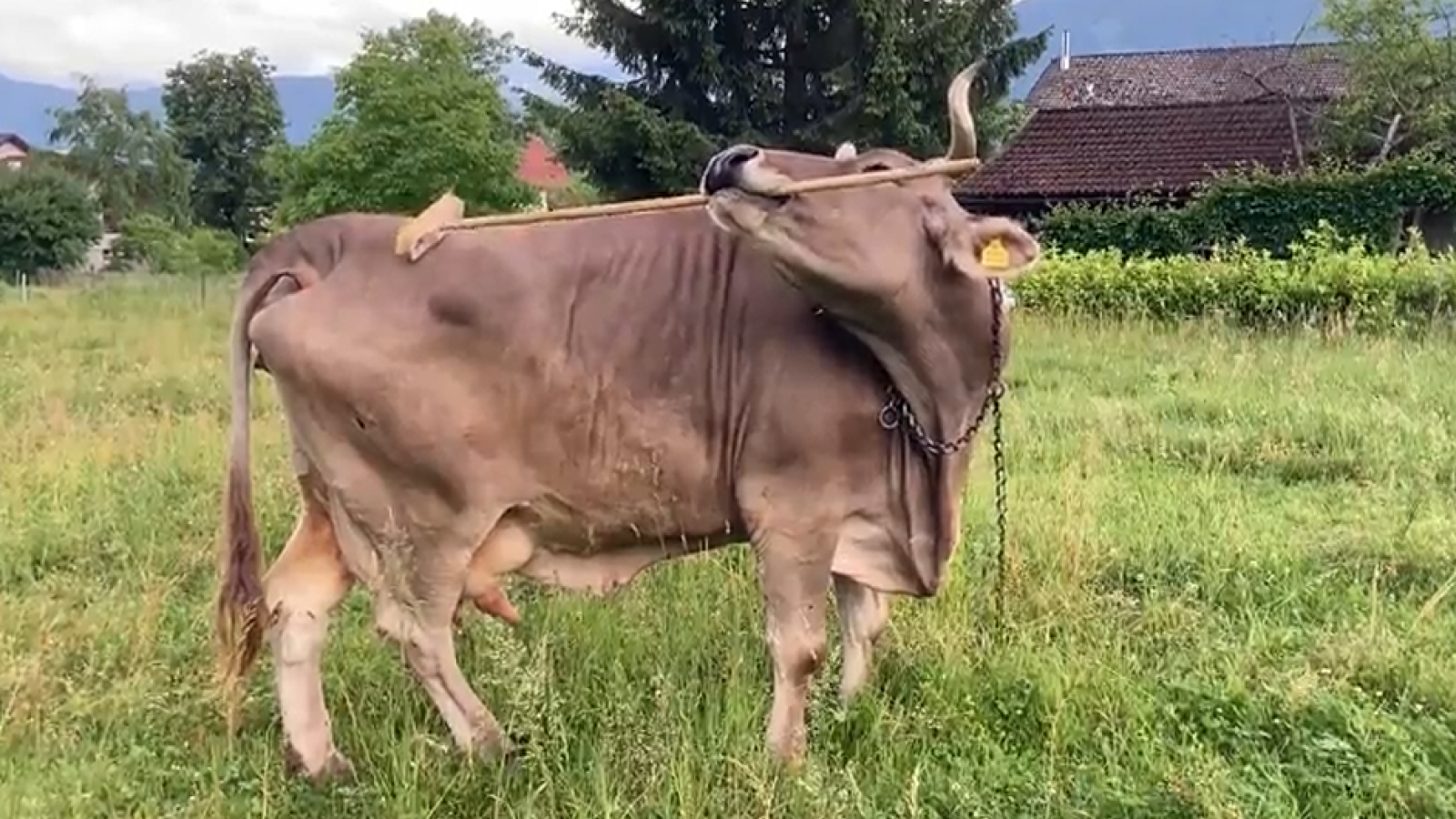 Ever watched a pet cow pick up a broom and scratch herself with it? You have now
 James Webb telescope reveals sharpest-ever look at the edge of a supermassive black hole
 Why is flu season so bad this year?
 Strange discovery offers 'missing link' in planet formation
LATEST ARTICLES
Strange discovery offers 'missing link' in planet formation
LATEST ARTICLES- 1Medieval 'super ship' found wrecked off Denmark is largest vessel of its kind
- 2Suunto Vertical 2 smartwatch review: Beauty and the beast
- 31,700-year-old Roman marching camps discovered in Germany — along with a multitude of artifacts like coins and the remnants of shoes
- 4Giant underwater plumes triggered by 7-story waves at Nazaré captured off Portuguese coast
- 5Indigenous TikTok star 'Bush Legend' is actually AI-generated, leading to accusations of 'digital blackface'