- Planet Earth
- Plants
Scientists say their Stomata In-Sight tool can observe plants "breathe," which could be used to bioengineer crops that require less water, making them potentially more resilient to climate change.
When you purchase through links on our site, we may earn an affiliate commission. Here’s how it works.
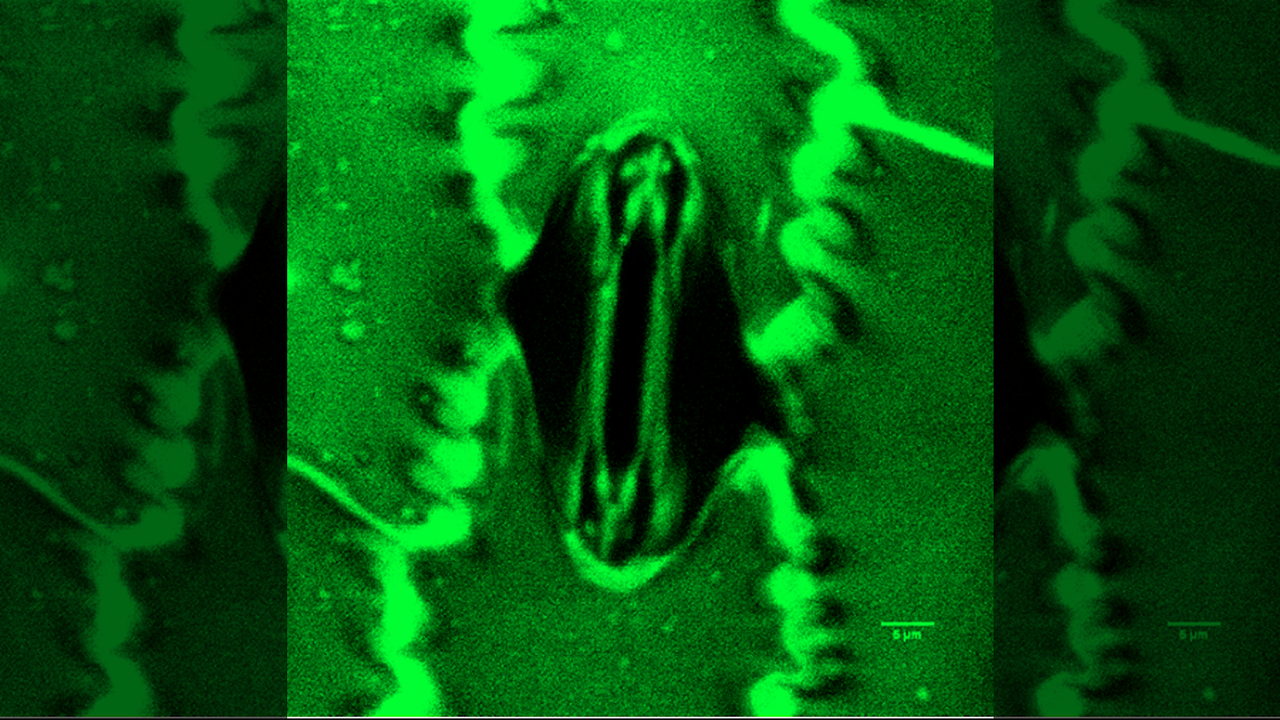
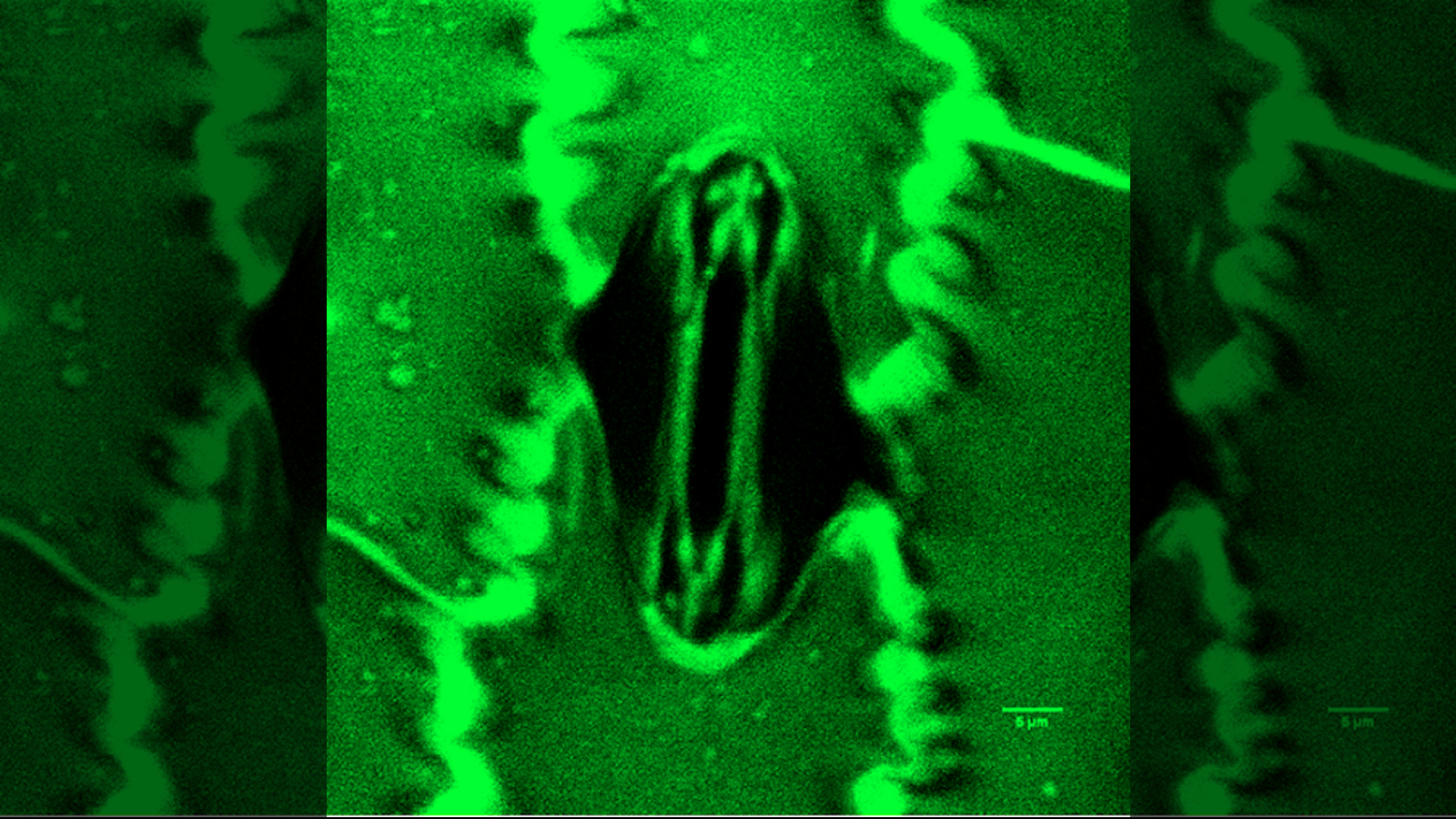 Representative 16-bit confocal microscope image of an open Zea mays stoma.
(Image credit: Plant Physiology, Volume 199, Issue 4, December 2025, kiaf600, https://doi.org/10.1093/plphys/kiaf600)
Share
Share by:
Representative 16-bit confocal microscope image of an open Zea mays stoma.
(Image credit: Plant Physiology, Volume 199, Issue 4, December 2025, kiaf600, https://doi.org/10.1093/plphys/kiaf600)
Share
Share by:
- Copy link
- X
Scientists have created a new tool to watch plants breathe in real time. The new tech could help identify the genetic traits that make crops more resilient to global climate change, the researchers say.
Humanity's food system depends on tiny pores on plants' leaves. These microscopic pores, called stomata (from the Greek word for mouth) regulate how much carbon dioxide a plant consumes and how much oxygen and water vapor it breathes out.
You may like-
 Death Valley shrub rearranges its insides to thrive in one of the hottest places on Earth
-
 Trees in Panama's tropical forests are growing longer roots in the face of drought
-
 China has planted so many trees it's changed the entire country's water distribution
Specialized cells surround the pore openings, and they expand and contract to open and close the stomata. But scientists still don't know exactly how individual stomata regulate what the plant moves in and out.
"Despite the fact that we have studied stomata for a very, very long time, and we do know a great deal about them, we really struggle to connect understanding the amount of these oxygen, water and carbon going in and out of the stomata with how many stomata there are, how big they are, and how they open," Leakey said.
To understand this process better, researchers developed the Stomata In-Sight tool, which they described in a study published Nov. 17, 2025 in the journal Plant Physiology. The Stomata In-Sight instrument combines a microscope, a system to measure the stomatal gas flux, and machine-learning image analysis. "It measures the collective activity of thousands upon thousands of stomata in terms of these carbon dioxide and water fluxes," Leakey said.
To use Stomata In-Sight, small pieces of leaf are placed in a climate-controlled chamber about the size of a human palm, which is connected to a gas exchange system, Leakey explained. Researchers can change the conditions inside the chamber to see how the stomata respond to variations in temperature, water availability and other parameters. The microscope sits outside the chamber, looking in, while the machine-learning analysis identifies stomata from the microscope's images, speeding up analysis.
Sign up for the Live Science daily newsletter nowContact me with news and offers from other Future brandsReceive email from us on behalf of our trusted partners or sponsorsBy submitting your information you agree to the Terms & Conditions and Privacy Policy and are aged 16 or over.It has taken the team several years to develop the new tool. A major issue was that tiny vibrations — such as the fan in a gas-exchange system — can lead to blurry images. "This actually took us about five years, and we had probably three prototypes that failed when we got to the final solution," Leakey said.
The team has already used the system to look at the stomata of maize (Zea mays) and other crops. It also used the insights about stomata to engineer sorghum (Sorghum bicolor, a type of plant cultivated for grain) to use less water. They identified the genes responsible for the density of stomata on sorghum leaves and engineered plants with more spread-out stomata.
The University of Illinois Urbana-Champaign has patented the technology, and while it is not commercially available, Leakey hopes that there may be companies interested in producing the instrument for other research groups.
You may like-
 Plants self-organize in a 'hidden order,' echoing pattern found across nature
-
 Arctic 'methane bomb' may not explode as permafrost thaws, new study suggests
-
 MIT invention uses ultrasound to shake drinking water out of the air, even in dry regions
Not all scientists are convinced, however. Alistair Hetherington, an emeritus professor of botany at the University of Bristol in the U.K., doubts that the new tool will revolutionize the study of stomata.
"We have been able to use conventional microscopy to measure changes in stomatal aperture for well over hundred years, confocal microscopy for probably 25 years, and the so-called gas exchange techniques for 50 years," he told Live Science. The new study puts the techniques together, but researchers are likely to stick to "tried and tested existing techniques that deliver," Hetherington added.
RELATED STORIES—Trees in Panama's tropical forests are growing longer roots in the face of drought
—China has planted so many trees it's changed the entire country's water distribution
—Death Valley shrub rearranges its insides to thrive in one of the hottest places on Earth
Nevertheless, Leakey is looking at improving the tool to broaden its usefulness. The main challenge at the moment is that watching the stomata "breathe" is very time consuming. "When you're looking through the microscope, you see on average two to three stomata in the little piece of leaf you're looking at," he explained. "But you actually need to measure 40 or 50 stomata in order to account for the variation." This has to be done manually.
Also, it can take a few minutes for stomata to respond to changing conditions. This means that scientists have to wait for the stomata to finish opening or closing before they take another image.
"It's quite labour intensive, but it's possible we could use robotics and artificial intelligence to turn it into a production-line process," he said. "There's a lot of excitement in the scientific community about how we can accelerate biological research using those sorts of tools."
 Sarah WildSocial Links NavigationLive Science Contributor
Sarah Wild is a British-South African freelance science journalist. She has written about particle physics, cosmology and everything in between. She studied physics, electronics and English literature at Rhodes University, South Africa, and later read for an MSc Medicine in bioethics.
Since she started perpetrating journalism for a living, she's written books, won awards, and run national science desks. Her work has appeared in Nature, Science, Scientific American, and The Observer, among others. In 2017 she won a gold AAAS Kavli for her reporting on forensics in South Africa.
Show More CommentsYou must confirm your public display name before commenting
Please logout and then login again, you will then be prompted to enter your display name.
Logout Read more Plants self-organize in a 'hidden order,' echoing pattern found across nature
 Arctic 'methane bomb' may not explode as permafrost thaws, new study suggests
 MIT invention uses ultrasound to shake drinking water out of the air, even in dry regions
 Scientists create ultrapowerful, squishy robotic 'eye' that focuses automatically and doesn't need a power source
 A looming 'insect apocalypse' could endanger global food supplies. Can we stop it before it's too late?
 China's Great Green Wall: The giant artificial forest designed to slow the expansion of 2 deserts
Latest in Plants
China's Great Green Wall: The giant artificial forest designed to slow the expansion of 2 deserts
Latest in Plants
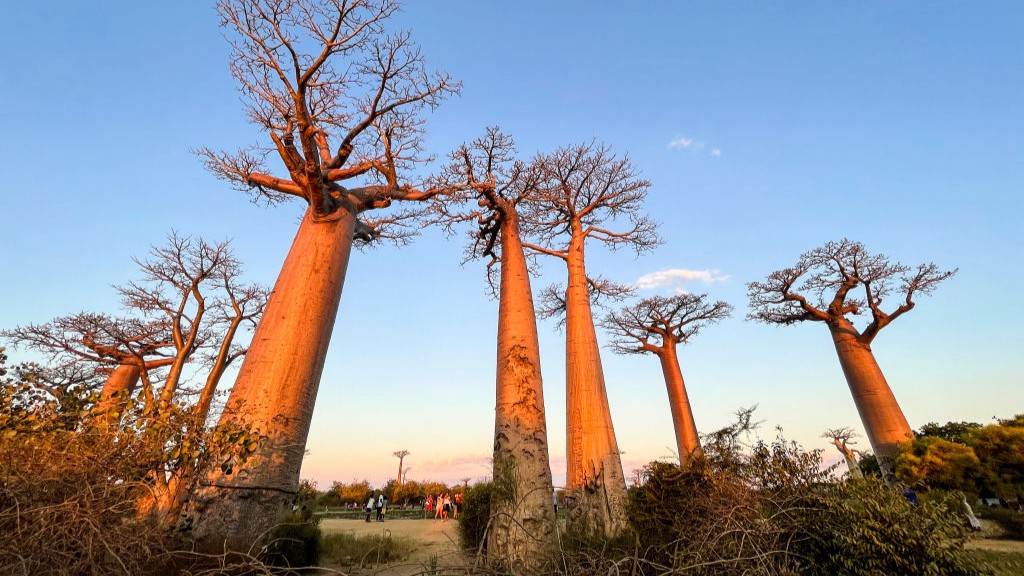 Avenue of the Baobabs: Madagascar's natural monument with dozens of 'mother of the forest' trees
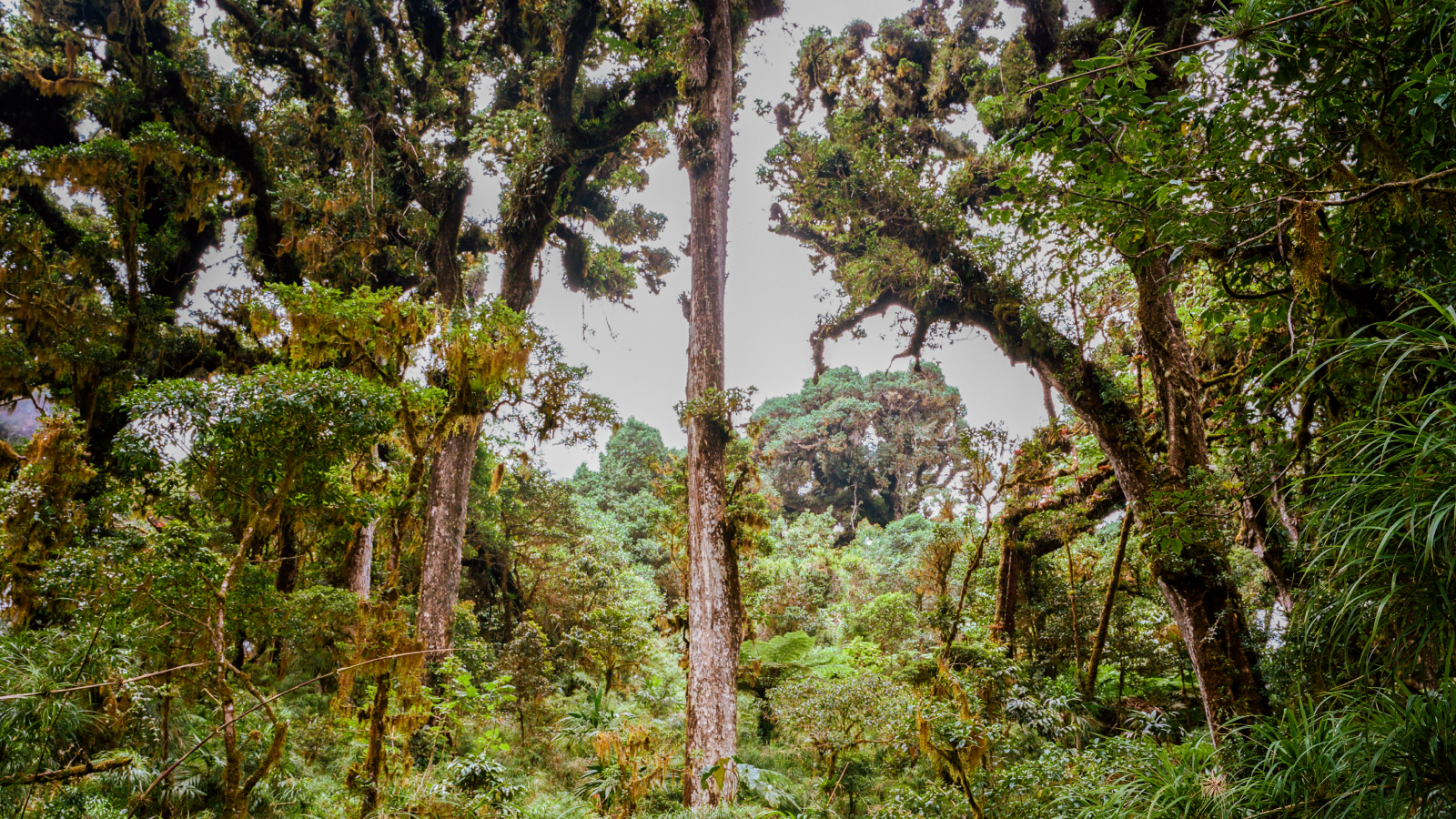 Trees in Panama's tropical forests are growing longer roots in the face of drought
China's Great Green Wall: The giant artificial forest designed to slow the expansion of 2 deserts
Trees in Panama's tropical forests are growing longer roots in the face of drought
China's Great Green Wall: The giant artificial forest designed to slow the expansion of 2 deserts
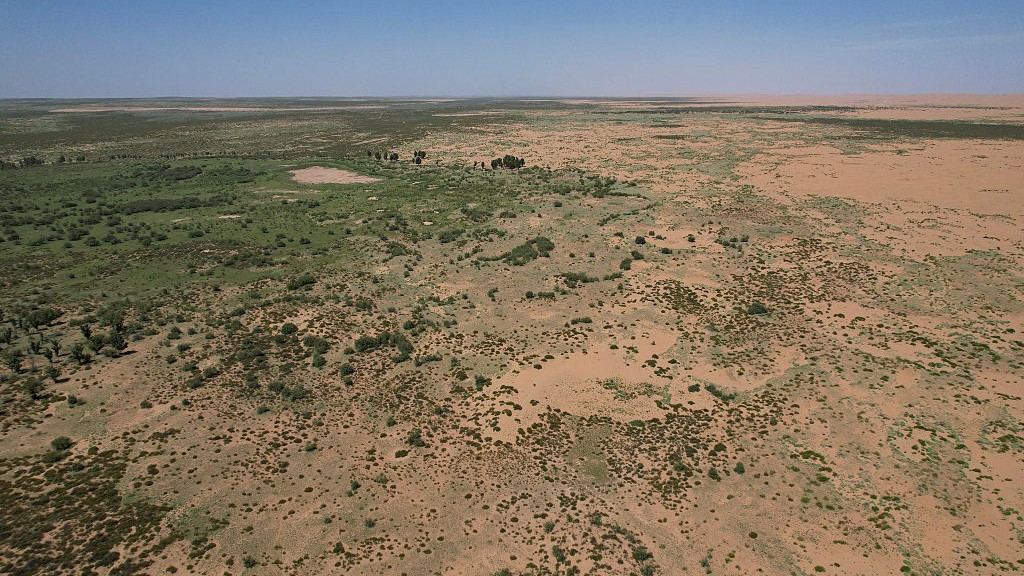 China has planted so many trees it's changed the entire country's water distribution
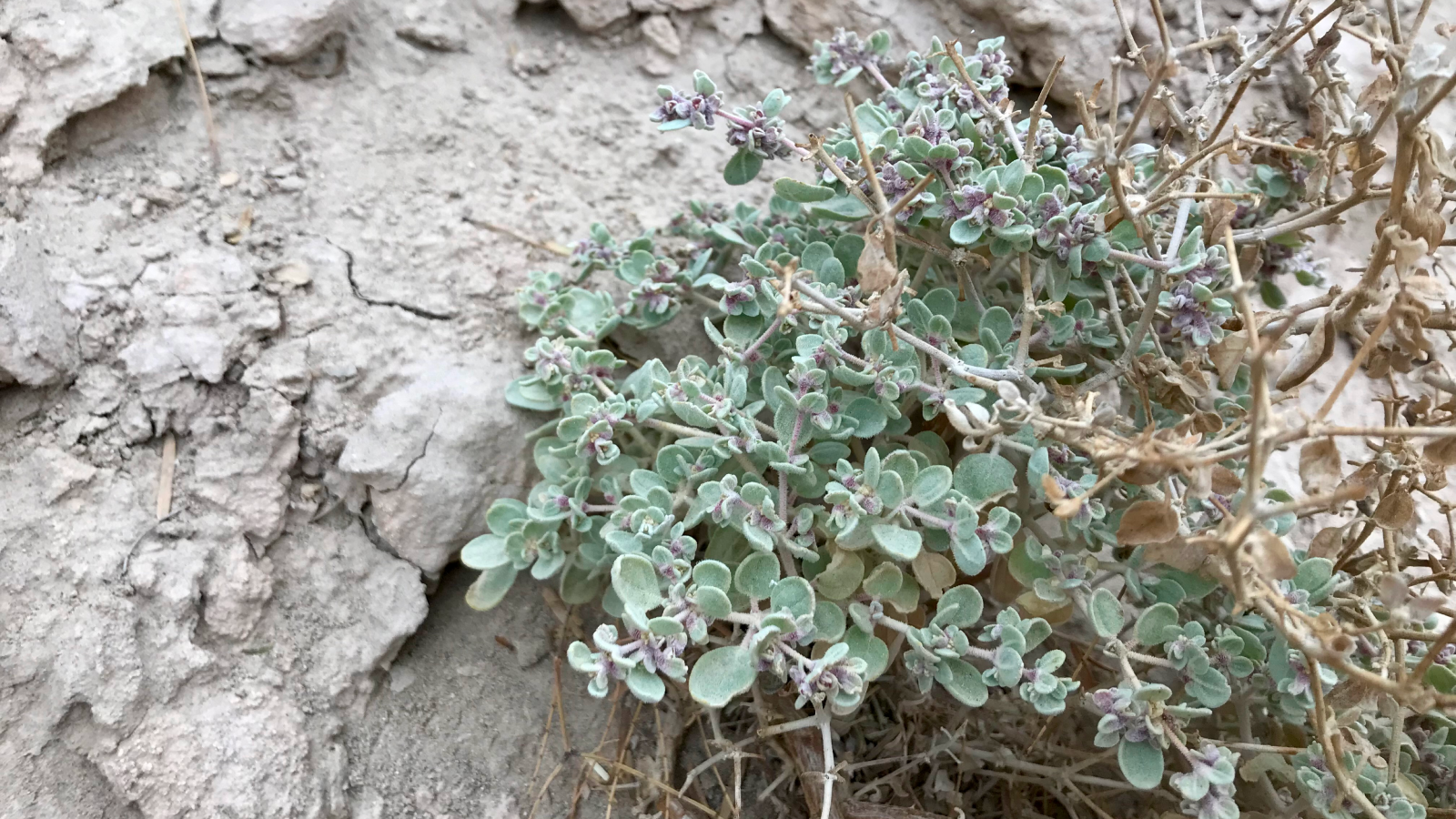 Death Valley shrub rearranges its insides to thrive in one of the hottest places on Earth
 Fruits and vegetables quiz: Do you know where pumpkins, blueberries and broccoli come from?
Latest in News
Fruits and vegetables quiz: Do you know where pumpkins, blueberries and broccoli come from?
Latest in News
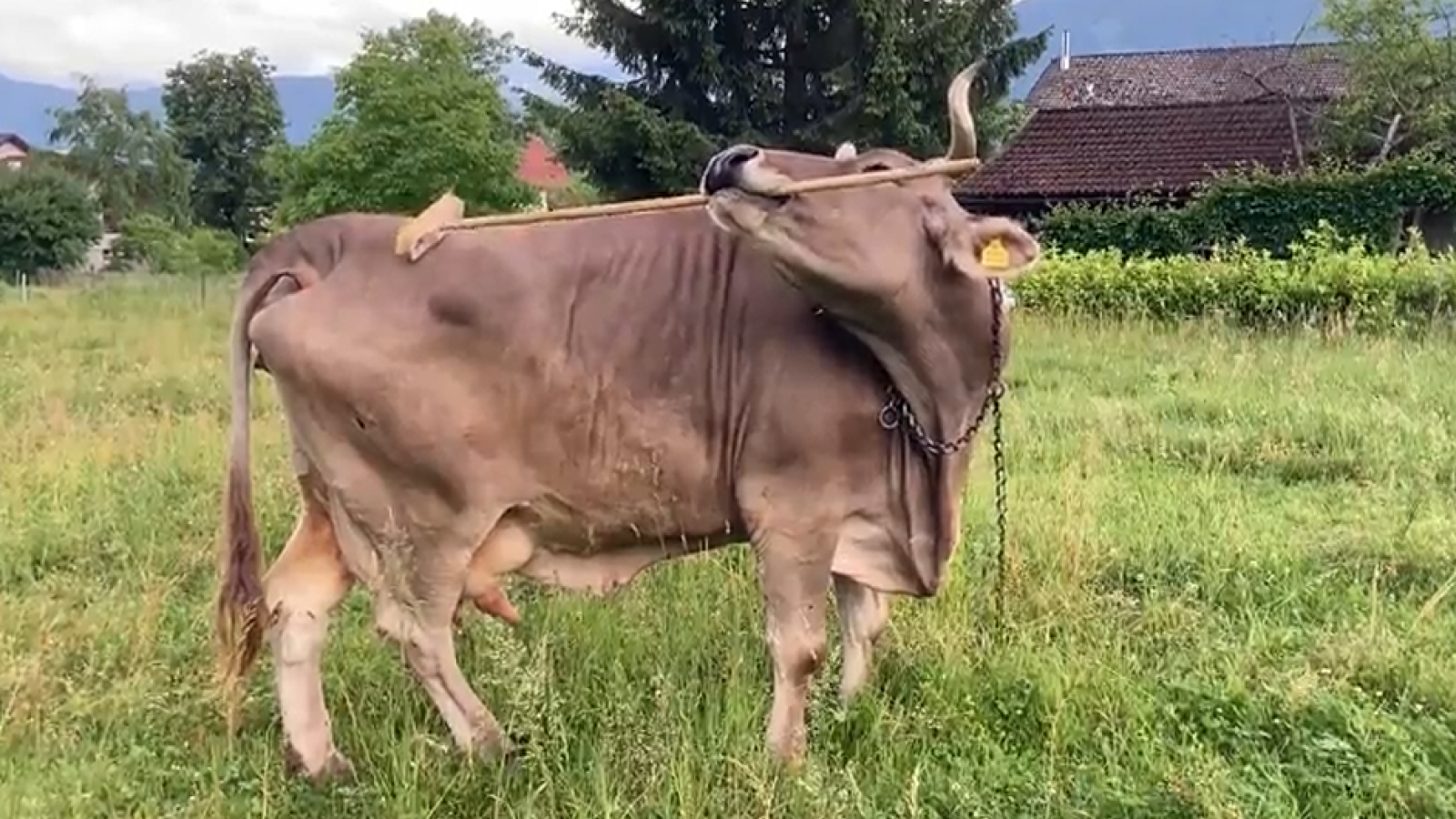 Ever seen a pet cow pick up a broom and scratch herself with it? You have now
 James Webb telescope reveals sharpest-ever look at the edge of a supermassive black hole
 Why is flu season so bad this year?
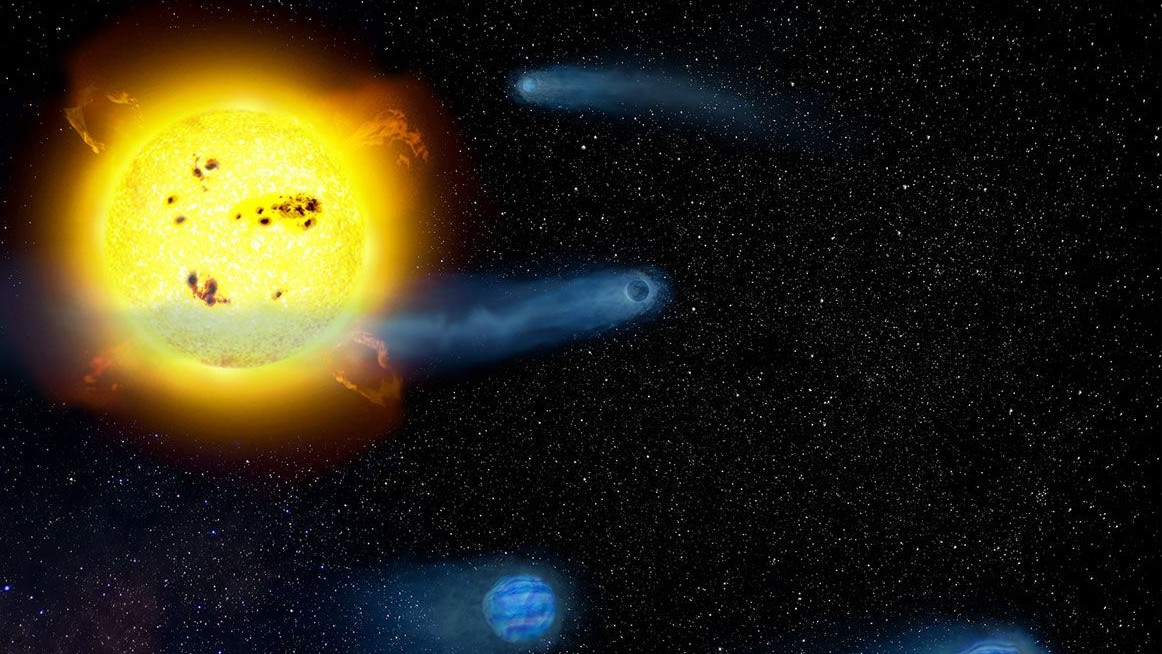 Strange discovery offers 'missing link' in planet formation
 Remnants of spills on Renaissance-era textbook reveal recipes for 'curing' ailments with lizard heads and human feces
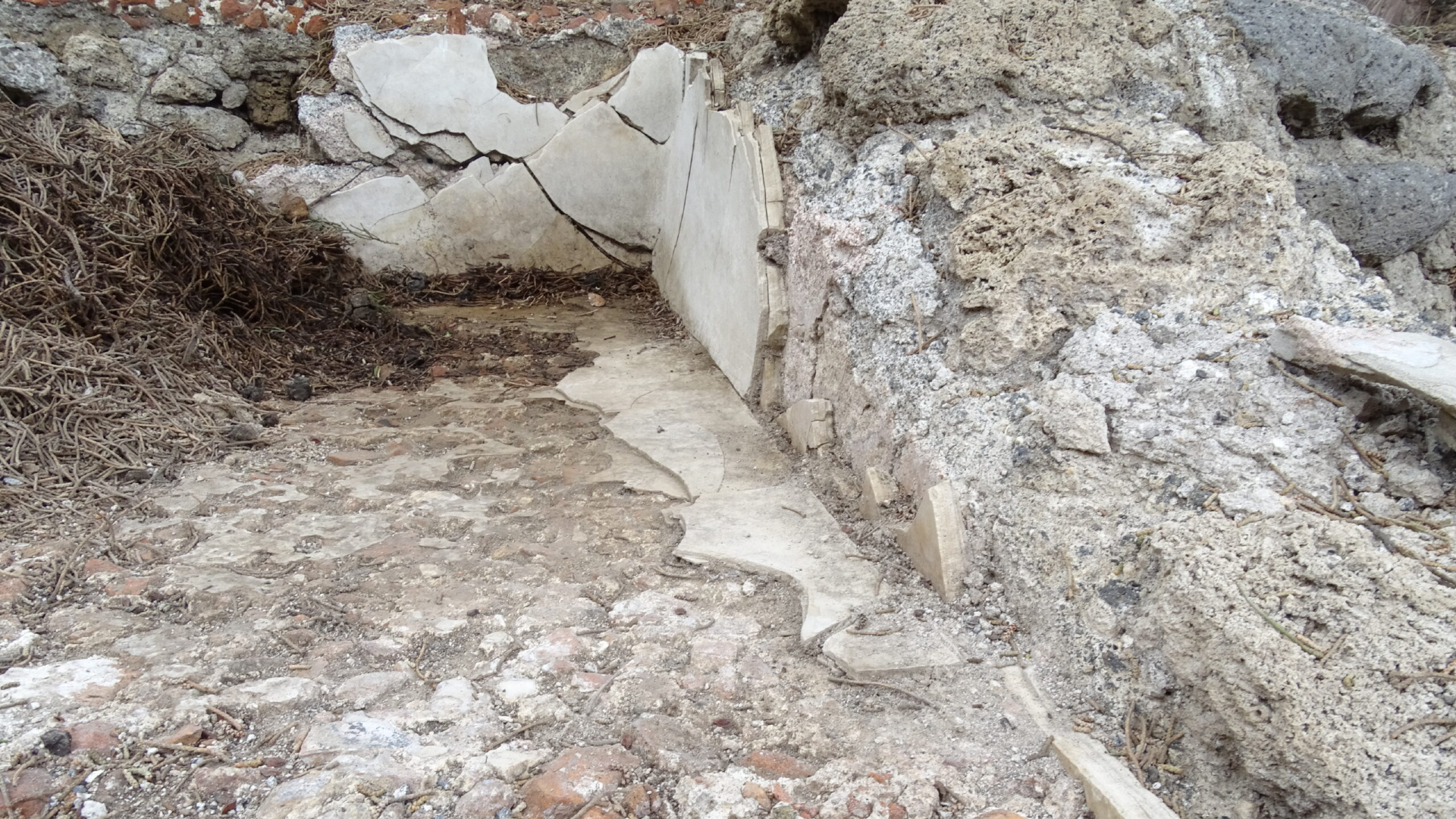 Romans regularly soaked in filthy, lead-contaminated bath water, Pompeii study finds
LATEST ARTICLES
Romans regularly soaked in filthy, lead-contaminated bath water, Pompeii study finds
LATEST ARTICLES 1Indigenous TikTok star 'Bush Legend' is actually AI-generated, leading to accusations of 'digital blackface'
- 2Ever seen a pet cow pick up a broom and scratch herself with it? You have now
- 3HP Omen Max 16 (2025) review: This heavyweight pushes everything to the max
- 4Eerie 'sand burials' of elite Anglo-Saxons and their 'sacrificed' horse discovered near UK nuclear power plant
- 5Last year, the oceans absorbed a record-breaking amount of heat — equivalent to 12 Hiroshima bombs exploding every second