- Archaeology
- Romans
Archaeologists have unearthed tombs and a shrine dedicated to Hercules from the time of the Roman Republic.
When you purchase through links on our site, we may earn an affiliate commission. Here’s how it works.
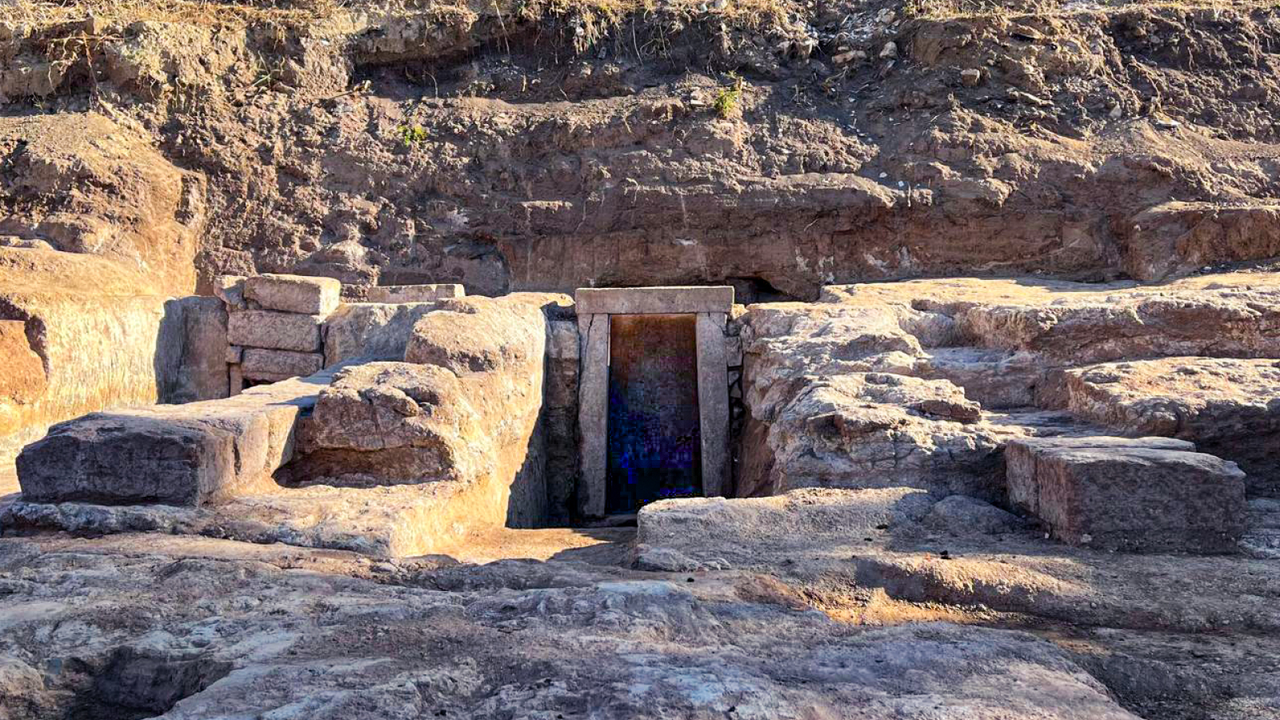
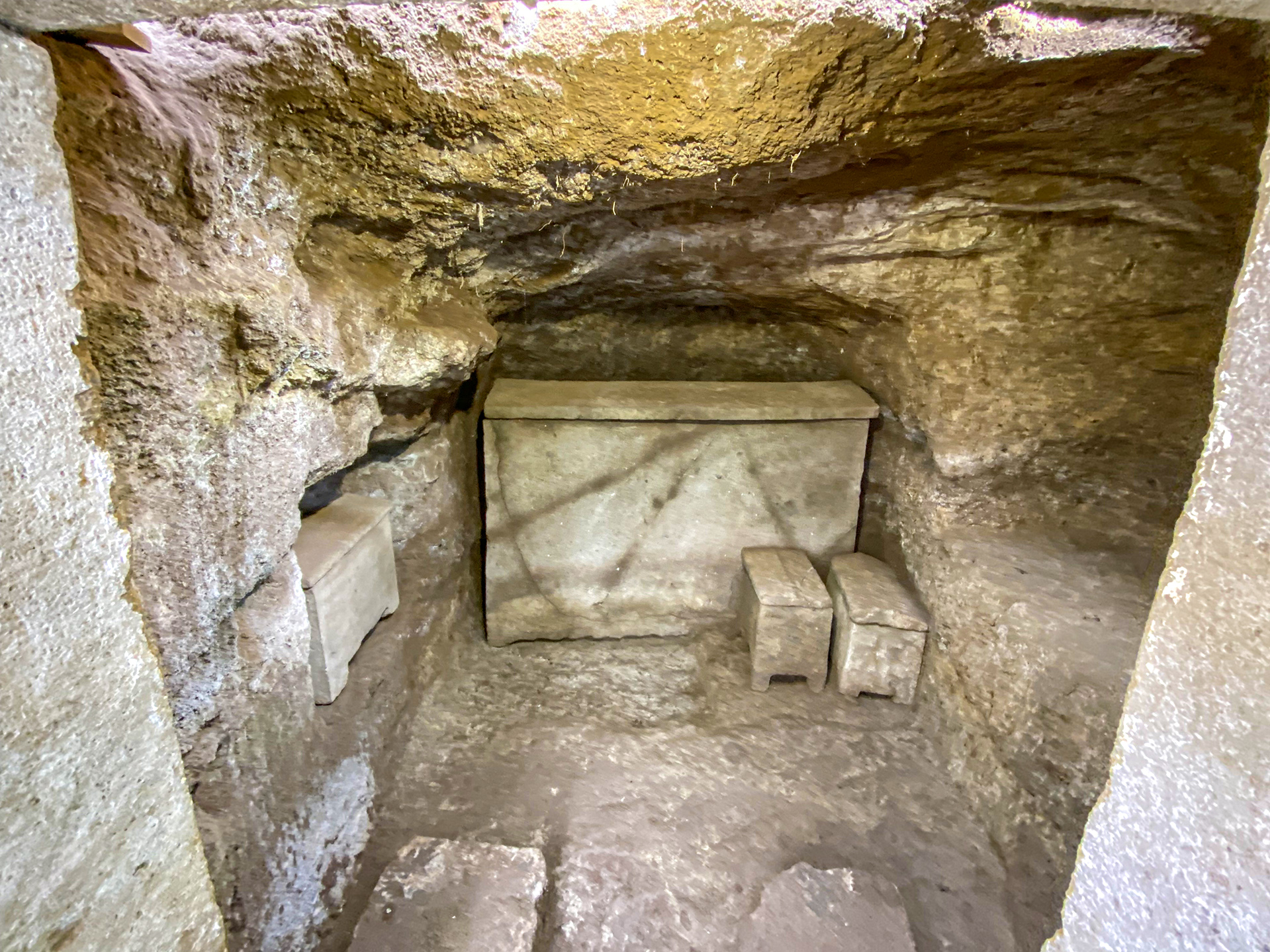
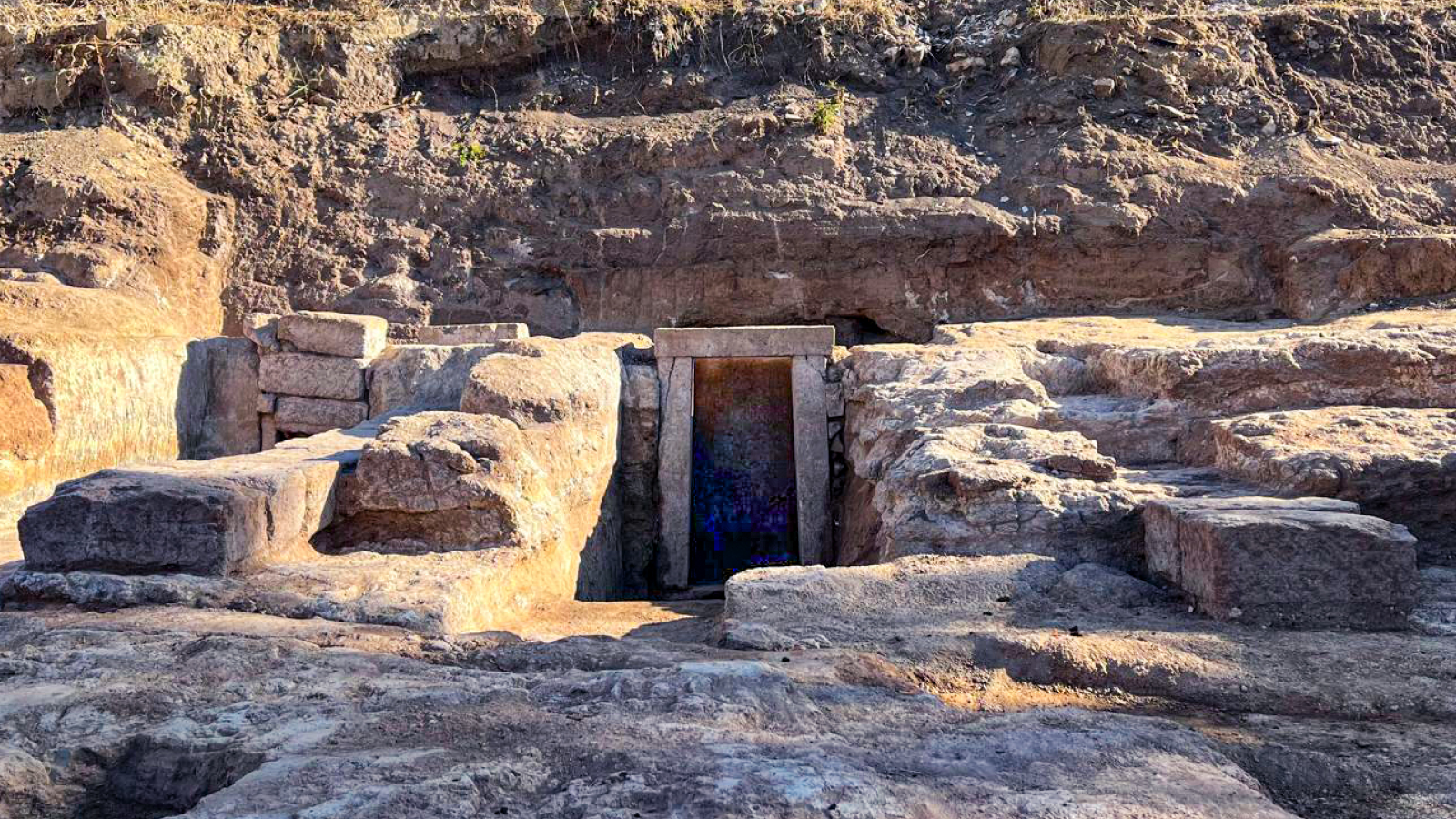 The two tombs date from the time of Rome's Republic and were found near that city's northeast Via Pietralata.
(Image credit: Italian Culture Ministry)
Share
Share by:
The two tombs date from the time of Rome's Republic and were found near that city's northeast Via Pietralata.
(Image credit: Italian Culture Ministry)
Share
Share by:
- Copy link
- X
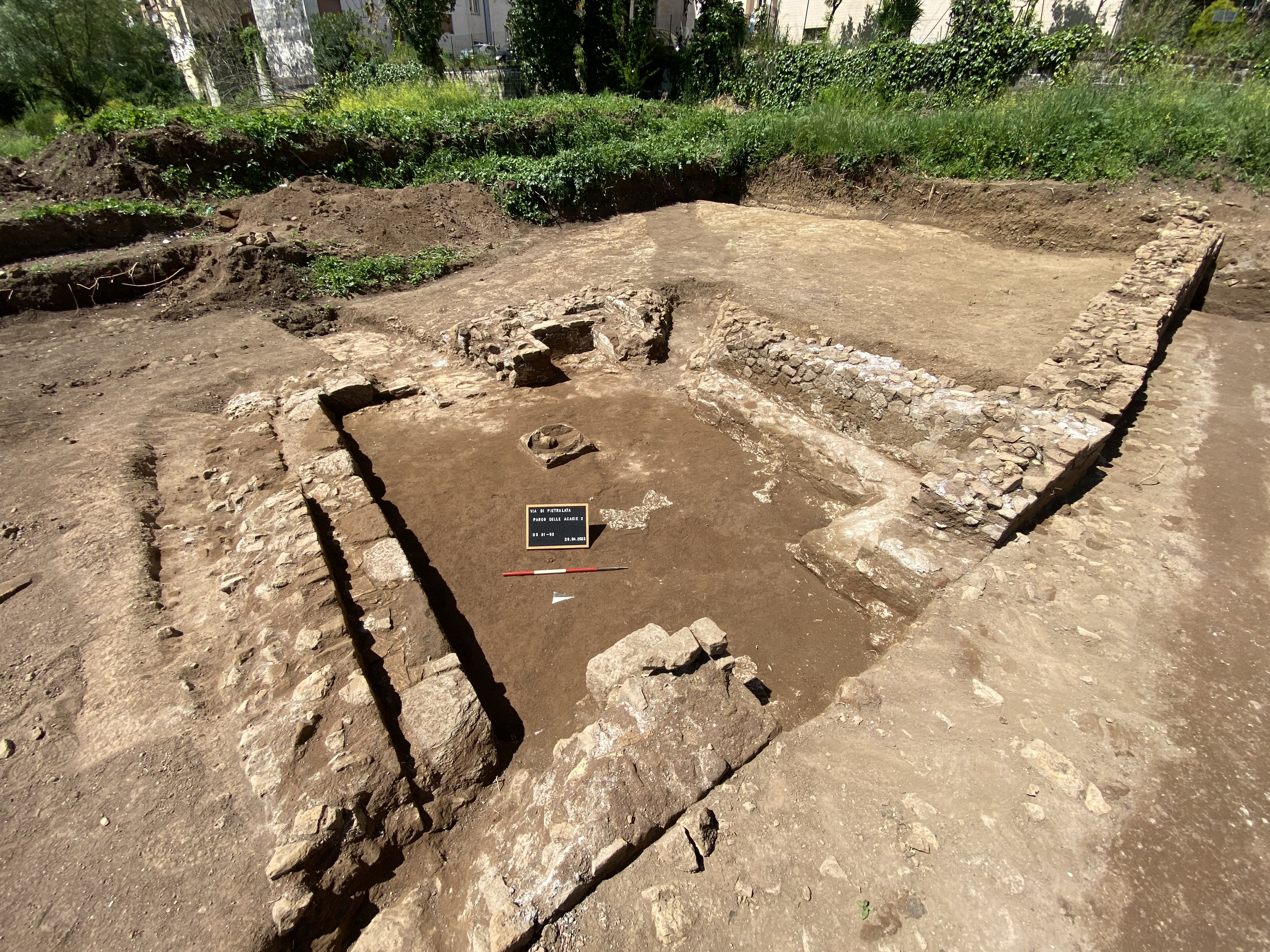
Two elite tombs from the time of the Roman Republic more than 2,400 years ago have been unearthed near Via Pietralata in the northeast of modern Rome.
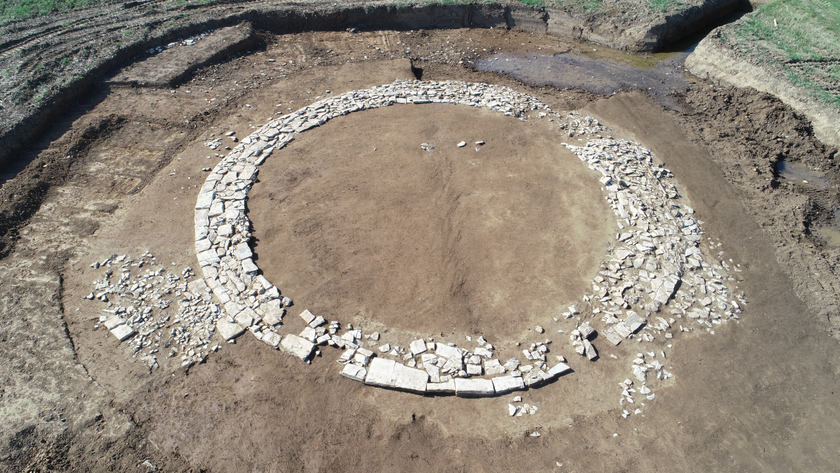
The buried chamber tombs were together in a funerary complex and near what seems to have been a shrine to the Greek demigod Hercules, who was a popular symbol of protection to the Romans. The excavations include a stretch of ancient roadway and two large monumental basins or tanks that were likely used in sacred ceremonies.
You may like-
 2,000-year-old gold ring holds clue about lavish cremation burial unearthed in France
-
 French archaeologists uncover 'vast Roman burial area' with cremation graves 'fed' by liquid offerings
-
 'Extremely rare' and 'highly unusual' Roman-era tomb in Germany is completely empty
Evidence of ancient occupation around Via Pietralata was found in the 1990s, and excavations of the area of the shrine began in 2022 under the direction of government archaeologist Fabrizio Santi. The area was outside the ancient Roman walls but it is now a suburb of the modern city.
The archaeological team has since discovered bronze coins that indicate the shrine was used between the fifth or fourth centuries B.C. — when Rome was supposedly a republic, although archaeologists don't agree on the dates — and the first century A.D., when Rome had become an empire.
Some media stories have claimed the finds included six bronze figurines of Hercules, but reports from the Italian Ministry of Culture do not mention any such findings. In fact, the shrine once had a central statue, but it is now missing, the statement said.
Ancient occupants
The tombs could be evidence that the area was occupied by a wealthy family group known as a Roman gens, Santi said in another translated statement. One of the newfound tombs contains a stone sarcophagus and three cremation urns, and the other contains an adult male skeleton.
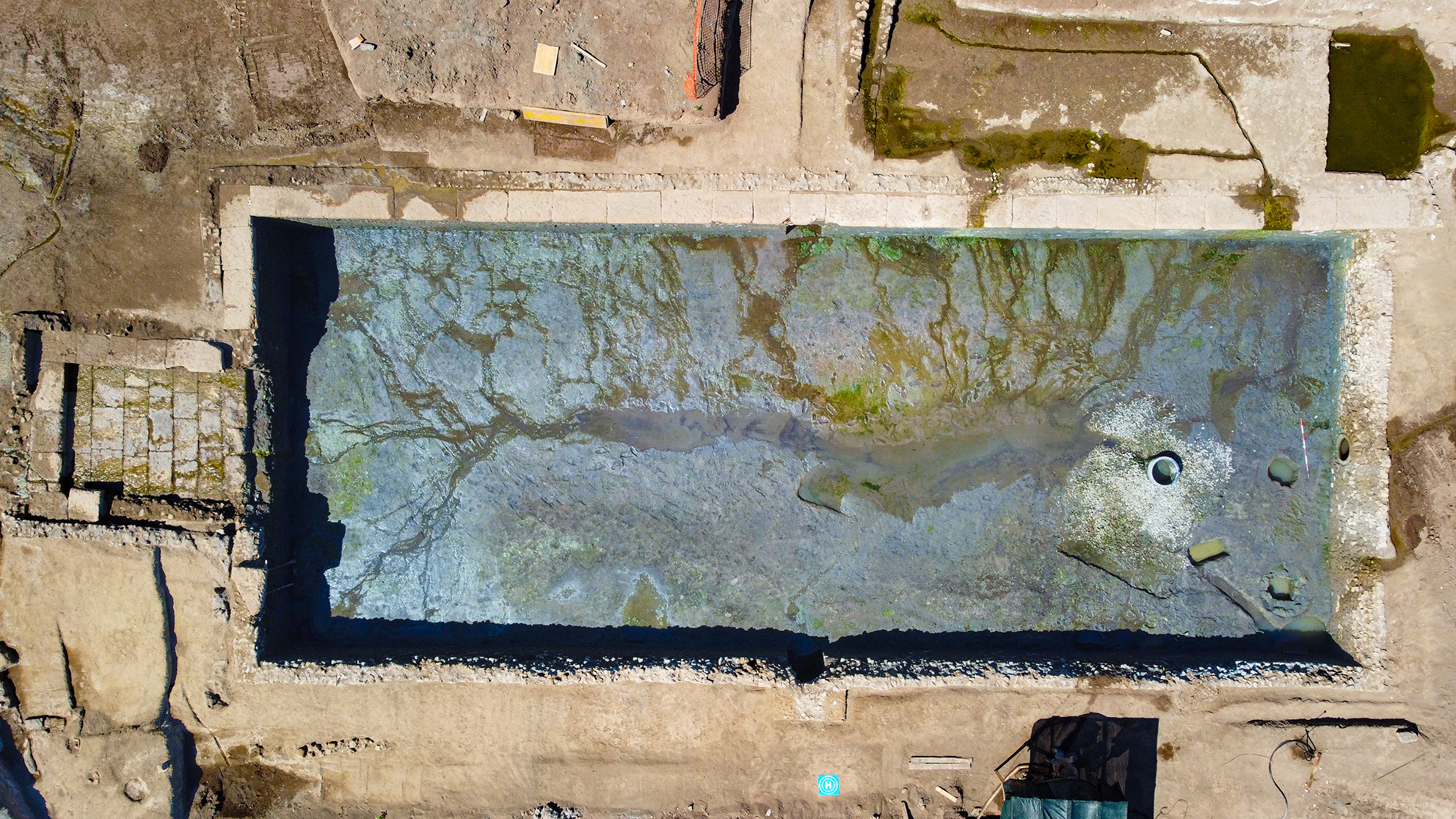
Sign up for the Live Science daily newsletter nowContact me with news and offers from other Future brandsReceive email from us on behalf of our trusted partners or sponsorsBy submitting your information you agree to the Terms & Conditions and Privacy Policy and are aged 16 or over.The two stone basins or tanks were built more than 100 years later than the tombs. The largest was over 90 feet (28 meters) long, about 33 feet (10 m) wide, and about 7 feet (2.1 meters) deep, while the other was a little smaller but almost twice as deep.
"They could be structures connected to ritual or, less likely, productive activities or related to water collection," Santi said. "A thorough scientific study will allow us to contextualize these findings and understand their role within the ancient landscape."
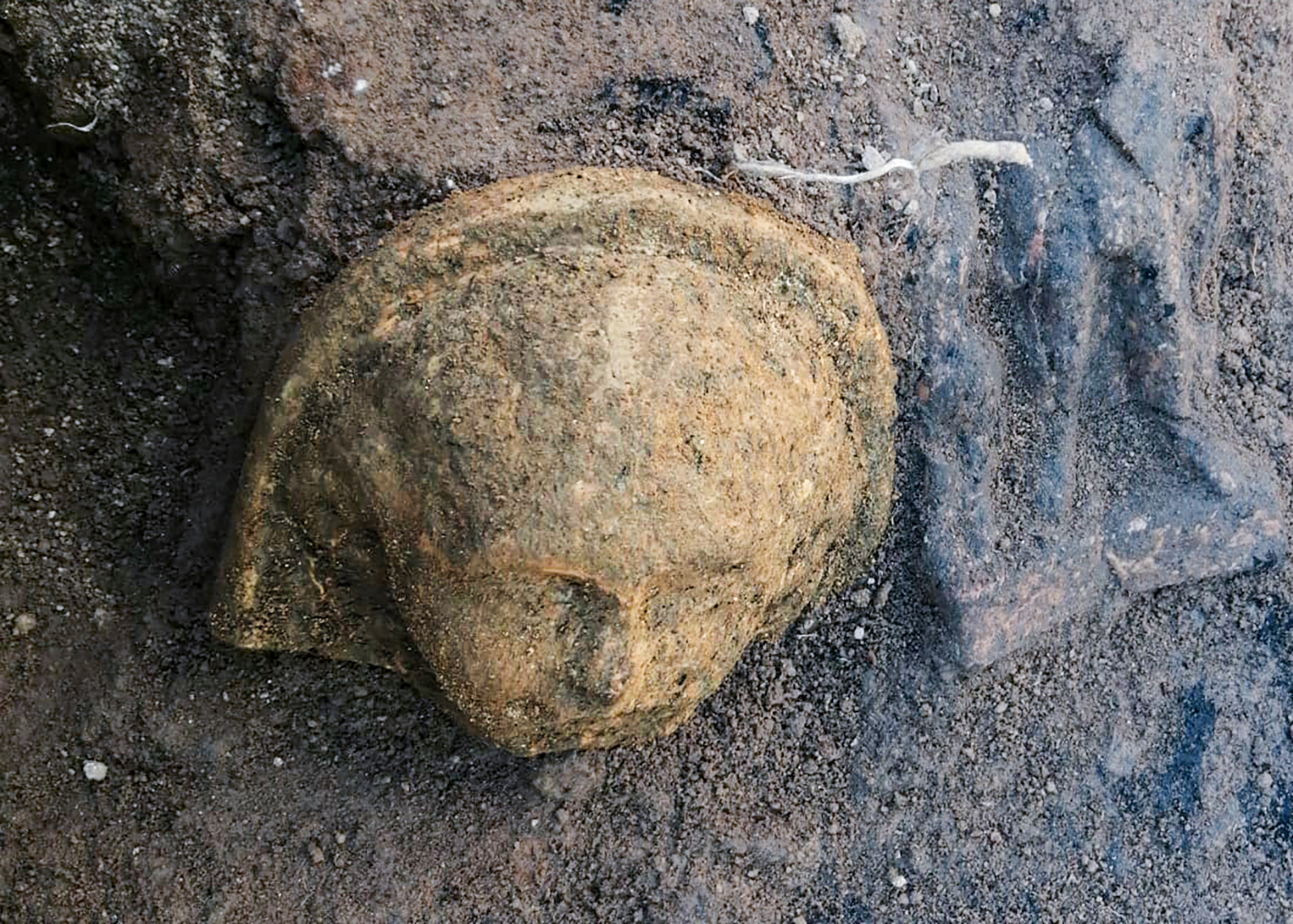
—Head of Hercules and other treasures found on Roman 'Antikythera Mechanism' shipwreck
—Statue of slain Roman emperor dressed as Hercules found near sewer in Rome
—Temple linked to Hercules and Alexander the Great discovered in ancient megacity in Iraq
The ancient road was a key element at the site, he said. It had led to a small cult building called a sacellum (Latin for "shrine") that was devoted to a god — probably the deified hero Hercules, whose worship was popular in that area.
Hercules was the Roman version of the Greek hero Herakles (or Heracles), who was said to be the son of the god Zeus (Jupiter to the Romans) and the mortal Alcmene. He was legendary for his incredible strength, and his worship as a symbol of protection and virtue was widespread in Rome for many centuries.
Roman emperor quiz: Test your knowledge on the rulers of the ancient empire
Tom MetcalfeSocial Links NavigationLive Science ContributorTom Metcalfe is a freelance journalist and regular Live Science contributor who is based in London in the United Kingdom. Tom writes mainly about science, space, archaeology, the Earth and the oceans. He has also written for the BBC, NBC News, National Geographic, Scientific American, Air & Space, and many others.
Show More CommentsYou must confirm your public display name before commenting
Please logout and then login again, you will then be prompted to enter your display name.
Logout Read more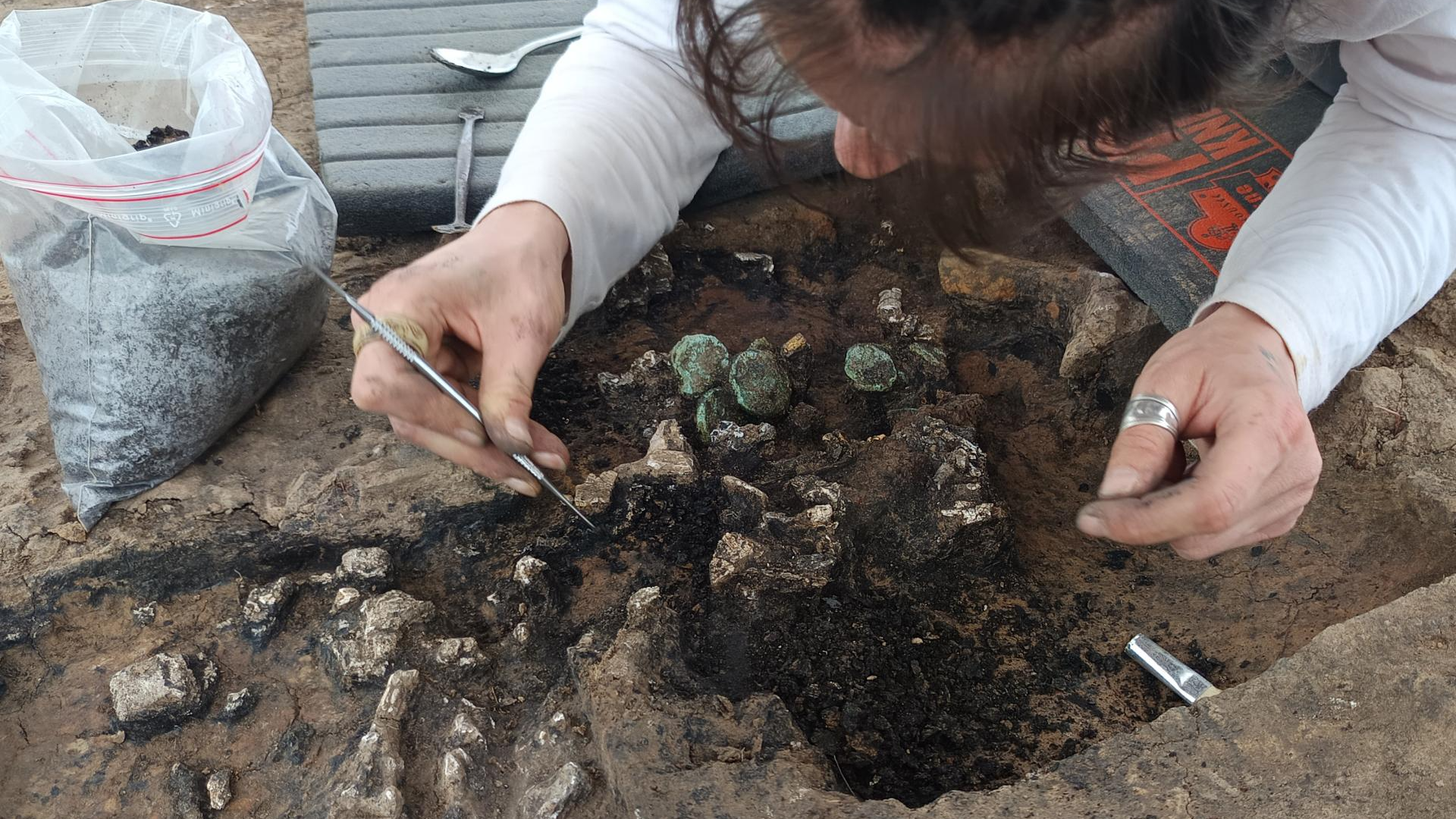 2,000-year-old gold ring holds clue about lavish cremation burial unearthed in France
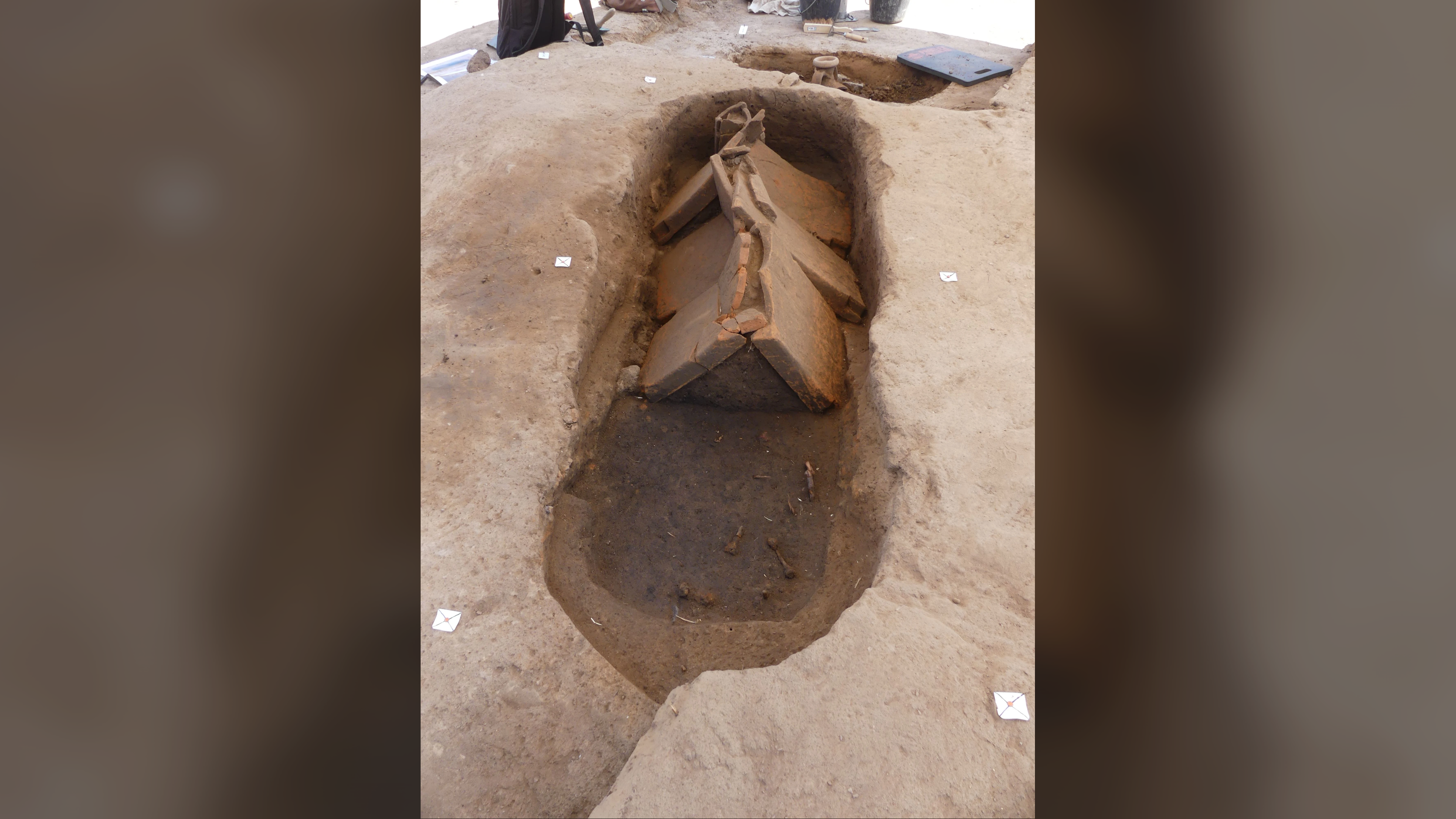 French archaeologists uncover 'vast Roman burial area' with cremation graves 'fed' by liquid offerings
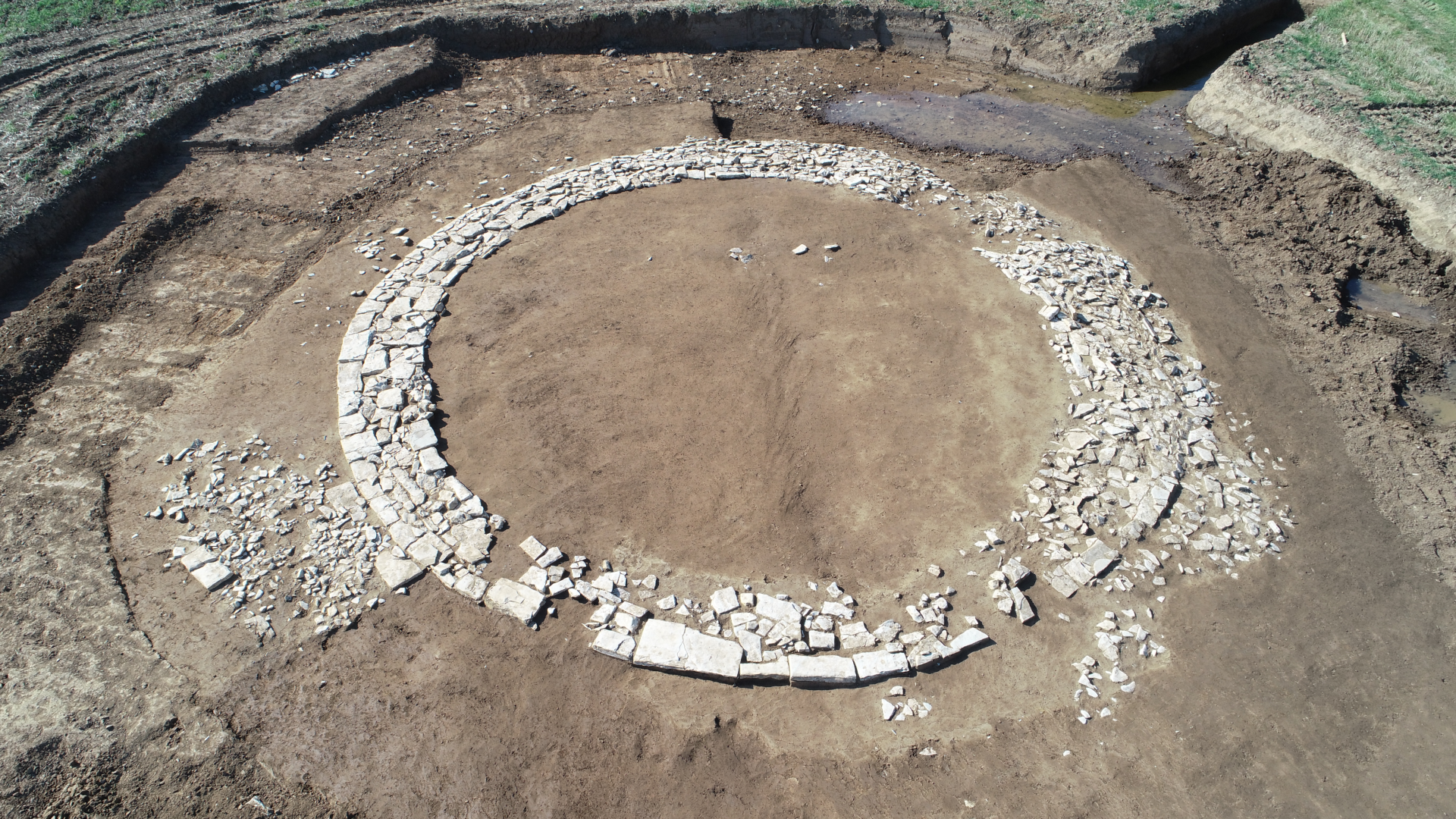 'Extremely rare' and 'highly unusual' Roman-era tomb in Germany is completely empty
 Archaeologists find 'unique' blood-red gemstone at Roman fort beyond Hadrian's Wall
 2,400-year-old 'sacrificial complex' uncovered in Russia is the richest site of its kind ever discovered
 1,700-year-old Roman marching camps discovered in Germany — along with a multitude of artifacts like coins and the remnants of shoes
Latest in Romans
1,700-year-old Roman marching camps discovered in Germany — along with a multitude of artifacts like coins and the remnants of shoes
Latest in Romans
 Romans regularly soaked in filthy, lead-contaminated bath water, Pompeii study finds
1,700-year-old Roman marching camps discovered in Germany — along with a multitude of artifacts like coins and the remnants of shoes
Romans regularly soaked in filthy, lead-contaminated bath water, Pompeii study finds
1,700-year-old Roman marching camps discovered in Germany — along with a multitude of artifacts like coins and the remnants of shoes
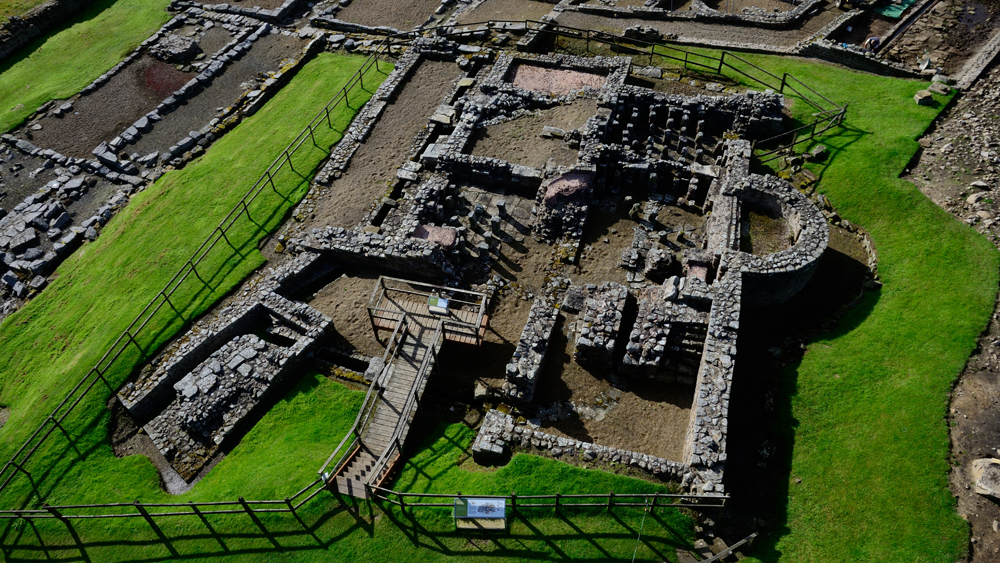 Diarrhea and stomachaches plagued Roman soldiers stationed at Hadrian's Wall, discovery of microscopic parasites finds
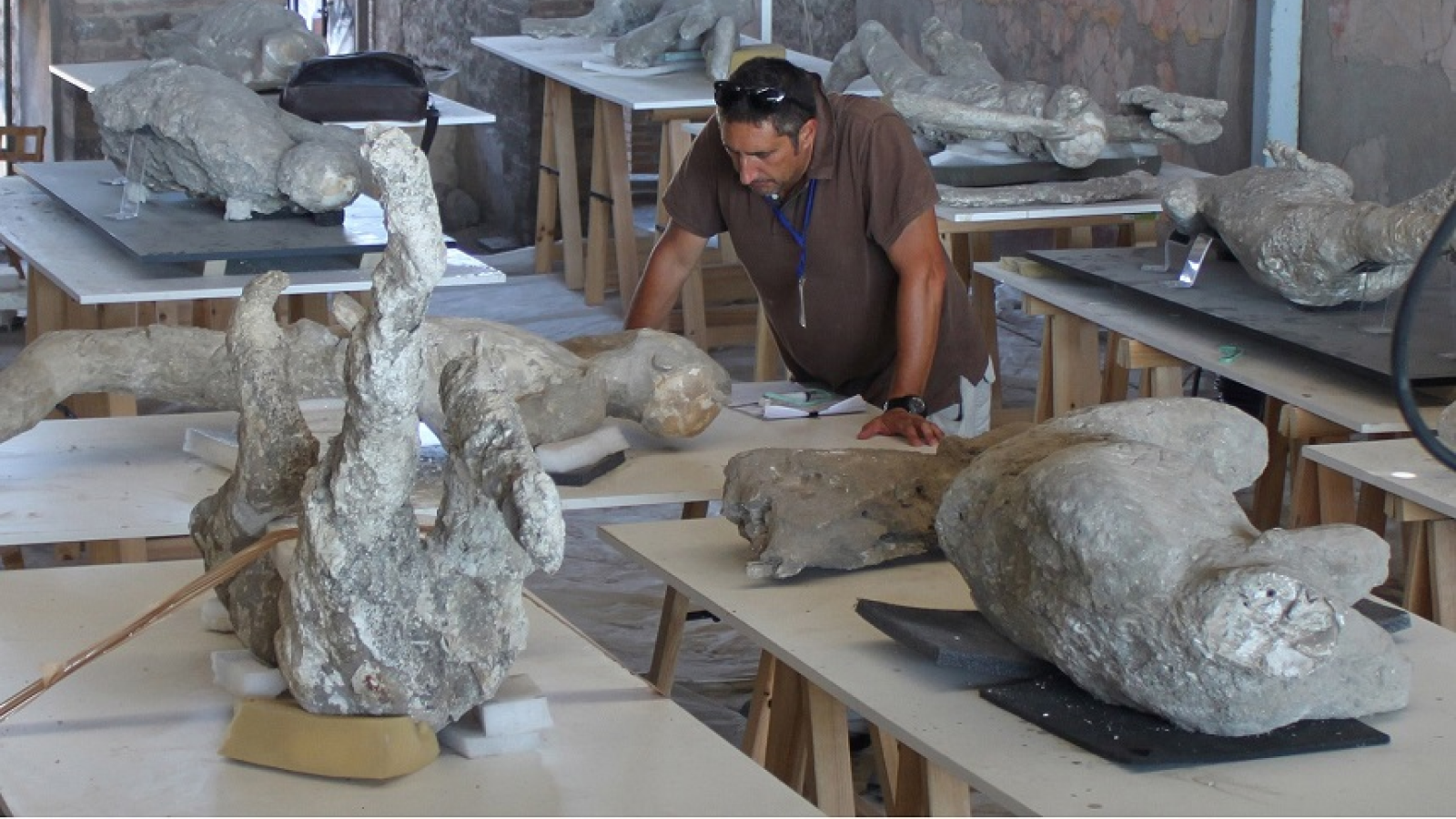 Pompeii victims were wearing woolen cloaks in August when they died — but experts are split on what that means
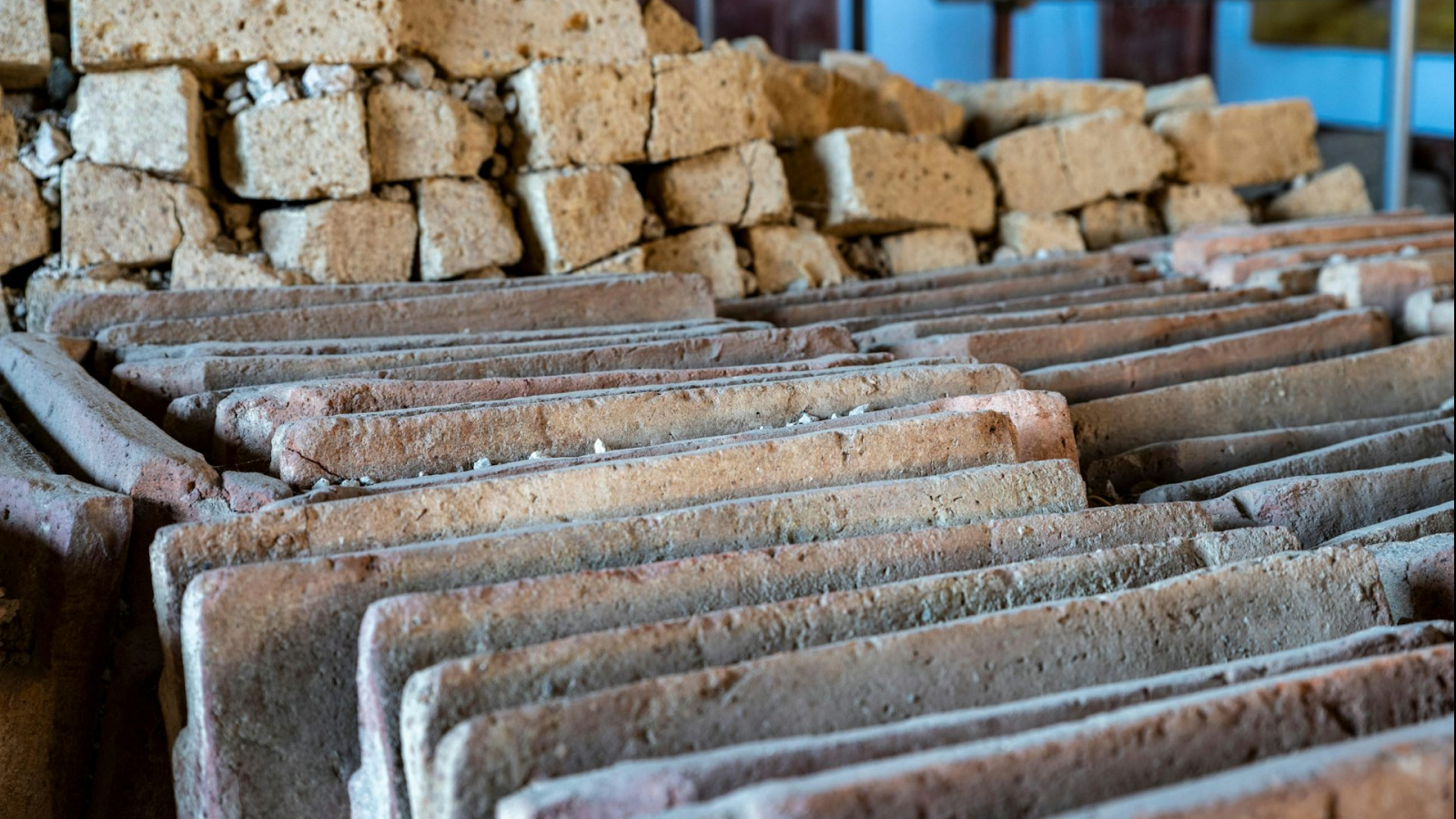 'This has re-written our understanding of Roman concrete manufacture': Abandoned Pompeii worksite reveal how self-healing concrete was made
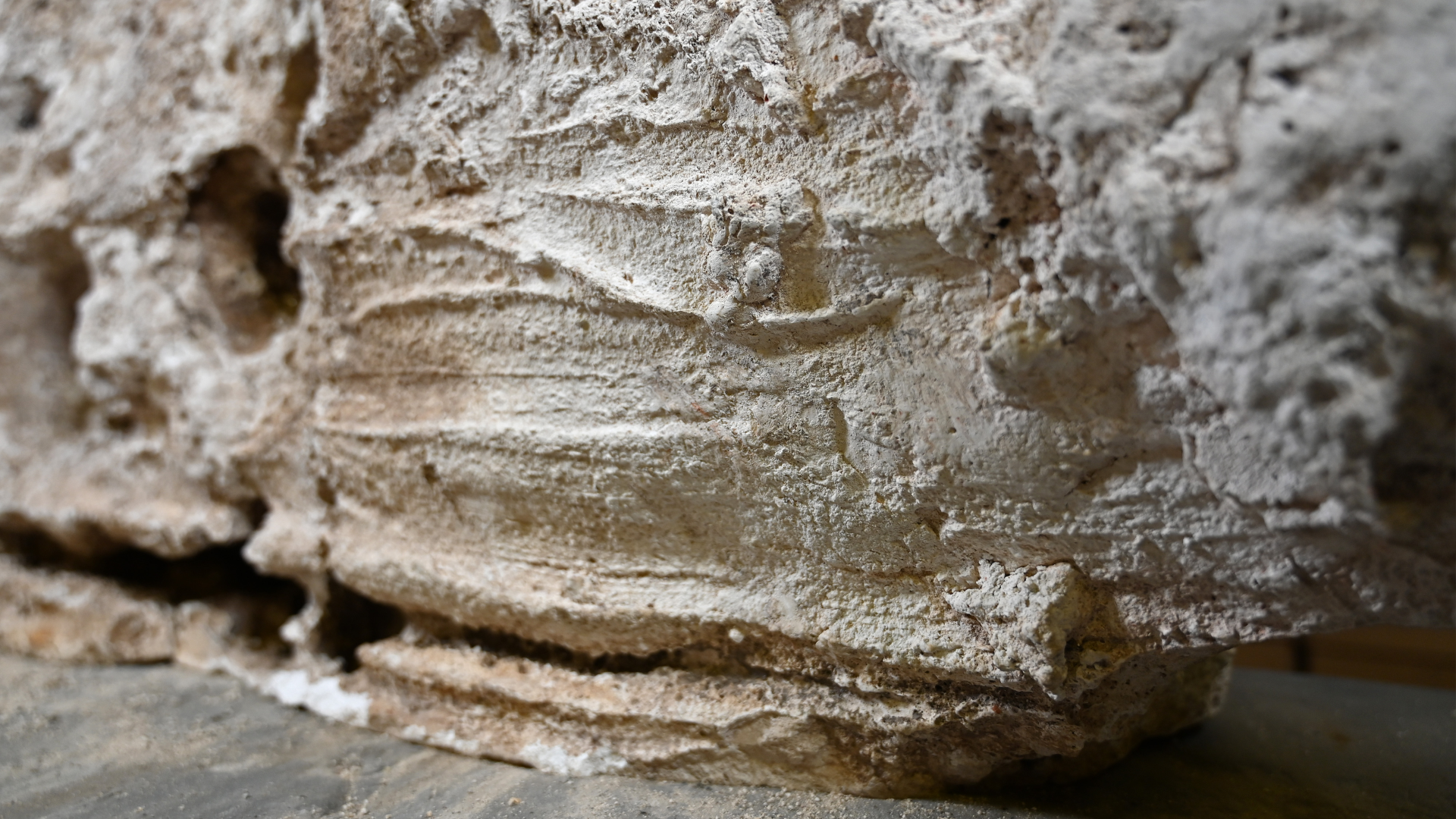 'They had not been seen ever before': Romans made liquid gypsum paste and smeared it over the dead before burial, leaving fingerprints behind, new research finds
Latest in News
'They had not been seen ever before': Romans made liquid gypsum paste and smeared it over the dead before burial, leaving fingerprints behind, new research finds
Latest in News
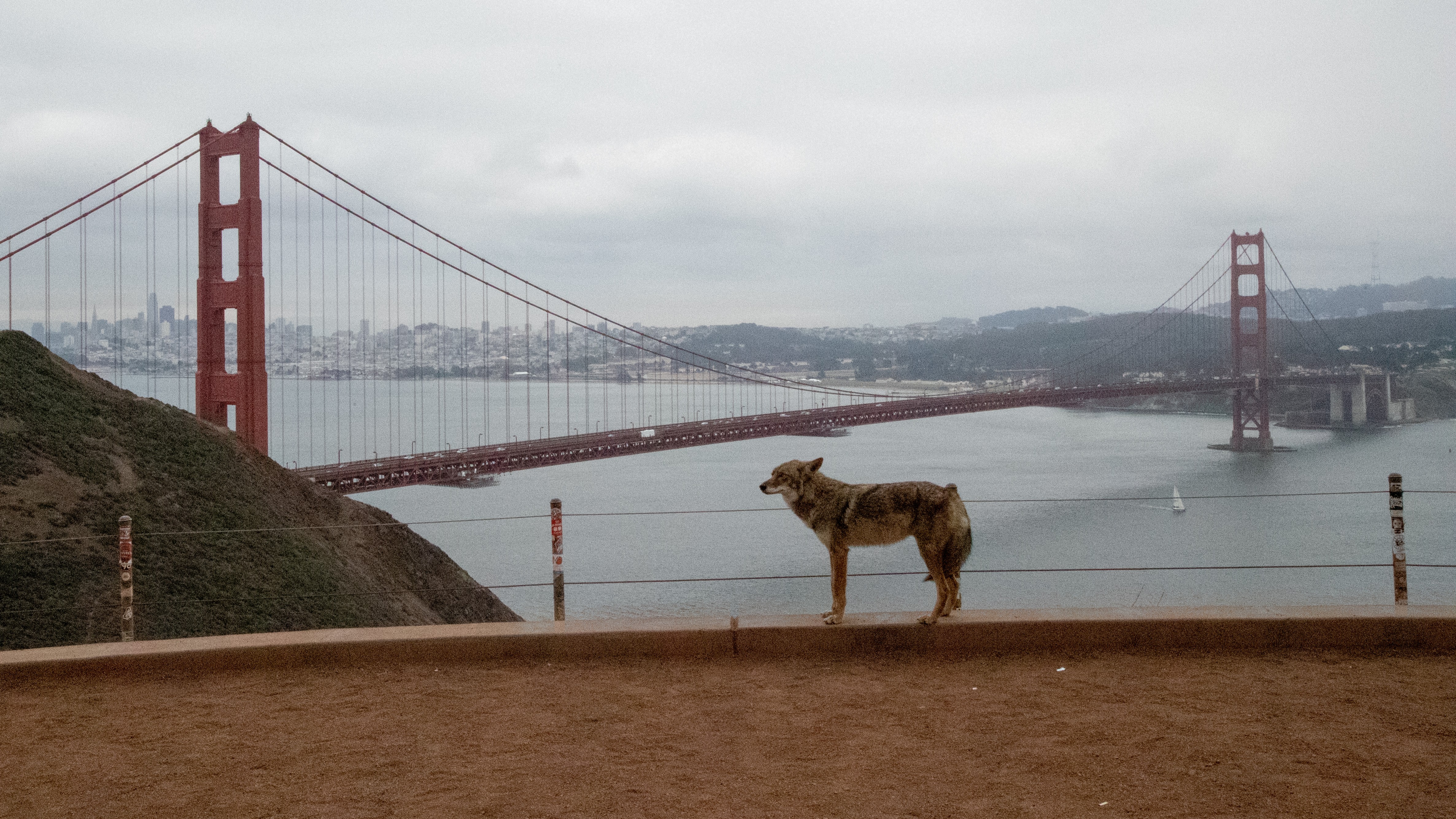 Coyote scrambles onto Alcatraz Island after perilous, never-before-seen swim
 Enormous freshwater reservoir discovered off the East Coast may be 20,000 years old and big enough to supply NYC for 800 years
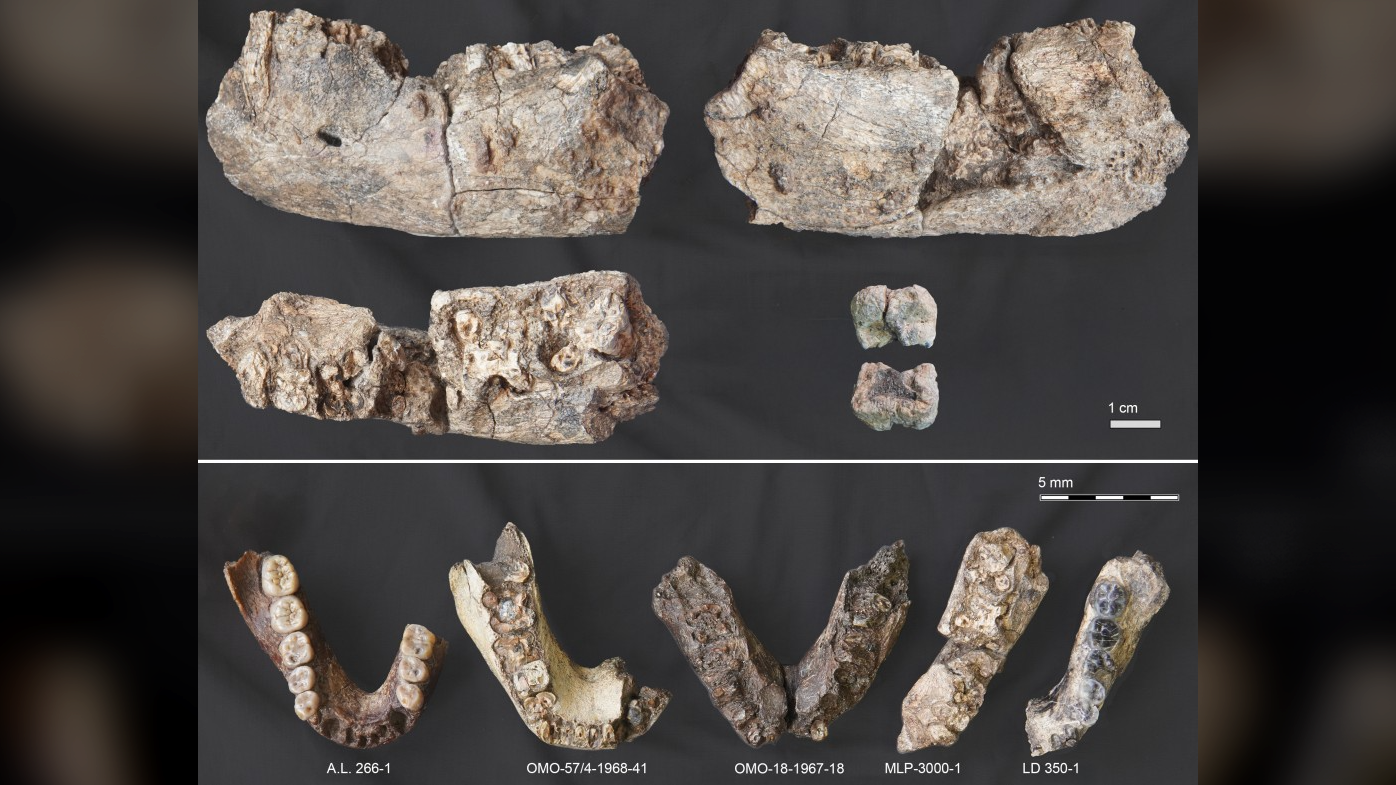 2.6 million-year-old jaw from extinct 'Nutcracker Man' is found where we didn't expect it
 Stunning time-lapse video captured using 'artificial eclipse' shows 3 massive eruptions on the sun
2,400-year-old Hercules shrine and elite tombs discovered outside ancient Rome's walls
Stunning time-lapse video captured using 'artificial eclipse' shows 3 massive eruptions on the sun
2,400-year-old Hercules shrine and elite tombs discovered outside ancient Rome's walls
 Early research hints at why women experience more severe gut pain than men do
LATEST ARTICLES
Early research hints at why women experience more severe gut pain than men do
LATEST ARTICLES- 1Coyote scrambles onto Alcatraz Island after perilous, never-before-seen swim
- 2Stunning time-lapse video captured using 'artificial eclipse' shows 3 massive eruptions on the sun
- 3Enormous freshwater reservoir discovered off the East Coast may be 20,000 years old and big enough to supply NYC for 800 years
- 4World's oldest known rock art predates modern humans' entrance into Europe — and it was found in an Indonesian cave
- 52.6 million-year-old jaw from extinct 'Nutcracker Man' is found where we didn't expect it