- Animals
- Land Mammals
Experts have reacted to a viral video of a coyote swimming to Alcatraz Island in what is a surprising first for the San Francisco Bay Area.
When you purchase through links on our site, we may earn an affiliate commission. Here’s how it works.
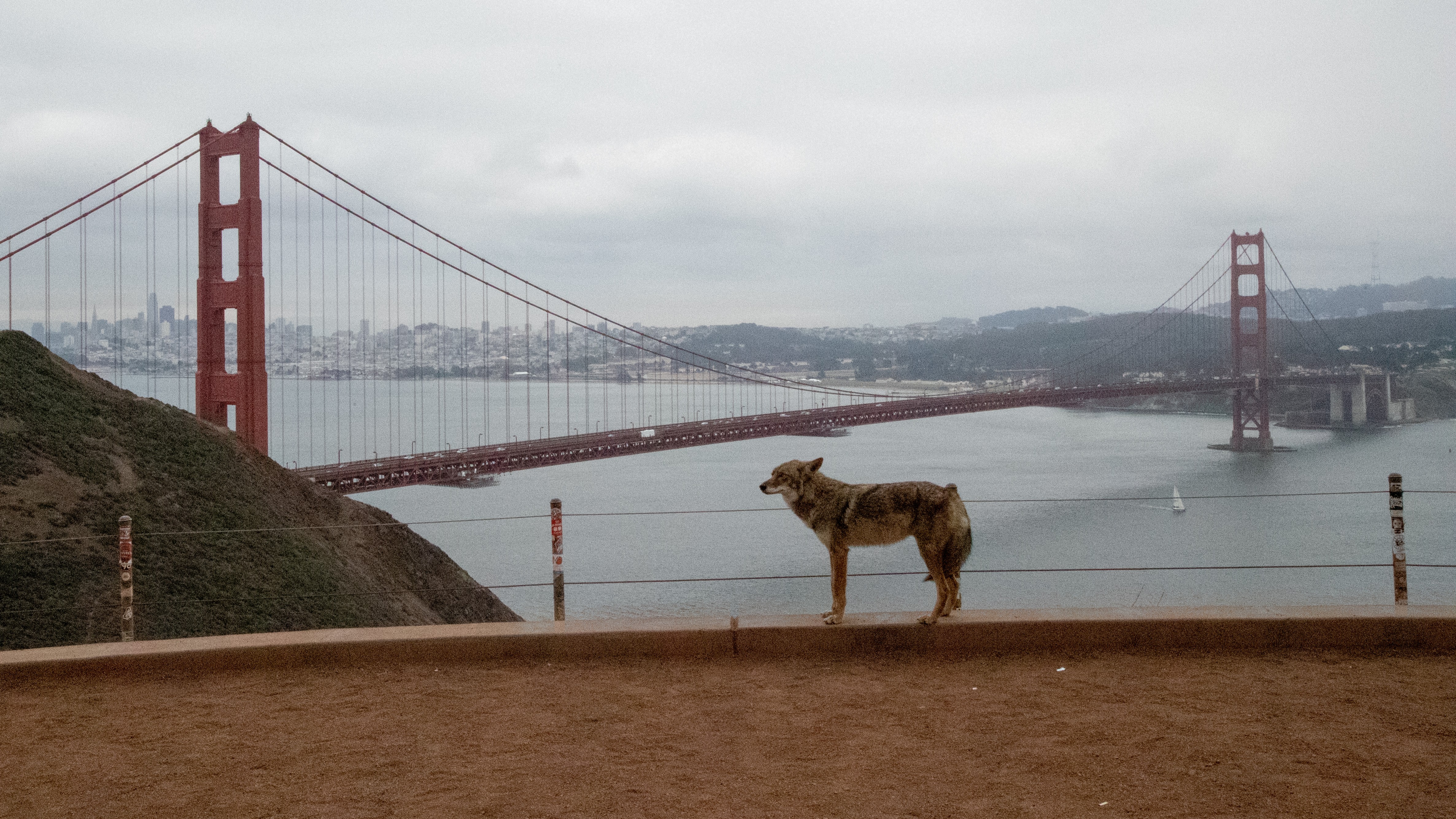 Coyotes have adapted to life in San Francisco and other major cities.
(Image credit: Len Shigemoto via Getty Images.)
Share
Share by:
Coyotes have adapted to life in San Francisco and other major cities.
(Image credit: Len Shigemoto via Getty Images.)
Share
Share by:
- Copy link
- X
Prisoners on Alcatraz once risked the perilous waters in San Francisco Bay to escape the island's high-security prison. Now, a wily coyote has been filmed doing the opposite: swimming to Alcatraz Island for the first time.
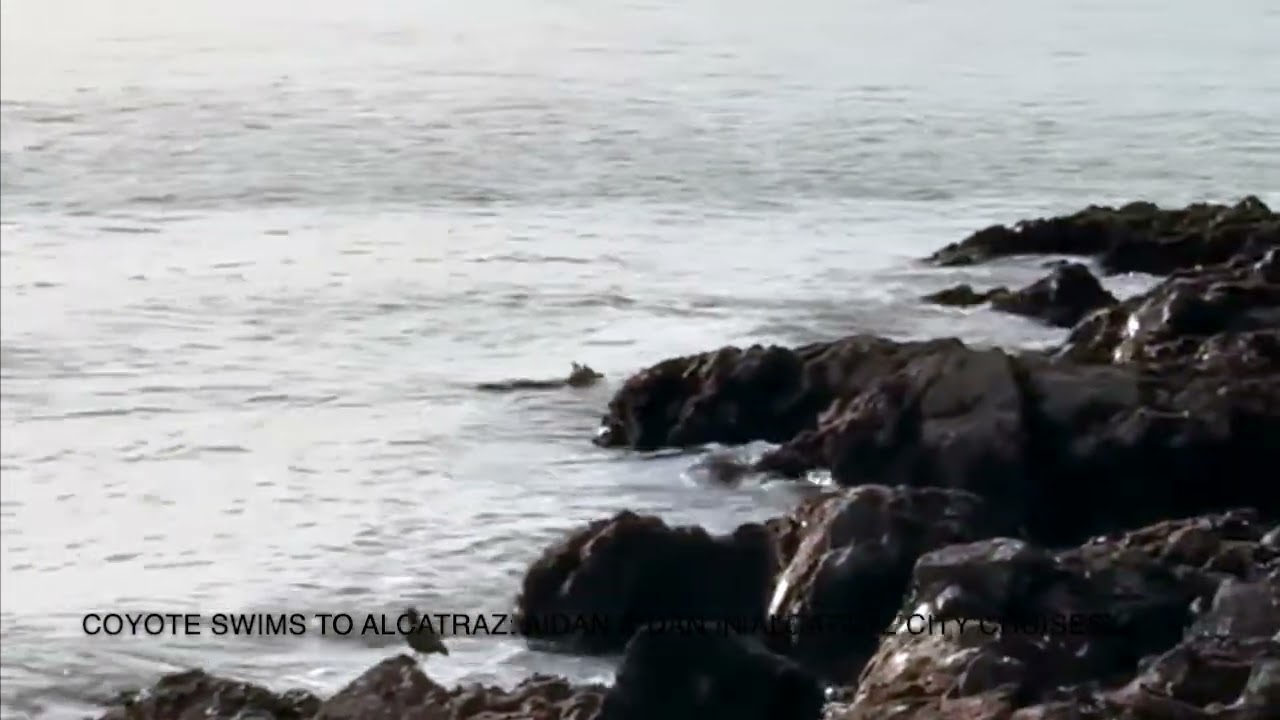
Videos posted to social media show the coyote (Canis latrans) paddling to the southern edge of Alcatraz Island as the sun sets over the bay. The coyote then struggles onto the island's rocky shoreline, visibly shaking and fatigued.
You may like-
 Wolf stealing underwater crab traps caught on camera for the first time — signalling 'new dimension' in their behavior
-
 Orcas are adopting terrifying new behaviors. Are they getting smarter?
-
 Large, bone-crushing dogs stalked 'Rhino Pompeii' after Yellowstone eruption 12 million years ago, ancient footprints reveal
 Watch On
"There's a reason why people have had a difficult time making that swim," Gehrt told Live Science.
The videos were captured by an unidentified person visiting the island on Jan. 11. They then shared the footage with Aidan Moore, a guest relations employee for Alcatraz City Cruises, who alerted park rangers, San Francisco news website SFGATE reported.
"Coyotes can be commonly seen throughout our San Francisco and Marin parklands but never before on Alcatraz," Julian Espinoza, a spokesperson for the Golden Gate National Recreation Area, told SFGATE. "This was the first time our park biologists observed anything like this."
Coyotes are intelligent and versatile creatures that are known to swim. Gehrt said he has seen coyotes swimming across lakes in the Chicago region as part of his long-term research program, the Urban Coyote Research Project.
Sign up for the Live Science daily newsletter nowContact me with news and offers from other Future brandsReceive email from us on behalf of our trusted partners or sponsorsBy submitting your information you agree to the Terms & Conditions and Privacy Policy and are aged 16 or over."In some cases, they prefer to swim across a lake rather than run around it," Gehrt said.
However, Gehrt typically only sees coyotes swim a few hundred yards in relatively calm lake conditions, which are nothing like the waters surrounding Alcatraz. The island sits in the middle of a cold estuary with strong currents — one of the reasons Alcatraz was seen as a good spot for its now-decommissioned prison.

Some prisoners are presumed to have drowned trying to escape the island, which is more than a mile (1.6 kilometers) from the mainland, and while humans do make the swim recreationally today, they do so with the benefit of wetsuits, training and guides.
You may like-
Orcas are adopting terrifying new behaviors. Are they getting smarter?
-
Large, bone-crushing dogs stalked 'Rhino Pompeii' after Yellowstone eruption 12 million years ago, ancient footprints reveal
-
 Orcas in the Gulf of California paralyze young great white sharks before ripping out their livers
It's uncertain how the coyote came upon Alcatraz Island. The videos begin with the animal already in the water with no sign of where it originated. However, Gehrt thinks the coyote must have had a tough journey. "Once it emerged from the water, it certainly looked like it had been swimming for a very long time," he said. "The animals I've seen come out of the water from their swims don't look as distraught as that or as tired and worn out, so it clearly was a pretty extensive swim."
Coyotes have previously been filmed swimming to Angel Island, another island in the bay, which coyotes have inhabited since 2017, KCRA 3 television station previously reported. Angel Island is closer to a mainland shore than Alcatraz. However, Angel Island is north of Alcatraz, so while it's closer to the mainland north of the Golden Gate Bridge, a coyote on Angel Island would have to swim farther to reach Alcatraz than a coyote on the San Francisco mainland south of the Golden Gate Bridge.
SFGATE reported that the Alcatraz City Cruises' boat captain had told Moore of unusual currents in the bay, likely the result of runoff from recent storms. It's possible that the coyote may have been swept up during a shorter swim and ended up near Alcatraz.
Gehrt said that coyotes don't always go into the water voluntarily. They sometimes use it as a means of escape from humans and other coyotes, which are very territorial. However, Gehrt also speculated that this coyote may have been motivated by opportunity, including the potential for food resources and territory.
Coyotes were once confined to the prairies and deserts of central and western North America. But in the 1800s, humans facilitated their expansion by creating more open habitats through logging, agricultural development, and by hunting their competitors — wolves and cougars.
As humans took over more and more land, coyotes became regular city slickers. Their flexible nature and diet now helps them thrive in cities like San Francisco, where they favor fragments of woody and shrubby habitat, as well as parks and golf courses.
Christine Wilkinson, a conservation scientist who has studied Bay Area coyotes for the University of California, Santa Cruz and the California Academy of Sciences, told SFGATE that the coyote in the video was likely trying to establish its own territory.
Wilkinson suspects that the coyote came from a pack in the Coit Tower, which is on the mainland south of Alcatraz, and where there is little green space for coyotes. Furthermore, coyotes wanting to disperse south of Coit Tower would face Interstate 280 and the risk of being struck by a vehicle, so taking to the water might have seemed like a safer option.
Coyotes typically look for new territory in the fall and early winter, but it's not unheard of for this to happen in January, Wilkinson said. The coyotes are also now in mating season, which runs from January to March.
RELATED STORIES—Giant coyote killed in southern Michigan turns out to be a gray wolf — despite the species vanishing from region 100 years ago
—Wolf stealing underwater crab traps caught on camera for the first time — signalling 'new dimension' in their behavior
—Jaguar in Brazil smashes record for the species' longest documented swim
There haven't been any sightings reported since the swimming coyote was filmed arriving on Alcatraz. Wilkinson told SFGATE that she thought the animal looked "pretty weak" but added that coyotes are "incredibly resilient." Wilkinson also noted that the island has plenty of food for a coyote, including eggs, chicks, rats and mice.
Coyotes live in small family groups, made up of an alpha male, an alpha female and their close relatives. Solitary coyotes are typically young individuals, between around 6 months and 2 years old, of either sex, that are looking to find another group or establish their own territory, according to the Urban Coyote Research Project. Gehrt has recorded a coyote traveling more than 150 miles (240 km) across the southern part of Ohio as part of its natural dispersal, which included crossing the Ohio River.
"It speaks to the animal's ability to overcome a number of different challenges and their ability to explore and take advantage of whatever opportunities they can find," Gehrt said.
 Patrick PesterSocial Links NavigationTrending News Writer
Patrick Pester is the trending news writer at Live Science. His work has appeared on other science websites, such as BBC Science Focus and Scientific American. Patrick retrained as a journalist after spending his early career working in zoos and wildlife conservation. He was awarded the Master's Excellence Scholarship to study at Cardiff University where he completed a master's degree in international journalism. He also has a second master's degree in biodiversity, evolution and conservation in action from Middlesex University London. When he isn't writing news, Patrick investigates the sale of human remains.
Show More CommentsYou must confirm your public display name before commenting
Please logout and then login again, you will then be prompted to enter your display name.
Logout Read more Orcas are adopting terrifying new behaviors. Are they getting smarter?
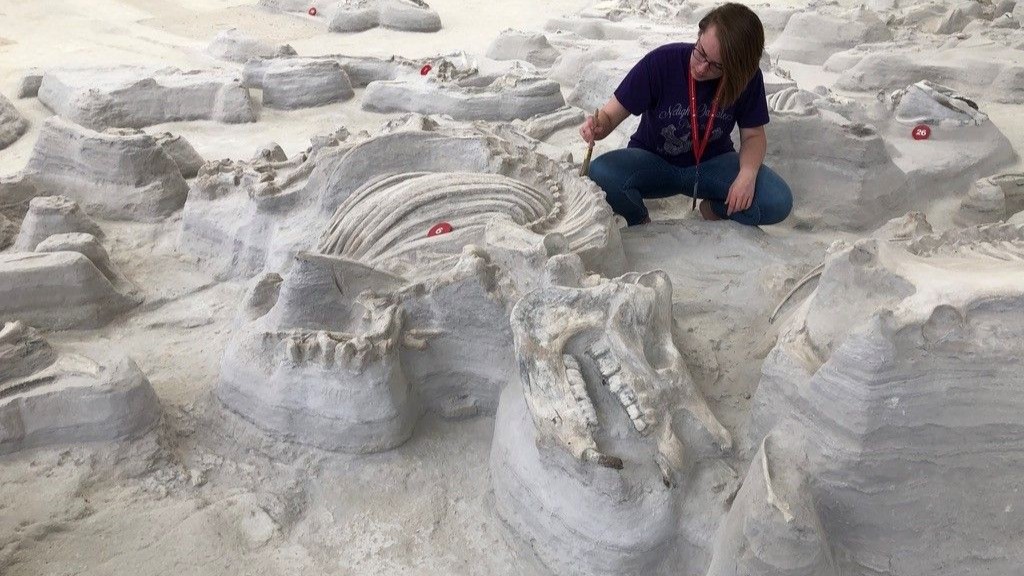 Large, bone-crushing dogs stalked 'Rhino Pompeii' after Yellowstone eruption 12 million years ago, ancient footprints reveal
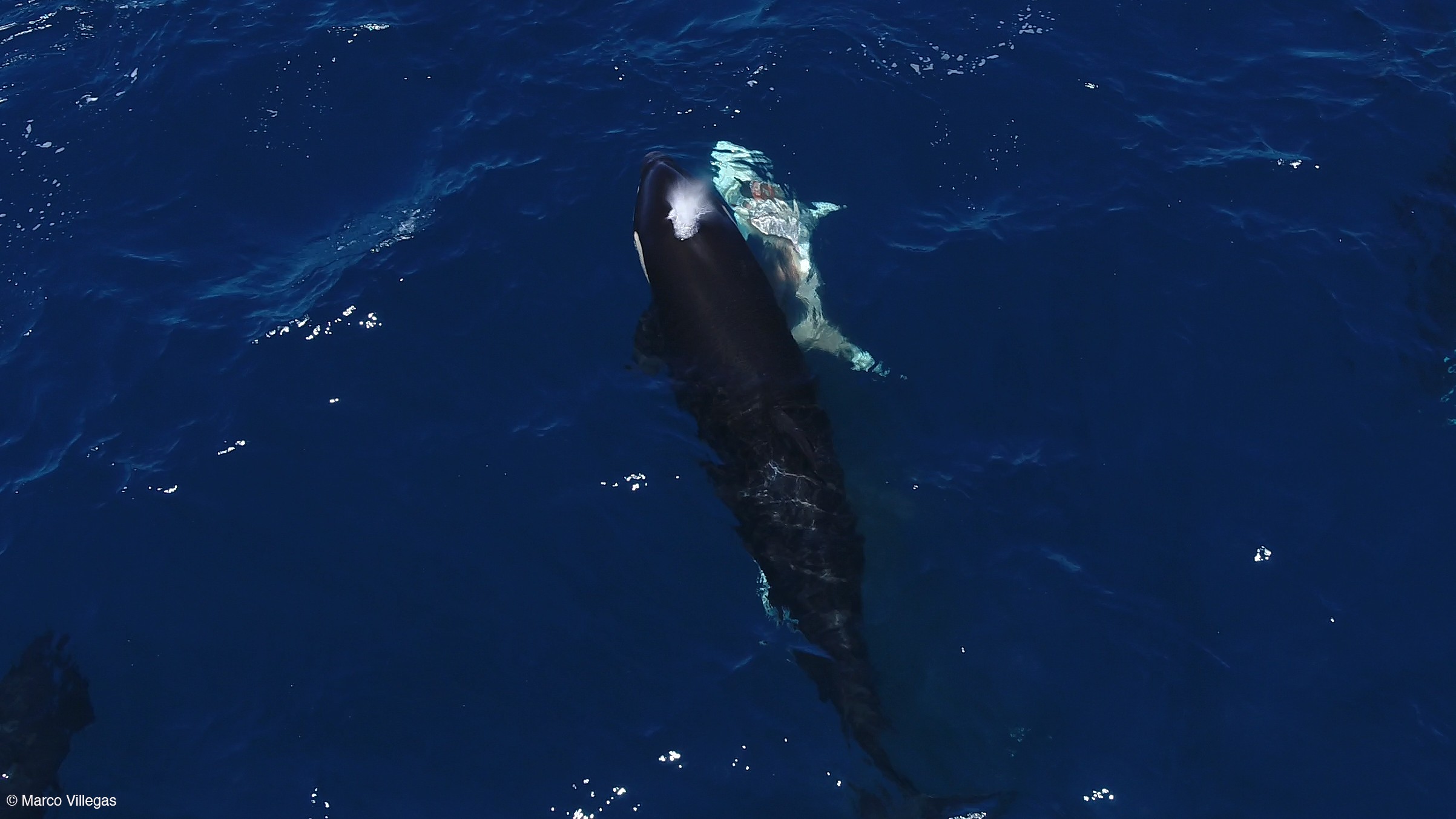 Orcas in the Gulf of California paralyze young great white sharks before ripping out their livers
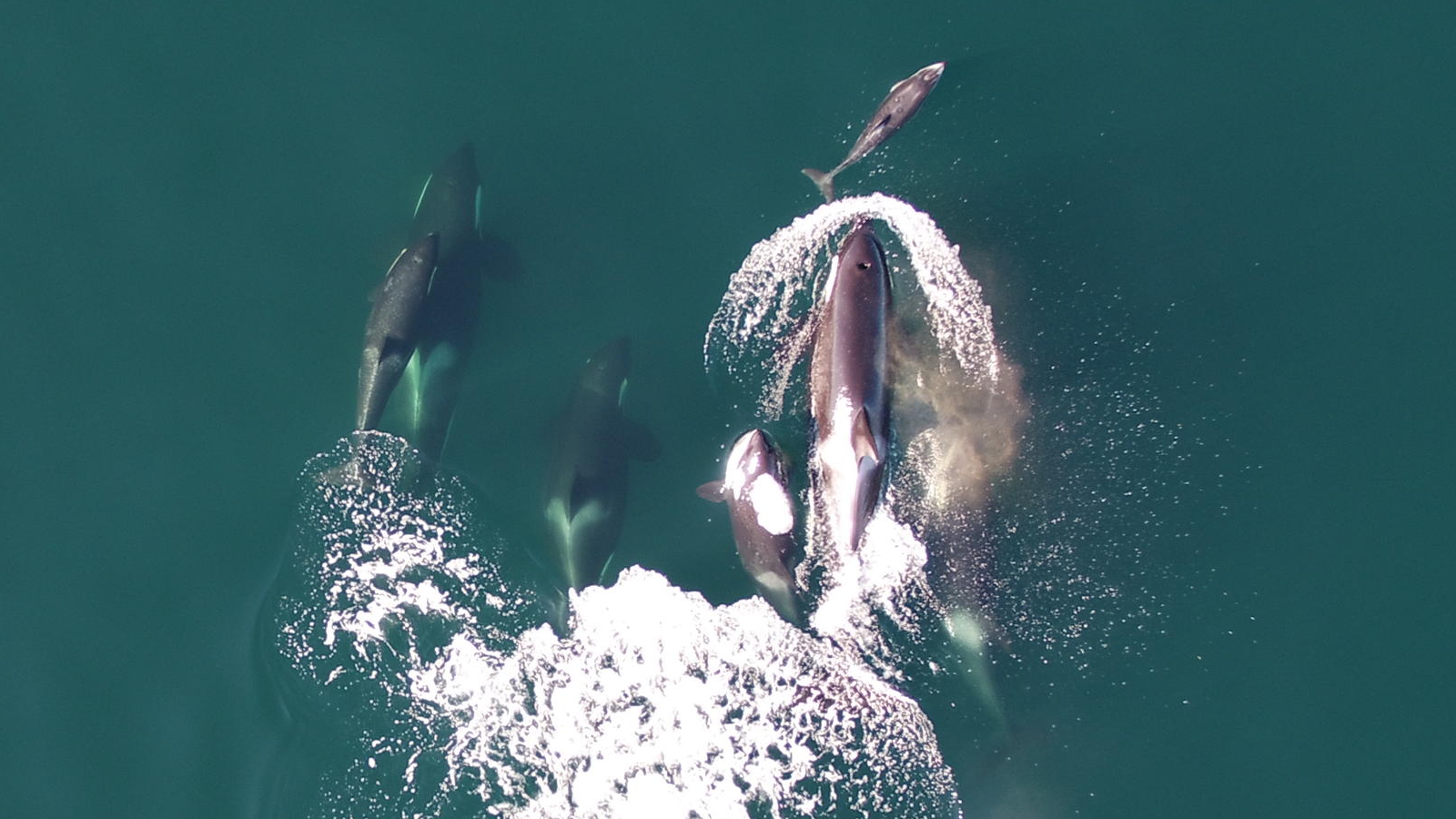 Killer whales are teaming up with dolphins on salmon hunts, study finds — but not everyone agrees
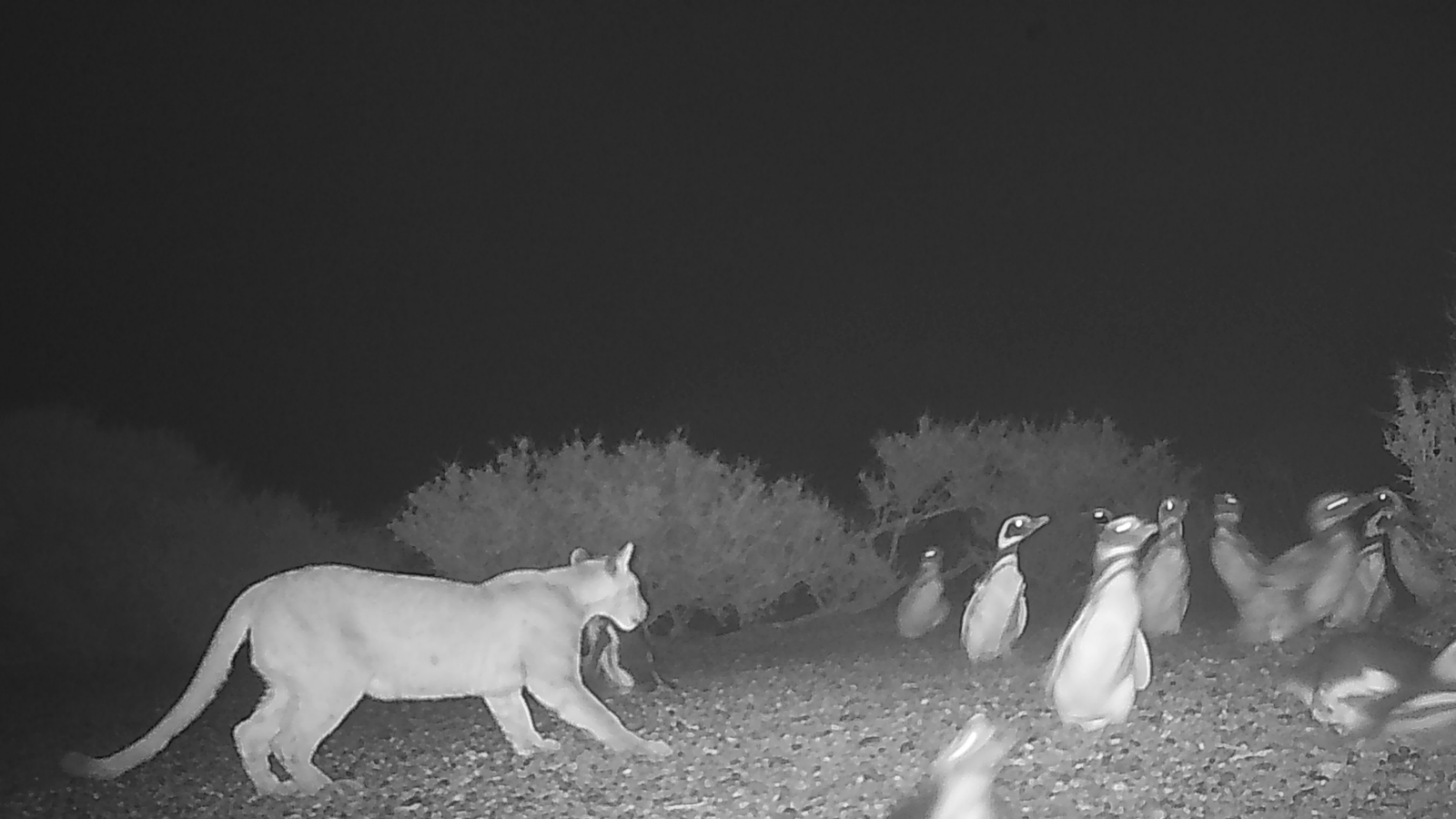 Pumas in Patagonia started feasting on penguins — but now they're behaving strangely, a new study finds
 Human trash is 'kick-starting' the domestication of city-dwelling raccoons, study suggests
Latest in Land Mammals
Human trash is 'kick-starting' the domestication of city-dwelling raccoons, study suggests
Latest in Land Mammals
 Ever watched a pet cow pick up a broom and scratch herself with it? You have now
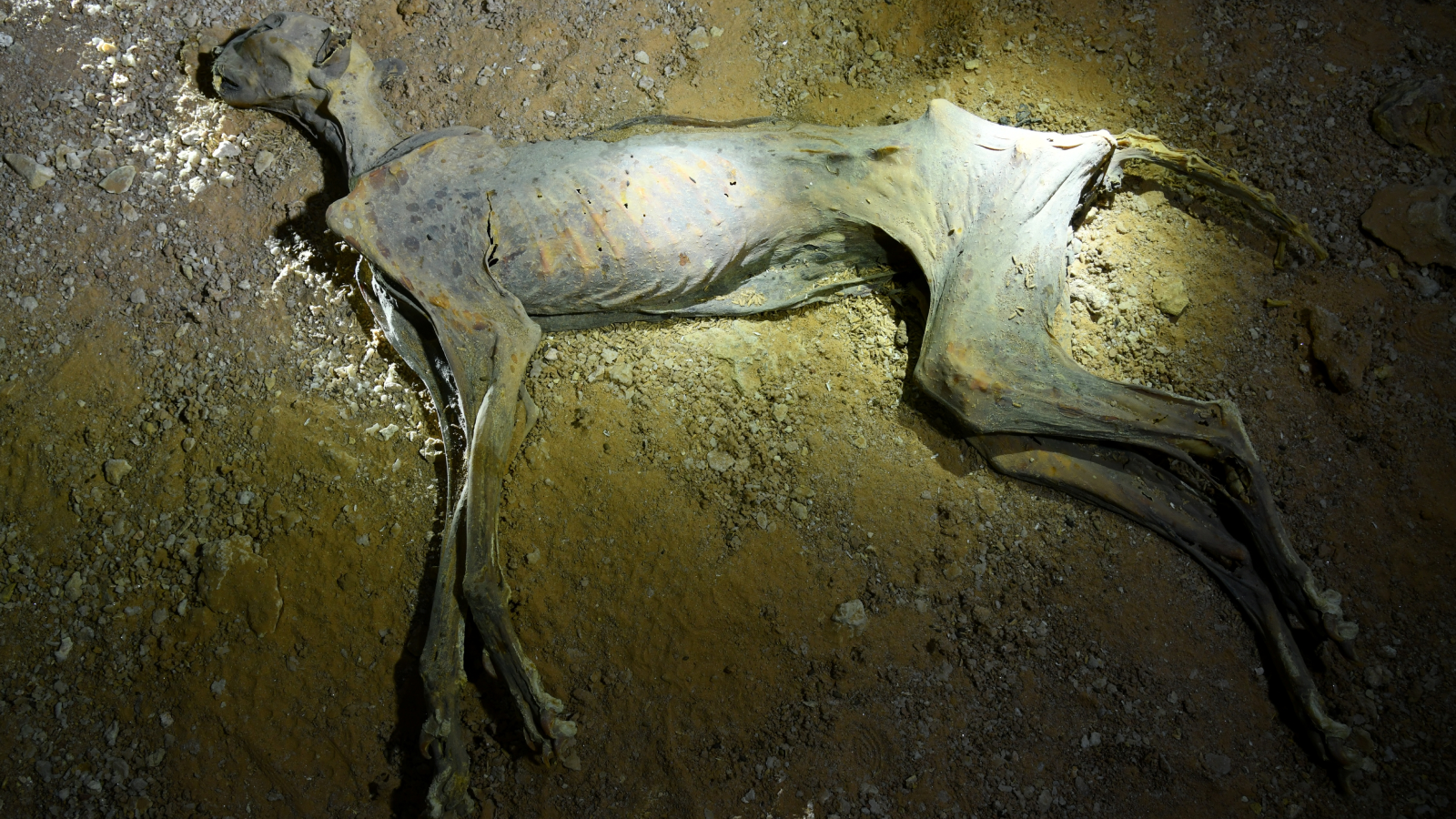 Ancient mummified cheetahs discovered in Saudi Arabia contain preserved DNA from the long-lost population
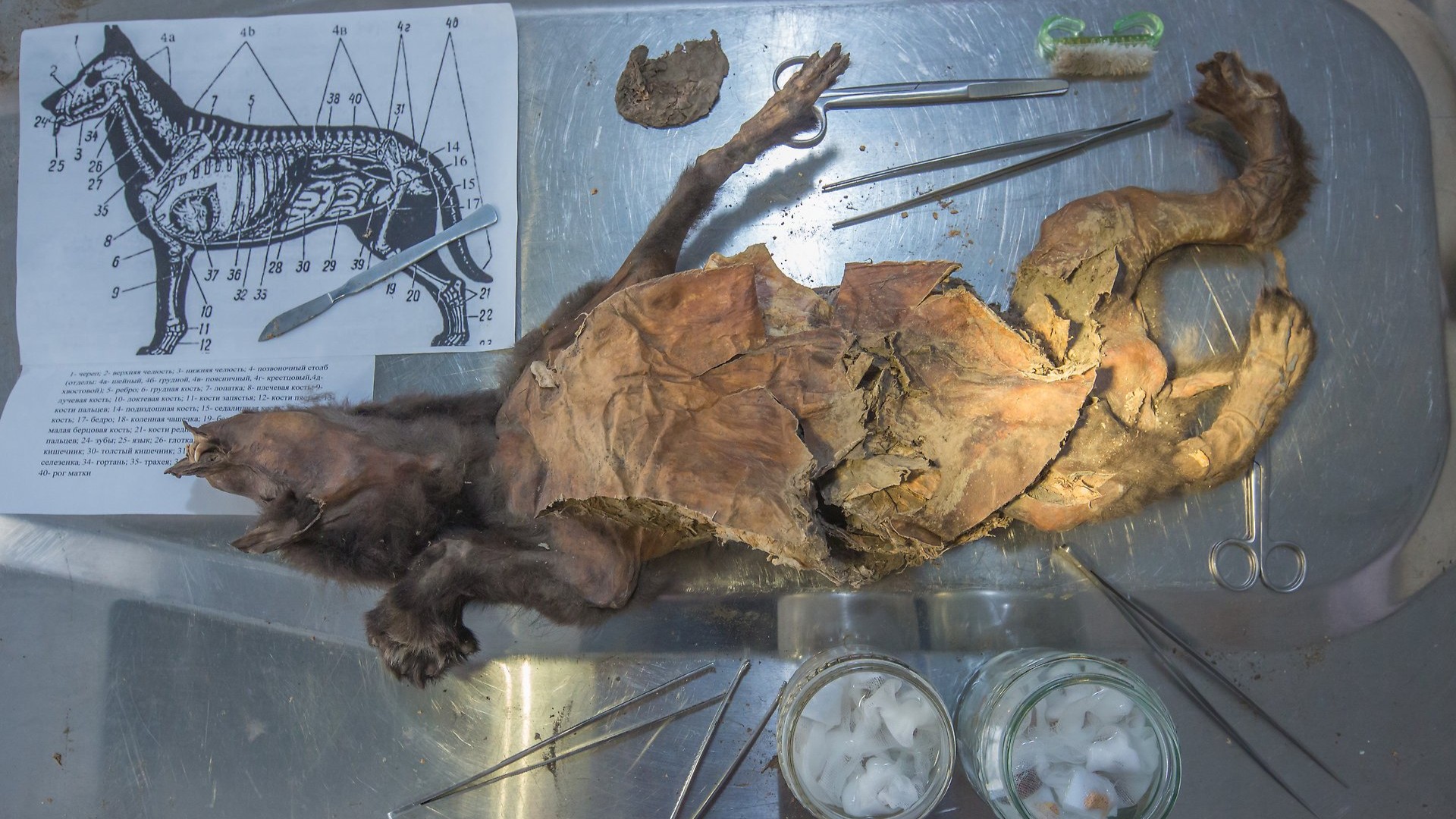 Woolly rhino flesh pulled from ancient wolf stomach gives clues to ice age giant's extinction
 Cats meow more at men to get their attention, study suggests
 Did any cat breeds develop naturally?
Pumas in Patagonia started feasting on penguins — but now they're behaving strangely, a new study finds
Latest in News
Coyote scrambles onto Alcatraz Island after perilous, never-before-seen swim
Did any cat breeds develop naturally?
Pumas in Patagonia started feasting on penguins — but now they're behaving strangely, a new study finds
Latest in News
Coyote scrambles onto Alcatraz Island after perilous, never-before-seen swim
 Enormous freshwater reservoir discovered off the East Coast may be 20,000 years old and big enough to supply NYC for 800 years
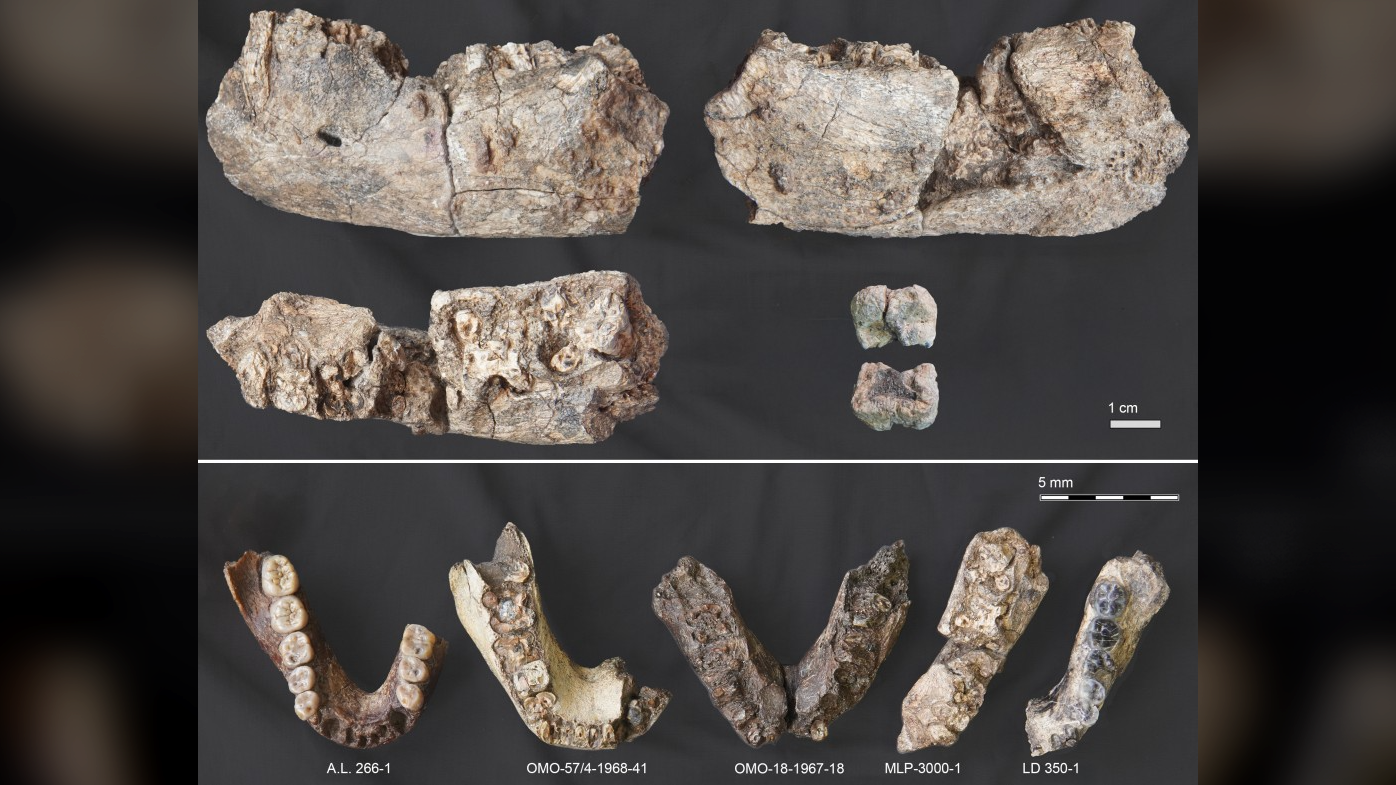 2.6 million-year-old jaw from extinct 'Nutcracker Man' is found where we didn't expect it
 Stunning time-lapse video captured using 'artificial eclipse' shows 3 massive eruptions on the sun
 Early research hints at why women experience more severe gut pain than men do
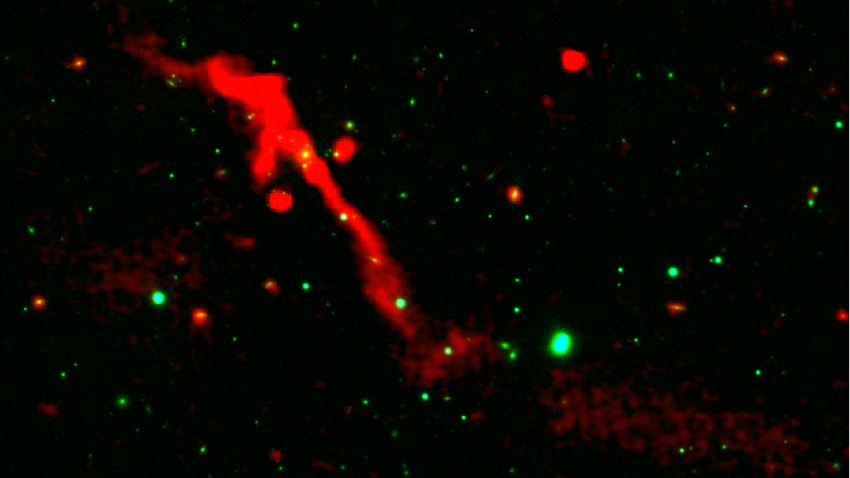 Scientists see monster black hole 'reborn' after 100 million years of rest
LATEST ARTICLES
Scientists see monster black hole 'reborn' after 100 million years of rest
LATEST ARTICLES 1Stunning time-lapse video captured using 'artificial eclipse' shows 3 massive eruptions on the sun
- 2Enormous freshwater reservoir discovered off the East Coast may be 20,000 years old and big enough to supply NYC for 800 years
- 32.6 million-year-old jaw from extinct 'Nutcracker Man' is found where we didn't expect it
- 4World's oldest known rock art predates modern humans' entrance into Europe — and it was found in an Indonesian cave
- 5Bring the Northern Lights indoors with this Amazon deal on one of our top-rated star projectors