- Archaeology
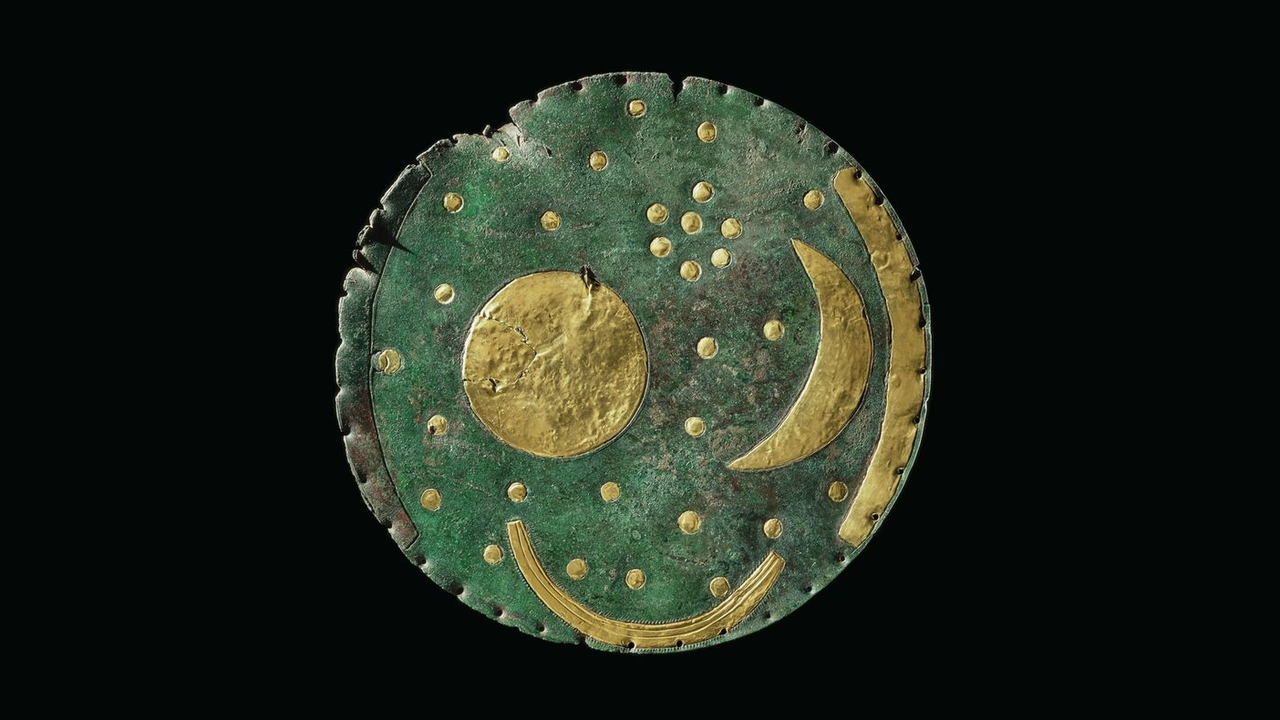
The unique bronze-and-gold Nebra Sky Disc appears to represent what the night sky looked like more than three millennia ago.
When you purchase through links on our site, we may earn an affiliate commission. Here’s how it works.
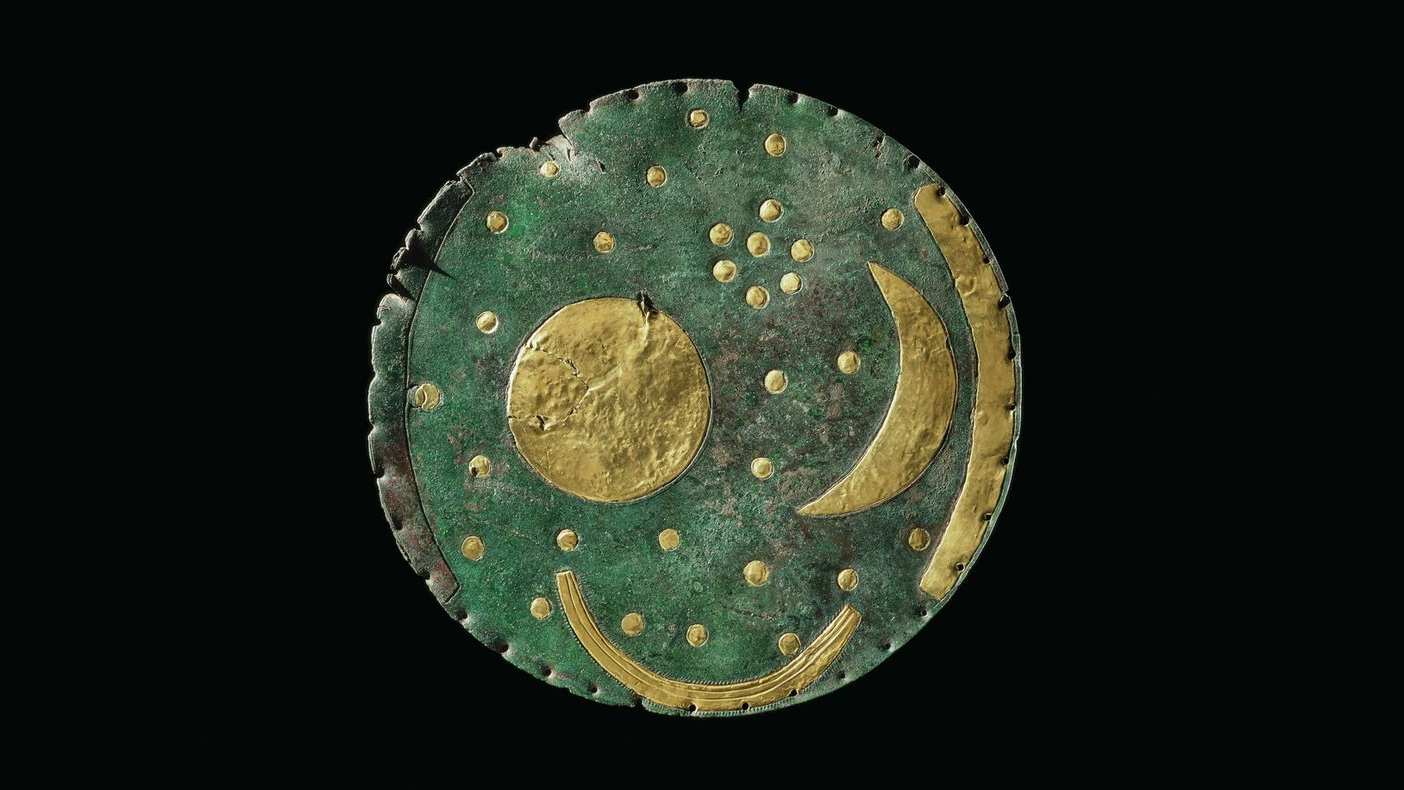 The Nebra Sky Disc was discovered during an illegal excavation in Germany.
(Image credit: © Juraj Lipták/LDA Saxony-Anhalt)
Share
Share by:
The Nebra Sky Disc was discovered during an illegal excavation in Germany.
(Image credit: © Juraj Lipták/LDA Saxony-Anhalt)
Share
Share by:
- Copy link
- X
Name: Nebra Sky Disc
What it is: A bronze disc with gold accents
Where it is from: Nebra, Germany
When it was made: Circa 1800 to 1600 B.C.
The Nebra Sky Disc was discovered in an artifact hoard in 1999, when metal detectorists illegally excavated it from an ancient religious site on a hill near Nebra, a town in the German state of Saxony-Anhalt. After police recovered the disc in 2002, archaeologists studied the unique object, revealing it's up to 3,800 years old and the world's oldest depiction of astronomical phenomena. (The next oldest is a star map on the ceiling of an ancient Egyptian tomb from about 3,500 years ago.)
Based on the style of the axes and the carbon dating of wood in the hilts of swords recovered along with the disc in the metal hoard, experts think the Sky Disc was buried around 1600 B.C., during the Early Bronze Age, but it may have been created two centuries earlier.
You may like-
 Caergwrle Bowl: A 3,300-year-old stone-and-tin bowl with gold oars and 'protective eyes'
-
 2,200-year-old Celtic 'rainbow cup' in 'almost mint condition' found in Germany
-
 Magdala stone: 2,000-year-old carving from Jerusalem is world's oldest known depiction of a menorah
Some research has questioned the disc's authenticity, saying that it probably didn't come from Nebra and was about 1,000 years more recent, based on a soil and chemical analysis of the artifact. A subsequent study countered those claims and found that the disc was authentic and from Nebra but that it was made in several stages.
Close examination of the disc revealed that it was made in at least five phases. Initially, the bronze disc included the full moon or sun, the crescent moon and 32 stars. Then, two arcs were placed on each side of the disc. A third arc, perhaps representing a boat, was then added to the bottom. In the fourth phase, the rim of the disc was perforated, suggesting it may have been attached to a support, like a pole for ceremonial use. Finally, the left arc was removed before the disc was buried with the metal hoard. But experts don't know exactly when the disc was made or how much time passed between the phases of decoration.
The Nebra Sky Disc appears to represent the night sky, with several stars forming the Pleiades, or "Seven Sisters," star cluster. The golden arcs on each side of the disc may represent the horizons, marking the summer and winter solstices, and the boat may be a mythical one that brought the sun across the sky from east to west in the daytime and back at night.
By aligning the Sky Disc with the plateau on Mittelberg Hill, where it was found, the western horizon arc aligns with the Brocken, a high mountain that the sun disappears behind on the summer solstice. This suggests the Sky Disc may have been used to keep track of important astronomical dates in prehistory.
Sign up for the Live Science daily newsletter nowContact me with news and offers from other Future brandsReceive email from us on behalf of our trusted partners or sponsorsBy submitting your information you agree to the Terms & Conditions and Privacy Policy and are aged 16 or over.MORE ASTONISHING ARTIFACTS—Tumba Madžari Great Mother: A boxy goddess figurine from North Macedonia designed to protect Stone Age houses 7,800 years ago
—The Alfred Jewel: A 1,100-year-old treasure from England's first king that proclaims 'Alfred ordered me to be made'
—Lchashen wagon: A 3,500-year-old covered wagon that transported a deceased chief to the next world
But who used the Sky Disc and who buried it are still mysteries, partly because it was recovered by treasure hunters and not in a scientific excavation. The treasure hunters damaged the gold sun or full moon, scratched the surface, and cleaned it improperly. Given the numerous well-furnished burial mounds of important people that dotted the landscape of central Germany as early as 2000 B.C., however, perhaps the Sky Disc once belonged to a Bronze Age chieftain.
For more stunning archaeological discoveries, check out our Astonishing Artifacts archives.
TOPICS astonishing artifacts gold Kristina KillgroveSocial Links NavigationStaff writer
Kristina Killgrove is a staff writer at Live Science with a focus on archaeology and paleoanthropology news. Her articles have also appeared in venues such as Forbes, Smithsonian, and Mental Floss. Kristina holds a Ph.D. in biological anthropology and an M.A. in classical archaeology from the University of North Carolina, as well as a B.A. in Latin from the University of Virginia, and she was formerly a university professor and researcher. She has received awards from the Society for American Archaeology and the American Anthropological Association for her science writing.
Show More CommentsYou must confirm your public display name before commenting
Please logout and then login again, you will then be prompted to enter your display name.
Logout Read more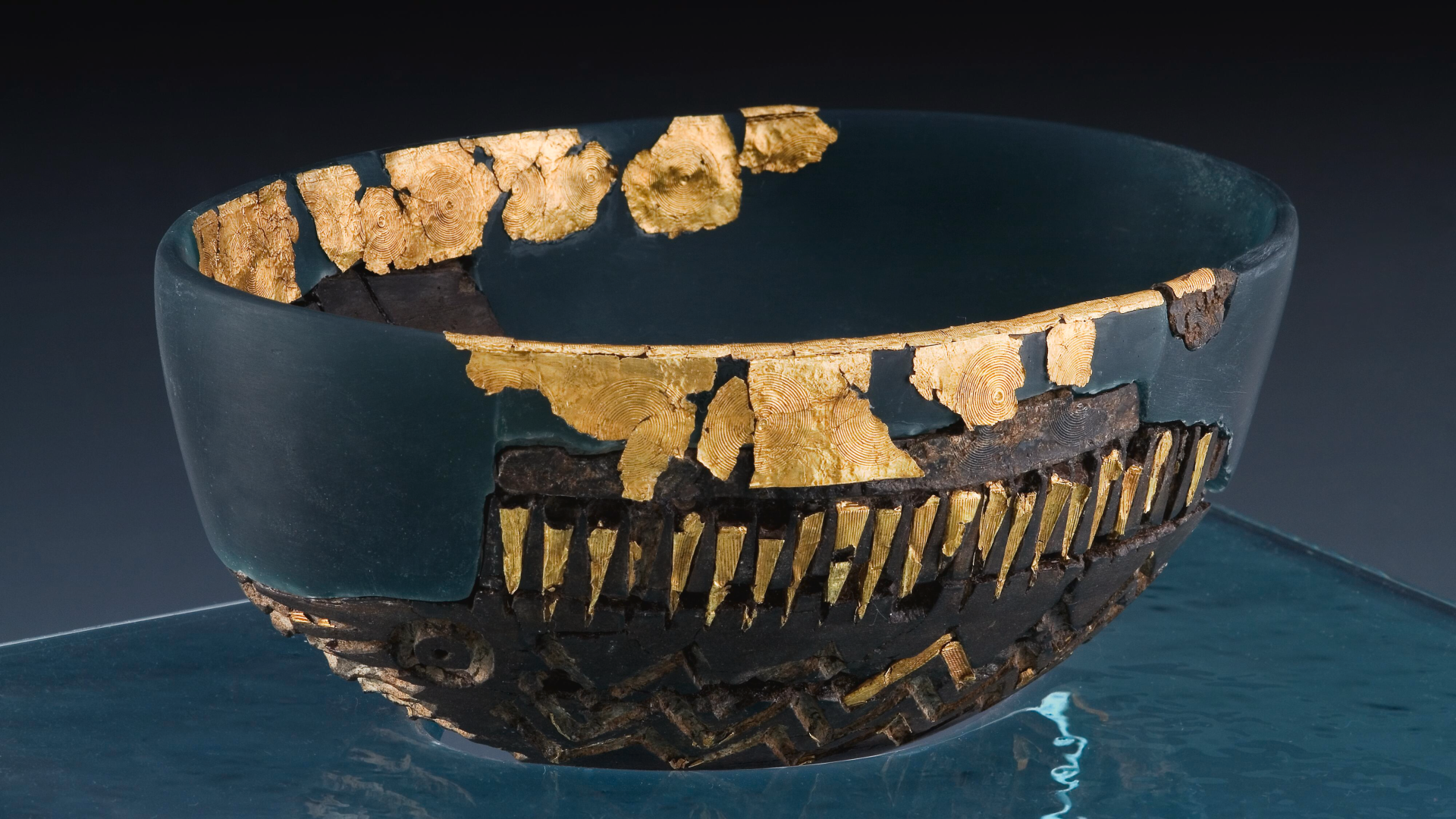 Caergwrle Bowl: A 3,300-year-old stone-and-tin bowl with gold oars and 'protective eyes'
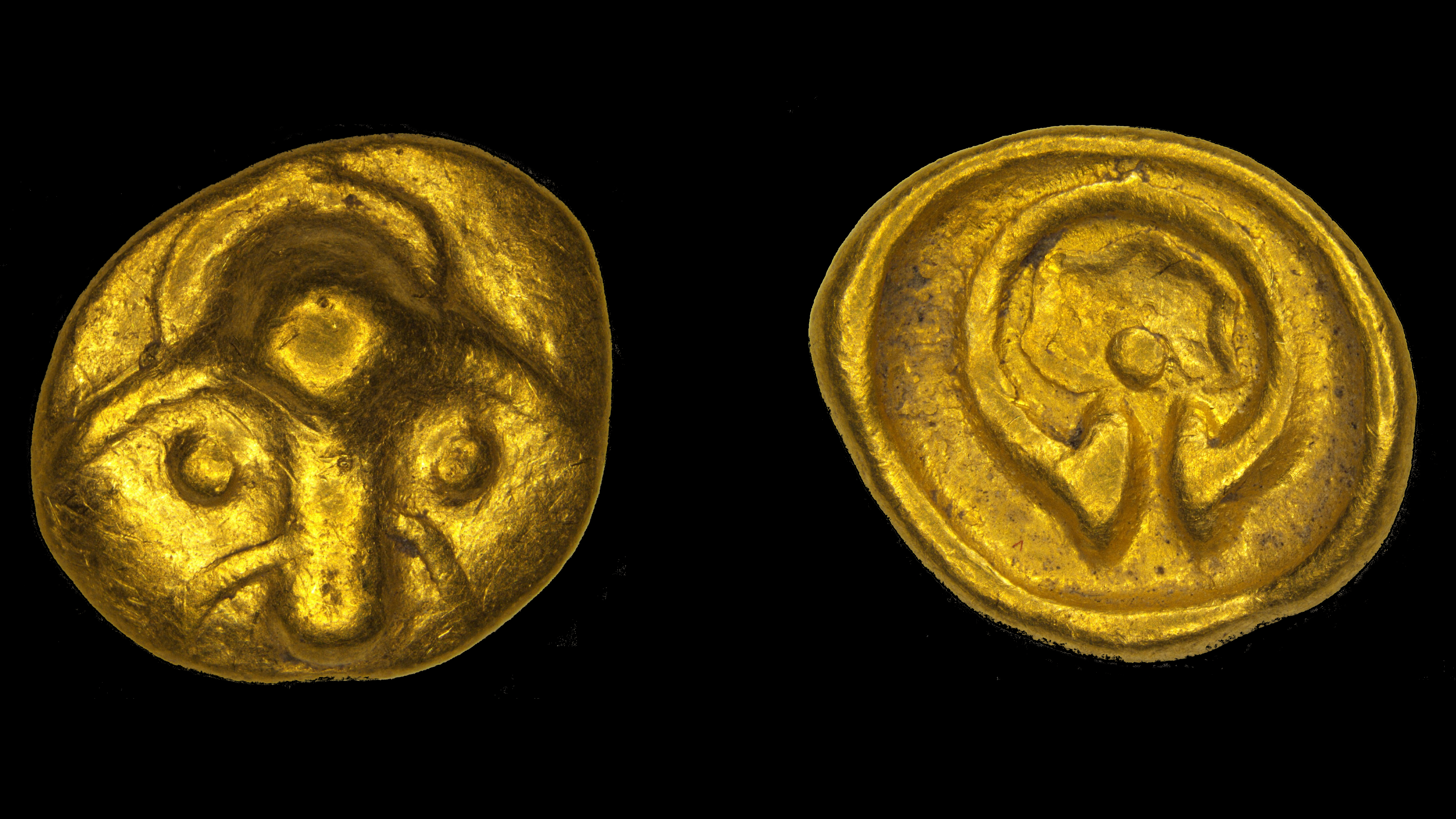 2,200-year-old Celtic 'rainbow cup' in 'almost mint condition' found in Germany
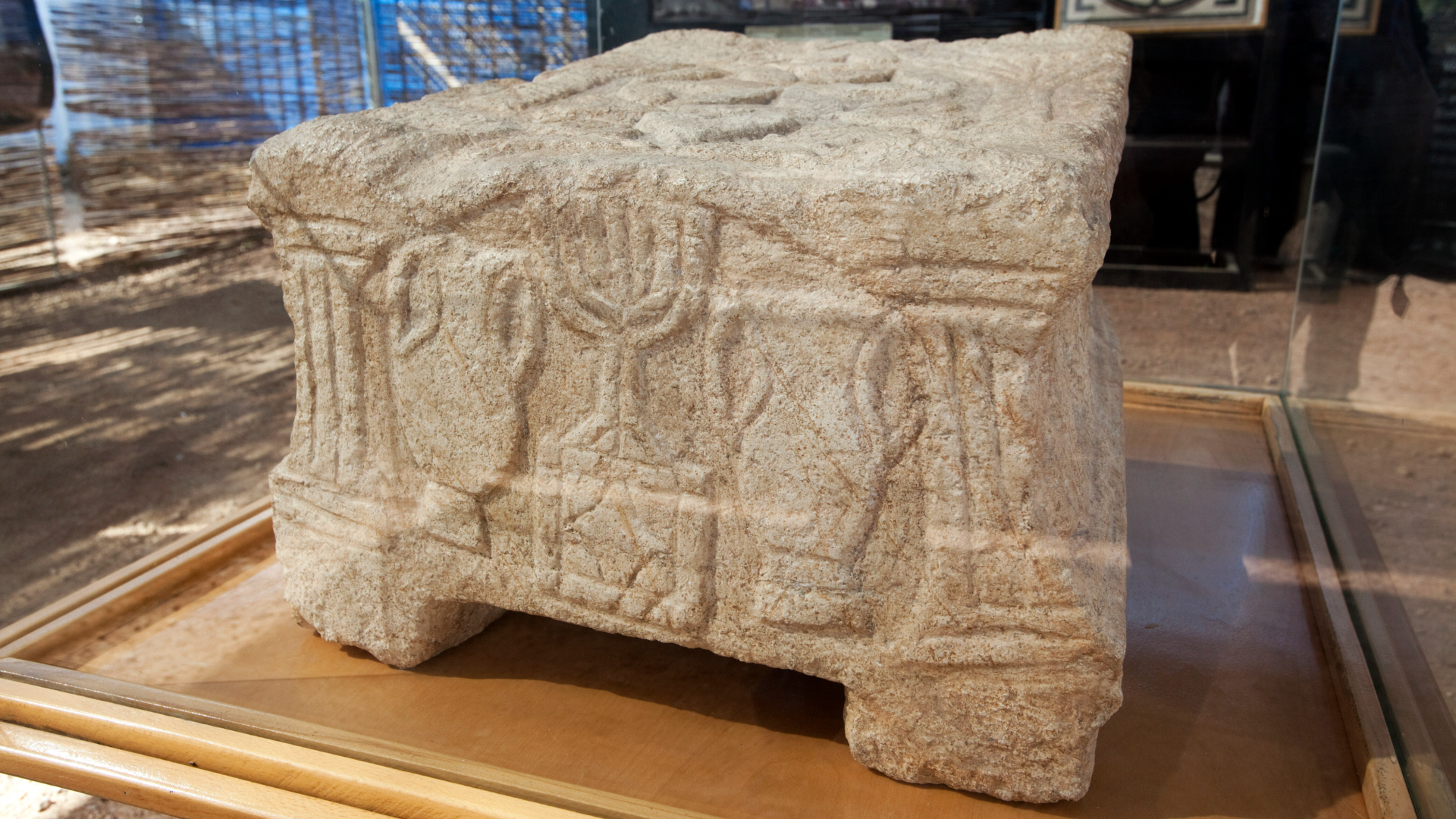 Magdala stone: 2,000-year-old carving from Jerusalem is world's oldest known depiction of a menorah
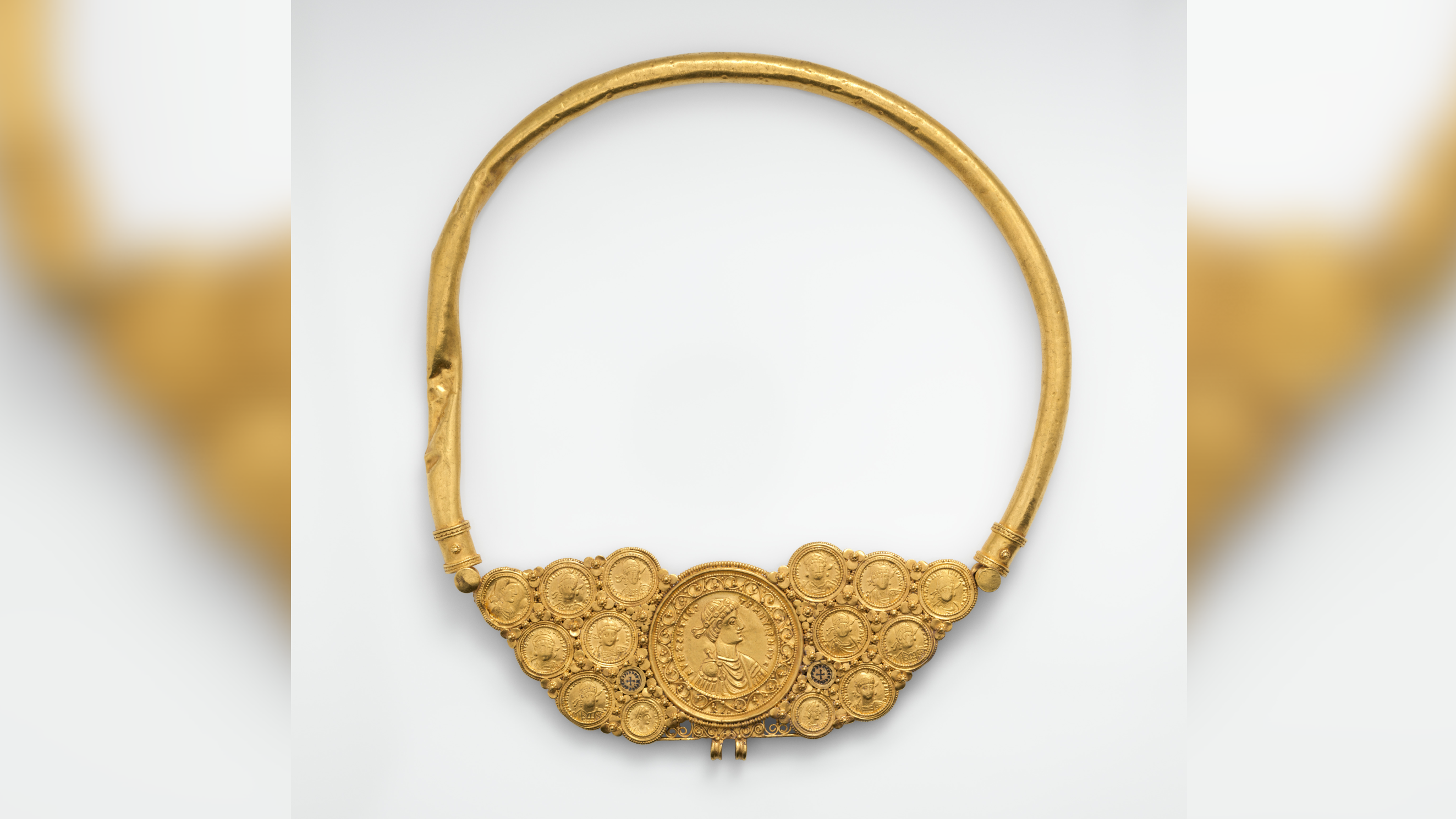 Pectoral with coins: 'One of the most intricate pieces of gold jewelry to survive from the mid-sixth century'
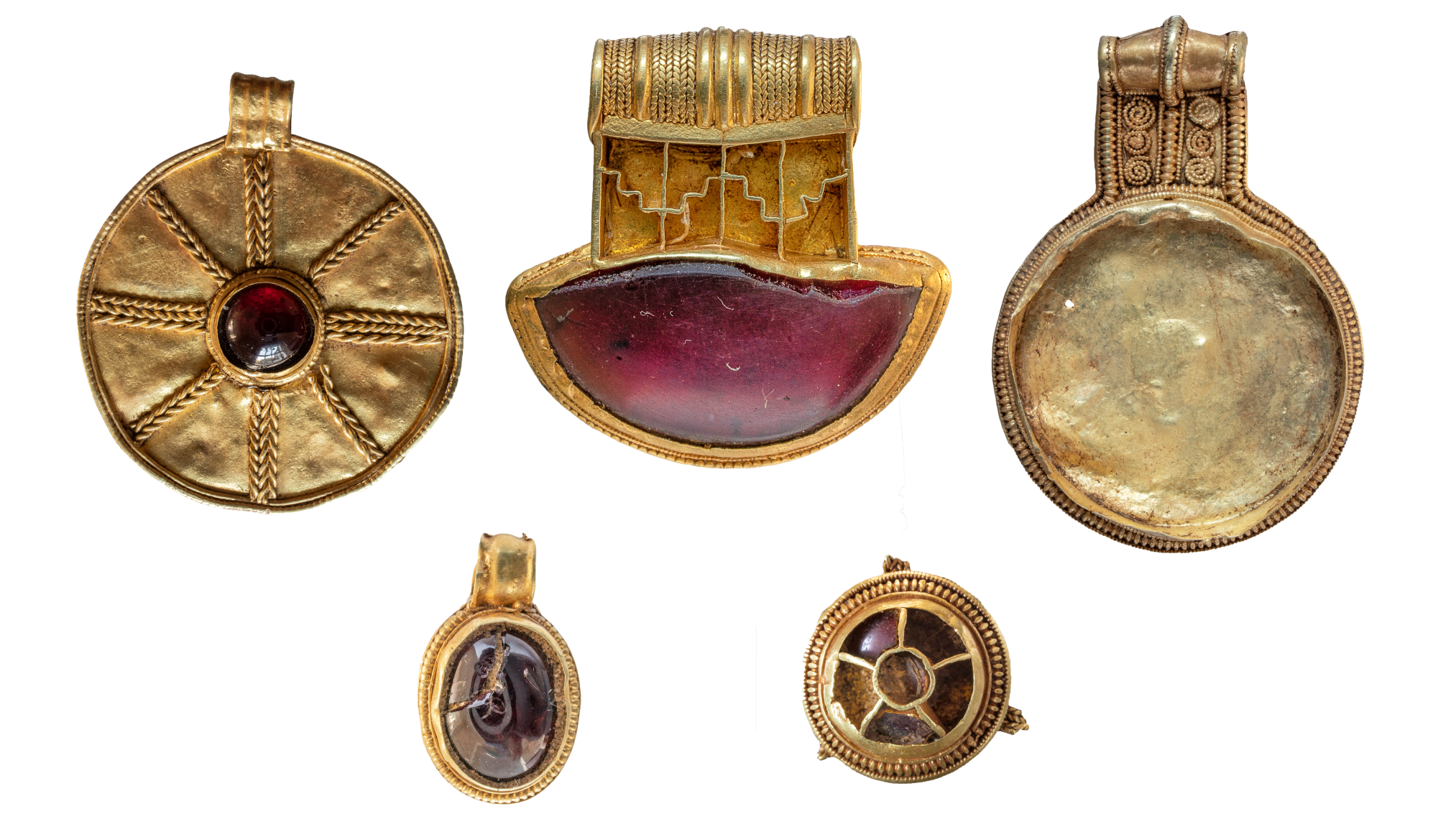 Detectorists find Anglo-Saxon treasure hoard that may have been part of a 'ritual killing'
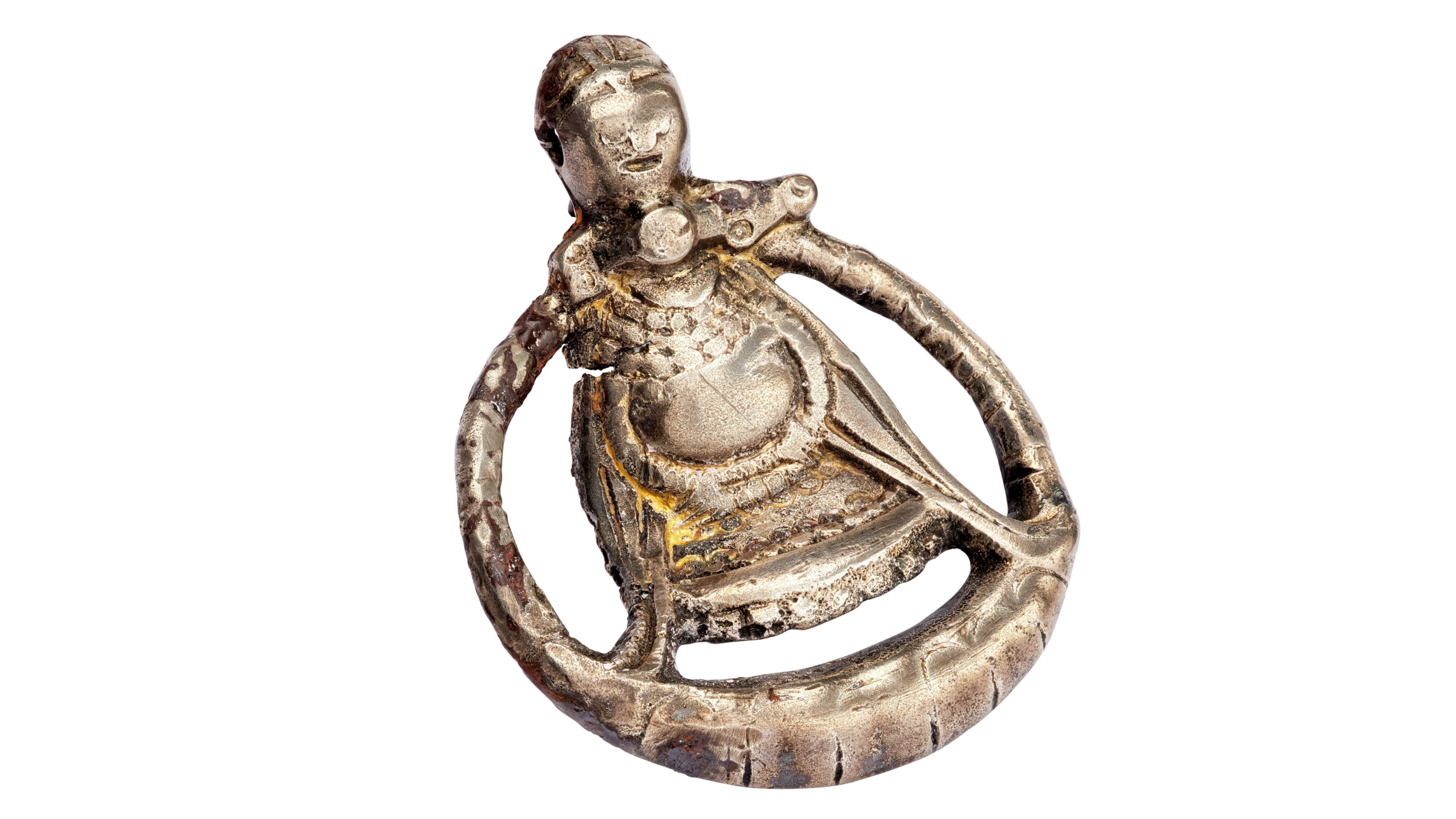 Ash Pendant: The only known depiction of a pregnant Viking woman
Latest in Archaeology
Ash Pendant: The only known depiction of a pregnant Viking woman
Latest in Archaeology
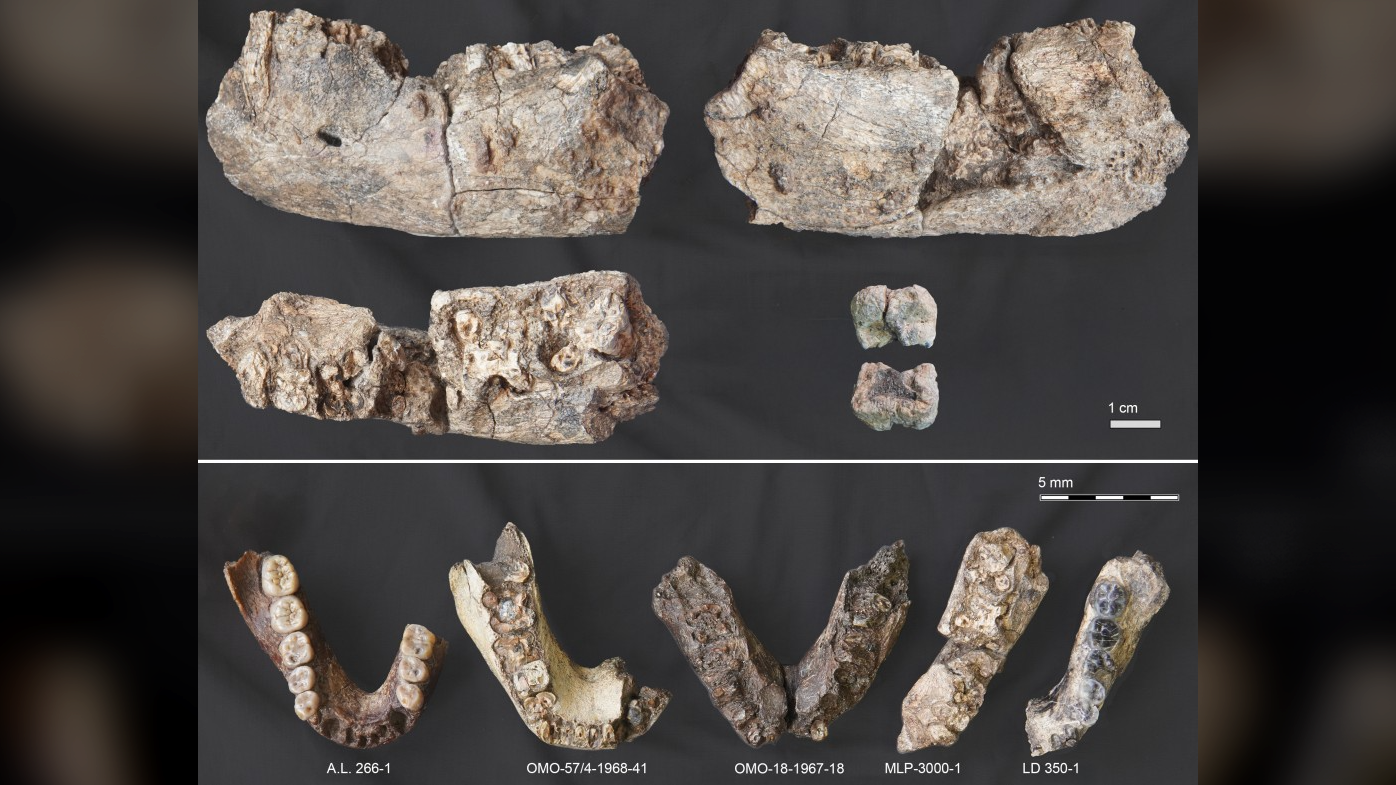 2.6 million-year-old jaw from extinct 'Nutcracker Man' is found where we didn't expect it
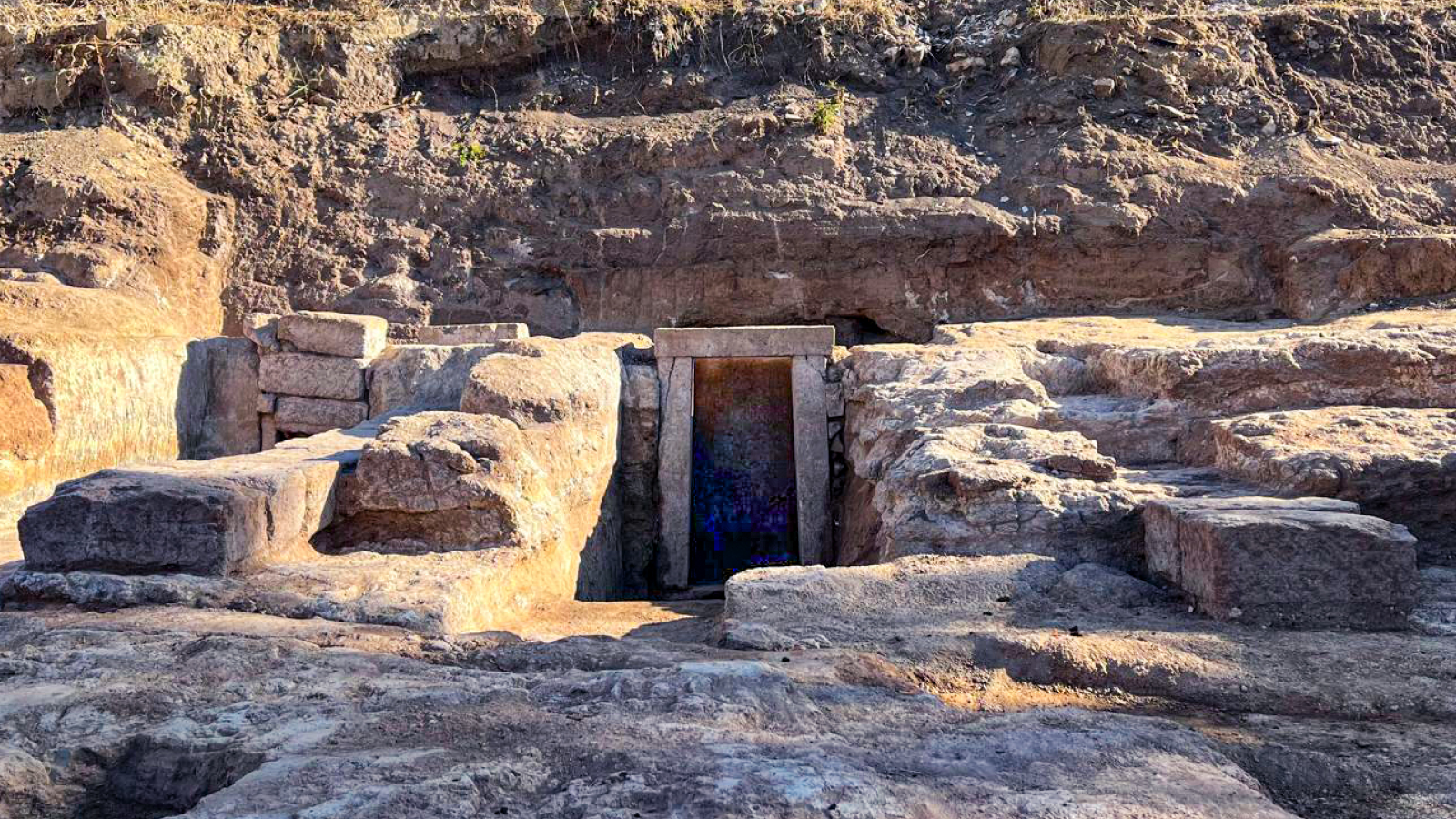 2,400-year-old Hercules shrine and elite tombs discovered outside ancient Rome's walls
 World's oldest known rock art predates modern humans' entrance into Europe — and it was found in an Indonesian cave
 Medieval 'super ship' found wrecked off Denmark is largest vessel of its kind
 Remnants of spills on Renaissance-era textbook reveal recipes for 'curing' ailments with lizard heads and human feces
 Romans regularly soaked in filthy, lead-contaminated bath water, Pompeii study finds
Latest in Features
Romans regularly soaked in filthy, lead-contaminated bath water, Pompeii study finds
Latest in Features
 Giant underwater plumes triggered by 7-story waves at Nazaré captured off Portuguese coast
 Could there ever be a worldwide internet outage?
 How much of your body could you lose — and still survive?
 Parkfield, San Andreas, and the quest for a 'crystal ball' for predicting earthquakes before they happen
 How to watch 'Pole to Pole with Will Smith' — TV and streaming details as Oscar-winning actor blends adventure and scientific discovery
Nebra Sky Disc: The world's oldest depiction of astronomical phenomena — and it may depict the Pleiades
LATEST ARTICLES
How to watch 'Pole to Pole with Will Smith' — TV and streaming details as Oscar-winning actor blends adventure and scientific discovery
Nebra Sky Disc: The world's oldest depiction of astronomical phenomena — and it may depict the Pleiades
LATEST ARTICLES 1Lab mice that 'touch grass' are less anxious — and that highlights a big problem in rodent research
- 22,400-year-old Hercules shrine and elite tombs discovered outside ancient Rome's walls
- 3Coyote scrambles onto Alcatraz Island after perilous, never-before-seen swim
- 4Stunning time-lapse video captured using 'artificial eclipse' shows 3 massive eruptions on the sun
- 5Enormous freshwater reservoir discovered off the East Coast may be 20,000 years old and big enough to supply NYC for 800 years