- Animals
- Land Mammals
A new study comparing 59 species of primates linked same-sex sexual behavior to scarce resources and more predators in socially complex species. The findings show diverse sexual behaviors are common — and likely beneficial in primates.
When you purchase through links on our site, we may earn an affiliate commission. Here’s how it works.
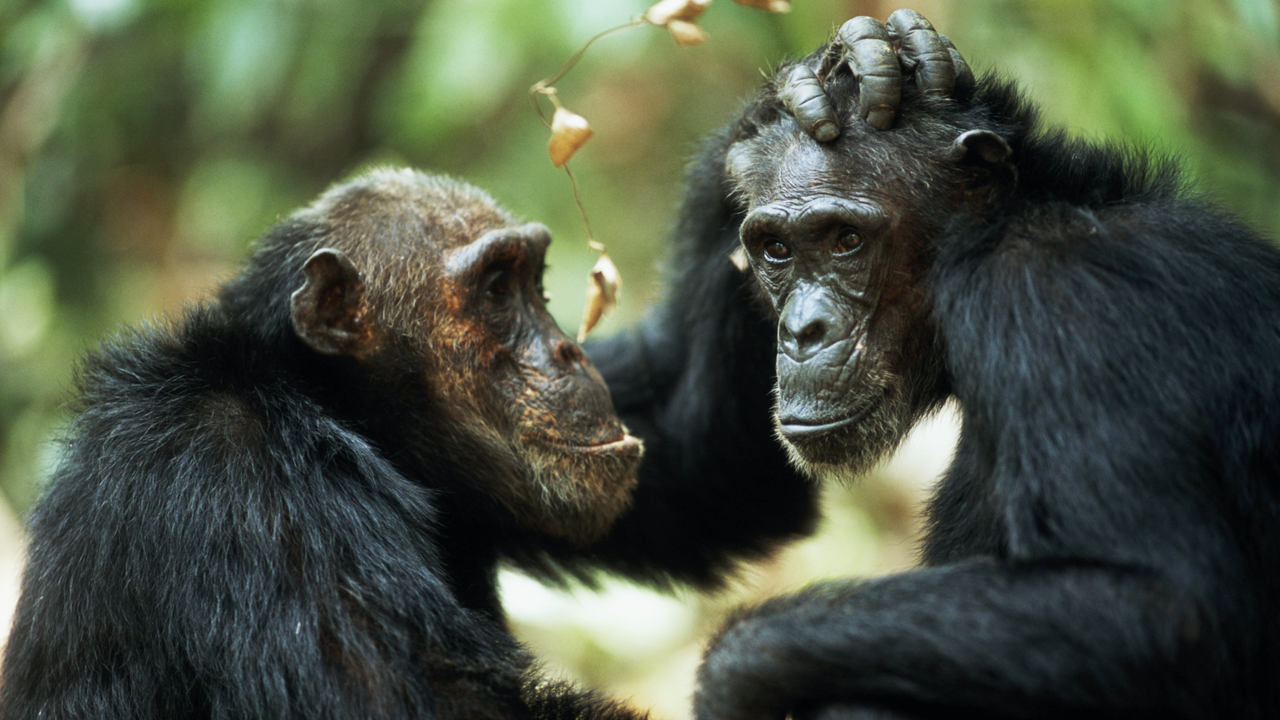
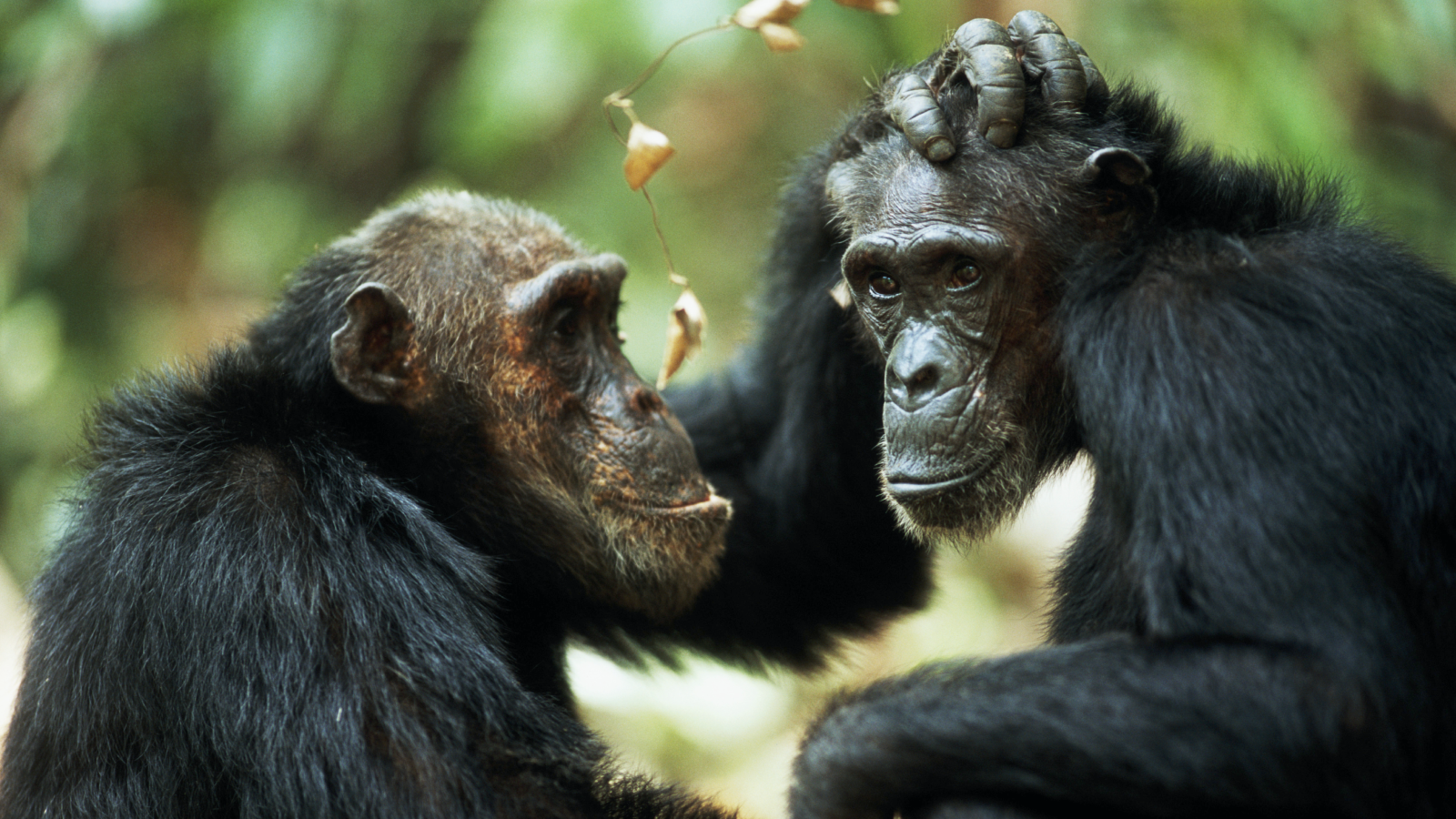 Scientists found same-sex sexual behavior in primates appears to be more likely where environmental conditions are harsh.
(Image credit: Anup Shah/Getty Images)
Share
Share by:
Scientists found same-sex sexual behavior in primates appears to be more likely where environmental conditions are harsh.
(Image credit: Anup Shah/Getty Images)
Share
Share by:
- Copy link
- X
Same-sex sexual behavior among primates could be shaped partly by specific environmental and social conditions, according to a new study comparing 59 species.
Same-sex sexual behavior (SSB) in animals is increasingly recognized in the scientific community as widespread, as it's documented across the animal kingdom in about 1,500 species. Untangling how and why it emerged across so many diverse species is challenging, however. The new study, published Jan. 12 in the journal Nature Ecology & Evolution, found SSB may be beneficial — at least for primates — when ecological conditions are harsh and social conditions are complex.
You may like-
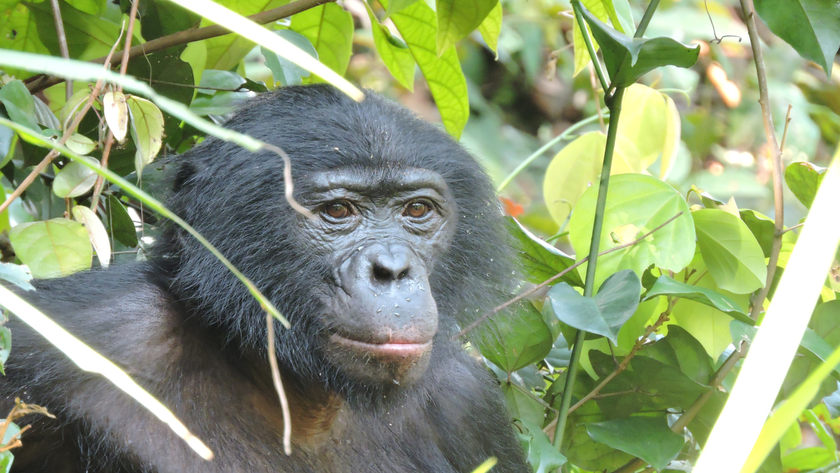 'A forest with bonobos has never been so quiet': Most extreme case of violence in 'hippie' species recorded, with females ganging up on male in unprecedented attack
-
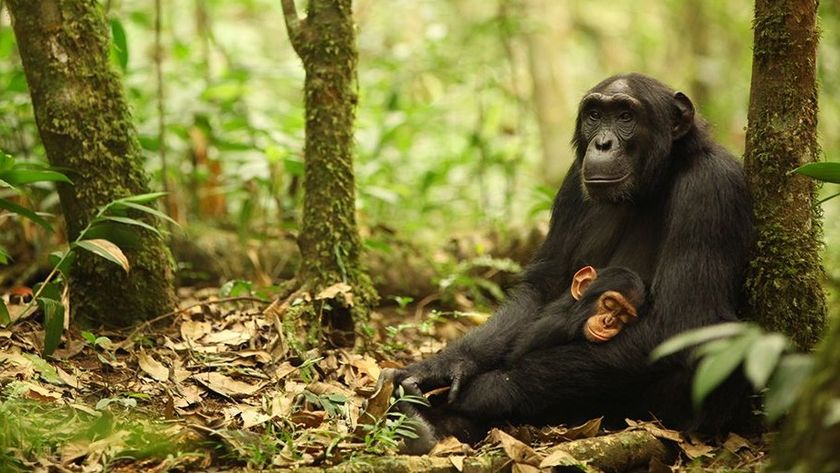 A decade-long chimp war ended in a baby boom for the victors, scientists discover
-
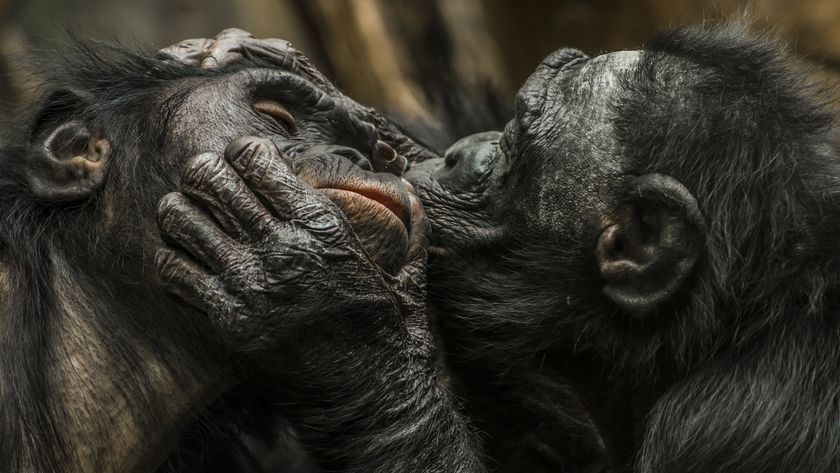 Kissing goes back 21 million years, to the common ancestor of humans and other large apes, study finds
"[The findings] do suggest that the orientation toward individuals of the same sex has a very strong evolutionary history, and it's nothing bizarre or derived or unnatural," said Durham University primatologist Zanna Clay, who was not involved with the new study. "In fact, it's likely part of the evolutionary fabric of our societies."
Primate same-sex bonding to navigate harsh conditions
Research suggests SSB facilitates bonding in socially complex animals. In bonobos (Pan paniscus) and chimpanzees (Pan troglodytes), it is associated with reduced tension, conflict resolution and the strengthening of alliances. For golden snub-nosed monkeys (Rhinopithecus roxellana), SSB and grooming strengthen social bonds in harsh, cold climates with scarce resources.
Genes also seem to play a role. In a 2023 study of rhesus macaques (Macaca mulatta), Vincent Savolainen, a biologist at Imperial College London, found SSB to be about 6.4% heritable, meaning the tendency toward this behavior can be passed down genetically from parents to offspring. But such a small percentage leaves a lot of uncertainty around what else might cause it to arise.
To explore the ecological and social context, Savolainen and colleagues conducted a meta-analysis of SSB studies across primates. Of the 491 species, they found the behavior documented and prevalent in 59 species. SSB is more likely to occur when species face a drier environment, scarcer resources, and a lot of predators, according to the study. It is also more common in species with complex social systems, greater size differences between males and females, and longer lifespans.
Sign up for the Live Science daily newsletter nowContact me with news and offers from other Future brandsReceive email from us on behalf of our trusted partners or sponsorsBy submitting your information you agree to the Terms & Conditions and Privacy Policy and are aged 16 or over.These trends suggest SSB might serve as a social strategy to reinforce bonds, manage conflict or build alliances, driven by the ecological and social pressures a group faces. "Species that have particularly challenging environmental and social pressures have evolved, independently of common ancestry, same-sex sexual behavior as a way to manage the pressure and navigate the social dynamic," Savolainen said, "forming coalitions, bonding, helping them deal with the challenges they face."
If predators are especially abundant, for example, having a socially close group that can trust each other's alarm calls is beneficial, Savolainen said; SSB offers one way to form or maintain relationships.
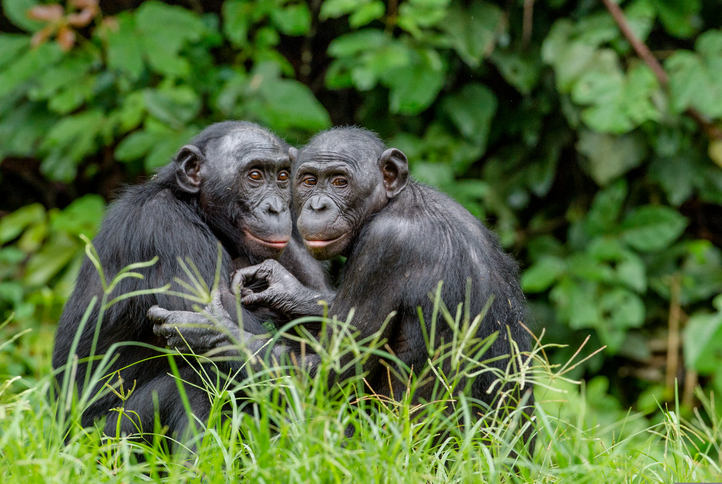
Chimpanzees and bonobos are known to engage in SSB when navigating ecological challenges, said Clay. "In a resource-poor situation, you need to cooperate and learn to tolerate each other," Clay said. "If there's food scarcity, having techniques to maintain and keep social bonds going is important."
You may like-
Kissing goes back 21 million years, to the common ancestor of humans and other large apes, study finds
-
 Primates Quiz: Go ape and test your knowledge on our closest relatives
-
 Pumas in Patagonia started feasting on penguins — but now they're behaving strangely, a new study finds
However, while the trends are notable, it's not so simple to draw parallels across species that display SSB. "It points to some common explanations that might cut across deep taxonomic divisions, but there is a risk you're obscuring some of the nuance in individual lineages," said Nathan Bailey, an evolutionary biologist at the University of St Andrews who was not involved with the new study. "Does this behavior emerge for different functional reasons, under different selective pressures, in different lineages? They're starting to scratch the surface of that."
Savolainen said SSB has been traditionally underreported, so the new findings highlight its significance in a broader understanding of primate behavior. "Same-sex behavior is as important as feeding, fighting, or looking after young," he said.
The research could help paint a more complete picture of social and sexual behavior in primates. "People tend to separate reproductive sex and social sex, whereas actually I think the social element of both is very important and should be integrated," Clay said.
But can these findings shed any light on human behavior? Our early hominin ancestors likely experienced various ecological and social pressures, including those linked to SSB for the primates in this study, the study authors pointed out –– but it's unclear whether these pressures would have contributed to the evolution of same-sex sexual orientation in hominin species in a similar way.
RELATED STORIES—Male monkeys on tiny island have way more sex with each other than females, scientists discover
—A decade-long chimp war ended in a baby boom for the victors, scientists discover
—'A forest with bonobos has never been so quiet': Most extreme case of violence in 'hippie' species recorded, with females ganging up on male in unprecedented attack
Generalizing the results to humans is tricky, according to the researchers and experts, without behavioral data from our hominin ancestors, and considering modern human culture and identity is so complex.
"I don't think this tells us much about what's going on in humans," Bailey said. "There seems to be a huge diversity of explanations [of SSB] across animals, even in closely related lineages, so it doesn't stand to reason to me that any one particular explanation in animals would map onto human beings."
The study also points to a key reason primates, including humans, have succeeded so well across the globe: adaptability. "We're not fixed to one mating system, one behavioral system," Clay said. "To me, the fact that sexual behaviors can expand [under different conditions] reflects that behavioral flexibility which is really important for primate success."
TOPICS news analyses Olivia FerrariLive Science Contributor
Olivia Ferrari is a New York City-based freelance journalist with a background in research and science communication. Olivia has lived and worked in the U.K., Costa Rica, Panama and Colombia. Her writing focuses on wildlife, environmental justice, climate change, and social science.
Show More CommentsYou must confirm your public display name before commenting
Please logout and then login again, you will then be prompted to enter your display name.
Logout Read more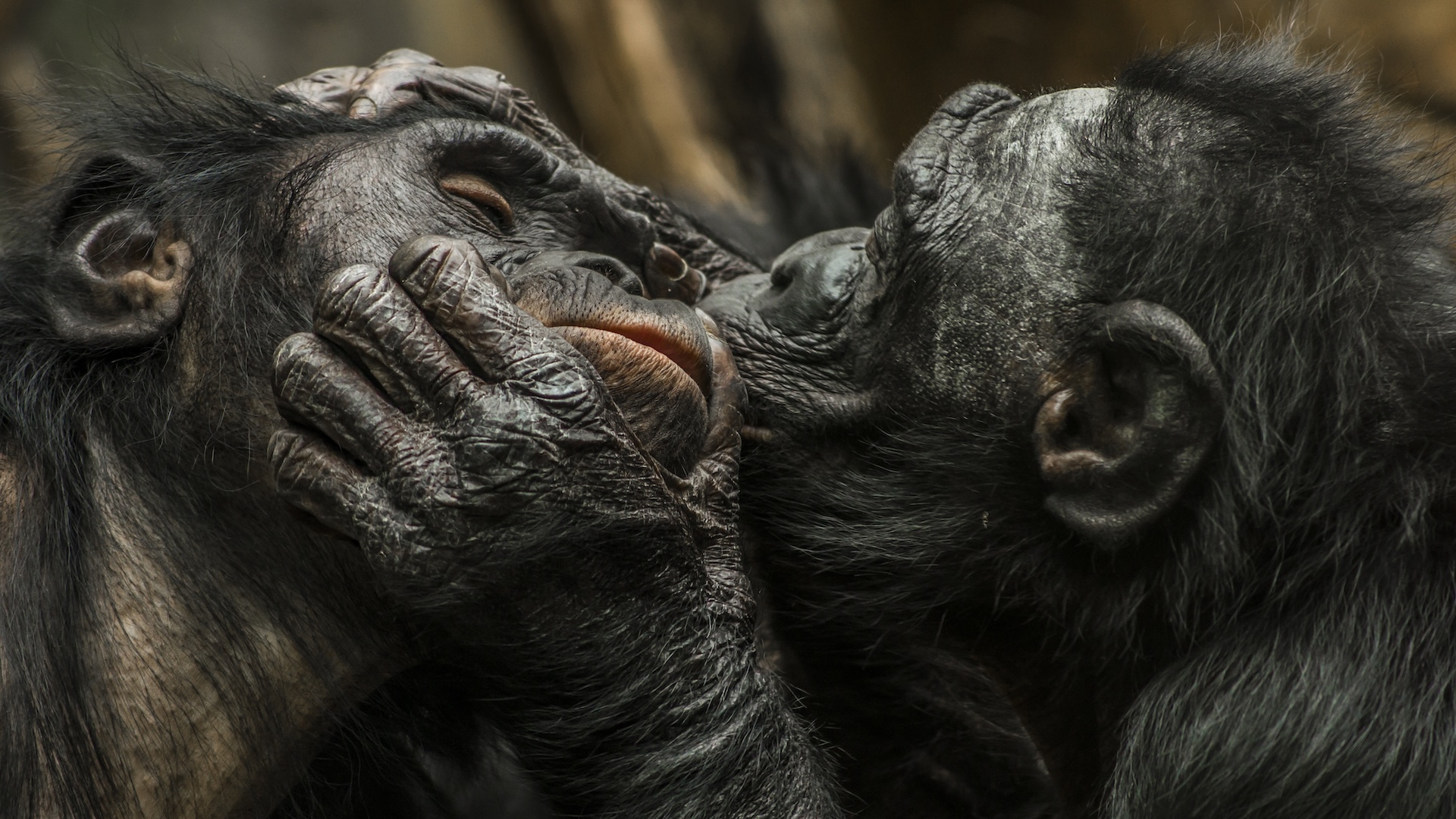 Kissing goes back 21 million years, to the common ancestor of humans and other large apes, study finds
 Primates Quiz: Go ape and test your knowledge on our closest relatives
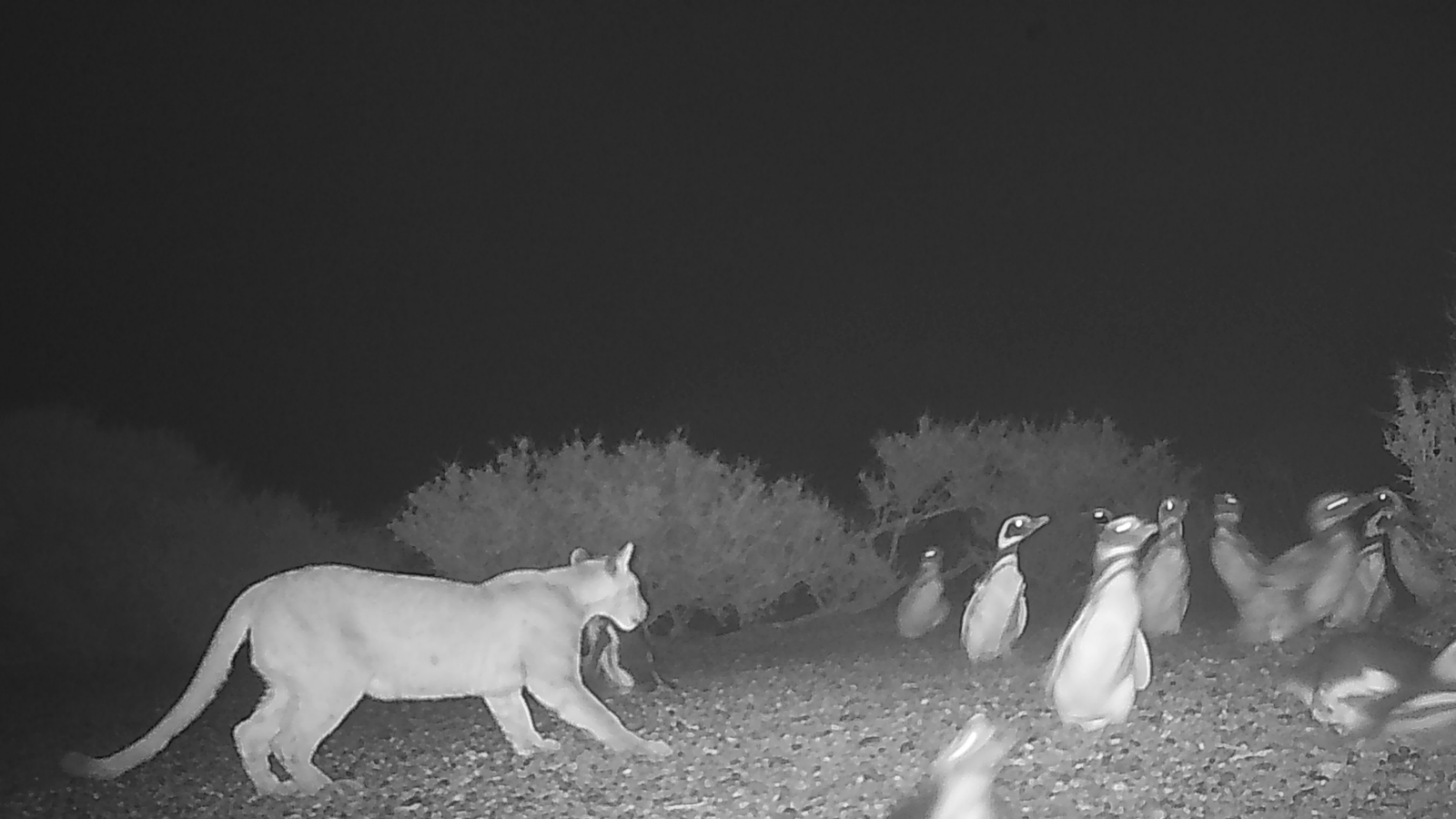 Pumas in Patagonia started feasting on penguins — but now they're behaving strangely, a new study finds
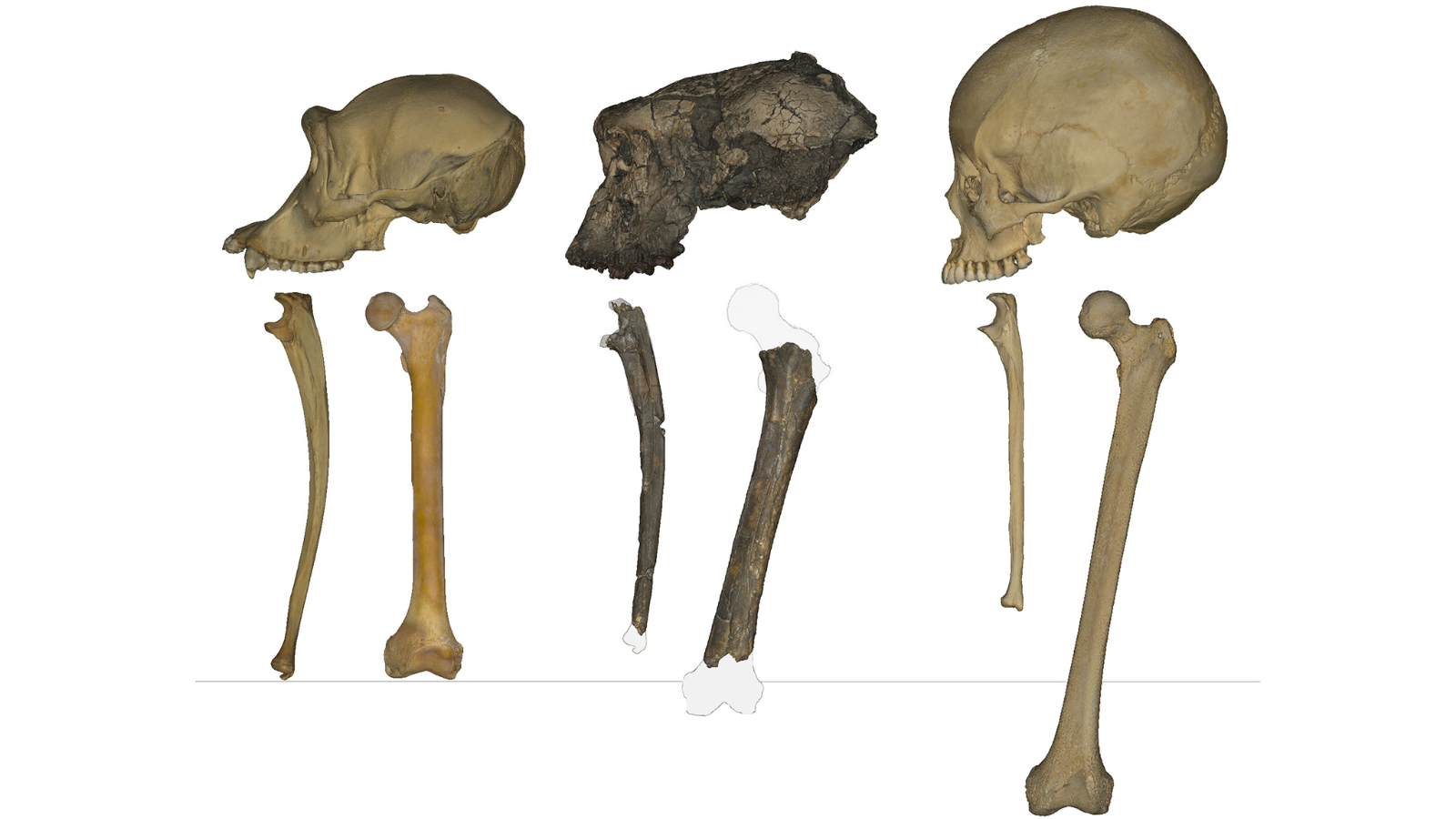 Tiny bump on 7 million-year-old fossil suggests ancient ape walked upright — and might even be a human ancestor
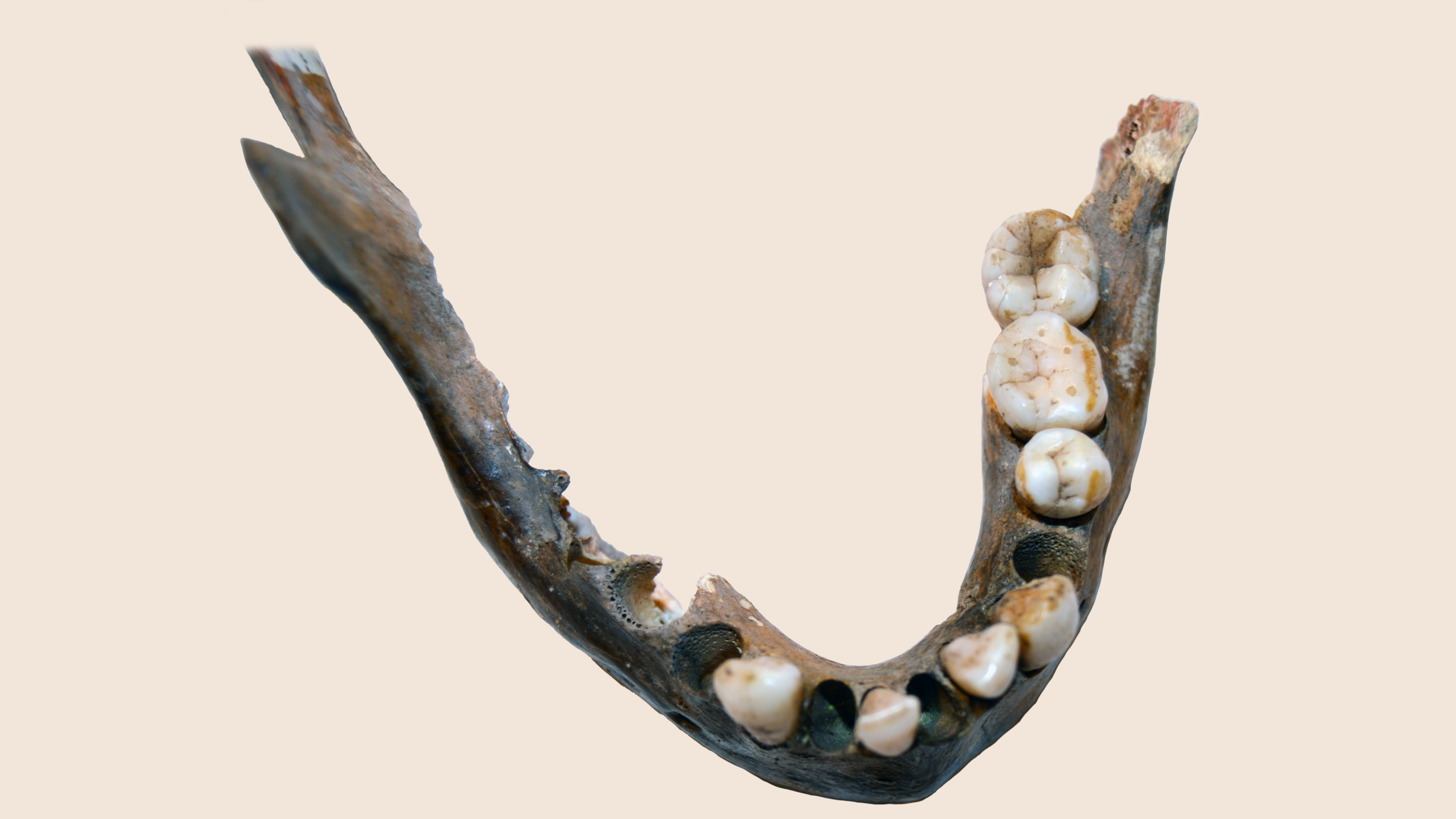 'An extreme end of human genetic variation': Ancient humans were isolated in southern Africa for nearly 100,000 years, and their genetics are stunningly different
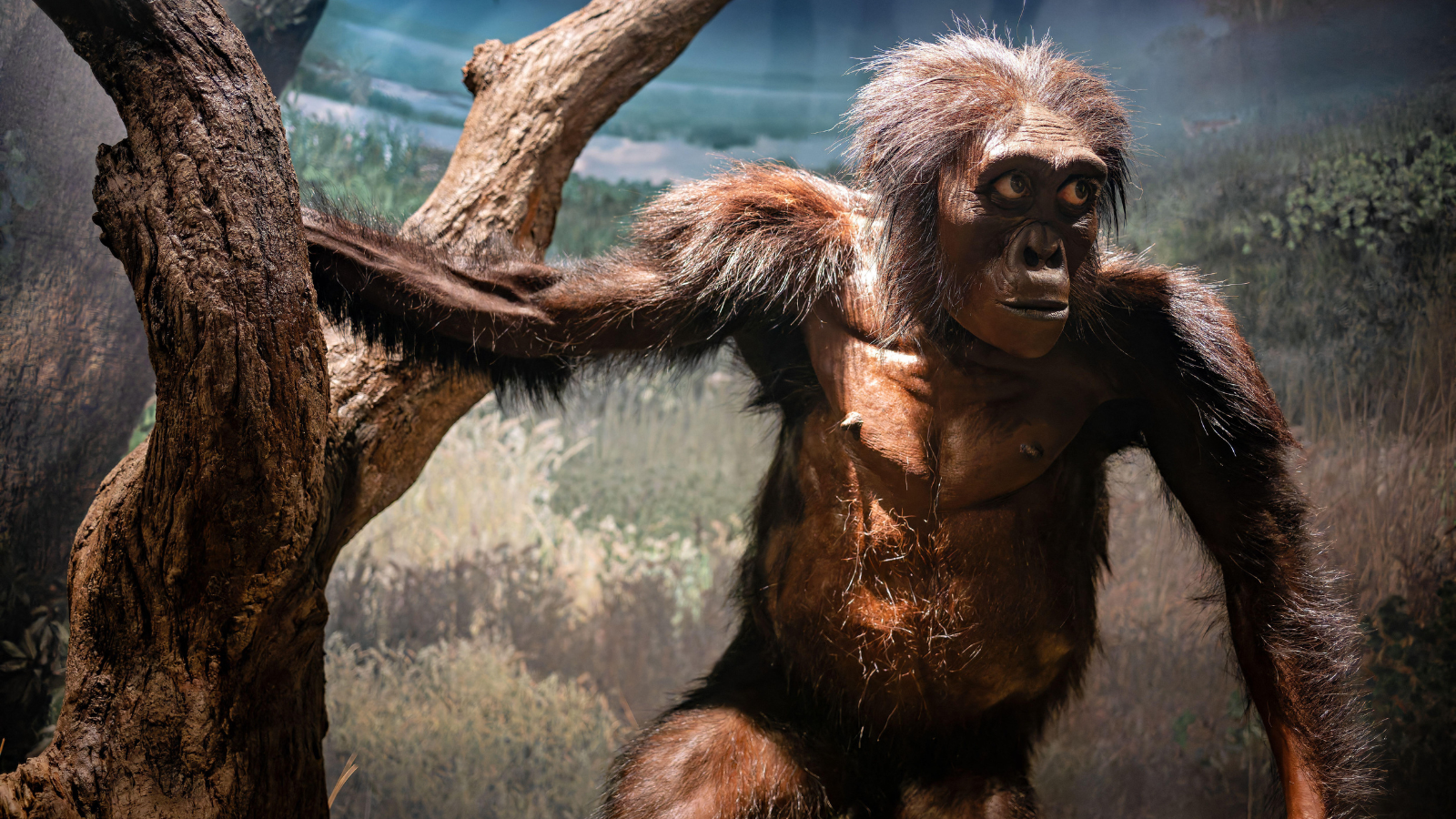 Human origins quiz: How well do you know the story of humanity?
Latest in Land Mammals
Human origins quiz: How well do you know the story of humanity?
Latest in Land Mammals
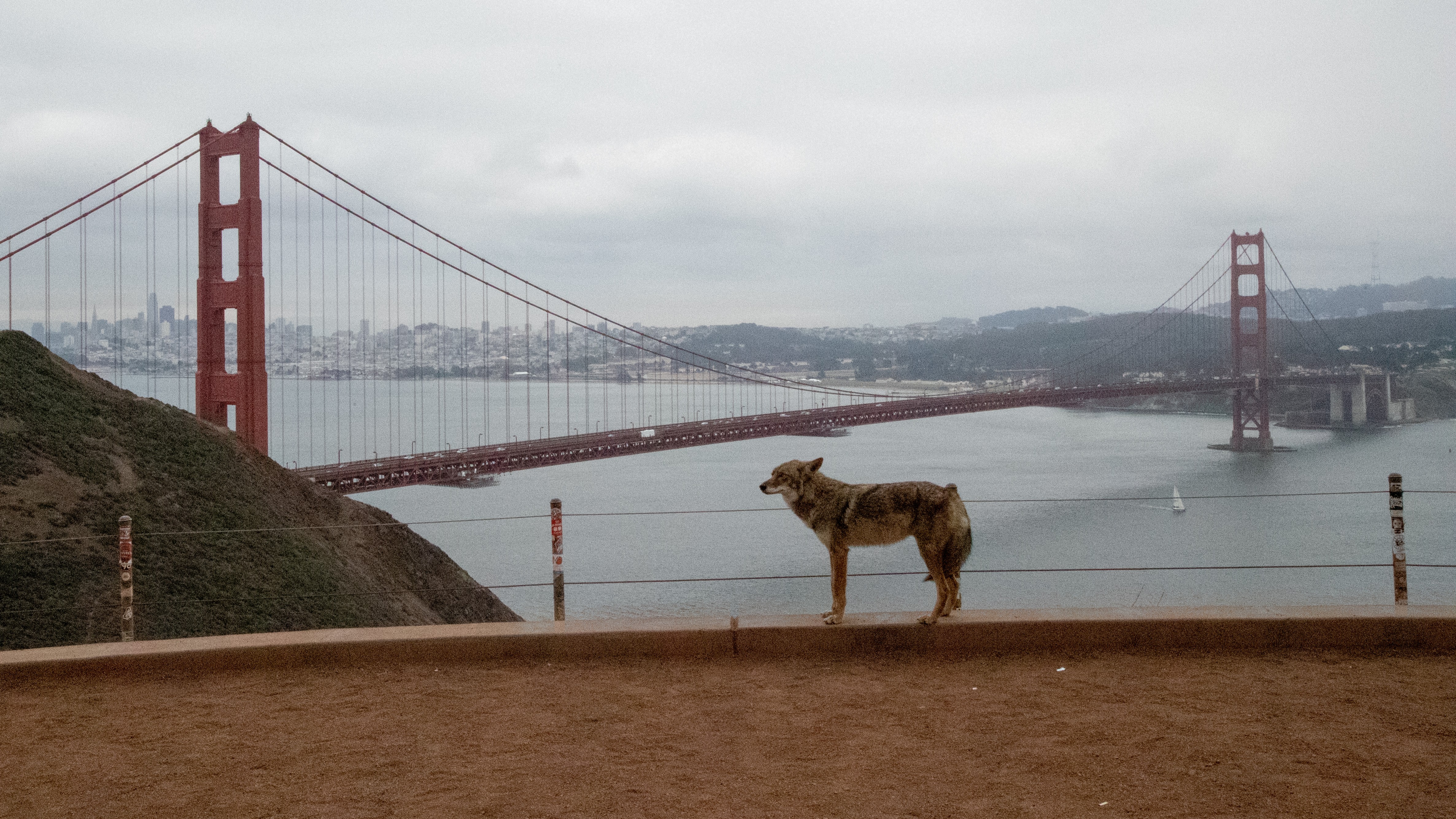 Coyote scrambles onto Alcatraz Island after perilous, never-before-seen swim
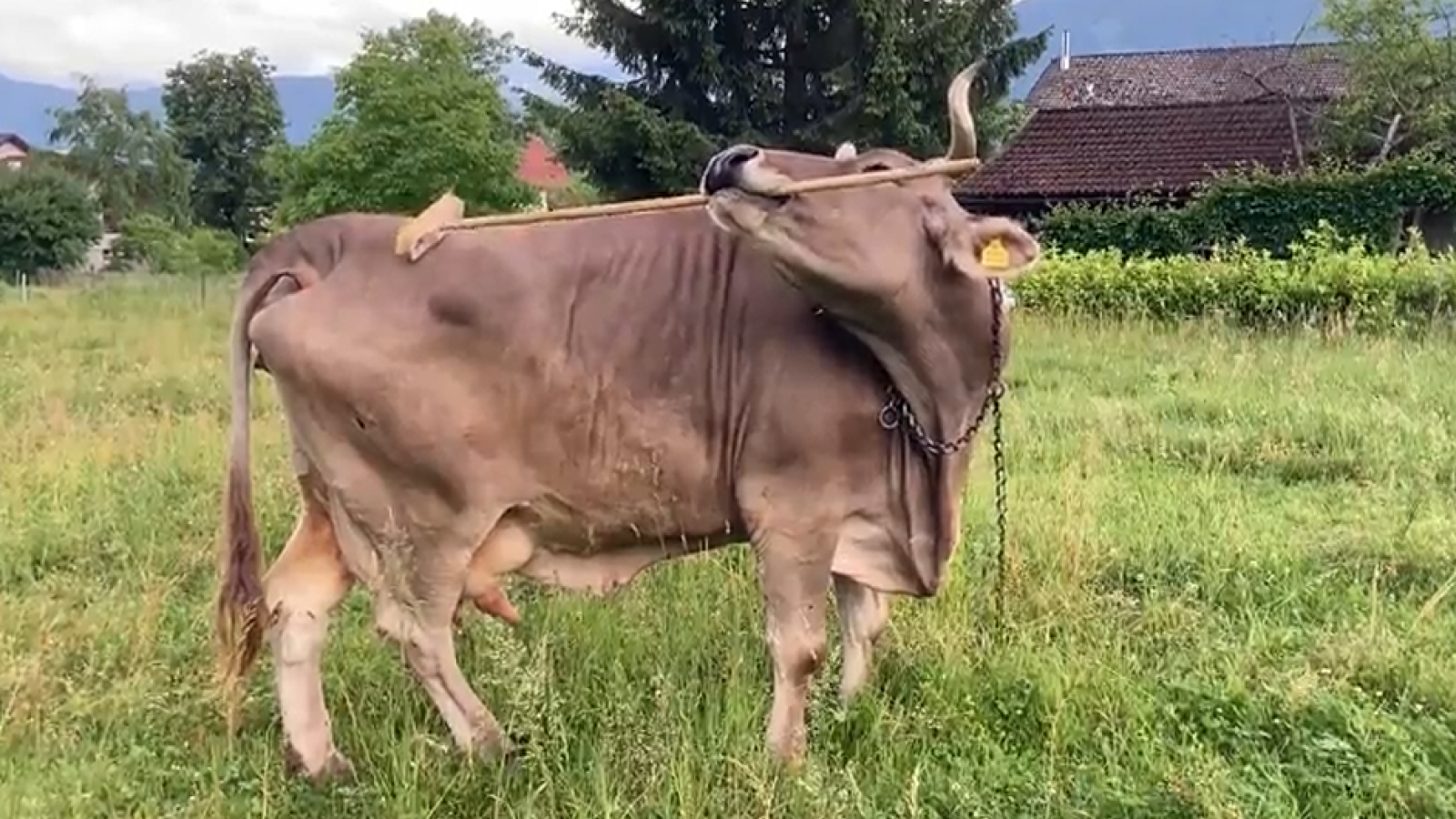 Ever watched a pet cow pick up a broom and scratch herself with it? You have now
 Ancient mummified cheetahs discovered in Saudi Arabia contain preserved DNA from the long-lost population
 Woolly rhino flesh pulled from ancient wolf stomach gives clues to ice age giant's extinction
 Cats meow more at men to get their attention, study suggests
 Did any cat breeds develop naturally?
Latest in News
'Part of the evolutionary fabric of our societies': Same-sex sexual behavior in primates may be a survival strategy, study finds
Did any cat breeds develop naturally?
Latest in News
'Part of the evolutionary fabric of our societies': Same-sex sexual behavior in primates may be a survival strategy, study finds
 More than 43,000 years ago, Neanderthals spent centuries collecting animal skulls in a cave; but archaeologists aren't sure why
 Halley wasn't the first to figure out the famous comet. An 11th-century monk did it first, new research suggests.
 James Webb telescope breaks own record, discovering farthest known galaxy in the universe
 South Carolina's measles outbreak nears 790 cases — making it the biggest in decades
 5,000-year-old rock art from ancient Egypt depicts 'terrifying' conquest of the Sinai Peninsula
LATEST ARTICLES
5,000-year-old rock art from ancient Egypt depicts 'terrifying' conquest of the Sinai Peninsula
LATEST ARTICLES- 1More than 43,000 years ago, Neanderthals spent centuries collecting animal skulls in a cave; but archaeologists aren't sure why
- 2Watch awkward Chinese humanoid robot lay it all down on the dance floor
- 3Hawke Frontier ED X 8x42 review
- 4The Snow Moon will 'swallow' one of the brightest stars in the sky this weekend: Where and when to look
- 5Halley wasn't the first to figure out the famous comet. An 11th-century monk did it first, new research suggests.