- Archaeology
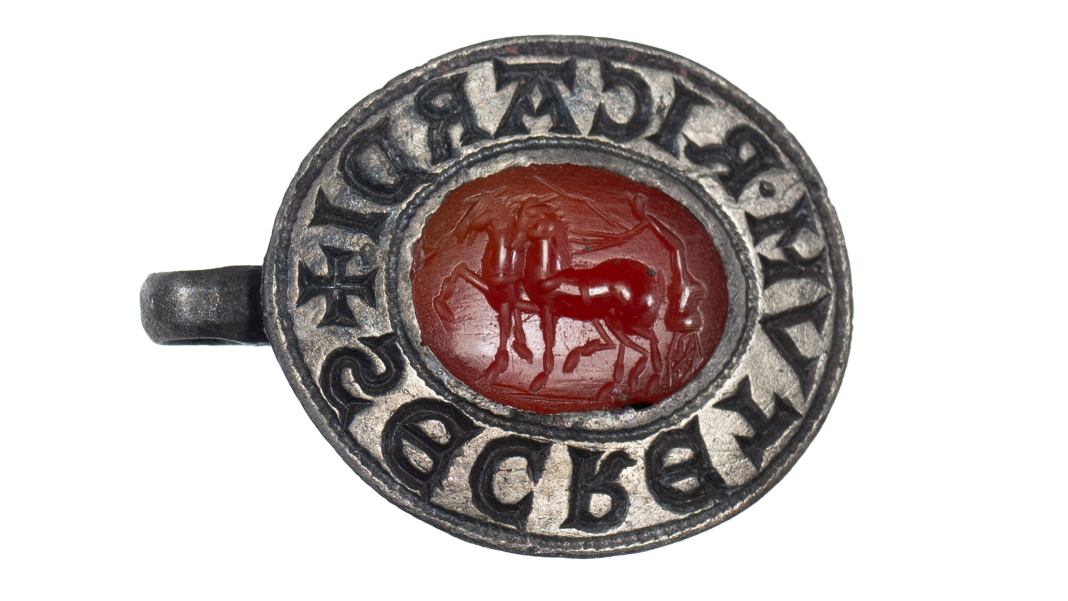
The Gosfield seal is made of a medieval silver seal bezel surrounding an ancient Roman gemstone.
When you purchase through links on our site, we may earn an affiliate commission. Here’s how it works.
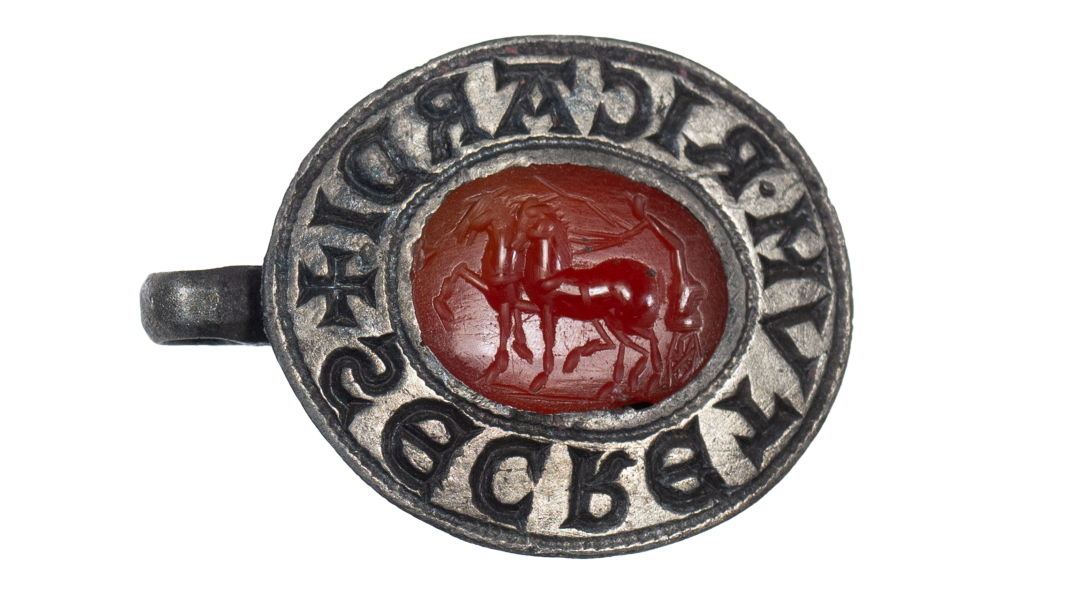 A metal detectorist found a rare medieval seal in Essex, England.
(Image credit: Colchester and Ipswich Museum Service (CC-BY 2.0))
Share
Share by:
A metal detectorist found a rare medieval seal in Essex, England.
(Image credit: Colchester and Ipswich Museum Service (CC-BY 2.0))
Share
Share by:
- Copy link
- X
A medieval seal with a blood-red gemstone that was discovered in the U.K. is hiding an ancient secret, researchers have found.
A metal detectorist discovered the medieval seal in Gosfield, in the eastern county of Essex, in the fall of 2024. But a recent analysis of the seal by experts with the U.K.'s Portable Antiquities Scheme has revealed that the 800-year-old object prominently featured a 2,000-year-old Roman gemstone at its center.
You may like-
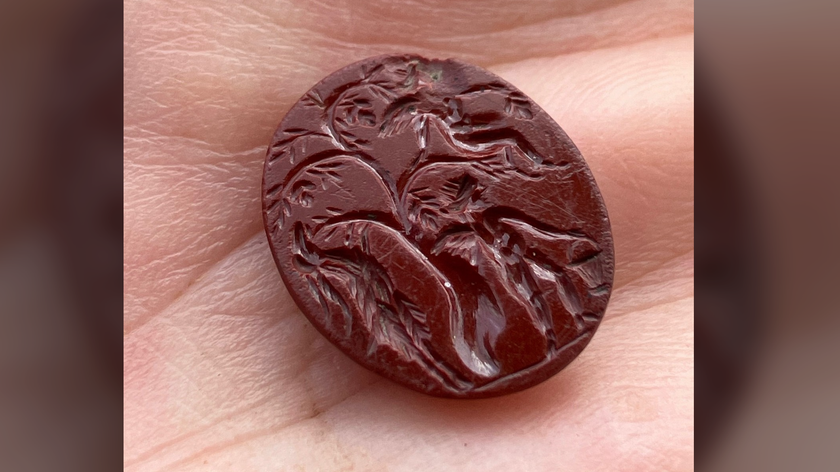 Archaeologists find 'unique' blood-red gemstone at Roman fort beyond Hadrian's Wall
-
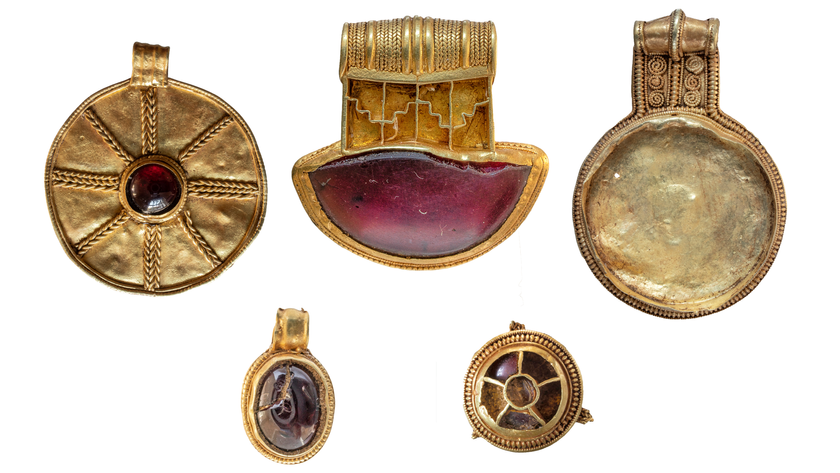 Detectorists find Anglo-Saxon treasure hoard that may have been part of a 'ritual killing'
-
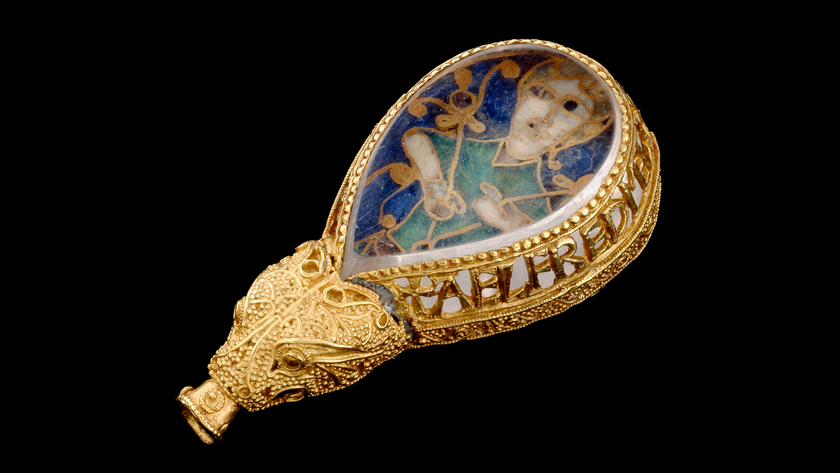 The Alfred Jewel: A 1,100-year-old treasure from England's first king that proclaims 'Alfred ordered me to be made'
The silver seal is just 1 inch (27.5 millimeters) long, and the entire keepsake weighs 0.23 ounces (6.44 grams), according to the entry for the artifact in the Portable Antiquities Scheme database. A loop attached to one end of the oval seal suggests it was suspended, perhaps on a necklace, rather than being a signet ring.
Around the bezel, there's a mirror-image inscription that reads "SECRETUM.RICARDI," meaning "Richard's secret" or the "secret [seal] of Richard," along with a cross pattée, a plus-shaped Christian symbol commonly used in medieval times by the Knights Templar.
The center of the Gosfield seal features a piece of carnelian, a brownish-red semiprecious stone, engraved with the image of a two-horse chariot. A charioteer stands on the back of the cart, holding the reins and a whip, suggesting he is competing in an ancient circus race. The carved gemstone dates to the late first century B.C. or early first century A.D., making it at least 1,200 years older than the metal seal matrix.
The mirror-image engraving and intaglio chariot design would appear the right way when Richard pressed it into wax as his seal.
Sign up for the Live Science daily newsletter nowContact me with news and offers from other Future brandsReceive email from us on behalf of our trusted partners or sponsorsBy submitting your information you agree to the Terms & Conditions and Privacy Policy and are aged 16 or over.RELATED STORIES—Medieval gold ring found in castle in Slovakia has rare purple sapphire imported from Sri Lanka
—Metal detectorists unearth dazzling Anglo-Saxon gold-and-garnet raven head and ring: 'It's unbelievable — I'm a bit emotional'
—'I did a bit of a dance': Detectorist finds gold 'mourning ring' engraved with skull and date in UK field
Rogerson said Richard might have specifically chosen the Roman gemstone to show his knowledge of the classical world and his ability to procure something from a faraway place and time.
"It definitely would have been an indicator of the owner's social status," Rogerson told the BBC, "and indicated they were quite important — or saw themselves as quite important."
The Gosfield seal has been submitted for consideration as treasure under the U.K.'s Treasure Act of 1996, since it is made of silver and more than 300 years old. The Braintree Museum in Essex hopes to acquire the object following a treasure inquest.
Gold and gems quiz: What do you know about sparkly treasures made by nature?
 Kristina KillgroveSocial Links NavigationStaff writer
Kristina Killgrove is a staff writer at Live Science with a focus on archaeology and paleoanthropology news. Her articles have also appeared in venues such as Forbes, Smithsonian, and Mental Floss. Kristina holds a Ph.D. in biological anthropology and an M.A. in classical archaeology from the University of North Carolina, as well as a B.A. in Latin from the University of Virginia, and she was formerly a university professor and researcher. She has received awards from the Society for American Archaeology and the American Anthropological Association for her science writing.
Show More CommentsYou must confirm your public display name before commenting
Please logout and then login again, you will then be prompted to enter your display name.
Logout Read more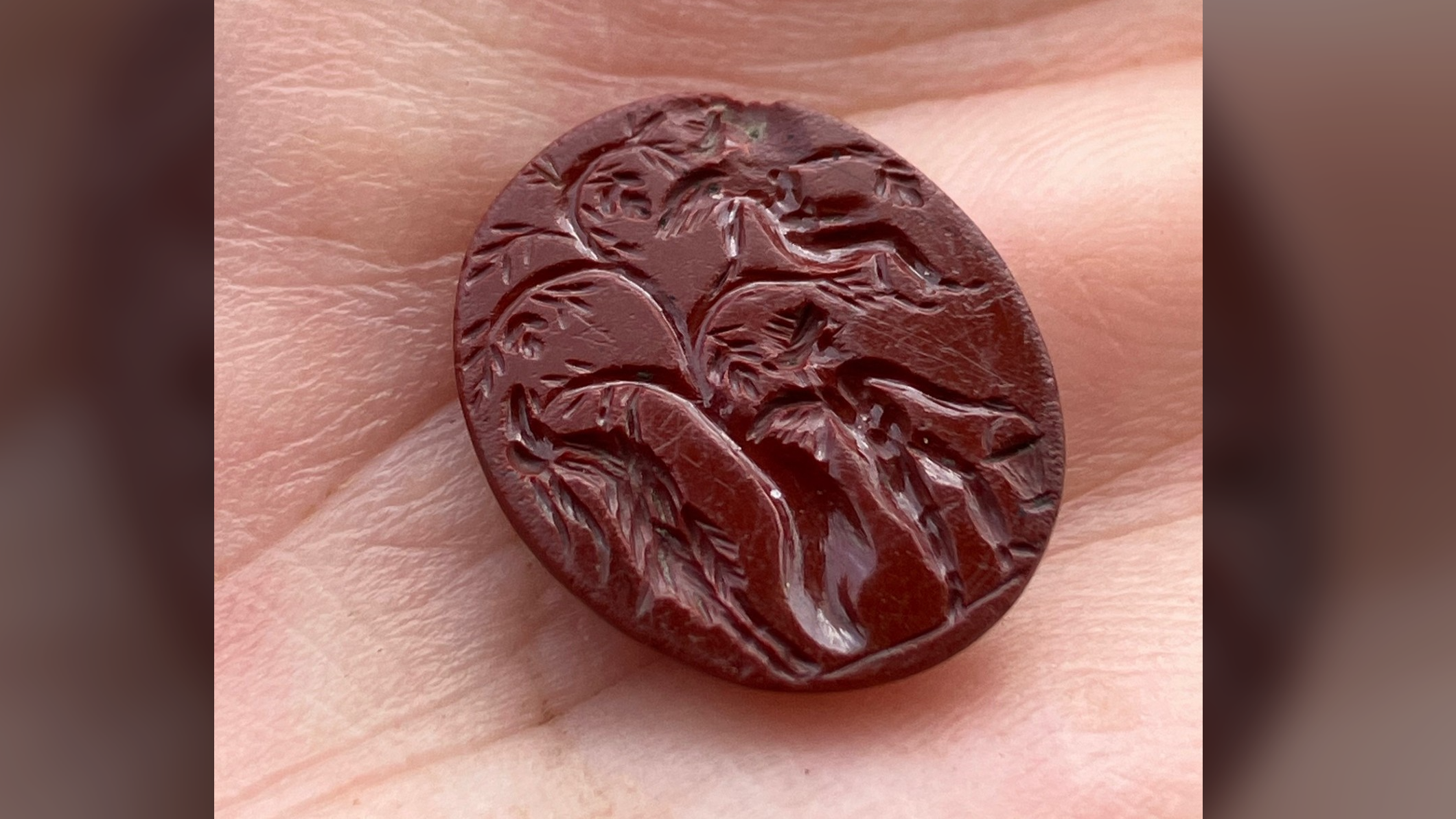 Archaeologists find 'unique' blood-red gemstone at Roman fort beyond Hadrian's Wall
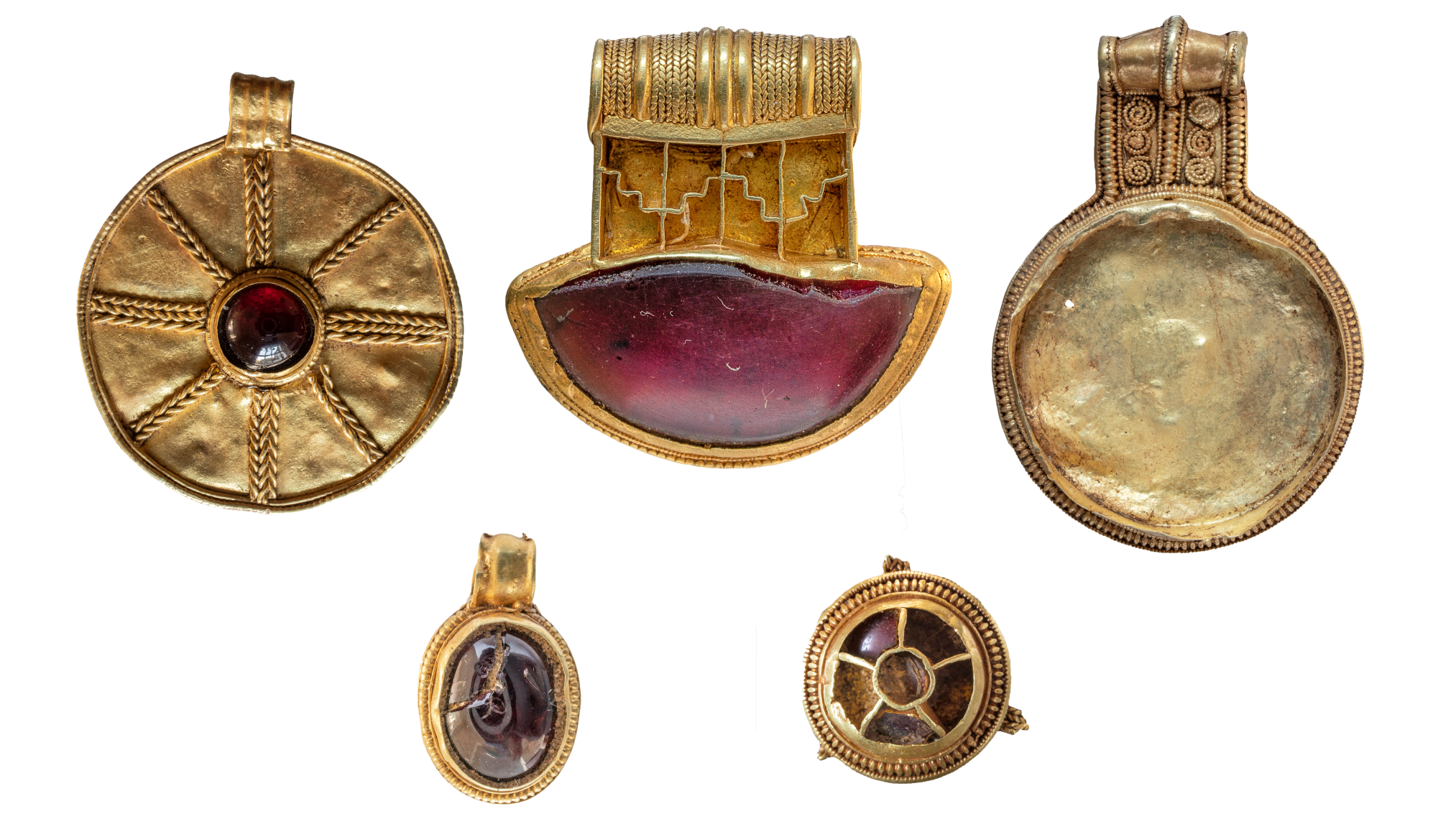 Detectorists find Anglo-Saxon treasure hoard that may have been part of a 'ritual killing'
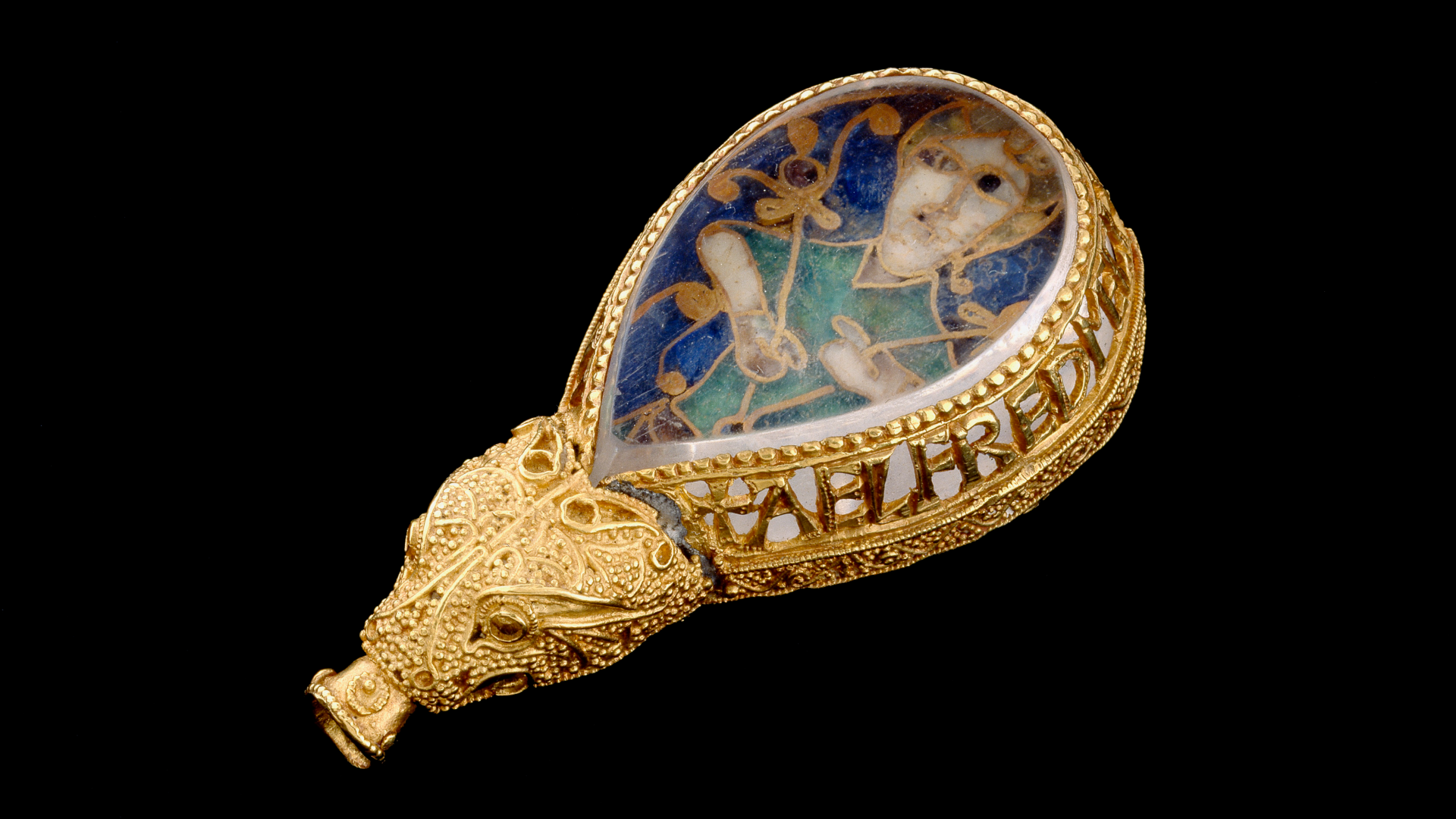 The Alfred Jewel: A 1,100-year-old treasure from England's first king that proclaims 'Alfred ordered me to be made'
 2,000-year-old gold ring holds clue about lavish cremation burial unearthed in France
 1,800-year-old 'piggy banks' full of Roman-era coins unearthed in French village
 Pectoral with coins: 'One of the most intricate pieces of gold jewelry to survive from the mid-sixth century'
Latest in Archaeology
Pectoral with coins: 'One of the most intricate pieces of gold jewelry to survive from the mid-sixth century'
Latest in Archaeology
 More than 43,000 years ago, Neanderthals spent centuries collecting animal skulls in a cave; but archaeologists aren't sure why
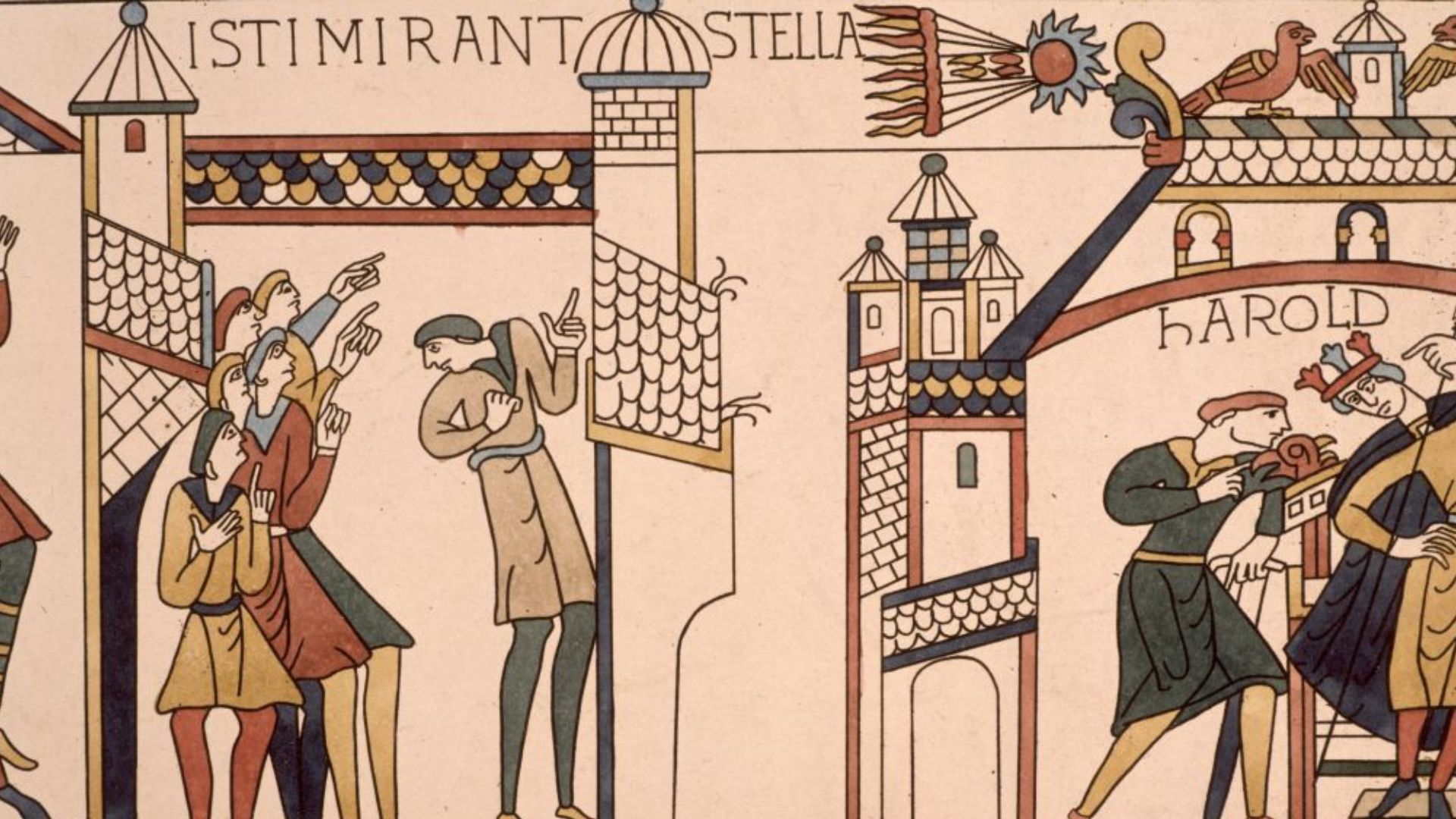 Halley wasn't the first to figure out the famous comet. An 11th-century monk did it first, new research suggests.
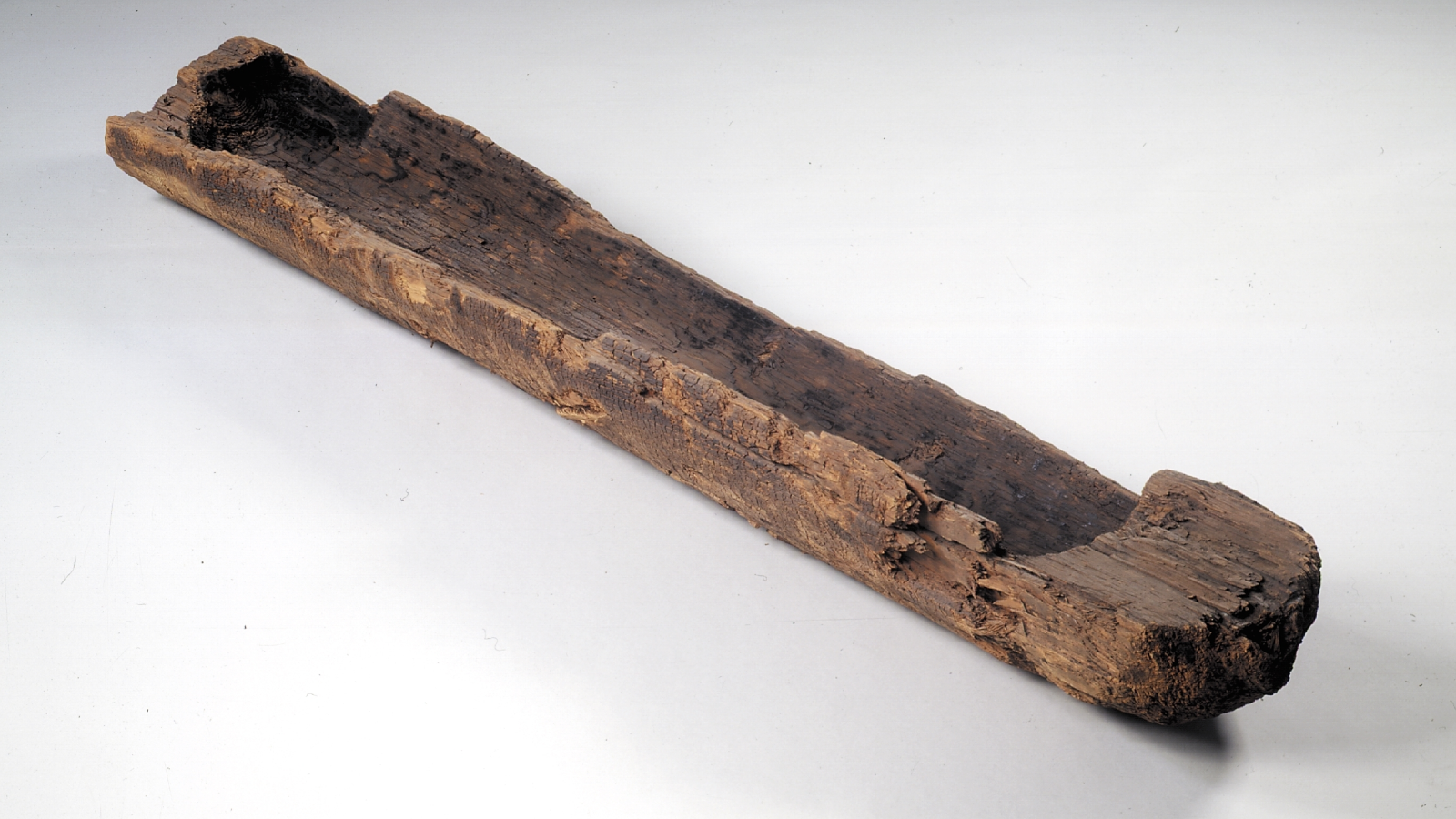 When were boats invented?
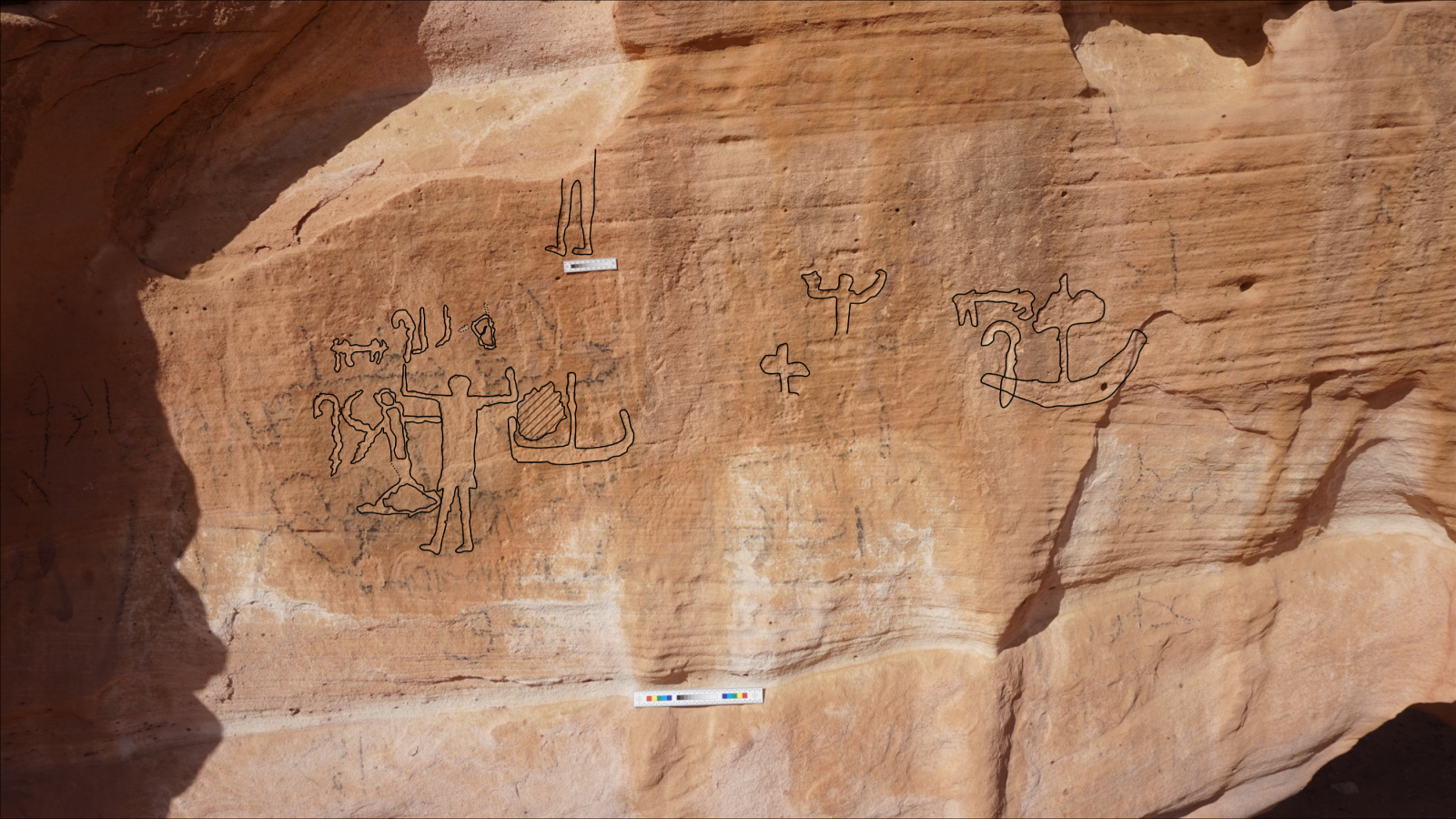 5,000-year-old rock art from ancient Egypt depicts 'terrifying' conquest of the Sinai Peninsula
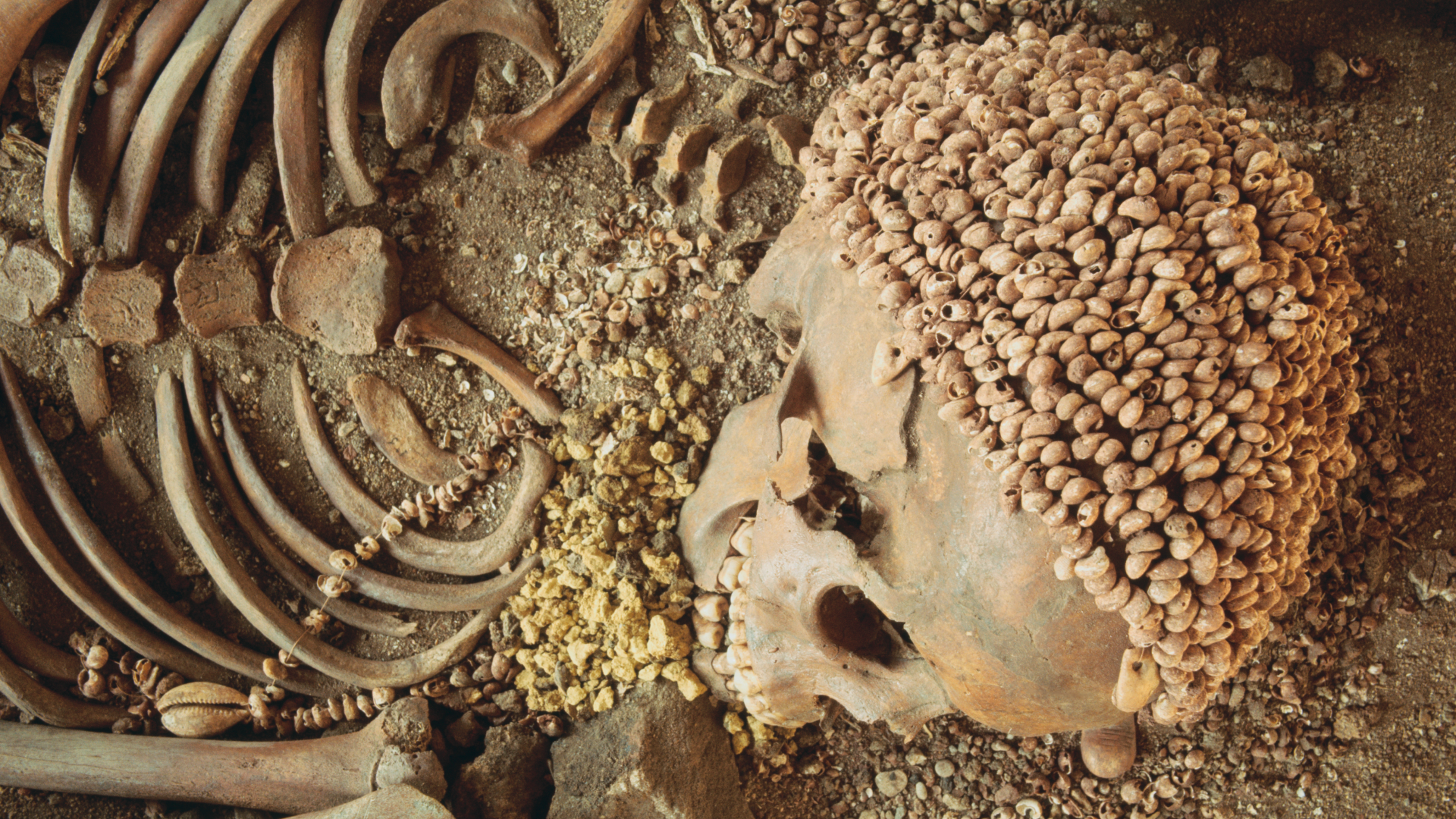 Stone Age teenager was mauled by a bear 28,000 years ago, skeletal analysis confirms
 Romans used human feces as medicine 1,900 years ago — and used thyme to mask the smell
Latest in News
Romans used human feces as medicine 1,900 years ago — and used thyme to mask the smell
Latest in News
 Lifespan may be 50% heritable, study suggests
 Astronomers spot 'time-warped' supernovas whose light both has and hasn't reached Earth
 Life may have rebounded 'ridiculously fast' after the dinosaur-killing asteroid impact
Rare medieval seal discovered in UK is inscribed with 'Richard's secret' and bears a Roman-period gemstone
Life may have rebounded 'ridiculously fast' after the dinosaur-killing asteroid impact
Rare medieval seal discovered in UK is inscribed with 'Richard's secret' and bears a Roman-period gemstone
 New triple-drug treatment stops pancreatic cancer in its tracks, a mouse study finds
 AI swarms, mysterious Zapotec tomb, pancreatic cancer breakthrough and the growing threat of U.S. dam collapses.
LATEST ARTICLES
AI swarms, mysterious Zapotec tomb, pancreatic cancer breakthrough and the growing threat of U.S. dam collapses.
LATEST ARTICLES 1Stellar nursery bursts with newborn stars in hauntingly beautiful Hubble telescope image — Space photo of the week
- 2When were boats invented?
- 3Lifespan may be 50% heritable, study suggests
- 4Astronomers spot 'time-warped' supernovas whose light both has and hasn't reached Earth
- 5Life may have rebounded 'ridiculously fast' after the dinosaur-killing asteroid impact