- Space
- Astronomy
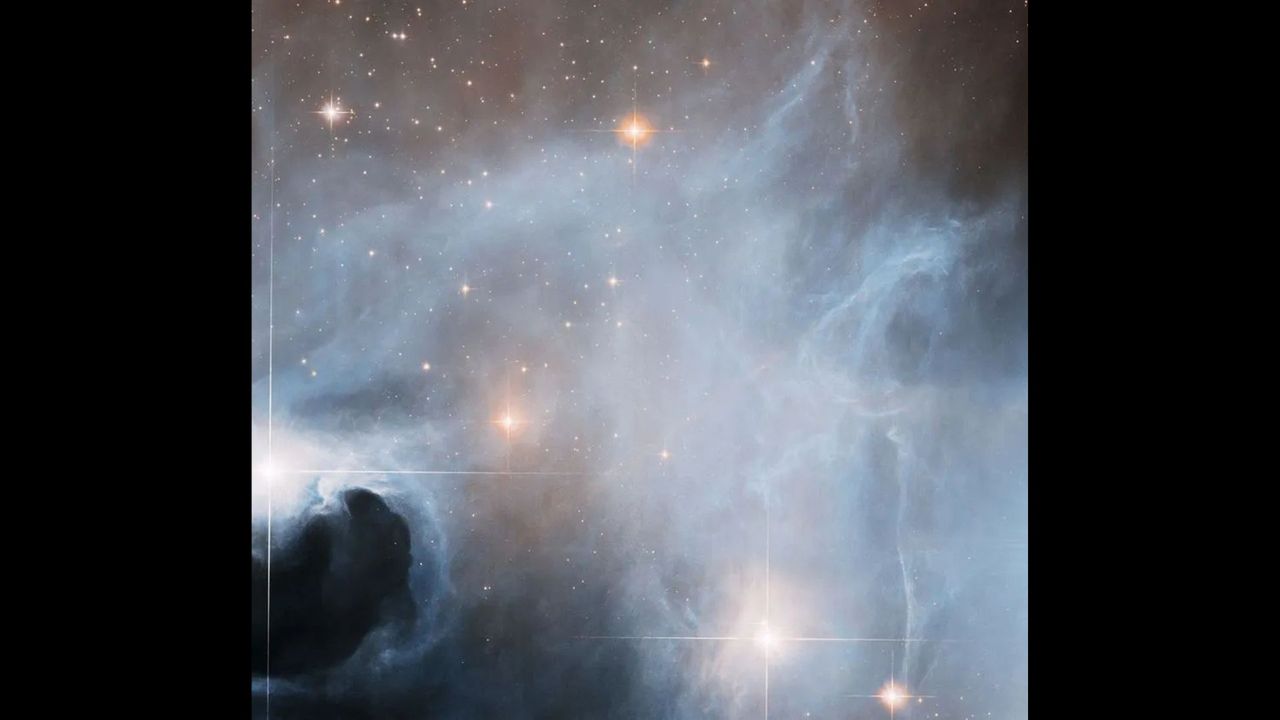
A new image from NASA's Hubble Space Telescope shows the Lupus 3 cloud in Scorpius bursting with young stars that are forming within collapsing clouds of gas and dust.
When you purchase through links on our site, we may earn an affiliate commission. Here’s how it works.
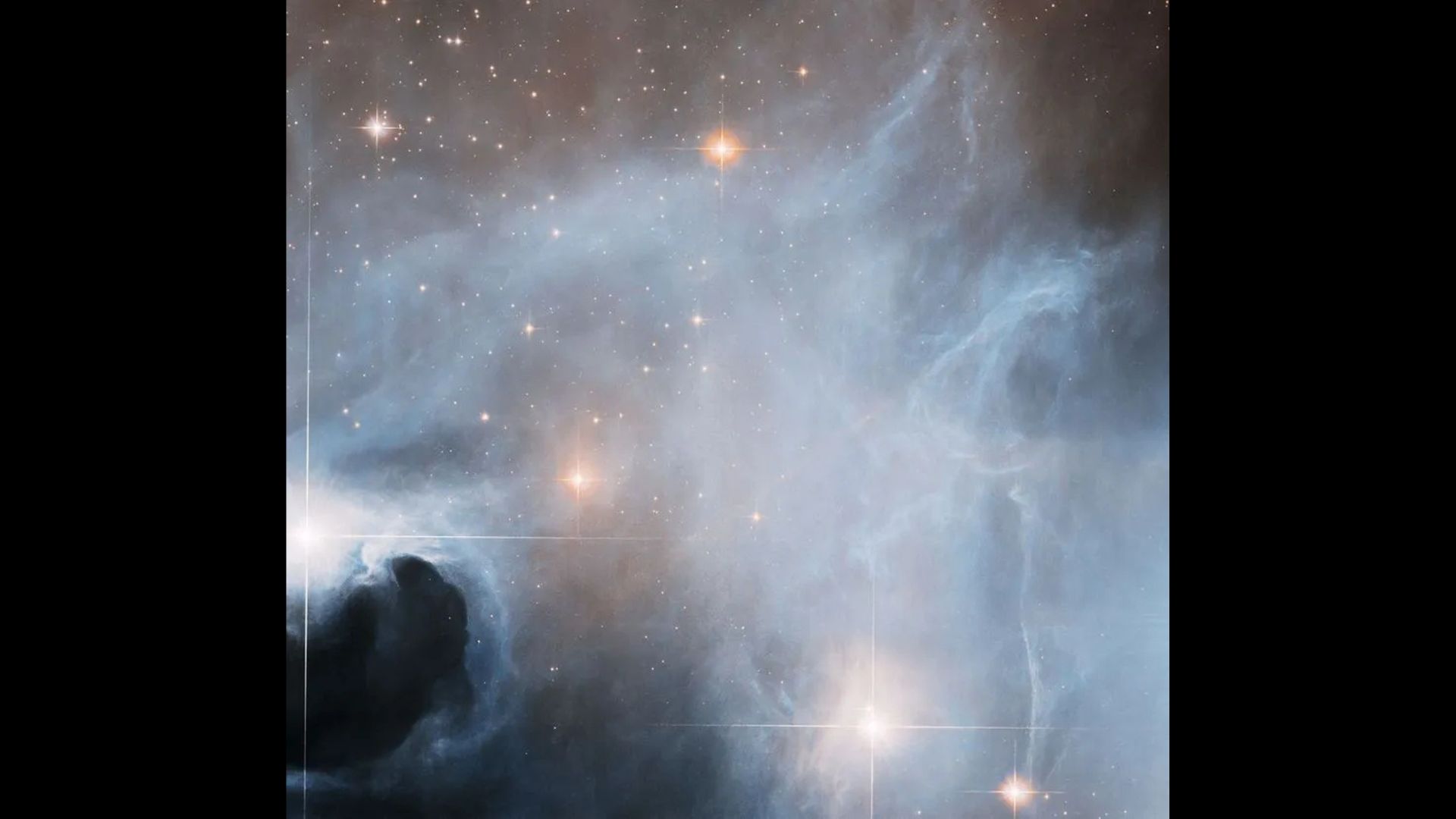 This landscape of gas and dust is busy birthing new stars.
(Image credit: NASA, ESA, and K. Stapelfeldt (Jet Propulsion Laboratory); Processing: Gladys Kober (NASA/Catholic University of America))
Share
Share by:
This landscape of gas and dust is busy birthing new stars.
(Image credit: NASA, ESA, and K. Stapelfeldt (Jet Propulsion Laboratory); Processing: Gladys Kober (NASA/Catholic University of America))
Share
Share by:
- Copy link
- X
What it is: Lupus 3 (GN 16.05.2 and Bernes 149) molecular cloud
Where it is: About 500 light-years away, in the constellation Scorpius
When it was shared: Jan. 26, 2026
A tranquil-looking cloud of gas and dust might not sound like much to get excited about, but it's home to one of the most fundamental phenomena in astronomy: star formation.
Look carefully at this hauntingly beautiful image of Lupus 3 captured by NASA's Hubble Space Telescope. Serene yet full of energy, bluish fingers of gas and dust curl toward a dark dust cloud in the lower-left corner. Those fingers are where young stars of a particular type are born, but they can be spotted throughout the image, chiefly at the center left, bottom right and upper center. Called T Tauri stars, they're young — less than 10 million years old, so newborns in a cosmic sense — and show dramatic variations in brightness as they grow and evolve.
You may like-
 James Webb telescope spies a monstrous molecular cloud shrouded in mystery — Space photo of the week
-
 Stunning array of 400 rings in a 'reflection' nebula solves a 30-year-old star-formation mystery — Space photo of the week
-
 Ethereal structure in the sky rivals 'Pillars of Creation' — Space photo of the week
T Tauri stars are special. They're rare to spot in the Milky Way and excite astronomers because they represent the earliest stages of a star's life, during which they continue contracting under gravitational forces.
They also gradually begin the nuclear fusion process that will define them as stars. But the chaos all around them — from powerful stellar winds to material falling onto the stars — causes the light reaching Hubble's 7.8-foot (2.4 meters) mirror and Wide Field Camera 3 to fluctuate. T Tauri stars often unleash massive flares and change in brightness over longer periods because giant "sunspots" on their surface rotate in and out of view.
Most of Lupus 3 is dark, with starlight from those T Tauri stars lighting up some of the molecular cloud to create the blue reflection nebula called GN 16.05.2 or Bernes 149. By observing in multiple wavelengths of light, Hubble can pierce through the obscuring dust to see what's going on inside molecular cloud complexes like Lupus 3, as well as the iconic Orion, Rho Ophiuchi and Taurus molecular cloud complexes, and the Eagle Nebula (M16).
Such images have helped astronomers glimpse processes that are invisible to ground‑based telescopes to refine our models of how stars and planetary systems originate.
Sign up for the Live Science daily newsletter nowContact me with news and offers from other Future brandsReceive email from us on behalf of our trusted partners or sponsorsBy submitting your information you agree to the Terms & Conditions and Privacy Policy and are aged 16 or over.For more sublime space images, check out our Space Photo of the Week archives.
TOPICS space photo of the week Jamie CarterSocial Links NavigationLive Science contributor
Jamie Carter is a Cardiff, U.K.-based freelance science journalist and a regular contributor to Live Science. He is the author of A Stargazing Program For Beginners and co-author of The Eclipse Effect, and leads international stargazing and eclipse-chasing tours. His work appears regularly in Space.com, Forbes, New Scientist, BBC Sky at Night, Sky & Telescope, and other major science and astronomy publications. He is also the editor of WhenIsTheNextEclipse.com.
Show More CommentsYou must confirm your public display name before commenting
Please logout and then login again, you will then be prompted to enter your display name.
Logout Read more James Webb telescope spies a monstrous molecular cloud shrouded in mystery — Space photo of the week
 Stunning array of 400 rings in a 'reflection' nebula solves a 30-year-old star-formation mystery — Space photo of the week
 Ethereal structure in the sky rivals 'Pillars of Creation' — Space photo of the week
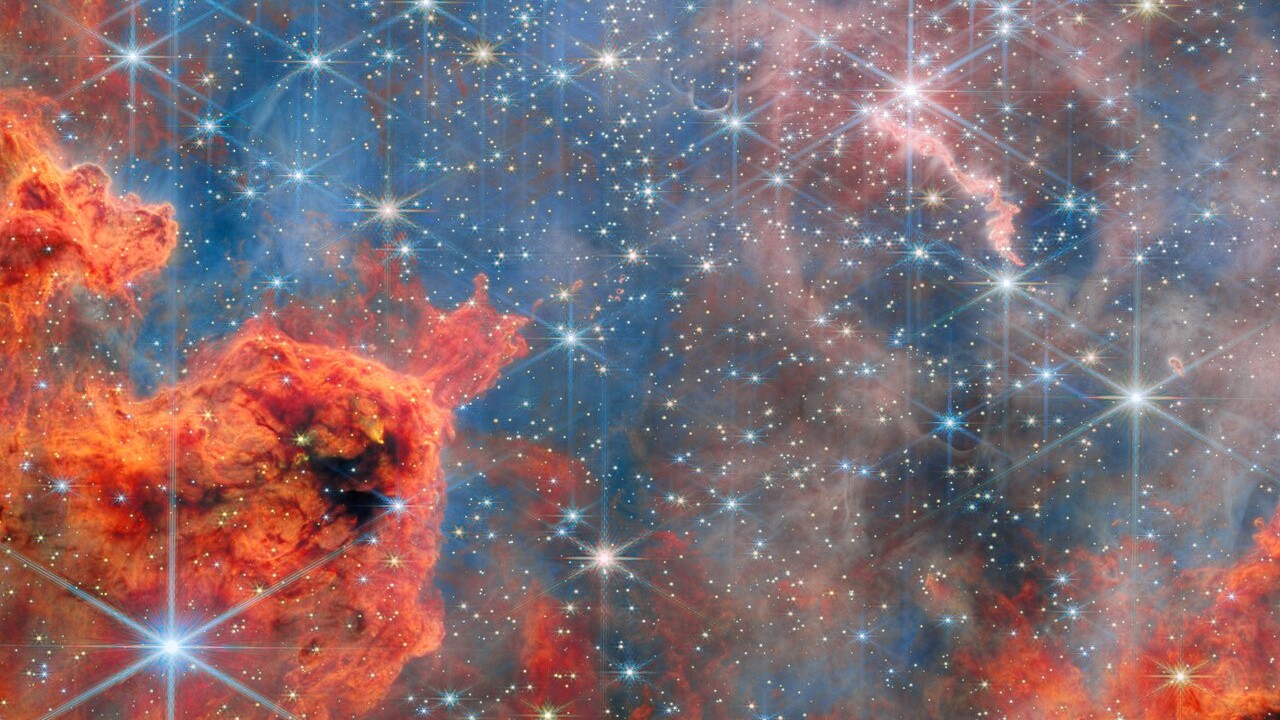 James Webb telescope spots 'failed stars' in a breathtaking cluster near Earth — Space photo of the week
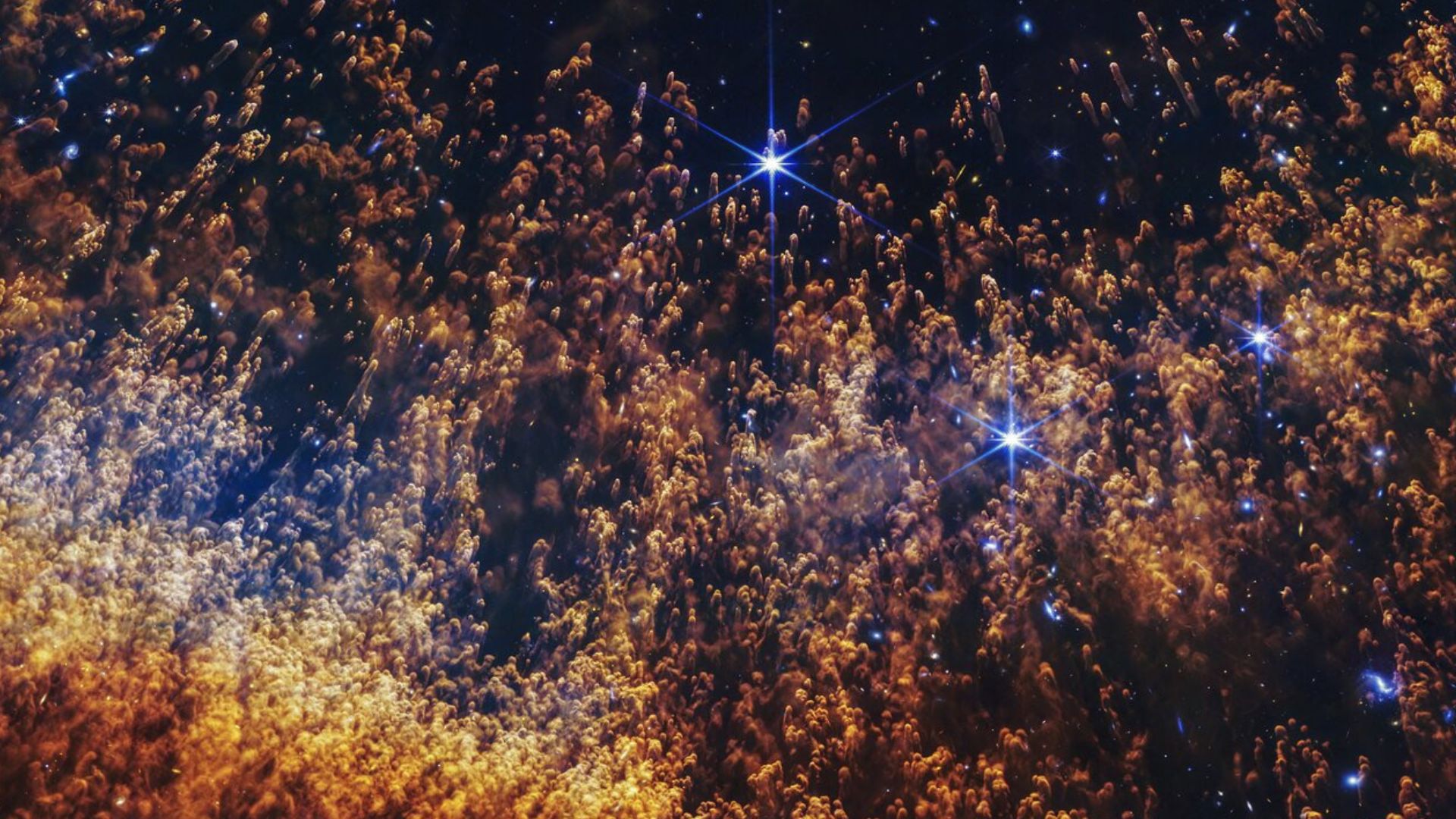 James Webb telescope peers into 'Eye of God' and finds clues to life's origins — Space photo of the week
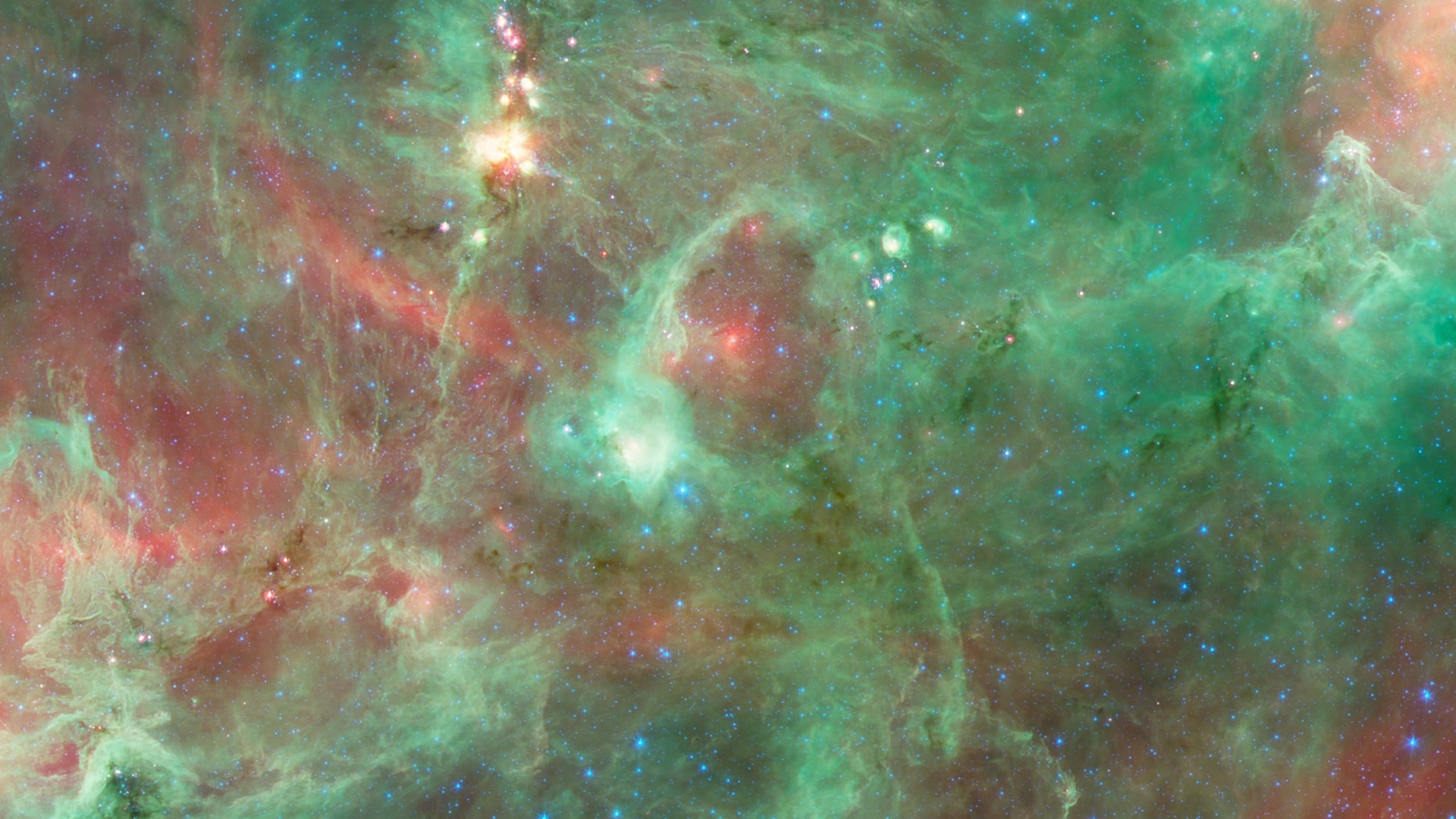 Giant 'diamond ring' sparkles 4,500 light-years away in the Cygnus constellation — Space photo of the week
Latest in Astronomy
Giant 'diamond ring' sparkles 4,500 light-years away in the Cygnus constellation — Space photo of the week
Latest in Astronomy
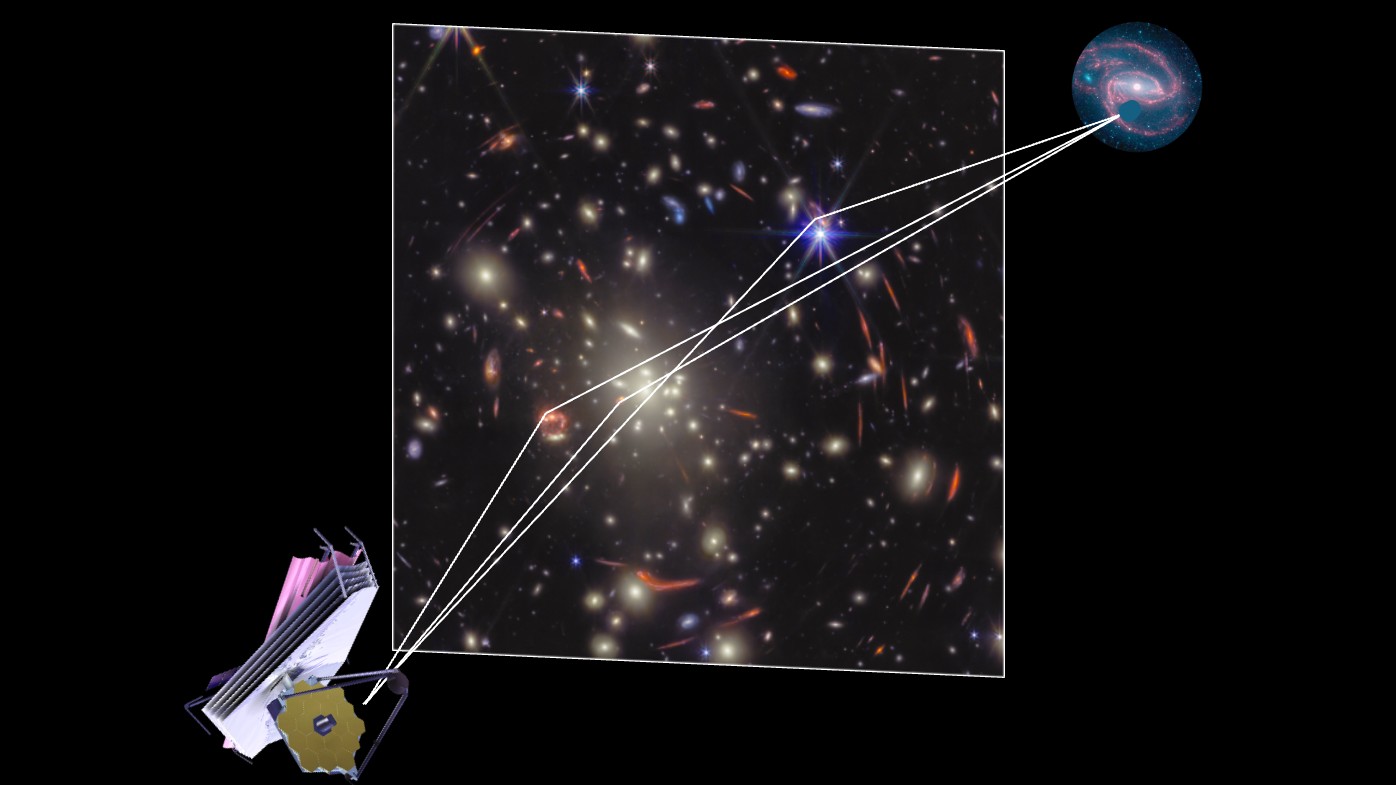 Astronomers spot 'time-warped' supernovas whose light both has and hasn't reached Earth
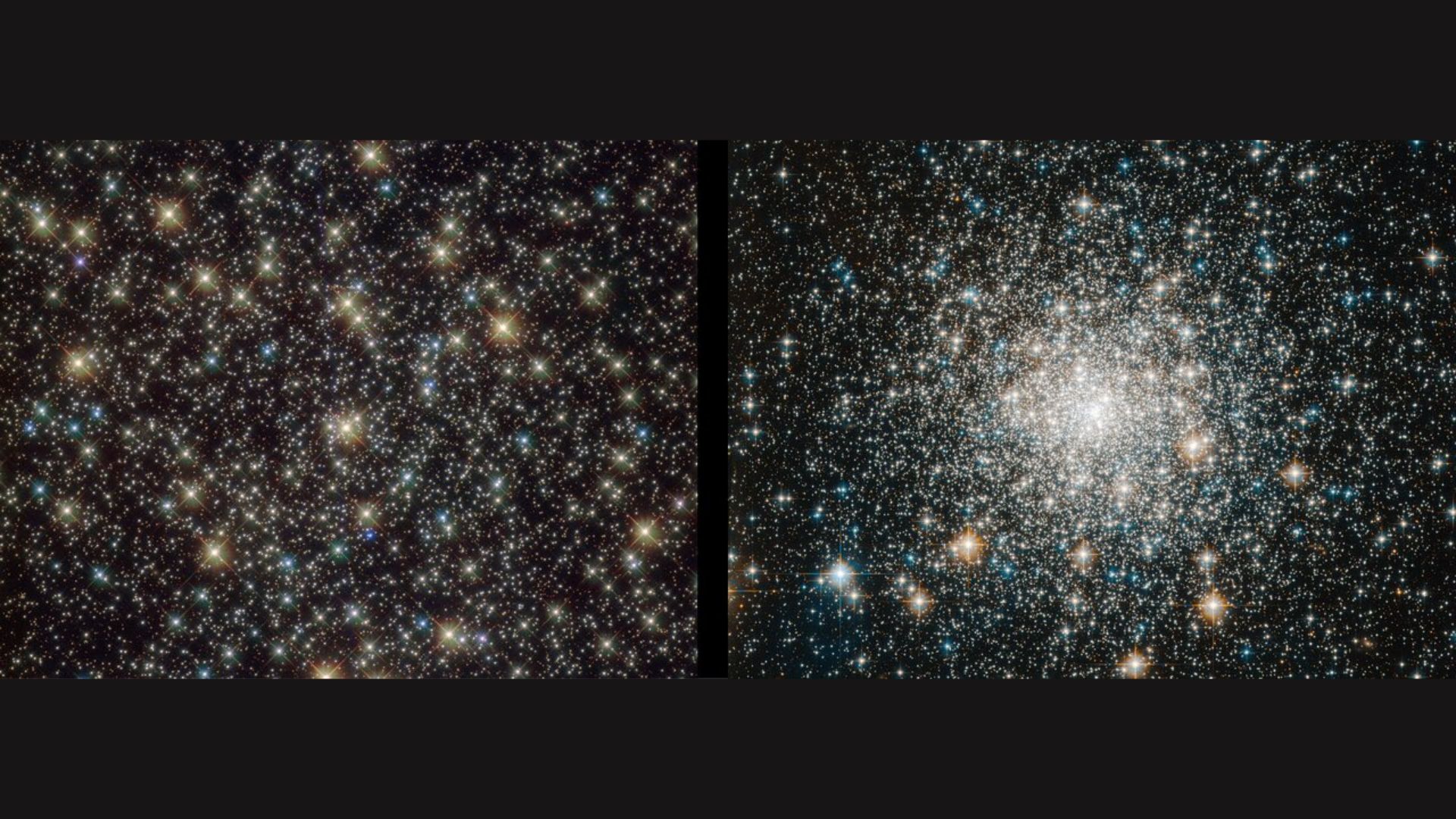 James Webb telescope solves mystery of 'forever young' vampire stars from the dawn of time
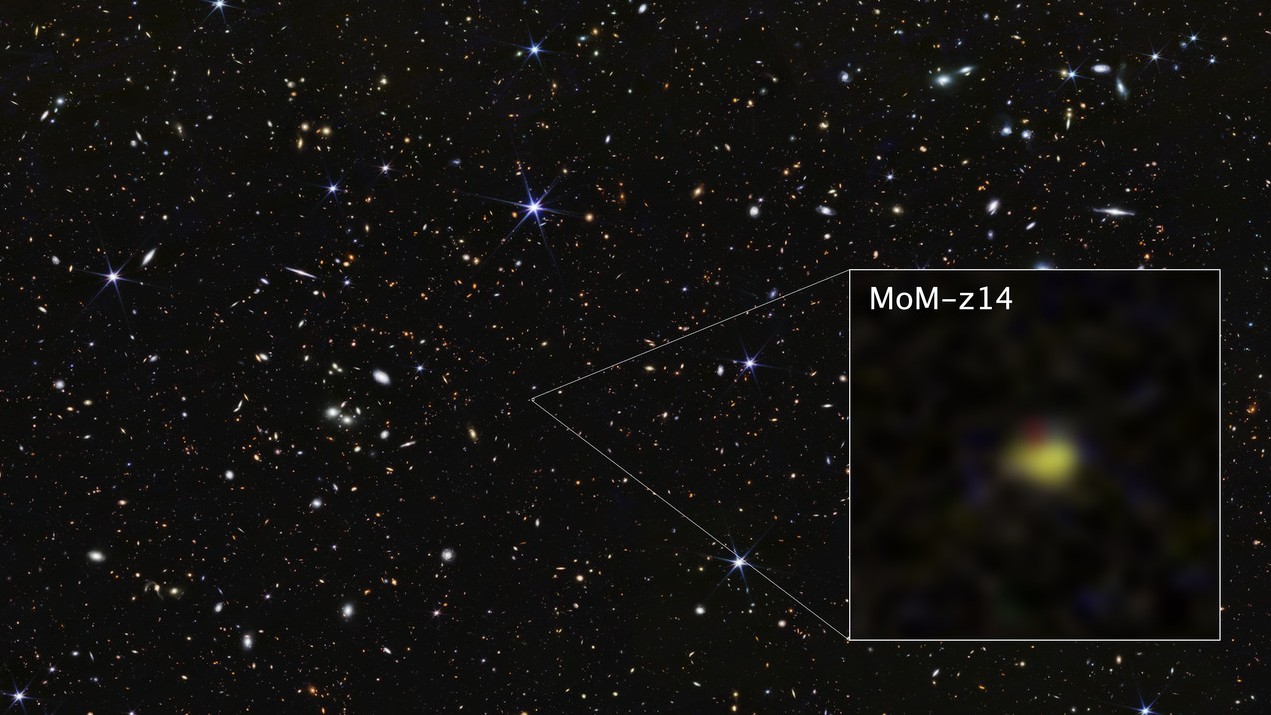 James Webb telescope breaks own record, discovering farthest known galaxy in the universe
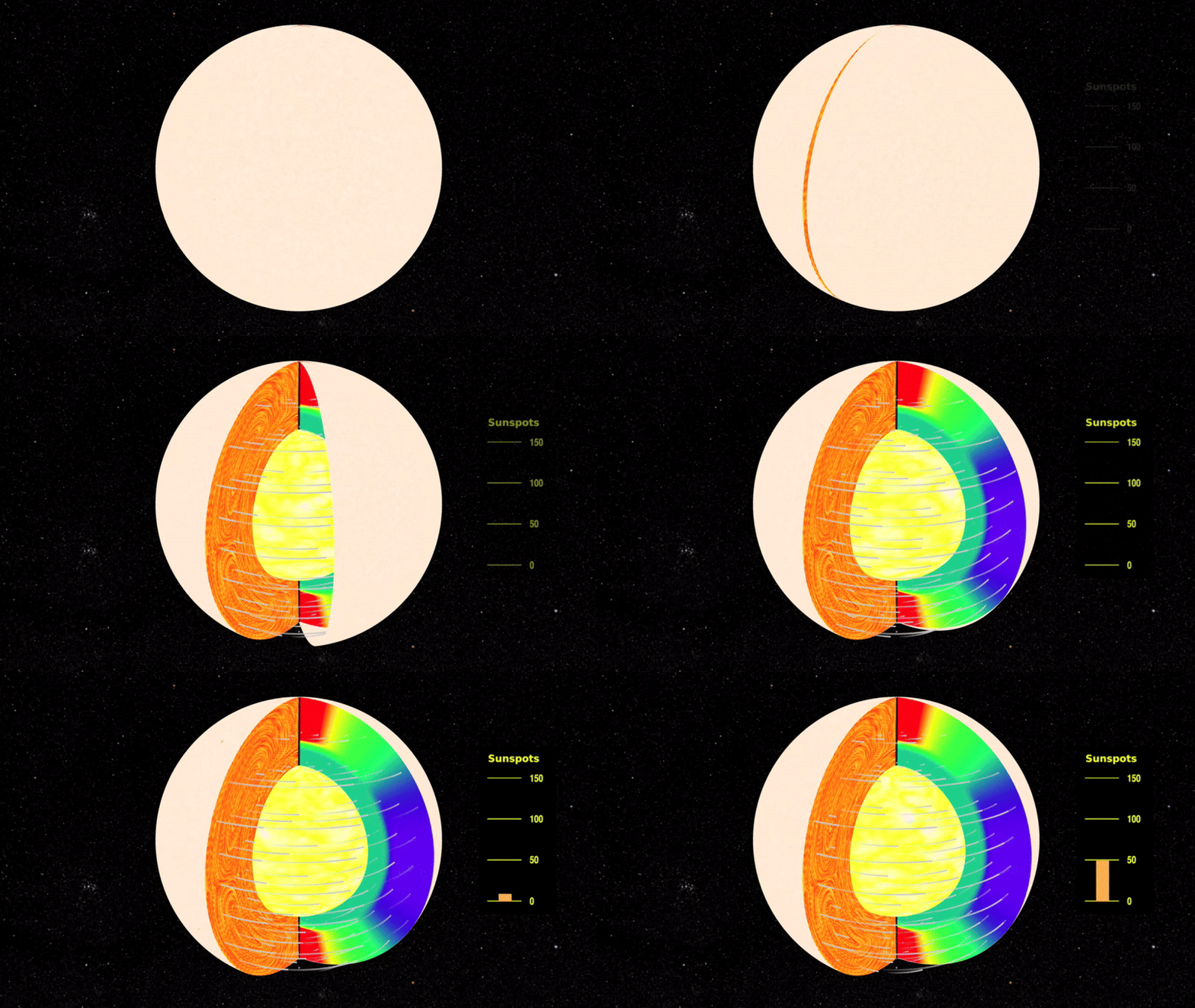 How long does it take the sun to rotate?
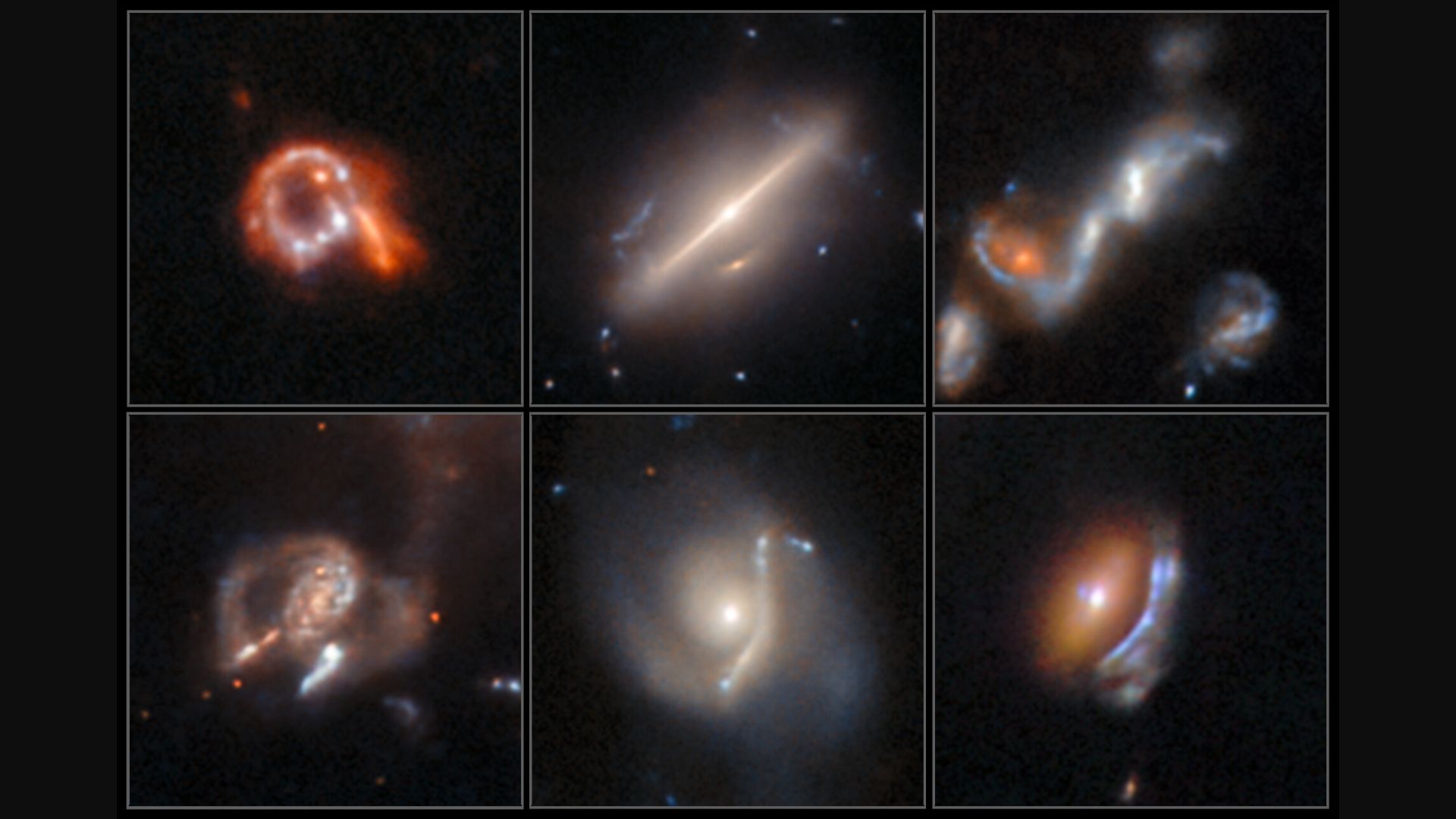 AI spots 'jellyfish,' 'hamburgers' and other unexplainable objects in Hubble telescope data
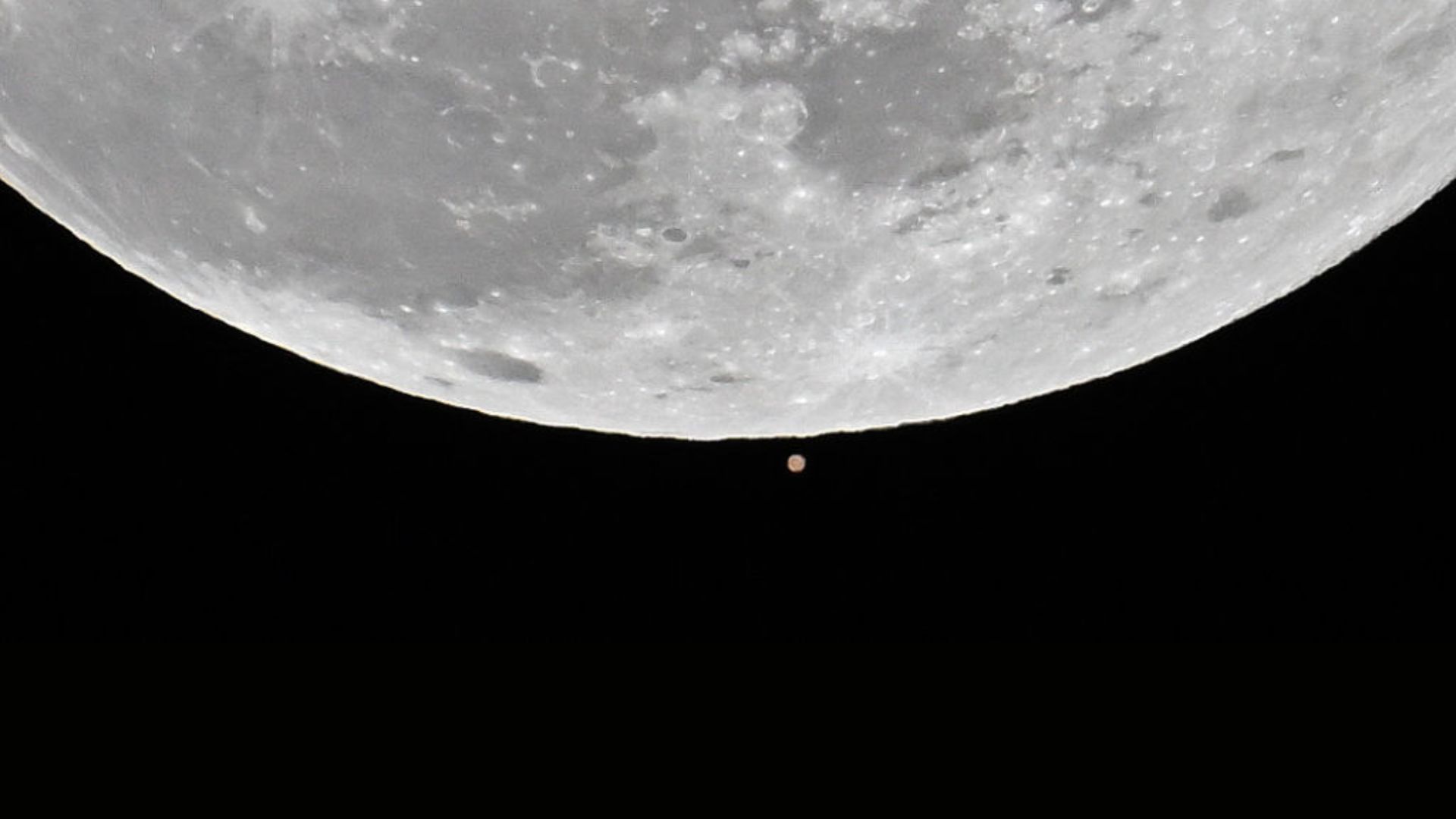 The Snow Moon will 'swallow' one of the brightest stars in the sky this weekend: Where and when to look
Latest in News
The Snow Moon will 'swallow' one of the brightest stars in the sky this weekend: Where and when to look
Latest in News
 Lifespan may be 50% heritable, study suggests
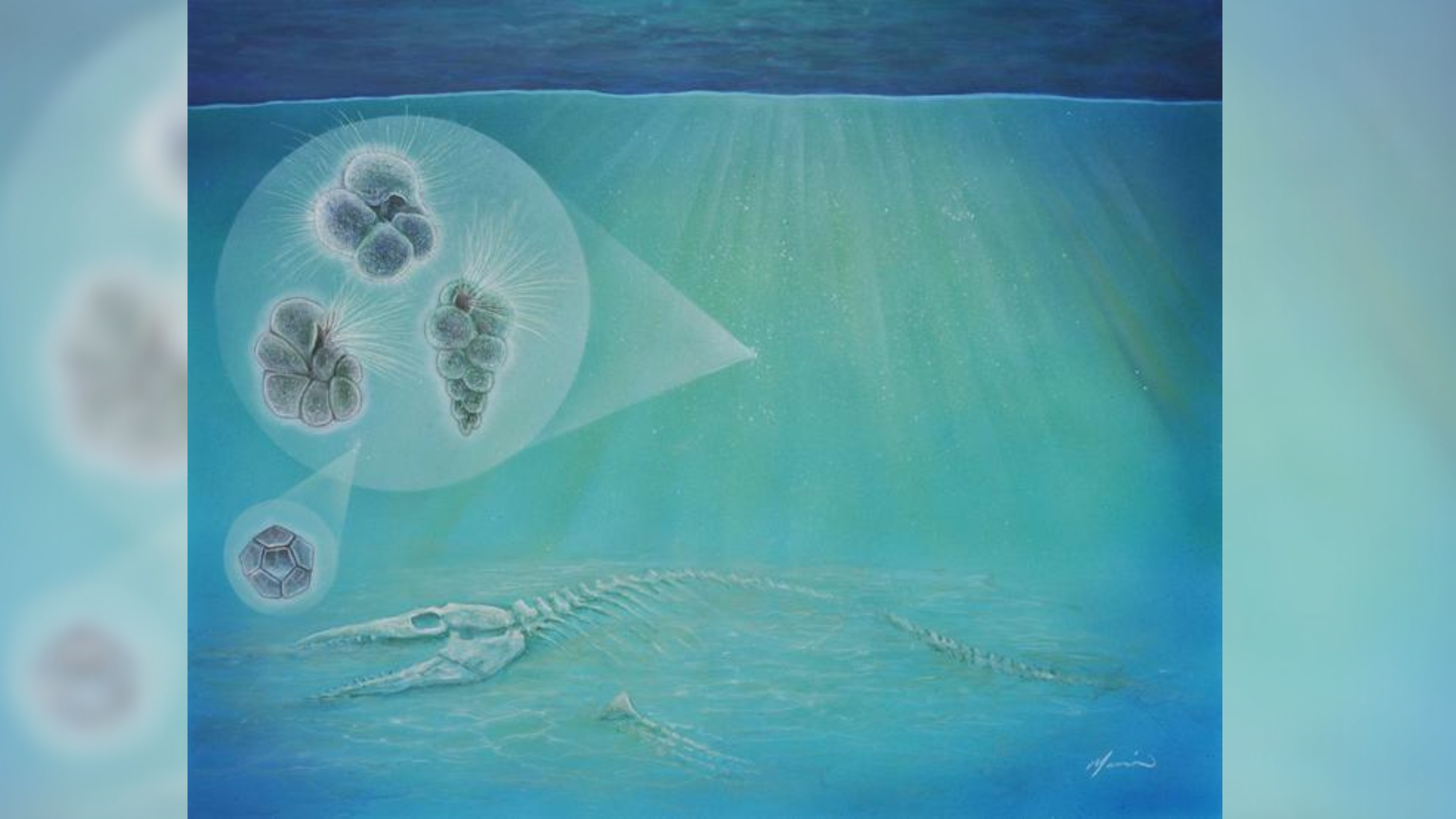 Life may have rebounded 'ridiculously fast' after the dinosaur-killing asteroid impact
 New triple-drug treatment stops pancreatic cancer in its tracks, a mouse study finds
 AI swarms, mysterious Zapotec tomb, pancreatic cancer breakthrough and the growing threat of U.S. dam collapses.
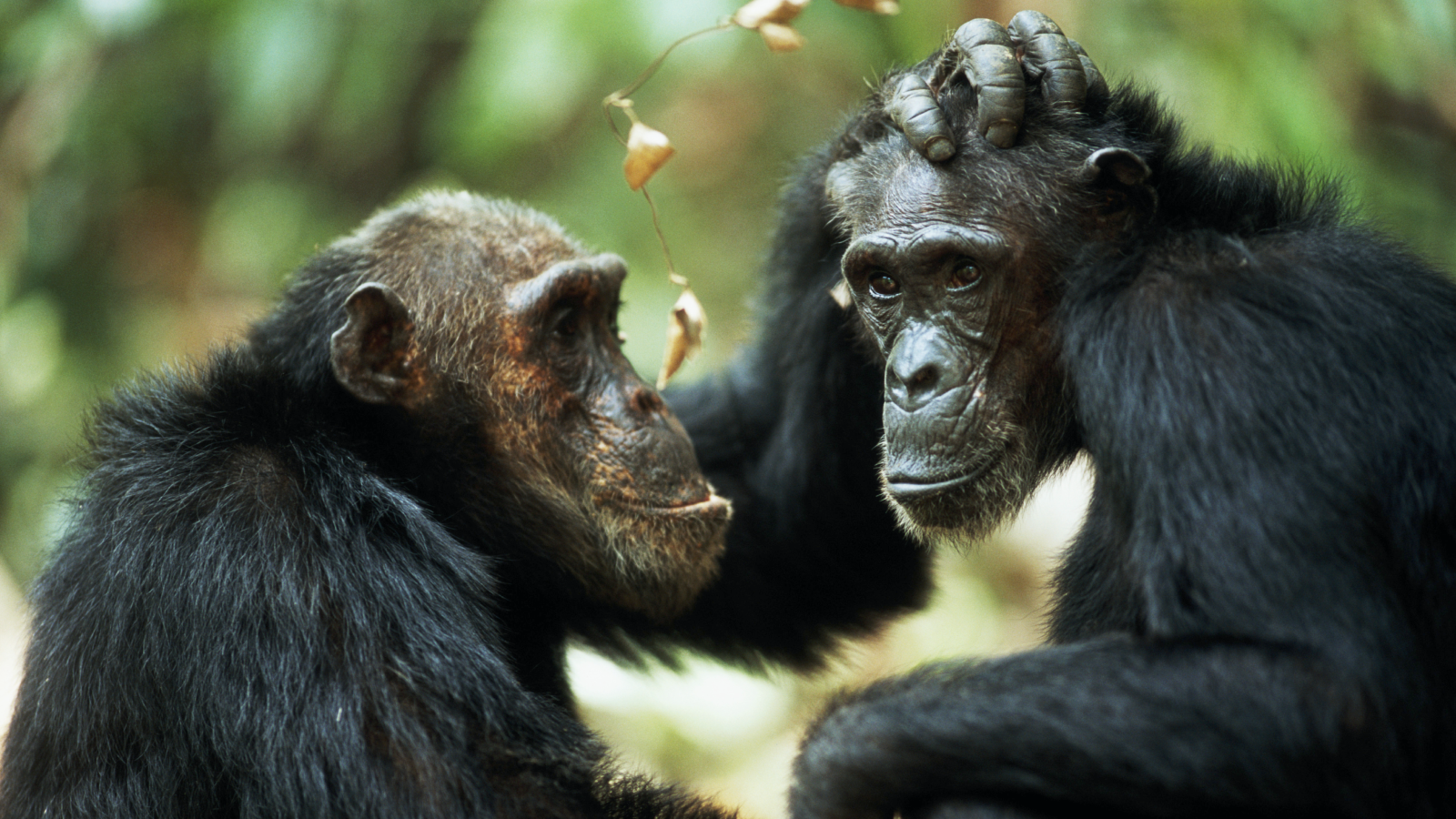 'Part of the evolutionary fabric of our societies': Same-sex sexual behavior in primates may be a survival strategy, study finds
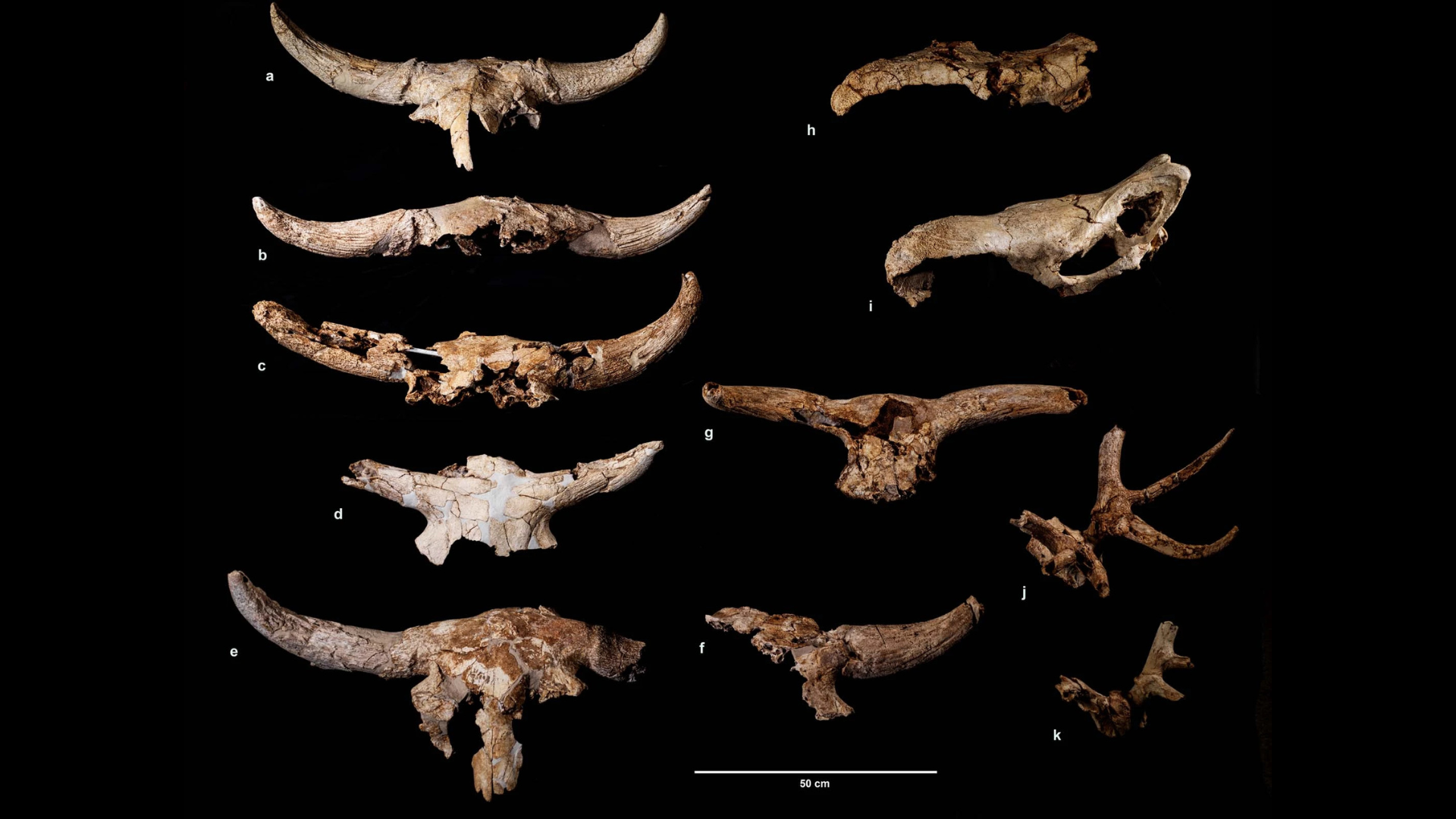 More than 43,000 years ago, Neanderthals spent centuries collecting animal skulls in a cave; but archaeologists aren't sure why
LATEST ARTICLES
More than 43,000 years ago, Neanderthals spent centuries collecting animal skulls in a cave; but archaeologists aren't sure why
LATEST ARTICLES 1When were boats invented?
- 2Lifespan may be 50% heritable, study suggests
- 3Astronomers spot 'time-warped' supernovas whose light both has and hasn't reached Earth
- 4Life may have rebounded 'ridiculously fast' after the dinosaur-killing asteroid impact
- 5'The problem isn't just Siri or Alexa': AI assistants tend to be feminine, entrenching harmful gender stereotypes


