- Space
- Space Exploration
NASA's Artemis II simulated launch is scheduled for tonight after Arctic weather forced the mission to be delayed. The first crewed Artemis mega moon rocket could still leave Earth as early as this weekend.
When you purchase through links on our site, we may earn an affiliate commission. Here’s how it works.
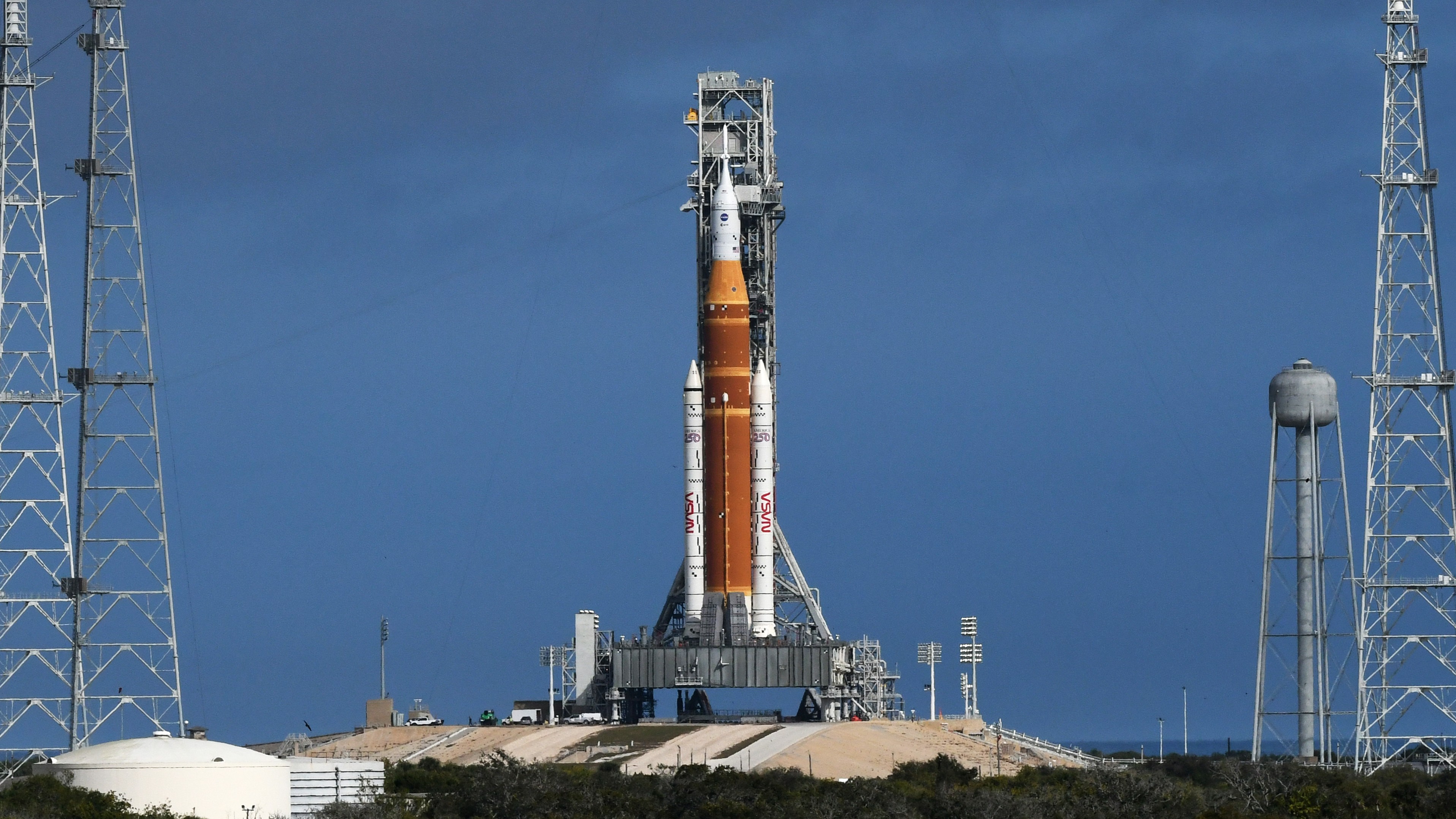
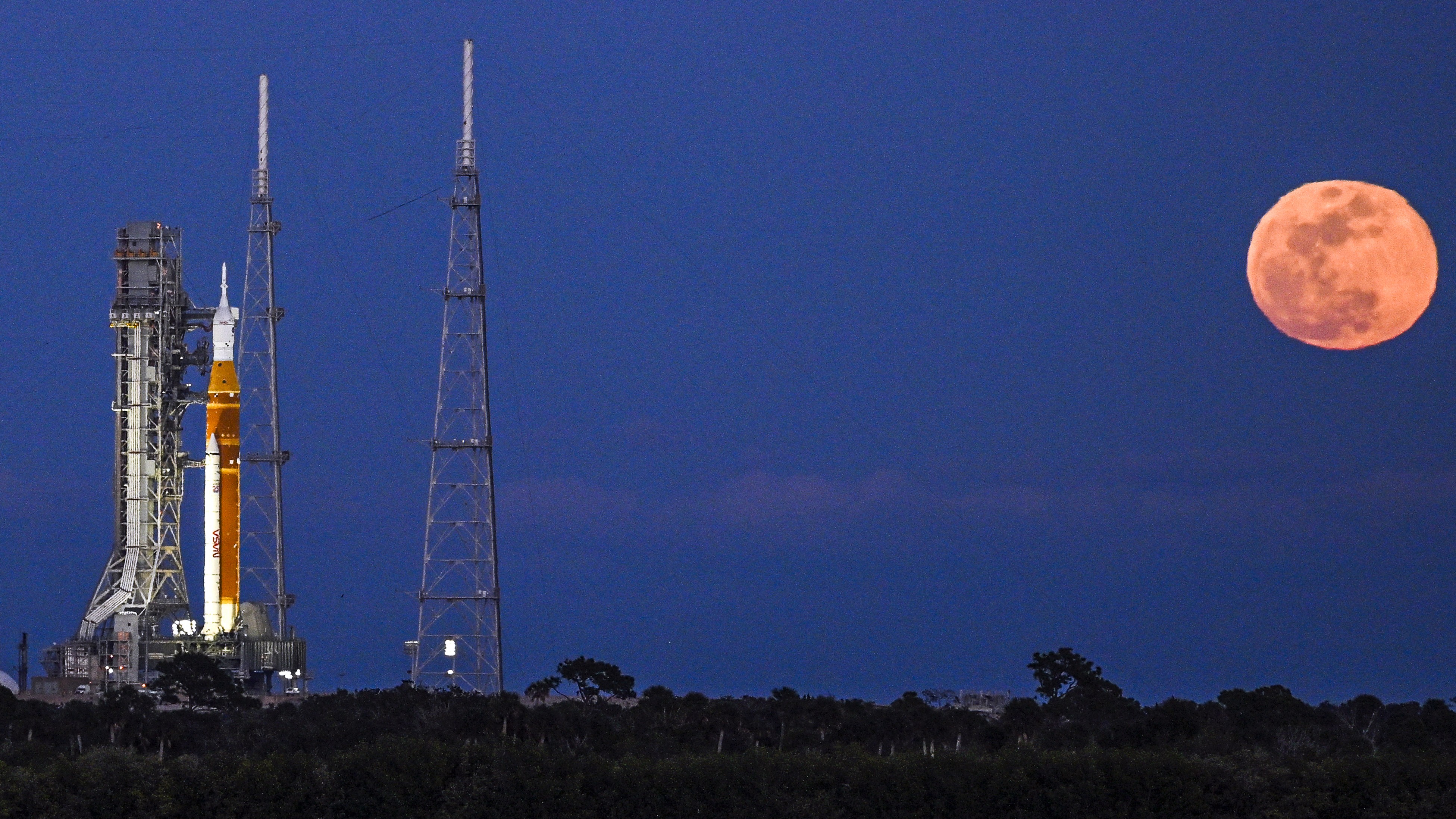 The Artemis II rocket is waiting to fly from a launch pad at the Kennedy Space Center in Cape Canaveral, Florida.
(Image credit: Miguel J. Rodriguez Carrillo / AFP via Getty Images)
Share by:
The Artemis II rocket is waiting to fly from a launch pad at the Kennedy Space Center in Cape Canaveral, Florida.
(Image credit: Miguel J. Rodriguez Carrillo / AFP via Getty Images)
Share by:
- Copy link
- X
NASA is gearing up for a simulated launch of the Artemis II mega moon rocket tonight after cold weather pushed back the mission's earliest potential lift-off to later this week.
Artemis II and its four-person crew will now leave Earth for the moon as early as Sunday (Feb. 8), two days later than the previous earliest window, according to a statement released by NASA.
You may like-
 NASA is preparing for simulated launch of Artemis II mega moon rocket — and it could happen as early as Saturday
-
 Artemis 2 mission update: Rollout imminent as NASA prepares first crewed Artemis mission to the moon
-
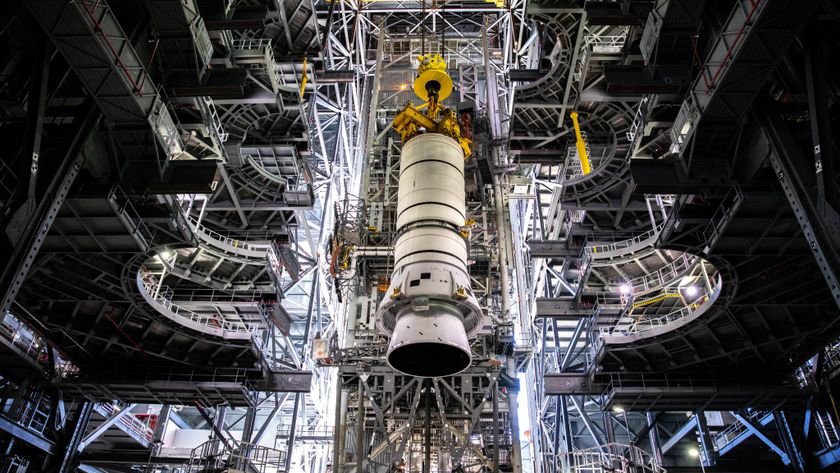 Watch NASA roll its historic Artemis II moon rocket to the launch pad this weekend
"Over the past several days, engineers have been closely monitoring conditions as cold weather and winds move through Florida," a NASA spokesperson wrote in the statement. "Managers have assessed hardware capabilities against the projected forecast given the rare arctic outbreak affecting the state and decided to change the timeline."
NASA needs to get through a simulated launch before the space agency can proceed with an actual launch. The simulated launch is part of a "wet dress rehearsal," during which engineers test fueling the Artemis II rocket. This was originally scheduled for as early as Jan. 31, but NASA is now targeting Monday (Feb. 2), with the simulated launch window beginning at 9 p.m. ET. The space agency said that the test is expected to go on until around 1 a.m. ET (Feb. 3).
Any date that NASA targets for a test or launch is subject to change. The tricky nature of space travel means that delays are often part of the process, so we can expect NASA to postpone the earliest launch window again if weather conditions aren't favorable, or if technical issues emerge. The potential launch windows for Artemis II extend to no later than April 2026.
The Artemis Program is no stranger to delays. Artemis I returned to NASA's Vehicle Assembly Building twice in 2022 following issues during wet dress rehearsals. The uncrewed rocket ultimately took off during NASA's fourth attempt at a launch in November 2022. Artemis II has already been delayed multiple times, in part so that mission engineers can better understand issues that arose during Artemis I.
Sign up for the Live Science daily newsletter nowContact me with news and offers from other Future brandsReceive email from us on behalf of our trusted partners or sponsorsBy submitting your information you agree to the Terms & Conditions and Privacy Policy and are aged 16 or over.Artemis II's upcoming mission is the first time in more than 50 years that NASA is sending humans to the moon, and the first time that a woman will be part of the crew. The mission's Orion spacecraft will loop around the moon on a 10-day flight, testing systems ahead of the Artemis III lunar surface mission, which is scheduled for 2028.
NASA wheeled out Artemis II's Space Launch System (SLS) rocket and Orion spacecraft on Jan. 17. With a 212-foot-tall (65 meters) core stage and a total height of 322 feet (98 m) with the Orion crew capsule on top, the structure is taller than the Statue of Liberty.
Engineers have kept Orion powered on with its heaters running during the cold weather, according to NASA. The space agency previously noted that its engineers have been troubleshooting issues in the lead-up to launch. For example, they worked on leaky ground-support hardware that is needed to supply Orion with oxygen.
You may like-
Artemis 2 mission update: Rollout imminent as NASA prepares first crewed Artemis mission to the moon
-
 Blue Origin New Glenn rocket: New launch window for historic Mars mission after solar storm delay
-
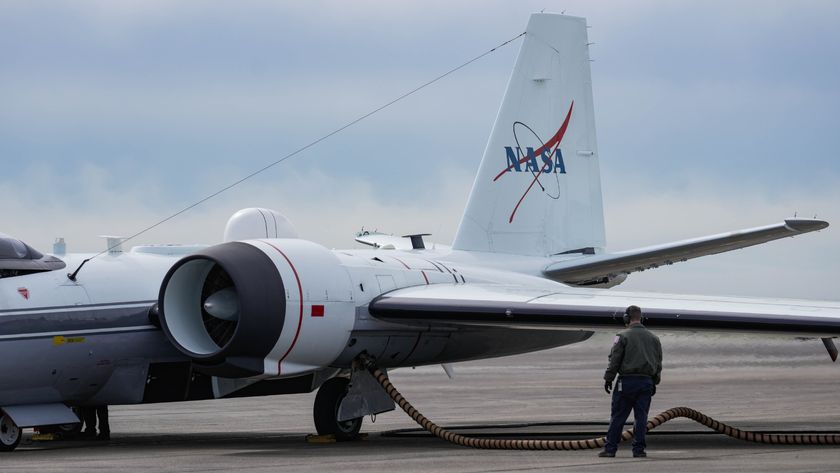 NASA jet crashes in flames on Texas runway — taking it out of the Artemis II mission
Once Artemis II clears the wet dress rehearsal and simulated launch stage, NASA will conduct a flight readiness review before committing to a launch date.
RELATED STORIES—Orbiting satellites could start crashing into one another in less than 3 days, theoretical new 'CRASH Clock' reveals
—NASA announces unprecedented return of sick ISS astronaut and crew
—Should humans colonize other planets?
NASA intends to send three of its astronauts on Artemis II: Commander Reid Wiseman, pilot Victor Glover and mission specialist Christina Koch, along with Canadian Space Agency astronaut and mission specialist Jeremy Hansen.
The crew has been in quarantine in Houston since Jan. 23. Astronauts go into quarantine ahead of a launch so that they don't pick up any illnesses that could delay their mission. NASA plans to fly the crew to Florida about six days ahead of launch. However, in the statement announcing the delay, NASA said its managers were "assessing the timeline" for the crew's arrival.
NASA hopes that the Artemis Program will lead to a sustained presence on the moon and serve as a stepping stone for sending humans to Mars.
TOPICS NASA Space Launch System Patrick PesterSocial Links NavigationTrending News Writer
Patrick Pester is the trending news writer at Live Science. His work has appeared on other science websites, such as BBC Science Focus and Scientific American. Patrick retrained as a journalist after spending his early career working in zoos and wildlife conservation. He was awarded the Master's Excellence Scholarship to study at Cardiff University where he completed a master's degree in international journalism. He also has a second master's degree in biodiversity, evolution and conservation in action from Middlesex University London. When he isn't writing news, Patrick investigates the sale of human remains.
View MoreYou must confirm your public display name before commenting
Please logout and then login again, you will then be prompted to enter your display name.
Logout Read more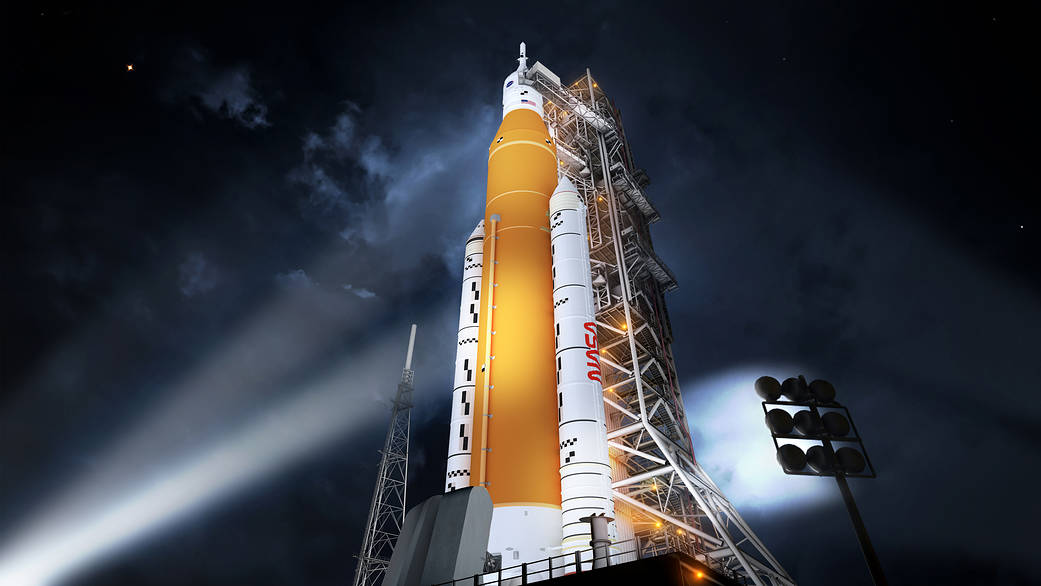 Artemis 2 mission update: Rollout imminent as NASA prepares first crewed Artemis mission to the moon
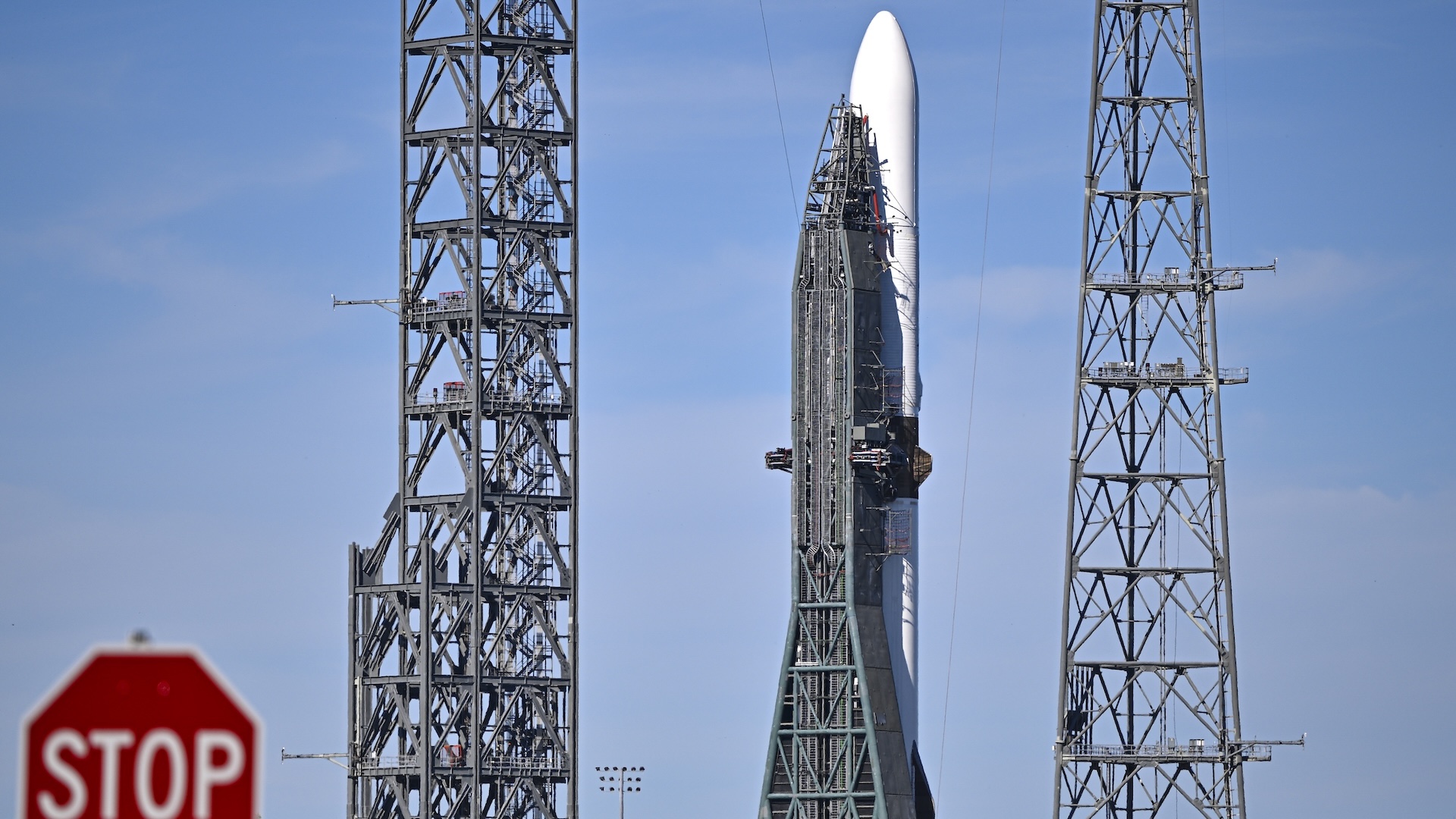 Blue Origin New Glenn rocket: New launch window for historic Mars mission after solar storm delay
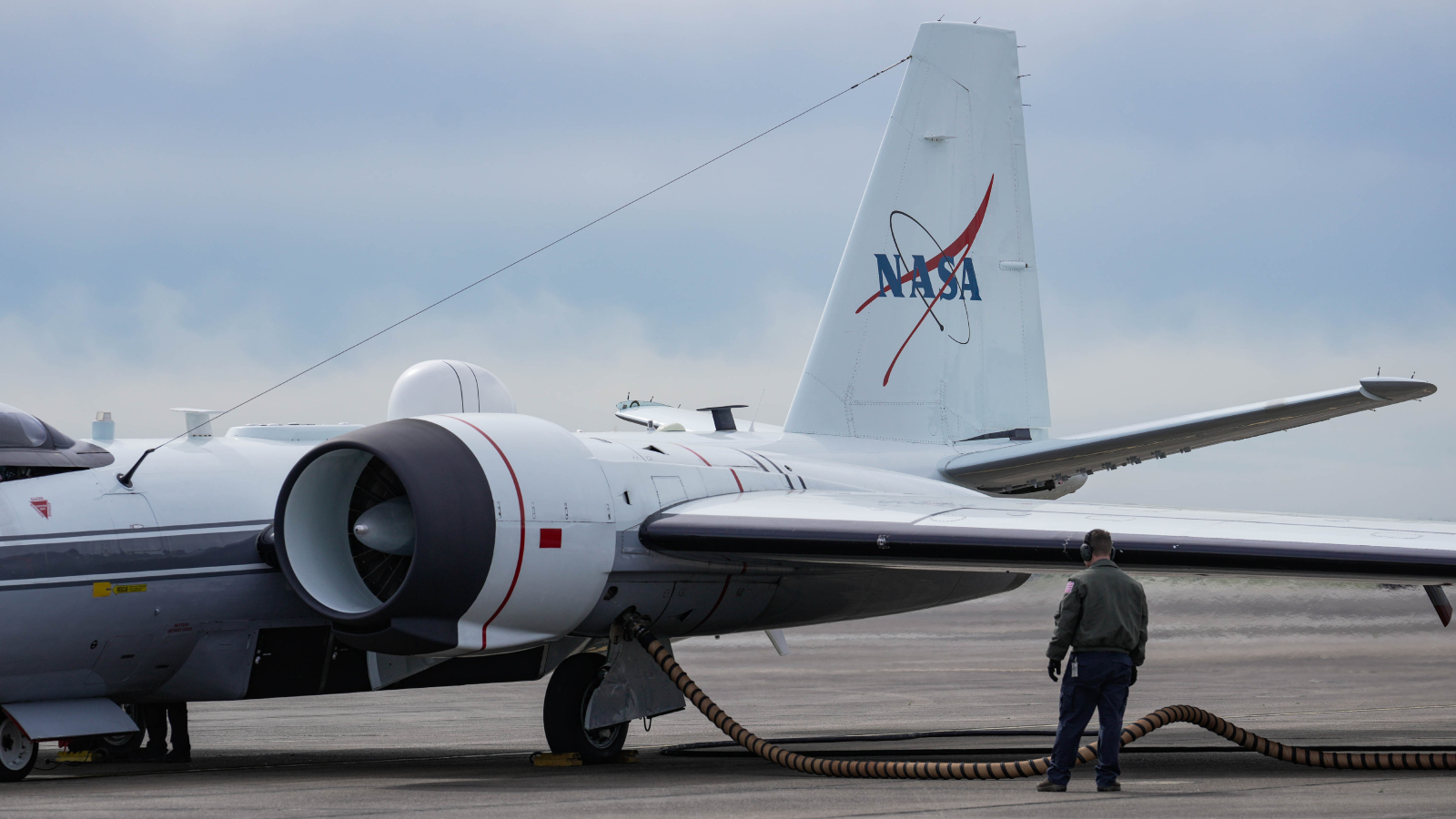 NASA jet crashes in flames on Texas runway — taking it out of the Artemis II mission
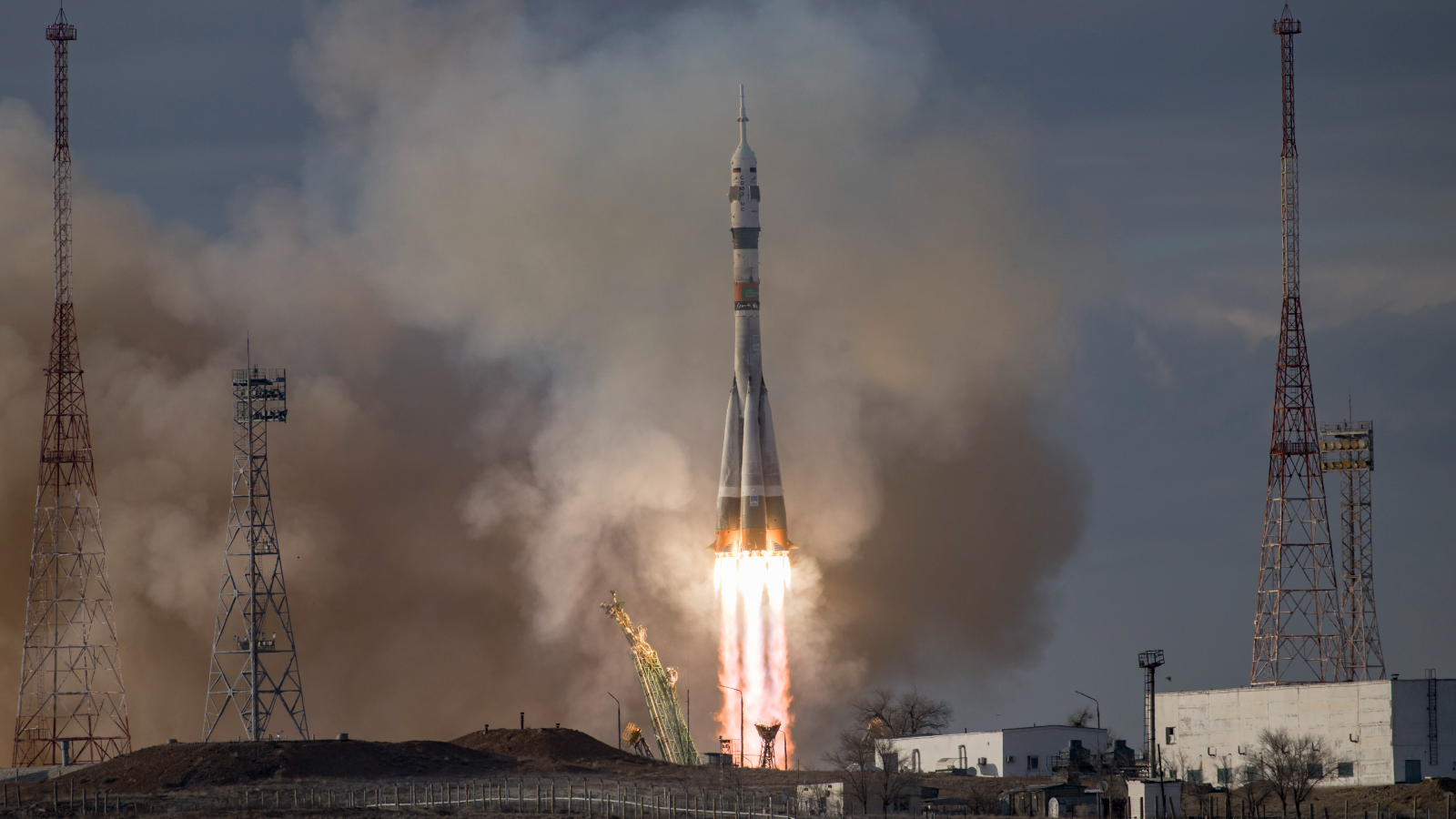 Russia accidentally destroys its only working launch pad as astronauts lift off to ISS
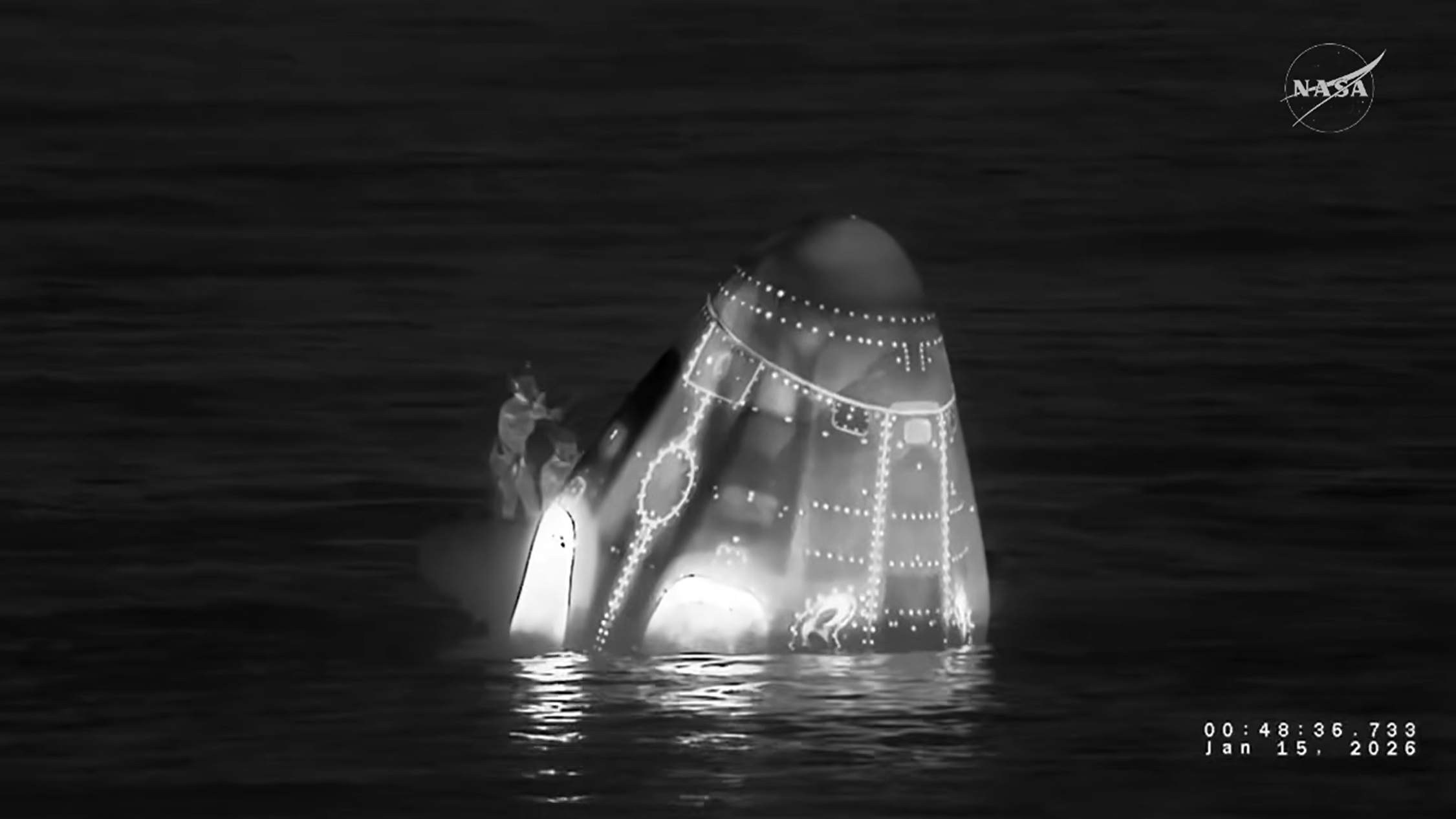 NASA astronauts back on Earth after unprecedented medical emergency on ISS
 That was the week in science: Comet 3I/ATLAS glows green | Roman roads | Bear attacks
Latest in Space Exploration
NASA jet crashes in flames on Texas runway — taking it out of the Artemis II mission
That was the week in science: Comet 3I/ATLAS glows green | Roman roads | Bear attacks
Latest in Space Exploration
NASA jet crashes in flames on Texas runway — taking it out of the Artemis II mission
 NASA is preparing for simulated launch of Artemis II mega moon rocket — and it could happen as early as Saturday
 Watch NASA roll its historic Artemis II moon rocket to the launch pad this weekend
 NASA's powerful new Roman Space Telescope is complete — and will soon begin mission to find 100,000 alien worlds
NASA astronauts back on Earth after unprecedented medical emergency on ISS
Artemis 2 mission update: Rollout imminent as NASA prepares first crewed Artemis mission to the moon
Latest in News
Artemis II simulated launch window opens tonight as NASA delays mission due to 'rare Arctic outbreak'
NASA's powerful new Roman Space Telescope is complete — and will soon begin mission to find 100,000 alien worlds
NASA astronauts back on Earth after unprecedented medical emergency on ISS
Artemis 2 mission update: Rollout imminent as NASA prepares first crewed Artemis mission to the moon
Latest in News
Artemis II simulated launch window opens tonight as NASA delays mission due to 'rare Arctic outbreak'
 Earth is 'missing' lighter elements. They may be hiding in its solid inner core.
 Lifespan may be 50% heritable, study suggests
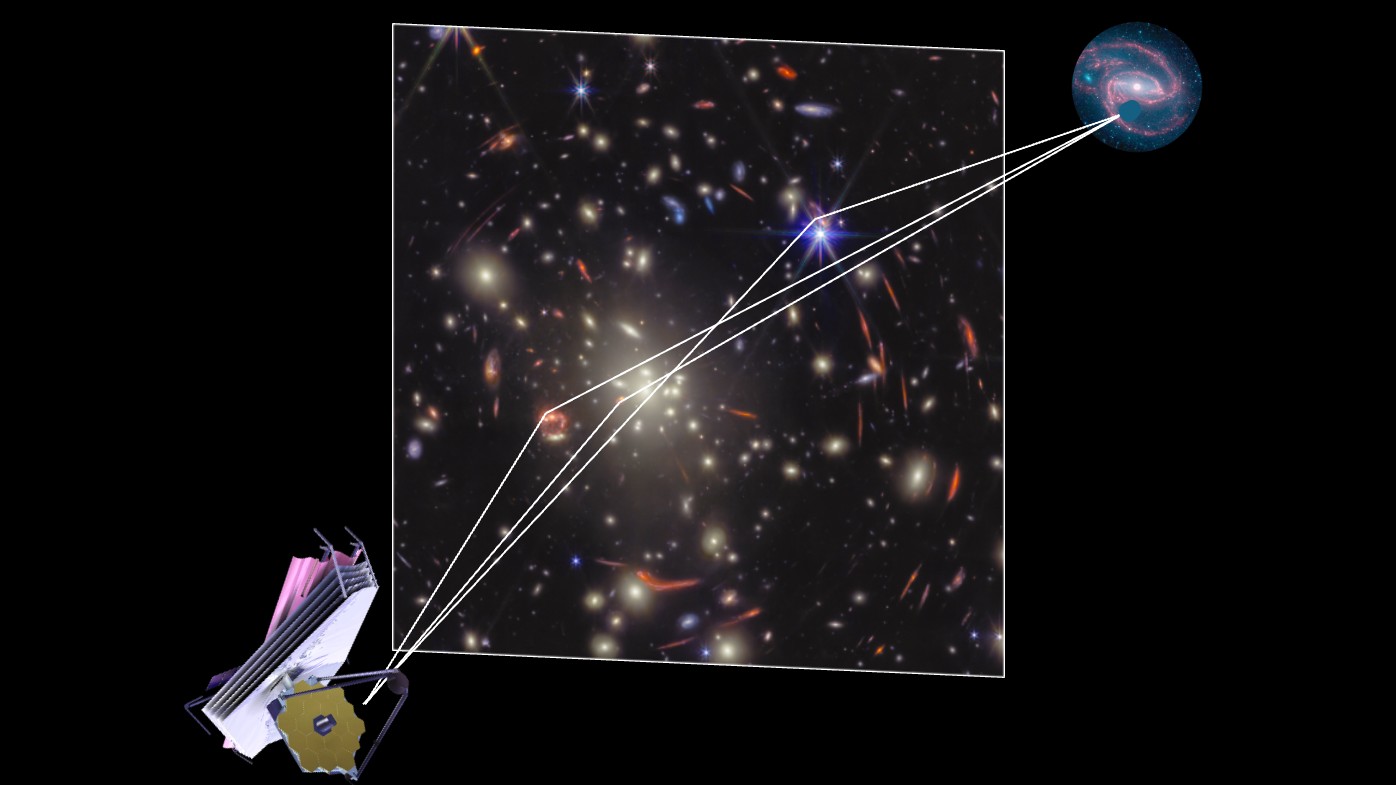 Astronomers spot 'time-warped' supernovas whose light both has and hasn't reached Earth
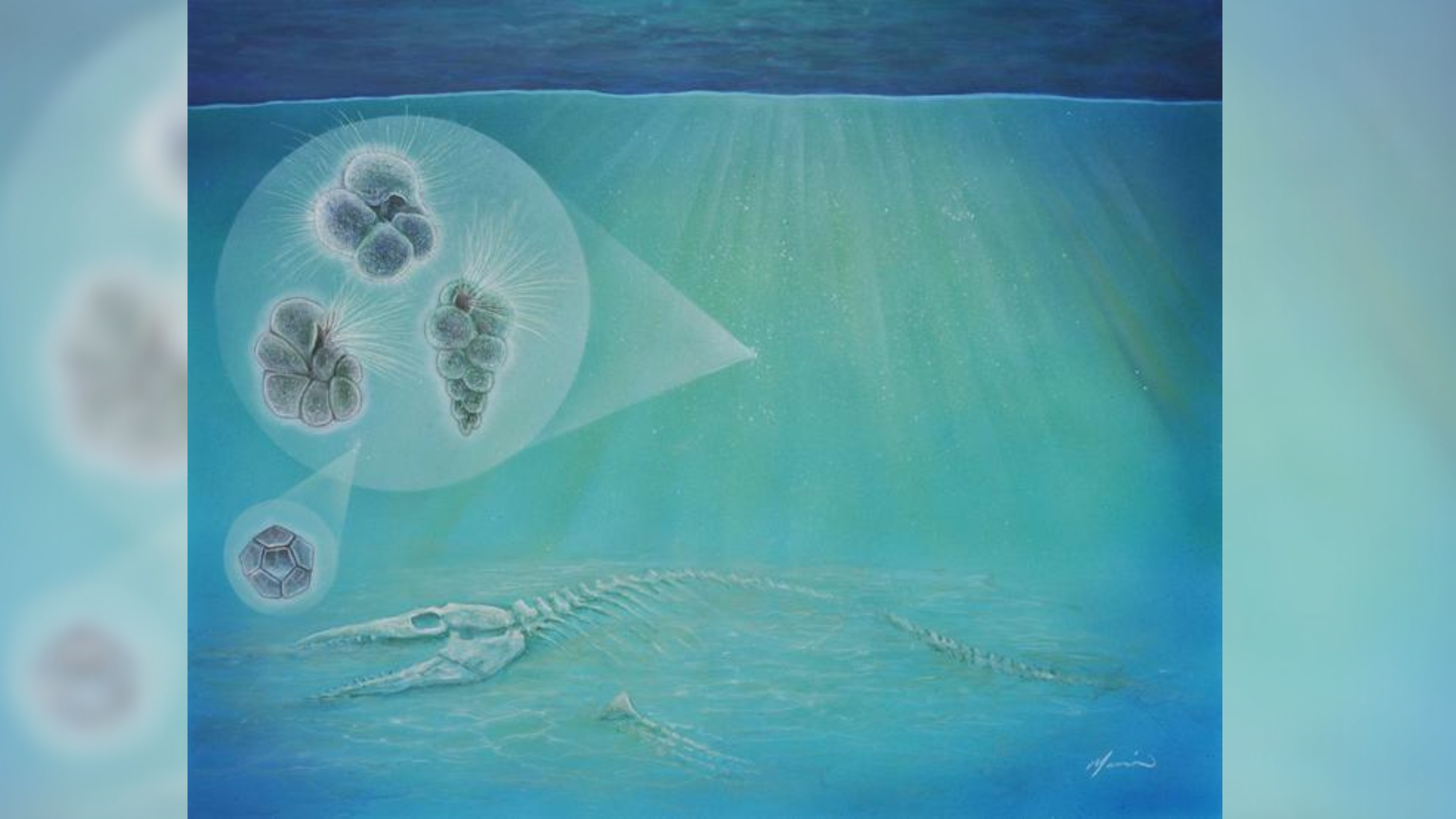 Life may have rebounded 'ridiculously fast' after the dinosaur-killing asteroid impact
 'Nose-in-a-dish' reveals why the common cold hits some people hard, while others recover easily
LATEST ARTICLES
'Nose-in-a-dish' reveals why the common cold hits some people hard, while others recover easily
LATEST ARTICLES 1Jiawen Galaxy Projector Light review
- 2What to buy as a beginner runner: Must-haves vs non-essentials
- 3Ribchester Helmet: A rare 'face mask' helmet worn by a Roman cavalry officer 1,900 years ago
- 4'It's similar to how Google can map your home without your consent': Why using aerial lasers to map an archaeology site should have Indigenous partnership
- 5'Nose-in-a-dish' reveals why the common cold hits some people hard, while others recover easily