- Health
- Ageing
A new study suggests that lifespan might be 50% heritable — although for now, it's hard to know if the finding applies across diverse populations.
When you purchase through links on our site, we may earn an affiliate commission. Here’s how it works.
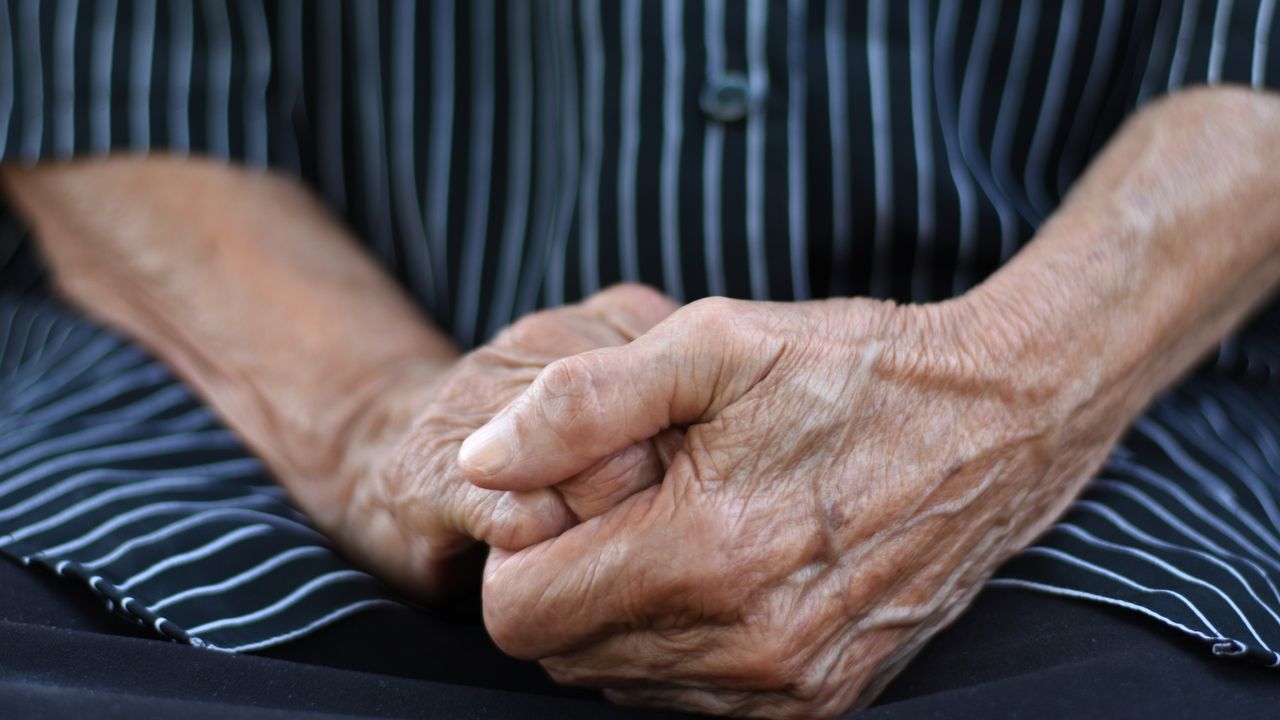
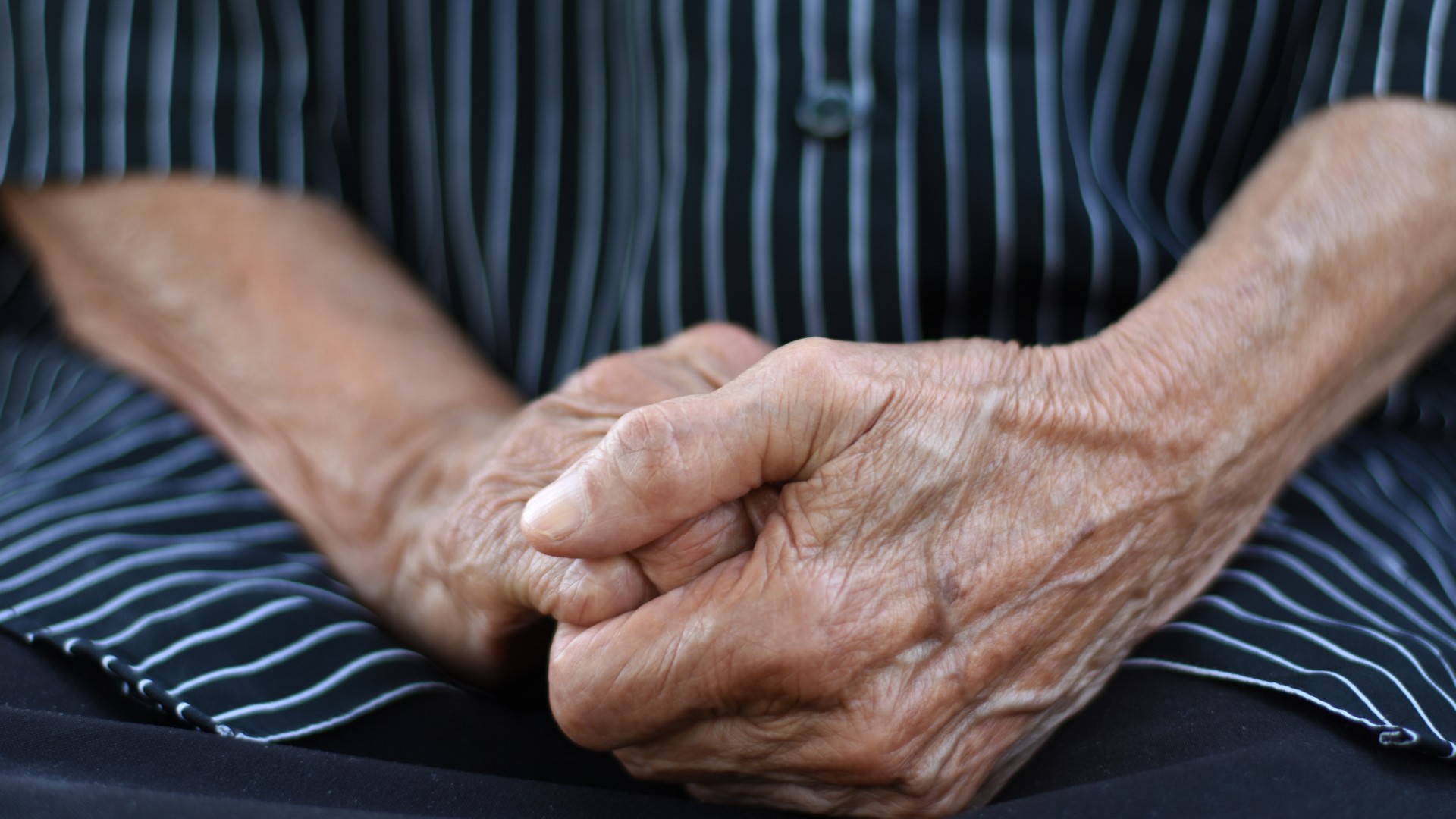 A new study suggests genetics may play a pretty big role in determining how long a person lives, although environmental factors still have influence.
(Image credit: Elena Pejchinova via Getty Images)
Share
Share by:
A new study suggests genetics may play a pretty big role in determining how long a person lives, although environmental factors still have influence.
(Image credit: Elena Pejchinova via Getty Images)
Share
Share by:
- Copy link
- X
Around 50% of a person's lifespan is determined by genetics, a new study suggests, more than doubling previous estimates of the heritability of longevity.
The new research, published Jan. 29 in the journal Science, used a carefully designed mathematical model to reach this conclusion. With the model, the team behind the work could account for external causes of death, such as accidents or infections, eliminating these environmental factors from their heritability estimates.
You may like-
 Tiny improvements in sleep, nutrition and exercise could significantly extend lifespan, study suggests
-
 'More Neanderthal than human': How DNA from our long-lost ancestors affects our health today
-
 These genes were thought to lead to blindness 100% of the time. They don't.
The researchers looked at the correlation of lifespan and genetics in individual sets of twins, and then compared how well those metrics matched across many sets of twins. "If a trait is very genetically determined, then the correlation in the monozygotic twins will be much higher than the correlation in the dizygotic twins," said study co-author Joris Deelen, a geneticist at Leiden University in the Netherlands.
Previous estimates from such studies have placed the heritability of human lifespan between just 6% and 25%, which suggested genetics have a limited influence on how long people live. Those estimates are substantially lower than those for other complex human traits, such as psychiatric disorders, or the heritability of life span observed in other mammals, which are both typically placed at around 50%.
However, observations of long-lived families and the genetic risk associated with age-related diseases, such as heart disease, suggested to Deelen and colleagues that longevity likely has a far larger genetic contribution than scientists once thought.
A different way of looking at lifespan
The difficulty lies in separating drivers of death with strong genetic components — such as the risk of age-related diseases or the speed of physical decline — from external factors, such as accidents and infections. Deelen did note that the divide between these genetic and external factors is not always clear cut; but in the case of infections, for instance, they focused on diseases that are generally very treatable, such as scarlet fever.
Sign up for the Live Science daily newsletter nowContact me with news and offers from other Future brandsReceive email from us on behalf of our trusted partners or sponsorsBy submitting your information you agree to the Terms & Conditions and Privacy Policy and are aged 16 or over."Previously, when we studied lifespan and predictors, we tended to use all-cause mortality, where we're just looking at what age people died and not really considering what the causes are — cause of death is often missing [from those records]," said Luke Pilling, a geneticist at the University of Exeter in the U.K. who wasn't involved in the work.
Deelen's team — which included geneticists, physicians and statisticians — designed a model to mathematically account for these extrinsic contributors, even for cases when the causes of death were not available. The team fed data from twin cohorts in Sweden, Denmark and the U.S. into the model, and each returned an estimated lifespan heritability of around 50%. The datasets collectively included people born between 1870 and 1935.
"They also looked at this study of Swedish twins born between 1900 and 1935, and that allowed them to do a really interesting analysis, stratified by decade," Pilling added. "Because the twins born in 1900 experienced a very different exposure to infection to the twins born in the 1930s, extrinsic mortality was decreasing over that period."
You may like-
'More Neanderthal than human': How DNA from our long-lost ancestors affects our health today
-
These genes were thought to lead to blindness 100% of the time. They don't.
-
 Could aging eggs be 'rejuvenated'? New tool may help pave the way to fertility-extending treatments
Classical estimates of lifespan heritability would likely show an increase in heritability over that time frame, as genetic factors began to dominate the calculations. That would support the idea that environmental causes of death had influenced previous estimates. In contrast, the new model gives a consistent estimate for heritability, independent of those external factors.
Like all models, though, the new approach has limitations. "The best scenario would be to have a cohort where you know the actual cause of death and can classify it directly as intrinsic or extrinsic so you don't need to model it in," Deelen said. "But that data just doesn't exist."
RELATED STORIES—Tiny improvements in sleep, nutrition and exercise could significantly extend lifespan, study suggests
—Extreme longevity: The secret to living longer may be hiding with nuns... and jellyfish
—We're nowhere near reaching the maximum human life span, controversial study suggests
In addition, the model has so far been tested primarily on people of Northern European descent, owing to a similar lack of data from elsewhere.
"It's a big question," Deelen said. "Is this heritability something specific for Nordic countries, or is it similar in other parts of the world?"
Modern recordkeeping may enable scientists to determine the answer in the future. But for now, what could these results mean for medicine?
Understanding the genetic markers that influence how long people live — and how long they remain healthy during that lifespan — has important consequences for the future of geriatric medicine, Pilling said, particularly as more and more countries deal with aging populations.
"If we understand the biological mechanisms that cause people to live longer and healthier, we can perhaps design interventions to promote those pathways and to promote health span — the period of life spent in good health," Pilling said. "I will certainly be using this in my research."
Crucially, though, the 50% heritability estimate neither guarantees you a long life or dooms you to a short one, Deelen said.
"What it shows is that you have a certain propensity to become long-lived which is in your genes, and the rest is based on what you do and where you live," he clarified. "Environment is still super important, and people should try to optimize their lifestyle as much as they can."
Article SourcesShenhar, B., Pridham, G., De Oliveira, T. L., Raz, N., Yang, Y., Deelen, J., Hägg, S., & Alon, U. (2026). Heritability of intrinsic human life span is about 50% when confounding factors are addressed. Science, 391(6784), 504–510. https://doi.org/10.1126/science.adz1187
 Victoria AtkinsonSocial Links NavigationLive Science Contributor
Victoria Atkinson is a freelance science journalist, specializing in chemistry and its interface with the natural and human-made worlds. Currently based in York (UK), she formerly worked as a science content developer at the University of Oxford, and later as a member of the Chemistry World editorial team. Since becoming a freelancer, Victoria has expanded her focus to explore topics from across the sciences and has also worked with Chemistry Review, Neon Squid Publishing and the Open University, amongst others. She has a DPhil in organic chemistry from the University of Oxford.
View MoreYou must confirm your public display name before commenting
Please logout and then login again, you will then be prompted to enter your display name.
Logout Read more 'More Neanderthal than human': How DNA from our long-lost ancestors affects our health today
 These genes were thought to lead to blindness 100% of the time. They don't.
 Could aging eggs be 'rejuvenated'? New tool may help pave the way to fertility-extending treatments
 'An extreme end of human genetic variation': Ancient humans were isolated in southern Africa for nearly 100,000 years, and their genetics are stunningly different
 5 genetic 'signatures' underpin a range of psychiatric conditions
 Aging and inflammation may not go hand in hand, study suggests
Latest in Ageing
Aging and inflammation may not go hand in hand, study suggests
Latest in Ageing
 Can AI detect cognitive decline better than a doctor? New study reveals surprising accuracy
 Gray hair may have evolved as a protection against cancer, study hints
Aging and inflammation may not go hand in hand, study suggests
Gray hair may have evolved as a protection against cancer, study hints
Aging and inflammation may not go hand in hand, study suggests
 'Aging clocks' can predict your risk of disease and early death. Here's what to know.
 Aging: What happens to the body as it gets older?
 Brain scans could reveal your true biological age
Latest in News
Brain scans could reveal your true biological age
Latest in News
 Earth is 'missing' lighter elements. They may be hiding in its solid inner core.
Lifespan may be 50% heritable, study suggests
Earth is 'missing' lighter elements. They may be hiding in its solid inner core.
Lifespan may be 50% heritable, study suggests
 Astronomers spot 'time-warped' supernovas whose light both has and hasn't reached Earth
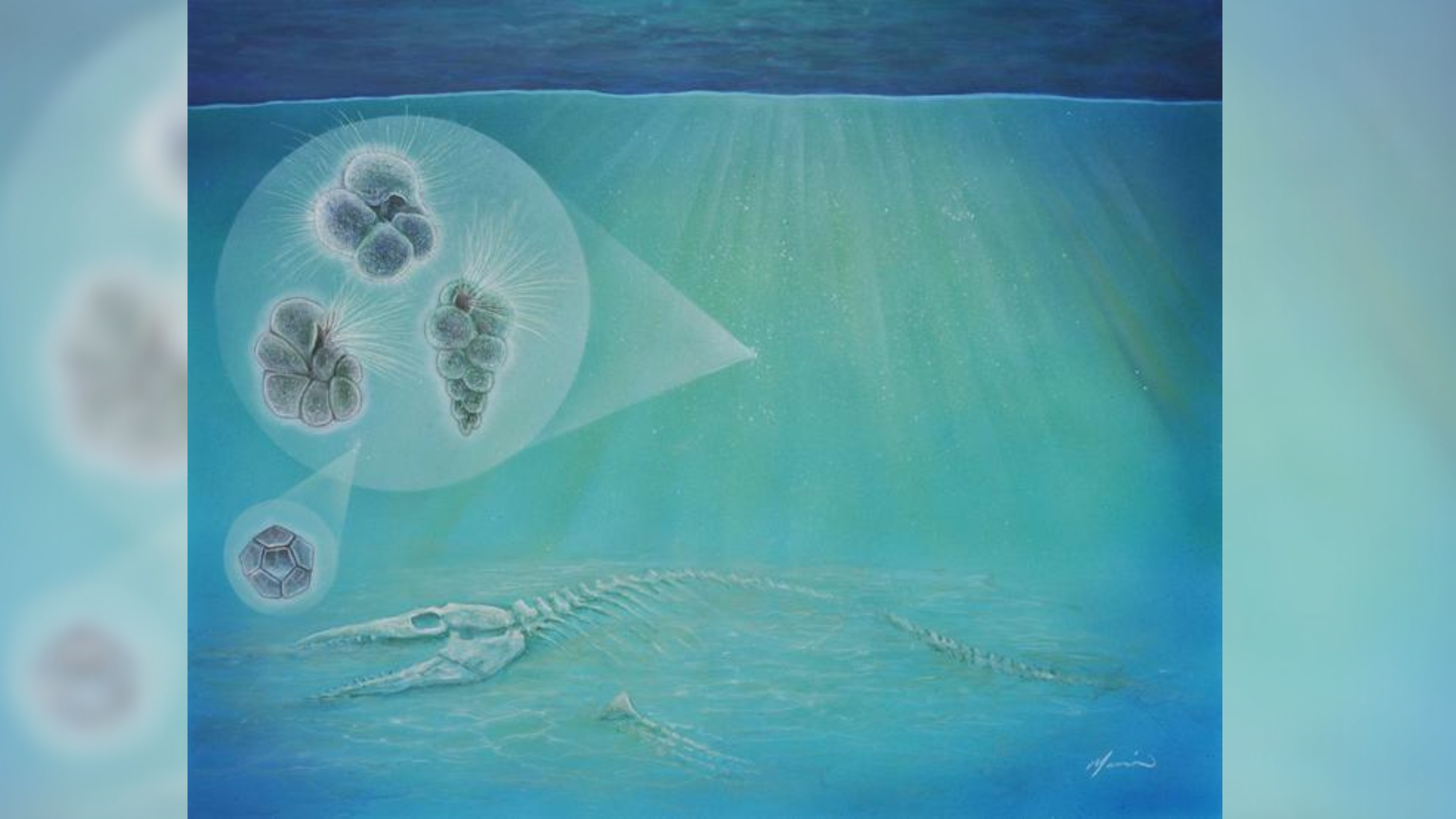 Life may have rebounded 'ridiculously fast' after the dinosaur-killing asteroid impact
 'Nose-in-a-dish' reveals why the common cold hits some people hard, while others recover easily
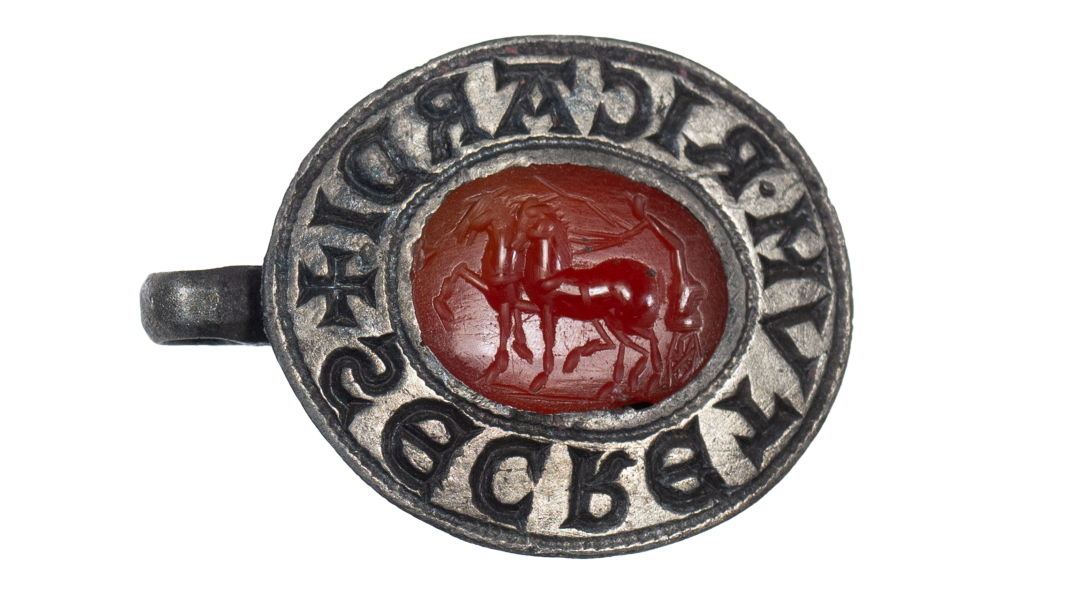 Rare medieval seal discovered in UK is inscribed with 'Richard's secret' and bears a Roman-period gemstone
LATEST ARTICLES
Rare medieval seal discovered in UK is inscribed with 'Richard's secret' and bears a Roman-period gemstone
LATEST ARTICLES 1'It's similar to how Google can map your home without your consent': Why using aerial lasers to map an archaeology site should have Indigenous partnership
- 2'Nose-in-a-dish' reveals why the common cold hits some people hard, while others recover easily
- 3Earth is 'missing' lighter elements. They may be hiding in its solid inner core.
- 4Oneisall Pet Air Purifier (PP02) review: Great value pick for dog and cat lovers
- 5Rare medieval seal discovered in UK is inscribed with 'Richard's secret' and bears a Roman-period gemstone