- Planet Earth
- Evolution
After the asteroid smashed into Earth around 66 million years ago, it didn't take life that long to rebound, a new study finds.
When you purchase through links on our site, we may earn an affiliate commission. Here’s how it works.
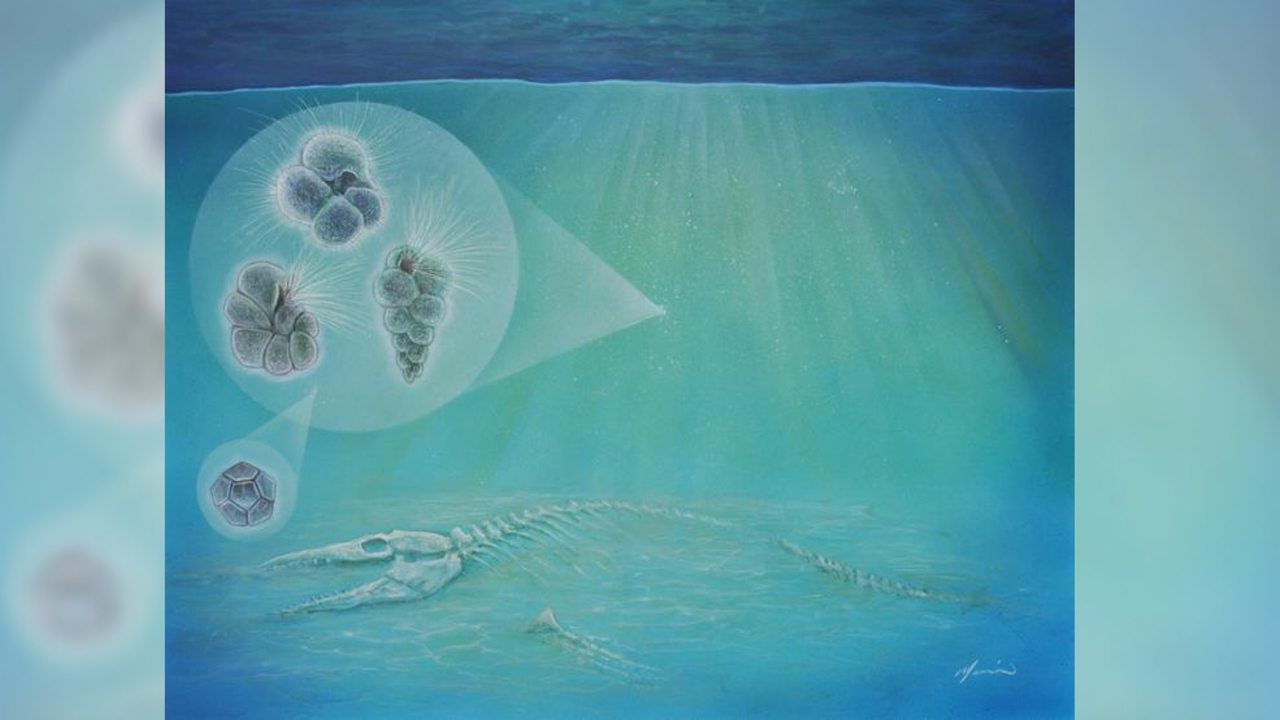
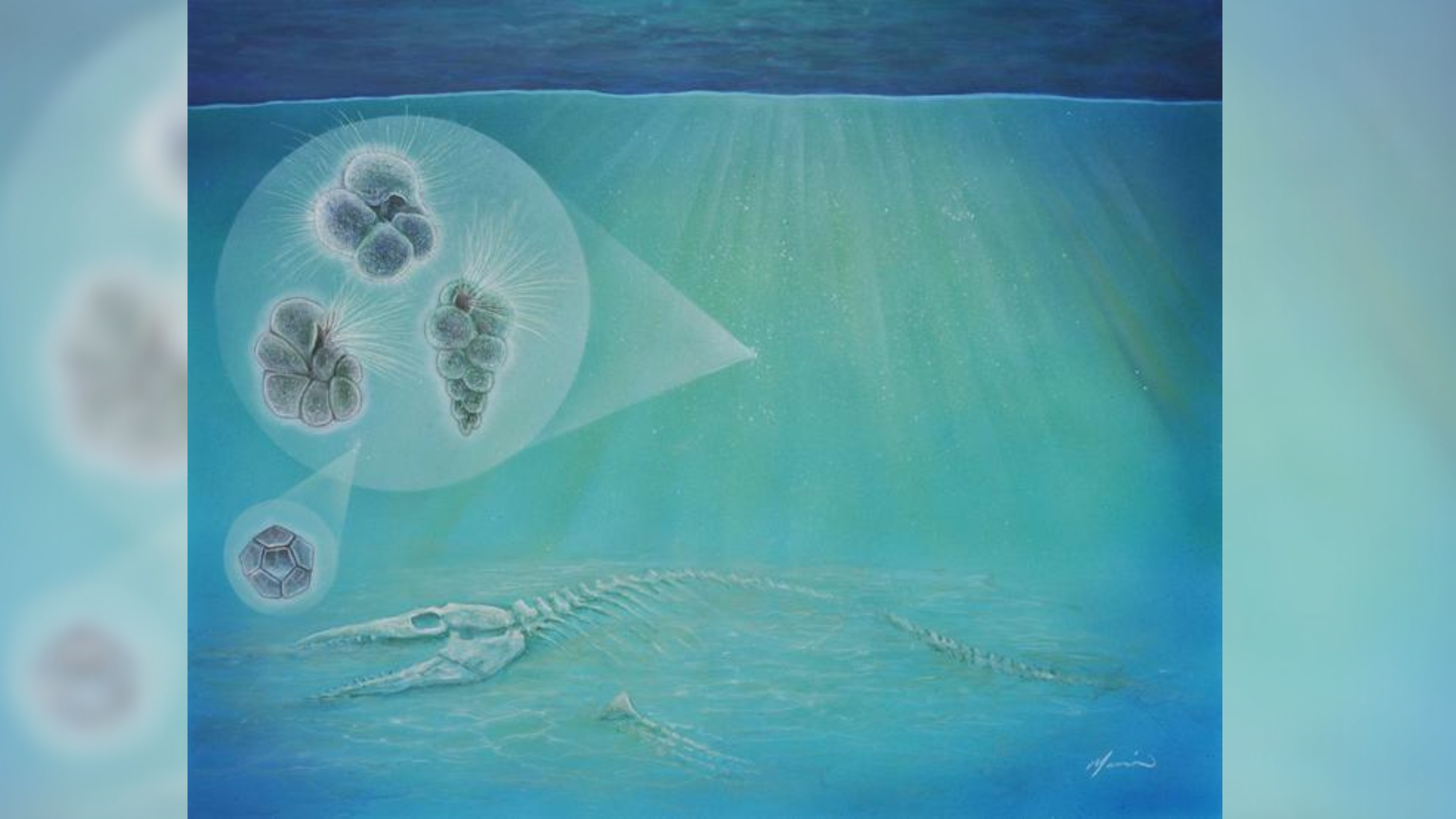 New plankton species may have appeared just 2,000 years after the Chicxulub impact, a new study finds.
(Image credit: John Maisano/The University of Texas at Austin Jackson School of Geosciences)
Share
Share by:
New plankton species may have appeared just 2,000 years after the Chicxulub impact, a new study finds.
(Image credit: John Maisano/The University of Texas at Austin Jackson School of Geosciences)
Share
Share by:
- Copy link
- X
New species may have evolved surprisingly quickly after the asteroid impact that wiped out the nonavian dinosaurs, researchers have found.
New plankton species may have appeared less than 2,000 years after the Chicxulub impact, which occurred about 66 million years ago, adding to an ongoing debate over how quickly new species arose in the wake of the collision. This suggests life rebounded much faster than scientists previously thought, researchers report in a study published Jan. 21 in the journal Geology.
You may like-
 Breakup of ancient supercontinent Nuna created 'incubators' for complex life, study finds
-
 Giant 'cow of the Cretaceous' discovered almost 100 years ago identified as new duck-billed dinosaur
-
 Rock climbers in Italy accidentally discovered evidence of an 80 million-year-old sea turtle stampede
After the roughly 7.5-mile-wide (12 kilometers) asteroid struck off the coast of the Yucatán Peninsula in the Gulf of Mexico, dust and soot from the impact temporarily blocked out the sun. Cold, dark conditions lasted about 10 years, and roughly 75% of plant and animal species went extinct.
Based on estimates of how quickly sediment accumulated in the ocean and when fossils of new plankton species, such as Parvularugoglobigerina eugubina, started to appear, many experts think it took about 30,000 years for the first new species to show up.
But that estimate assumes that ocean sediments built up at a constant rate over that time period. Although that's often the case in ocean environments, it wasn't necessarily true after the Chicxulub impact.
In the new study, the researchers turned to a different marker: helium-3. This isotope falls to Earth with interplanetary dust at a constant rate. By measuring the helium-3 throughout a sediment layer, scientists can tell how long it took that layer to build up. For the study, the researchers used previously collected helium-3 measurements from six sites to calculate when new fossil species arrived.
Sign up for the Live Science daily newsletter nowContact me with news and offers from other Future brandsReceive email from us on behalf of our trusted partners or sponsorsBy submitting your information you agree to the Terms & Conditions and Privacy Policy and are aged 16 or over.
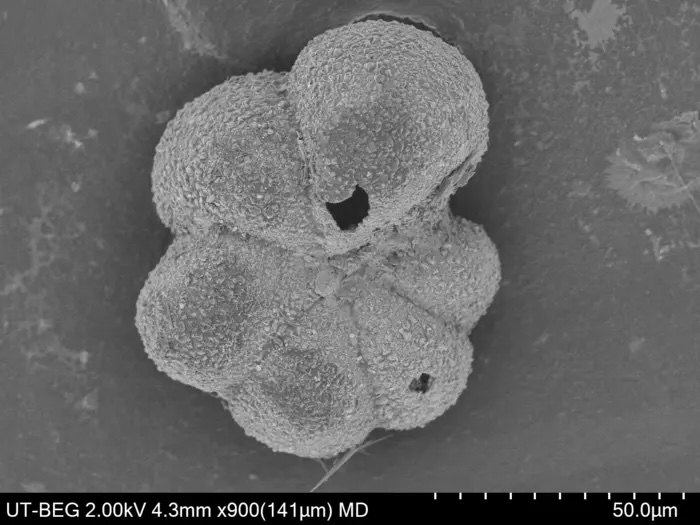
Based on this analysis, P. eugubina appeared an average of 6,400 years after the impact across those six sites, the team found. At some sites, the new calibration suggests that other species likely emerged even sooner, less than 2,000 years after the asteroid struck. Between 10 and 20 species of plankton appeared within about 11,000 years, though there's still some debate over which fossils count as separate species, according to the study.
"The speed of the recovery demonstrates just how resilient life is," study co-author Timothy Bralower, a geoscientist at Penn State, said in the statement. "To have complex life reestablished within a geologic heartbeat is truly astounding."
Related Stories—Temperature inside Chicxulub crater after dinosaur-killing asteroid hit revealed with 'paleothermometer'
—Dust from the dino-killing impact ushered in years of global darkness
—What happened to the asteroid that killed the dinosaurs?
New species typically take millions of years to develop, but that process can speed up during times of stress, such as after the asteroid impact.
That recovery may help give scientists a sense of how quickly new species could arise in response to human influence. "It's also possibly reassuring for the resiliency of modern species given the threat of anthropogenic habitat destruction," Bralower added.
Article SourcesLowery, C. M., Bralower, T. J., Farley, K., & Leckie, R. M. (2026). New species evolved within a few thousand years of the Chicxulub Impact. Geology. https://doi.org/10.1130/g53313.1
Evolution quiz: Can you naturally select the correct answers?
 Skyler WareSocial Links NavigationLive Science Contributor
Skyler Ware is a freelance science journalist covering chemistry, biology, paleontology and Earth science. She was a 2023 AAAS Mass Media Science and Engineering Fellow at Science News. Her work has also appeared in Science News Explores, ZME Science and Chembites, among others. Skyler has a Ph.D. in chemistry from Caltech.
View MoreYou must confirm your public display name before commenting
Please logout and then login again, you will then be prompted to enter your display name.
Logout Read more Breakup of ancient supercontinent Nuna created 'incubators' for complex life, study finds
 Giant 'cow of the Cretaceous' discovered almost 100 years ago identified as new duck-billed dinosaur
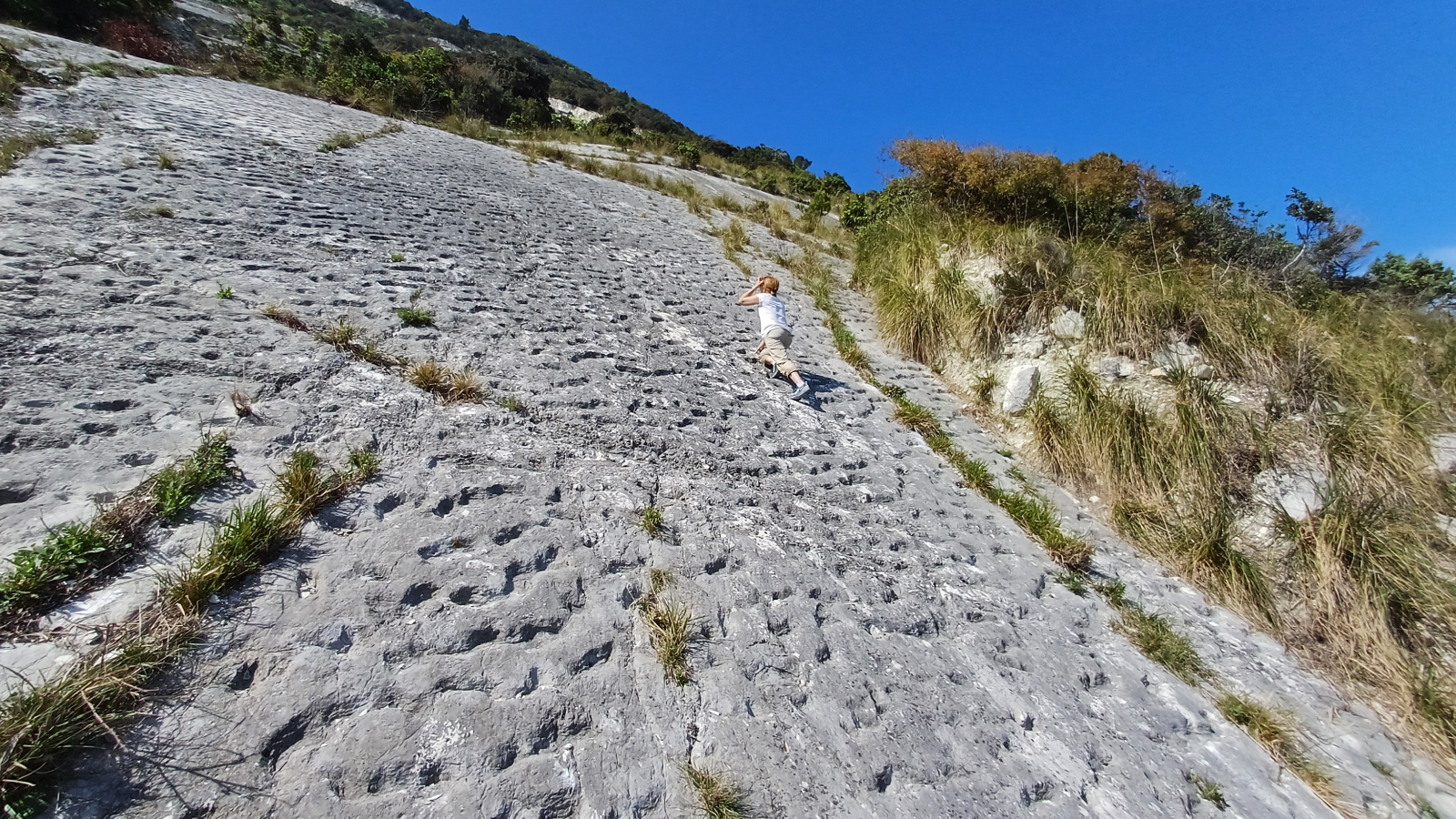 Rock climbers in Italy accidentally discovered evidence of an 80 million-year-old sea turtle stampede
 10 things we learned about our human ancestors in 2025
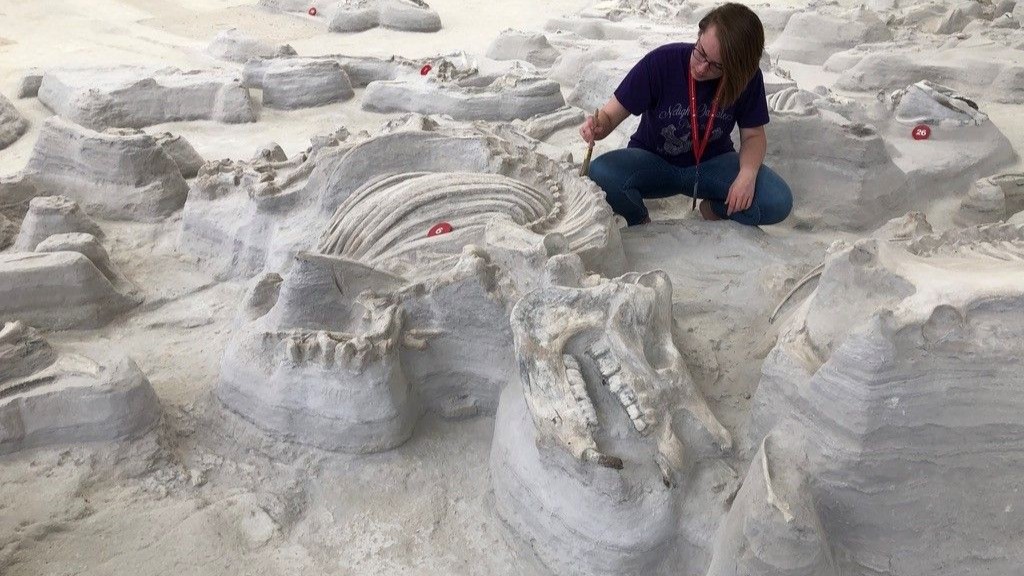 Large, bone-crushing dogs stalked 'Rhino Pompeii' after Yellowstone eruption 12 million years ago, ancient footprints reveal
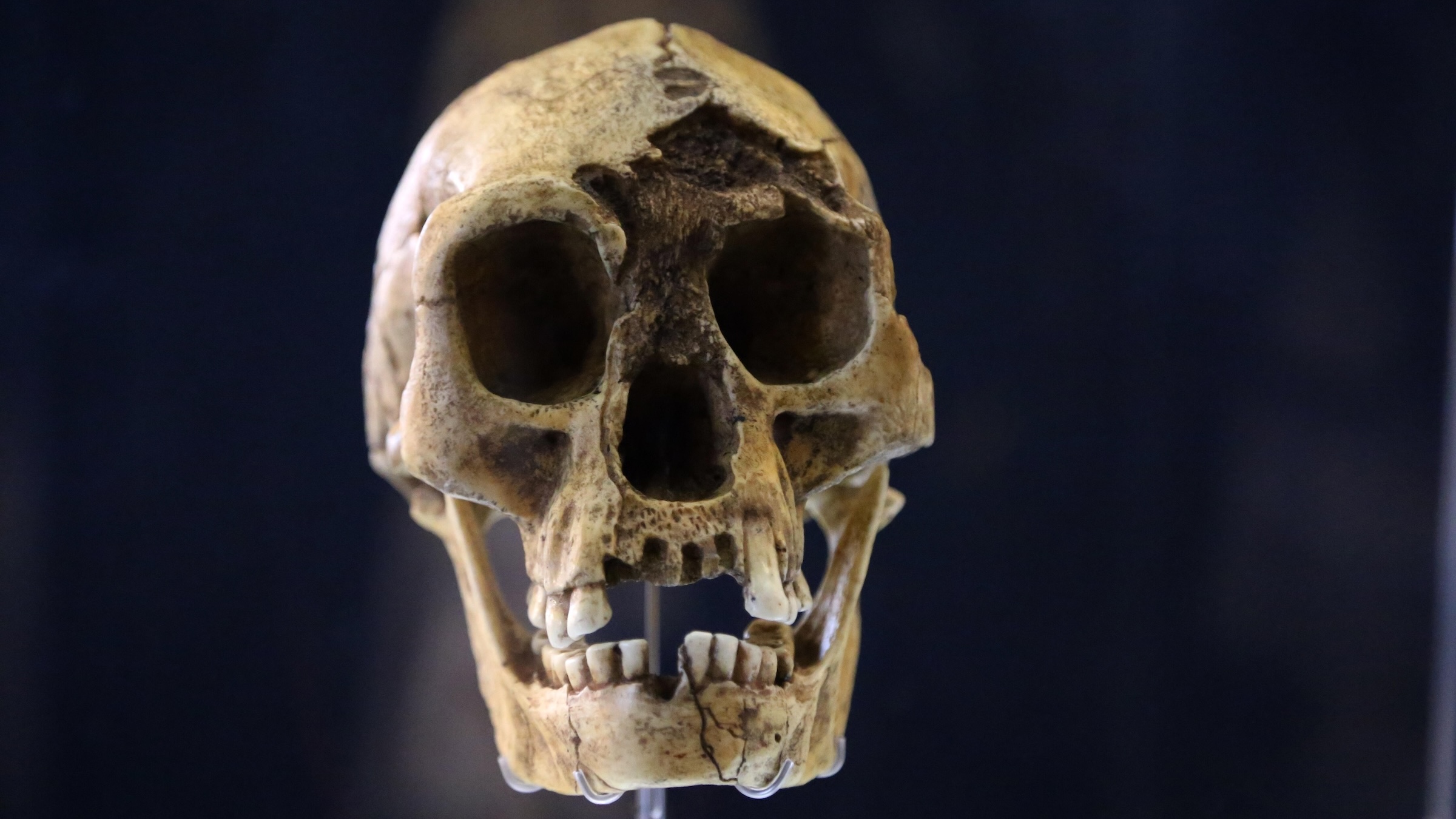
The 'hobbits' may have died out when drought forced them to compete with modern humans, new research suggests
Latest in Evolution
Large, bone-crushing dogs stalked 'Rhino Pompeii' after Yellowstone eruption 12 million years ago, ancient footprints reveal
The 'hobbits' may have died out when drought forced them to compete with modern humans, new research suggests
Latest in Evolution
 Science history: Experiment shows mutations arise spontaneously, supporting pillar of Darwinian evolution — Nov. 20, 1943
 Tomatoes randomly mated with another plant 9 million years ago. The result? Potatoes.
 Human evolution news, features and articles
 In rare evolutionary event, weird platypus cousin evolved from living in water to living on land
 Evolution itself can evolve, new study argues
 Our outer ears may have come from ancient fish gills, scientists discover
Latest in News
Our outer ears may have come from ancient fish gills, scientists discover
Latest in News
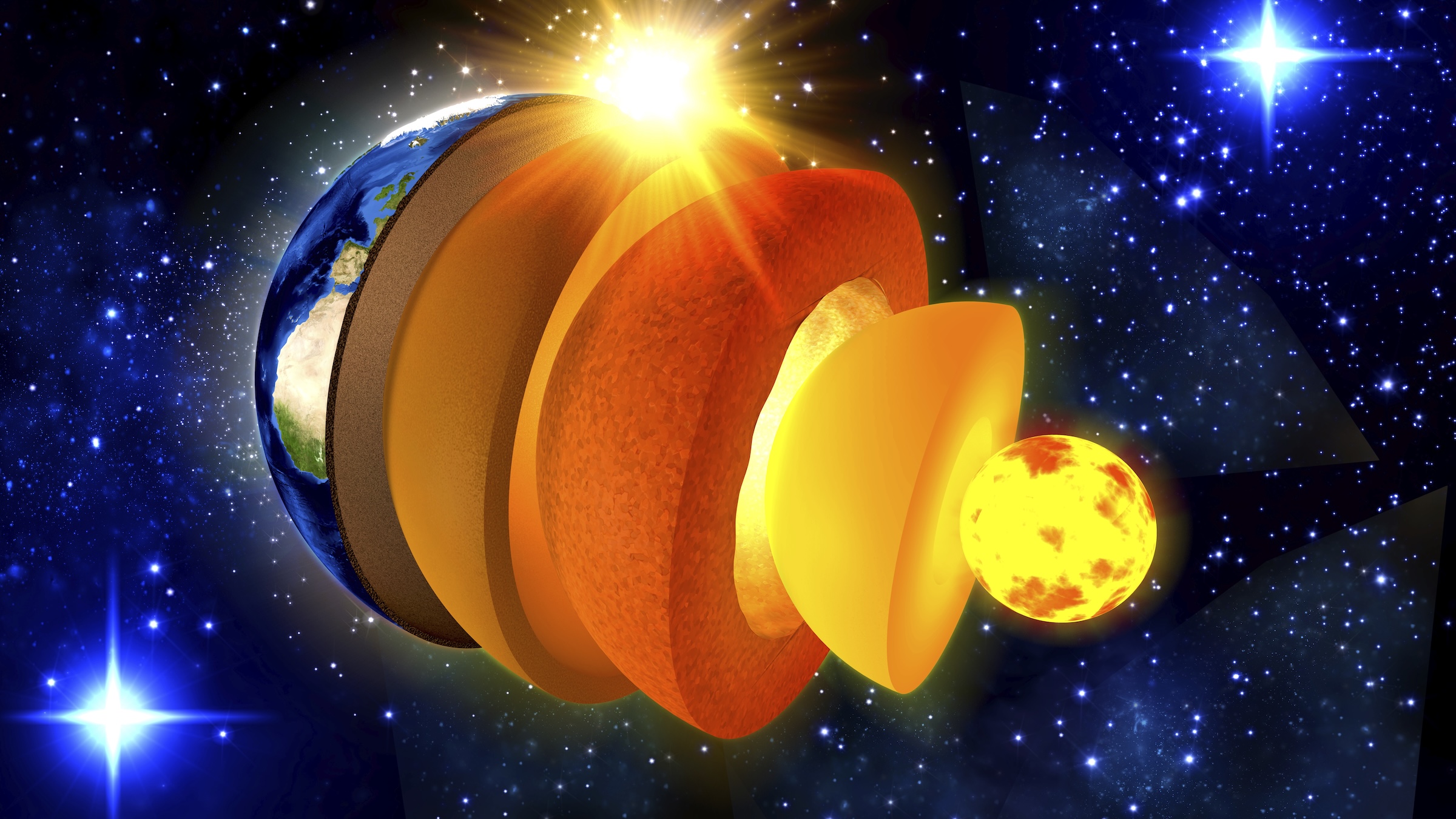 Earth is 'missing' lighter elements. They may be hiding in its solid inner core.
 Lifespan may be 50% heritable, study suggests
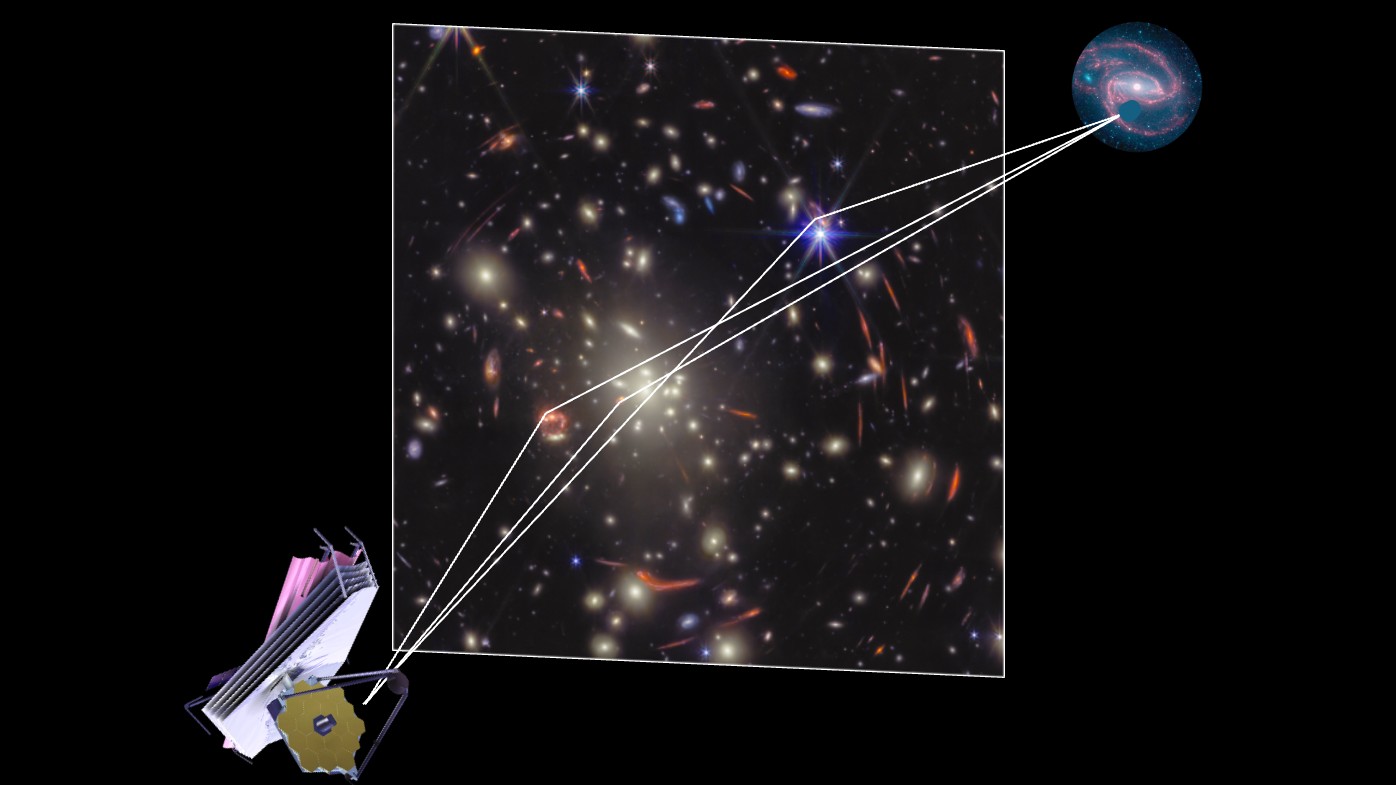 Astronomers spot 'time-warped' supernovas whose light both has and hasn't reached Earth
Life may have rebounded 'ridiculously fast' after the dinosaur-killing asteroid impact
Astronomers spot 'time-warped' supernovas whose light both has and hasn't reached Earth
Life may have rebounded 'ridiculously fast' after the dinosaur-killing asteroid impact
 'Nose-in-a-dish' reveals why the common cold hits some people hard, while others recover easily
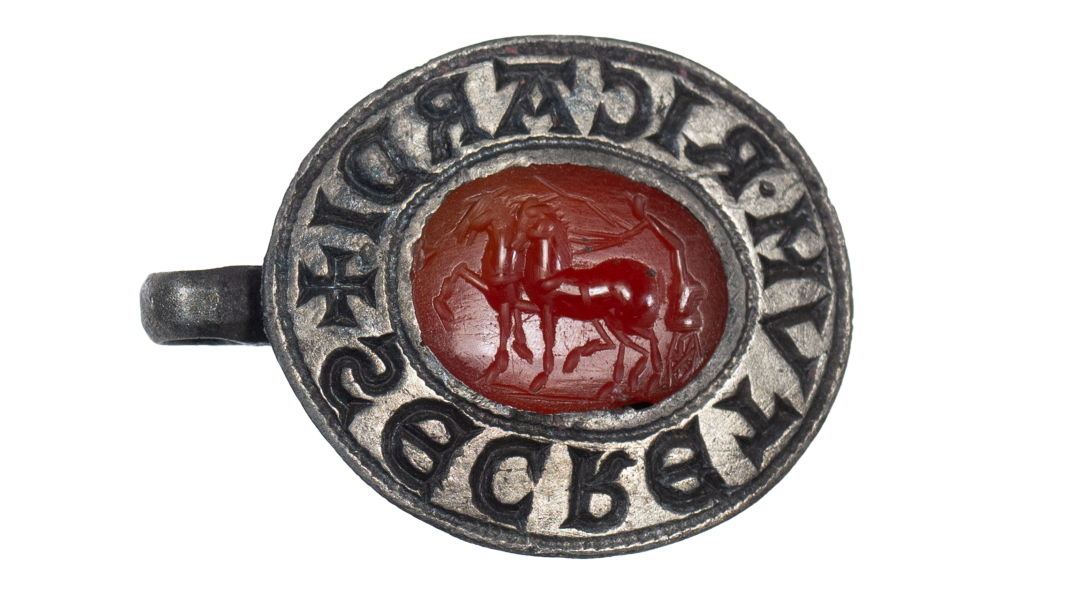 Rare medieval seal discovered in UK is inscribed with 'Richard's secret' and bears a Roman-period gemstone
LATEST ARTICLES
Rare medieval seal discovered in UK is inscribed with 'Richard's secret' and bears a Roman-period gemstone
LATEST ARTICLES 1'It's similar to how Google can map your home without your consent': Why using aerial lasers to map an archaeology site should have Indigenous partnership
- 2'Nose-in-a-dish' reveals why the common cold hits some people hard, while others recover easily
- 3Earth is 'missing' lighter elements. They may be hiding in its solid inner core.
- 4Oneisall Pet Air Purifier (PP02) review: Great value pick for dog and cat lovers
- 5Rare medieval seal discovered in UK is inscribed with 'Richard's secret' and bears a Roman-period gemstone