- Animals
- Land Mammals
The pygmy long-fingered possum and the ring-tailed glider, two marsupials believed to have died out thousands of years ago, are still alive in Papuan Indonesia.
When you purchase through links on our site, we may earn an affiliate commission. Here’s how it works.
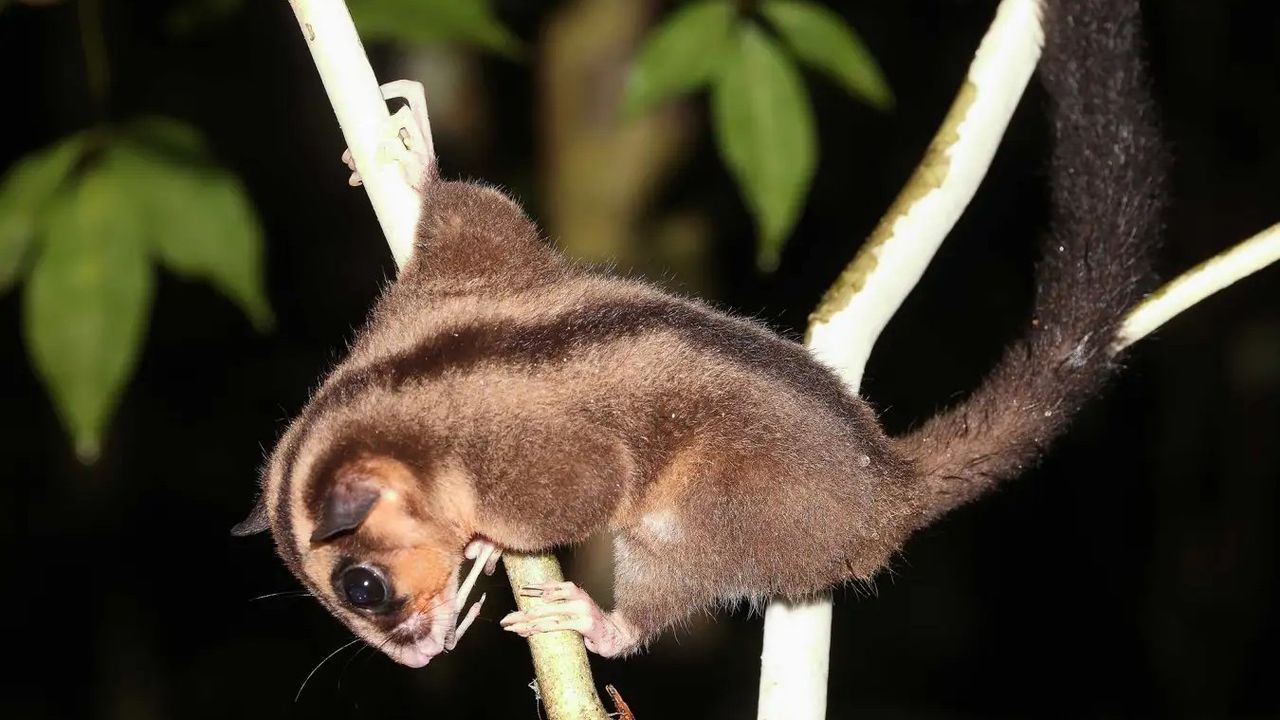
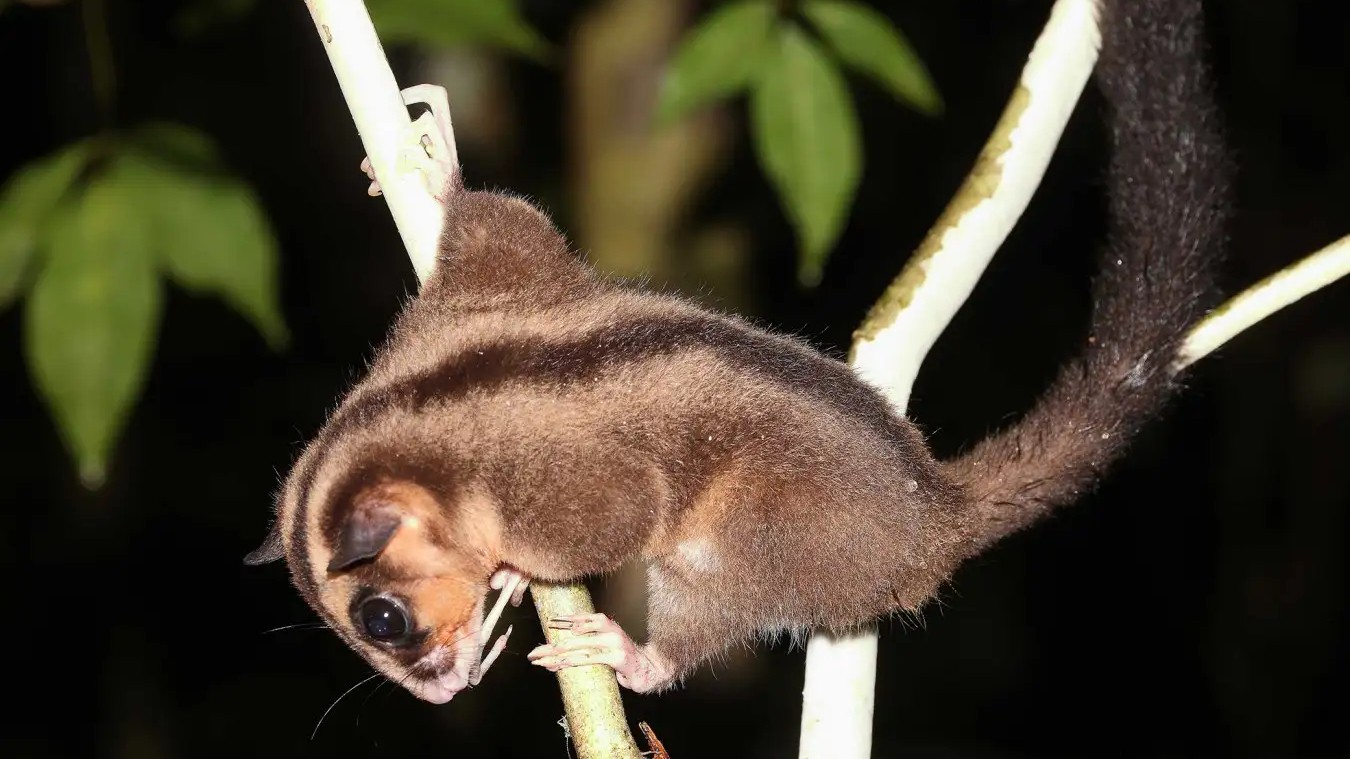 Researchers have confirmed that the pygmy long-fingered possum (Dactylonax kambuayai) is alive in New Guinea.
(Image credit: Photo by Carlos Bocos (CC-BY-4.0))
Researchers have confirmed that the pygmy long-fingered possum (Dactylonax kambuayai) is alive in New Guinea.
(Image credit: Photo by Carlos Bocos (CC-BY-4.0))
- Copy link
- X
Get the world’s most fascinating discoveries delivered straight to your inbox.
Become a Member in Seconds
Unlock instant access to exclusive member features.
Contact me with news and offers from other Future brands Receive email from us on behalf of our trusted partners or sponsors By submitting your information you agree to the Terms & Conditions and Privacy Policy and are aged 16 or over.You are now subscribed
Your newsletter sign-up was successful
Want to add more newsletters?

Delivered Daily
Daily Newsletter
Sign up for the latest discoveries, groundbreaking research and fascinating breakthroughs that impact you and the wider world direct to your inbox.
Signup +
Once a week
Life's Little Mysteries
Feed your curiosity with an exclusive mystery every week, solved with science and delivered direct to your inbox before it's seen anywhere else.
Signup +
Once a week
How It Works
Sign up to our free science & technology newsletter for your weekly fix of fascinating articles, quick quizzes, amazing images, and more
Signup +
Delivered daily
Space.com Newsletter
Breaking space news, the latest updates on rocket launches, skywatching events and more!
Signup +
Once a month
Watch This Space
Sign up to our monthly entertainment newsletter to keep up with all our coverage of the latest sci-fi and space movies, tv shows, games and books.
Signup +
Once a week
Night Sky This Week
Discover this week's must-see night sky events, moon phases, and stunning astrophotos. Sign up for our skywatching newsletter and explore the universe with us!
Signup +Join the club
Get full access to premium articles, exclusive features and a growing list of member rewards.
Explore An account already exists for this email address, please log in. Subscribe to our newsletterTwo marsupial species that were thought to have gone extinct at least 6,000 years ago have been found on the island of New Guinea.
The discovery was far from swift, with the first clues of the marsupials emerging in 1999 and requiring ample photographic evidence to confirm. But 27 years later, scientists are now sure that the ring-tailed glider (Tous ayamaruensis) and the pygmy long-fingered possum (Dactylonax kambuayai) are alive in the remote rainforests of the Vogelkop Peninsula in Papuan Indonesia.
You may like-
 Last of its kind dodo relative spotted in a remote Samoan rainforest
-
 Prehistoric water-dwelling weirdo with sideways teeth and a twisted jaw was already a 'living fossil' 275 million years ago
-
 Flat-headed cat not seen in Thailand for almost 30 years is rediscovered
Marsupials are mammals with a characteristic pouch to hold newborns until they are fully developed. The pygmy long-fingered possum and the ring-tailed glider were previously known to scientists only from fossils in Australia dating to the last ice age and the first phase of the early Holocene epoch, which is the current period of geological time.
The pygmy long-fingered possum is a striped marsupial with one digit on each hand that is twice as long as the next-longest finger. The ring-tailed glider is a relative of Australia's three greater glider (Petauroides) species, which are named after their ability to soar through forest canopies using furry membranes that extend from their elbows to their ankles. The ring-tailed glider is smaller than its Australian cousins and has unfurred ears, as well as a tail adapted for grasping and wrapping around objects such as branches.
The pygmy long-fingered possum and the ring-tailed glider are what researchers call "Lazarus taxa," meaning they are animals that vanish from the fossil record and seem to go extinct for an extended period before reemerging as living species. Their recent discovery was possible thanks to Indigenous communities in Papuan Indonesia that helped Flannery and his colleagues track down the animals. Specifically, the researchers collaborated with local elders from the Tambrauw and Maybrat clans.
"The discovery of one Lazarus taxon, even if thought to have become extinct recently, is an exceptional discovery," Flannery said. "But the discovery of two species, thought to have been extinct for thousands of years, is remarkable."
Sign up for the Live Science daily newsletter nowContact me with news and offers from other Future brandsReceive email from us on behalf of our trusted partners or sponsorsBy submitting your information you agree to the Terms & Conditions and Privacy Policy and are aged 16 or over.
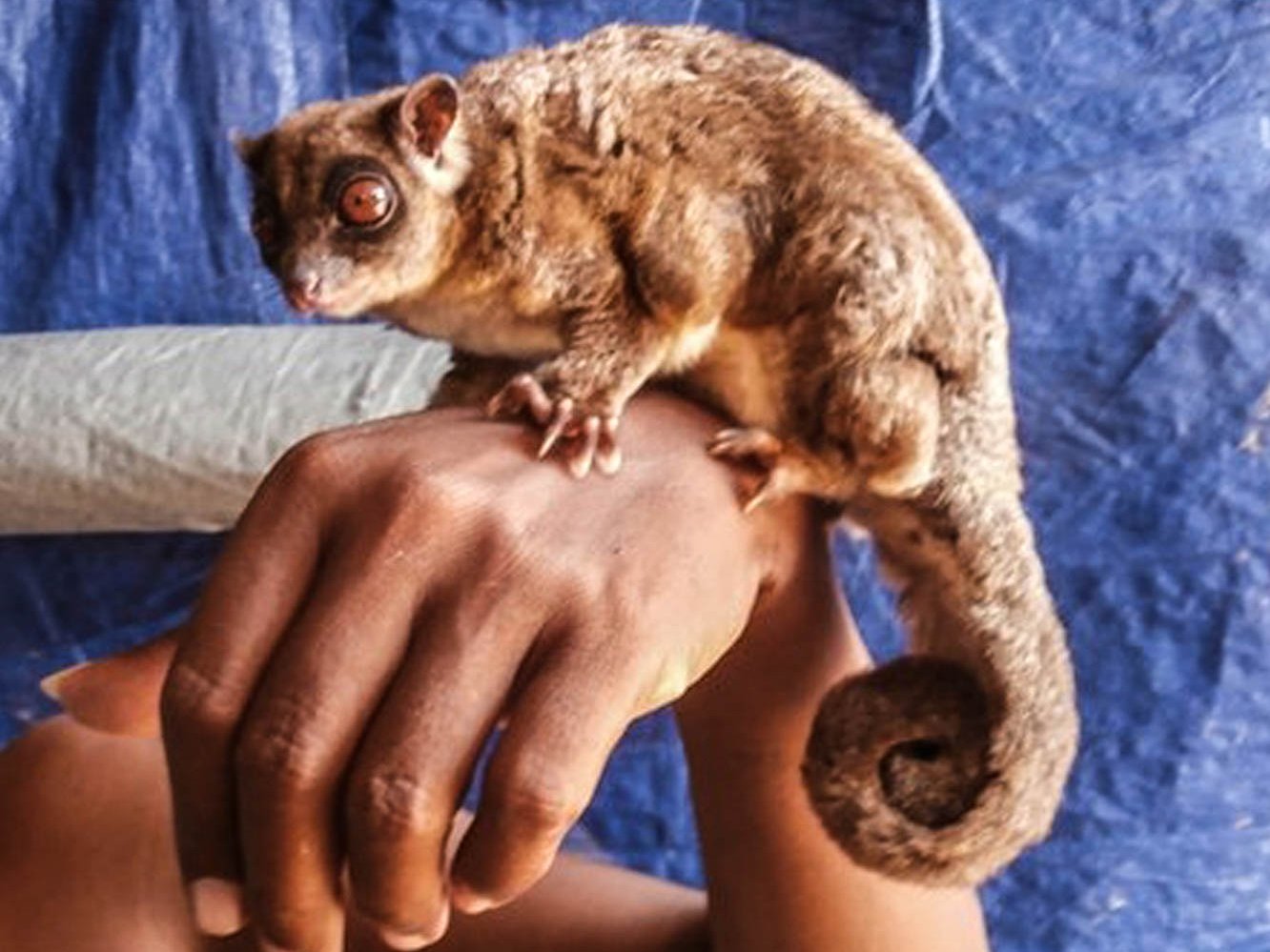
Some local Indigenous groups consider the ring-tailed glider to be sacred and deserving of the highest protection, which might help explain why the species has remained hidden, New Scientist reported.
Ring-tailed gliders form lifelong pair bonds and raise only one young per year. Like greater gliders, they nest in tree hollows, which makes them extremely vulnerable to logging.
RELATED STORIES—Mystery creature found in 'forbidden cloud forest' of Peru is new species of marsupial
—Extremely rare marsupial mole that 'expertly navigates' sand dunes spotted in Western Australia
—Virginia opossums: The American marsupials that have barely changed since the time of the dinosaurs
The pygmy long-fingered possum also faces threats from logging. Its ears may be adapted to detect low-frequency sounds, including noise from wood-boring beetle larvae, which the possums dig out from rotting wood with their fingers to eat, Flannery told New Scientist.
Much remains unknown about the specific range and ecological needs of each species. The exact locations where they were found is being kept secret to prevent wildlife traders from targeting them. What is known so far about the marsupials was published March 6 in two peer-reviewed studies in the journal Records of the Australian Museum.
"The findings underscore the critical importance of preserving these unique bioregions and the value of collaborative research in uncovering and protecting hidden biodiversity," Flannery said in the statement.
TOPICS biodiversity conservation newfound species Sascha PareSocial Links NavigationStaff writer
 Sascha is a U.K.-based staff writer at Live Science. She holds a bachelor’s degree in biology from the University of Southampton in England and a master’s degree in science communication from Imperial College London. Her work has appeared in The Guardian and the health website Zoe. Besides writing, she enjoys playing tennis, bread-making and browsing second-hand shops for hidden gems.
View MoreYou must confirm your public display name before commenting
Please logout and then login again, you will then be prompted to enter your display name.
Logout Read more
Last of its kind dodo relative spotted in a remote Samoan rainforest
Prehistoric water-dwelling weirdo with sideways teeth and a twisted jaw was already a 'living fossil' 275 million years ago
Flat-headed cat not seen in Thailand for almost 30 years is rediscovered
 Never-before-seen footage captures moment scientists find new, giant anaconda species in Amazon
 'They are life, but not as we now know it': 26-foot organism that lived 420 million years ago is completely unknown branch of animal kingdom
 Rare nocturnal parrots in New Zealand are breeding for the first time in 4 years — here's why
Latest in Land Mammals
Rare nocturnal parrots in New Zealand are breeding for the first time in 4 years — here's why
Latest in Land Mammals
 'Striking' footage captures the moment a red fox preys on a wolf pup — a behavior never seen on film before
 Kazakhstan plants tens of thousands of trees in giant effort to reintroduce tigers
 Kanzi the bonobo could play pretend — a trait thought unique to humans
 Grim photo captures polar bear mom and cubs resting in mud in summer heat
 'System in flux': Scientists reveal what happened when wolves and cougars returned to Yellowstone
 'Part of the evolutionary fabric of our societies': Same-sex sexual behavior in primates may be a survival strategy, study finds
Latest in News
Scientists find 2 marsupial species, thought to have gone extinct 6,000 years ago, living in the forests of New Guinea
'Part of the evolutionary fabric of our societies': Same-sex sexual behavior in primates may be a survival strategy, study finds
Latest in News
Scientists find 2 marsupial species, thought to have gone extinct 6,000 years ago, living in the forests of New Guinea
 'City killer' asteroid will narrowly miss the moon, James Webb Telescope reveals
 Groundbreaking new drug shows promise for treating children with a devastating form of epilepsy
 Scientists taught robots to swim through mazes using Einstein's relativity
 The sword in the sea: How one lucky graduate student found his second Crusader sword while taking a swim off Israel's coast
 Climate disasters caused societal upheaval 3,000 years ago in China, study of 'oracle bones' hints
LATEST ARTICLES
Climate disasters caused societal upheaval 3,000 years ago in China, study of 'oracle bones' hints
LATEST ARTICLES 1Could gut microbes hold the secret to aging well? A researcher unpacks the emerging science
- 2China puts a sodium-ion battery into an EV for the first time — it can drive 248 miles on a single charge
- 3What to buy as a yoga beginner: Must-haves vs non-essentials
- 4'City killer' asteroid will narrowly miss the moon, James Webb Telescope reveals
- 5Groundbreaking new drug shows promise for treating children with a devastating form of epilepsy