- Animals
 Why aren't mammals as colorful as reptiles, birds or fish?
Features
By
Katherine Irving
published
8 March 2026
Why aren't mammals as colorful as reptiles, birds or fish?
Features
By
Katherine Irving
published
8 March 2026
Many mammals have fur the color of brown and black. Why don't they have more exotic colors, like purple and neon pink?
When you purchase through links on our site, we may earn an affiliate commission. Here’s how it works.
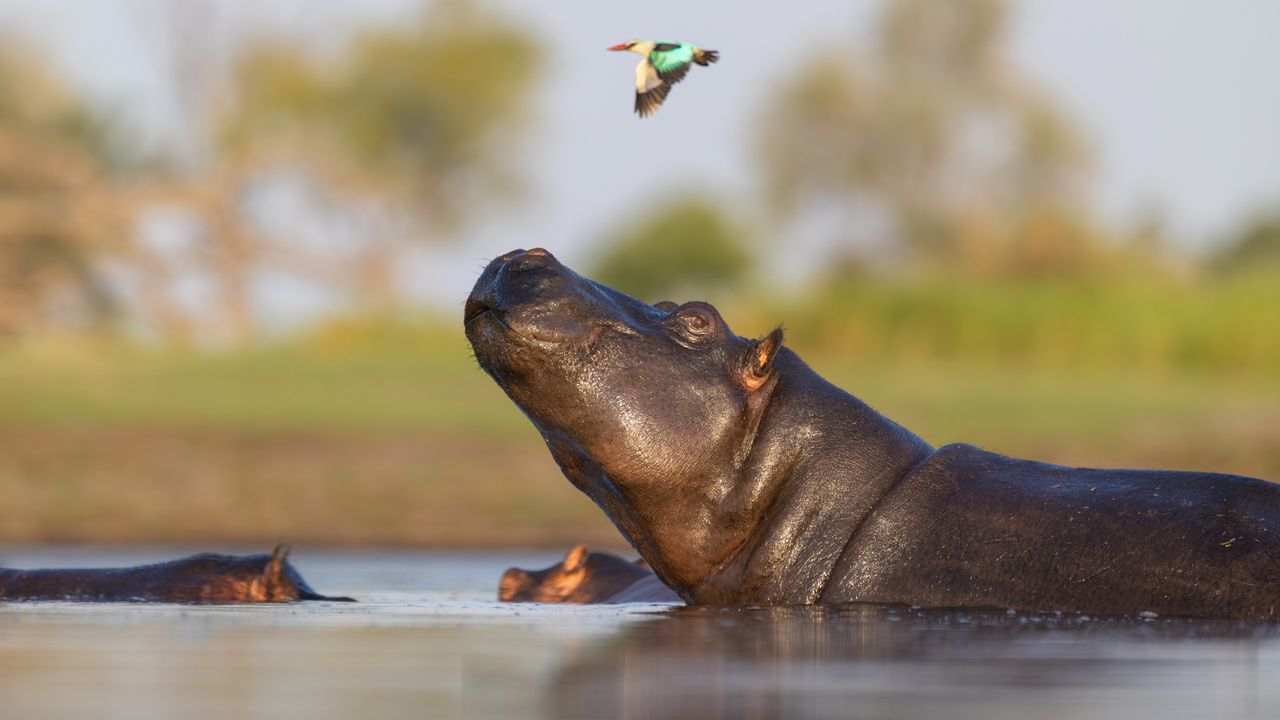
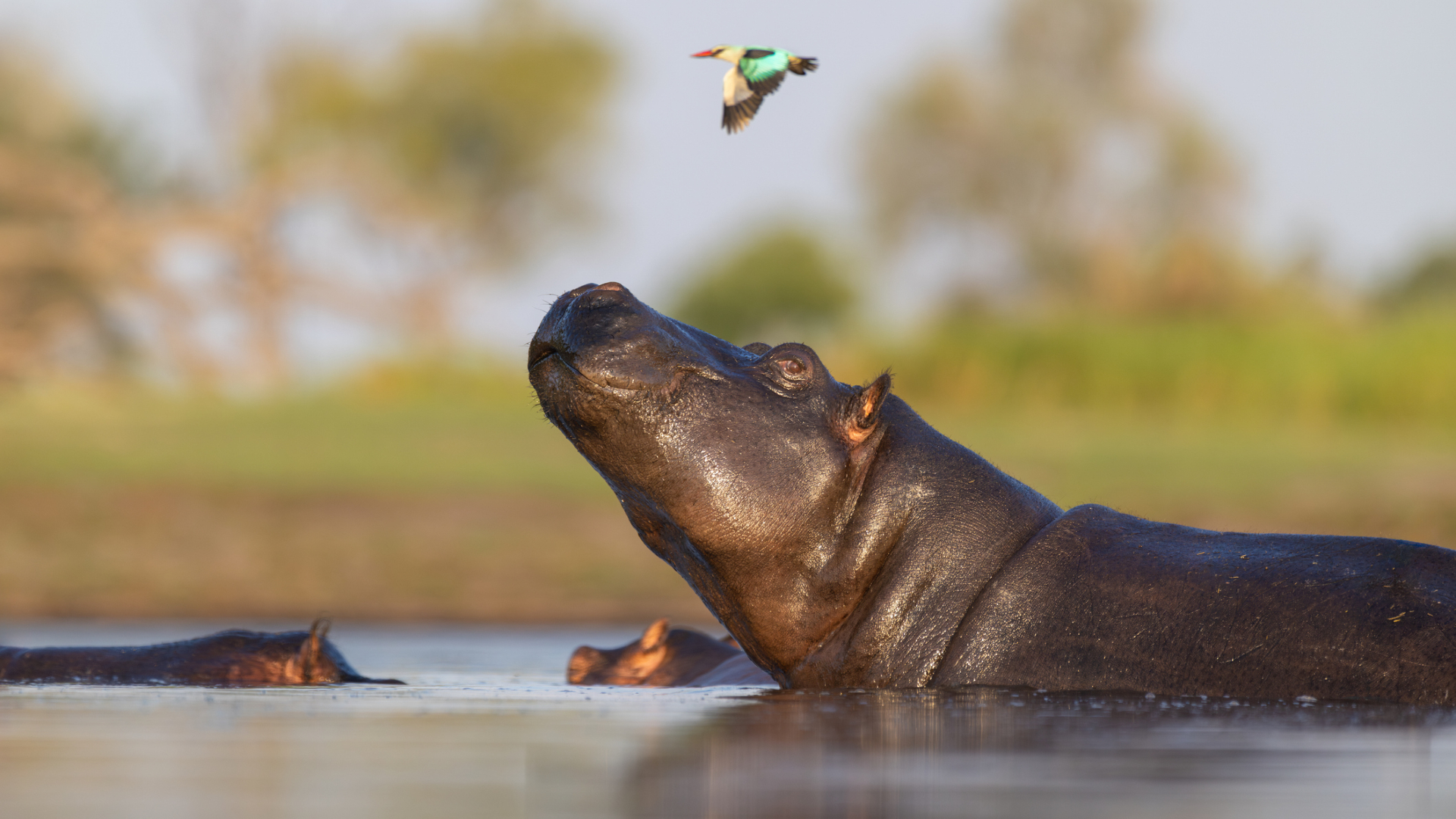 Mammals lack the pigments and structures that produce vibrant colors in birds and other animals.
(Image credit: Krzysztof Baranowski via Getty Images)
Mammals lack the pigments and structures that produce vibrant colors in birds and other animals.
(Image credit: Krzysztof Baranowski via Getty Images)
- Copy link
- X
Get the world’s most fascinating discoveries delivered straight to your inbox.
Become a Member in Seconds
Unlock instant access to exclusive member features.
Contact me with news and offers from other Future brands Receive email from us on behalf of our trusted partners or sponsors By submitting your information you agree to the Terms & Conditions and Privacy Policy and are aged 16 or over.You are now subscribed
Your newsletter sign-up was successful
Want to add more newsletters?

Delivered Daily
Daily Newsletter
Sign up for the latest discoveries, groundbreaking research and fascinating breakthroughs that impact you and the wider world direct to your inbox.
Signup +
Once a week
Life's Little Mysteries
Feed your curiosity with an exclusive mystery every week, solved with science and delivered direct to your inbox before it's seen anywhere else.
Signup +
Once a week
How It Works
Sign up to our free science & technology newsletter for your weekly fix of fascinating articles, quick quizzes, amazing images, and more
Signup +
Delivered daily
Space.com Newsletter
Breaking space news, the latest updates on rocket launches, skywatching events and more!
Signup +
Once a month
Watch This Space
Sign up to our monthly entertainment newsletter to keep up with all our coverage of the latest sci-fi and space movies, tv shows, games and books.
Signup +
Once a week
Night Sky This Week
Discover this week's must-see night sky events, moon phases, and stunning astrophotos. Sign up for our skywatching newsletter and explore the universe with us!
Signup +Join the club
Get full access to premium articles, exclusive features and a growing list of member rewards.
Explore An account already exists for this email address, please log in. Subscribe to our newsletterLizards, birds and fish often sport vivid colors, from neon pink to deep violet, but most mammals are fairly drab. So why don't mammals match the vibrant hues of other animals?
A number of factors culminate in the browns, blacks and whites that make up most mammalian coats. The first has to do with color expression. Matthew Shawkey, an evolutionary biologist at Ghent University in Belgium, explained that animals generally express color in two main ways: through pigments and through structures. Pigments exist within the skin and coat of the animal itself and reflect and absorb light to create certain colors. Structural coloration, on the other hand, involves nanoscale shapes and patterns on top of skin, feathers or scales that can distort light to produce bright, iridescent colors.
Animals can use one method, or sometimes both, to express color. According to Shawkey, however, mammals don't really use either. Of the many color-producing pigments — such as carotenoids, porphyrins and pterins — mammals have just one type: melanin. The presence of that one pigment generates all of the colors seen in mammals, Shawkey said, and its absence creates the white regions seen in animals like zebras and pandas.
You may like-
 'We're starting to find a lot more weirdness': These strange animals can control their body heat
-
 Can a turtle tuck its head all the way inside its shell?
-
 Primates Quiz: Go ape and test your knowledge on our closest relatives

Sign up for our weekly Life's Little Mysteries newsletter to get the latest mysteries before they appear online.
Moreover, the composition of the hairs that make up mammal fur limits the structural colors mammals can display. Hair is not a complex structure like feathers, scales and skin are, so it's not surprising that it cannot produce the nanoscale patterns necessary for structural color, Shawkey noted.
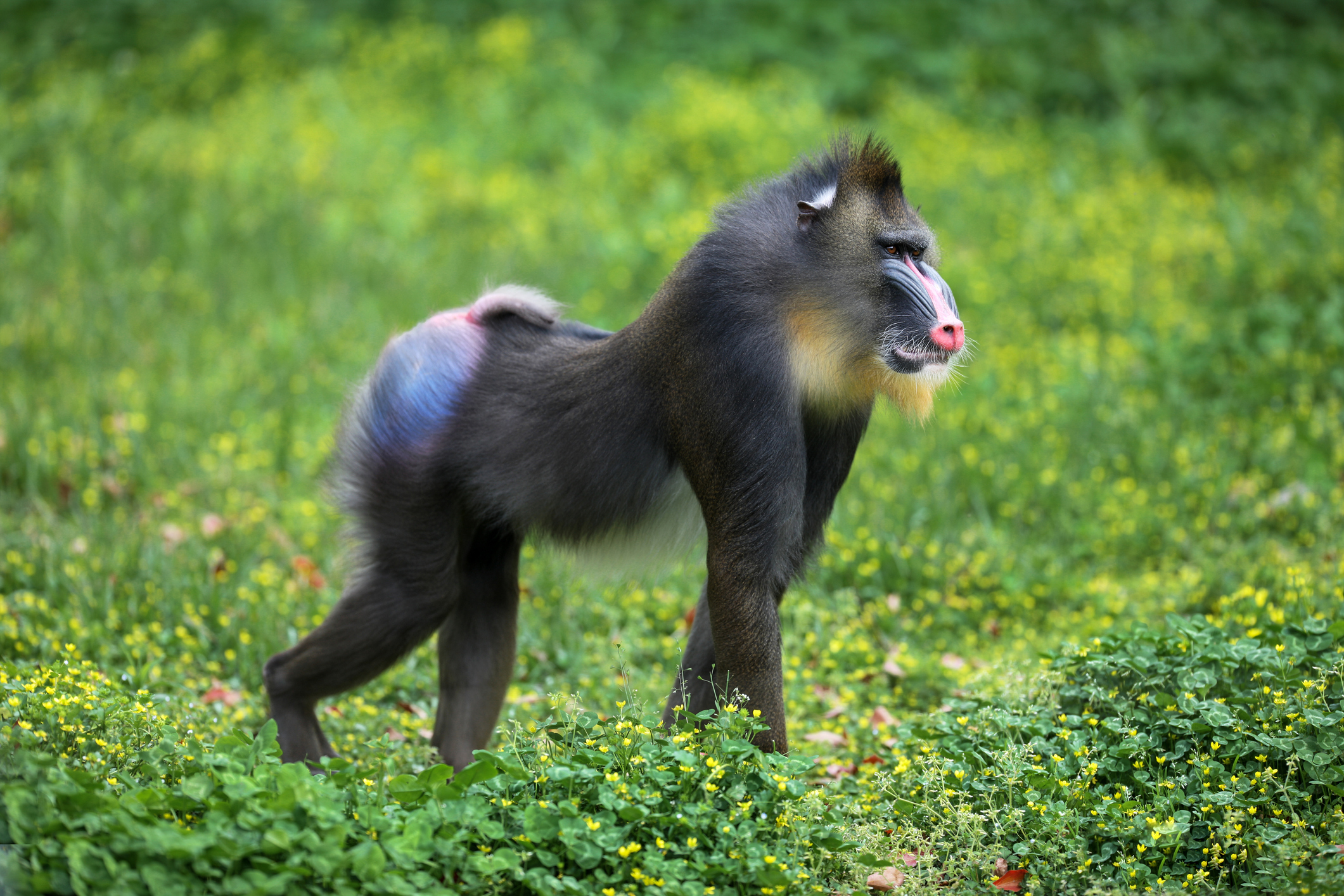
For example, mandrills (Mandrillus sphinx), which break the drab-mammal rule with their bright red and blue, have those colors only on spots without fur. Sloths, which sometimes have green patches, get this coloration from algae that grows on their fur, not from pigments or structures on the hairs themselves.
Evolution of color
So why don't most mammals have the tools to create vibrant hues? One hypothesis is that when mammals first evolved, dinosaurs were the apex predators and mammals were prey. To avoid being eaten, mammals spent more than 100 million years as primarily nocturnal animals (and most remain so today).
Those millions of years had a big impact on mammals' appearance. In a 2025 study co-authored by Shawkey and published in the journal Science, a research team compared pigment-storing structures called melanosomes in modern mammals to preserved melanosomes found in six Jurassic and Cretaceous-age mammal fossils. They found that all of the mammal fossils were some shade of brown or gray.
Because these prehistoric animals were living primarily in the dark, darker colors would have helped mammals avoid predators. "Any bright color would have been selected against," Shawkey told Live Science.
In the 66 million years since the nonavian dinosaurs went extinct, mammal diversity has exploded to over 6,000 species. Now, there are mammal species, both nocturnal and diurnal, that have no natural predators. However, mammals have remained mostly brown, gray and black.
This could be due to most mammals' continued lack of color vision, said Ted Stankowich, a behavioral evolutionary ecologist at California State University, Long Beach. Researchers speculate that mammals sacrificed some color vision in order to gain better night vision during the age of the dinosaurs. Most mammals still have dichromatic vision, meaning they only have two of the three types of cones that help the eye perceive color. Dichromats can't see colors such as red, orange, turquoise and purple, and generally can't see colors with as much saturation as trichromats, which have all three types of cones.
What to read next-
 Why can't you wiggle your toes one at a time?
-
 Scientists find genetic 'switch' in mice that turns caring dads into violent brutes
-
 60 mind-blowing science facts about our incredible world
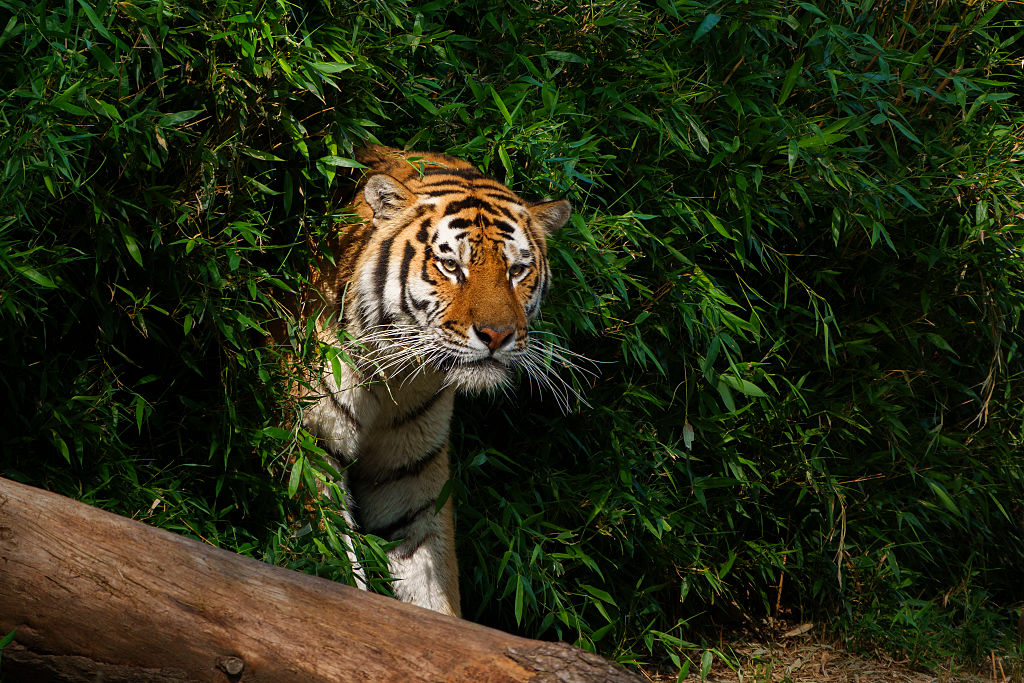
The purposes animals primarily use color for — attracting mates and other communications within their species, blending in with camouflage, and signaling to predators that they are poisonous or otherwise dangerous — don't work when their partner or predator can't see the colors they're using. Some mammals have actually used this lack of color vision to their advantage. For example, although tigers look orange to our trichromatic eyes, they look green to their mammalian prey, making them perfectly camouflaged amongst the grass when on the hunt.
Instead of using vibrant colors, Stankowich said, many mammals use patterns and contrasting colors, such as black and white or brown and yellow, to signal to each other. Skunks and polecats, for example, use black and white spots and stripes to let predators know they have a stinky trick up their sleeve. The African wild dog, known for its unique patterning, has a distinctly white tail that researchers think is used for signaling while on the hunt. The Indian giant squirrel, known for its high-contrast black, reddish brown and orange-yellow patterning, may use this as camouflage against various kinds of predators.
Because mammals have adopted new ways of color signaling, there might not be much of a reason for them to regain color vision. (The few mammals with trichromatic vision — primates, including humans and some monkeys — evolved color vision for very specific reasons.) Stankowich noted that the few mammals that display bright blues and reds, such as baboons, golden snub-nosed monkeys and mandrills, are also among the mammals with the best color vision.
Fluorescence and iridescence
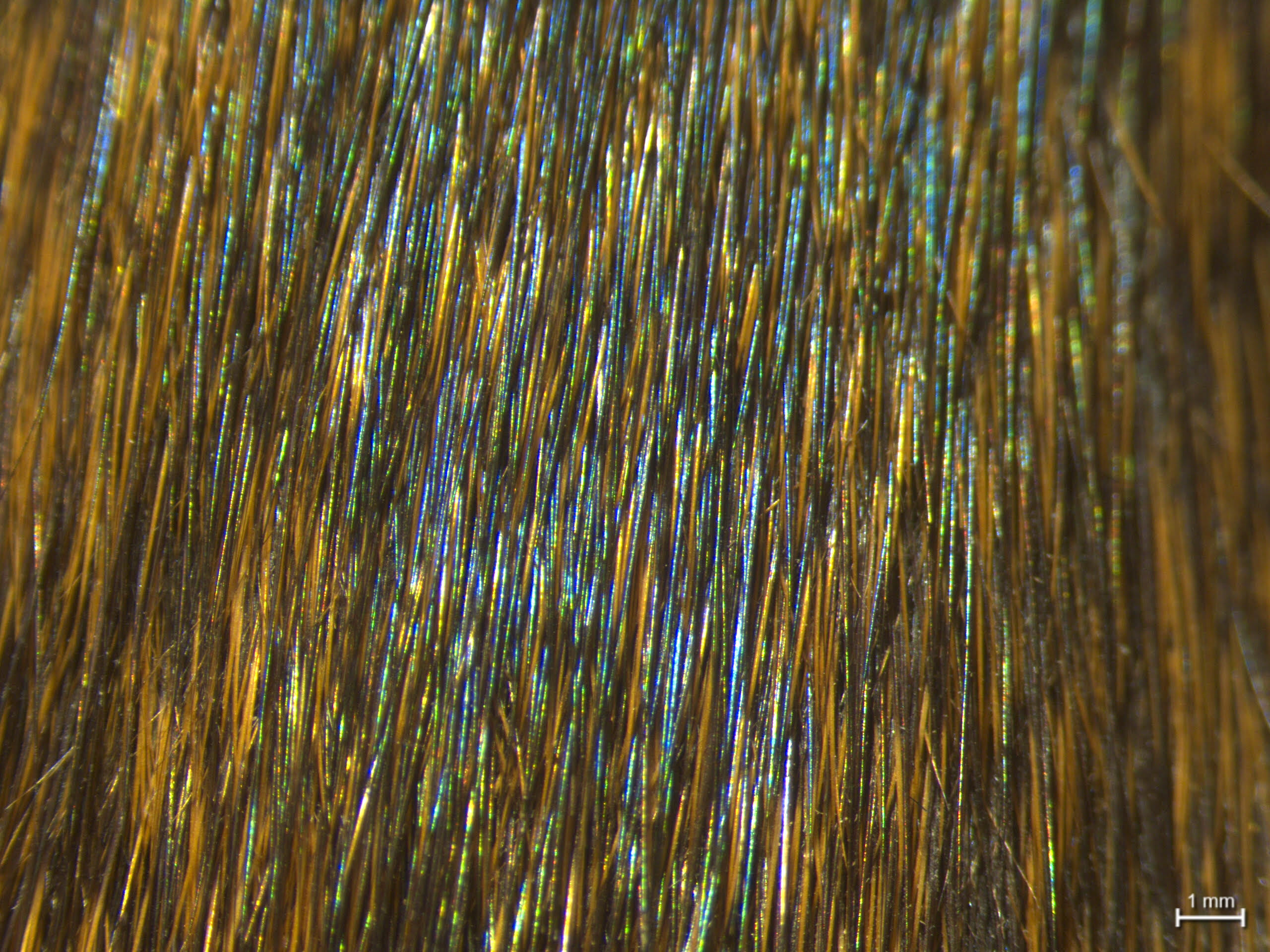
Recent studies have highlighted some other exceptions. For example, many mammals fluoresce under ultraviolet light, which the human eye cannot detect but some other mammals can. Moreover, Jessica Dobson, an evolutionary biologist at Ghent University, and colleagues have discovered iridescence in a handful of mammal species not previously known to have this shimmery feature.
—Why are animals so colorful?
—How do octopuses change color?
—What color were the dinosaurs?
"It was a light-bulb moment," Dobson said of this iridescence discovery, which happened when she opened a museum drawer and sunlight hit the preserved pelts of several tropical rat species at just the right angle. Dobson isn't sure whether these iridescent colors serve any evolutionary purpose, but she said it is nonetheless exciting to know that there are still mammalian color mysteries to unlock.
"When you start looking, mammals are more colorful than we give them credit for," Dobson said.
Animal quiz: Test yourself on these fun animal trivia questions
TOPICS Life's Little Mysteries predators Katherine Irving
Katherine Irving is a freelance science journalist specializing in wildlife and the geosciences. After graduating from Macalester College, where she wrote screenplays, excavated dinosaur bones and vaccinated wolves, Katherine dove straight into internships with Science Magazine and The Scientist. She now contributes to the Science Magazine podcast and loves reporting about the beautiful intricacies of our planet.
View MoreYou must confirm your public display name before commenting
Please logout and then login again, you will then be prompted to enter your display name.
Logout Read more
'We're starting to find a lot more weirdness': These strange animals can control their body heat
Can a turtle tuck its head all the way inside its shell?
Why can't you wiggle your toes one at a time?
Primates Quiz: Go ape and test your knowledge on our closest relatives
Scientists find genetic 'switch' in mice that turns caring dads into violent brutes
60 mind-blowing science facts about our incredible world
Latest in Animals
 Cannibal orcas identified near Russia, two 'extinct' marsupials found, humans do cranial modification, China's oracle bones reveal climate disaster, and a barefoot volcanologist
 Scientists find 2 marsupial species, thought to have gone extinct 6,000 years ago, living in the forests of New Guinea
 'Striking' footage captures the moment a red fox preys on a wolf pup — a behavior never seen on film before
 Chewed-up orca fins on Russian beach point to cannibalism, and scientists say it may explain why some pods are so tight-knit
 Birds are declining faster and faster in 3 US hotspots, new study finds
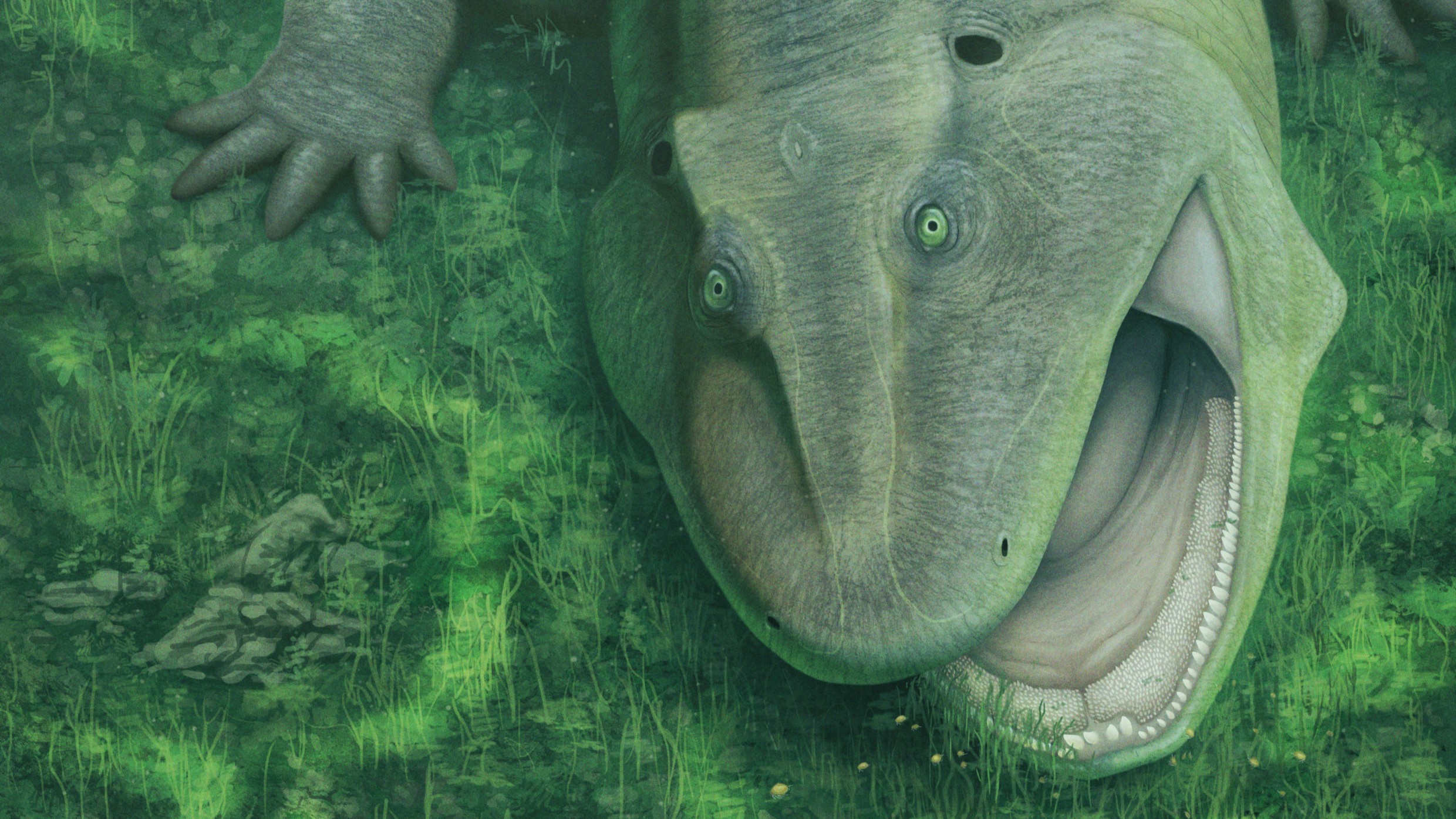 Prehistoric water-dwelling weirdo with sideways teeth and a twisted jaw was already a 'living fossil' 275 million years ago
Latest in Features
Prehistoric water-dwelling weirdo with sideways teeth and a twisted jaw was already a 'living fossil' 275 million years ago
Latest in Features
 Why is mercury a liquid?
 Ancient 'alien-like' skulls have been found on every continent but Antarctica. Anthropologists are starting to figure out why.
Why aren't mammals as colorful as reptiles, birds or fish?
Ancient 'alien-like' skulls have been found on every continent but Antarctica. Anthropologists are starting to figure out why.
Why aren't mammals as colorful as reptiles, birds or fish?
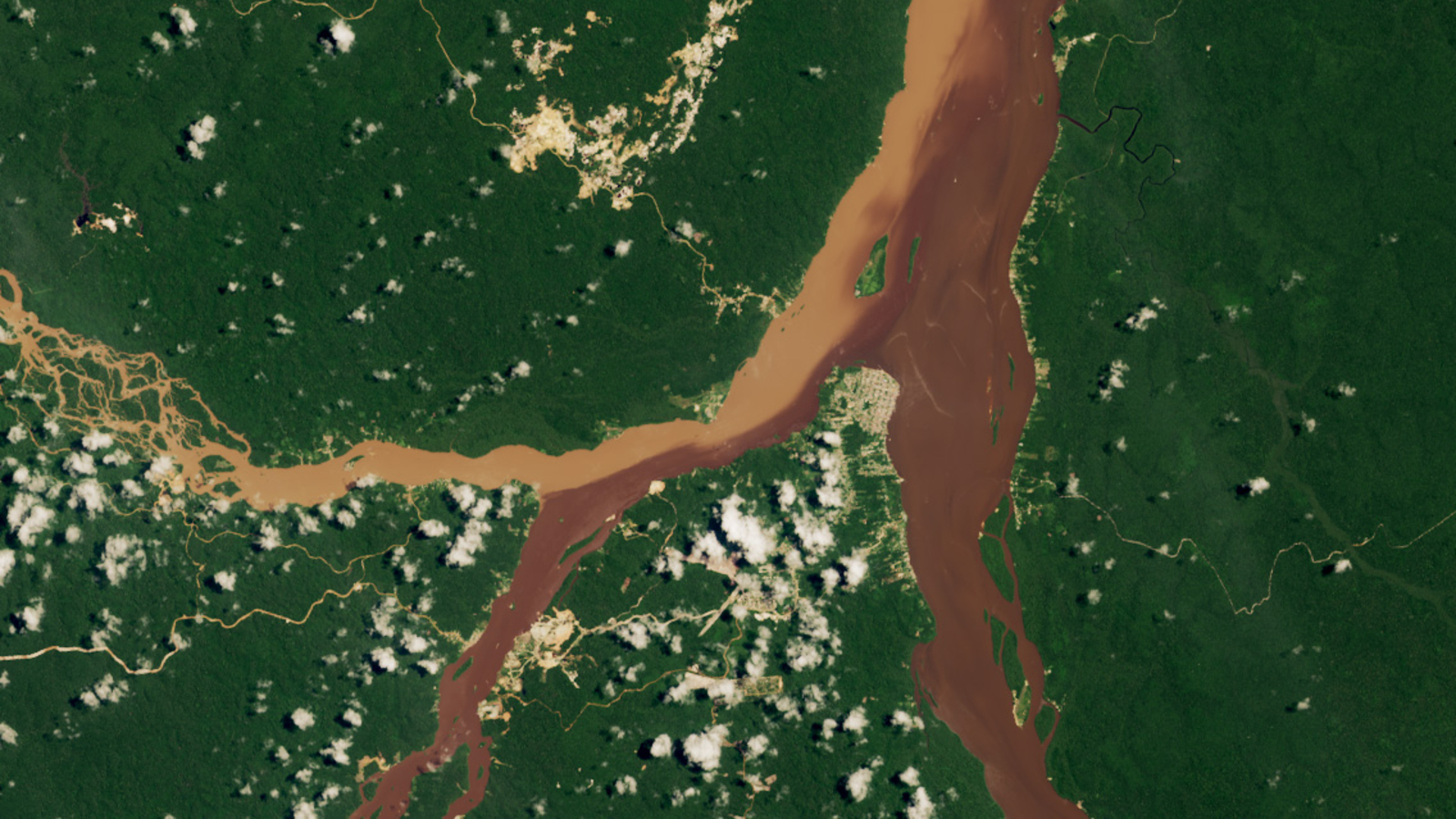 3 rivers merge into striking half-and-half waterway in Guyana
 NASA telescope spots first alien 'astrosphere' around a sun-like star: Space photo of the week
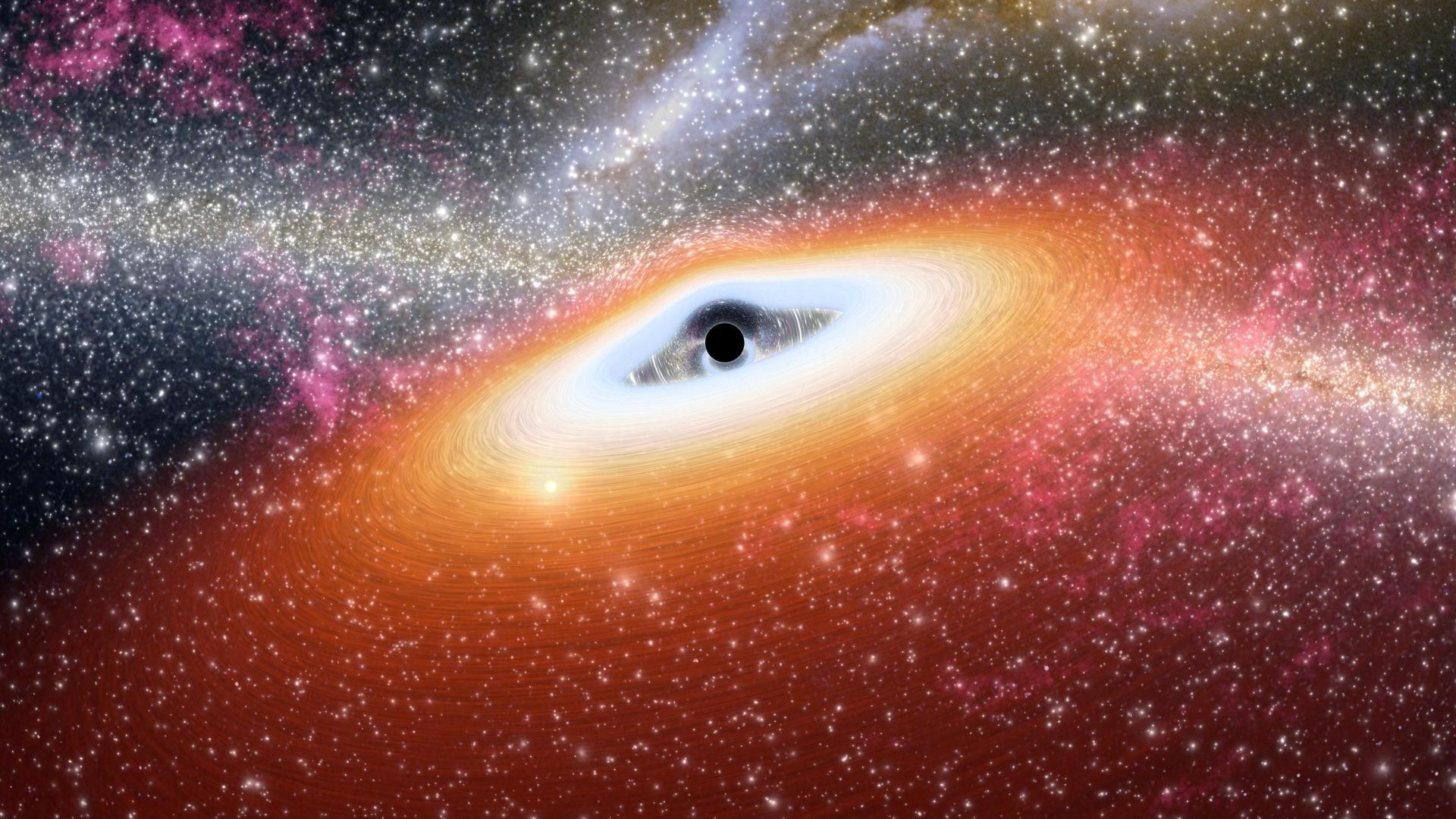 Science history: Stephen Hawking writes a tiny paper — and turns our understanding of black holes inside out — March 1, 1974
LATEST ARTICLES
Science history: Stephen Hawking writes a tiny paper — and turns our understanding of black holes inside out — March 1, 1974
LATEST ARTICLES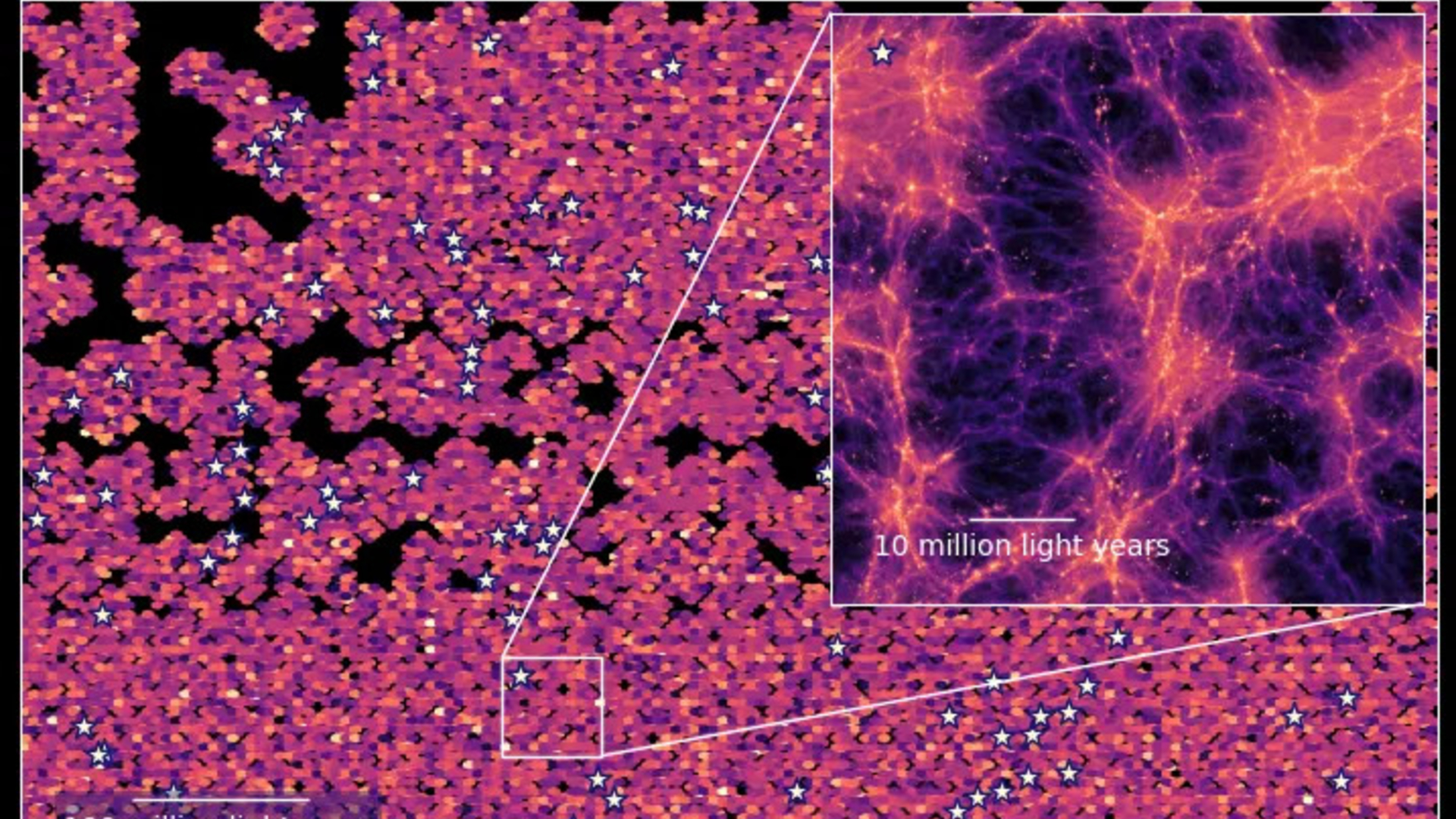 1Enormous 3D map of the universe shows brilliant 'sea of light' near the cosmic dawn
- 2'It could revolutionize, completely, the way we treat depression': Researchers are exploring promising immune therapy for treating psychiatric symptoms
- 3'The warming trend nearly doubled after 2014': The rate of global warming has accelerated more in the past decade than ever before
- 4Anthropic collides with the Pentagon over AI safety — here's everything you need to know
- 5Cannibal orcas identified near Russia, two 'extinct' marsupials found, humans do cranial modification, China's oracle bones reveal climate disaster, and a barefoot volcanologist