- Animals
- Insects
A rare Japanese ant is the only species known to lack female workers and males; all of its young develop into parasitic queens that try to take over other colonies.
When you purchase through links on our site, we may earn an affiliate commission. Here’s how it works.
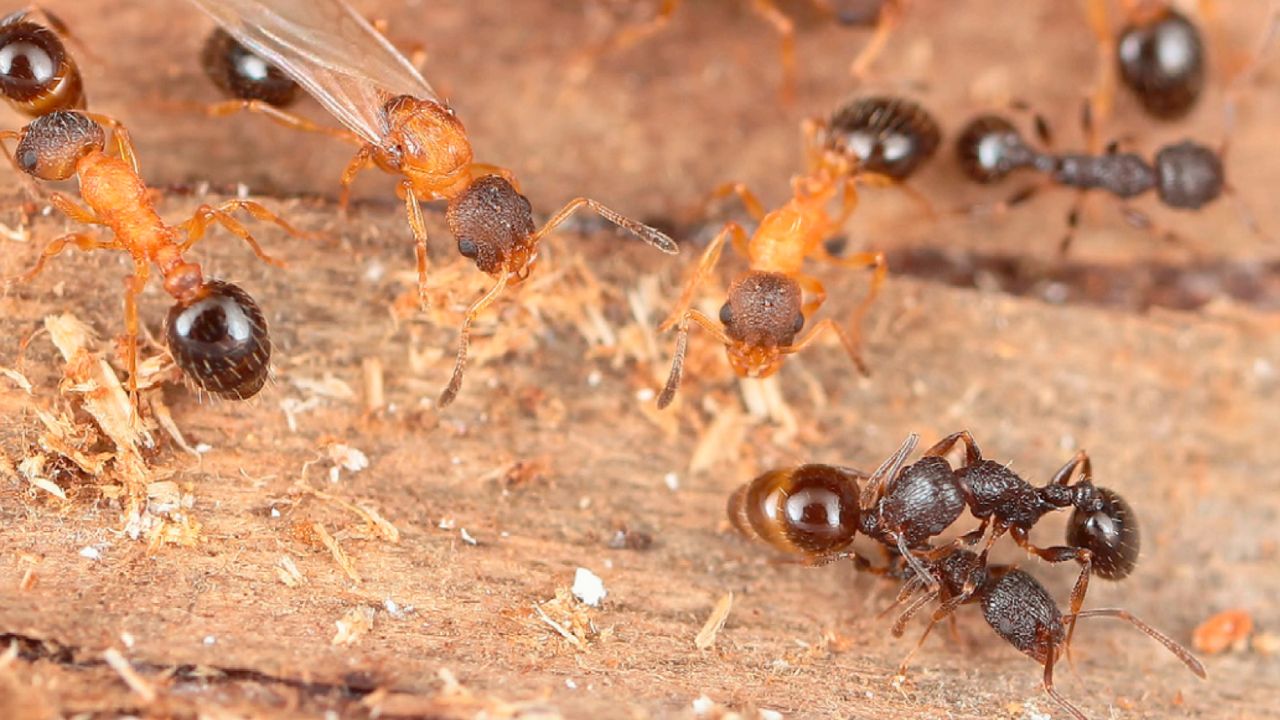
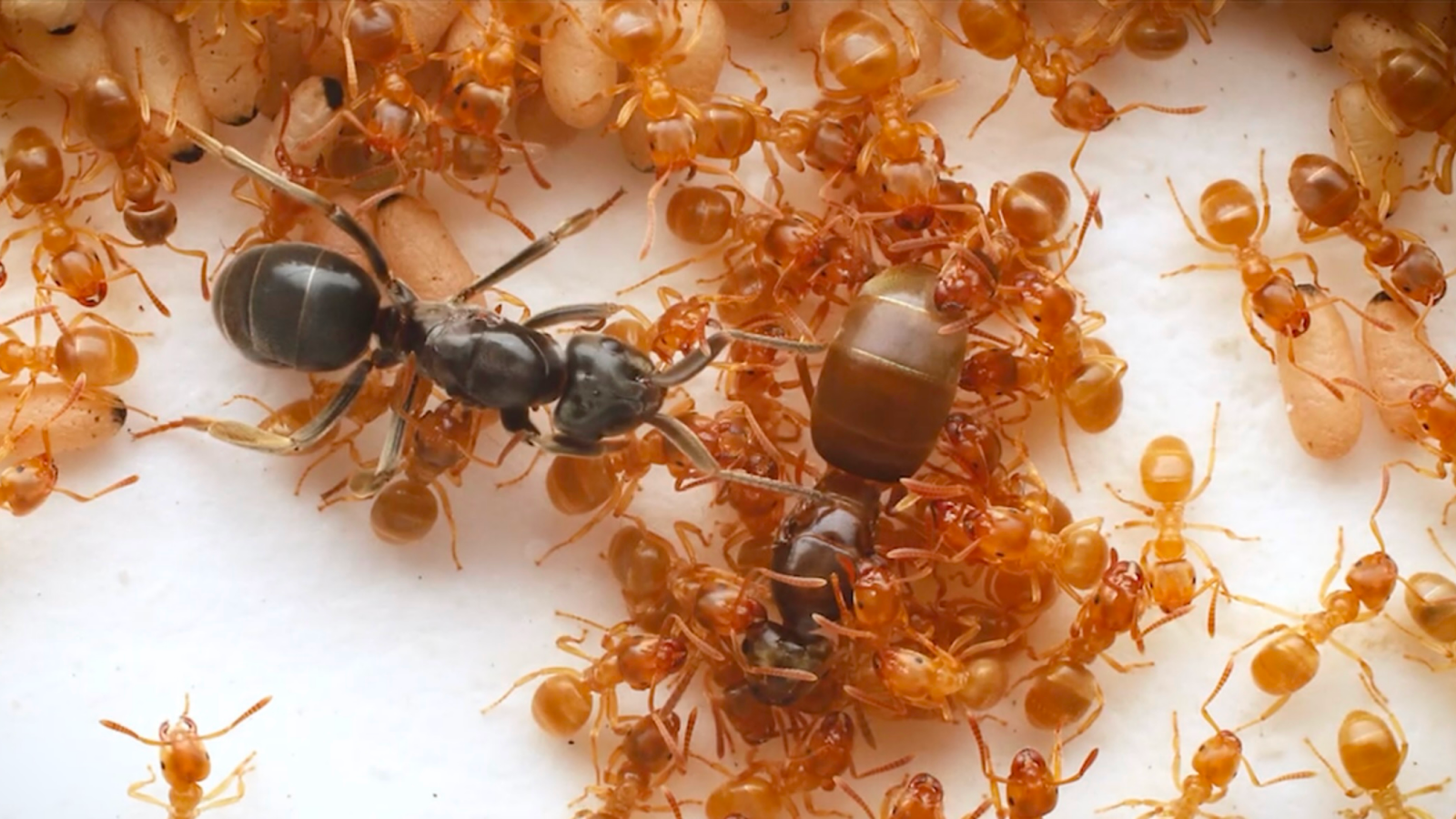
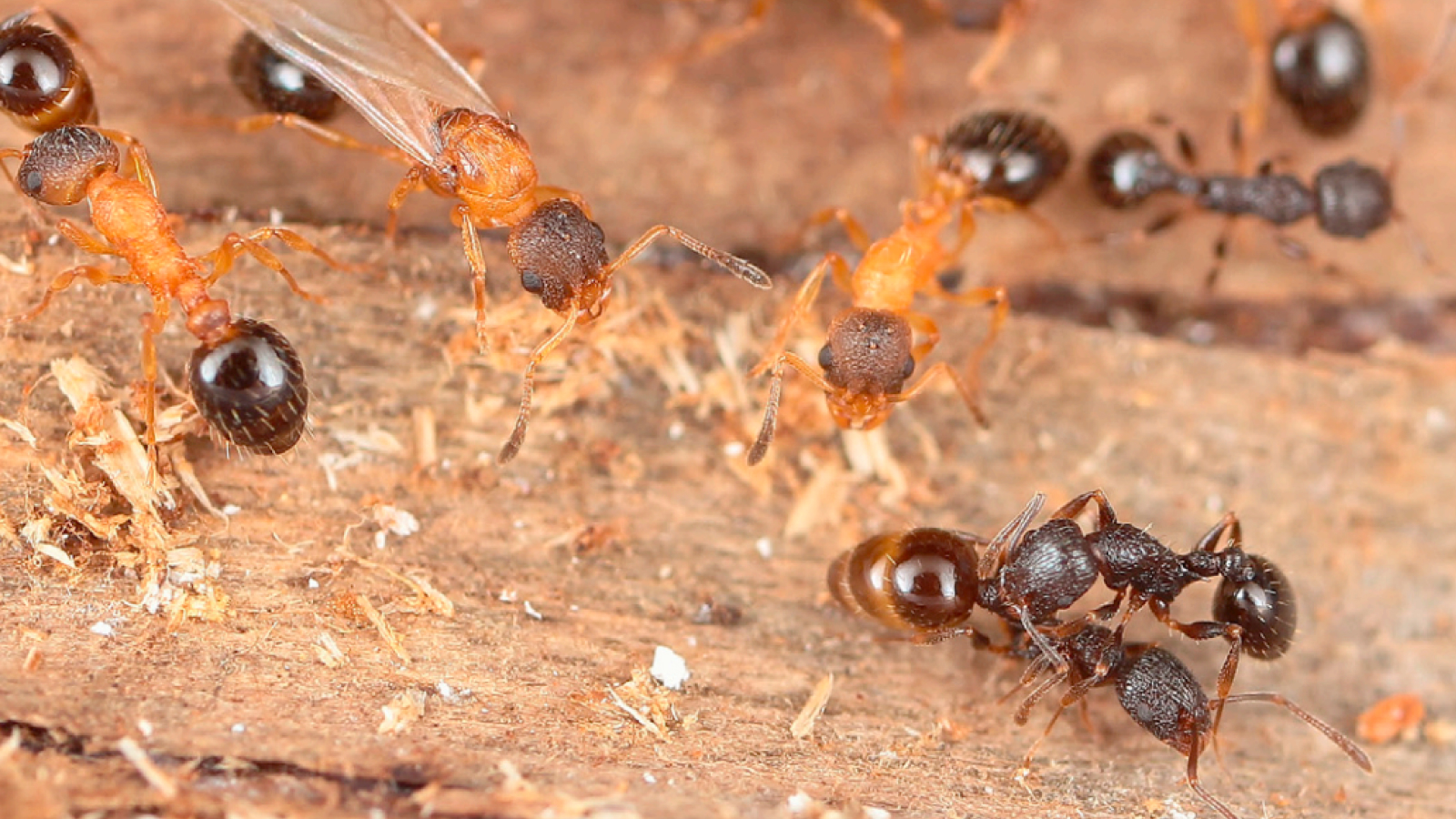 Nest of T. kinomurai containing young, winged gynomorphic and wingless intermorphic queens of T. kinomurai (light brown) and dark brown T. makora host workers.
(Image credit: Hamaguchi et al., Current Biology, 2026. CC BY 4.0)
Nest of T. kinomurai containing young, winged gynomorphic and wingless intermorphic queens of T. kinomurai (light brown) and dark brown T. makora host workers.
(Image credit: Hamaguchi et al., Current Biology, 2026. CC BY 4.0)
- Copy link
- X
Get the world’s most fascinating discoveries delivered straight to your inbox.
Become a Member in Seconds
Unlock instant access to exclusive member features.
Contact me with news and offers from other Future brands Receive email from us on behalf of our trusted partners or sponsors By submitting your information you agree to the Terms & Conditions and Privacy Policy and are aged 16 or over.You are now subscribed
Your newsletter sign-up was successful
Want to add more newsletters?

Delivered Daily
Daily Newsletter
Sign up for the latest discoveries, groundbreaking research and fascinating breakthroughs that impact you and the wider world direct to your inbox.
Signup +
Once a week
Life's Little Mysteries
Feed your curiosity with an exclusive mystery every week, solved with science and delivered direct to your inbox before it's seen anywhere else.
Signup +
Once a week
How It Works
Sign up to our free science & technology newsletter for your weekly fix of fascinating articles, quick quizzes, amazing images, and more
Signup +
Delivered daily
Space.com Newsletter
Breaking space news, the latest updates on rocket launches, skywatching events and more!
Signup +
Once a month
Watch This Space
Sign up to our monthly entertainment newsletter to keep up with all our coverage of the latest sci-fi and space movies, tv shows, games and books.
Signup +
Once a week
Night Sky This Week
Discover this week's must-see night sky events, moon phases, and stunning astrophotos. Sign up for our skywatching newsletter and explore the universe with us!
Signup +Join the club
Get full access to premium articles, exclusive features and a growing list of member rewards.
Explore An account already exists for this email address, please log in. Subscribe to our newsletterA rare ant species in Japan has no males or workers — only queens, scientists have found. These ant queens live parasitically in the nests of another ant species and reproduce asexually to create clone queens to take over other nests.
The parasitic ant, Temnothorax kinomurai, is the "first known species with only queens," said Jürgen Heinze, a biologist at the University of Regensburg in Germany, and co-author of a new study describing the findings.
You may like-
 'Part of the evolutionary fabric of our societies': Same-sex sexual behavior in primates may be a survival strategy, study finds
-
 'Very novel and very puzzling': Unknown species of squid spotted burying itself upside down, pretending to be a plant
-
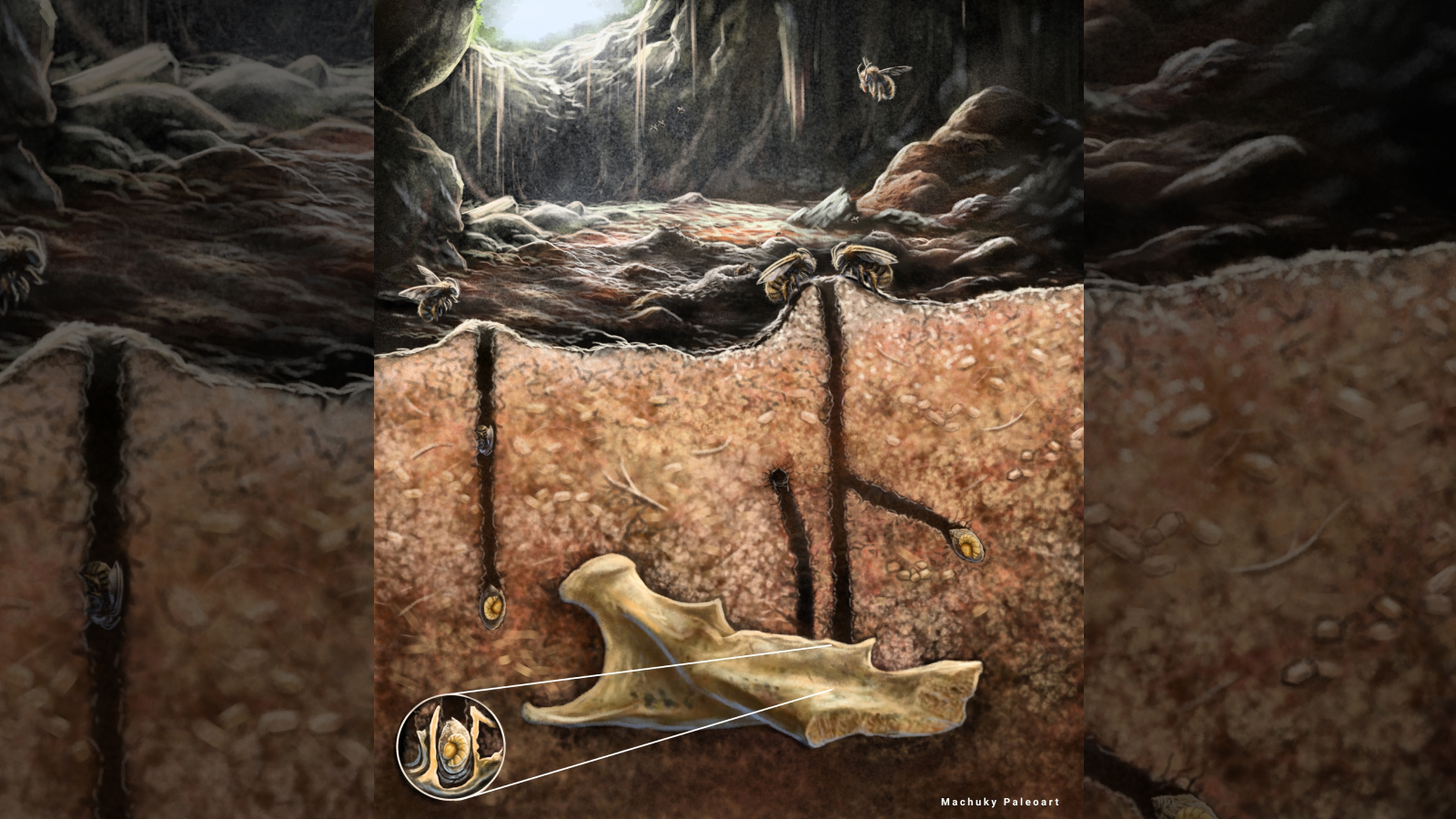 Ancient burrowing bees made their nests in the tooth cavities and vertebrae of dead rodents, scientists discover
But there are also parasitic queens that infiltrate the colonies of other species and take them over, often getting the workers to serve them and rear their offspring until their own brood has taken over.
Keiko Hamaguchi, a biologist at the Kansai Research Center in Kyoto, Japan, and her colleagues have been investigating T. kinomurai, which has been found in only nine locations in Japan. The ant was suspected to operate differently and produce just queens without any workers or males, but it wasn't known for sure.
Young T. kinomurai queens invade the nests of a related species, Temnothorax makora, stinging the host queen and the most aggressive workers that try to stop the coup. If the takeover works, the surviving workers raise the alien queen's young.
"T. kinomurai needs the host workers for foraging and brood care and cannot produce offspring without them," Heinze told Live Science via email.
Sign up for the Live Science daily newsletter nowContact me with news and offers from other Future brandsReceive email from us on behalf of our trusted partners or sponsorsBy submitting your information you agree to the Terms & Conditions and Privacy Policy and are aged 16 or over.To work out what happens, Hamaguchi's team collected six colonies run by T. kinomurai queens and kept them in nest boxes in the lab. From these colonies, they reared 43 offspring, none of which were males, according to examination of the genitals, or workers, which would be smaller. All were queens.
When presented with new potential host T. makora colonies, seven of the 43 offspring, which had never mated, succeeded in coup attempts. This is in line with the typical high failure rate of the risky business of founding a parasitic colony. The seven queens produced a total of 57 offspring, which were also all queens. The findings were published Feb. 23 in the journal Current Biology.
Queens of some ant species can clone themselves through asexual reproduction, known as parthenogenesis. Other ants exploit social parasitism, hijacking the workforce of unrelated colonies to rear their own offspring.
You may like-
'Part of the evolutionary fabric of our societies': Same-sex sexual behavior in primates may be a survival strategy, study finds
-
'Very novel and very puzzling': Unknown species of squid spotted burying itself upside down, pretending to be a plant
-
Ancient burrowing bees made their nests in the tooth cavities and vertebrae of dead rodents, scientists discover
"Yet, until now, no species had been shown to merge both strategies, despite the intuitive evolutionary logic behind such a combination," Jonathan Romiguier, an evolutionary biologist at the University of Montpellier in France who wasn't involved in the work, told Live Science via email.
"Given that there are over 15,000 ant species out there, this is quite unusual," added Daniel Kronauer, a biologist at The Rockefeller University in New York who wasn't involved in the study.
RELATED STORIES—'Almost like science fiction': European ant is the first known animal to clone members of another species
—Ants perform life saving operations — the only animal other than humans known to do so
—'Hell ant' with scythe-like jaws may be oldest ant fossil ever discovered
The benefits of sexual and asexual reproduction are normally finely balanced, he said. Asexual reproduction can allow an organism to maximize its own genetic contributions to the next generation by producing genetically identical daughters, and asexual species can often outcompete their sexual counterparts because they don't have to invest energy and resources into finding mates and producing males.
But sexual reproduction produces genetically diverse workers, which can be beneficial for an ant colony when it comes to pathogen defense and division of labor.
However, given that T. kinomurai queens don't produce workers anymore, those benefits have disappeared, Kronauer told Live Science. "This could shift the balance in favor of asexual reproduction and, ultimately, the loss of males," he said.
Article SourcesHamaguchi, K., Kinomura, K., Kitazawa, R., Kanzaki, N., & Heinze, J. (2026). A parasitic, parthenogenetic ant with only queens and without workers or males. Current Biology, 36(4), R123–R124. https://doi.org/10.1016/j.cub.2025.11.080
 Chris SimmsLive Science Contributor
Chris Simms is a freelance journalist who previously worked at New Scientist for more than 10 years, in roles including chief subeditor and assistant news editor. He was also a senior subeditor at Nature and has a degree in zoology from Queen Mary University of London. In recent years, he has written numerous articles for New Scientist and in 2018 was shortlisted for Best Newcomer at the Association of British Science Writers awards.
View MoreYou must confirm your public display name before commenting
Please logout and then login again, you will then be prompted to enter your display name.
Logout Read more
'Part of the evolutionary fabric of our societies': Same-sex sexual behavior in primates may be a survival strategy, study finds
'Very novel and very puzzling': Unknown species of squid spotted burying itself upside down, pretending to be a plant
Ancient burrowing bees made their nests in the tooth cavities and vertebrae of dead rodents, scientists discover
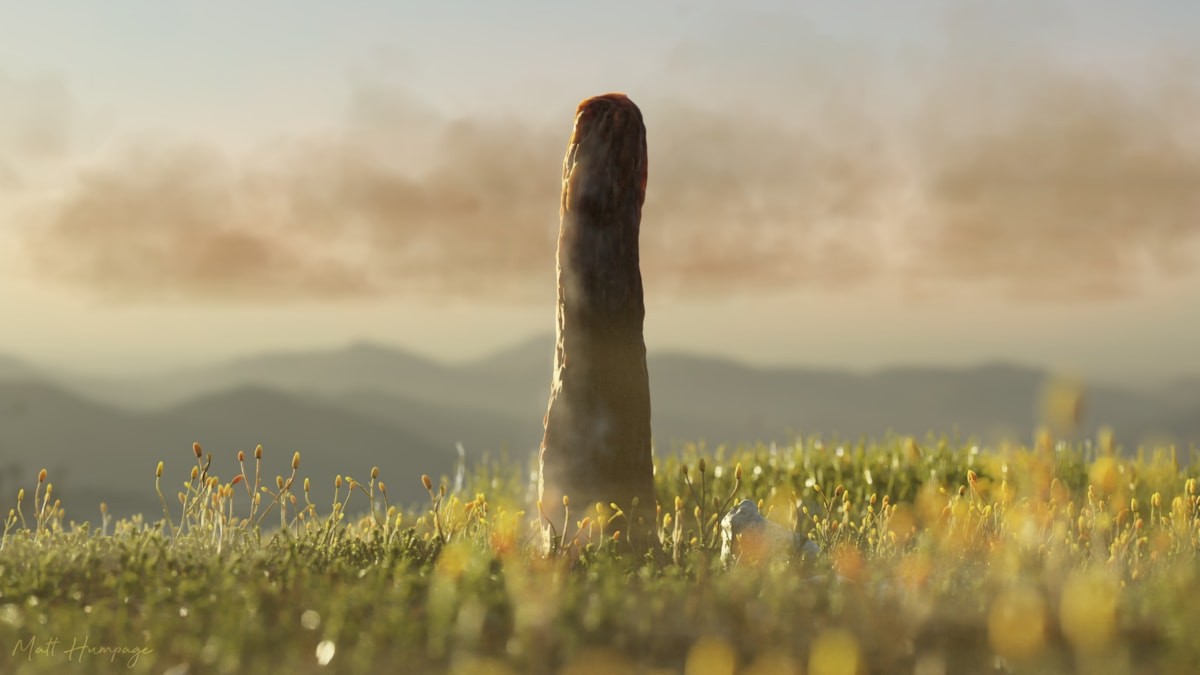 'They are life, but not as we now know it': 26-foot organism that lived 420 million years ago is completely unknown branch of animal kingdom
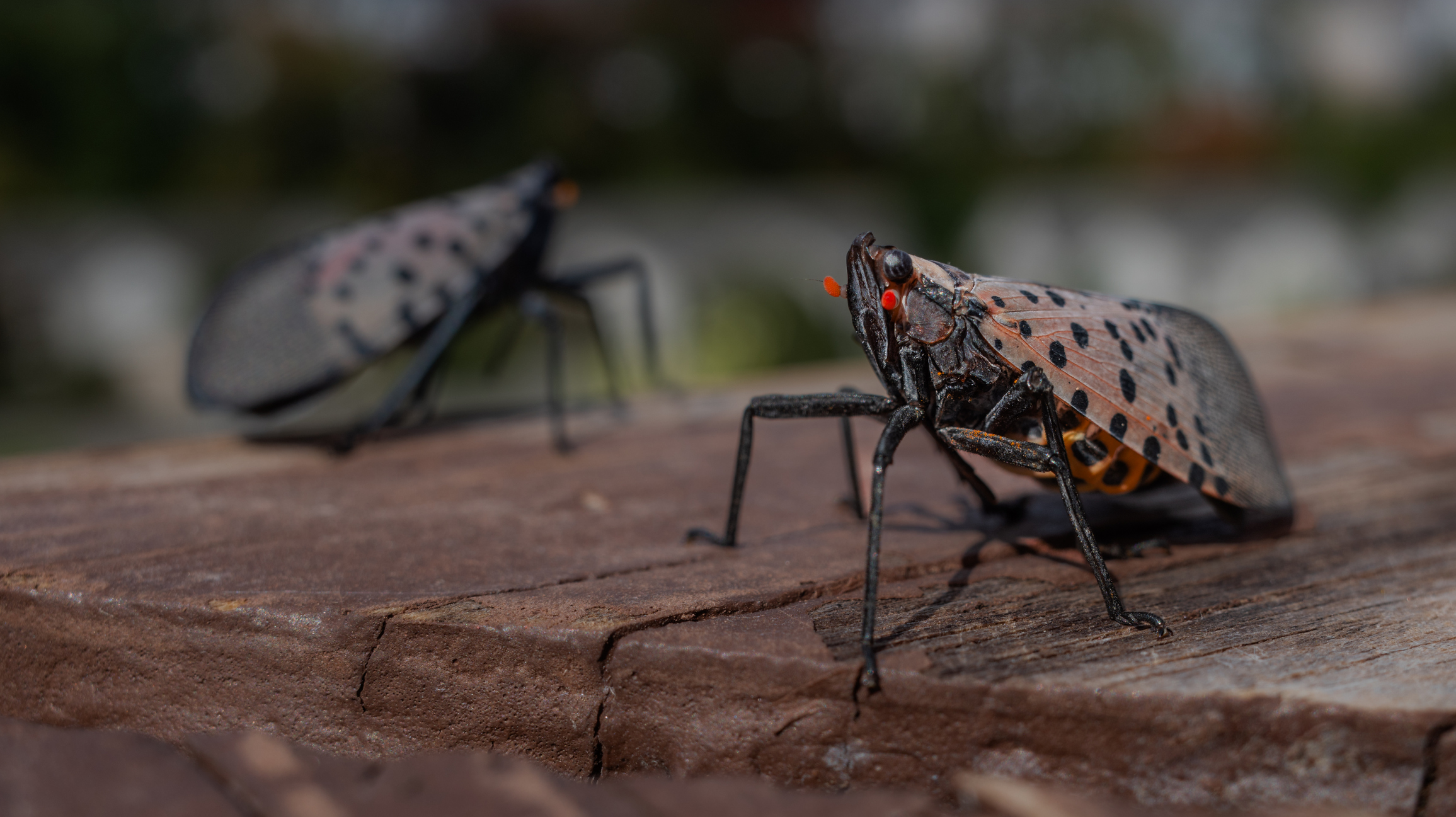 Spotted lanternflies are invading the US. They may have gotten their evolutionary superpowers in China's cities.
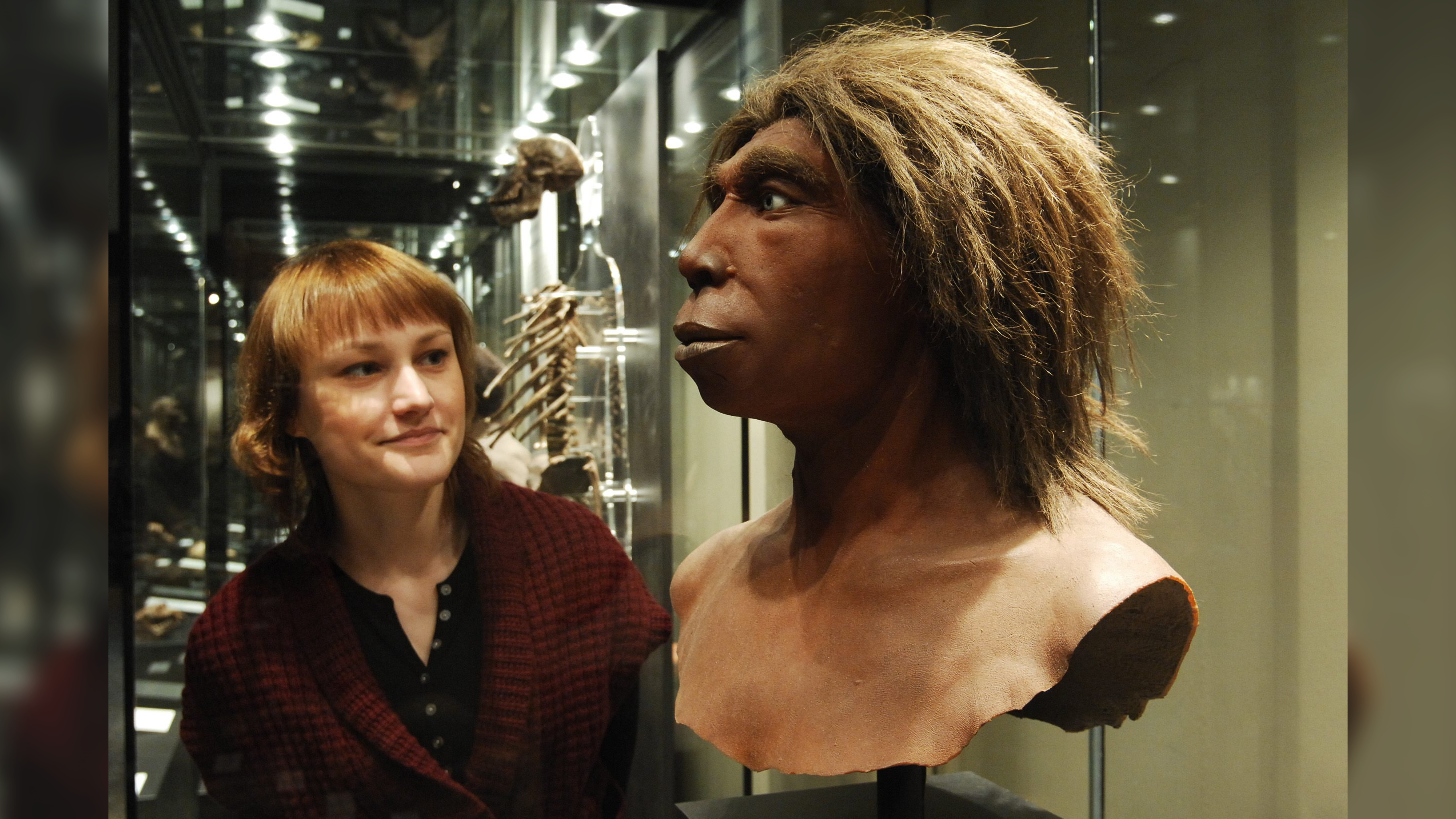 Humans and Neanderthals interbred — but it was mostly male Neanderthals and female humans who coupled up, study finds
Latest in Insects
Spotted lanternflies are invading the US. They may have gotten their evolutionary superpowers in China's cities.
Humans and Neanderthals interbred — but it was mostly male Neanderthals and female humans who coupled up, study finds
Latest in Insects
Spotted lanternflies are invading the US. They may have gotten their evolutionary superpowers in China's cities.
 'Nothing but a nightmare': Worker ants are tricked into murdering their mom by an imposter queen — who quickly takes the throne for herself
 A looming 'insect apocalypse' could endanger global food supplies. Can we stop it before it's too late?
 How did metamorphosis evolve?
 'Almost like science fiction': European ant is the first known animal to clone members of another species
 Are there any countries with no mosquitoes?
Latest in News
Are there any countries with no mosquitoes?
Latest in News
 Stone Age woman was buried like a man, revealing flexible gender roles 7,000 years ago in Hungary
 Mysterious 'dots' discovered by Webb telescope may be the first stars in the universe on the verge of collapse
 Gold coin discovered by a metal detectorist in the UK may have been dropped by a Viking invader from the Great Heathen Army
 'Collective hum' of black holes could settle the debate over new physics
 'Blood moon' total eclipse dazzles millions around the world (photos)
 Prehistoric water-dwelling weirdo with sideways teeth and a twisted jaw was already a 'living fossil' 275 million years ago
LATEST ARTICLES
Prehistoric water-dwelling weirdo with sideways teeth and a twisted jaw was already a 'living fossil' 275 million years ago
LATEST ARTICLES 1Prehistoric water-dwelling weirdo with sideways teeth and a twisted jaw was already a 'living fossil' 275 million years ago
- 2Mysterious 'little red dots' discovered by James Webb telescope may be the first stars in the universe on the verge of collapse
- 3Stone Age woman was buried like a man, revealing flexible gender roles 7,000 years ago in Hungary
- 4'Collective hum' of black holes could mend our broken understanding of the universe, physicists say
- 5Gold coin discovered by a metal detectorist in the UK may have been dropped by a Viking invader from the Great Heathen Army