- Space
- Astronomy
- The Moon
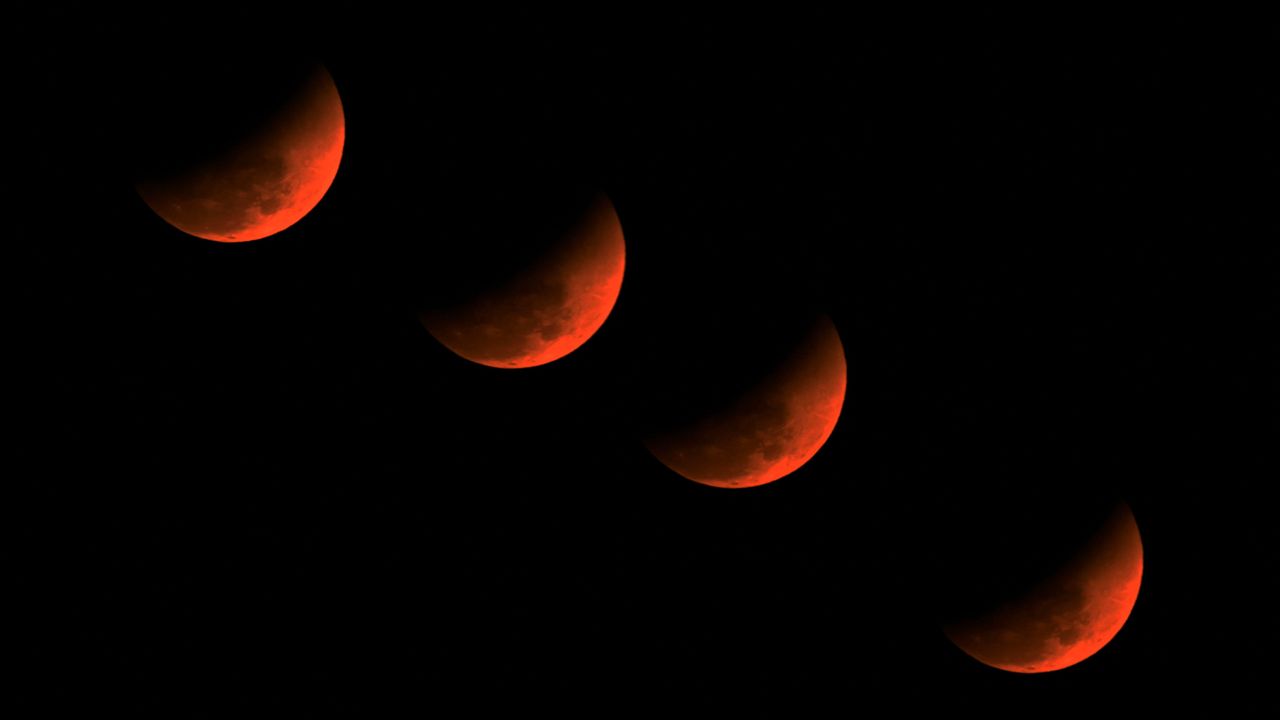
Here are the first images of the March 3 'blood moon' total lunar eclipse visible over North America, Australia, and eastern Asia.
When you purchase through links on our site, we may earn an affiliate commission. Here’s how it works.
- Copy link
- X
Get the world’s most fascinating discoveries delivered straight to your inbox.
Become a Member in Seconds
Unlock instant access to exclusive member features.
Contact me with news and offers from other Future brands Receive email from us on behalf of our trusted partners or sponsors By submitting your information you agree to the Terms & Conditions and Privacy Policy and are aged 16 or over.You are now subscribed
Your newsletter sign-up was successful
Want to add more newsletters?

Delivered Daily
Daily Newsletter
Sign up for the latest discoveries, groundbreaking research and fascinating breakthroughs that impact you and the wider world direct to your inbox.
Signup +
Once a week
Life's Little Mysteries
Feed your curiosity with an exclusive mystery every week, solved with science and delivered direct to your inbox before it's seen anywhere else.
Signup +
Once a week
How It Works
Sign up to our free science & technology newsletter for your weekly fix of fascinating articles, quick quizzes, amazing images, and more
Signup +
Delivered daily
Space.com Newsletter
Breaking space news, the latest updates on rocket launches, skywatching events and more!
Signup +
Once a month
Watch This Space
Sign up to our monthly entertainment newsletter to keep up with all our coverage of the latest sci-fi and space movies, tv shows, games and books.
Signup +
Once a week
Night Sky This Week
Discover this week's must-see night sky events, moon phases, and stunning astrophotos. Sign up for our skywatching newsletter and explore the universe with us!
Signup +Join the club
Get full access to premium articles, exclusive features and a growing list of member rewards.
Explore An account already exists for this email address, please log in. Subscribe to our newsletterAs the full moon started to set over North America in the early hours of March 3, it briefly plunged into the darkest part of Earth's shadow — resulting in the last total lunar eclipse visible to the U.S. until 2029.
If you missed the early morning spectacle, you can still watch the whole thing unfold via live stream recordings, or enjoy some of the first images of the event below.
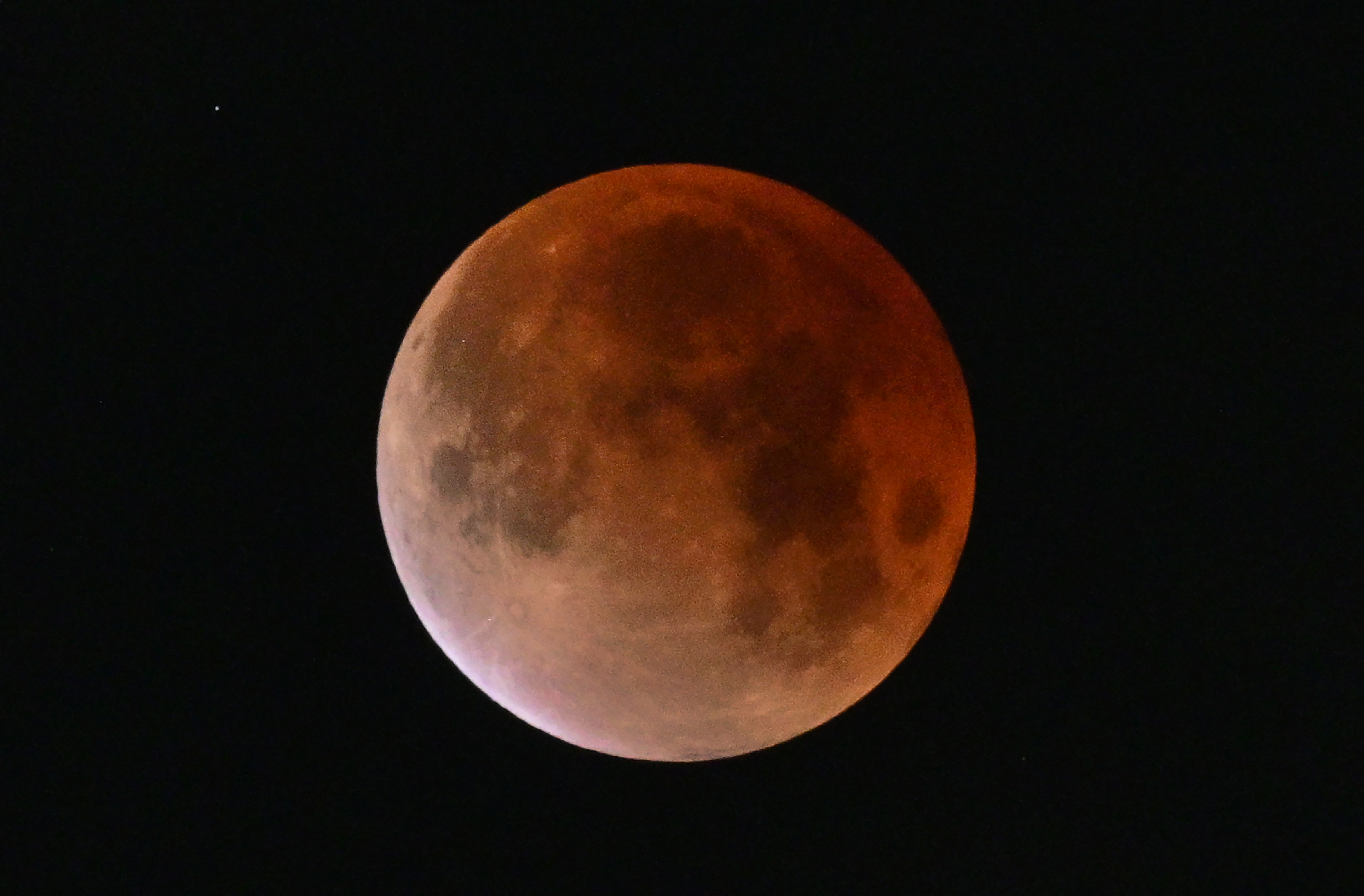
Lasting about 5 hours and 39 minutes total, the lunar eclipse began late at night for most skywatchers in North America, with the spectacular "totality" phase — the roughly 1-hour period where the moon drifts through the center of Earth's dark umbral shadow — lasting about an hour.
You may like-
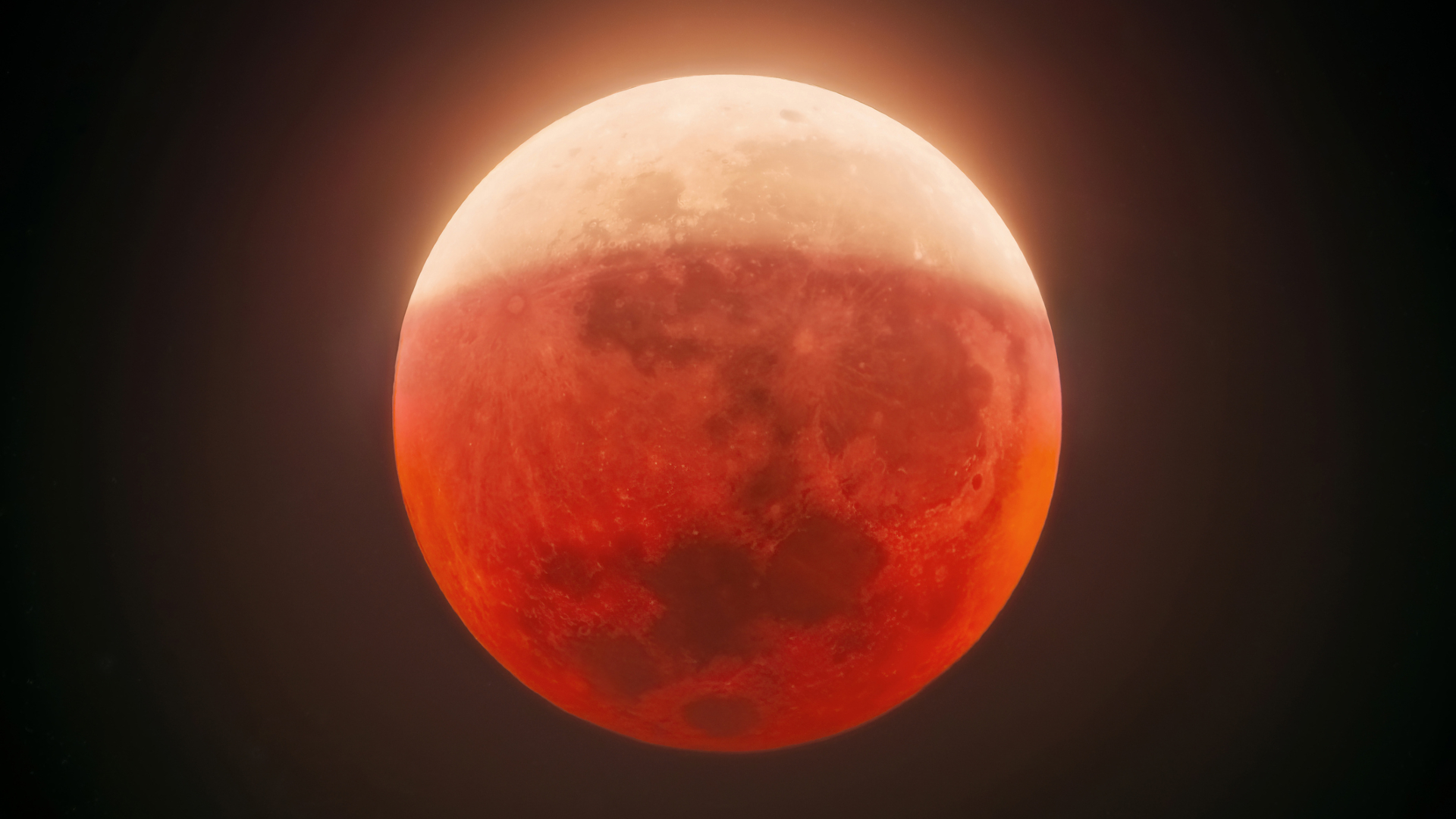 'Blood moon' total lunar eclipse: How to see the March 3 celestial spectacle from anywhere on Earth
-
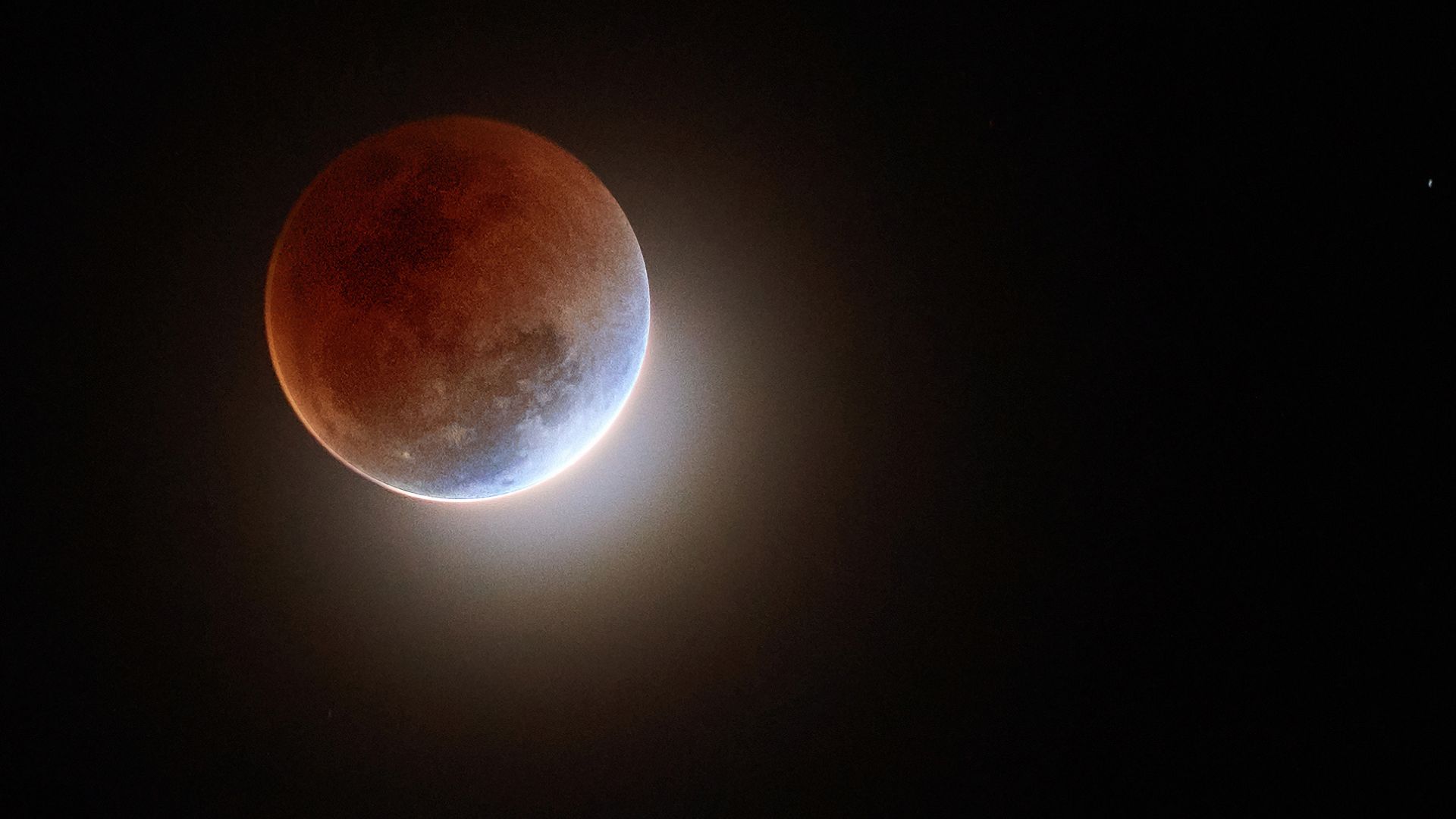 The US will see a rare 'blood moon' eclipse before sunrise this March: Where and when to look
-
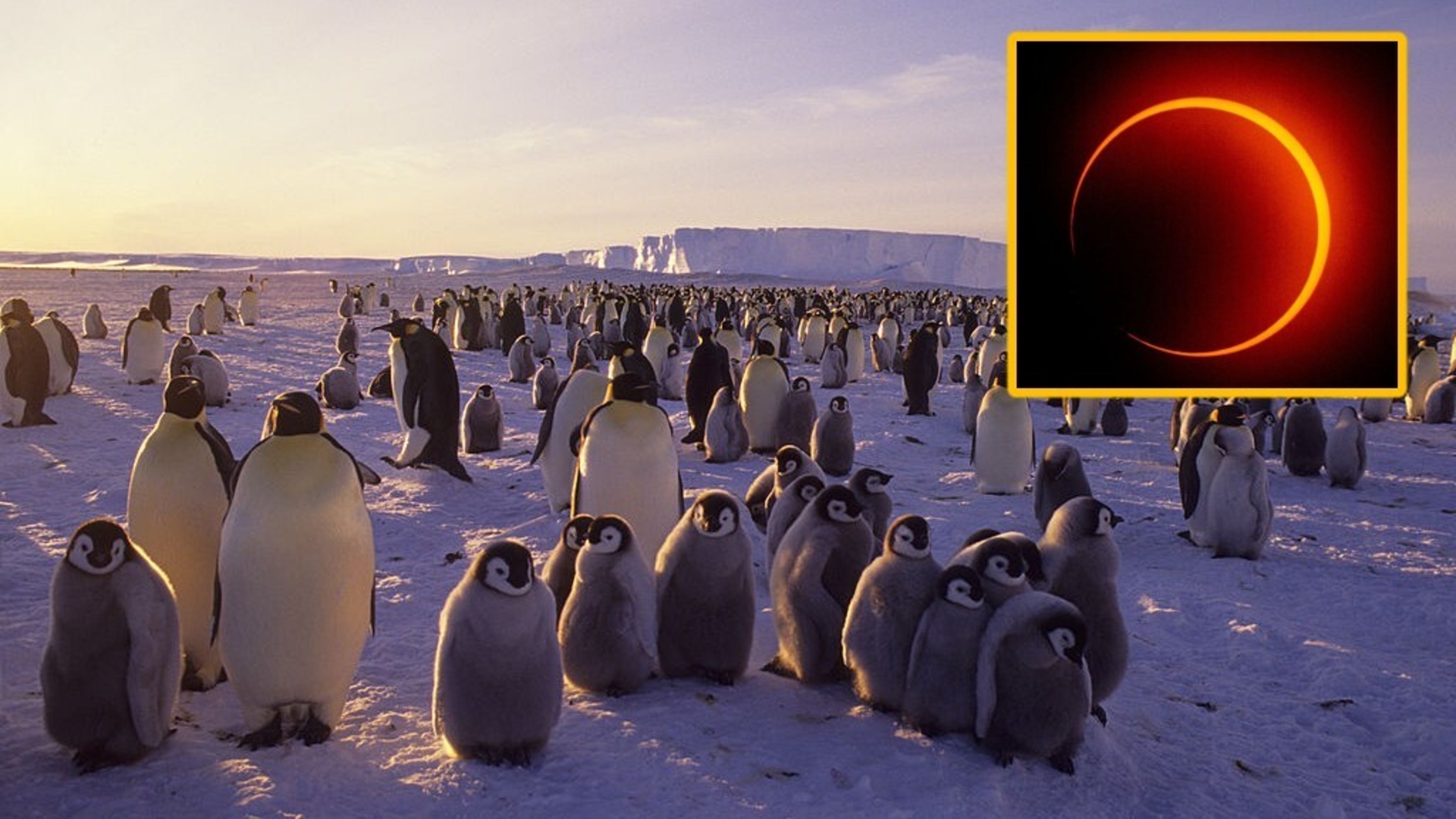 Lucky few to see 'ring of fire' solar eclipse over Antarctica on Feb. 17
Viewers on the East Coast had a slim chance to see totality from roughly 6:00 to 7:00 a.m. EST, just as the moon set below the horizon. Those living in CST and PST timezones had a better shot at seeing the moon turn red in the early morning hours (weather and cloud cover permitting).
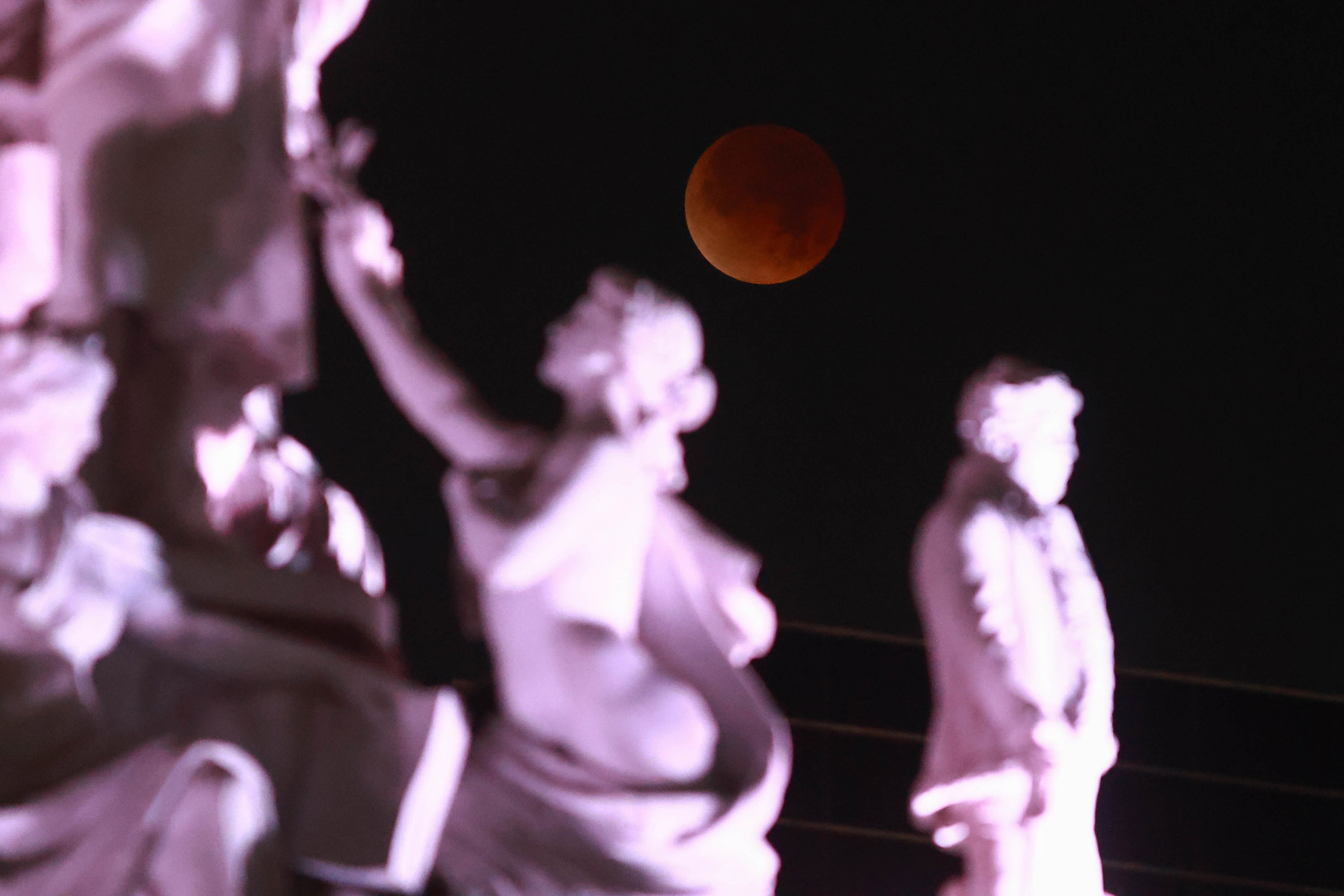
Skywatchers in Australia, New Zealand, and eastern Asia also had auspicious views, with up to 3 billion people around the world at least getting to see part of the eclipse, according to Live Science's sister site Space.com.
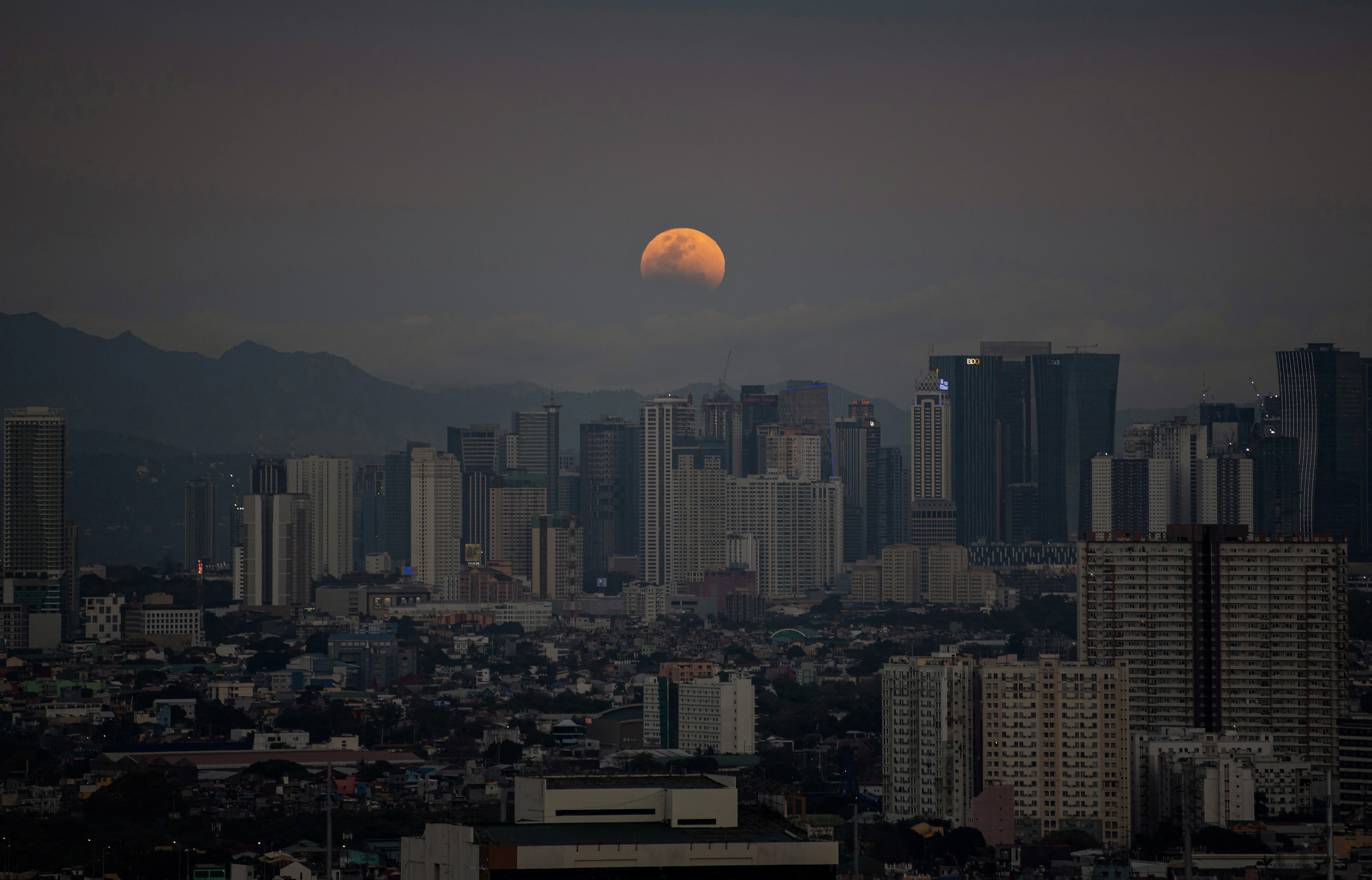
Total lunar eclipses are also known as "blood moons," due to the reddish hue the moon takes when it slips into Earth's umbra.
This is due to an effect known as Rayleigh scattering, in which different wavelengths of sunlight are selectively filtered through Earth's atmosphere before hitting the surface of the moon. Shorter, bluer wavelengths are absorbed by the atmosphere while longer, redder ones pass through, turning our moon bloody. (If you think the effect looks cool from Earth, wait until you see what it looks like on the moon.)
Sign up for the Live Science daily newsletter nowContact me with news and offers from other Future brandsReceive email from us on behalf of our trusted partners or sponsorsBy submitting your information you agree to the Terms & Conditions and Privacy Policy and are aged 16 or over.
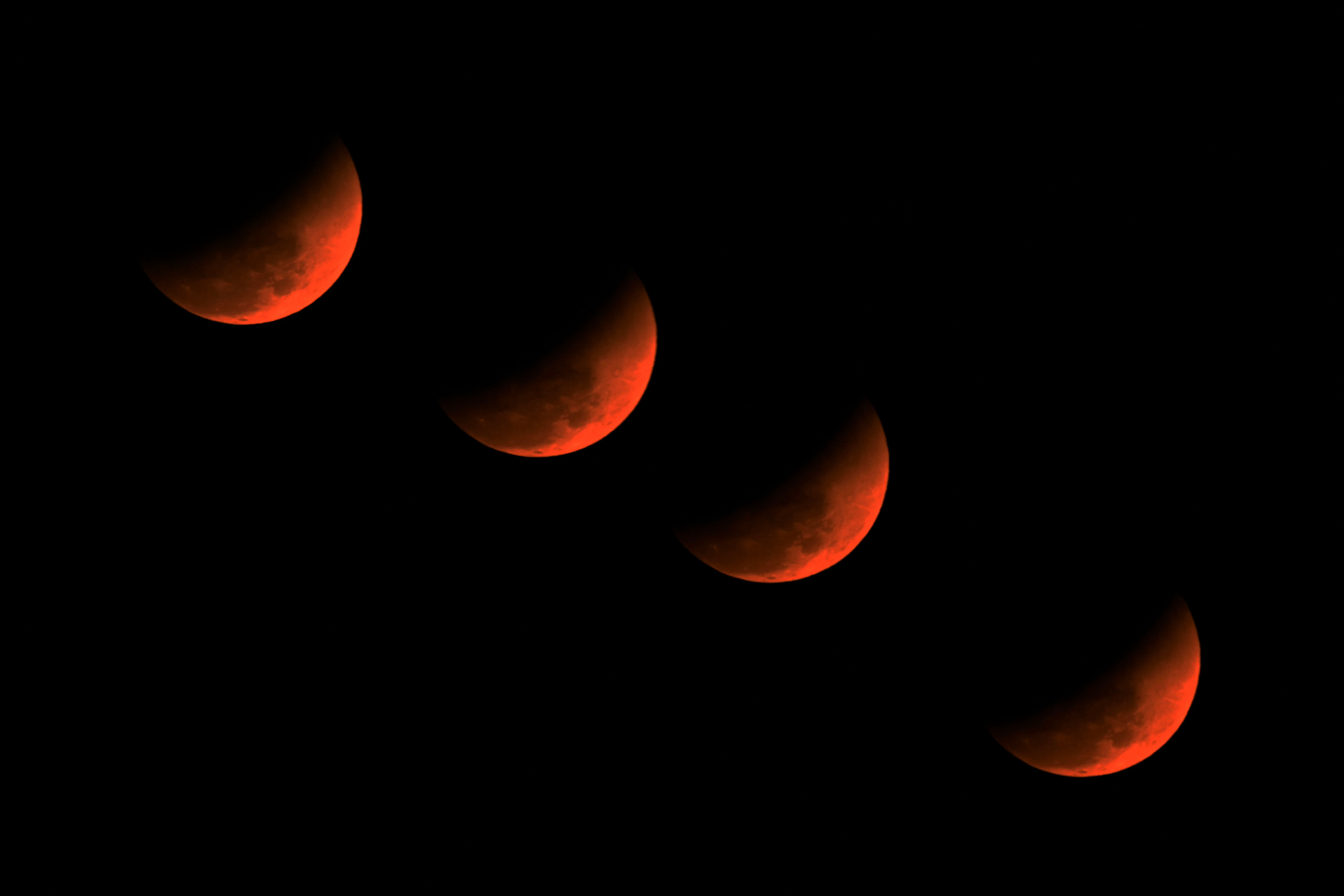
Eclipses always come in pairs, with each lunar eclipse falling two weeks before or after a solar eclipse. This year, a lucky few humans (and lots of penguins) had a chance to see a "ring of fire" solar eclipse over Antarctica two weeks ago, on Feb. 17. Here's what it looked like from the French/Italian Concordia research station in Antarctica.
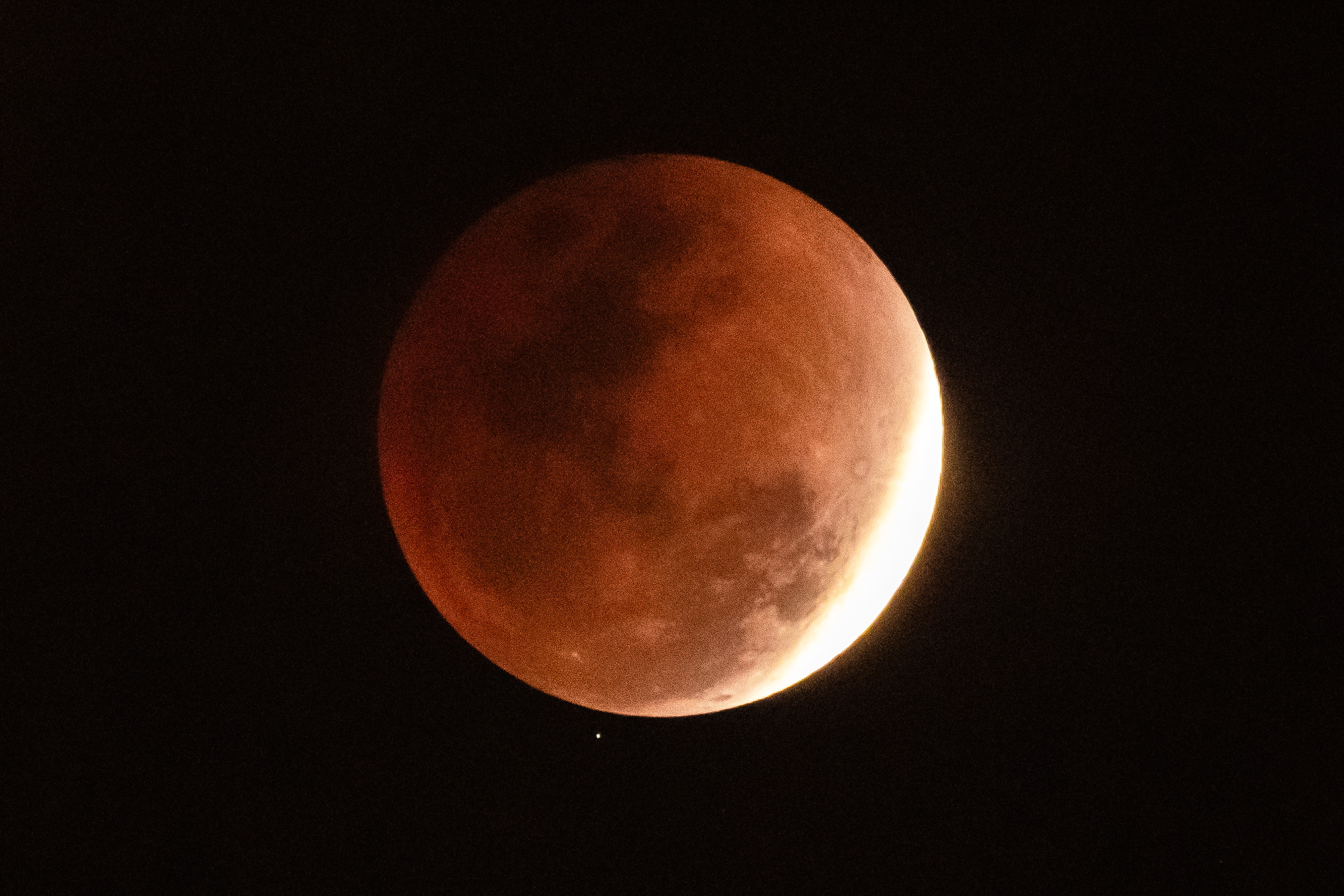
The next total lunar eclipse visible over North America is coming June 26, 2029.
 Brandon SpecktorSocial Links NavigationEditor
Brandon is the space / physics editor at Live Science. With more than 20 years of editorial experience, his writing has appeared in The Washington Post, Reader's Digest, CBS.com, the Richard Dawkins Foundation website and other outlets. He holds a bachelor's degree in creative writing from the University of Arizona, with minors in journalism and media arts. His interests include black holes, asteroids and comets, and the search for extraterrestrial life.
View MoreYou must confirm your public display name before commenting
Please logout and then login again, you will then be prompted to enter your display name.
Logout Read more
The US will see a rare 'blood moon' eclipse before sunrise this March: Where and when to look
 'Wolf Supermoon' gallery: See the first full moon of 2026 in pictures from across the world
 When is the next full moon?
 The Snow Moon will 'swallow' one of the brightest stars in the sky this weekend: Where and when to look
 Full moons of 2026: When to see all 13 moons rise next year
 How to see 2 total solar eclipses in the next 2 years — including the 'eclipse of the century'
Latest in The Moon
How to see 2 total solar eclipses in the next 2 years — including the 'eclipse of the century'
Latest in The Moon
 Fresh look at Apollo moon rocks solves decades-old lunar mystery
'Blood moon' total lunar eclipse: How to see the March 3 celestial spectacle from anywhere on Earth
The US will see a rare 'blood moon' eclipse before sunrise this March: Where and when to look
The Snow Moon will 'swallow' one of the brightest stars in the sky this weekend: Where and when to look
Fresh look at Apollo moon rocks solves decades-old lunar mystery
'Blood moon' total lunar eclipse: How to see the March 3 celestial spectacle from anywhere on Earth
The US will see a rare 'blood moon' eclipse before sunrise this March: Where and when to look
The Snow Moon will 'swallow' one of the brightest stars in the sky this weekend: Where and when to look
 See February's full Snow Moon rise this weekend next to a glittering star cluster
 Why does the moon look larger when it's on the horizon?
Latest in News
Why does the moon look larger when it's on the horizon?
Latest in News
 Gold coin discovered by a metal detectorist in the UK may have been dropped by a Viking invader from the Great Heathen Army
 'Blood moon' total eclipse dazzles millions around the world (photos)
 Every ant is a queen in this parasitic species — and they reproduce by cloning themselves and hijacking other ant colonies
 Vanuatu's 'barefoot volcanologist' stands at ash- and sulfur-spewing Mount Yasur in award-winning photograph
 Stone Age boy in Sweden was buried in deerskin and a woodpecker headdress, archaeologists discover
 Paleolithic humans invented an 'early predecessor to writing' at least 40,000 years ago, carved signs suggest
LATEST ARTICLES
Paleolithic humans invented an 'early predecessor to writing' at least 40,000 years ago, carved signs suggest
LATEST ARTICLES- 1'Blood moon' total lunar eclipse dazzles millions around the world (photos)
- 2Every ant is a queen in this parasitic species — and they reproduce by cloning themselves and hijacking other ant colonies
- 3Vanuatu's 'barefoot volcanologist' stands at ash- and sulfur-spewing Mount Yasur in award-winning photograph
- 43 rivers merge into striking half-and-half waterway in Guyana — Earth from space
- 5Lady of Elche: A 2,400-year-old bust of a mysterious 'highborn' woman from pre-Roman Spain