- Space
The first day of spring 2026 in the Northern Hemisphere arrives with the equinox on March 20. Here's when and why the seasons change.
When you purchase through links on our site, we may earn an affiliate commission. Here’s how it works.
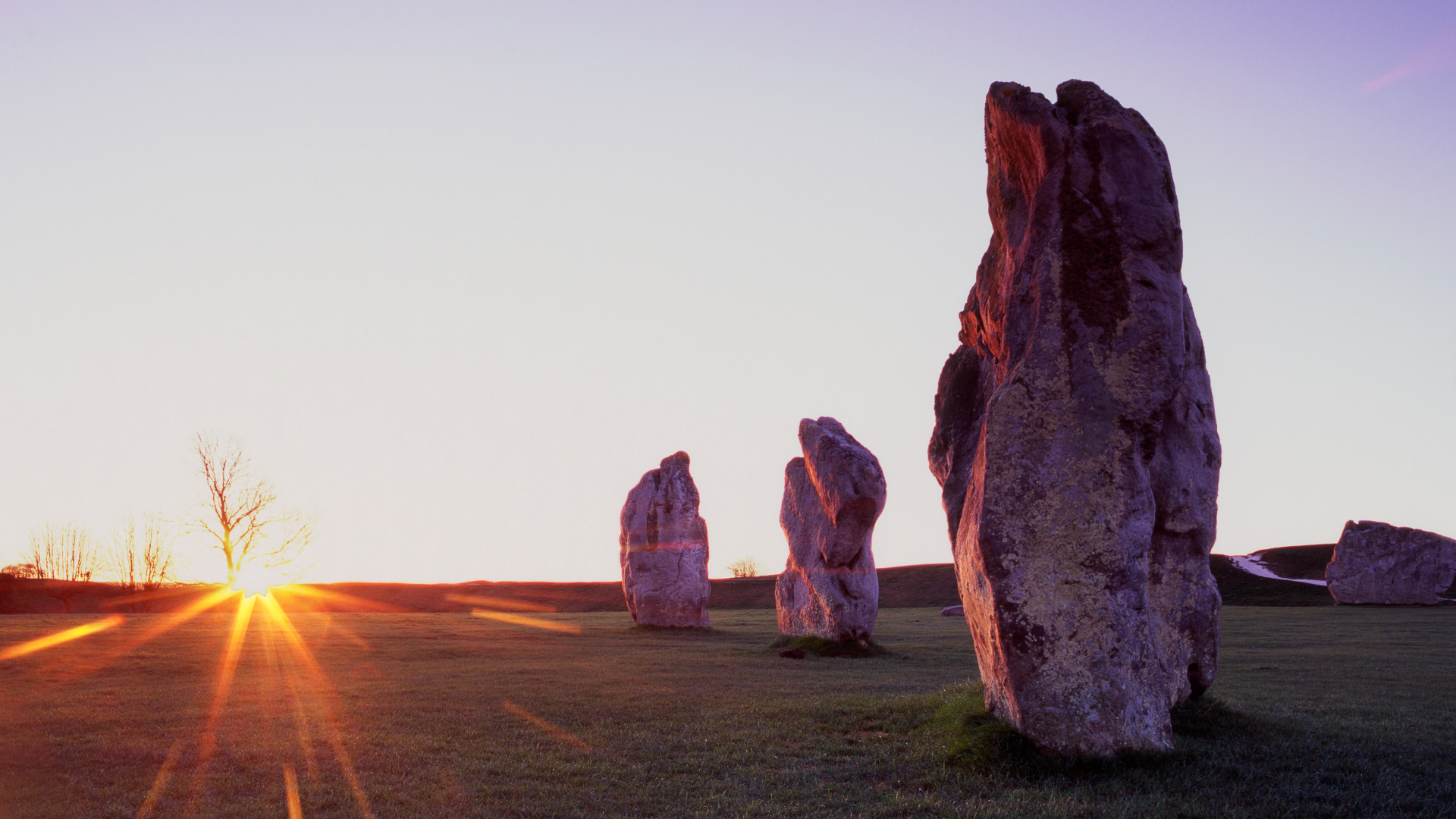 The equinox on March 20, 2026, marks the beginning of astronomical spring in the Northern Hemisphere.
(Image credit: James Osmond via Getty Images)
The equinox on March 20, 2026, marks the beginning of astronomical spring in the Northern Hemisphere.
(Image credit: James Osmond via Getty Images)
- Copy link
- X
Get the world’s most fascinating discoveries delivered straight to your inbox.
Become a Member in Seconds
Unlock instant access to exclusive member features.
Contact me with news and offers from other Future brands Receive email from us on behalf of our trusted partners or sponsors By submitting your information you agree to the Terms & Conditions and Privacy Policy and are aged 16 or over.You are now subscribed
Your newsletter sign-up was successful
Want to add more newsletters?

Delivered Daily
Daily Newsletter
Sign up for the latest discoveries, groundbreaking research and fascinating breakthroughs that impact you and the wider world direct to your inbox.
Signup +
Once a week
Life's Little Mysteries
Feed your curiosity with an exclusive mystery every week, solved with science and delivered direct to your inbox before it's seen anywhere else.
Signup +
Once a week
How It Works
Sign up to our free science & technology newsletter for your weekly fix of fascinating articles, quick quizzes, amazing images, and more
Signup +
Delivered daily
Space.com Newsletter
Breaking space news, the latest updates on rocket launches, skywatching events and more!
Signup +
Once a month
Watch This Space
Sign up to our monthly entertainment newsletter to keep up with all our coverage of the latest sci-fi and space movies, tv shows, games and books.
Signup +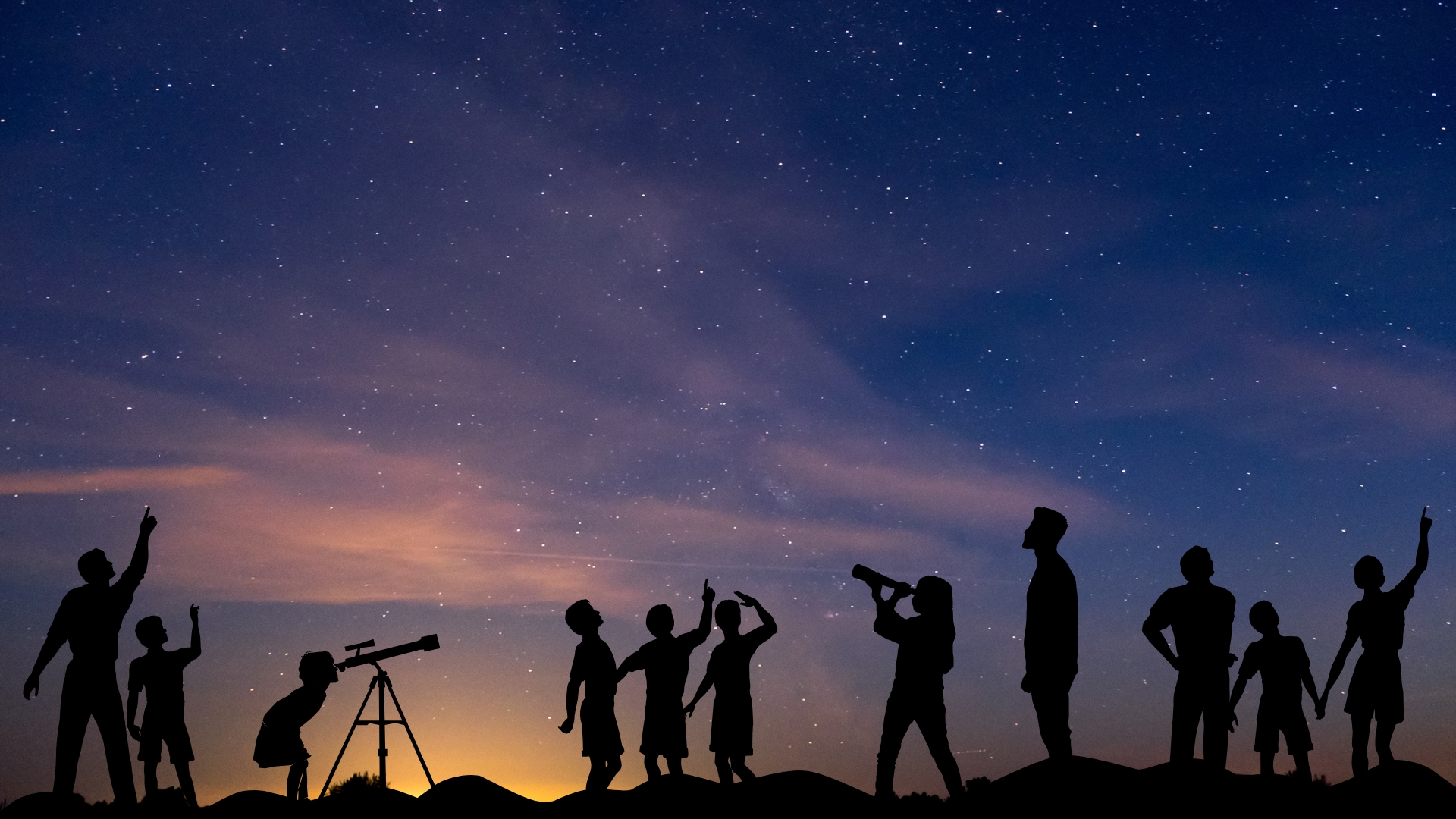
Once a week
Night Sky This Week
Discover this week's must-see night sky events, moon phases, and stunning astrophotos. Sign up for our skywatching newsletter and explore the universe with us!
Signup +Join the club
Get full access to premium articles, exclusive features and a growing list of member rewards.
Explore An account already exists for this email address, please log in. Subscribe to our newsletterThe March equinox is almost upon us, which will usher in astronomical spring in the Northern Hemisphere and astronomical fall in the Southern Hemisphere.
This year, the vernal equinox, or spring equinox, occurs at 10:46 a.m. EDT (14:46 UTC) on March 20 in the Northern Hemisphere, according to Time and Date. Because equinoxes are global events governed by Earth's tilted axis relative to the sun, the March equinox occurs at the same moment across the globe.
Why are there seasons?
Earth experiences seasons because its axis is tilted by an average of 23.5 degrees relative to the planet's orbit around the sun; this tilt causes different places on Earth to receive varying amounts of sunlight over the year. On the equinox, neither hemisphere is tilted toward or away from the sun, so the sun shines nearly directly over the equator, producing almost equal hours of day and night.
Article continues below You may like-
 March could be the best month for the northern lights for nearly a decade
-
 Daylight Saving Time 2026 is coming
-
 When does winter start? Your guide to the 2025 winter solstice.
Equinoxes happen twice each year, with approximately 12 hours of daylight and 12 hours of darkness in both the Southern and Northern hemispheres. The word comes from the Latin words "aequus" (equal) and "nox" (night). After the equinox, nights will shorten in the Northern Hemisphere and lengthen in the Southern Hemisphere until the solstice on Sunday, June 21.
Equinoxes are among the most obvious waymarks of the solar calendar, because the sun rises and sets due east from nearly all locations on Earth (except at the poles), just as it does on the September equinox.
Written in stone and stars
Equinoxes have been celebrated by cultures throughout history. At Chichén Itzá, a Maya complex on Mexico's Yucatán Peninsula, light from the sunrise on the equinox makes it appear as though a serpent were moving down the Kukulcán Pyramid. It's thought to mark the beginning of the planting season.
Numerous other temples are believed to be aligned with sunrise on the equinox, including the Great Sphinx of Giza in Egypt and Angkor Wat in Cambodia. Other celebrations linked to the March equinox include Nowruz (Persian New Year), which is thought to date back 3,000 years.
Sign up for the Live Science daily newsletter nowContact me with news and offers from other Future brandsReceive email from us on behalf of our trusted partners or sponsorsBy submitting your information you agree to the Terms & Conditions and Privacy Policy and are aged 16 or over.If you can't witness the sunrise on the equinox in a place with known alignments, try looking just after sunset on March 20, when a 5%-lit waxing crescent moon will shine just above Venus in the west-southwest.
There will also be signs of spring in the stars: The Big Dipper will ride high in the northeast for skywatchers at mid-northern latitudes. (You can remember its position with the mnemonic "spring up, fall down.") Meanwhile, in the southern night sky for mid-northern latitudes will be three prominent stars of spring: Arcturus (in the constellation Boötes), Spica (in Virgo) and Denebola (in Leo), which together make the Spring Triangle asterism.
Sun quiz: How well do you know our home star?
 Jamie CarterSocial Links NavigationLive Science contributor
Jamie Carter is a Cardiff, U.K.-based freelance science journalist and a regular contributor to Live Science. He is the author of A Stargazing Program For Beginners and co-author of The Eclipse Effect, and leads international stargazing and eclipse-chasing tours. His work appears regularly in Space.com, Forbes, New Scientist, BBC Sky at Night, Sky & Telescope, and other major science and astronomy publications. He is also the editor of WhenIsTheNextEclipse.com.
View MoreYou must confirm your public display name before commenting
Please logout and then login again, you will then be prompted to enter your display name.
Logout Read more
March could be the best month for the northern lights for nearly a decade
Daylight Saving Time 2026 is coming
When does winter start? Your guide to the 2025 winter solstice.
 March 2026 night sky — what to see and what you need
 Full moons of 2026: When to see all 13 moons rise next year
 Earth's seasons vary wildly, even at the same latitude, new research finds
Latest in Space
Earth's seasons vary wildly, even at the same latitude, new research finds
Latest in Space
 1,300-pound spacecraft will crash to Earth today following intense solar activity, NASA warns
 Falling meteorite smashes hole in roof of German house after spectacular 'fireball' explosion over Europe
 Enormous 3D map of the universe shows brilliant 'sea of light' near the cosmic dawn
 Scientists tracked faint signals from the stars — and may have turned up hundreds of undiscovered planets
 'Exposed Cranium' leaks its gory secrets in new James Webb telescope images: Space photo of the week
 'City killer' asteroid will narrowly miss the moon, James Webb Telescope reveals
Latest in News
'City killer' asteroid will narrowly miss the moon, James Webb Telescope reveals
Latest in News
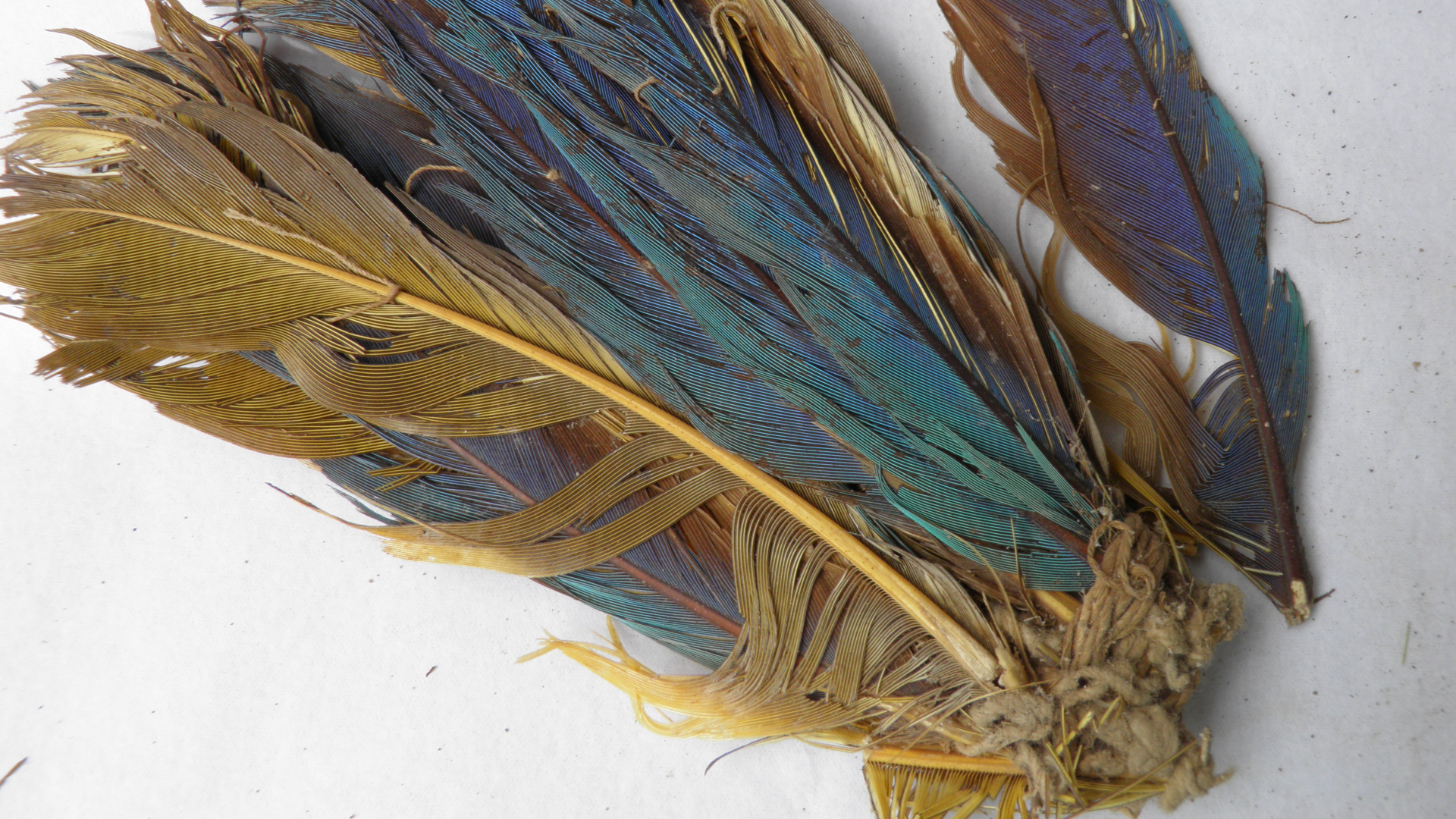 Pre-Inca culture acquired Amazonian parrots from hundreds of miles away to use their feathers to decorate the dead, new analysis reveals
1,300-pound spacecraft will crash to Earth today following intense solar activity, NASA warns
Pre-Inca culture acquired Amazonian parrots from hundreds of miles away to use their feathers to decorate the dead, new analysis reveals
1,300-pound spacecraft will crash to Earth today following intense solar activity, NASA warns
 Single protein could dramatically alter trajectory of Alzheimer's disease
Falling meteorite smashes hole in roof of German house after spectacular 'fireball' explosion over Europe
Single protein could dramatically alter trajectory of Alzheimer's disease
Falling meteorite smashes hole in roof of German house after spectacular 'fireball' explosion over Europe
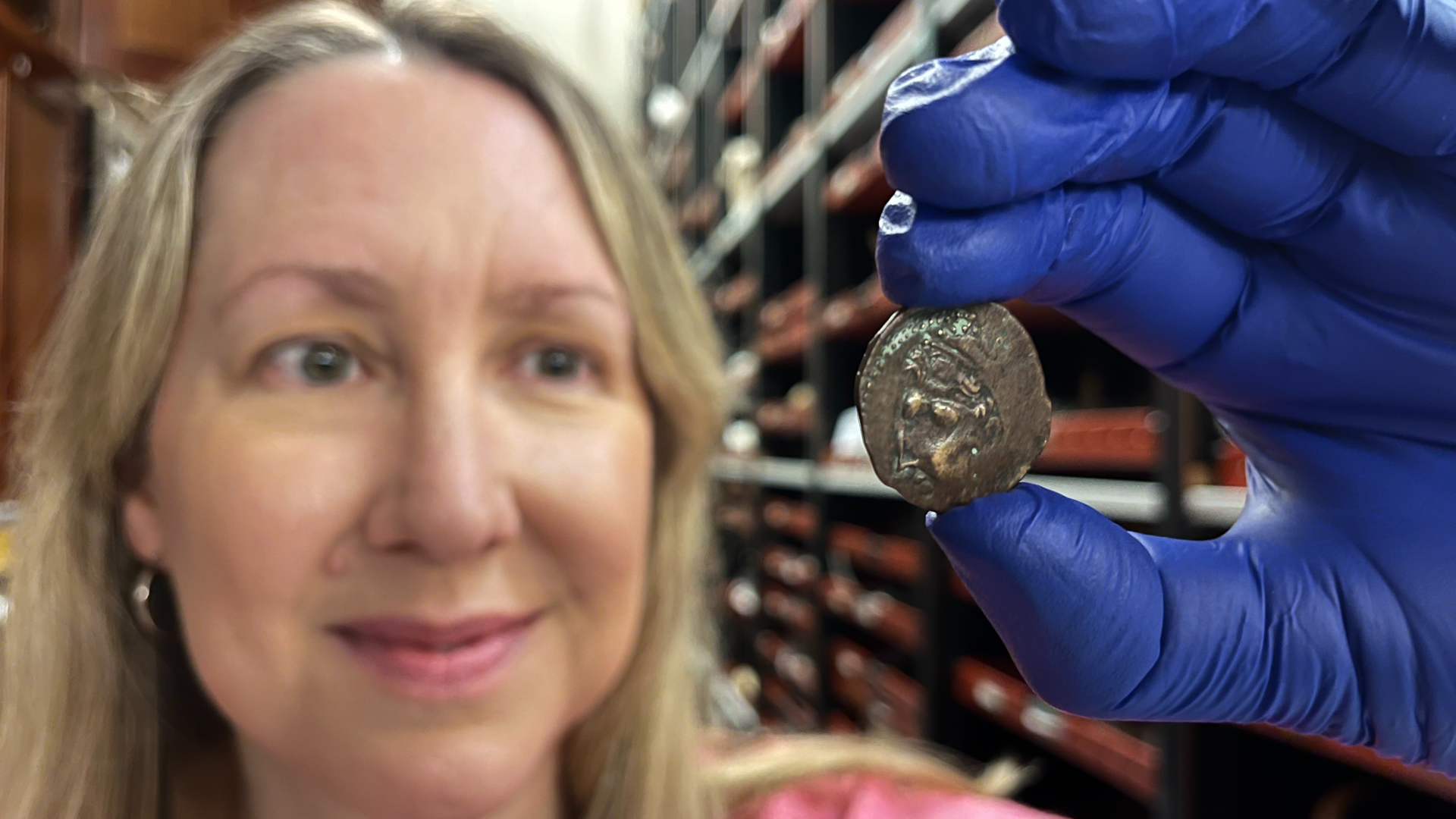 2,000-year-old Phoenician coin was used as bus fare in England, but 'how it got there will always be a mystery'
 California's wildfire season is shifting, with more blazes after the traditional high-risk window, study finds
LATEST ARTICLES
California's wildfire season is shifting, with more blazes after the traditional high-risk window, study finds
LATEST ARTICLES 1This Garmin watch is a runner's dream, and it's never been this cheap before
- 21,300-pound spacecraft will crash to Earth today following intense solar activity, NASA warns
- 3Pre-Inca culture acquired Amazonian parrots from hundreds of miles away to use their feathers to decorate the dead, new analysis reveals
- 4Single protein could dramatically alter trajectory of Alzheimer's disease
- 5Falling meteorite smashes hole in roof of German house after spectacular 'fireball' explosion over Europe