- Archaeology
- The Americas
Centuries before the Inca emerged, Amazonian parrots were carried alive across the Andes and raised in captivity on Peru's coast for their vibrant feathers.
When you purchase through links on our site, we may earn an affiliate commission. Here’s how it works.
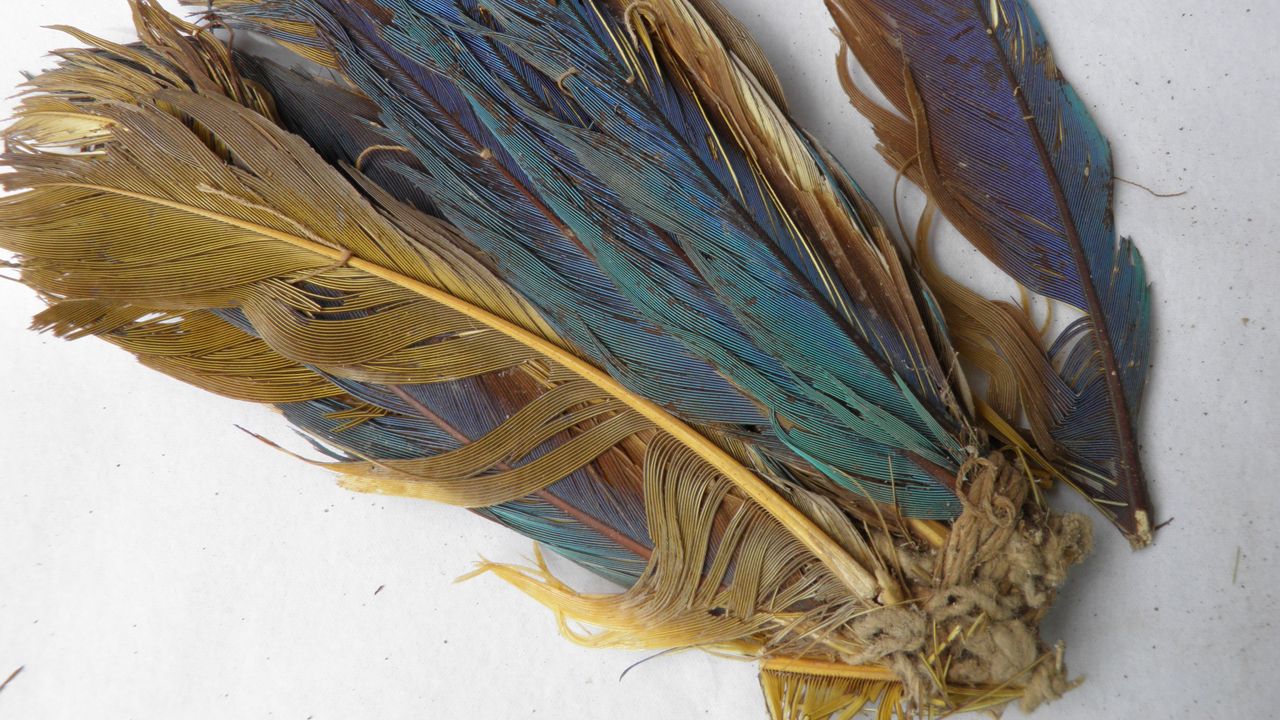
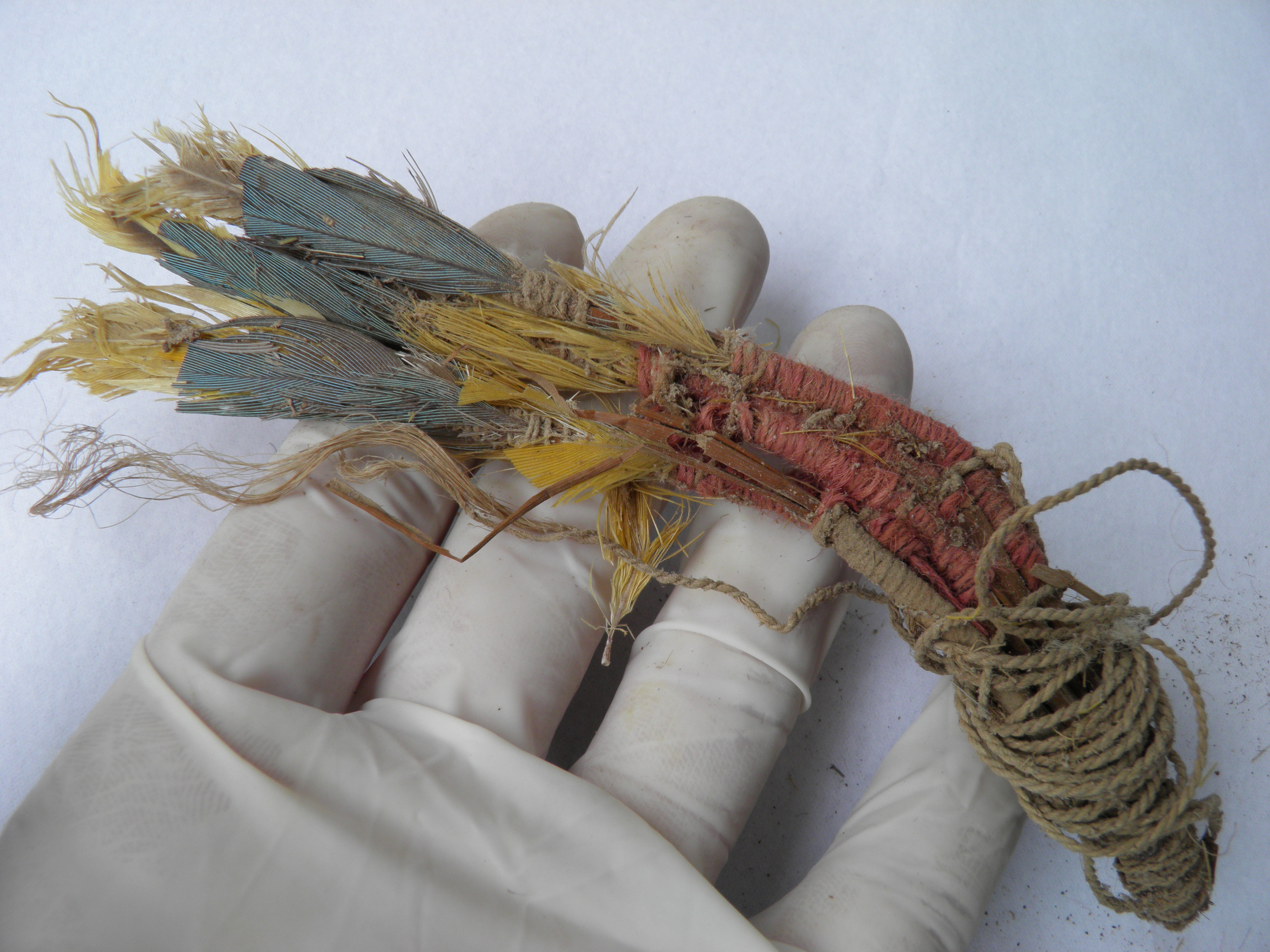
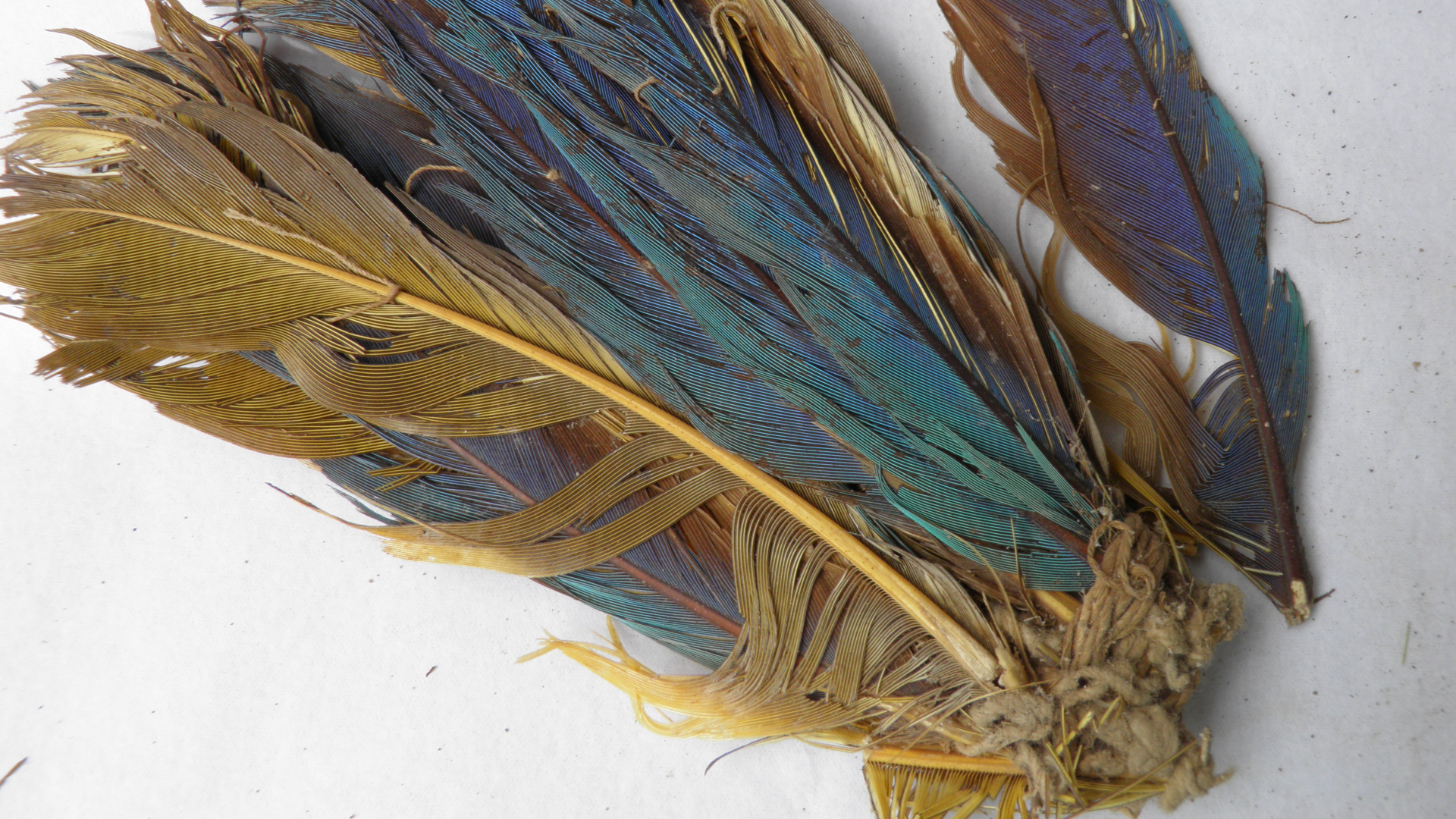 Ancient feathers were found at the Temple of Pachacamac near Lima, Peru.
(Image credit: George Olah)
Ancient feathers were found at the Temple of Pachacamac near Lima, Peru.
(Image credit: George Olah)
- Copy link
- X
Get the world’s most fascinating discoveries delivered straight to your inbox.
Become a Member in Seconds
Unlock instant access to exclusive member features.
Contact me with news and offers from other Future brands Receive email from us on behalf of our trusted partners or sponsors By submitting your information you agree to the Terms & Conditions and Privacy Policy and are aged 16 or over.You are now subscribed
Your newsletter sign-up was successful
Want to add more newsletters?

Delivered Daily
Daily Newsletter
Sign up for the latest discoveries, groundbreaking research and fascinating breakthroughs that impact you and the wider world direct to your inbox.
Signup +
Once a week
Life's Little Mysteries
Feed your curiosity with an exclusive mystery every week, solved with science and delivered direct to your inbox before it's seen anywhere else.
Signup +
Once a week
How It Works
Sign up to our free science & technology newsletter for your weekly fix of fascinating articles, quick quizzes, amazing images, and more
Signup +
Delivered daily
Space.com Newsletter
Breaking space news, the latest updates on rocket launches, skywatching events and more!
Signup +
Once a month
Watch This Space
Sign up to our monthly entertainment newsletter to keep up with all our coverage of the latest sci-fi and space movies, tv shows, games and books.
Signup +
Once a week
Night Sky This Week
Discover this week's must-see night sky events, moon phases, and stunning astrophotos. Sign up for our skywatching newsletter and explore the universe with us!
Signup +Join the club
Get full access to premium articles, exclusive features and a growing list of member rewards.
Explore An account already exists for this email address, please log in. Subscribe to our newsletterAround 1,000 years ago, a pre-Inca culture acquired wild parrots from hundreds of miles away in the Amazon rainforest and then kept them captive in what is now coastal Peru, all so people could access the birds' vibrant feathers, which were "prestigious symbols of status," a new study finds.
Researchers found some of these feathers in a 1,000-year-old tomb about 20 years ago. Now, a new analysis reveals the "complete journey of these feathers," including where the birds originated, what they ate, and which routes the live birds were likely carried on before being traded to the Yschma, a pre-Inca society that flourished from about A.D. 1000 to 1470.
Article continues below You may like-
 Stone Age boy in Sweden was buried in deerskin and a woodpecker headdress, archaeologists discover
-
 CT scans reveal the last moments of Inca children sacrificed as 'messengers to the gods'
-
 Centuries-old 'trophy head' from Peru reveals individual survived to adulthood despite disabling birth defect
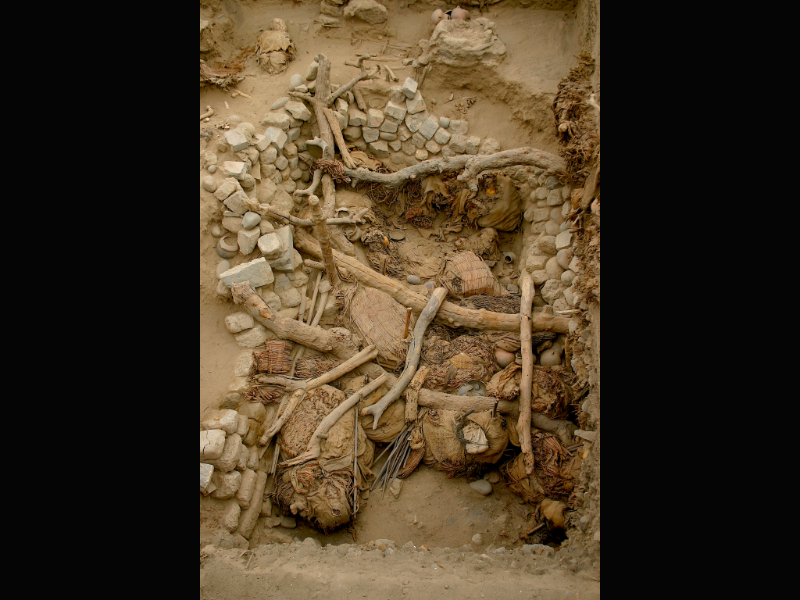
Researchers first discovered the burial in 2005 after a survey with ground-penetrating radar and a later excavation revealed two large, stone-lined tombs near the Temple of Pachacamac, 20 miles (32 kilometers) south of Lima. In one of the two Yschma tombs, the archaeologists found parrot feather ornaments with vivid colors that had been preserved for centuries.
Now, an international team of researchers has analyzed the feathers' DNA and chemical composition, and concluded that the feathers came from live Amazonian parrots that had been transported, and likely traded, across the mountains, before being kept in captivity on the Peruvian coast. Their new study was published Tuesday (March 10) in the journal Nature Communications.
"Our study proves that centuries before the Inca, societies like the Ychsma, the Chimú, and others were already managing sophisticated, organised, long-distance trade networks," study co-author Izumi Shimada, co-director of the Pachacamac Archaeological Project that originally found the tombs and a professor of anthropology at Southern Illinois University, told Live Science in an email. "They possessed profound ecological knowledge and negotiated trade agreements that connected the Amazon with the coastal deserts, revealing that these states [were] more interconnected."
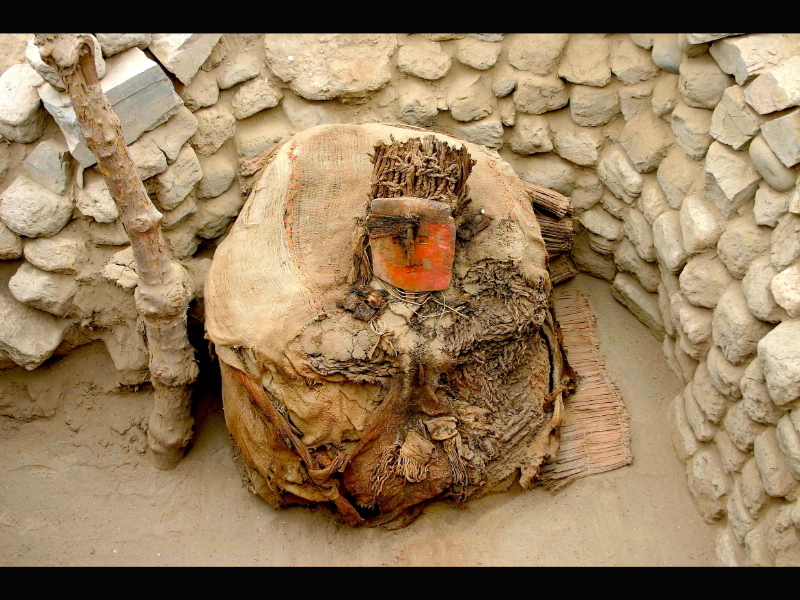
The discovery shows how much effort these societies invested in what they deemed prestigious objects. At Pachacamac, these feathers were found adorning false heads — cloths filled with reeds and other plants — attached to 34 funerary bundles of deceased individuals who were also decorated with small cinnabar masks, suggesting that the feathers were used in ceremonial activities such as burial rites.
Sign up for the Live Science daily newsletter nowContact me with news and offers from other Future brandsReceive email from us on behalf of our trusted partners or sponsorsBy submitting your information you agree to the Terms & Conditions and Privacy Policy and are aged 16 or over.Image 1 of 4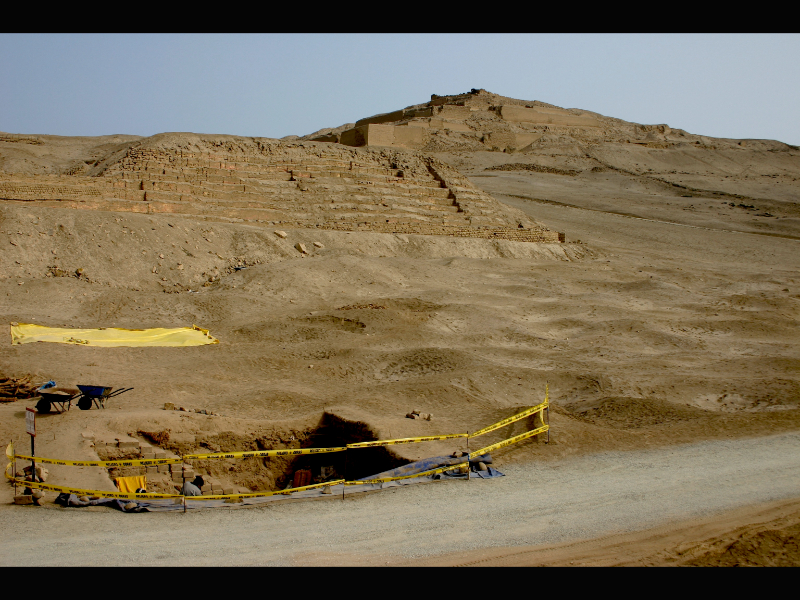 (Image credit: Izumi Shimada)
A view of the Temple of Pachacamac (or Painted Temple) near Lima, Peru, where the feathers were discovered.
 (Image credit: Izumi Shimada)
One of the 34 funerary bundles with the feather ornaments attached found in one of the tombs.
 (Image credit: Izumi Shimada)
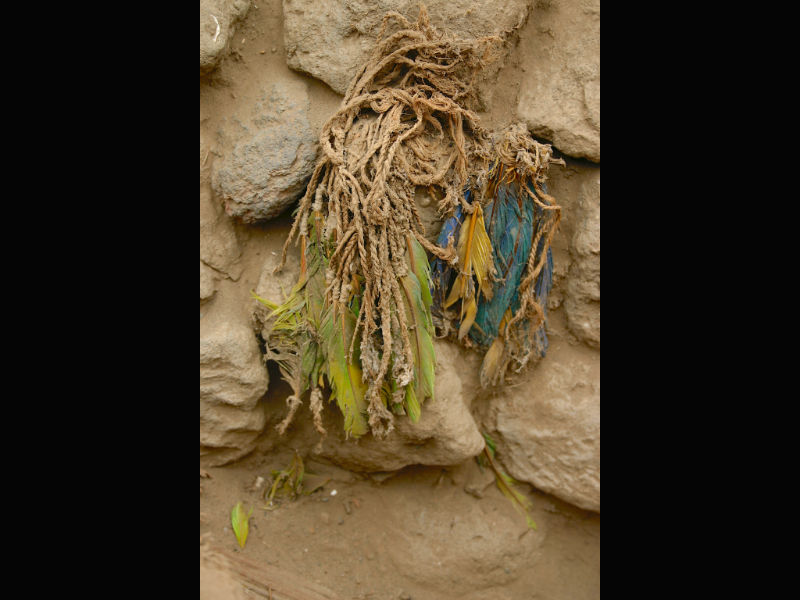
Another of the funerary bundles with preserved parrot feathers.
 (Image credit: Izumi Shimada)
Another view into one of the intact tombs found near the Pachacamac temple.
However, it appears that the captive birds weren't living at the temple.
"Our research actually suggests that the large-scale rearing of these captive birds may not have happened at Pachacamac itself (no parrot skeletons, eggshells, or signs of breeding houses were found), but further north maybe in the Chimú Empire, who then traded the harvested feathers south to the Ychsma," study first author George Olah, a research fellow at The Australian National University, told Live Science in an email. The proposed Chimú breeding site is based on the new paper's computer models, he added.
A sacred site
The Pachacamac temple and its oracle served as the heart of the Yschma society, which controlled the valleys around Lima before the Inca conquest around 1470. "Because of the widespread and longstanding reputation of Pachacamac, elites of diverse cultures in ancient Peru sought the privilege of being buried close to the temple," Shimada said. "It is believed that the site contained tens of thousands of burials of elites of different cultures and regions."
What to read next-
 Rare nocturnal parrots in New Zealand are breeding for the first time in 4 years — here's why
-
 More than 43,000 years ago, Neanderthals spent centuries collecting animal skulls in a cave; but archaeologists aren't sure why
-
 60,000-year-old poison arrows from South Africa are the oldest poison weapons ever discovered
After the Spanish conquest in 1533, looters ransacked graves at Pachacamac for centuries, stealing and destroying countless Yschma artifacts. By the time the Pachacamac Archaeological Project began its work in the early 2000s, many researchers believed no intact elite tombs were left by the temple — so the discovery of the two tombs was an "exceptional event," the researchers wrote in the study.
Feather quest
In their investigation, the team looked at the mitochondrial DNA of 25 feathers found in the tombs and determined that the ornaments attached to the funeral bundles came from at least four tropical parrot species: scarlet macaws (Ara macao), red-and-green macaws (Ara chloropterus), blue-and-yellow macaws (Ara ararauna) and mealy Amazons (Amazona farinosa). All of these birds are native to lowland tropical forests east of the Andes, not to the Peruvian coast.
These birds lived hundreds of miles from the Ychsma, which suggests the society traded with others to acquire the birds.
"The fact that they ended up more than 500 kilometres [310 miles] away, on the other side of South America's highest mountain range, proves human intervention," Olah said in a statement. "They do not naturally fly over the Andes."
An analysis of the feathers' isotopes (variations of elements with varying numbers of neutrons in their nuclei) shed light on the birds' diets.
Unlike modern wild parrots' diets, which are rich in fruits and seeds, the ancient feathers from Pachacamac showed diets rich in plants like maize and possibly food linked to coastal agriculture enriched by seabird feces.
"Because they showed a coastal diet, it proves the birds were brought to somewhere along the coast alive and kept in captivity long enough to moult and grow new feathers with the isotopic signature we detected," Olah told Live Science in an email.
The macaw feathers also showed a higher genetic diversity in their DNA, unlike the low diversity expected from a small captive breeding colony. This suggested that local breeding was happening near Pachacamac and birds were being repeatedly sourced from Amazonian populations and moved through trade routes in the mountains.
"While it is tempting to think of them as pets, the archaeological evidence suggests they were maintained primarily for their feathers, which were valuable prestige items used in elite tunics, headdresses, and funerary bundles," Olah said.
Finding the routes across the Andes
RELATED STORIES—Secret 'drug room' full of psychedelic 'snuff tubes' discovered at pre-Inca site in Peru
—Scientists may finally have an explanation for the centuries-old 5,200 mystery holes in the Peruvian Andes
—Ancient 'alien-like' skulls have been found on every continent but Antarctica. Anthropologists are starting to figure out why.
To determine how these birds moved across the Andes, the team turned to computational models. They plugged in ancient topography, river systems and ocean conditions, and then ran a "least cost" path analysis to determine which routes would have demanded the least energy from human caravans.
The more efficient routes pointed to two likely corridors: one through northern networks tied to coastal regions where the Chimú Empire was located and another through central Andean passages connecting the coast to eastern lowlands.
"The recommended best paths actually made good sense and also aligned well with historical and archaeological evidence," Olah said.
Article SourcesOlah, G., Bover, P., Llamas, B., Heiniger, H., Rafael, S. L., & Shimada, I. (2026). Ancient DNA and spatial modeling reveal a pre-Inca trans-Andean parrot trade. Nature. https://doi.org/10.1038/s41467-026-69167-9
Bird quiz: How much do you know about our feathered friends?
TOPICS Amazon rainforest Kenna Hughes-CastleberryContent Manager, Live Science
Kenna Hughes-Castleberry is the Content Manager at Live Science. Formerly, she was the Content Manager at Space.com and before that the Science Communicator at JILA, a physics research institute. Kenna is also a book author, with her upcoming book 'Octopus X' scheduled for release in spring of 2027. Her beats include physics, health, environmental science, technology, AI, animal intelligence, corvids, and cephalopods.
View MoreYou must confirm your public display name before commenting
Please logout and then login again, you will then be prompted to enter your display name.
Logout Read more
Stone Age boy in Sweden was buried in deerskin and a woodpecker headdress, archaeologists discover
CT scans reveal the last moments of Inca children sacrificed as 'messengers to the gods'
Centuries-old 'trophy head' from Peru reveals individual survived to adulthood despite disabling birth defect
Rare nocturnal parrots in New Zealand are breeding for the first time in 4 years — here's why
More than 43,000 years ago, Neanderthals spent centuries collecting animal skulls in a cave; but archaeologists aren't sure why
60,000-year-old poison arrows from South Africa are the oldest poison weapons ever discovered
Latest in The Americas
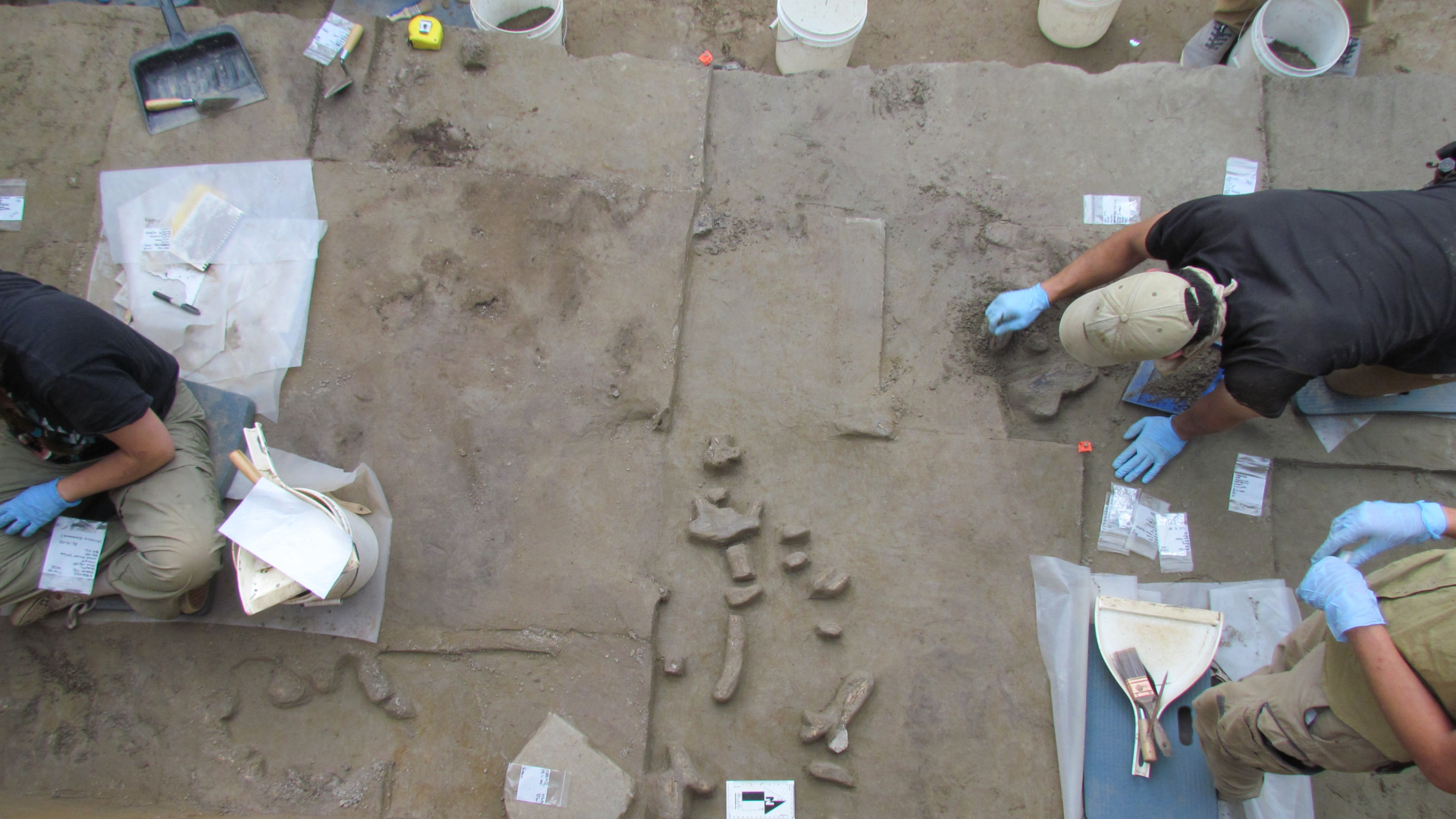 14,000-year-old ivory tools found in Alaska hint at how Clovis ancestors first arrived in the New World
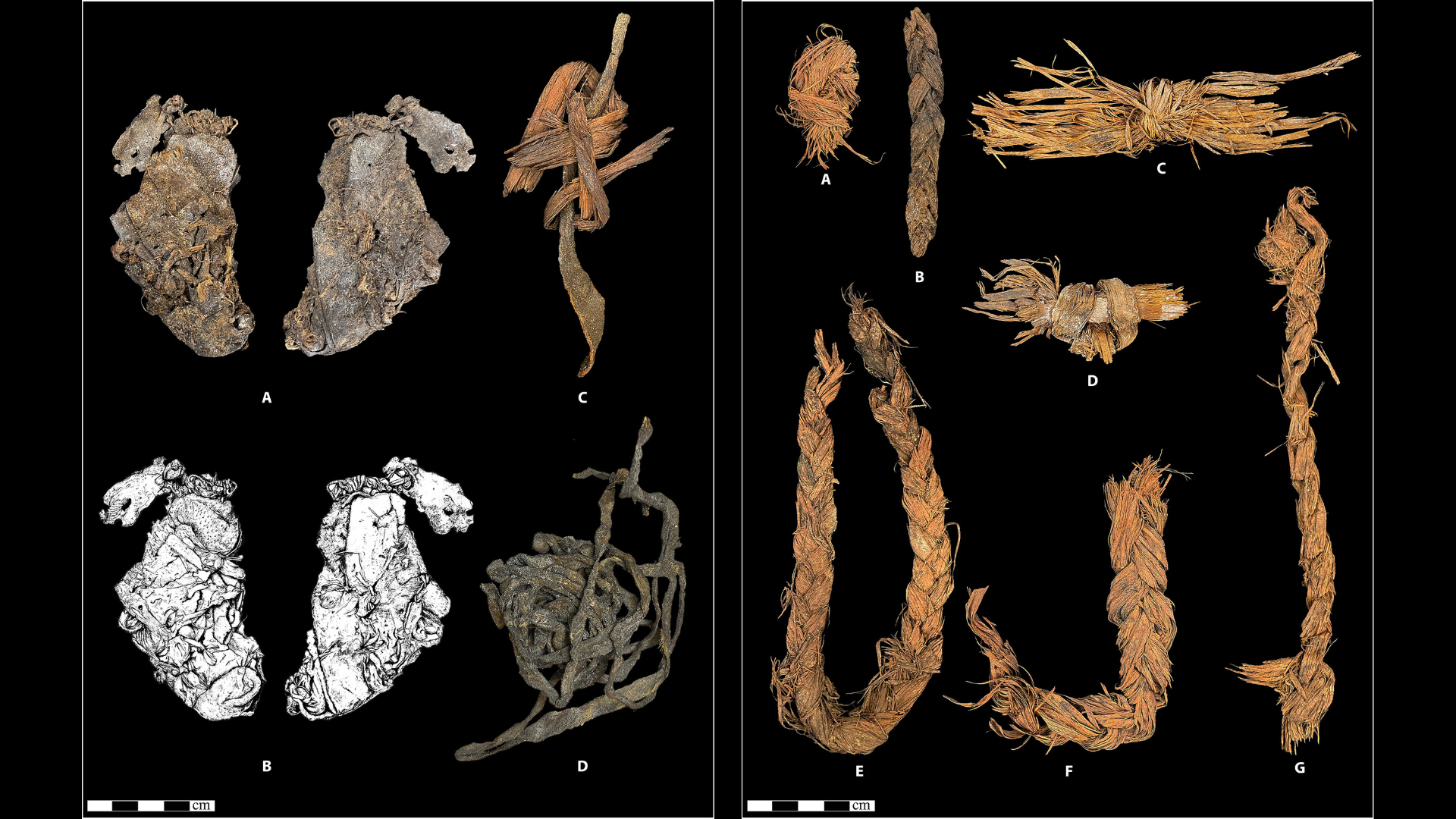 World's oldest known sewn clothing may be stitched pieces of ice age hide unearthed in Oregon cave
CT scans reveal the last moments of Inca children sacrificed as 'messengers to the gods'
World's oldest known sewn clothing may be stitched pieces of ice age hide unearthed in Oregon cave
CT scans reveal the last moments of Inca children sacrificed as 'messengers to the gods'
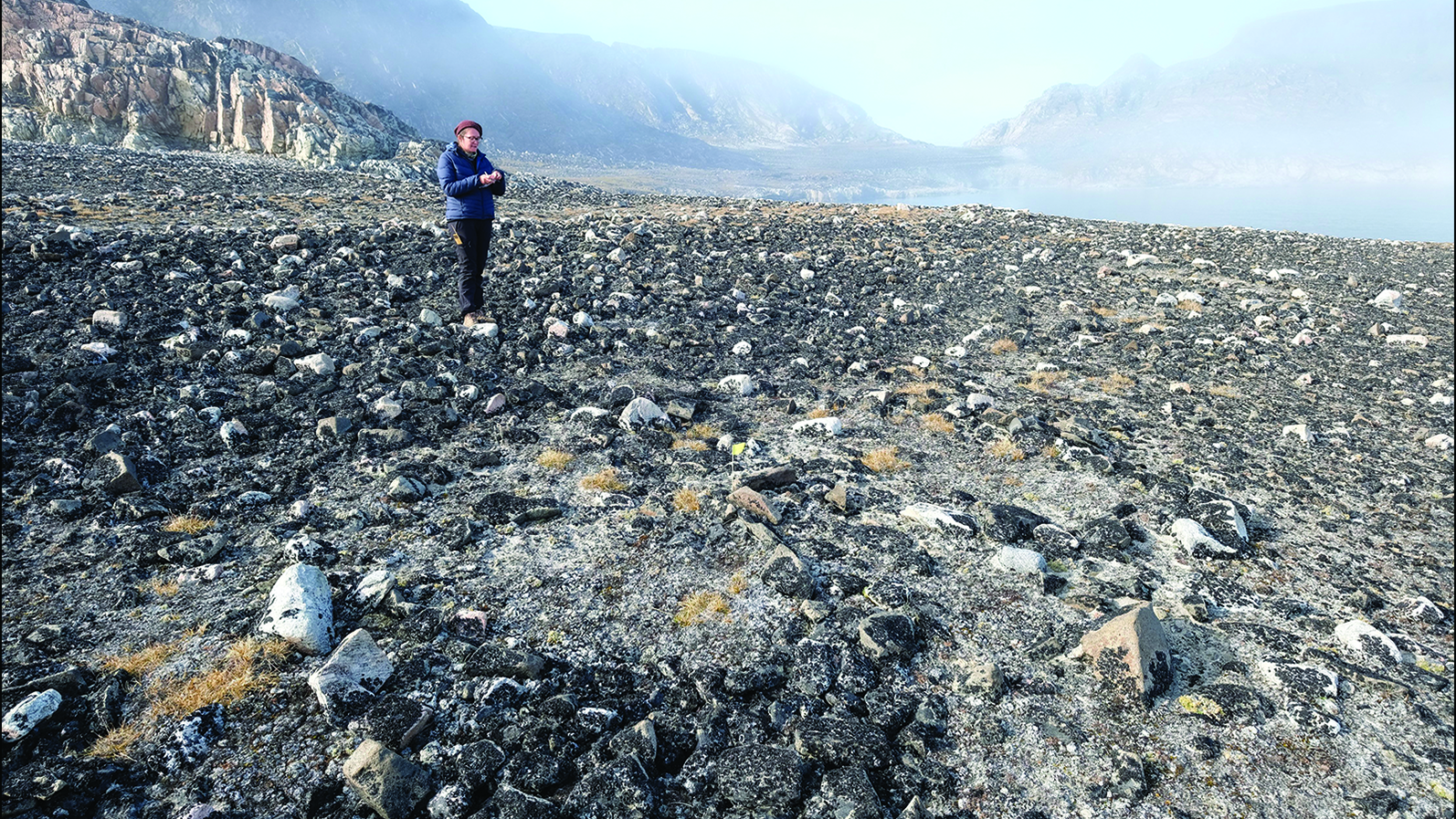 Paleo-Inuit people braved icy seas to reach remote Greenland islands 4,500 years ago, archaeologists discover
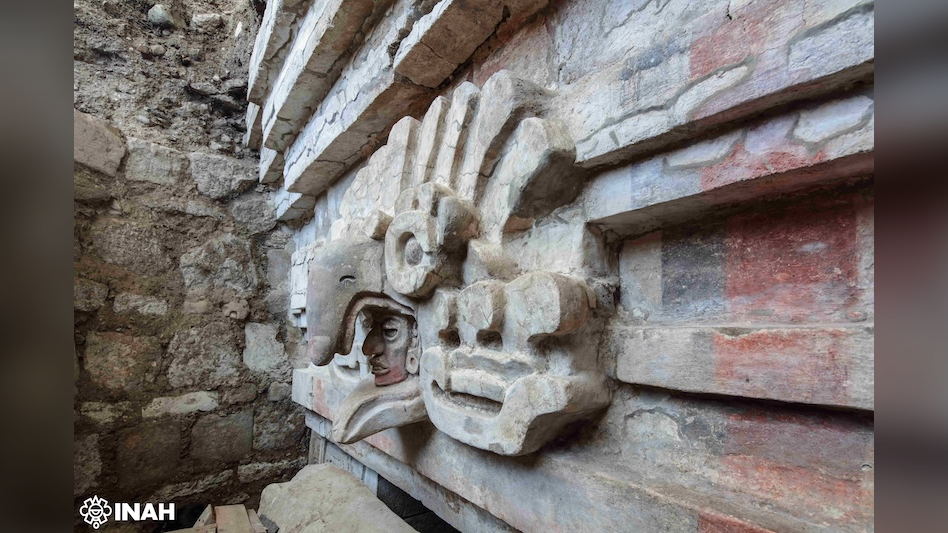 1,400-year-old Zapotec tomb discovered in Mexico features enormous owl sculpture symbolizing death
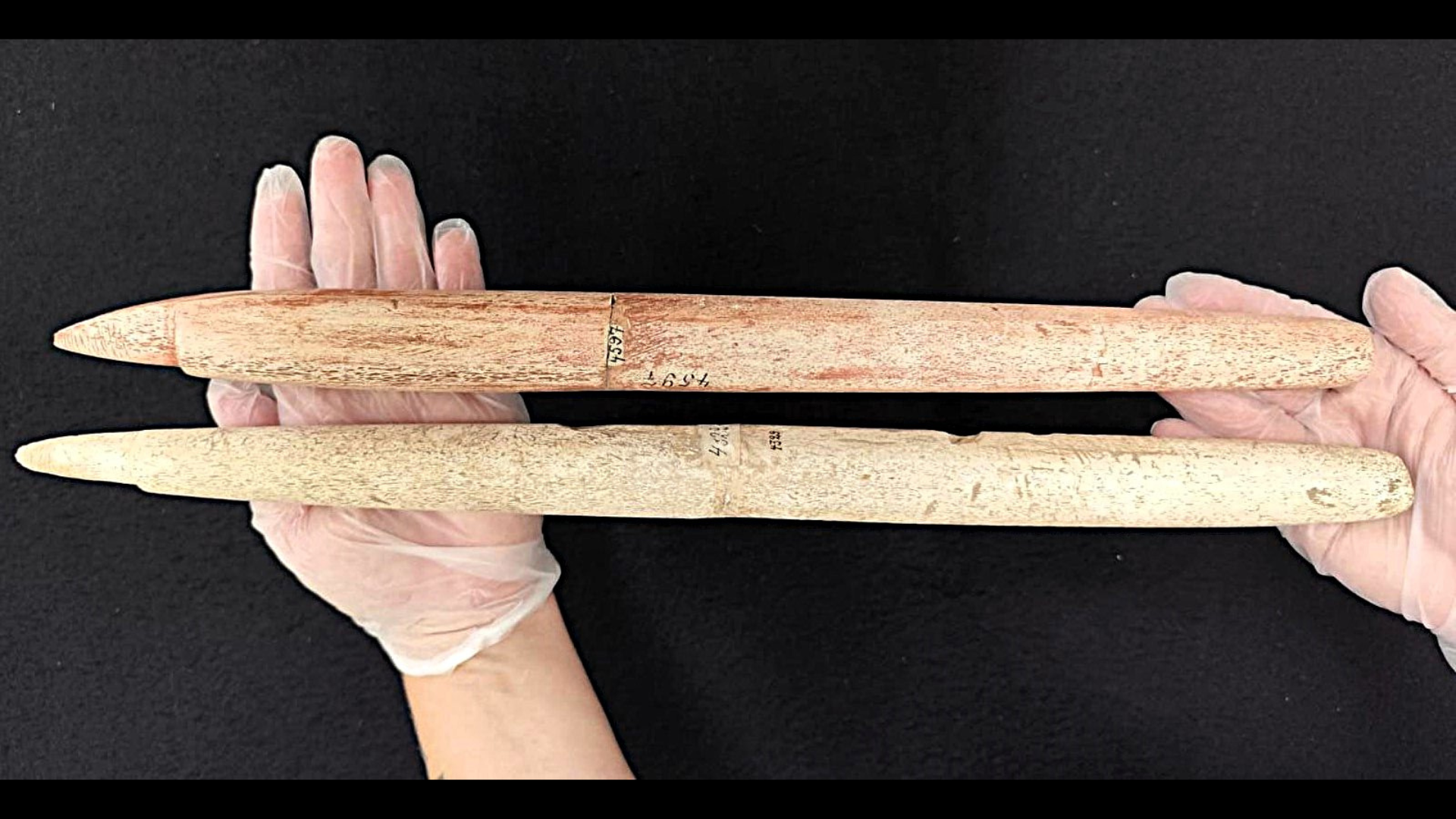 Some of the oldest harpoons ever found reveal Indigenous people in Brazil were hunting whales 5,000 years ago
Latest in News
Pre-Inca culture acquired Amazonian parrots from hundreds of miles away to use their feathers to decorate the dead, new analysis reveals
Some of the oldest harpoons ever found reveal Indigenous people in Brazil were hunting whales 5,000 years ago
Latest in News
Pre-Inca culture acquired Amazonian parrots from hundreds of miles away to use their feathers to decorate the dead, new analysis reveals
 Single protein could dramatically alter trajectory of Alzheimer's disease
 Falling meteorite smashes hole in roof of German house after spectacular 'fireball' explosion over Europe
 2,000-year-old Phoenician coin was used as bus fare in England, but 'how it got there will always be a mystery'
 Wildfire season is shifting, but its new time windows vary across Canada and the US drought-prone West
 In people with epilepsy, sleeping after a seizure may trigger more seizures
LATEST ARTICLES
In people with epilepsy, sleeping after a seizure may trigger more seizures
LATEST ARTICLES 1Falling meteorite smashes hole in roof of German house after spectacular 'fireball' explosion over Europe
- 2Gemstone-filled river and striped mountain ridge form massive 'Y' in China's revitalized desert
- 3Exotic prime numbers could be hiding inside black holes
- 42,000-year-old Phoenician coin was used as bus fare in England, but 'how it got there will always be a mystery'
- 5In people with epilepsy, sleeping after a seizure may trigger more seizures