
- Health
- Viruses, Infections & Disease
- Flu
Flu season in the U.S. is particularly bad this year, and a new branch of the flu family tree may be to blame.
When you purchase through links on our site, we may earn an affiliate commission. Here’s how it works.
 Flu cases have been notably high in the U.S. this season. Experts explain why.
(Image credit: Tunyada Kongkapan via Getty Images)
Share
Share by:
Flu cases have been notably high in the U.S. this season. Experts explain why.
(Image credit: Tunyada Kongkapan via Getty Images)
Share
Share by:
- Copy link
- X
If it feels like everyone around you has come down with the flu, you're not imagining it.
As of Jan. 9, the U.S. Centers for Disease Control and Prevention (CDC) estimates that at least 15 million people have gotten sick with the flu this season. Of those, 180,000 have been hospitalized, and 7,400 people have died from flu so far, including 17 children.
You may like-
 US could lose its measles elimination status within months, experts say
-
 Canada has lost its 'measles elimination status' — here's what that means
-
 Year in review: The standout health stories of 2025, from measles outbreaks to AI-made viruses
At Phoenix Children's Hospital, flu cases have been high since mid-December 2025, said pediatric infectious disease specialist Dr. Monica Abdelnour.
"Although the CDC [currently] estimates this flu season to be of moderate severity, the rates we are seeing are similar to, and in some cases slightly higher than, those observed in the 2024-2025 season, which was deemed high-severity," she told Live Science in an email. "It remains possible this flu season may ultimately be categorized as high severity as well."
While the CDC reported a slight dip in the number of lab-confirmed flu cases in the first week of 2026, compared to the last week of 2025, Madad told Live Science that it's "too early to declare we are past the peak." Flu activity in the U.S. usually peaks sometime between December and February. The CDC also noted that the small drop in confirmed cases could be linked to expected decreases in doctor visits and testing during the holidays, not an actual drop in flu spread.
What is subclade K?
A lot of the talk about this year's flu season has centered on something called "subclade K."
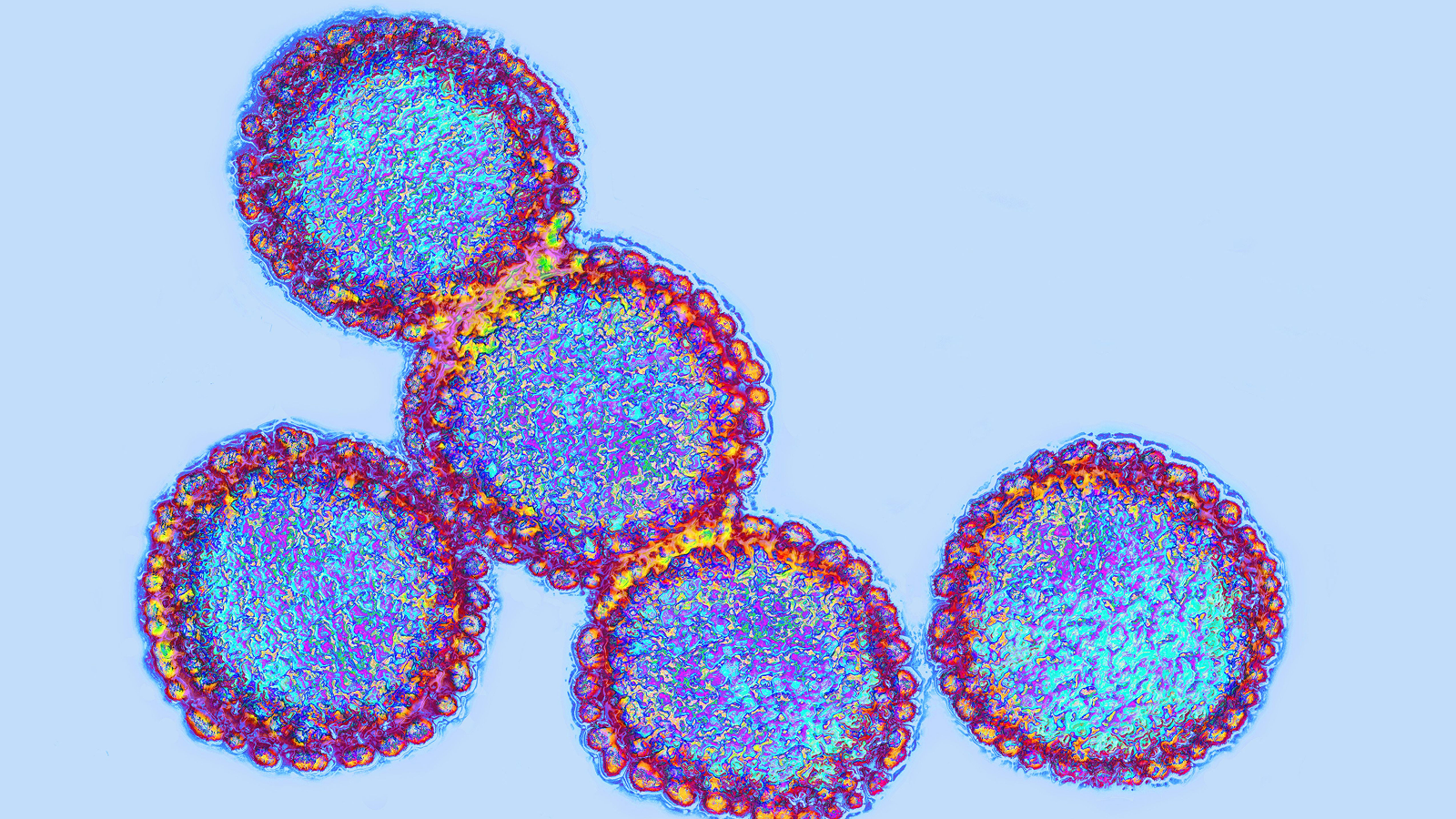
To understand what this is, it's important to know that flu viruses are constantly evolving, gaining small genetic mutations as they spread. Scientists keep track of how flu viruses change using a system similar to a family tree, Madad said.
The big branches of this tree are called "types." This includes influenza A and B, which are broad groups of flu viruses. These big branches sprout off into smaller branches called subtypes, such as A(H3N2) or B/Victoria lineage.
The letters H and N, which are used to differentiate influenza A subtypes, stand for two proteins on the virus's surface: hemagglutinin (H) and neuraminidase (N). There are many possible versions of each protein — 18 and 11 versions, respectively — which consequently gives rise to a large variety of flu viruses, of which only a few routinely infect humans.
Going even further down a branch, scientists identify "clades," which are groups of viruses that came from a common ancestor and share similar genetic traits. A subclade is an even smaller group within a clade — a newer "twig" on the tree — that shares recent mutations.
This flu season, the CDC reported that most flu cases are being caused by the influenza subtype A(H3N2). Of the more than 430 samples of influenza A(H3N2) virus collected since late September 2025, over 91% were identified as part of a closely related group called subclade K.
Is subclade K a "super flu"?
The answer is no.
Subclade K carries distinct mutations in parts of the virus that our immune systems usually recognize, Madad said. Because of this, our immunity from past flu infections or vaccinations is lower than it might be if the subclade looked more "familiar." This enables the virus to spread more easily, resulting in more cases and, as a result, more hospitalizations.
However, that does not automatically mean subclade K is more deadly or causes more severe illness than other circulating flu viruses, Madad said. Current epidemiologic data show that subclade K does not lead to more severe disease than other seasonal flu strains than are spreading now, she noted.
"Flu symptoms this year are similar to those seen in previous seasons," Abdelnour added.
People with the flu commonly experience fever or chills, cough, nasal congestion, muscle and/or body aches, headaches and fatigue. In severe cases, flu infections can lead to complications such as sepsis and pneumonia. Adults 65 and up; young children, especially those under 2; pregnant people; and people with chronic conditions like asthma, diabetes or heart disease are at highest risk for severe flu complications.
Is this year's flu vaccine working, and is it too late to get it?
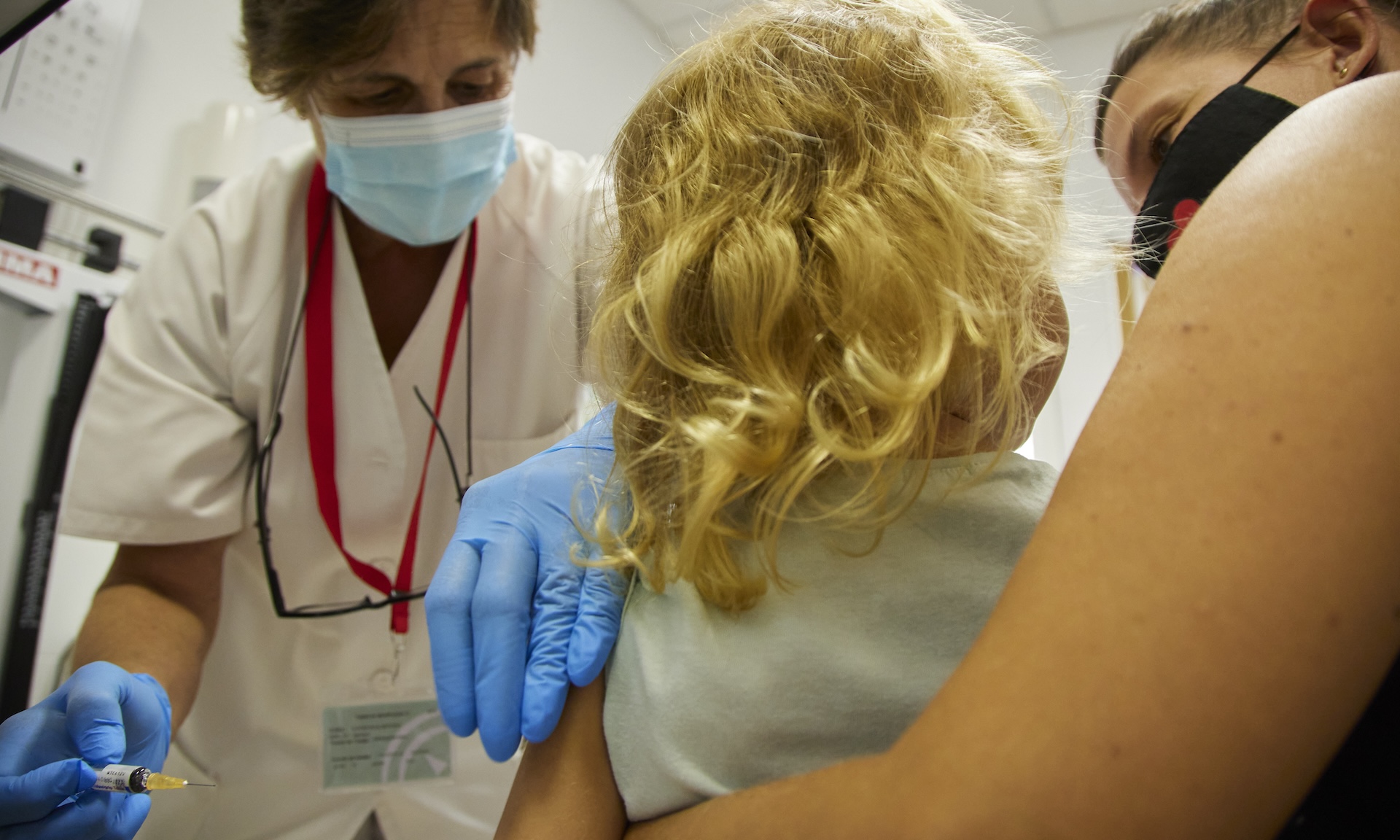
The flu vaccine "may be a less perfect match for subclade K" than it could be, Madad said, but she stressed that vaccination still plays a critical role in preventing serious illness. Abdelnour said that the annual flu vaccine reduces the risk of serious complications, such as sepsis, pneumonia and significant neurologic symptoms, such as seizures.
Data from the Southern Hemisphere, which experiences flu season before the Northern Hemisphere, suggests that this year's flu vaccine works just as well as past vaccines at lowering the risk of being hospitalized with the flu, Abdelnour said. This past flu season, the flu vaccine reduced flu-related doctor visits and hospitalizations by 50% in the Southern Hemisphere, according to a CDC report published in September 2025.
"This is within the typical range, and it's anticipated we should experience similar levels of protection in the United States," Abdelnour said.
Unfortunately, fewer people are getting vaccinated against the flu this year, and that's especially true of children, Madad said. "Only about 42% of U.S. children have received the flu vaccine so far this season, down from roughly 53% at the same point in 2019–2020." As of Jan. 3, about 44.1% of adults reported having received a flu vaccination.
Poor vaccination rates can have real consequences, Madad said. During the 2024-2025 flu season, 280 children in the U.S. died of flu-related illness, and of those, about 9 in 10 had not been vaccinated against the virus. Madad, who is also a mother of four, noted that all of her children receive the flu shot every year.
Even though flu season started in the fall, "it is not too late to get the flu shot," Abdelnour emphasized. "Given the current surge in cases, getting vaccinated now is strongly recommended to protect yourself and those around you."
Madad echoed that advice, urging anyone who hasn't yet received a flu shot this season to do so, especially adults ages 65 and older, pregnant people, those with weakened immune systems, and people living with chronic health conditions, who are at higher risk of severe cases.
How else can you protect yourself from flu?
Vaccination is just one layer of protection. Madad emphasized wearing a well-fitting mask in crowded indoor spaces and improving ventilation for indoor gatherings. Additionally, people should stay home when sick to avoid the risk of spreading flu to others. These steps help limit the spread not only of flu, but of other respiratory viruses like COVID-19 and RSV (respiratory syncytial virus), as well.
Abdelnour also noted the importance of practicing proper hand hygiene. "Special attention should be given to childcare environments such as schools and daycare centers," she said. "This includes recommending children get their flu shot, encouraging handwashing with soap and water for at least 20 seconds and keeping children home when they are ill to prevent the spread of infection to others."
Are there treatments for flu?
For people who do get sick, antiviral medications such as Tamiflu can help. These prescription drugs can reduce the severity of symptoms and shorten the time you are sick, especially when taken within the first day or two after symptoms begin. Evidence suggests they can be especially helpful to people hospitalized for flu.
RELATED STORIES—Is it too late to get a flu shot?
—How do people die of the flu?
—The US is having its most active flu season in 15 years
The CDC recommends prompt treatment for people with suspected flu symptoms who are at increased risk of serious flu complications, including pregnant women and people with chronic health conditions, such as asthma, lung disease, diabetes, or heart disease.
Sign up for the Live Science daily newsletter nowContact me with news and offers from other Future brandsReceive email from us on behalf of our trusted partners or sponsorsBy submitting your information you agree to the Terms & Conditions and Privacy Policy and are aged 16 or over.Madad said that flu antivirals are "underused" and reminds people at high risk of severe flu or who are caring for someone who is high risk to ask their doctors about antivirals shortly after they suspect an infection. The good news is that current data show subclade K is still responsive to the standard antiviral medications doctors use for influenza, she said.
DisclaimerThis article is for informational purposes only and is not meant to offer medical advice.
TOPICS news explainers Clarissa BrincatLive Science Contributor
Clarissa Brincat is a freelance writer specializing in health and medical research. After completing an MSc in chemistry, she realized she would rather write about science than do it. She learned how to edit scientific papers in a stint as a chemistry copyeditor, before moving on to a medical writer role at a healthcare company. Writing for doctors and experts has its rewards, but Clarissa wanted to communicate with a wider audience, which naturally led her to freelance health and science writing. Her work has also appeared in Medscape, HealthCentral and Medical News Today.
Show More CommentsYou must confirm your public display name before commenting
Please logout and then login again, you will then be prompted to enter your display name.
Logout Read more US could lose its measles elimination status within months, experts say
 Canada has lost its 'measles elimination status' — here's what that means
 Year in review: The standout health stories of 2025, from measles outbreaks to AI-made viruses
 The US is on track to lose its measles elimination status in months. RFK needs to go.
 From gene therapy breakthroughs to preventable disease outbreaks: The health trends that will shape 2026
 US government overhauls the childhood vaccine schedule in unprecedented move
Latest in Flu
US government overhauls the childhood vaccine schedule in unprecedented move
Latest in Flu
 Flu: Facts about seasonal influenza and bird flu
 Brain damage reported in 13% of kids who have died of flu this season, CDC finds
 This year's flu shot was up to 78% effective at preventing hospitalization in kids, early data finds
 The US is having its most active flu season in 15 years
 2nd form of bird flu detected in US cows
 US reports 1st outbreak of 'highly pathogenic' H5N9 virus in poultry. Should we worry?
Latest in News
US reports 1st outbreak of 'highly pathogenic' H5N9 virus in poultry. Should we worry?
Latest in News
 Ever seen a pet cow pick up a broom and scratch herself with it? You have now
 James Webb telescope reveals sharpest-ever look at the edge of a supermassive black hole
Why is flu season so bad this year?
James Webb telescope reveals sharpest-ever look at the edge of a supermassive black hole
Why is flu season so bad this year?
 Strange discovery offers 'missing link' in planet formation
 Remnants of spills on Renaissance-era textbook reveal recipes for 'curing' ailments with lizard heads and human feces
 Romans regularly soaked in filthy, lead-contaminated bath water, Pompeii study finds
LATEST ARTICLES
Romans regularly soaked in filthy, lead-contaminated bath water, Pompeii study finds
LATEST ARTICLES 1Giant underwater plumes triggered by 7-story waves at Nazaré captured off Portuguese coast
- 2Indigenous TikTok star 'Bush Legend' is actually AI-generated, leading to accusations of 'digital blackface'
- 3Ever seen a pet cow pick up a broom and scratch herself with it? You have now
- 4HP Omen Max 16 (2025) review: This heavyweight pushes everything to the max
- 5Eerie 'sand burials' of elite Anglo-Saxons and their 'sacrificed' horse discovered near UK nuclear power plant