- Animals
- Fish
- Sharks
Sharktober is real in Hawaii — and it's down to the reproductive pattern of predatory tiger sharks, an analysis of 30 years of data reveals.
When you purchase through links on our site, we may earn an affiliate commission. Here’s how it works.
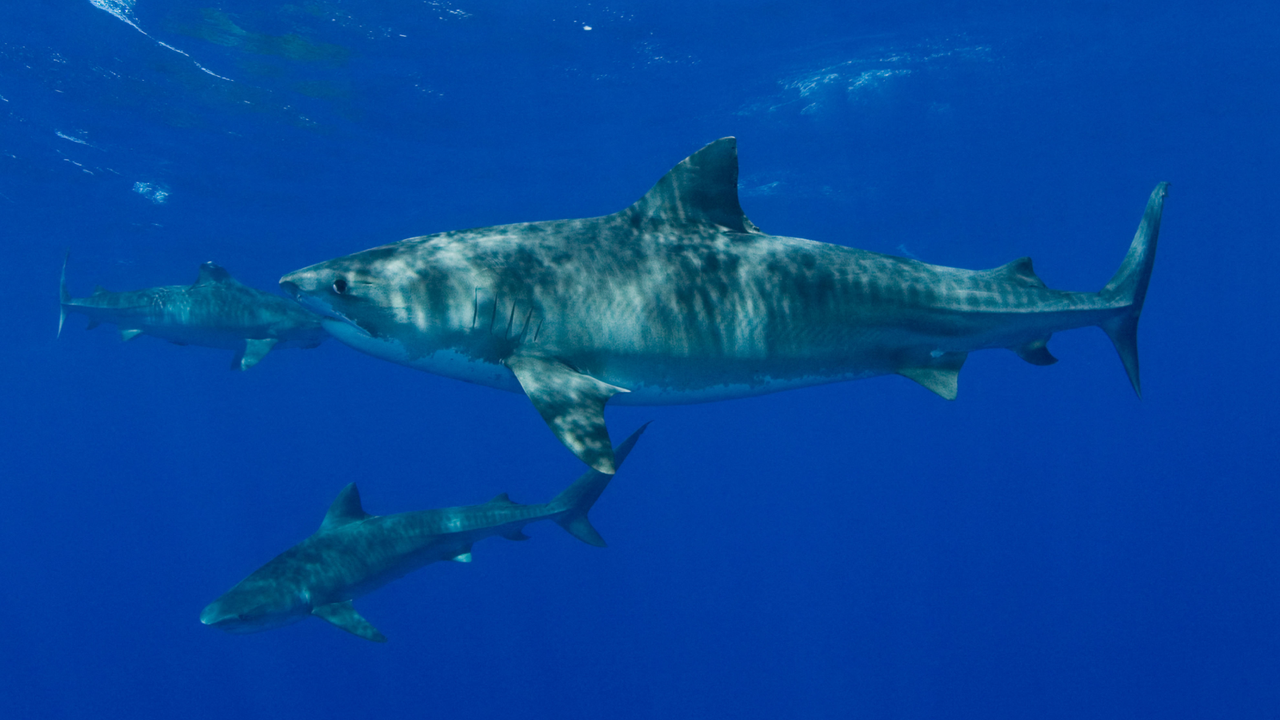
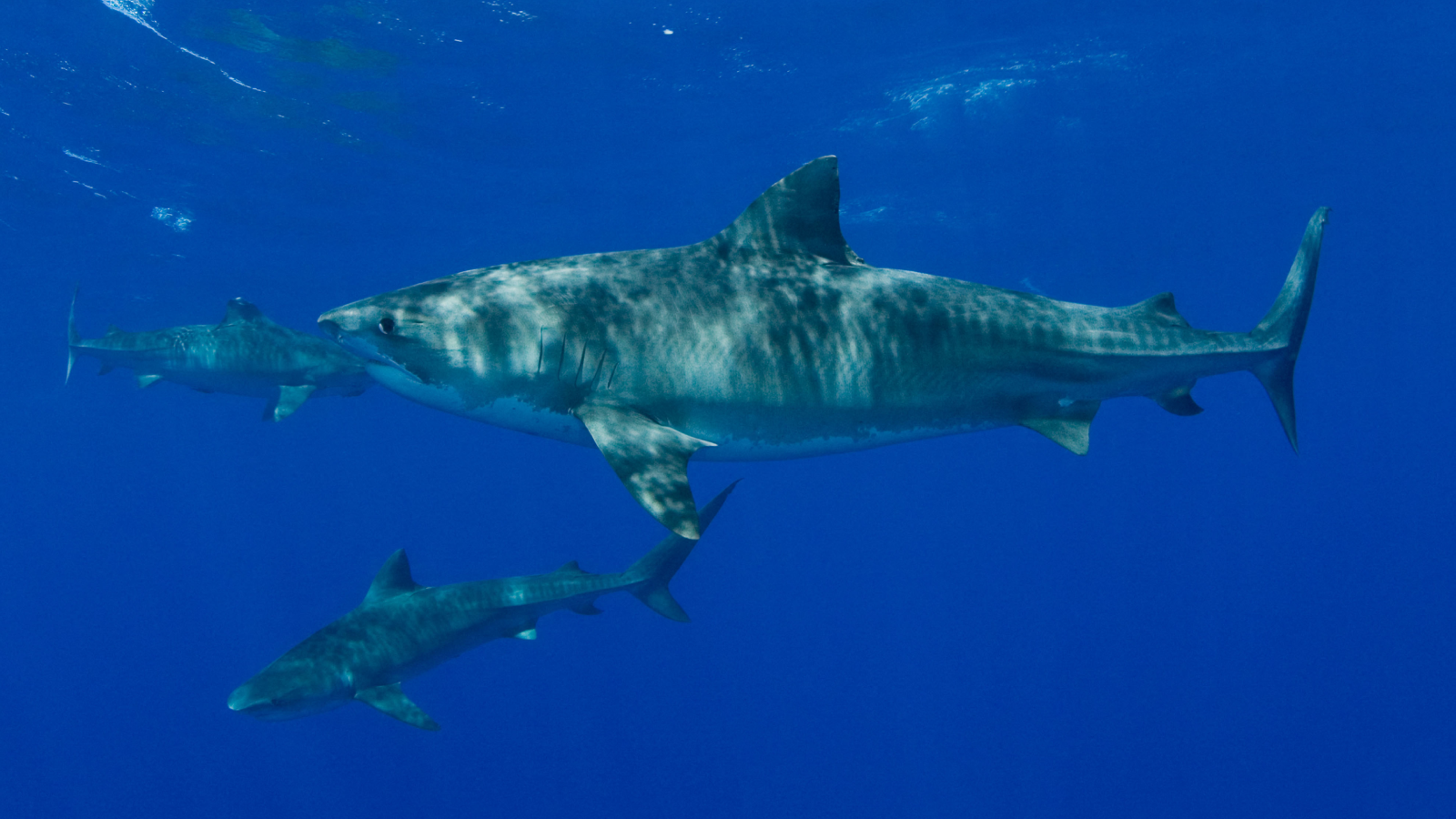 Researchers in Hawaii analyzed 30 years' worth of data on shark bites and found a significant rise in October
(Image credit: Doug Perrine/Alamy)
Share
Share by:
Researchers in Hawaii analyzed 30 years' worth of data on shark bites and found a significant rise in October
(Image credit: Doug Perrine/Alamy)
Share
Share by:
- Copy link
- X
"Sharktober" — the spike in shark bite incidents off the west coast of North America during the fall — is real, and it seems to happen in Hawaii when tiger sharks give birth in the waters surrounding the islands, new research suggests.
Carl Meyer, a marine biologist at the University of Hawai'i at Manoa's Hawaii Institute of Marine Biology, analyzed 30 years' worth of Hawaii shark bite data, from1995 to 2024, and found that tiger sharks (Galeocerdo cuvier) accounted for 47% of the 165 unprovoked bites recorded in the area during that period. Of the others, 33% were by unidentified species and 16% were attributed to requiem sharks (Carcharhinus spp.)
You may like-
 Orcas in the Gulf of California paralyze young great white sharks before ripping out their livers
-
 Orcas are adopting terrifying new behaviors. Are they getting smarter?
-
 Killer whales are teaming up with dolphins on salmon hunts, study finds — but not everyone agrees
Crucially, tiger sharks accounted for at least 63% of the recorded bites during that month. What's more, 28% of the October bites involved unidentified species, some of which may have also been tiger sharks, Meyer wrote in the study, which was published Jan. 6 in the journal Frontiers in Marine Science."The October spike appears to be driven by tiger shark biology rather than changes in human ocean use," Meyer told Live Science via email.
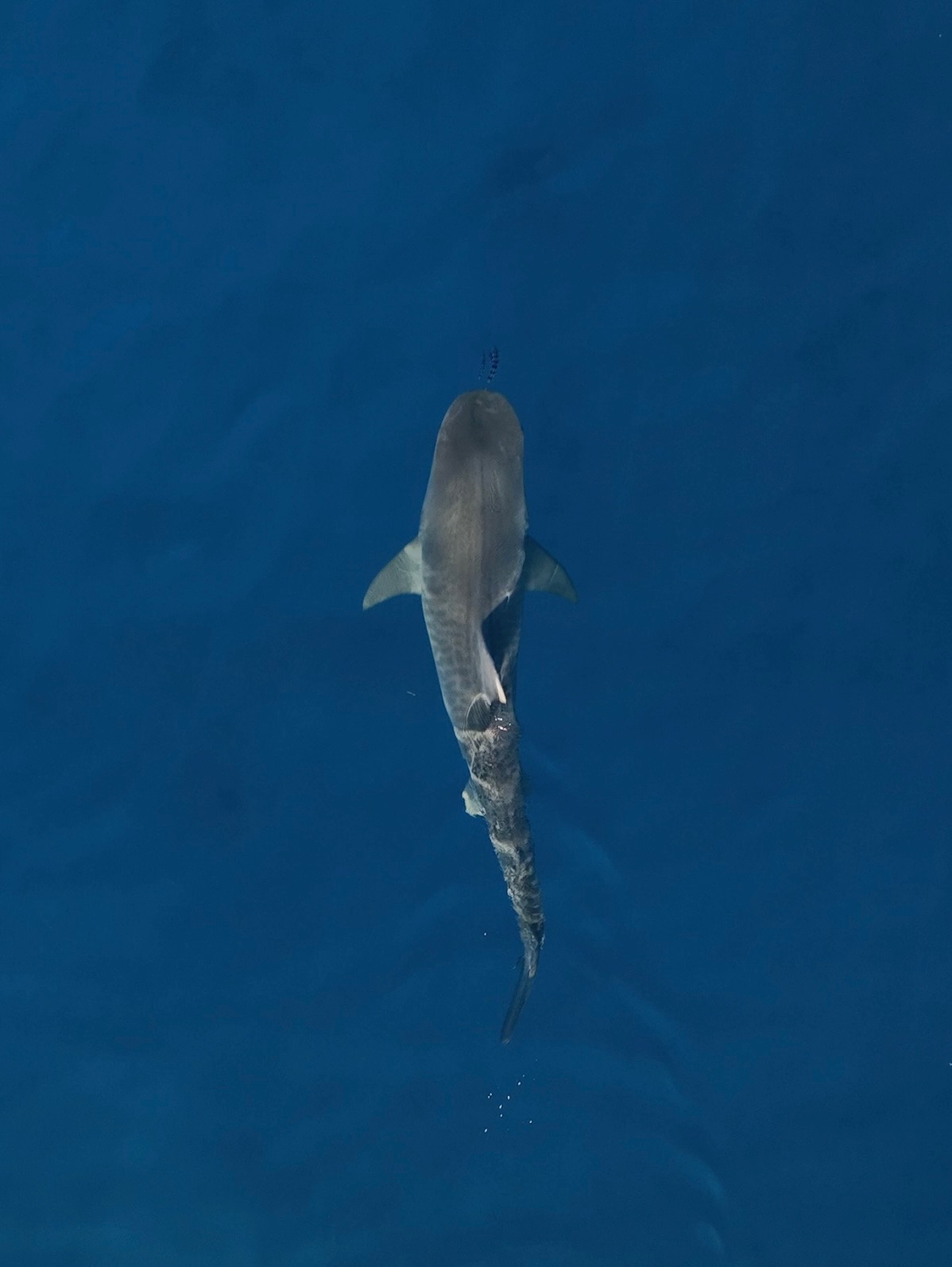
Tiger sharks typically reach 10 to 14 feet (3 to 4.3 meters) long and weigh more than 850 pounds (385 kilograms). They are named for the dark vertical stripes that younger ones have, and they are found throughout the world in temperate and tropical waters, especially around central Pacific islands.
Tiger shark numbers are highest in the waters off Hawaii during October according to ecotourism operators. This month is also when large, mature females move from islands in the northwest Pacific to areas close to the shores around the main Hawaiian Islands to give birth. The increased presence of large sharks is one crucial factor that could lead to more bites, Meyer said.
"The most plausible explanation is seasonal reproduction: a partial migration of large adult female tiger sharks associated with pupping season appears to increase their presence in nearshore waters used by humans," Meyer said.
Sign up for the Live Science daily newsletter nowContact me with news and offers from other Future brandsReceive email from us on behalf of our trusted partners or sponsorsBy submitting your information you agree to the Terms & Conditions and Privacy Policy and are aged 16 or over.The other key factor is that giving birth is draining. Tiger sharks are ovoviviparous, which means their eggs hatch inside the mother's body, and the embryos receive additional nutrition beyond what was in the egg's yolk sac.The sharks also give birth to an average of about 30 pups after 15 to 16 months of gestation.
This means females, while pregnant and after they have given birth, are likely to need to actively forage to recover energy reserves, Meyer said. Other ecological factors may also contribute to the spike in bites, though, he added, such as seasonal increases in the availability of preferred prey, such as large reef fish. Attacks won't be down to the mothers protecting their young, though — once born, tiger shark pups are independent and often stay in shallow areas to avoid being eaten by bigger sharks, including their mother.
The available information suggests an increase in unprovoked shark bites around Hawaii, said Daryl McPhee, an environmental scientist at Bond University in Queensland, Australia, who studies shark attacks but wasn't involved in this study.
You may like-
Orcas in the Gulf of California paralyze young great white sharks before ripping out their livers
-
Orcas are adopting terrifying new behaviors. Are they getting smarter?
-
Killer whales are teaming up with dolphins on salmon hunts, study finds — but not everyone agrees
"Any seasonal behavioural change that can increase the potential overlap between large species of sharks such as tiger sharks, has the potential to increase the risk of a bite occurring," he told Live Science via email, adding that regardless of the circumstances, the risk of a bite remains low.
Meyer also noted the overall risk of shark bites is extremely low. "The key implication is awareness, not alarm," Meyer said. "Extra caution is advised during this month, particularly for high-risk, solo activities such as surfing or swimming in coastal areas."
Although the October peak revealed in the study is specific to Hawaii and tiger sharks, there may be similar patterns elsewhere in the world, Meyer said. "When large coastal sharks show strong seasonal shifts in habitat use, bite risk can also become seasonal. Other regions and species may experience similar patterns, but the timing and drivers will vary depending on local ecology."
Globally, three large coastal shark species account for most recorded unprovoked bites. These are great white sharks (Carcharodon carcharias), tiger sharks and bull sharks (Carcharhinus leucas), a type of requiem shark.
Bull sharks are thought to be behind a recent spate of bites near Sydney in New South Wales, Australia, with four events within 48 hours, and this period does roughly align with their southern hemisphere summer breeding period.
"Bull sharks along parts of the Australian east coast are more seasonally abundant nearshore and in rivers and estuaries during their reproductive period in the austral summer," McPhee said.
However, other factors may have been more influential to the recent bites in Australia, including a combination of increased summer water use by people, environmental conditions such as storm runoff and reduced water clarity.
RELATED STORIES—
—
—
"There was a set of environmental conditions that concentrated bull sharks towards the mouth of Sydney Harbour and adjacent beaches," McPhee said. "There was heavy rain in the catchment that would have flushed prey out and it made the water murky. Thus, prime conditions for bull sharks to feed in."
Despite substantial variation in the number of bites across time and in different places, there is a general long-term trend of increasing shark bites, particularly on surfers, McPhee added. In New South Wales there were four recorded bites between 1980 and 1999, while 63 bites were recorded between 2000 and 2019.
Globally the picture is similar, according to data from the Florida Museum. In the 1970s, there were a total of 157 attacks, but that hit 500 in the 1990s and totalled 803 between 2010 and 2019.
Article SourcesMeyer CG (2026) ‘Sharktober’: tiger shark parturition drives seasonality in shark bite incidents in Hawaiian waters. Front. Mar. Sci. 12:1587902. https://doi.org/10.3389/fmars.2025.1587902
Shark quiz
TOPICS hawaii Chris SimmsLive Science Contributor
Chris Simms is a freelance journalist who previously worked at New Scientist for more than 10 years, in roles including chief subeditor and assistant news editor. He was also a senior subeditor at Nature and has a degree in zoology from Queen Mary University of London. In recent years, he has written numerous articles for New Scientist and in 2018 was shortlisted for Best Newcomer at the Association of British Science Writers awards.
Show More CommentsYou must confirm your public display name before commenting
Please logout and then login again, you will then be prompted to enter your display name.
Logout Read more Orcas in the Gulf of California paralyze young great white sharks before ripping out their livers
 Orcas are adopting terrifying new behaviors. Are they getting smarter?
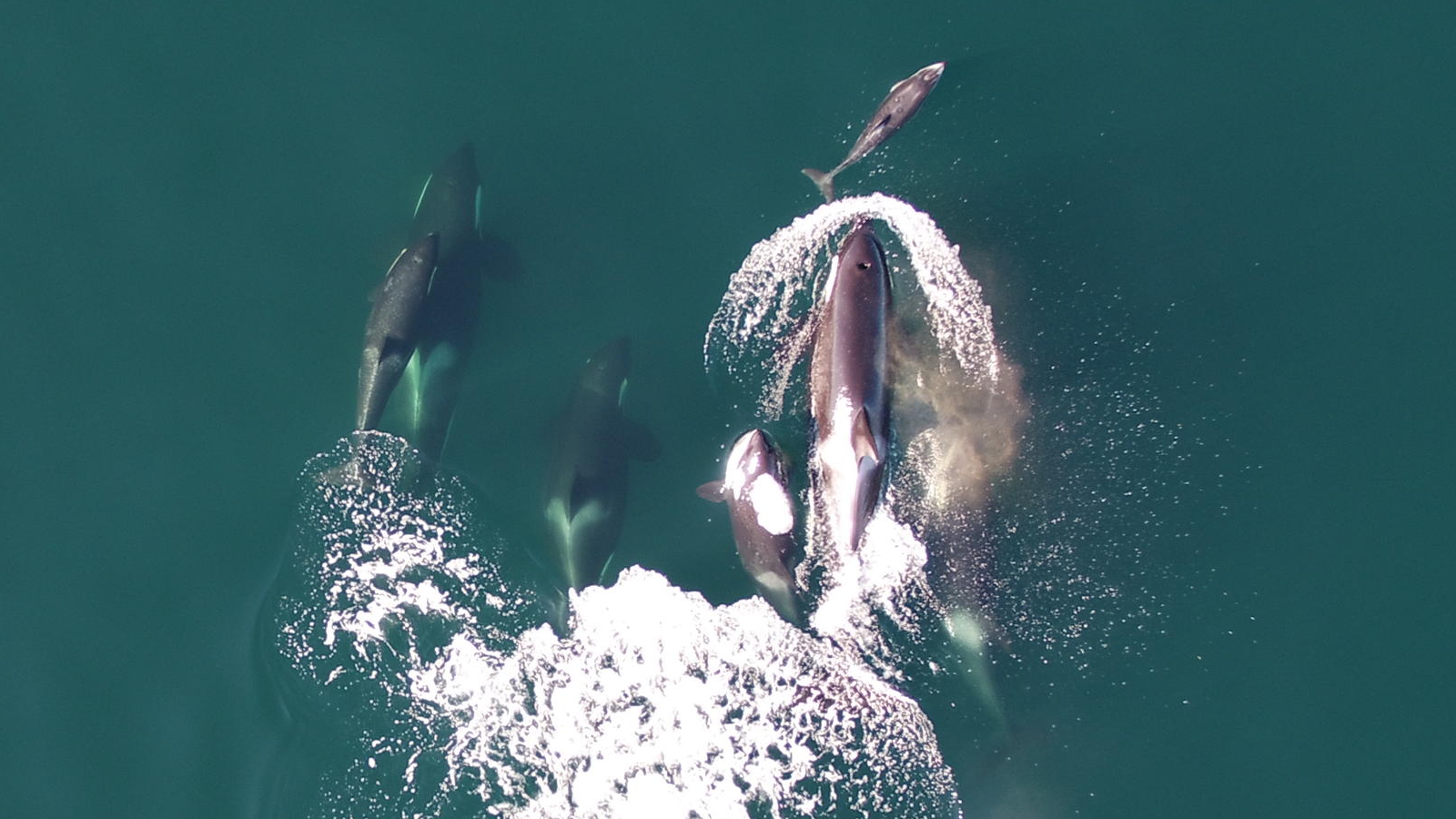 Killer whales are teaming up with dolphins on salmon hunts, study finds — but not everyone agrees
 That was the week in science: Second earthquake hits Japan | Geminids to peak | NASA loses contact with Mars probe
 50 mind-blowing science facts about our incredible world
 Scientists find rare tusked whale alive at sea for the first time — and shoot it with a crossbow
Latest in Sharks
Scientists find rare tusked whale alive at sea for the first time — and shoot it with a crossbow
Latest in Sharks
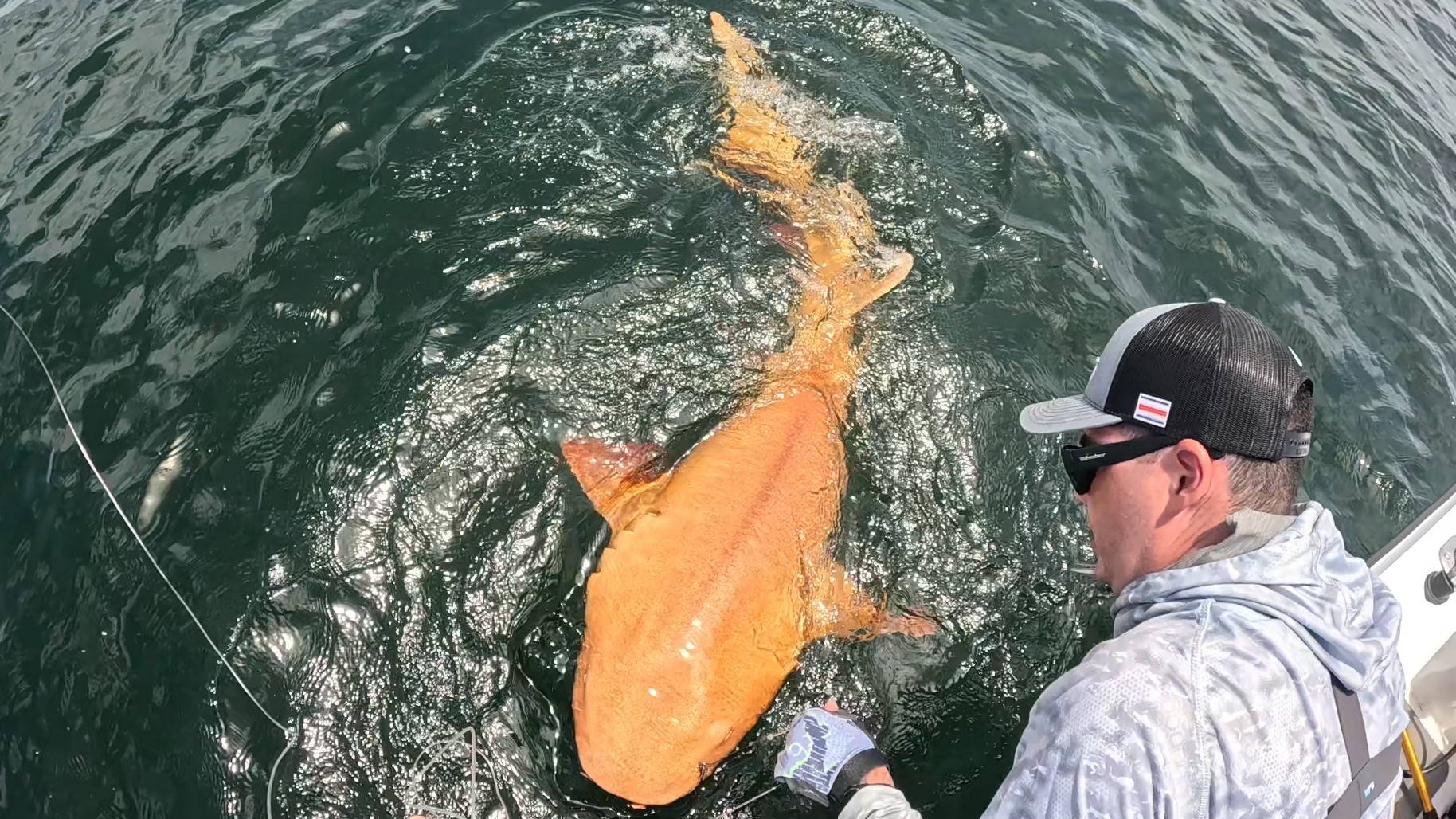 Fishers discover first-of-its-kind bright orange shark with two rare conditions in Caribbean
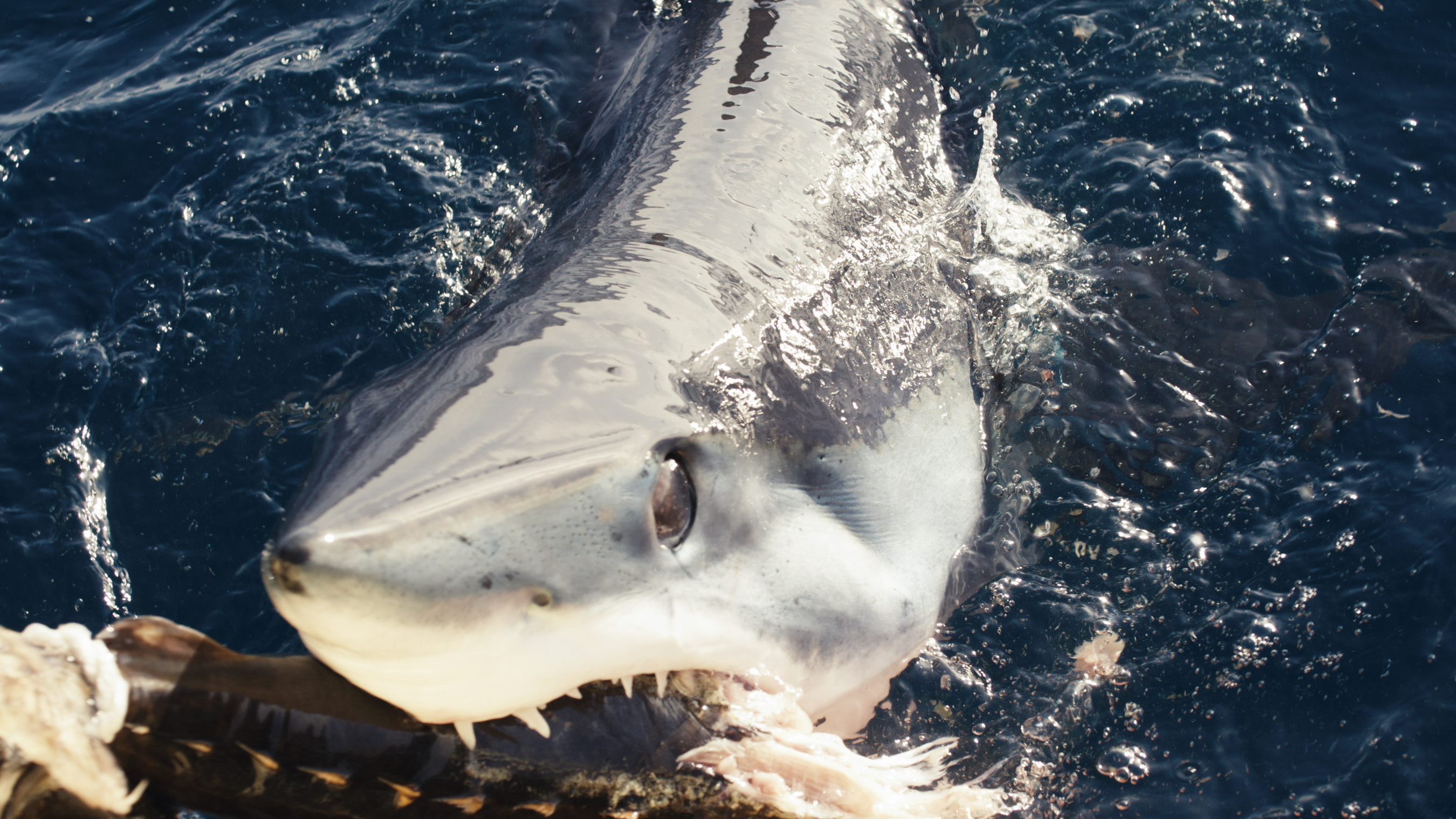 Shark Week team discovers unusual 'black makos' off California coast
 How to watch Shark Week 2025: Live TV & streaming schedule for Discovery special
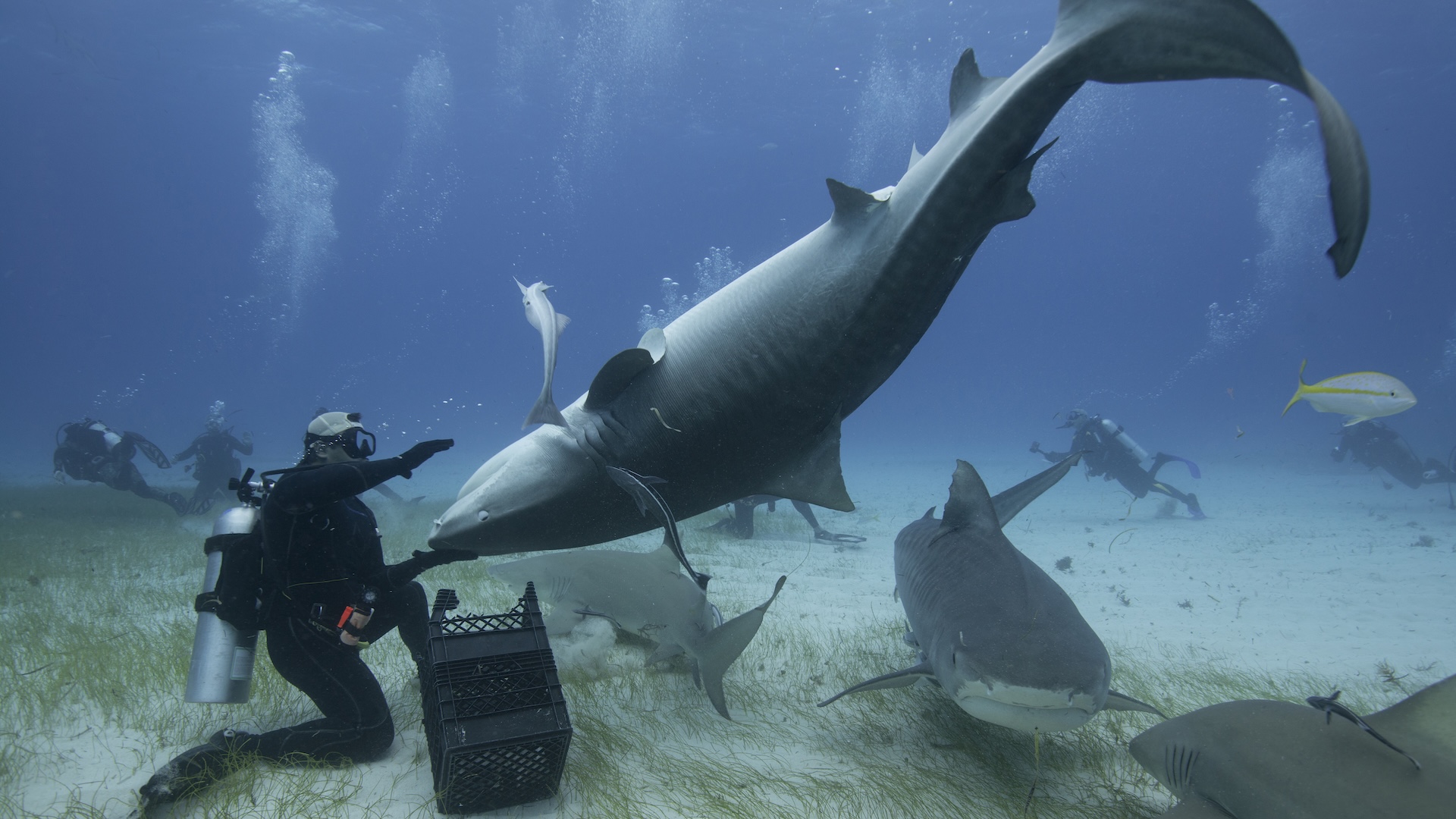 Why do sharks freeze when flipped upside down?
 Do sharks make noises? An accidental discovery might just answer that question
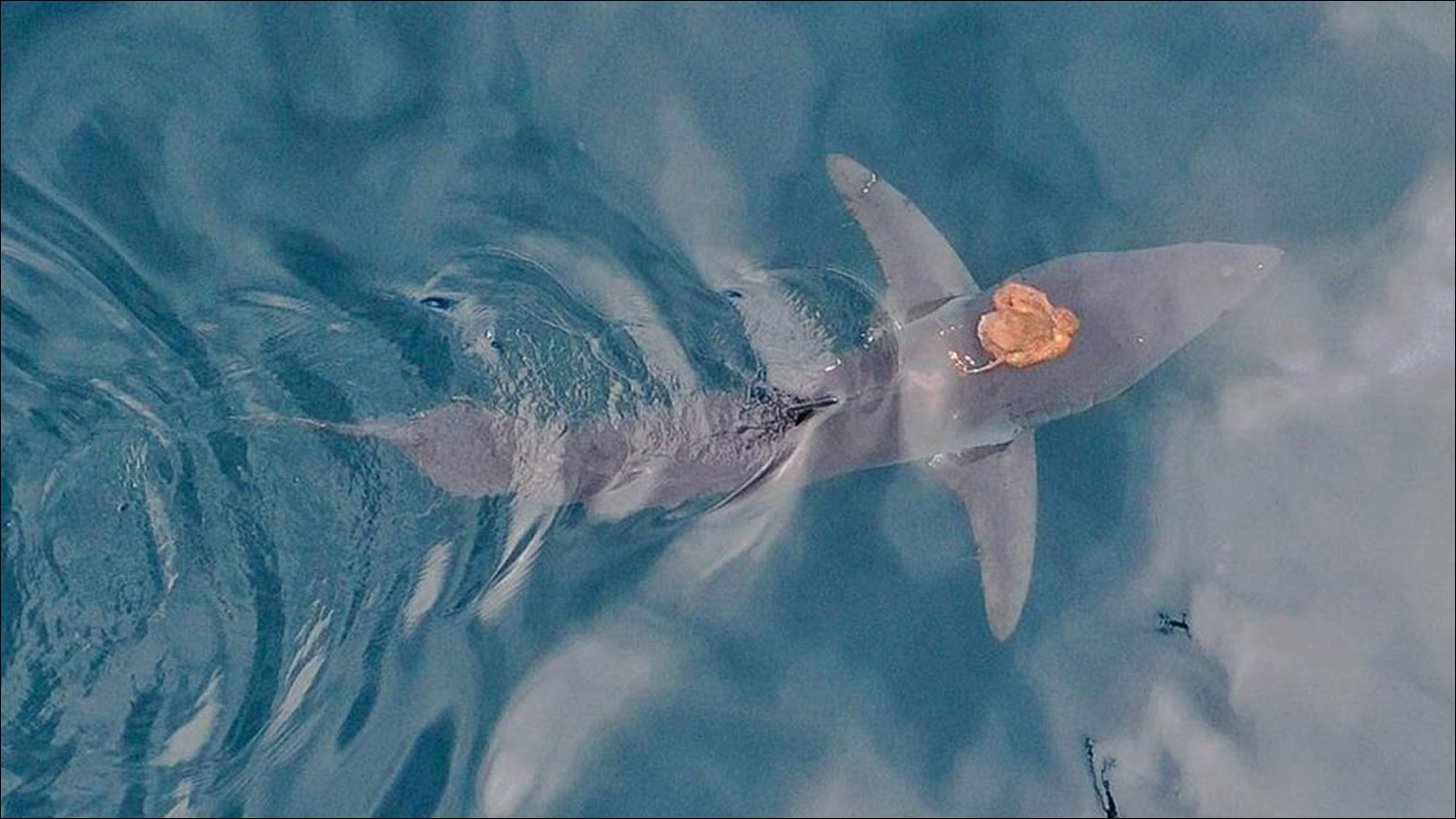 Octopus spotted riding on top of world's fastest shark
Latest in News
Octopus spotted riding on top of world's fastest shark
Latest in News
 'Doomsday Clock' ticks 4 seconds closer to midnight
 Standard model of cosmology holds up in massive 6-year study of the universe
 Creepy humanoid robot face learned to move its lips more accurately by staring at itself in the mirror, then watching YouTube
Shark attacks in Hawaii spike in October, and scientists think they know why
Creepy humanoid robot face learned to move its lips more accurately by staring at itself in the mirror, then watching YouTube
Shark attacks in Hawaii spike in October, and scientists think they know why
 Rock climbers in Italy accidentally discovered evidence of an 80 million-year-old sea turtle stampede
 IVF hormones could be delivered with painless 'microneedle' patch someday, early study hints
LATEST ARTICLES
IVF hormones could be delivered with painless 'microneedle' patch someday, early study hints
LATEST ARTICLES- 1'Doomsday Clock' ticks 4 seconds closer to midnight
- 2Standard model of cosmology holds up in massive 6-year study of the universe
- 3Creepy humanoid robot face learned to move its lips more accurately by staring at itself in the mirror, then watching YouTube
- 4160,000-year-old sophisticated stone tools discovered in China may not have been made by Homo sapiens
- 5Rock climbers in Italy accidentally discovered evidence of an 80 million-year-old sea turtle stampede