
- Archaeology
A new analysis of mineral grains has refuted the "glacial transport theory" that suggests Stonehenge's bluestones and Altar Stone were delivered to Salisbury Plain by glaciers.
When you purchase through links on our site, we may earn an affiliate commission. Here’s how it works.
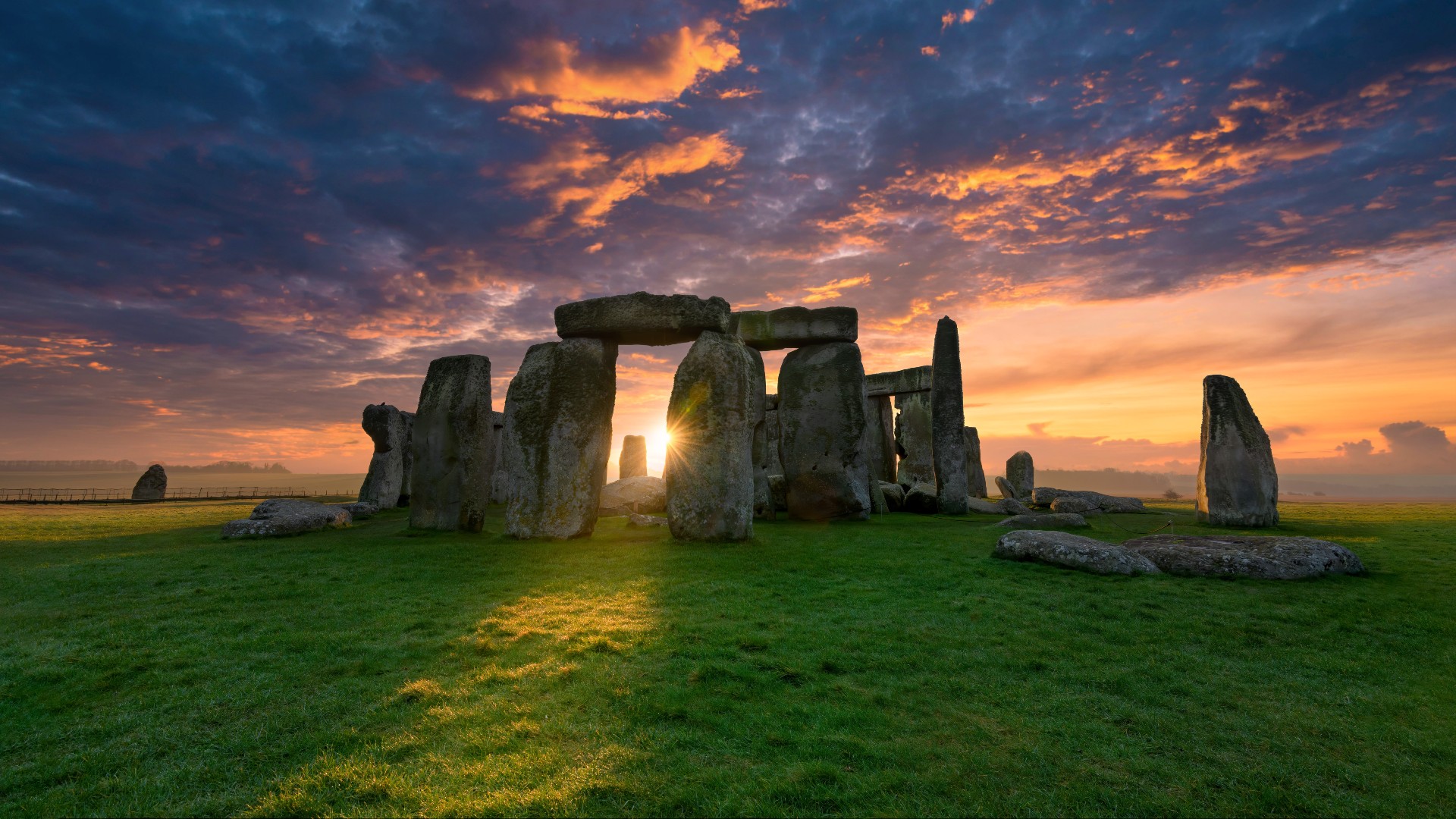 Stonehenge's megaliths were not transported by glaciers to their current location, researchers say.
(Image credit: Captain Skyhigh via Getty Images)
Share
Share by:
Stonehenge's megaliths were not transported by glaciers to their current location, researchers say.
(Image credit: Captain Skyhigh via Getty Images)
Share
Share by:
- Copy link
- X
Humans — not glaciers — transported Stonehenge's megaliths across Great Britain to their current location in southern England, a new study confirms.
Scientists have believed for decades that the 5,000-year-old monument's iconic stones came from what is now Wales and even as far as Scotland, but there is still debate as to how the stones arrived at Salisbury Plain in southern England.
You may like-
 18,000 years ago, ice age humans built dwellings out of mammoth bones in Ukraine
-
 160,000-year-old sophisticated stone tools discovered in China may not have been made by Homo sapiens
-
 Modern humans arrived in Australia 60,000 years ago and may have interbred with archaic humans such as 'hobbits'
"While previous research had cast doubt on the glacial transport theory, our study goes further and applies cutting-edge mineral fingerprinting to trace the stones' true origins," study authors Anthony Clarke, a research geologist at Curtin University in Australia, and Christopher Kirkland, a professor of geology also at Curtin University, wrote in The Conversation.
Stonehenge's bluestones, so called because they acquire a bluish tinge when wet or freshly broken, are from the Preseli Hills in western Wales, meaning people likely dragged them 140 miles (225 kilometers) to the site of the prehistoric monument. More remarkable still, researchers think the Altar Stone inside Stonehenge's middle circle came from northern England or Scotland, which is much farther away — at least 300 miles (500 km) — from Salisbury Plain and may have required boats.
The glacial transport theory is a counterproposal to the idea that people moved the stones from elsewhere in the U.K. to build the monument on Salisbury Plain, instead using stones that had already been transported there by natural means. However, as Stonehenge’s rocks show no signs of glacial transport, and the southern extent of Great Britain’s former ice sheets remain unclear, archaeologists have disputed the idea.
To investigate further, the researchers behind the new study used known radioactive decay rates to date tiny specks of zircon and apatite minerals left over from ancient rocks in river sediments around Stonehenge. The age of these specks reveals the age of rocks that once existed in the region, which, in turn, can provide information about where these rocks came from.
Sign up for the Live Science daily newsletter nowContact me with news and offers from other Future brandsReceive email from us on behalf of our trusted partners or sponsorsBy submitting your information you agree to the Terms & Conditions and Privacy Policy and are aged 16 or over.Different rock formations have different ages, so if the rocks that became parts of Stonehenge were dragged across the land by glaciers, they would have left these tiny traces around Salisbury Plain that could then be matched with rocks in their original locations.
RELATED STORIES—Stonehenge isn't the oldest monument of its kind in England, study reveals
—Was Stonehenge an ancient calendar? A new study says no.
—Why was Stonehenge built?
The researchers analyzed more than 700 zircon and apatite grains but found no significant match for rocks in either western Wales or Scotland. Instead, most of the zircon grains studied showed dates between 1.7 billion and 1.1 billion years ago, coinciding with a time when much of what is now southern England was covered in compacted sand, the researchers wrote in The Conversation. On the other hand, the ages of apatite grains converged around 60 million years ago, when southern England was a shallow, subtropical sea. This means the minerals in rivers around Stonehenge are the remnants of rocks from the local area, and hadn’t been swept in from other places.
The results suggest glaciers didn't extend as far south as Salisbury Plain during the last ice age, excluding the possibility that ice sheets dropped off the megaliths of Stonehenge for ancient builders to subsequently use.
"This gives us further evidence the monument's most exotic stones did not arrive by chance but were instead deliberately selected and transported," the researchers wrote.
Article SourcesClarke, A. J. I., & Kirkland, C. L. (2026). Detrital zircon–apatite fingerprinting challenges glacial transport of Stonehenge’s megaliths. Communications Earth & Environment, 7(1). https://doi.org/10.1038/s43247-025-03105
Stonehenge quiz: What do you know about the ancient monument?
 Sascha PareSocial Links NavigationStaff writer
 Sascha is a U.K.-based staff writer at Live Science. She holds a bachelor’s degree in biology from the University of Southampton in England and a master’s degree in science communication from Imperial College London. Her work has appeared in The Guardian and the health website Zoe. Besides writing, she enjoys playing tennis, bread-making and browsing second-hand shops for hidden gems.
Show More CommentsYou must confirm your public display name before commenting
Please logout and then login again, you will then be prompted to enter your display name.
Logout Read more 18,000 years ago, ice age humans built dwellings out of mammoth bones in Ukraine
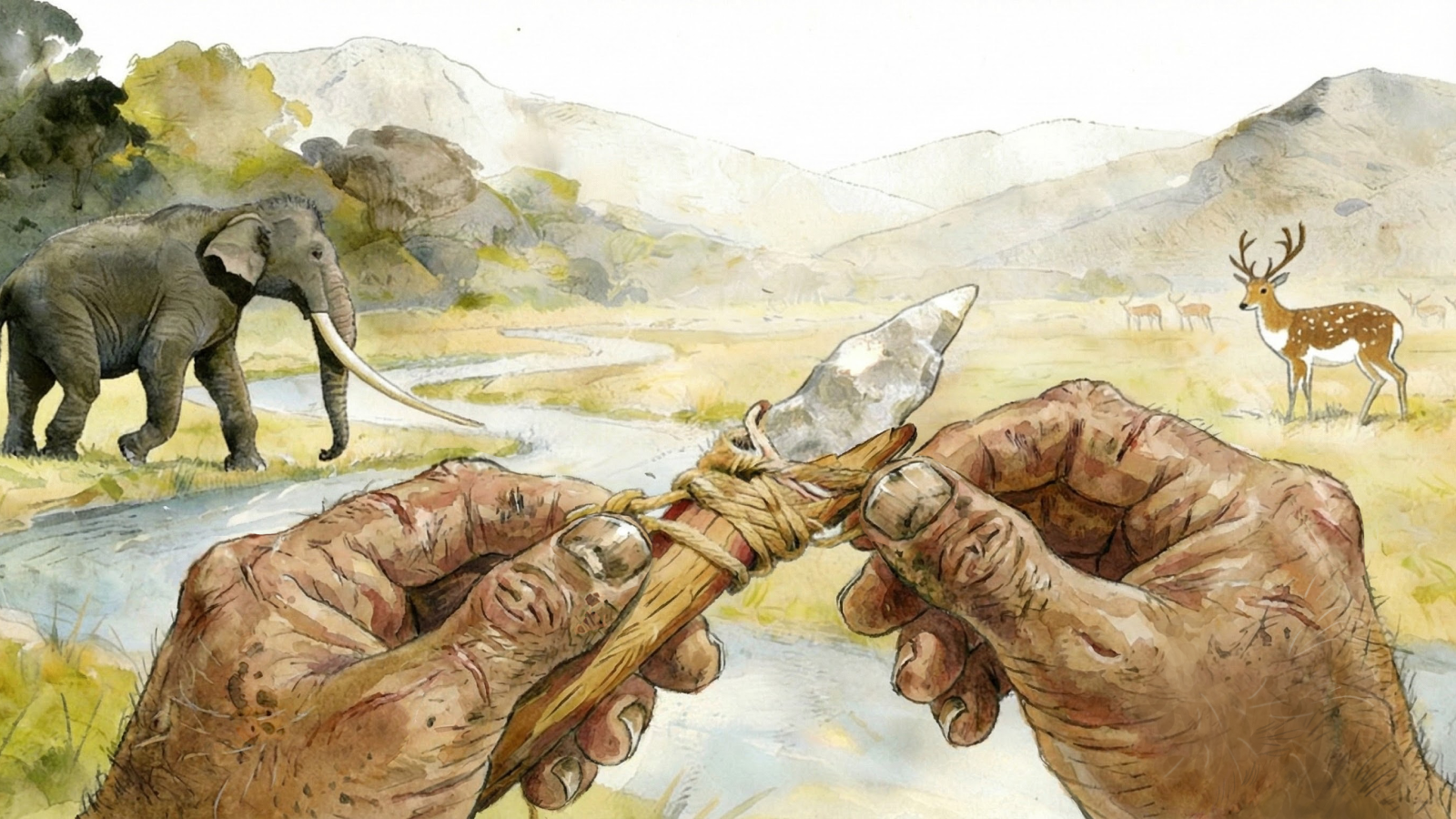 160,000-year-old sophisticated stone tools discovered in China may not have been made by Homo sapiens
 Modern humans arrived in Australia 60,000 years ago and may have interbred with archaic humans such as 'hobbits'
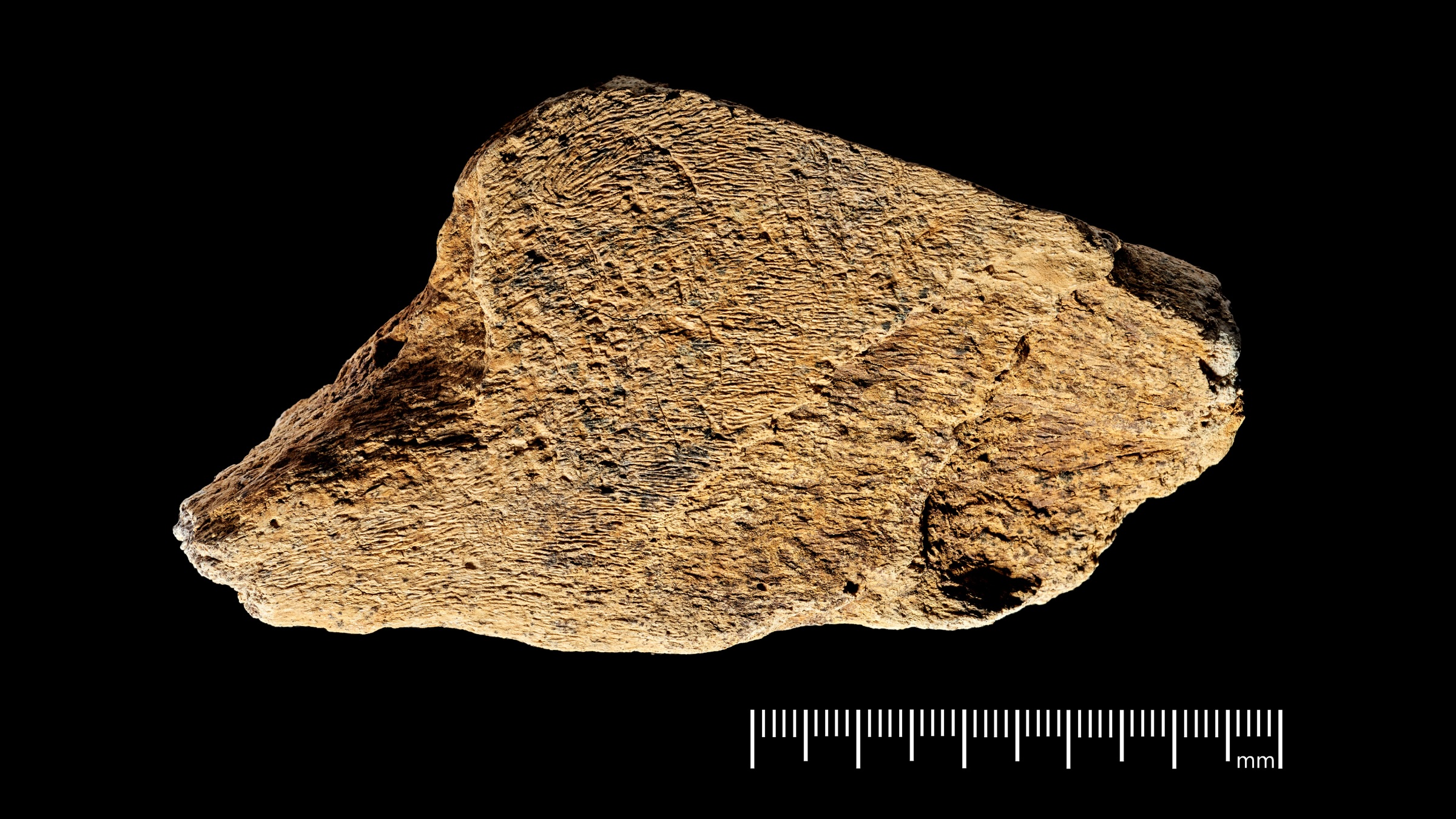 480,000-year-old ax sharpener is the oldest known elephant bone tool ever discovered in Europe
 The Bering Land Bridge has been submerged since the last ice age. Will scientists ever study it?
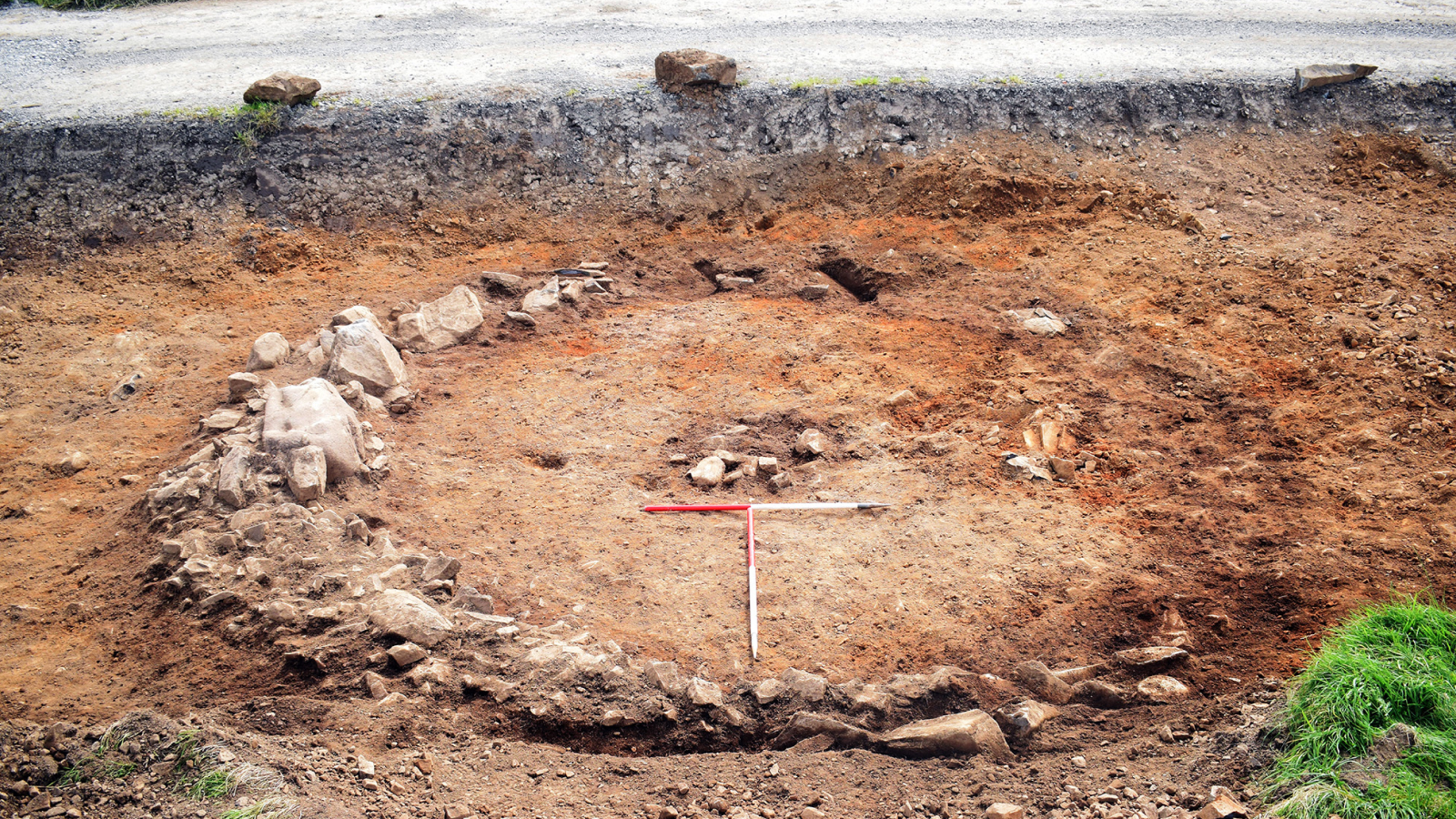 3,300-year-old cremations found in Scotland suggest the people died in a mysterious catastrophic event
Latest in Archaeology
3,300-year-old cremations found in Scotland suggest the people died in a mysterious catastrophic event
Latest in Archaeology
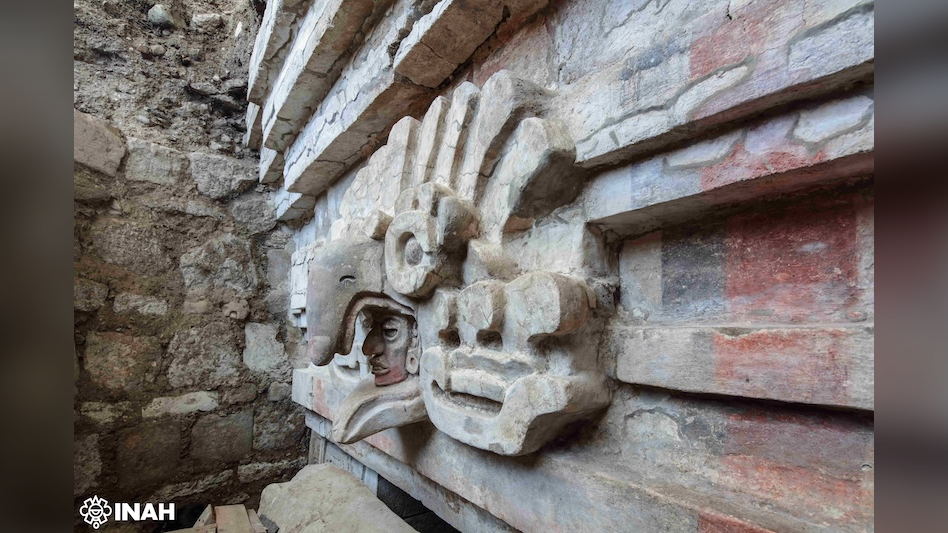 1,400-year-old Zapotec tomb discovered in Mexico features enormous owl sculpture symbolizing death
160,000-year-old sophisticated stone tools discovered in China may not have been made by Homo sapiens
1,400-year-old Zapotec tomb discovered in Mexico features enormous owl sculpture symbolizing death
160,000-year-old sophisticated stone tools discovered in China may not have been made by Homo sapiens
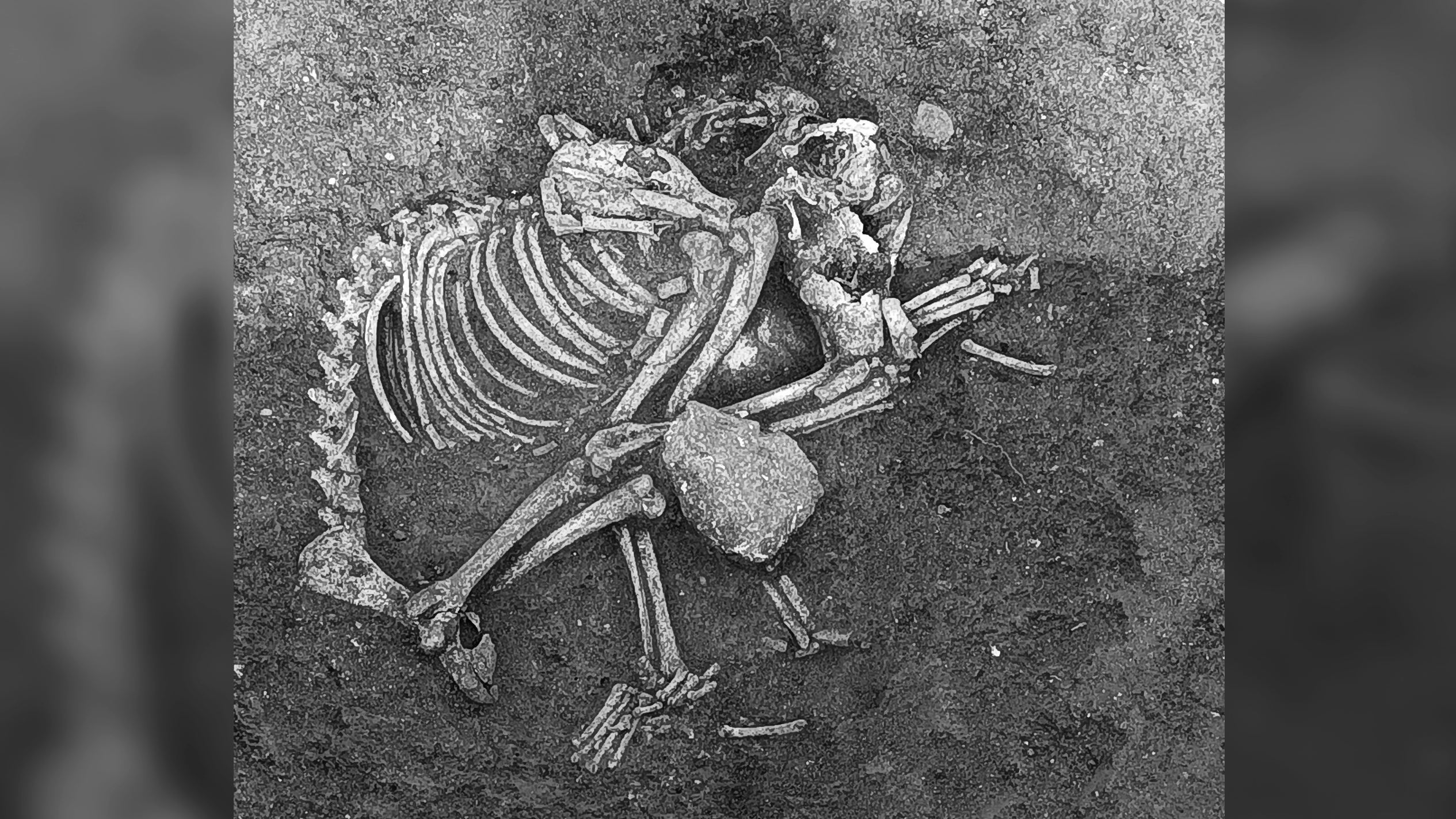 2,500 years ago, people in Bulgaria ate dog meat at feasts and as a delicacy, archaeological study finds
480,000-year-old ax sharpener is the oldest known elephant bone tool ever discovered in Europe
2,500 years ago, people in Bulgaria ate dog meat at feasts and as a delicacy, archaeological study finds
480,000-year-old ax sharpener is the oldest known elephant bone tool ever discovered in Europe
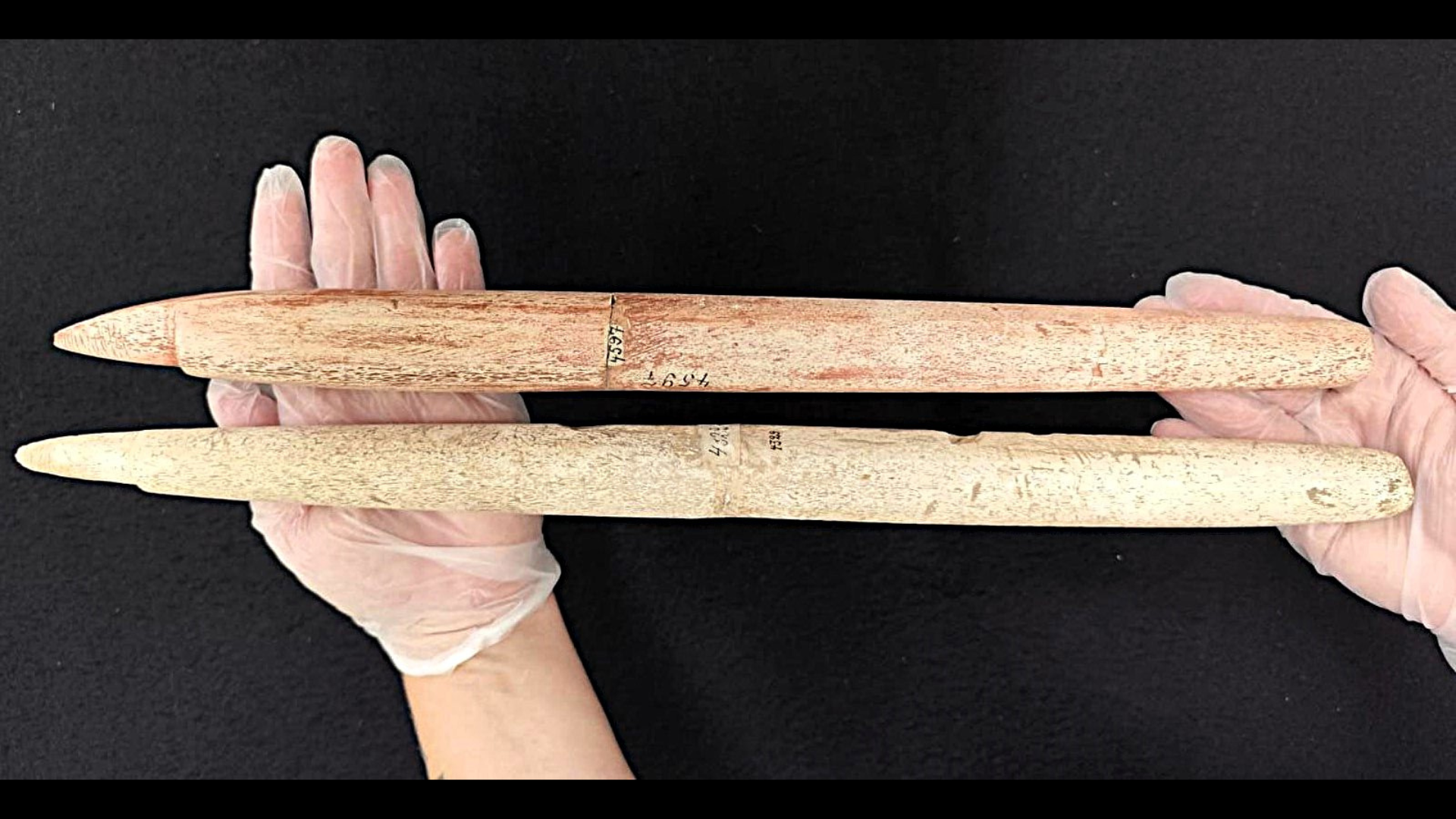 Some of the oldest harpoons ever found reveal Indigenous people in Brazil were hunting whales 5,000 years ago
 World's oldest rock art, giant reservoir found beneath the East Coast seafloor, black hole revelations, and a record solar radiation storm
Latest in News
World's oldest rock art, giant reservoir found beneath the East Coast seafloor, black hole revelations, and a record solar radiation storm
Latest in News
 Creepy humanoid robot face learned to move its lips more accurately by staring at itself in the mirror, then watching YouTube
 Shark attacks in Hawaii spike in October, and scientists think they know why
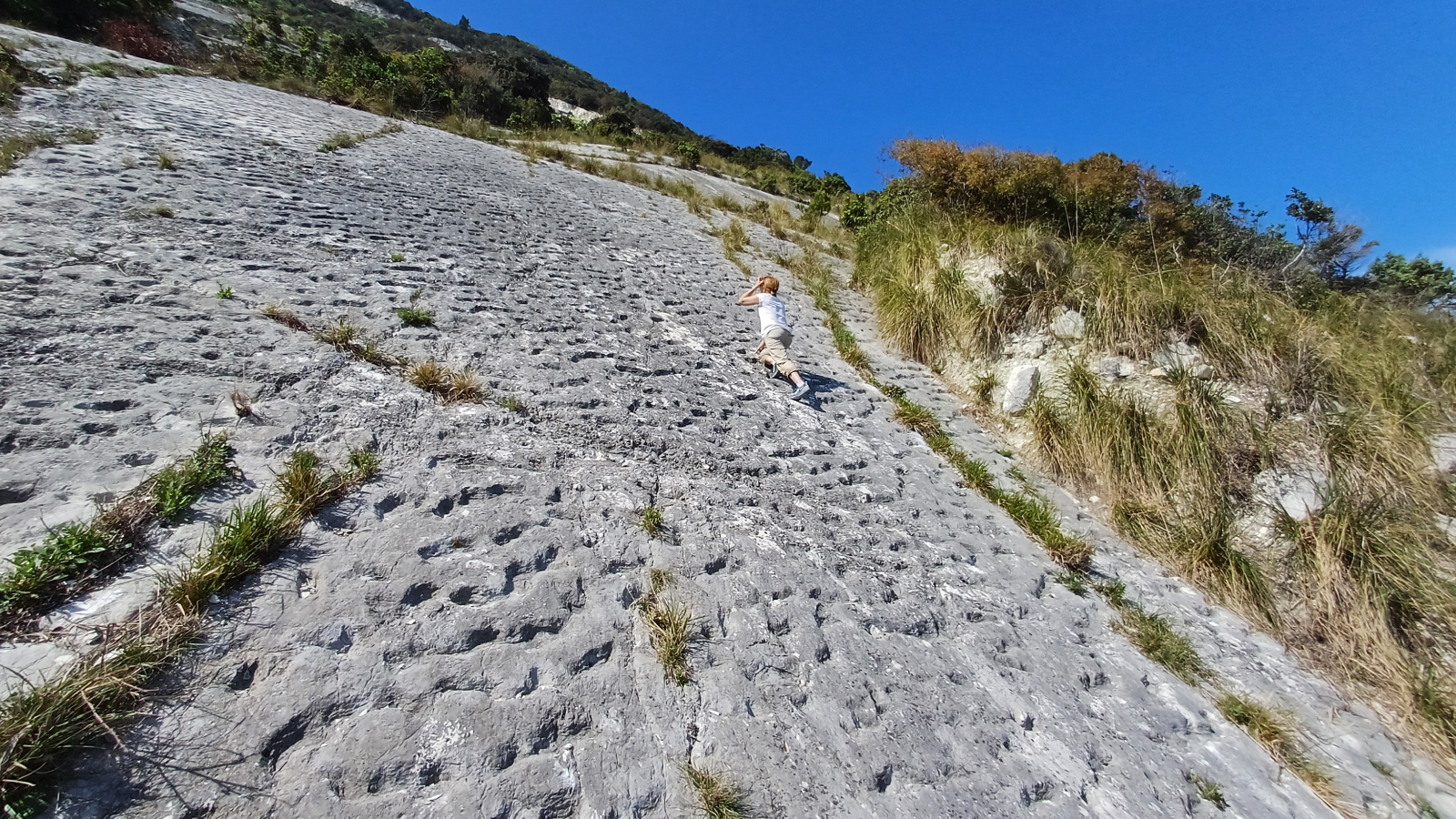 Rock climbers in Italy accidentally discovered evidence of an 80 million-year-old sea turtle stampede
 IVF hormones could be delivered with painless 'microneedle' patch someday, early study hints
 The UK has lost its measles elimination status — again
 People with more 'brown fat' have healthier cardiovascular systems. A new study in mice may explain why.
LATEST ARTICLES
People with more 'brown fat' have healthier cardiovascular systems. A new study in mice may explain why.
LATEST ARTICLES- 1Creepy humanoid robot face learned to move its lips more accurately by staring at itself in the mirror, then watching YouTube
- 2160,000-year-old sophisticated stone tools discovered in China may not have been made by Homo sapiens
- 3Rock climbers in Italy accidentally discovered evidence of an 80 million-year-old sea turtle stampede
- 4Ancient lake full of crop circles lurks in the shadow of Saudi Arabia's 'camel-hump' mountain — Earth from space
- 5Shark attacks in Hawaii spike in October, and scientists think they know why