
- Health
- Viruses, Infections & Disease
Nearly 790 people, primarily children, have been infected in South Carolina's ongoing measles outbreak, officials report.
When you purchase through links on our site, we may earn an affiliate commission. Here’s how it works.
 South Carolina's measles outbreak continues to rage, with hundreds of new cases reported in January.
(Image credit: KATERYNA KON/SCIENCE PHOTO LIBRARY via Getty Images)
Share
Share by:
South Carolina's measles outbreak continues to rage, with hundreds of new cases reported in January.
(Image credit: KATERYNA KON/SCIENCE PHOTO LIBRARY via Getty Images)
Share
Share by:
- Copy link
- X
The ongoing measles outbreak in South Carolina has reached a staggering 789 cases, making it the largest outbreak of the disease since the U.S. eliminated measles in 2000.
According to CNN, Texas previously held the record, with an outbreak that hit 762 cases between January and August 2025. That outbreak claimed the lives of two school-age children in the state. No deaths have been reported during the South Carolina outbreak yet.
You may like-
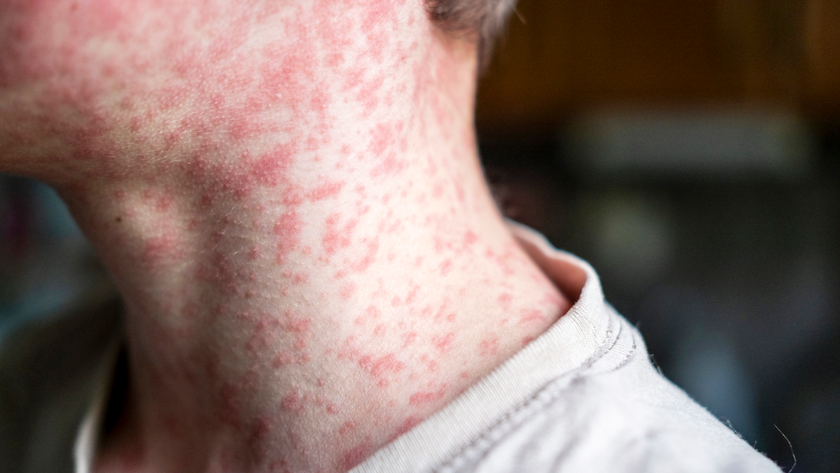 US could lose its measles elimination status within months, experts say
-
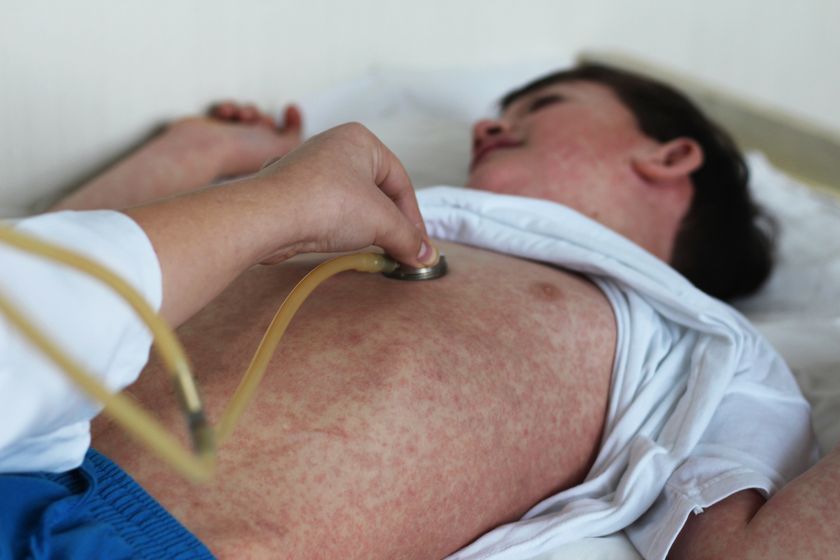 Canada has lost its 'measles elimination status' — here's what that means
-
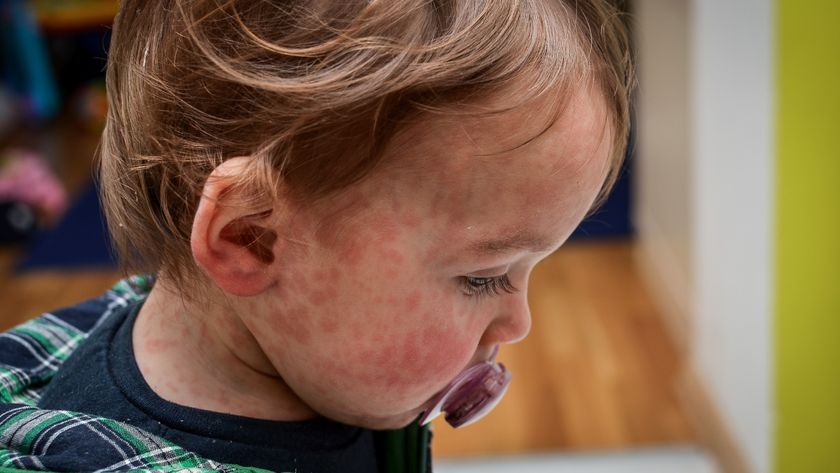 The UK has lost its measles elimination status — again
"Complications are not reportable to DPH, but we have learned that 18 people, including both adults and children, have required hospitalization for complications of the disease since the beginning of the outbreak" in October 2025, the update says. "Additional cases required medical care for measles but were not hospitalized."
The statement adds that the vast majority of infections have occurred in unvaccinated individuals, although there are 60 individuals whose vaccination status is currently unknown. Of the remaining people infected, 695 are unvaccinated and 14 are partially vaccinated, having received only one of the two recommended doses of a measles vaccine. Twenty are fully vaccinated.
While the two-dose series is 97% effective at preventing measles, that leaves a slim chance of infection in fully vaccinated people who are exposed to the virus. That's why establishing herd immunity is important — it protects everyone in a community by curbing the virus's spread, thus lowering the chance of encountering the pathogen in the first place. A given community can reach herd immunity via both vaccination and prior infections, but only vaccination has the bonus of slashing the risk of death and long-term health problems from measles.
Given its recent and ongoing outbreaks, the U.S. may be on the cusp of losing its measles elimination status. That status is earned when a country reports no sustained, local transmission of the measles virus for at least a year.
Sign up for the Live Science daily newsletter nowContact me with news and offers from other Future brandsReceive email from us on behalf of our trusted partners or sponsorsBy submitting your information you agree to the Terms & Conditions and Privacy Policy and are aged 16 or over.U.S. officials are expected to meet with the Pan American Health Organization in April to determine if America has indeed lost its elimination status, the Center for Infectious Disease Research and Policy (CIDRAP) reported. If it does, the U.S. will join countries such as the U.K. and Canada, which have also recently lost their status due to low vaccination rates.
RELATED STORIES—Are you protected against measles? Do you need a booster shot? Everything you need to know about immunity
—'We're already on the precipice of disaster': Deadly measles outbreaks could explode across the US in the next 25 years if vaccinations fall, model predicts
—The US is on track to lose its measles elimination status in months. RFK needs to go.
Dr. Ralph Abraham, the Centers for Disease Control and Prevention's (CDC) principal deputy director, expressed in mid-January that he was unconcerned about the U.S. potentially losing its elimination status, CIDRAP reported. He suggested that imported measles cases — from travelers to the U.S., for instance — were driving the rising measles rates.
Countries that have eliminated measles can still face sporadic, imported cases of the disease. But our elimination status hinges on whether the virus continues to spread consistently within the U.S. for at least 12 months. If an imported case lands in a community with adequate vaccination levels, the virus can't take hold.
For context, in 2000, the year measles was declared eliminated in the U.S., a total of 85 cases were reported nationwide, according to CDC data. In 2025, 2,255 cases were documented across the country. And given South Carolina alone has already reported hundreds of new cases in 2026, this year has already blown 2000's numbers out of the water.
"It breaks my heart to see that my state is the number one outbreak currently in the United States since the 1990s," Dr. Anna Kathryn Rye Burch, a pediatric infectious diseases physician with Prisma Health in South Carolina, told CNN.
DisclaimerThis article is for informational purposes only and is not meant to offer medical advice.
 Nicoletta LaneseSocial Links NavigationChannel Editor, Health
Nicoletta Lanese is the health channel editor at Live Science and was previously a news editor and staff writer at the site. She holds a graduate certificate in science communication from UC Santa Cruz and degrees in neuroscience and dance from the University of Florida. Her work has appeared in The Scientist, Science News, the Mercury News, Mongabay and Stanford Medicine Magazine, among other outlets. Based in NYC, she also remains heavily involved in dance and performs in local choreographers' work.
Show More CommentsYou must confirm your public display name before commenting
Please logout and then login again, you will then be prompted to enter your display name.
Logout Read more Why is flu season so bad this year?
 From gene therapy breakthroughs to preventable disease outbreaks: The health trends that will shape 2026
 Science history: 'Patient zero' catches SARS, the older cousin of COVID — Nov. 16, 2002
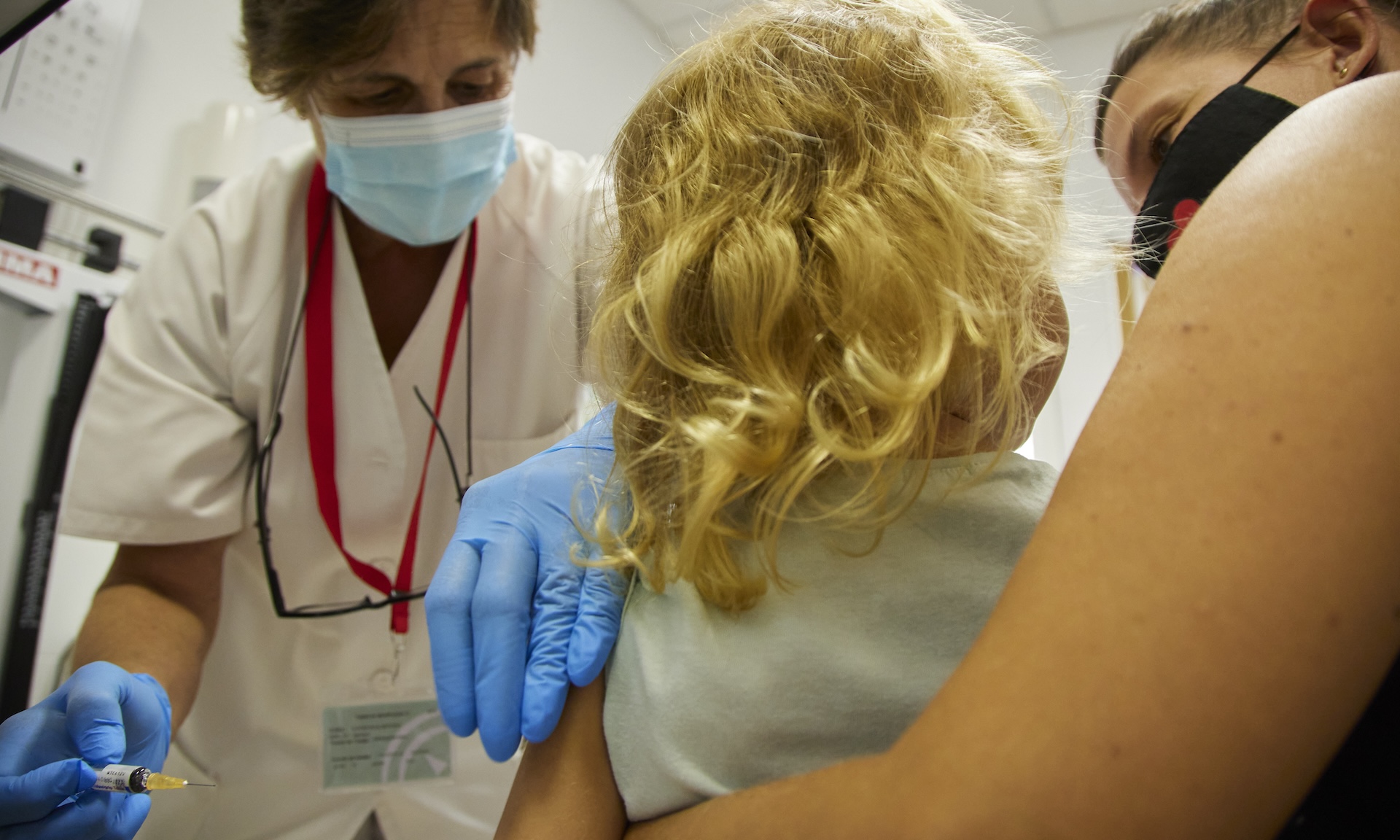 US government overhauls the childhood vaccine schedule in unprecedented move
 That was the week in science: CDC in turmoil | Moss survives space | Comet 3I/ATLAS images
 Year in review: The standout health stories of 2025, from measles outbreaks to AI-made viruses
Latest in Viruses, Infections & Disease
Year in review: The standout health stories of 2025, from measles outbreaks to AI-made viruses
Latest in Viruses, Infections & Disease
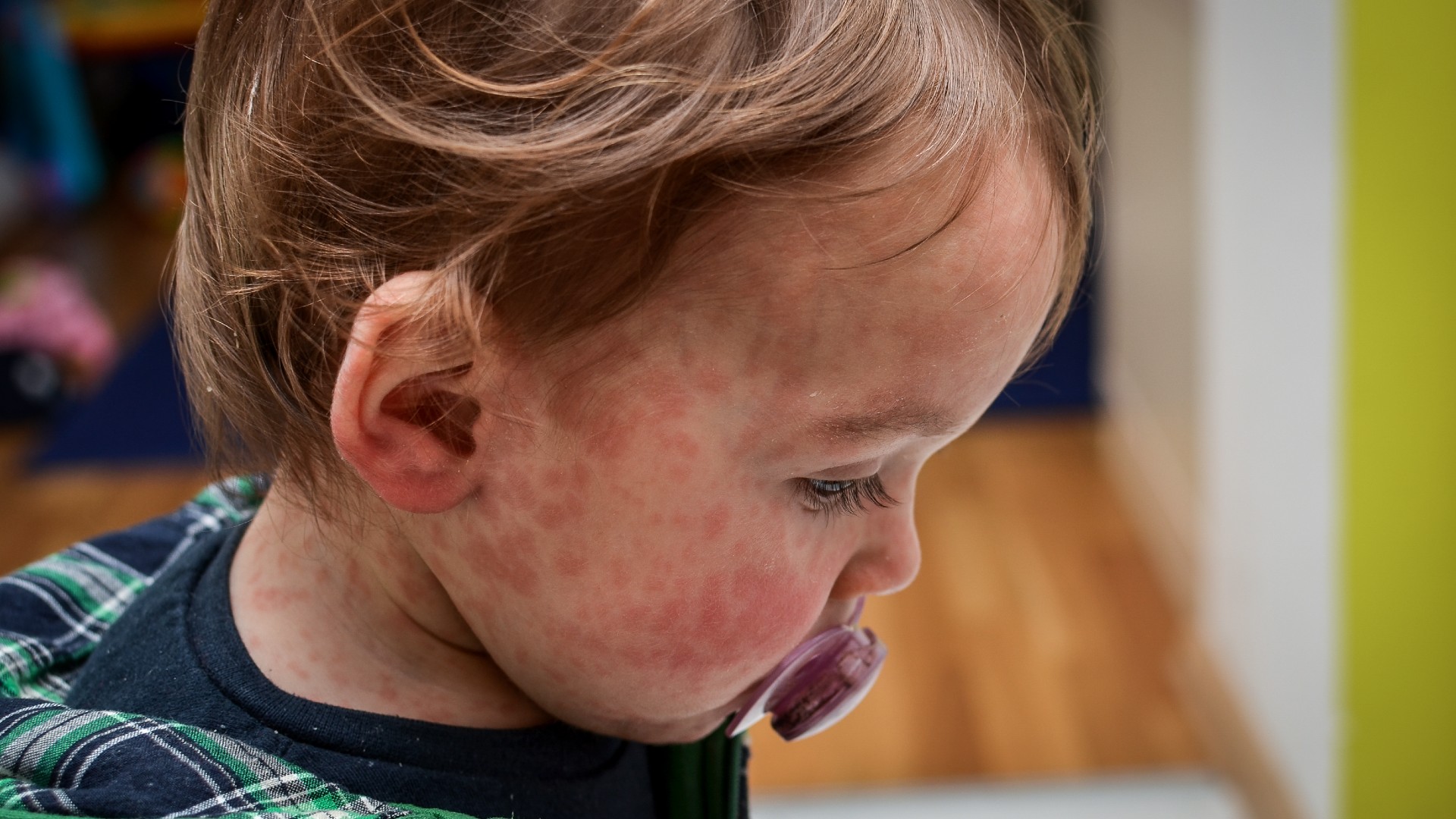 The UK has lost its measles elimination status — again
 Color blindness linked to lower bladder cancer survival, early study hints
Why is flu season so bad this year?
Color blindness linked to lower bladder cancer survival, early study hints
Why is flu season so bad this year?
 Viruses that evolved on the space station and were sent back to Earth were more effective at killing bacteria
 It matters what time of day you get cancer treatment, study suggests
 Man caught rabies from organ transplant after donor was scratched by skunk
Latest in News
South Carolina's measles outbreak nears 790 cases — making it the biggest in decades
Man caught rabies from organ transplant after donor was scratched by skunk
Latest in News
South Carolina's measles outbreak nears 790 cases — making it the biggest in decades
 5,000-year-old rock art from ancient Egypt depicts 'terrifying' conquest of the Sinai Peninsula
 Stone Age teenager was mauled by a bear 28,000 years ago, skeletal analysis confirms
 NASA jet crashes in flames on Texas runway — taking it out of the Artemis II mission
 Critical moment when El Niño started to erode Russia's Arctic sea ice discovered
 AI spots 'jellyfish,' 'hamburgers' and other unexplainable objects in Hubble telescope data
LATEST ARTICLES
AI spots 'jellyfish,' 'hamburgers' and other unexplainable objects in Hubble telescope data
LATEST ARTICLES- 150-year-old NASA jet crashes in flames on Texas runway — taking it out of the Artemis II mission
- 25,000-year-old rock art from ancient Egypt depicts 'terrifying' conquest of the Sinai Peninsula
- 3Stone Age teenager was mauled by a bear 28,000 years ago, skeletal analysis confirms
- 4February 2026 night sky: What to see and what you need
- 5Drones could achieve 'infinite flight' after engineers create laser-based wireless power system that charges them from the ground