- Archaeology
- Ancient Egyptians
Archaeologists have found 5,000-year-old ancient Egyptian rock art in the Sinai Desert that depicts the conquest of the region.
When you purchase through links on our site, we may earn an affiliate commission. Here’s how it works.
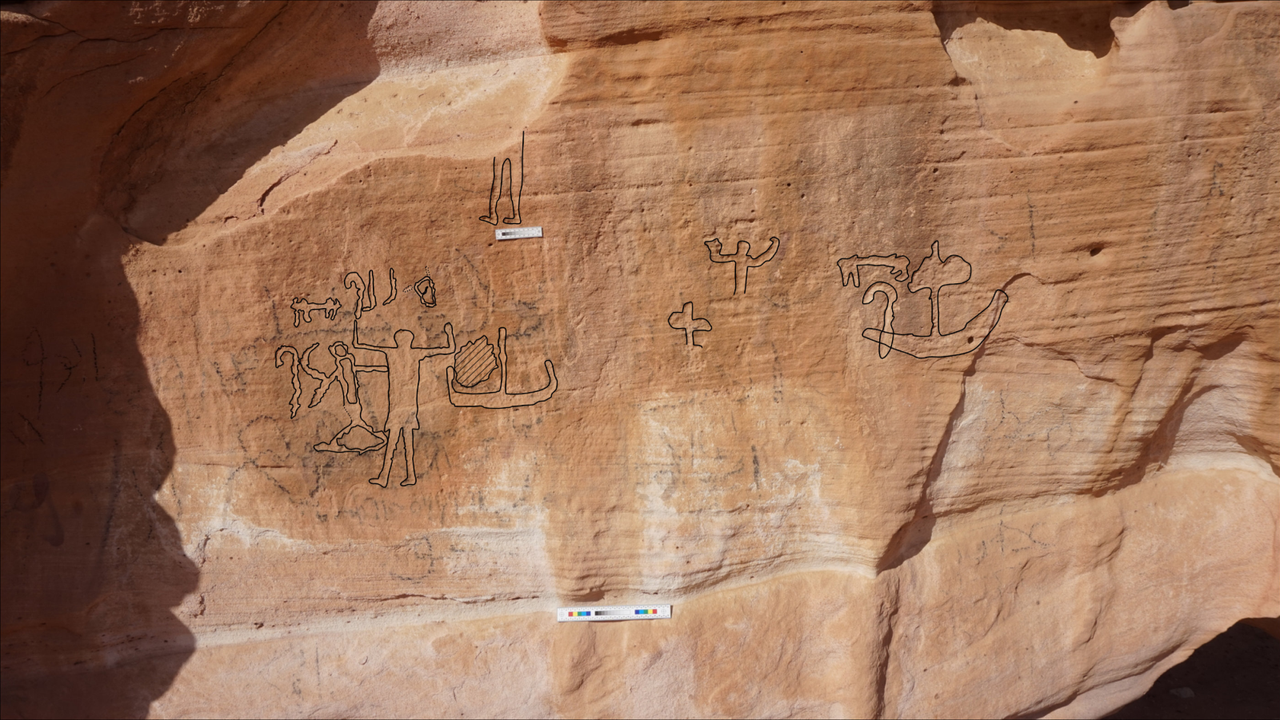
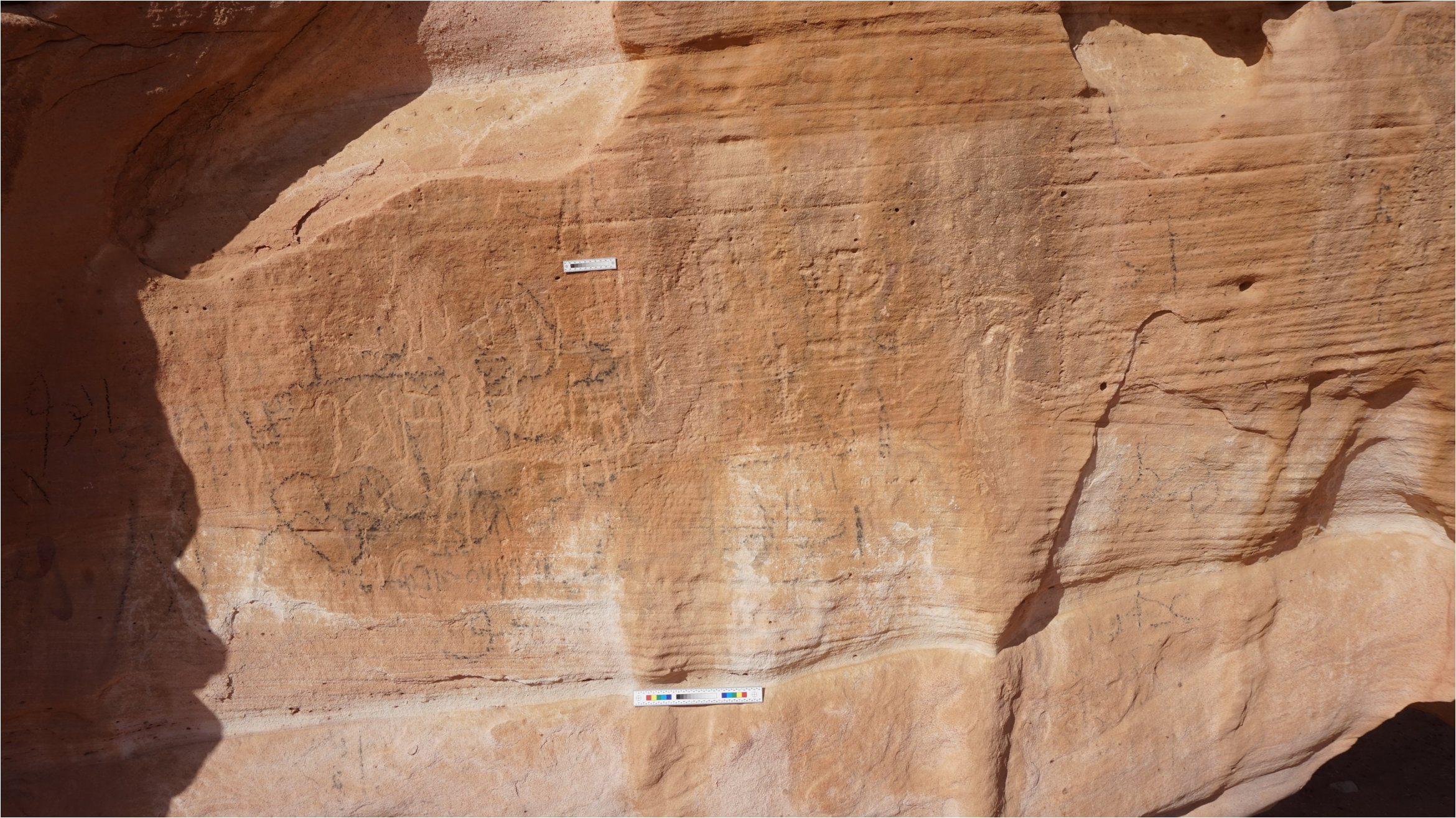
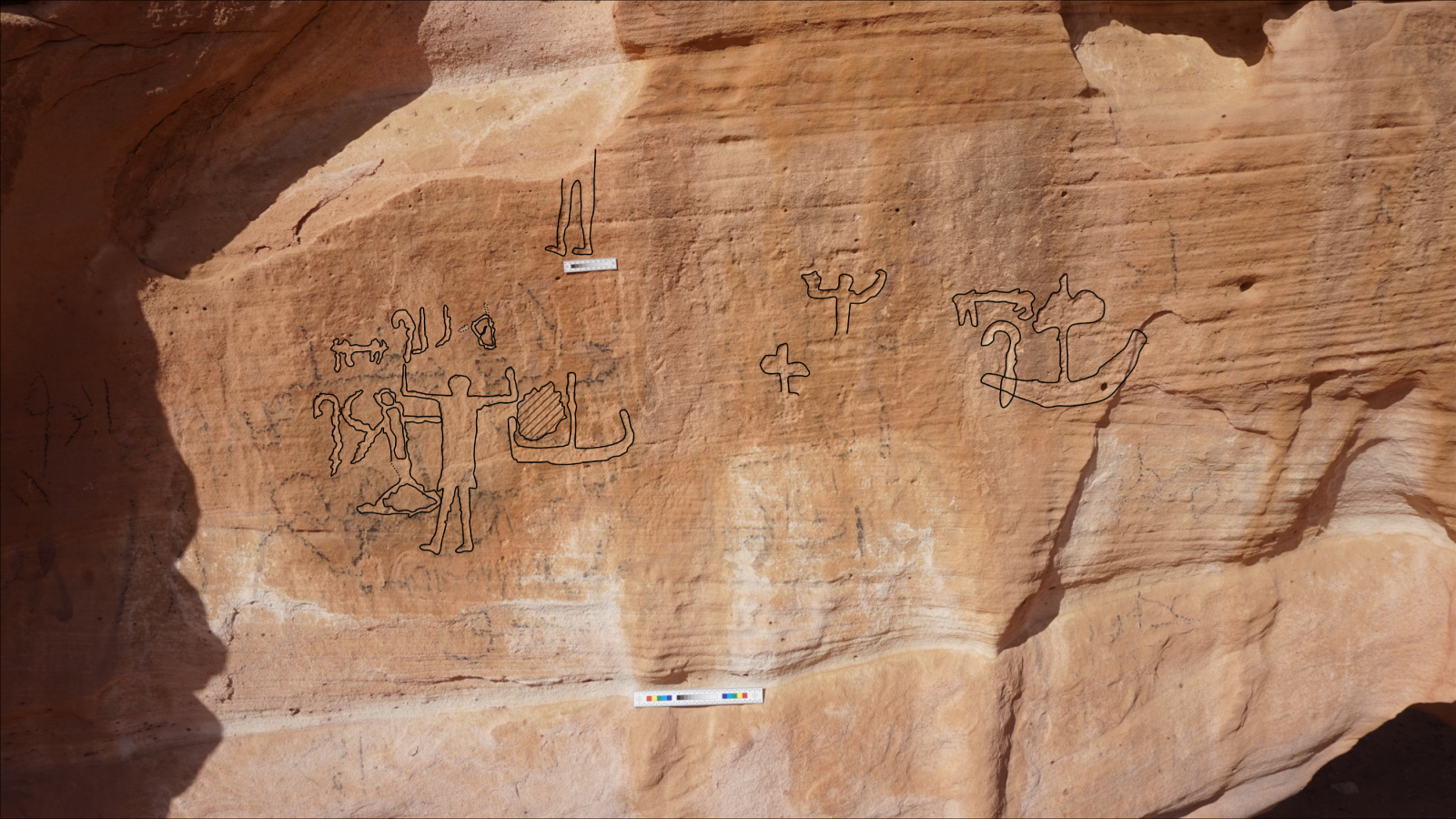 A victorious man walks forward with raised arms next to a bound kneeling figure who has been pierced by an arrow. The boat on the right may signify dominance. (The black lines highlight the carvings for visibility.)
(Image credit: Photo: M. Nour El-Din/redrawing: E. Kiesel)
Share
Share by:
A victorious man walks forward with raised arms next to a bound kneeling figure who has been pierced by an arrow. The boat on the right may signify dominance. (The black lines highlight the carvings for visibility.)
(Image credit: Photo: M. Nour El-Din/redrawing: E. Kiesel)
Share
Share by:
- Copy link
- X
Archaeologists have discovered 5,000-year-old rock art in the Sinai Desert that depicts ancient Egypt's brutal conquest of the region.
The artwork "shows in a terrifying manner how the Egyptians colonized the Sinai and subjugated the inhabitants," the archaeologists said in a statement.
The scene shows a man raising his arms in triumph while another man is on his knees with an arrow in his chest and his hands tied behind his back. There is also a boat nearby and an inscription that says Min, an Egyptian deity associated with fertility, is "ruler of the copper area," archaeologists wrote in a new study, which was published in the 2025 edition of the journal Blätter Abrahams.
You may like-
 Ancient Egyptian valley temple excavated — and it's connected to a massive upper temple dedicated to the sun god, Ra
-
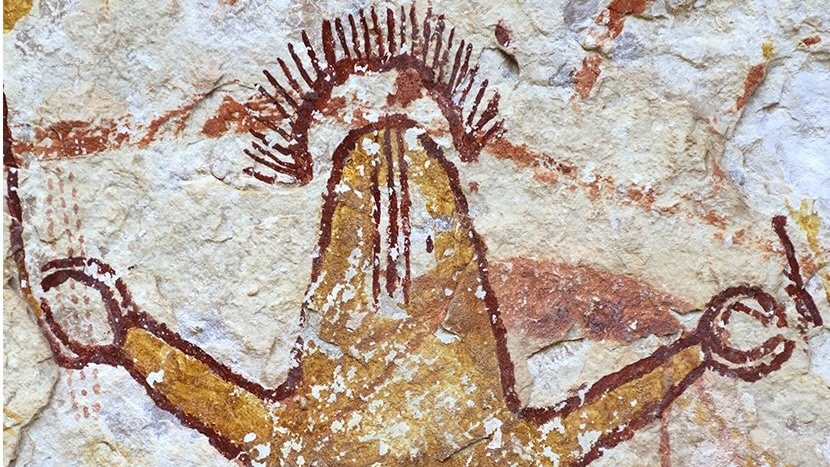
 Ancient rock art along US-Mexico border persisted for more than 4,000 years — and it depicts Indigenous views of the universe
-
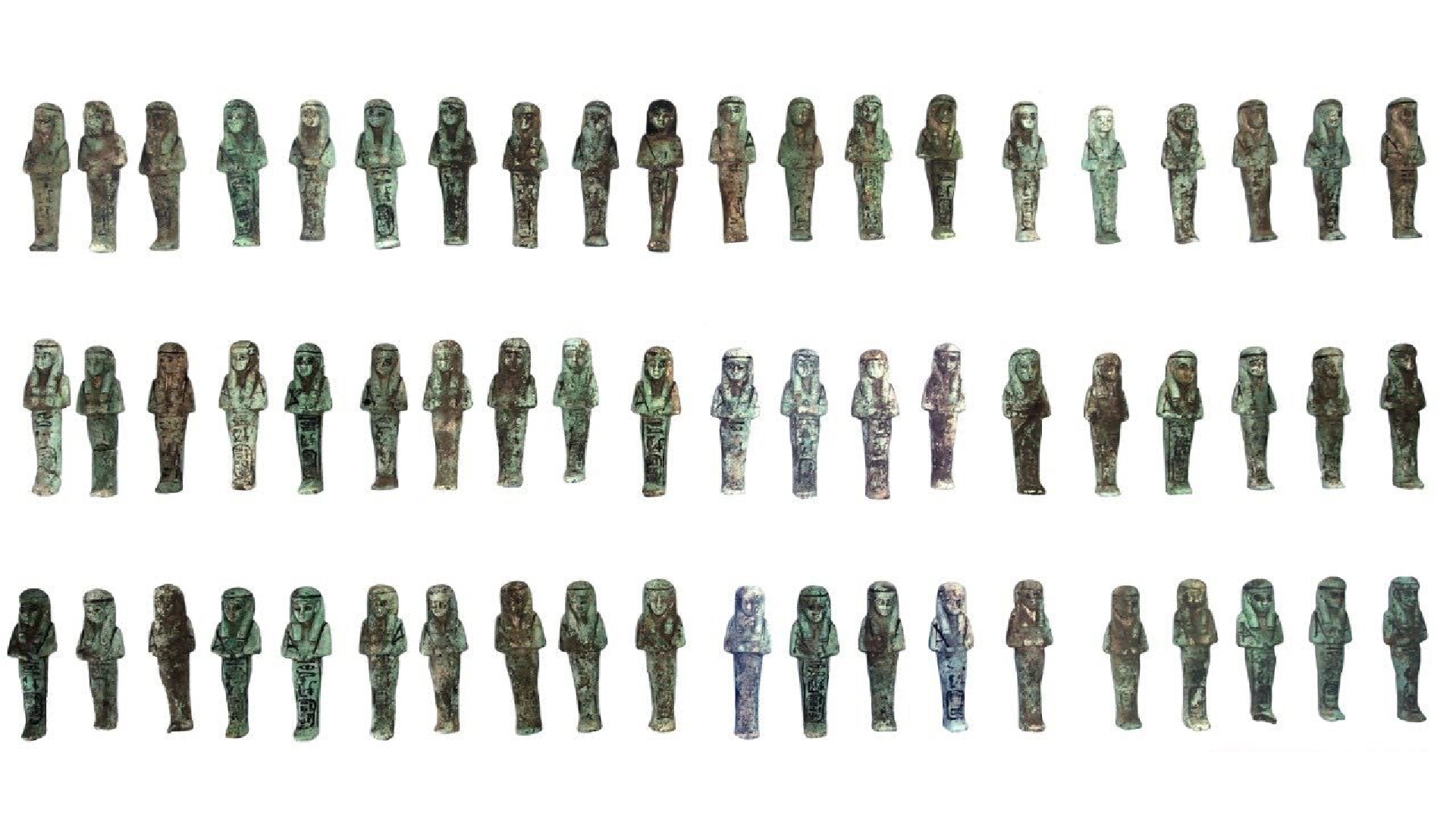
 Ancient Egyptian pharaoh moved another ruler's body and stole his tomb, hundreds of funerary figurines suggest
"[Looking] at the entire composition, we can assume the boat to have been associated with the Egyptian ruler, the triumphant man with god Min … and the subdued and killed man with the local inhabitants," the archaeologists wrote in the journal. They noted that in ancient Egypt, boats were often used as a metaphor for the pharaoh.
Other examples of rock art, dating back around 5,000 years, have previously been found in the Sinai that suggest the Egyptians conquered the region around that time.
"The motivation for the Egyptian expeditions to the south-western Sinai was not simply an abstract expansion of territory, but more specifically the availability of mineral resources, especially copper and turquoise," the team wrote.
At this time the Sinai was mostly inhabited by nomadic groups, said study co-author Ludwig Morenz, an Egyptology professor at the University of Bonn. The "rock panel certainly represents one of the earliest depictions of dominance in another territory," Morenz told Live Science in an email.
Sign up for the Live Science daily newsletter nowContact me with news and offers from other Future brandsReceive email from us on behalf of our trusted partners or sponsorsBy submitting your information you agree to the Terms & Conditions and Privacy Policy and are aged 16 or over.RELATED STORIES—Archaeologists unearth tree-lined walkway that led to ancient Egyptian fortress in Sinai Desert
—3,500-year-old Egyptian military fortress with ancient ovens and fossilized dough discovered in Sinai Desert
—3,200-year-old ancient Egyptian barracks contains sword inscribed with 'Ramesses II'
One interesting detail is that there used to be an inscription by the boat image that may have named Egypt's ruler, but it was deliberately erased, the archaeologists noted in the journal. It's unclear who erased it, when and why. There have been a number of instances in Egypt's history in which the name of a pharaoh was erased after a new pharaoh came to power, but it's unclear whether that's the case here.
The rock art was discovered by Mustafa Nour El-Din, an archaeologist with the Aswan Inspectorate at the Egyptian Ministry of Antiquities, during a survey conducted in 2025. The archaeologists believe that more rock art remains to be discovered nearby.
"Research has just begun and we are planning for a first bigger campaign," the team wrote.
Article SourcesNour El-Din, M., Morenz, L. D. (2025). Wadi Khamila, the god Min and the Beginning of "Pharaonic" Dominance in Sinai 5000 years ago. BLÄTTER ABRAHAMS. https://www.freunde-abrahams.de/media/blaetter-abrahams/heft-25-2025/07.BAb.Nour-El-Din_Morenz.pdf
Ancient Egypt quiz: Test your smarts about pyramids, hieroglyphs and King Tut
 Owen JarusSocial Links NavigationLive Science Contributor
Owen Jarus is a regular contributor to Live Science who writes about archaeology and humans' past. He has also written for The Independent (UK), The Canadian Press (CP) and The Associated Press (AP), among others. Owen has a bachelor of arts degree from the University of Toronto and a journalism degree from Ryerson University.
Show More CommentsYou must confirm your public display name before commenting
Please logout and then login again, you will then be prompted to enter your display name.
Logout Read more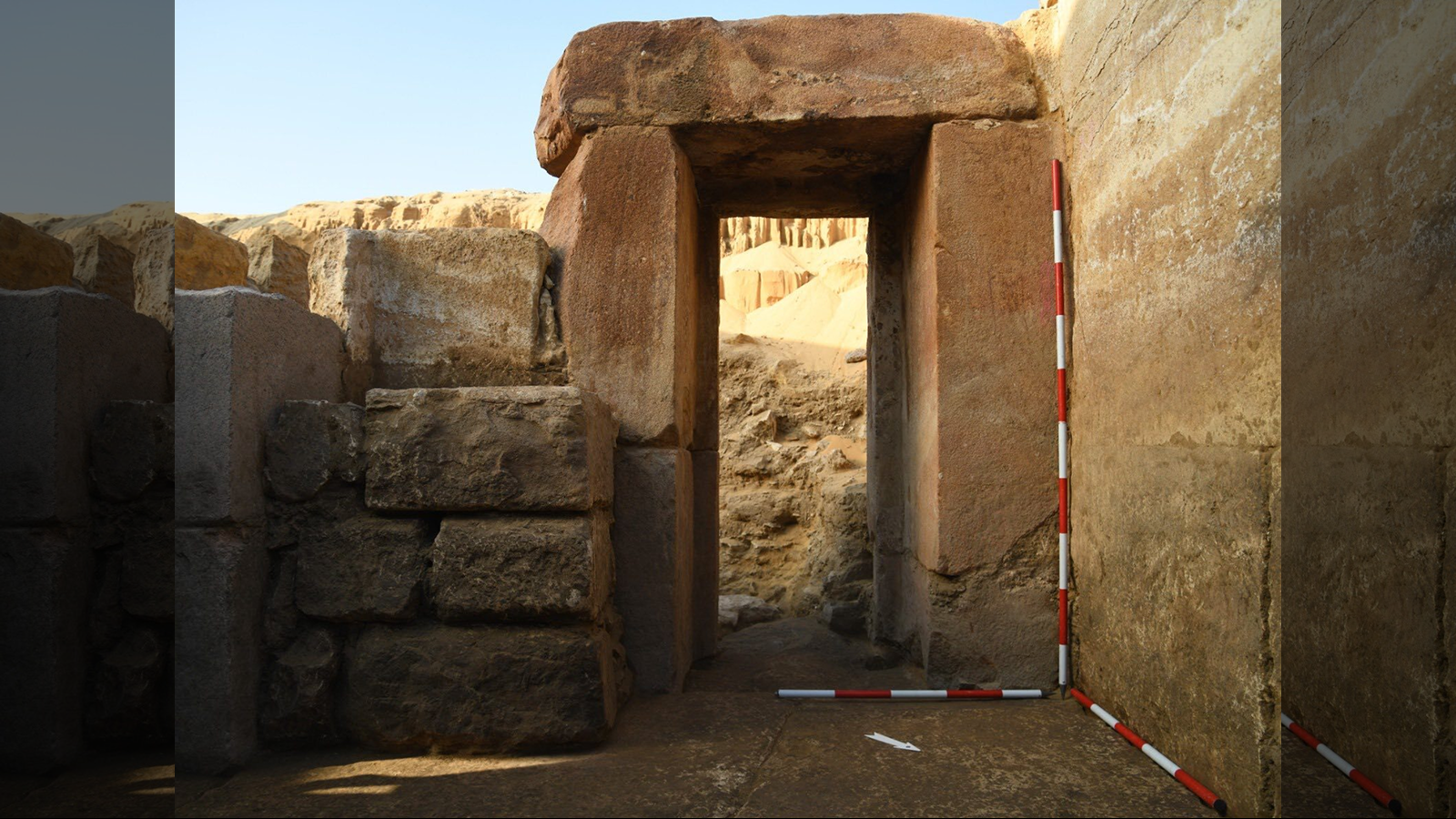 Ancient Egyptian valley temple excavated — and it's connected to a massive upper temple dedicated to the sun god, Ra
 Ancient rock art along US-Mexico border persisted for more than 4,000 years — and it depicts Indigenous views of the universe
 Ancient Egyptian pharaoh moved another ruler's body and stole his tomb, hundreds of funerary figurines suggest
 2,000-year-old shipwreck may be Egyptian 'pleasure barge' from last dynasty of pharaohs
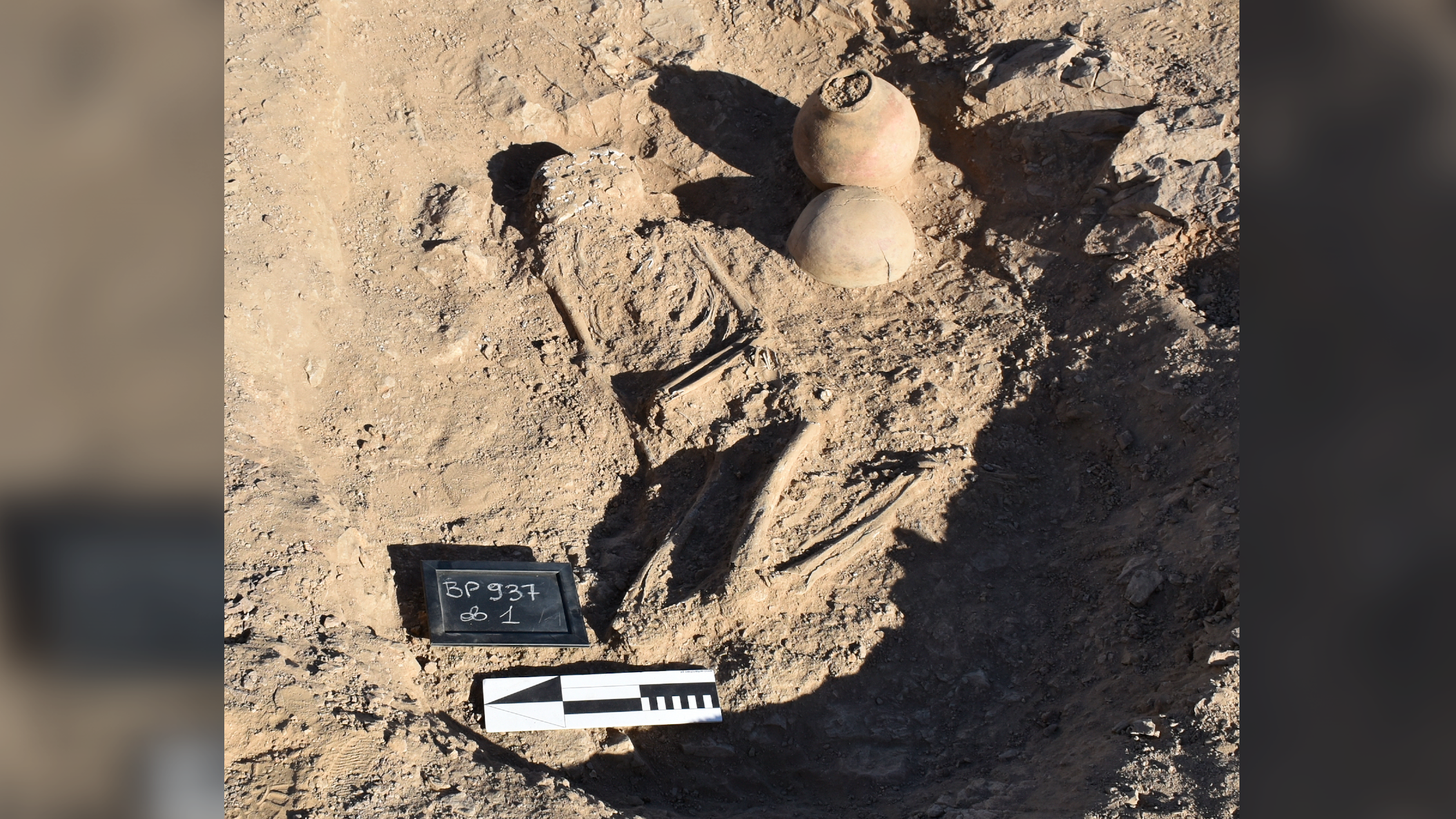 'We do not know of a similar case': 4,000-year-old burial in little-known African kingdom mystifies archaeologists
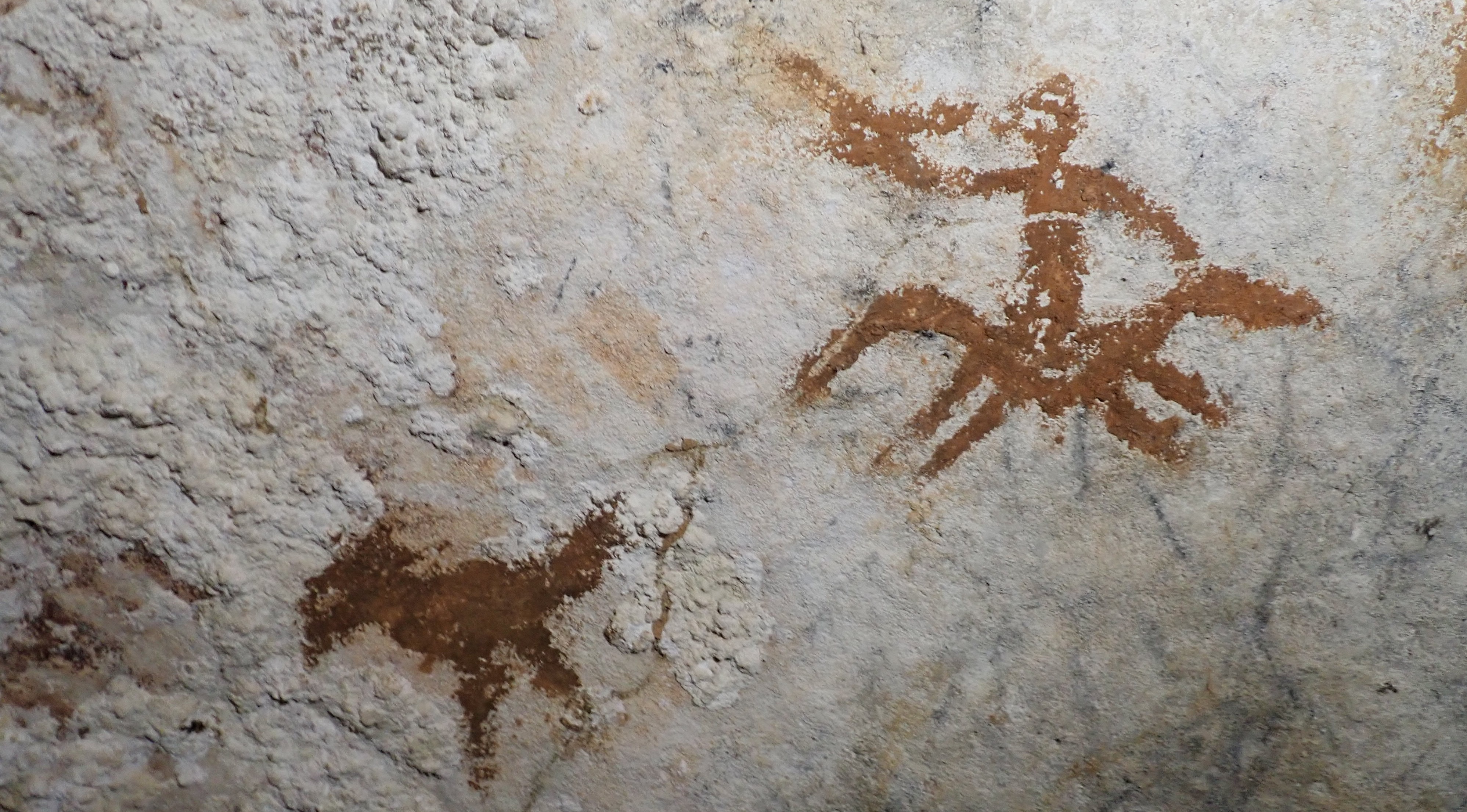 World's oldest known rock art predates modern humans' entrance into Europe — and it was found in an Indonesian cave
Latest in Ancient Egyptians
World's oldest known rock art predates modern humans' entrance into Europe — and it was found in an Indonesian cave
Latest in Ancient Egyptians
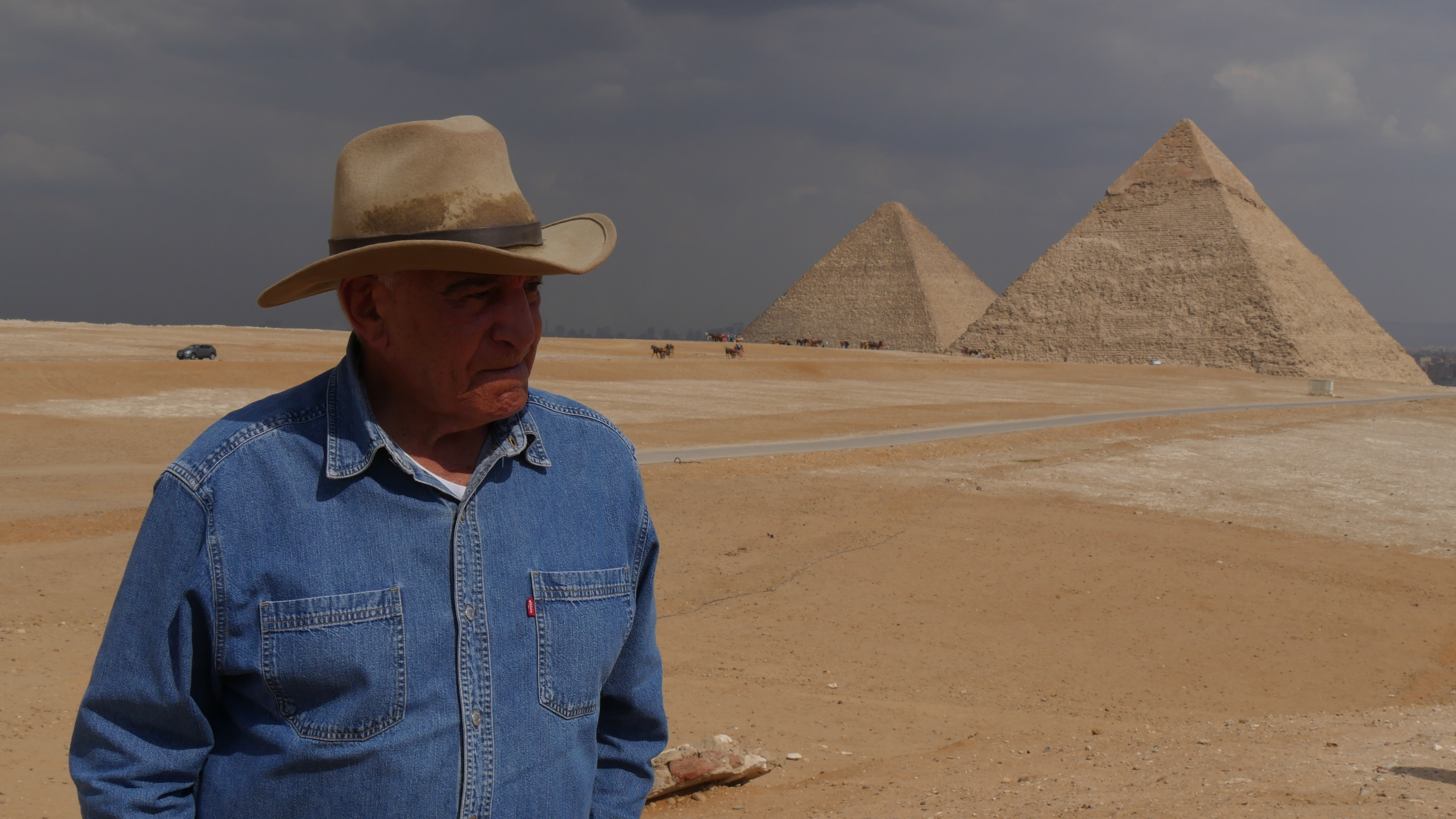 Nefertiti's tomb close to discovery, famed archaeologist Zahi Hawaas claims in new documentary
Ancient Egyptian valley temple excavated — and it's connected to a massive upper temple dedicated to the sun god, Ra
2,000-year-old shipwreck may be Egyptian 'pleasure barge' from last dynasty of pharaohs
Ancient Egyptian pharaoh moved another ruler's body and stole his tomb, hundreds of funerary figurines suggest
Nefertiti's tomb close to discovery, famed archaeologist Zahi Hawaas claims in new documentary
Ancient Egyptian valley temple excavated — and it's connected to a massive upper temple dedicated to the sun god, Ra
2,000-year-old shipwreck may be Egyptian 'pleasure barge' from last dynasty of pharaohs
Ancient Egyptian pharaoh moved another ruler's body and stole his tomb, hundreds of funerary figurines suggest
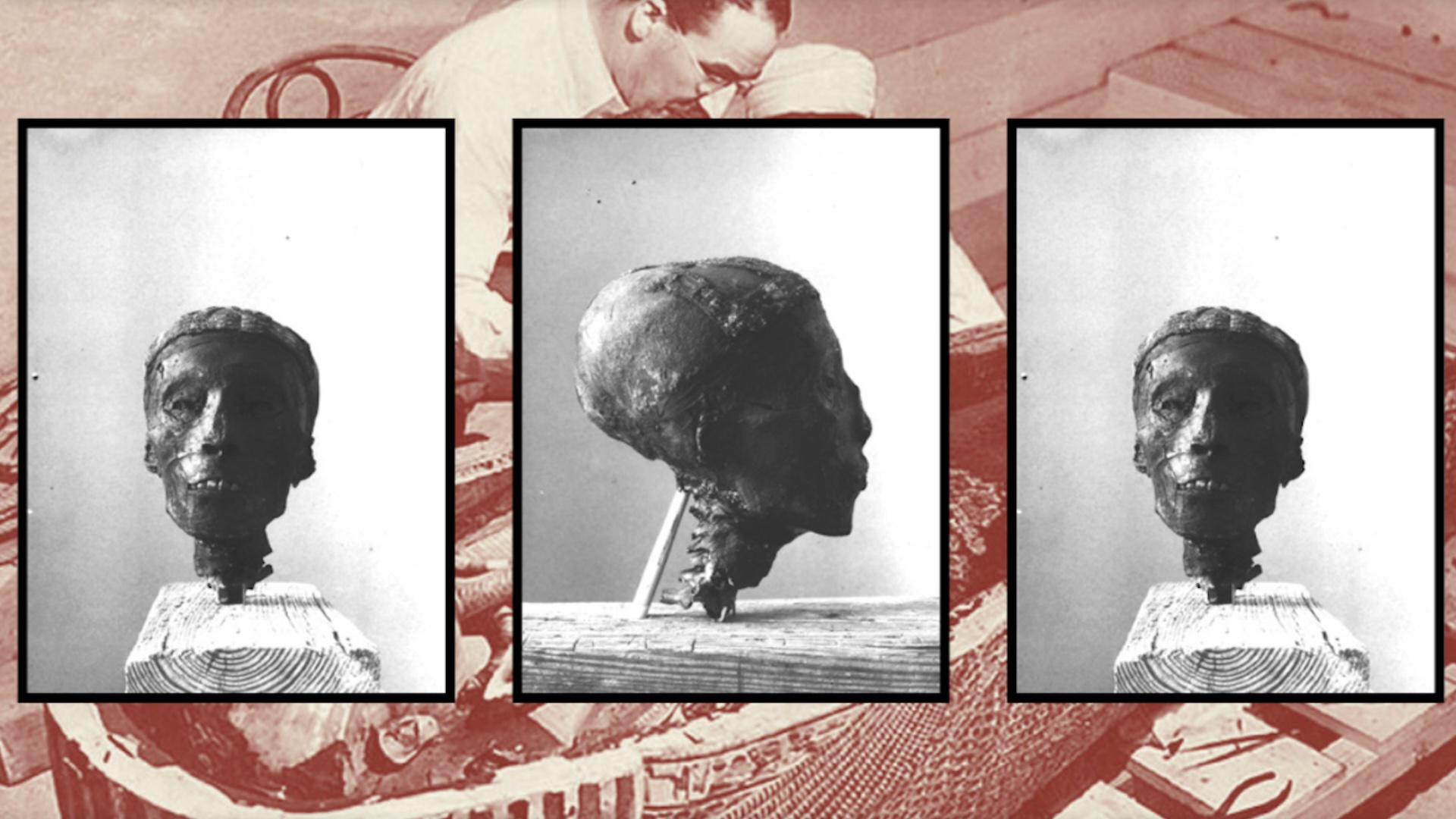 'Hot knives and brute force': King Tut's mummy was decapitated and dismembered after its historic discovery. Then, the researchers covered it up.
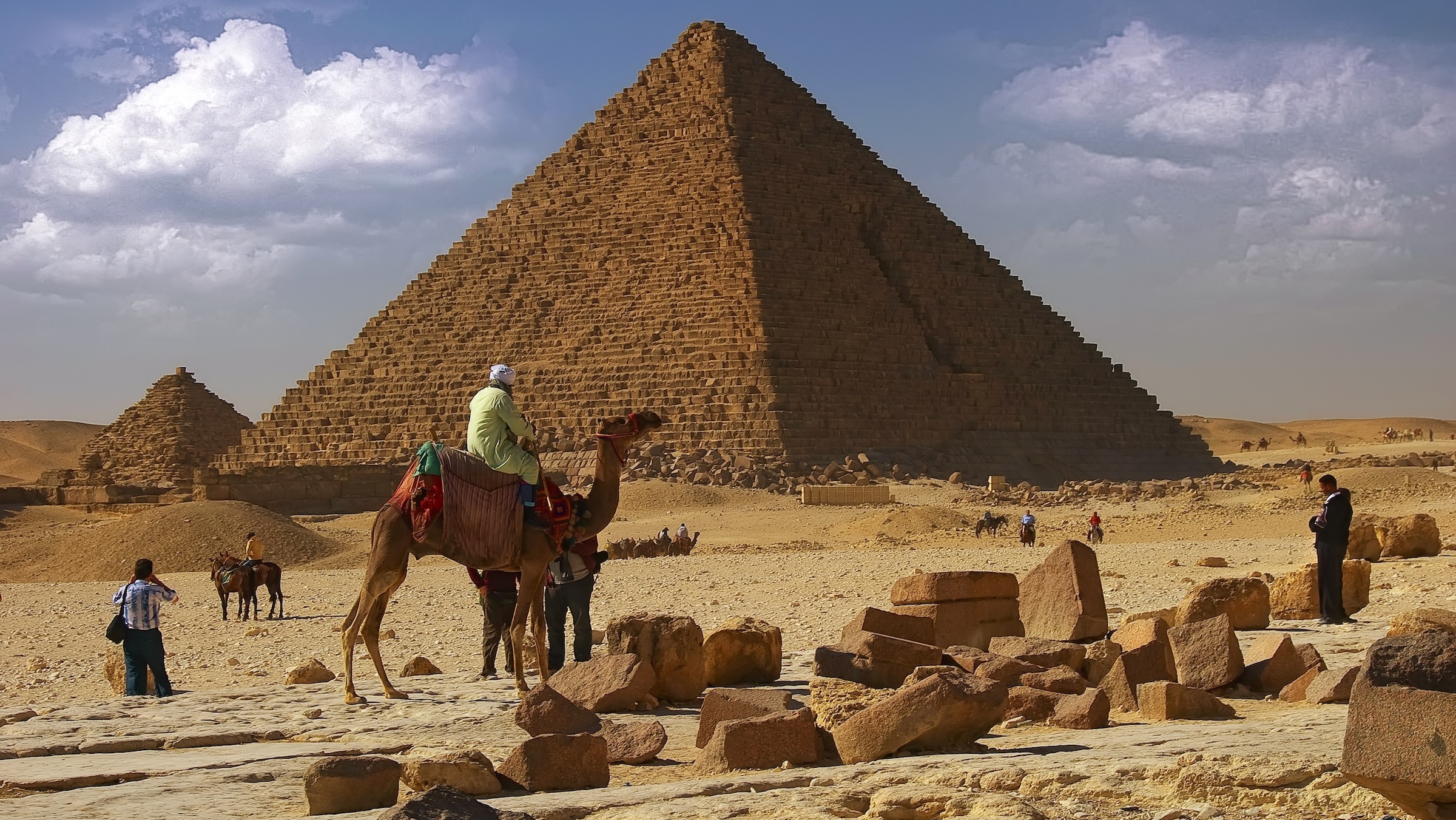 Anomalies in Giza pyramid may indicate an unknown entrance
Latest in News
5,000-year-old rock art from ancient Egypt depicts 'terrifying' conquest of the Sinai Peninsula
Anomalies in Giza pyramid may indicate an unknown entrance
Latest in News
5,000-year-old rock art from ancient Egypt depicts 'terrifying' conquest of the Sinai Peninsula
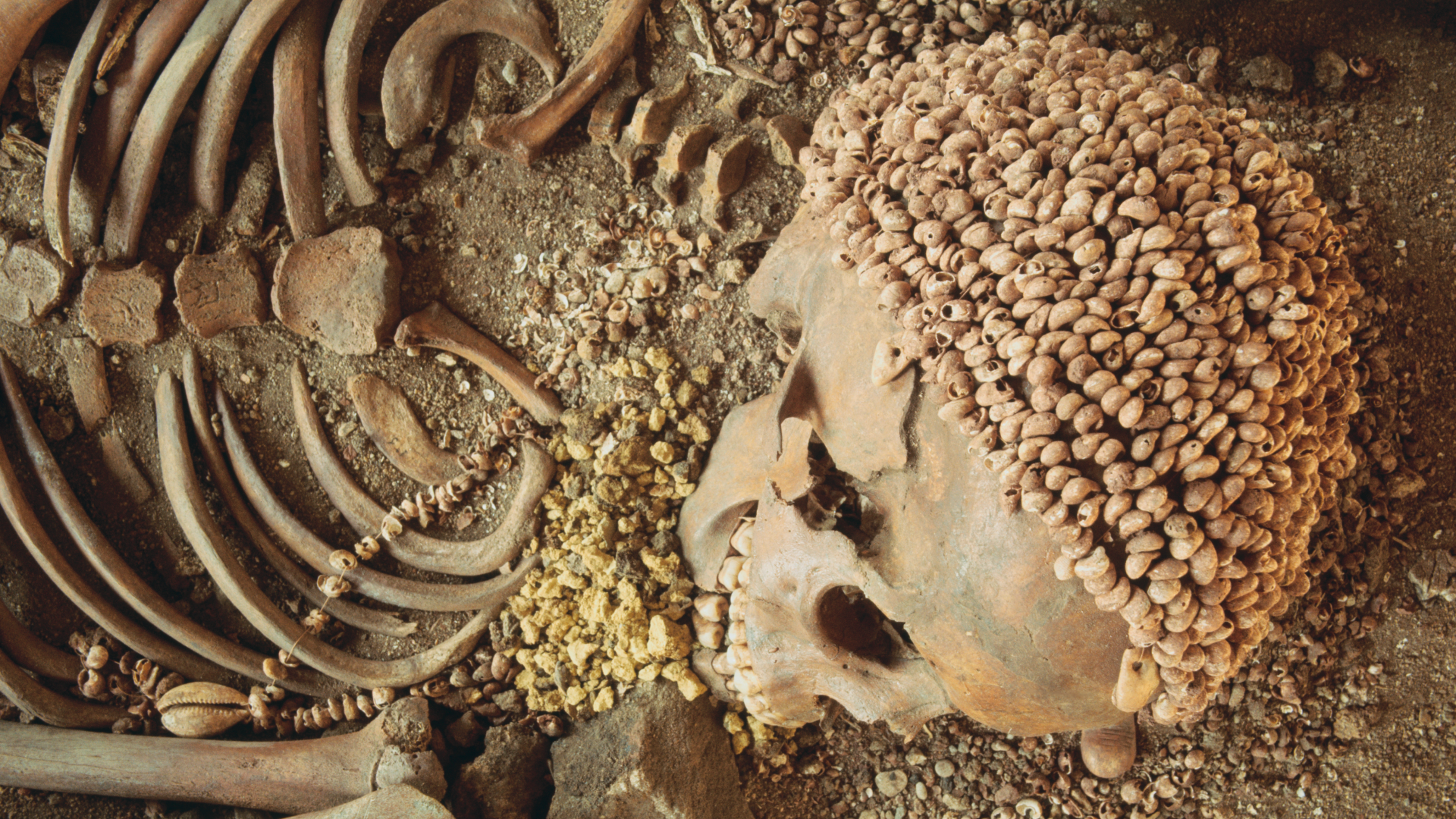 Stone Age teenager was mauled by a bear 28,000 years ago, skeletal analysis confirms
 Critical moment when El Niño started to erode Russia's Arctic sea ice discovered
 AI spots 'jellyfish,' 'hamburgers' and other unexplainable objects in Hubble telescope data
 Romans used human feces as medicine 1,900 years ago — and used thyme to mask the smell
 New study of chemical reactions in space 'could impact the origin of life in ways we hadn't thought of'
LATEST ARTICLES
New study of chemical reactions in space 'could impact the origin of life in ways we hadn't thought of'
LATEST ARTICLES- 1Stone Age teenager was mauled by a bear 28,000 years ago, skeletal analysis confirms
- 2February 2026 night sky: What to see and what you need
- 3Drones could achieve 'infinite flight' after engineers create laser-based wireless power system that charges them from the ground
- 4Critical moment when El Niño started to erode Russia's Arctic sea ice discovered
- 5Romans used human feces as medicine 1,900 years ago — and used thyme to mask the smell