
Live Science Verdict
These binoculars give excellent optical clarity, low distortion and aberration and are ideal for wildlife and stargazing due to the high magnification, large objectives and stabilization. But beware the easily scratched coating and tricky battery compartment.
$1,219.95 at Newegg $1,249 at Amazon $1,299 at Canon $1,349 at BHPhoto Pros- +
Sharp optics free from distortion
- +
Stabilization steadies higher magnification
- +
Thoughtful eyepiece design
- -
Rubberized coating scratches easily
- -
Eyecup design gives limited eye relief
- -
Might be too large for some
- Best binoculars 2026: Our picks for stargazing, bird-watching and observing wildlife
- Best binoculars for stargazing 2026: Take a walk through space
- Best image-stabilized binoculars 2026: Stability meets clarity
Why you can trust Live Science Our expert reviewers spend hours testing and comparing products and services so you can choose the best ones for you. Find out more about how we test.
Jump to:- Design
- Performance
- Functionality
- Verdict
- Alternatives
- User reviews
It's not often we can recommend a product that is designed for a specialist demographic but can actually be recommended for a broad span of users, but we're doing exactly that with the Canon 15x50 IS UD All weather binoculars.
Their extended 15x range (5x more than the generalist 10x) provide 50% more reach for small birds, mammals and distant nebulas and night sky objects. Low light observing is easy because the 50mm objective lenses drink in the dim light. And you can do it all without a tripod because the in-built image stabilization holds views stock-still without worry (even for those with tremors).
Canon 8x20 IS binoculars specs:Design: Prism
Magnification: 15x
Objective lens aperture: 50mm
Angular field of view: 3.7 degrees
Eye relief: 15mm (0.59-inches)
Weight: 1,180 g (41.6 oz)
Dimensions: 193 mm x 152 mm x 81 mm (7.6-in x 6-in x 3.2-in)
- Canon 15x50 IS All Weather (Black) at Amazon for $1,249
There are a few niggles though, which we will dive into in more detail below, but the real crux lies with the rubberized coating and battery compartment. However, this shouldn't dissuade you enough from buying a pair because the Ultra-low Dispersion glass, doublet field flattener and multi-coating prove commendable with sharp, bright, views across the entire image circle (meaning no more heavy vignetting or softening at the edges).
Canon 15x50 IS All Weather: Design
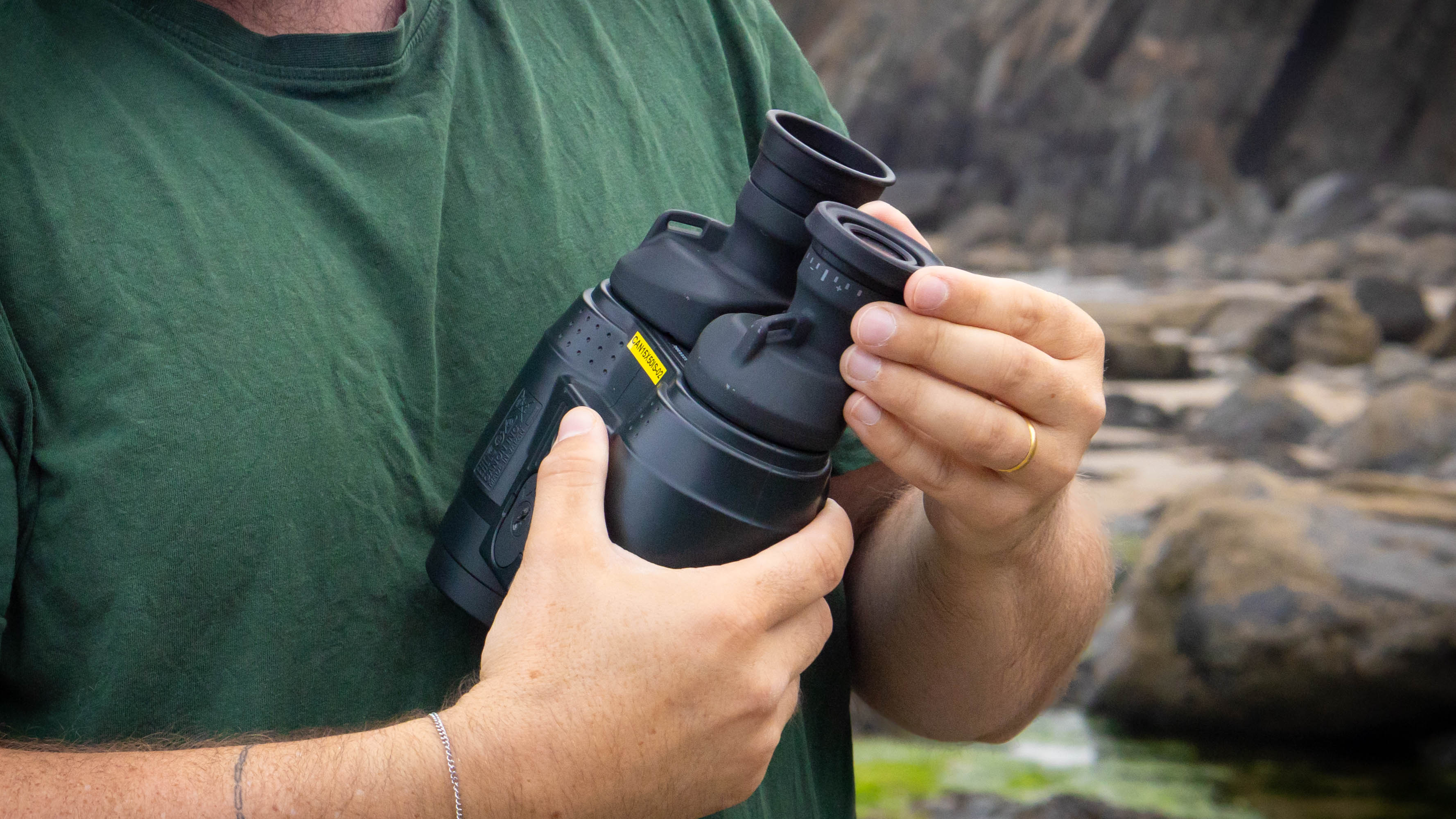
- Heavy but worth it for the quality
- Coating is slippery and marks easily
- Ideal location for straps
For wildlife enthusiasts, the green coating will allow you to blend into your surroundings, which we felt was a nice touch and a step away from the traditional black color you find most binoculars come in.
Sadly, the rubber coating was slippery and marked and dented easily. This was a disappointment as, ideally, you want a pair of binoculars to be hardy, especially if you're taking them with you for all different types of outdoor excursions. The slipperiness could easily be fixed with some additional grip or texture, so it was sad to see this was lacking.
Being bigger and heavier than a general 10x42 pair of binoculars may put some people off these as an option. The extra weight is due to the extra glass, image stabilization technology and the batteries required for it. However, what you gain in quality outweighs the extra weight you'd be carrying around — these are worth it.
The eyecups have only two options, either flap-up or flap-down, and while this type of eyepiece cup isn't our favorite, this is subjective and so some users may prefer this. But a limited option of two positions is inferior to many other designs, which feature a twisting eyecup that gives at least three positions for eye relief (useful for those who wear spectacles).
Sign up for the Live Science daily newsletter nowContact me with news and offers from other Future brandsReceive email from us on behalf of our trusted partners or sponsorsBy submitting your information you agree to the Terms & Conditions and Privacy Policy and are aged 16 or over.
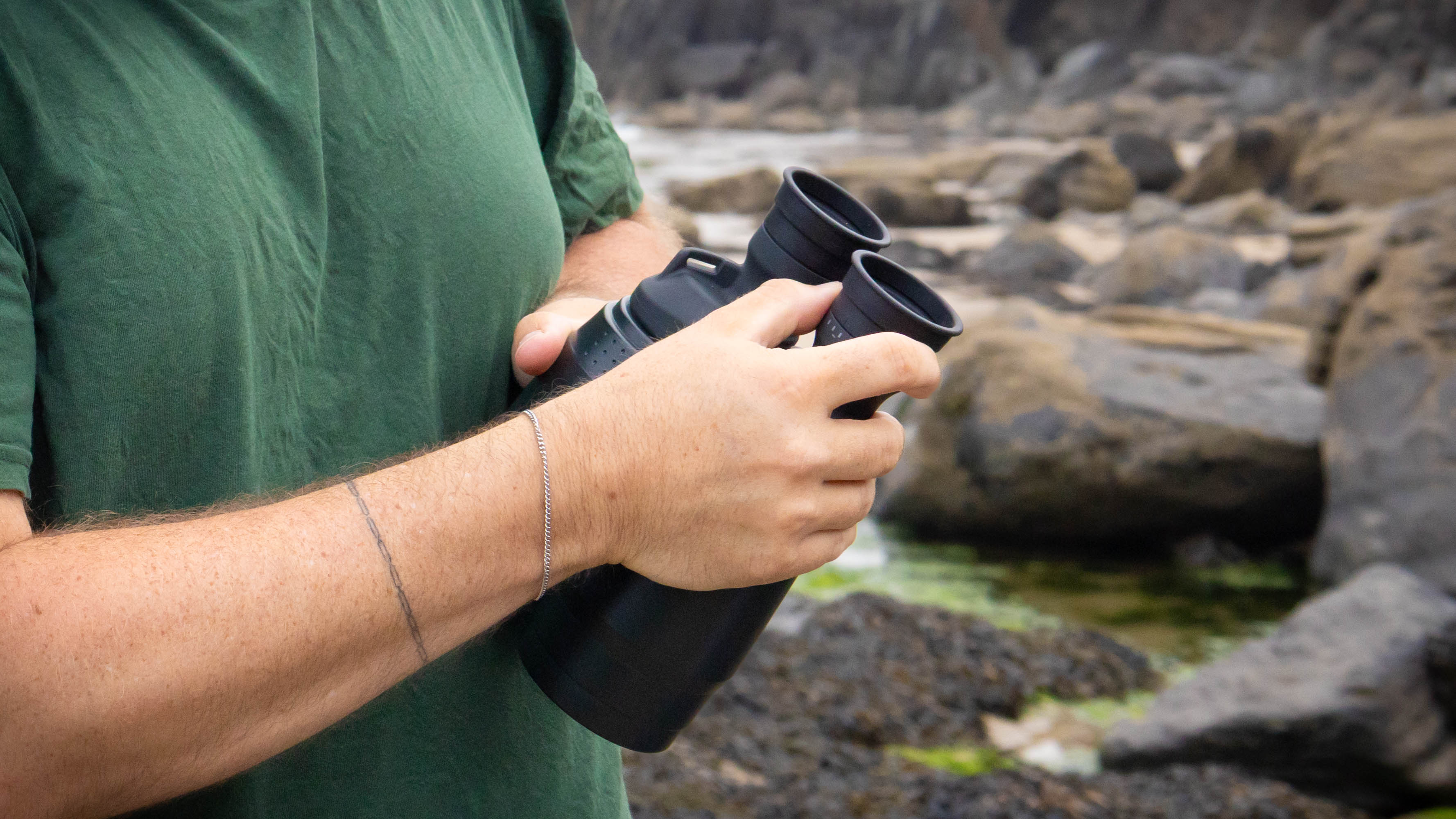
Most binoculars have the interpupillary distance controlled by having the lens barrel hinged at a central point. The Canon 15x50's do things a little differently — the hinge is built into the eyepieces. There are two reasons we liked this: it means the grip on the binos doesn't alter and there is no risk of the hinge becoming loose over time and not being able to sufficiently hold the interpupillary distance. A thought-out design choice that gets the thumbs up from us.

Another considered design choice is that of the location of the straps. The straps are built into the rotating eyepiece sections which helps the binoculars to sit central on your chest.
Canon 15x50 IS All Weather: Performance
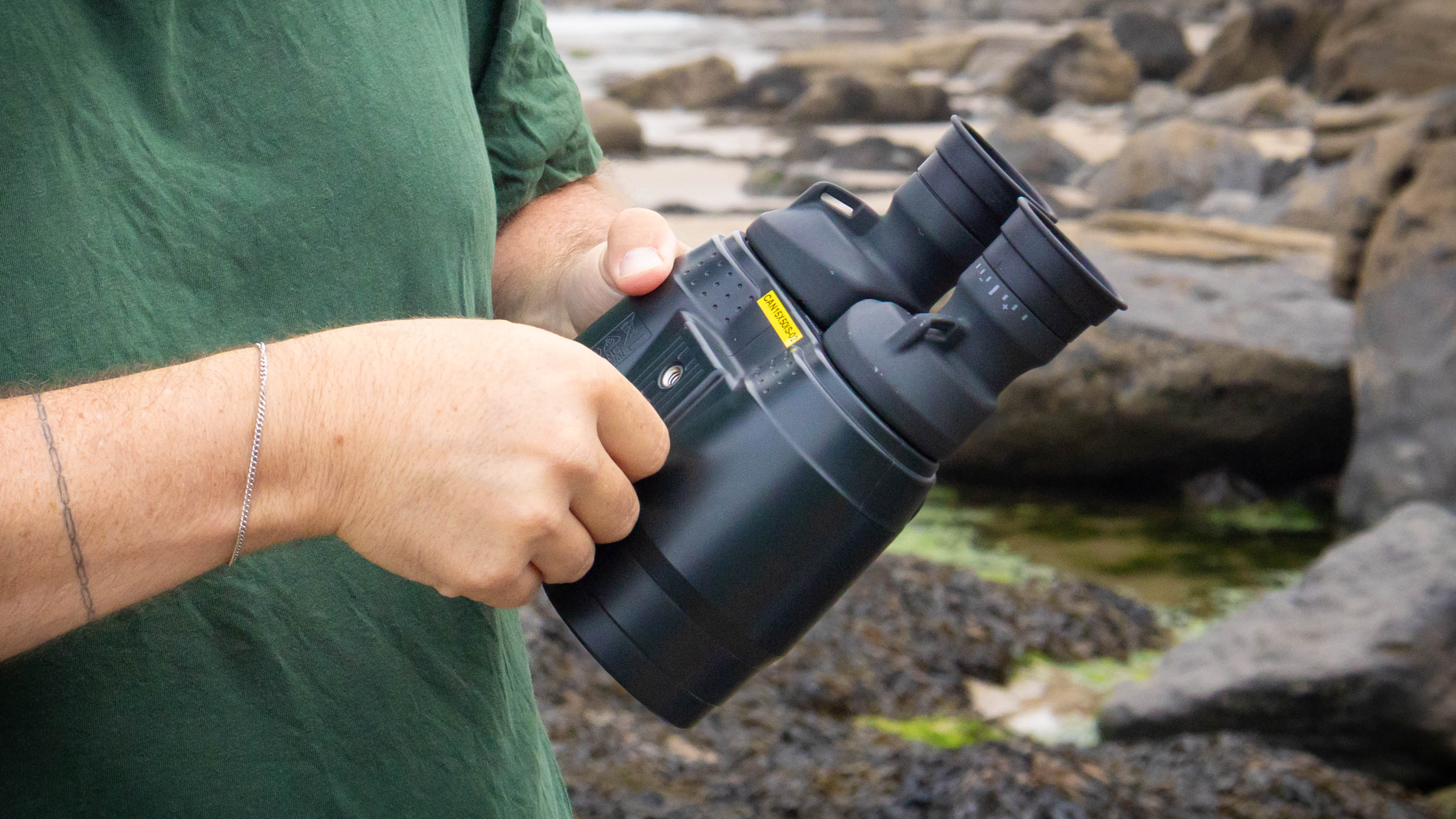
- 15x magnification is ideal for bird spotting at a distance
- Diopter ring is sufficiently stiff but not lockable
- Image stabilization is easy to activate
The real beauty of these binoculars for bird spotting comes from their high magnification. 15x is ample for getting close to far-away songbirds, waders at the edges of water and larger birds of prey circling overhead. Canon's 18x50 IS gives just that extra touch of reach, but for the most part, we wouldn't recommend opting for those unless you desperately and regularly need the extra reach.
The 50mm objective lenses drink in the light, and we found them most useful when observing at twilight, giving an extra 20-30 minutes of use on average in the summer months when the days are longer. This meant that success in spying on crepuscular animals like owls, badgers and deer was better.

The multi-coated, Ultra-low Dispersion (UD) glass in these binoculars noticeably helped with image quality, with minimal aberration and only slight purple fringing around the edges of the image circle. Distortion was insignificant also, due to the doublet field flattener built into the binoculars. This gave pleasurable, bright and sharp views both day and night.
Canon 15x50 IS All Weather: Functionality
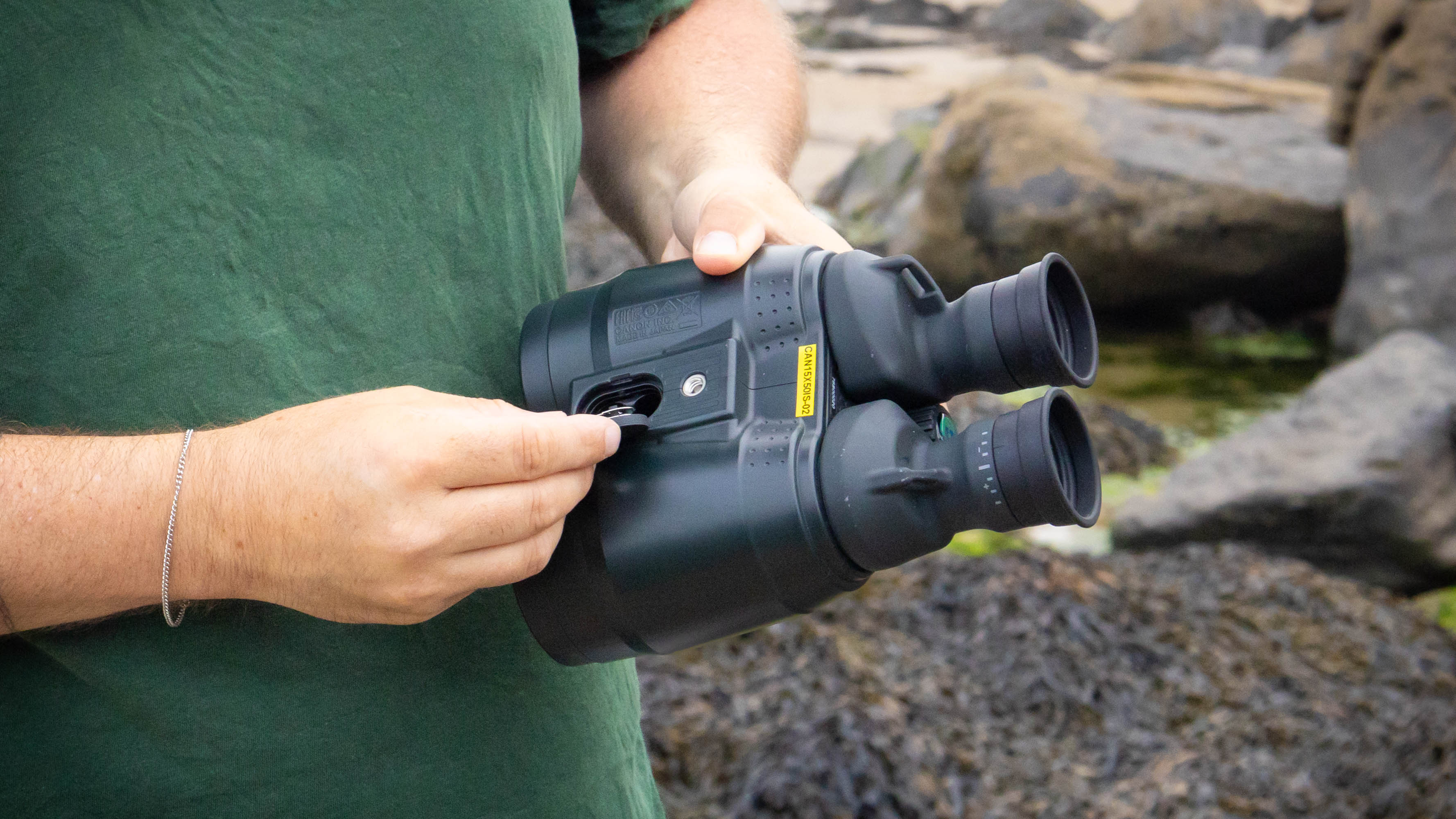
- Stabilization makes it as useful for wildlife as it does stargazing
- Lacking diopter locking mechanism
- Battery compartment tricky to access

All of the aforementioned, combined with the stabilization, line it up as an excellent astronomy binocular as well. The stabilization reduces the mandatory need for a tripod (something which is important at this magnification without stabilization) and steadies views for clearer viewing of detail in nebulas.
For the price of these binoculars, we were frustrated to not see a locking diopter ring. Saying that, the diopter ring was sufficiently stiff and didn't change when putting the binoculars in and out of the carry case.
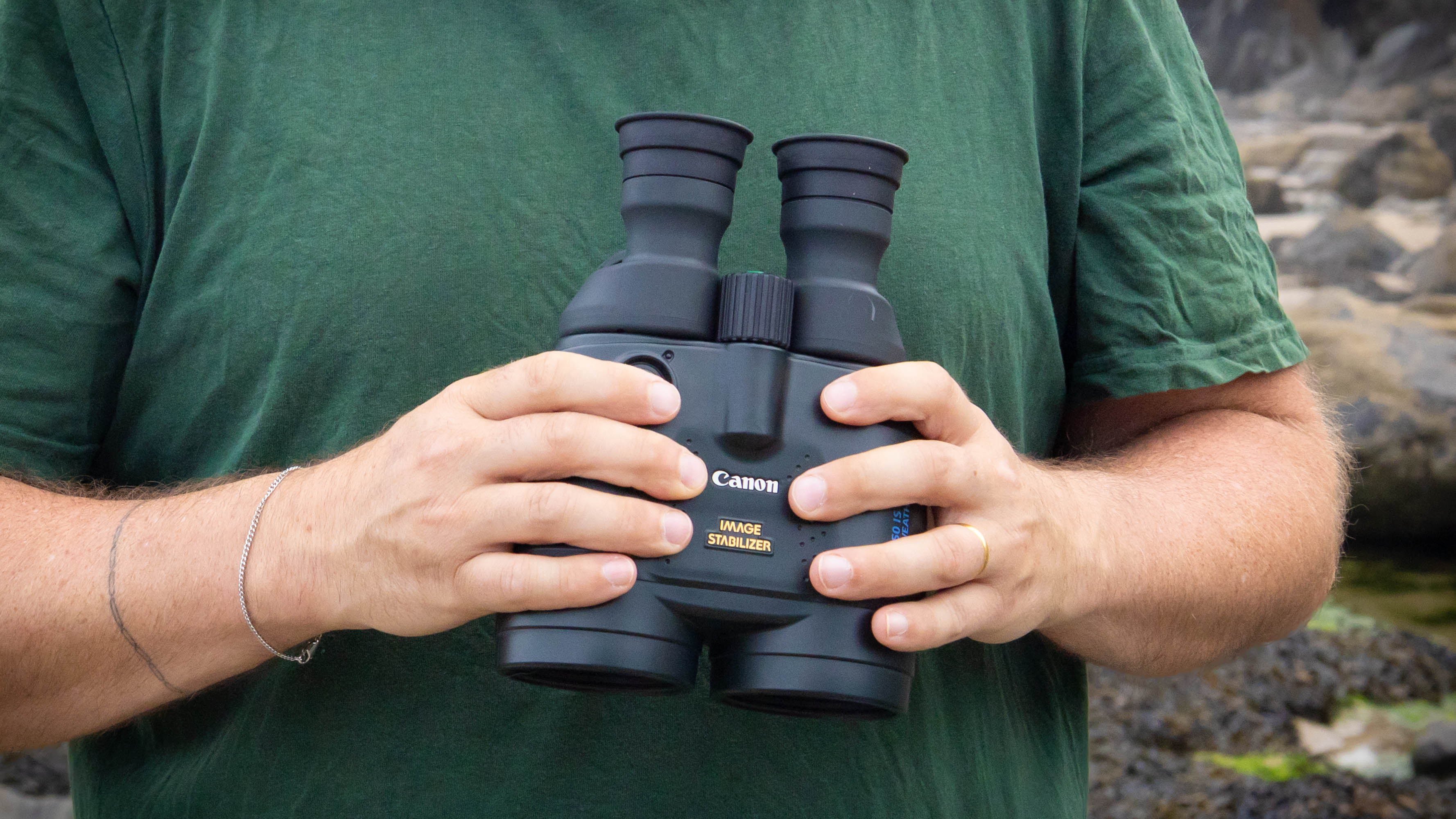
Our testing unit warned us that the battery was tricky to access, as there were chew marks on the slot before we even tried ourselves. Long, strong fingernails, a coin or a flathead screwdriver are essential to get into this battery compartment. This is something to bear in mind for those with limited dexterity.
We should also note that of all the manuals and literature we could find, these 'all weather' binoculars (and the same is apparently also true of the 18x50 IS UD binoculars) these binoculars are not waterproof, only water-resistant. Weather-resistant is what Canon says in the marketing. This isn't to say that it's a bad thing, but slapping big red letters on the side of a binocular that say 'all weather' does make one more inclined to think they would be waterproof, compared with other binoculars that do not have this, but are waterproof. Confused? Yeah, us too!
Should I buy the Canon 15x50 IS All Weather binoculars?
Undoubtedly, we'd highly recommend the Canon 15x50 IS binoculars for wildlife observing and stargazing. The 15x magnification is enough to reach smaller subjects and night sky objects, but the stabilization holds things rock-steady for detailed viewing. The 50mm lenses, larger than the generalist 42mm, capture more light and, when combined with the multi-coating, doublet field flattener and Ultra-low Dispersion (UD) glass, make low light observing and stargazing incredibly accessible.
If this product isn't for you
There are only a small handful of reasons we would recommend you look elsewhere, that is, if these binoculars are out of your price range, are too large or heavy, or if the design (and the inevitable scratches on the rubberized coating) isn't to your liking.
In which case, for a compact pair but sticking with Canon, we'd recommend the Canon 8x20 IS, which still has stabilization and Canon's strong build quality but in a much smaller package.
Or you might feel that these are the right binoculars for you, but just want to get that extra bit more reach. In which case, we'd recommend you get the slightly larger version of these, the Canon 18x50 IS UD All weather binoculars.
User reviews
Online reviews of the 15x50 IS UD All weather binoculars are generally positive and in line with our experiences for this review. Some note that for those with tremors, the stabilization is incredibly useful for steady and clear observations, whereas others have noted the same issue we found with the coating, whereby it is easily scratched. However, generally, online reviews sit at an average between 4 to 4.4/5 stars, which is owed in part to the high-quality optics that Canon has truly prioritised in this model.
Canon 15x50 IS All Weather: Price Comparison
 $1,219.95View

 $1,349 $1,249View $1,349 $1,249View
 $1,499 $1,299Viewdeal
 $1,349ViewShow moreWe check over 250 million products every day for the best pricespowered by
 Jase Parnell-BrookesSocial Links NavigationManaging Editor, e-commerce
Jase Parnell-Brookes is the Managing Editor for e-commerce for Live Science and Space. Previously the Channel Editor for Cameras and Skywatching at Space, Jase has been an editor and contributing expert across a wide range of publications since 2010. Based in the UK, they are also an award-winning photographer and educator winning the Gold Prize award in the Nikon Photo Contest 2018/19 and named Digital Photographer of the Year in 2014. After completing their Master's degree in 2011 and qualifying as a teacher in 2012, Jase has spent the last two decades studying and working in photography and publishing in multiple areas, and specializes in low light optics and camera systems.
View MoreYou must confirm your public display name before commenting
Please logout and then login again, you will then be prompted to enter your display name.
Logout Back To Top Read more Canon 12x36 IS III binocular review
 Best binoculars for stargazing 2026: Take a walk through space
 Best image-stabilized binoculars 2026: Stability meets clarity
 Best binoculars for bird-watching 2026: Eyes on the skies
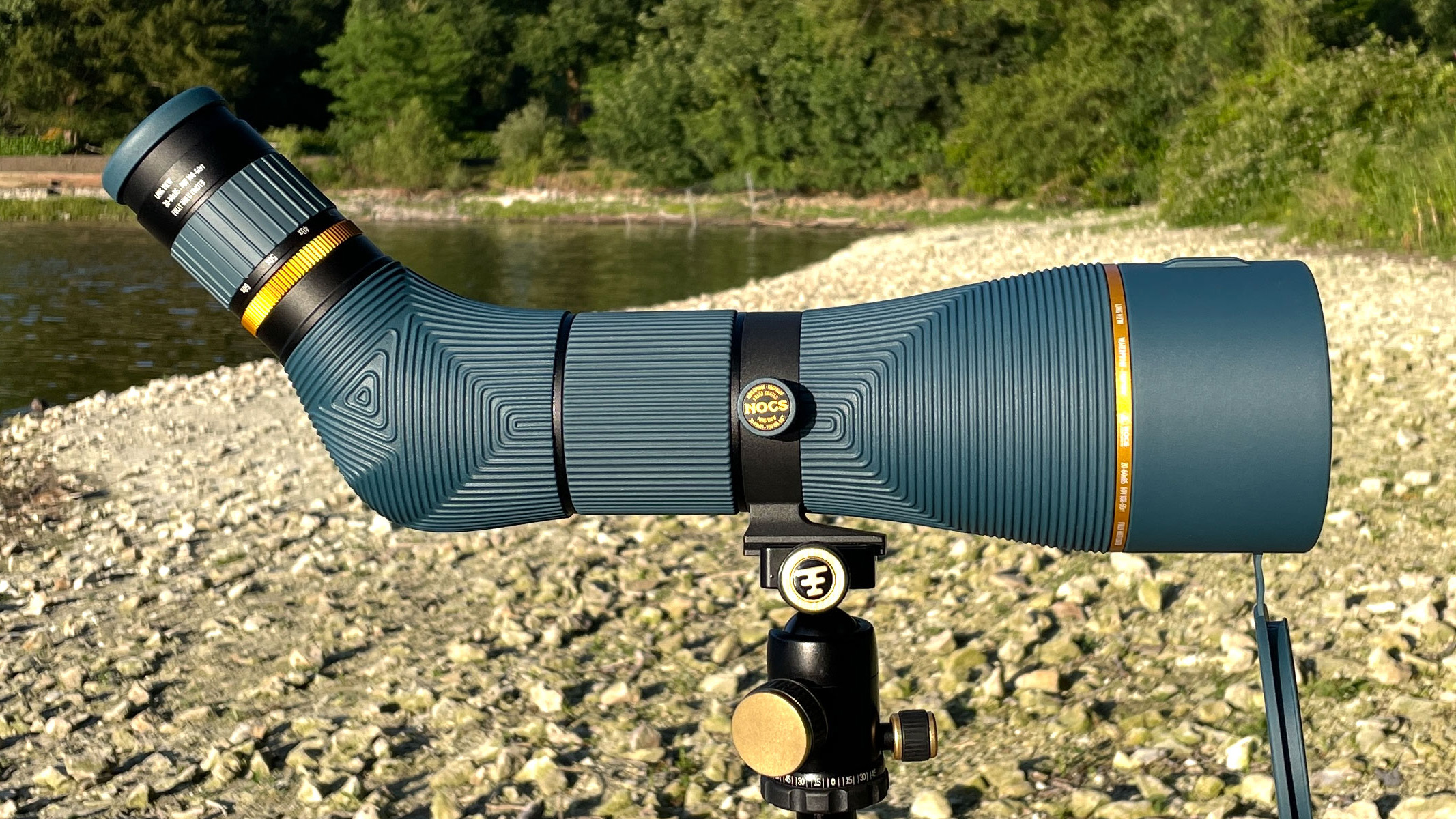 Nocs Provisions Long View 85mm spotting scope review
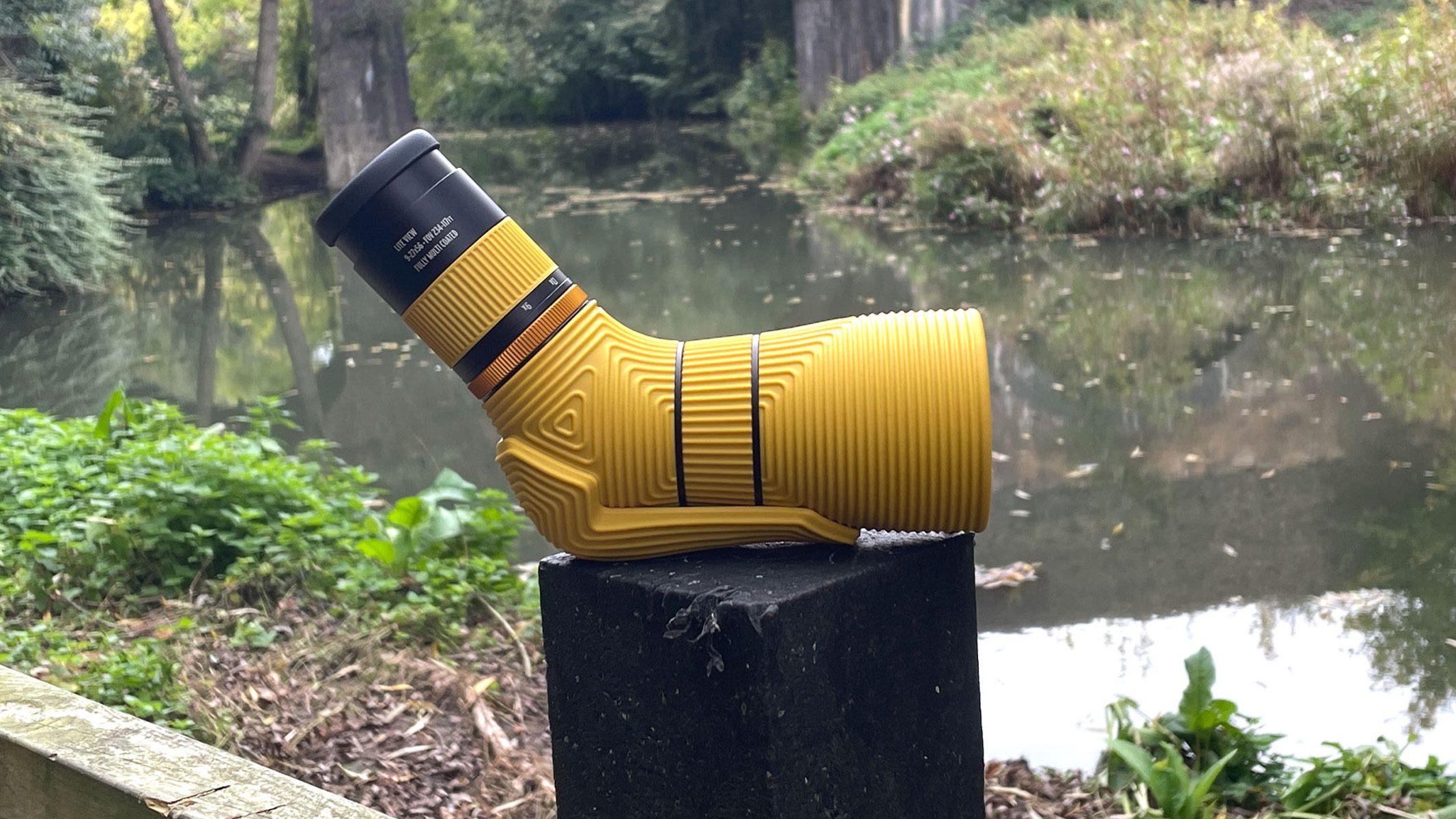 Nocs Provisions Lite View Spotting Scope review
Latest in Astronomy
Nocs Provisions Lite View Spotting Scope review
Latest in Astronomy
 Astronomers spot 'time-warped' supernovas whose light both has and hasn't reached Earth
 James Webb telescope solves mystery of 'forever young' vampire stars from the dawn of time
 Stellar nursery bursts with newborn stars in hauntingly beautiful Hubble telescope image — Space photo of the week
 James Webb telescope breaks own record, discovering farthest known galaxy in the universe
 How long does it take the sun to rotate?
 AI spots 'jellyfish,' 'hamburgers' and other unexplainable objects in Hubble telescope data
Latest in Reviews
AI spots 'jellyfish,' 'hamburgers' and other unexplainable objects in Hubble telescope data
Latest in Reviews
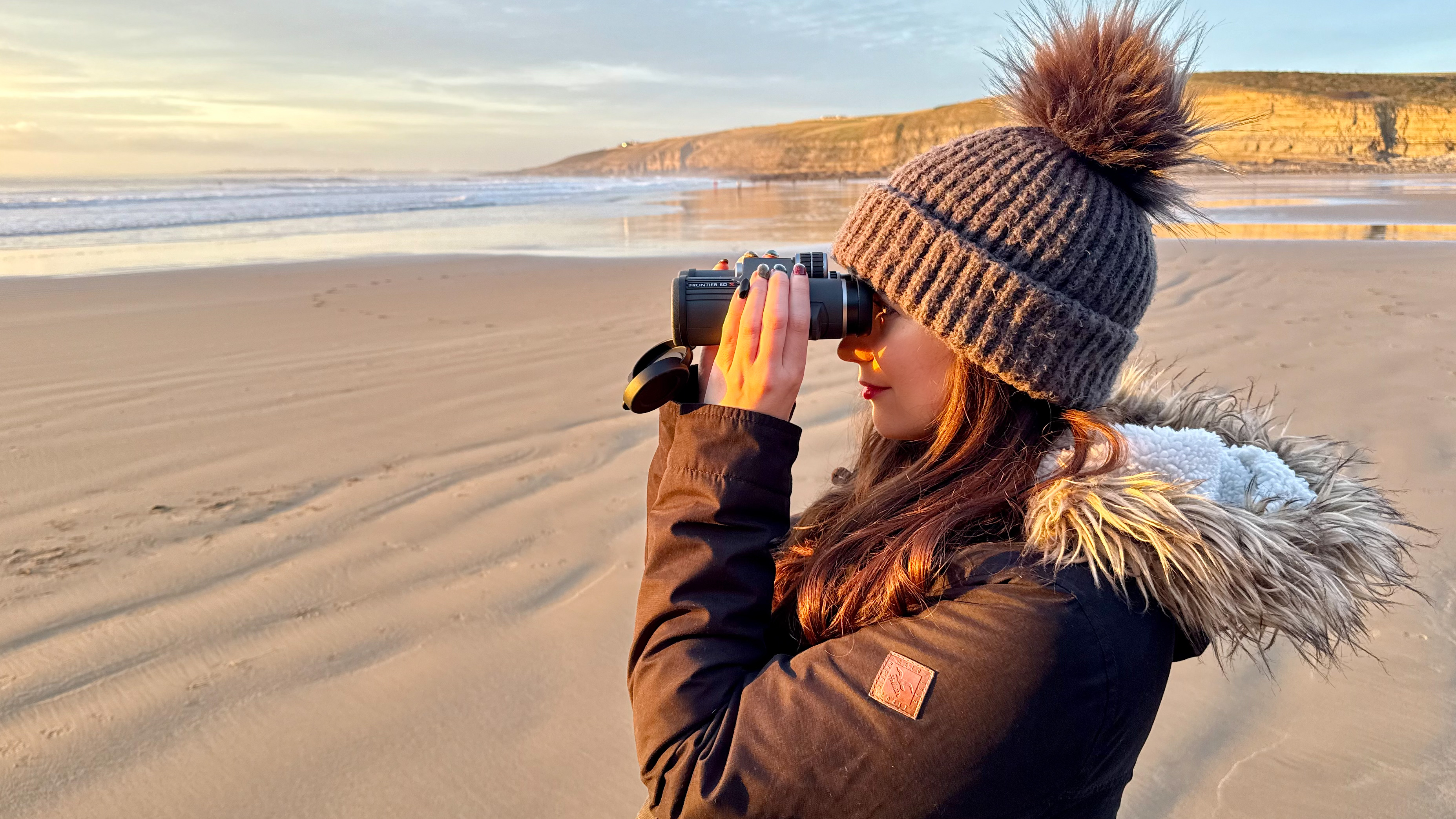 Hawke Frontier ED X 8x42 review
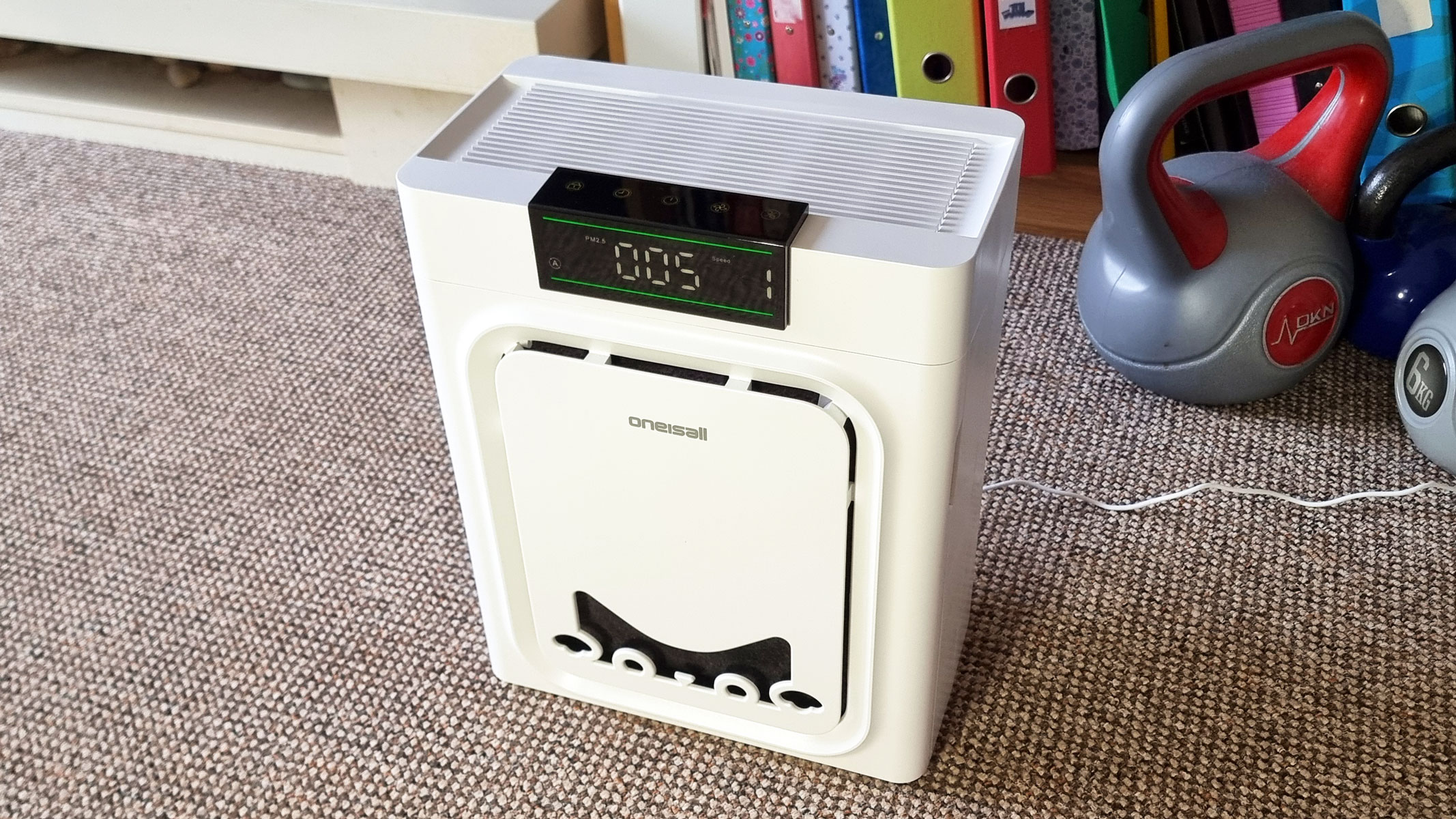 Oneisall Pet Air Purifier (PP02) review: Great value pick for dog and cat lovers
 Jiawen Galaxy Projector Light review
 HP Omen Max 16 (2025) review: This heavyweight pushes everything to the max
 Garmin Enduro 3 review: The longest-lasting sports watch series gets a price cut
 Renpho Lynx smart ring review: Somewhat disappointing
LATEST ARTICLES
Renpho Lynx smart ring review: Somewhat disappointing
LATEST ARTICLES 1The Colorado River's largest tributary flows 'uphill' for over 100 miles — and geologists may finally have an explanation for it
- 2Artemis II simulated launch window opens tonight as NASA delays mission due to 'rare Arctic outbreak'
- 3What to buy as a beginner runner: Must-haves vs non-essentials
- 4Jiawen Galaxy Projector Light review
- 5Ribchester Helmet: A rare 'face mask' helmet worn by a Roman cavalry officer 1,900 years ago