- Planet Earth
- Weather
An exploding tree claim has gone viral as the U.S. brace for an Arctic blast that will send temperatures plunging, triggering a massive and long-lasting winter storm.
When you purchase through links on our site, we may earn an affiliate commission. Here’s how it works.
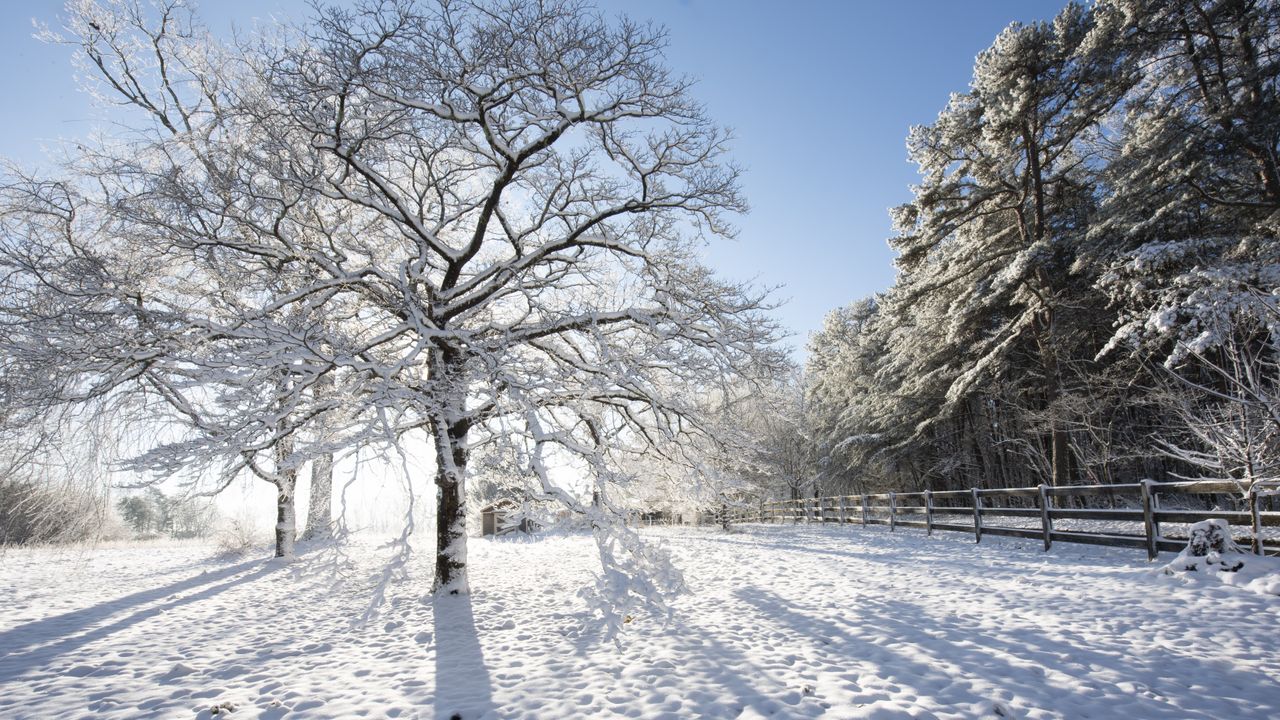
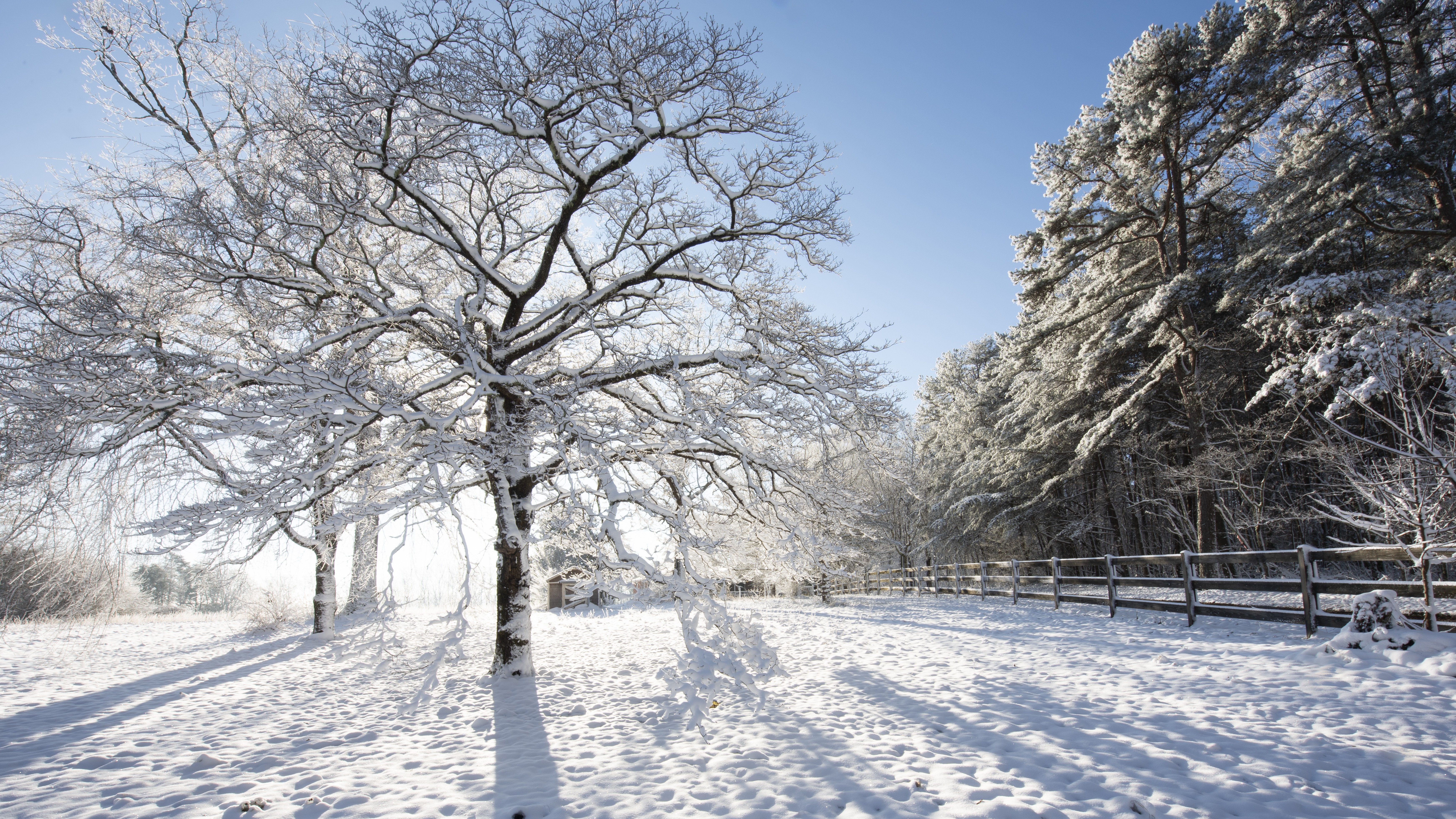 Some trees could get so cold in the coming days that they crack with an explosion-like bang.
(Image credit: Dan Reynolds Photography via Getty Images)
Share
Share by:
Some trees could get so cold in the coming days that they crack with an explosion-like bang.
(Image credit: Dan Reynolds Photography via Getty Images)
Share
Share by:
- Copy link
- X
The extreme cold from an incoming winter blast could make some trees "explode," a viral social media post claims — but don't expect trees to start blowing up like cars in an action movie.
"EXPLODING TREES are possible in the Midwest and Northern Plains on Friday and Saturday, as temperatures are forecasted to fall 20 degrees BELOW zero!" Max Velocity (real name, Max Schuster), a weather-based content creator with a degree in meteorology, wrote in a post on the social platform X.
You may like-
 'Severe' solar storm brings auroras as far south as Florida — and more are on the way tonight
-
 Arctic 'methane bomb' may not explode as permafrost thaws, new study suggests
-
 Powerful solar storms, exploding comets and pigs from hell
But can extreme cold really make trees explode?
It depends on your definition of "explode." Trees can crack in frigid conditions due to their sap. This substance is usually liquid even in freezing temperatures, but when it gets super cold, like minus 20 F (minus 29 C), it freezes. In some places, the incoming Arctic blast will likely be cold enough to freeze trees' sap, causing it to quickly expand, Bill McNee, a forest health specialist at the Wisconsin Department of Natural Resources, told the Milwaukee Journal Sentinel.
"That just creates a lot of physical pressure that can lead to the frost cracking appearing suddenly, branches can fall off, and people hear this really loud crack from their tree, almost like it's a gunshot," McNee said.
The cracking usually affects only part of the tree, but in rare cases, explosions can happen, McNee said.
Sign up for the Live Science daily newsletter nowContact me with news and offers from other Future brandsReceive email from us on behalf of our trusted partners or sponsorsBy submitting your information you agree to the Terms & Conditions and Privacy Policy and are aged 16 or over."I've never seen the damage of it, but from what I have seen and what I read online is that it is rare for there just to be so much pressure that is suddenly released inside this tree that it almost does explode," McNee said.
Meteorologist Cody Matz also addressed the explosion claim in an article for Minneapolis-based Fox 9, writing that "it can and does happen" but that it's "extremely rare." Matz noted that many people have likely lived in Minnesota and the Upper Midwest their whole lives without ever hearing of exploding trees.
The news nonprofit organization South Dakota News Watch, in partnership with the fact-checking nonprofit Gigafact, concluded that the claim that trees can explode during extreme cold was misleading but noted that temperature-driven breaking and snapping "can sound like an explosion."
You may like-
'Severe' solar storm brings auroras as far south as Florida — and more are on the way tonight
-
Arctic 'methane bomb' may not explode as permafrost thaws, new study suggests
-
Powerful solar storms, exploding comets and pigs from hell
Winter blast
Regardless of whether trees can "explode," some areas will have a chance to experience the rare cracking phenomenon. The NWS is forecasting temperatures below minus 20 F in parts of North Dakota, Minnesota and Wisconsin over the weekend, while the wind chills starting today (Jan. 22) will be even colder.
"This arctic blast will be accompanied by gusty winds, leading to dangerous wind chills," an NWS representative wrote in a Weather Prediction Center update Thursday. "The coldest wind chills may fall below -50 [F] across the Northern Plains with sub-zero wind chills reaching as far southeast as the Mid-Atlantic, Mid-Mississippi Valley and Southern Plains. These wind chills will pose life-threatening risk of hypothermia and frostbite to exposed skin."
RELATED STORIES—Ethereal ice structures swirl alongside Chicago during extreme cold snap fueled by polar vortex — Earth from space
—'Nobody knew why this was happening': Scientists race to understand baffling behavior of 'clumping clouds'
—Death Valley's 'world's hottest temperature' record may be due to a human error
The Arctic air is also set to fuel a massive and long-lasting winter storm, in conjunction with a surface front farther south and a midlevel disturbance passing through northern Mexico, according to the Weather Prediction Center update. AccuWeather reported that the winter storm is expected to bring heavy snow and ice down on more than 150 million people across 24 states from Friday through the weekend.
Meteorologists told The Associated Press that a stretching polar vortex is to blame for the Arctic blast. The polar vortex is an area of low pressure and cold air that circulates around the North and South poles all the time. Around the North Pole, the Arctic polar vortex is a circle of strong, cold winds that picks up every winter and sends cold air south with the jet stream when it's disrupted or stretched.
A warming Arctic, fueled by climate change, is energizing the polar vortex and helping to send cold air south, according to The Associated Press. Extreme winter weather is often linked to what the polar vortex is doing, although researchers are still deciphering all of the drivers behind the vortex's behavior.
 Patrick PesterSocial Links NavigationTrending News Writer
Patrick Pester is the trending news writer at Live Science. His work has appeared on other science websites, such as BBC Science Focus and Scientific American. Patrick retrained as a journalist after spending his early career working in zoos and wildlife conservation. He was awarded the Master's Excellence Scholarship to study at Cardiff University where he completed a master's degree in international journalism. He also has a second master's degree in biodiversity, evolution and conservation in action from Middlesex University London. When he isn't writing news, Patrick investigates the sale of human remains.
Show More CommentsYou must confirm your public display name before commenting
Please logout and then login again, you will then be prompted to enter your display name.
Logout Read more 'Severe' solar storm brings auroras as far south as Florida — and more are on the way tonight
 Arctic 'methane bomb' may not explode as permafrost thaws, new study suggests
 Powerful solar storms, exploding comets and pigs from hell
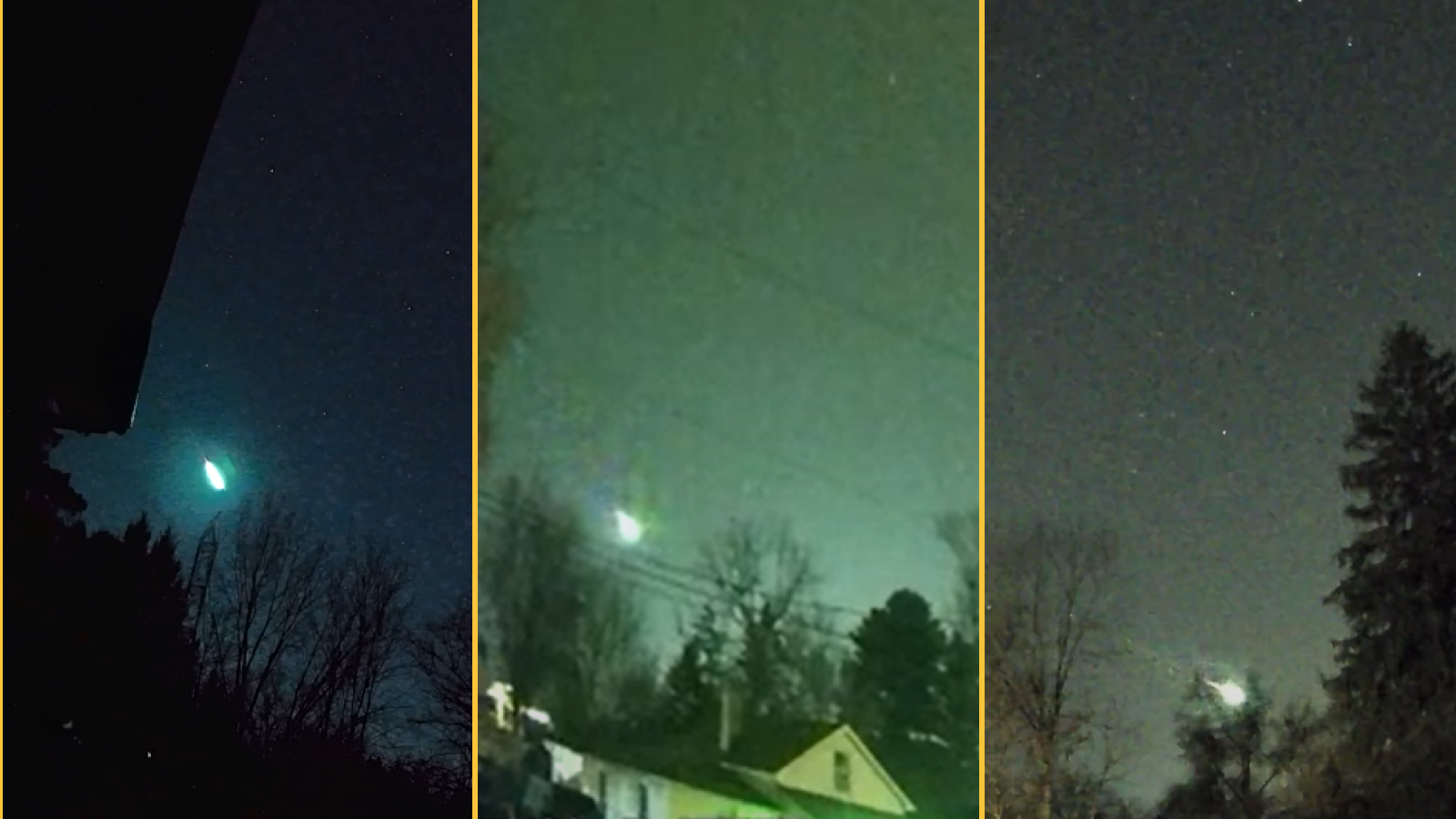 100,000 mph 'comet fragment' explodes in green fireball over Great Lakes, eerie videos show
 That was the week in science: Comet 3I/ATLAS glows green | Roman roads | Bear attacks
 Hundreds of iceberg earthquakes are shaking the crumbling end of Antarctica's Doomsday Glacier
Latest in Weather
Hundreds of iceberg earthquakes are shaking the crumbling end of Antarctica's Doomsday Glacier
Latest in Weather
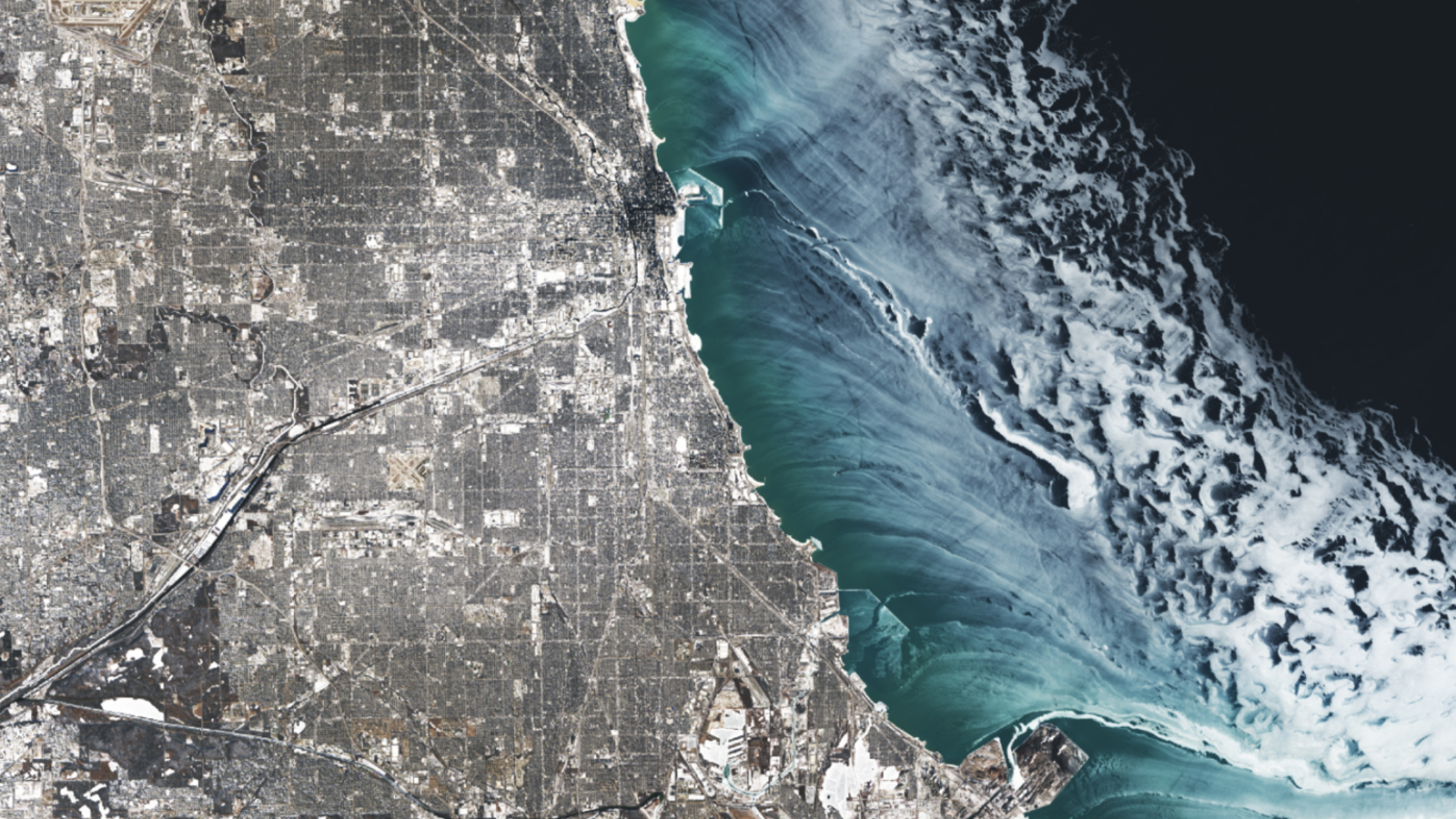 Ethereal ice structures swirl alongside Chicago during extreme cold snap fueled by polar vortex
 'Nobody knew why this was happening': Scientists race to understand baffling behavior of 'clumping clouds'
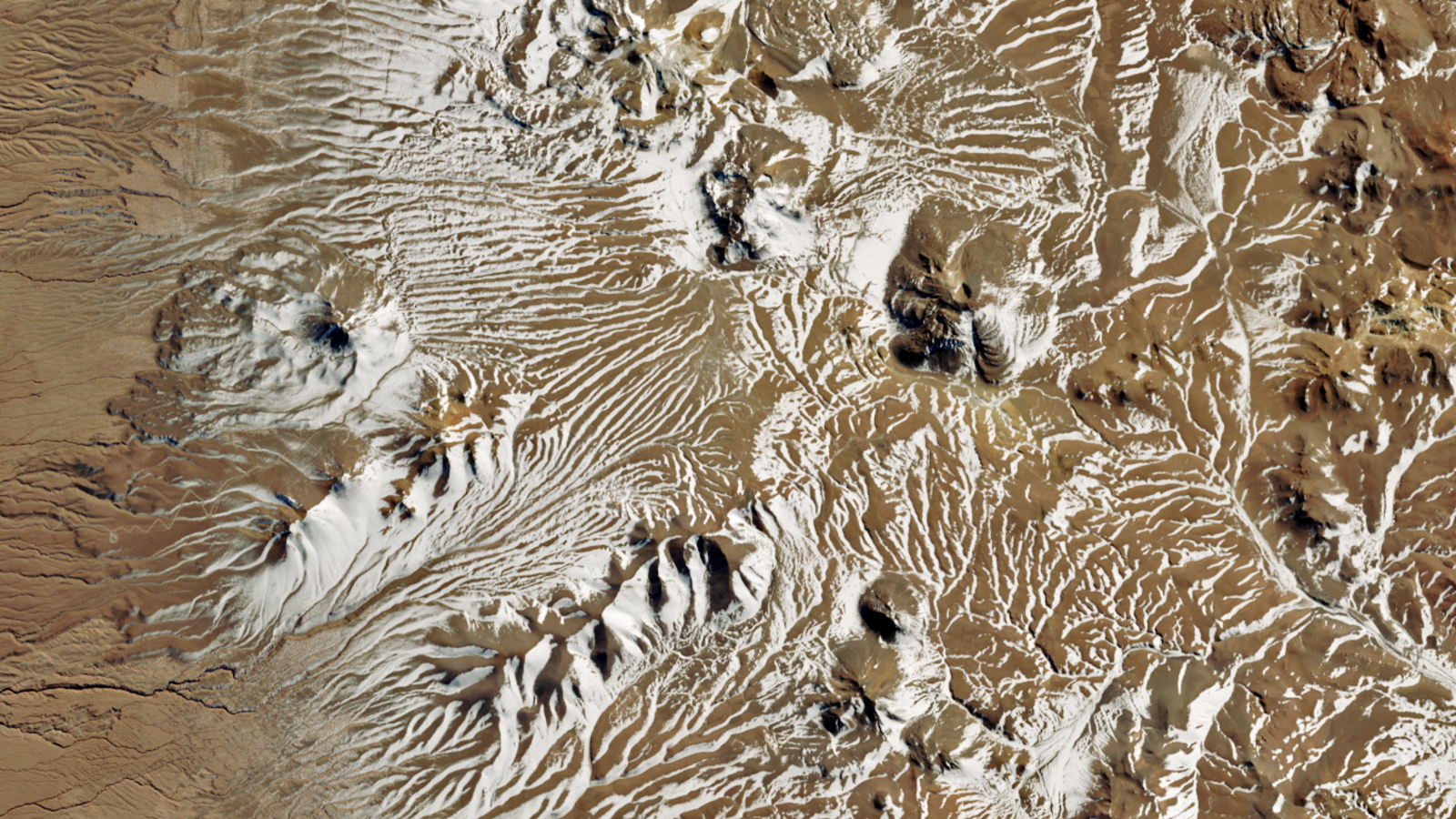 Rare dusting of snow covers one of the driest place on Earth and shuts down massive radio telescope
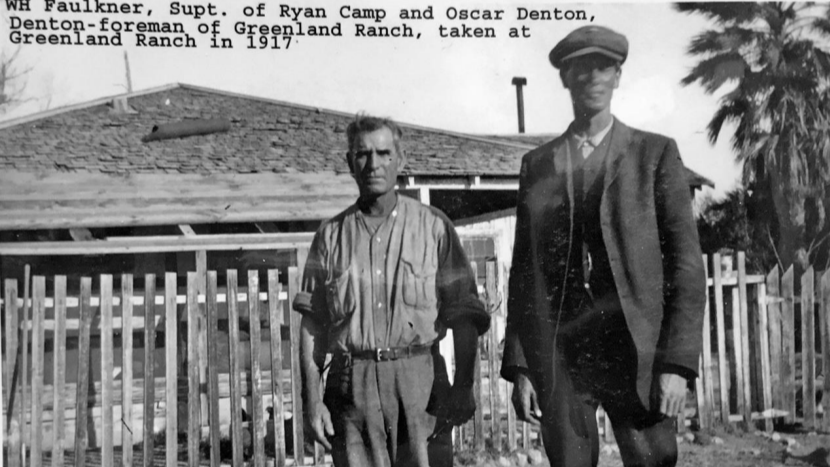 Death Valley's 'world's hottest temperature' record may be due to a human error
 Bizarre, UFO-like halo of red light appears over small Italian town — for the second time in 3 years
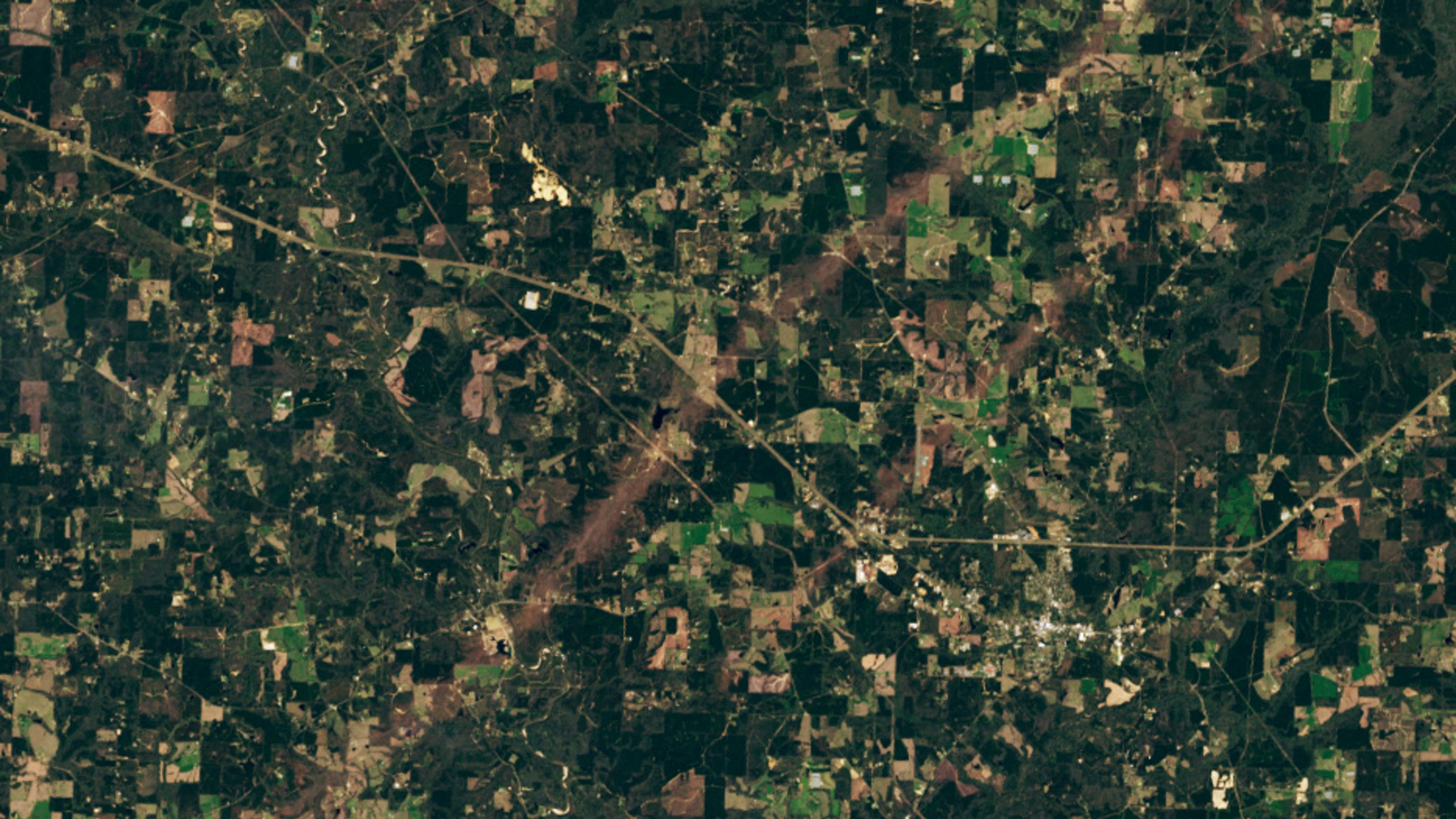 Twin tornadoes tear perfectly parallel tracks through Mississippi during deadly 'superstorm'
Latest in News
Twin tornadoes tear perfectly parallel tracks through Mississippi during deadly 'superstorm'
Latest in News
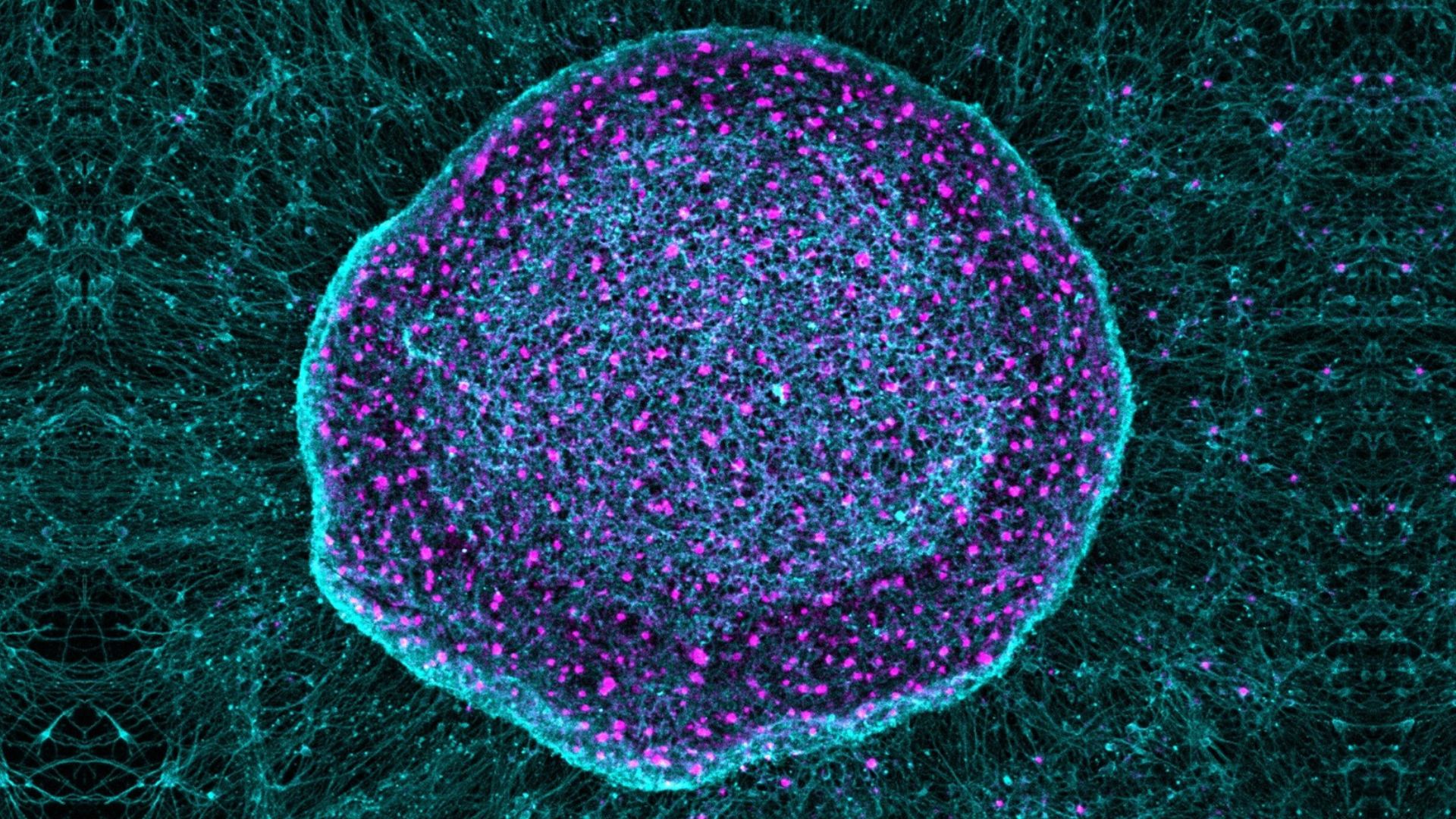 'Pain sponge' derived from stem cells could soak up pain signals before they reach the brain
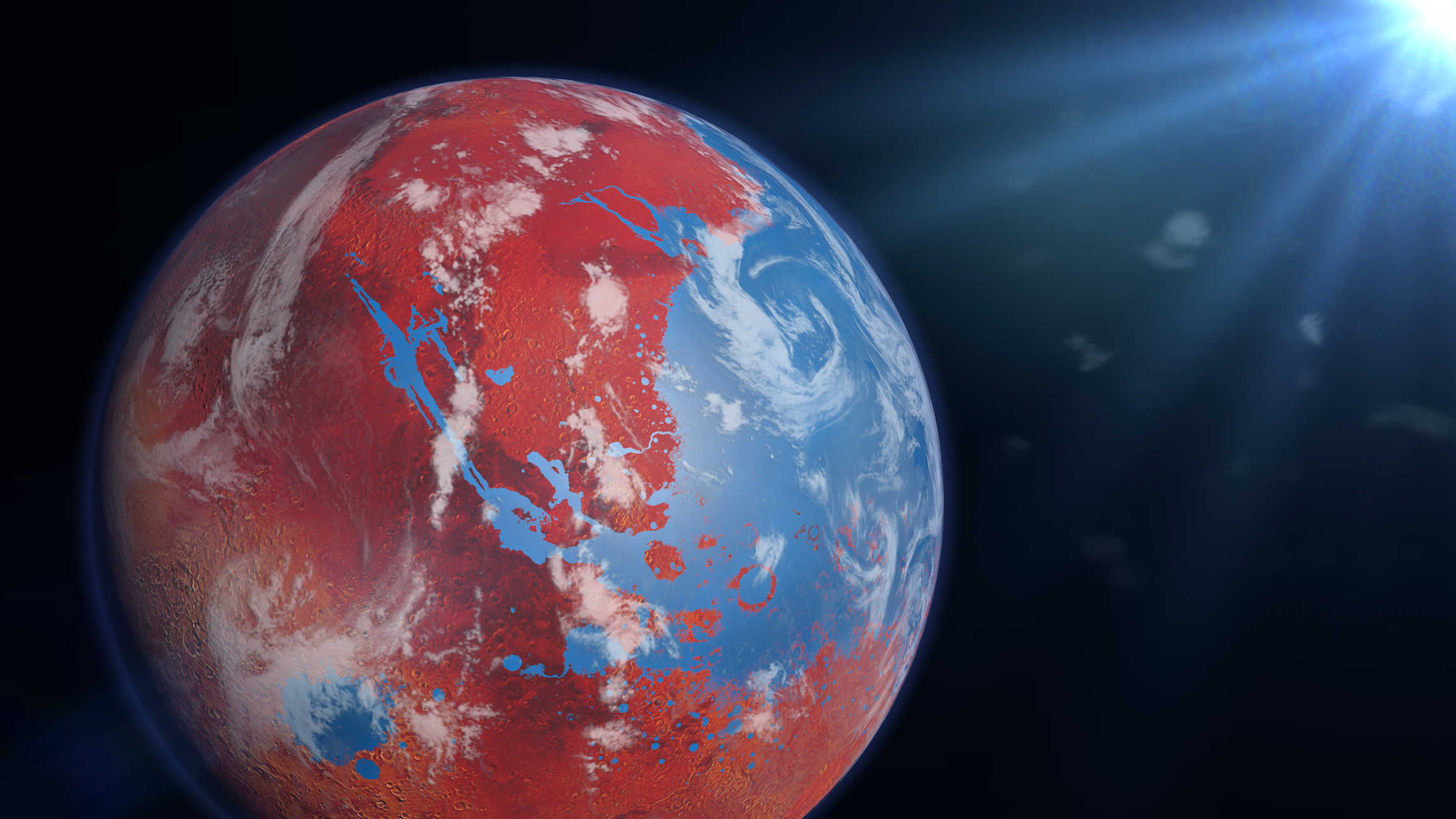 An ocean the size of the Arctic once covered half of Mars, new images hint
Arctic blast probably won't cause trees to explode in the cold — but here's what happens if and when they do go boom
An ocean the size of the Arctic once covered half of Mars, new images hint
Arctic blast probably won't cause trees to explode in the cold — but here's what happens if and when they do go boom
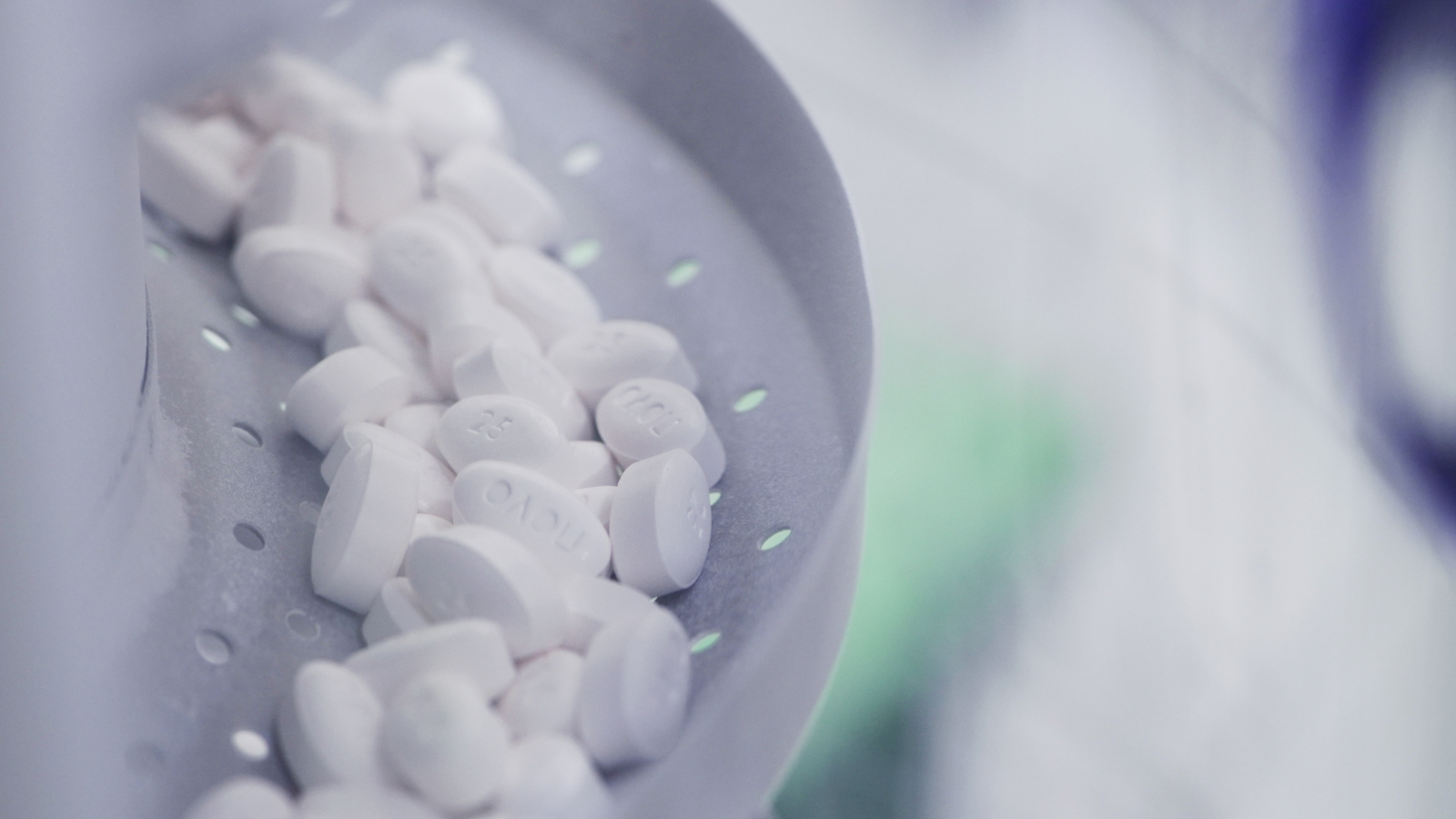 Wegovy now comes in pill form — here's how it works
 Creepy robotic hand detaches at the wrist before scurrying away to collect objects
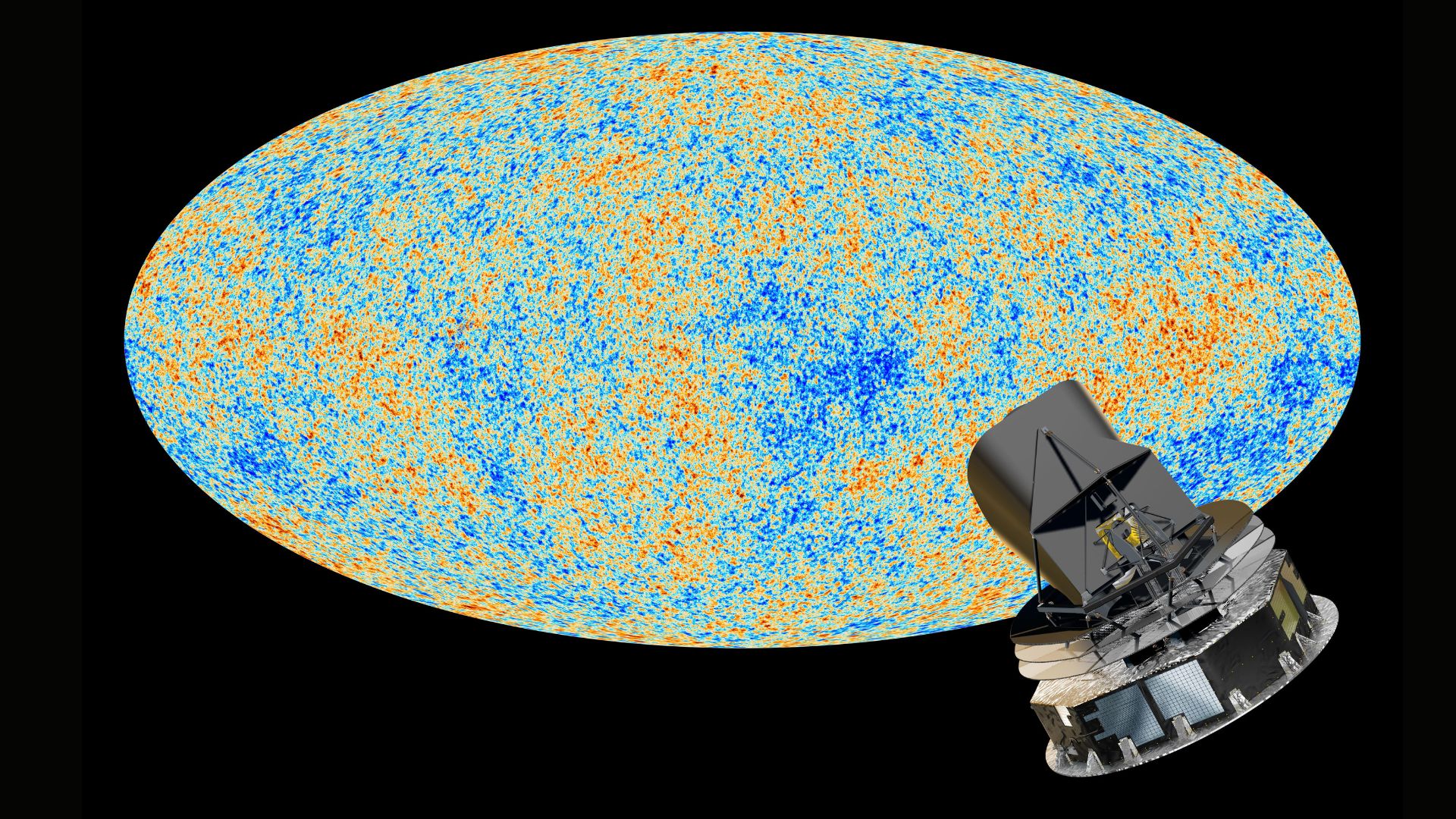 Dark matter and neutrinos may interact, hinting at 'fundamental breakthrough' in particle physics
LATEST ARTICLES
Dark matter and neutrinos may interact, hinting at 'fundamental breakthrough' in particle physics
LATEST ARTICLES- 1An ocean the size of the Arctic once covered half of Mars, new images hint
- 2'Pain sponge' derived from stem cells could soak up pain signals before they reach the brain
- 3Arctic blast probably won't cause trees to explode in the cold — but here's what happens if and when they do go boom
- 45,500-year-old human skeleton discovered in Colombia holds the oldest evidence yet that syphilis came from the Americas
- 5Wegovy now comes in pill form — here's how it works

