- Archaeology
An ancient DNA analysis of a 5,500-year-old human skeleton reveals that an ancestor of the bacterium that causes syphilis was present in the Americas at least 3,000 years earlier than previously thought.
When you purchase through links on our site, we may earn an affiliate commission. Here’s how it works.
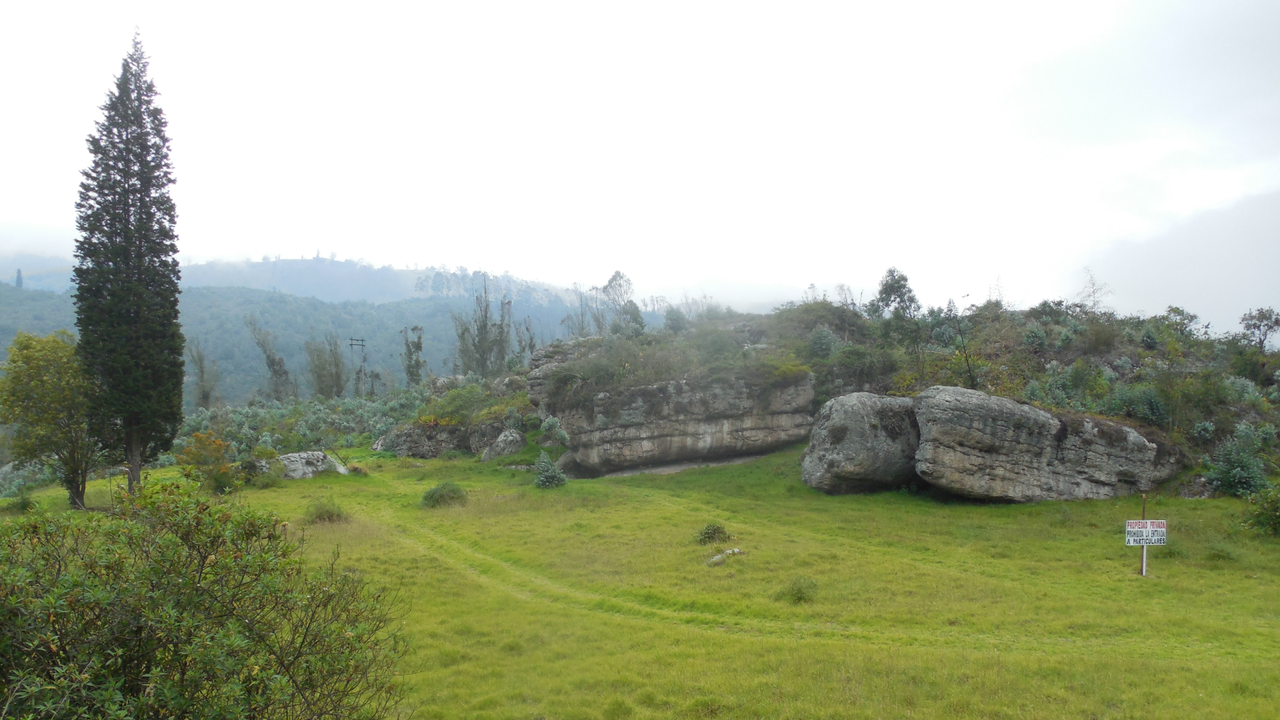
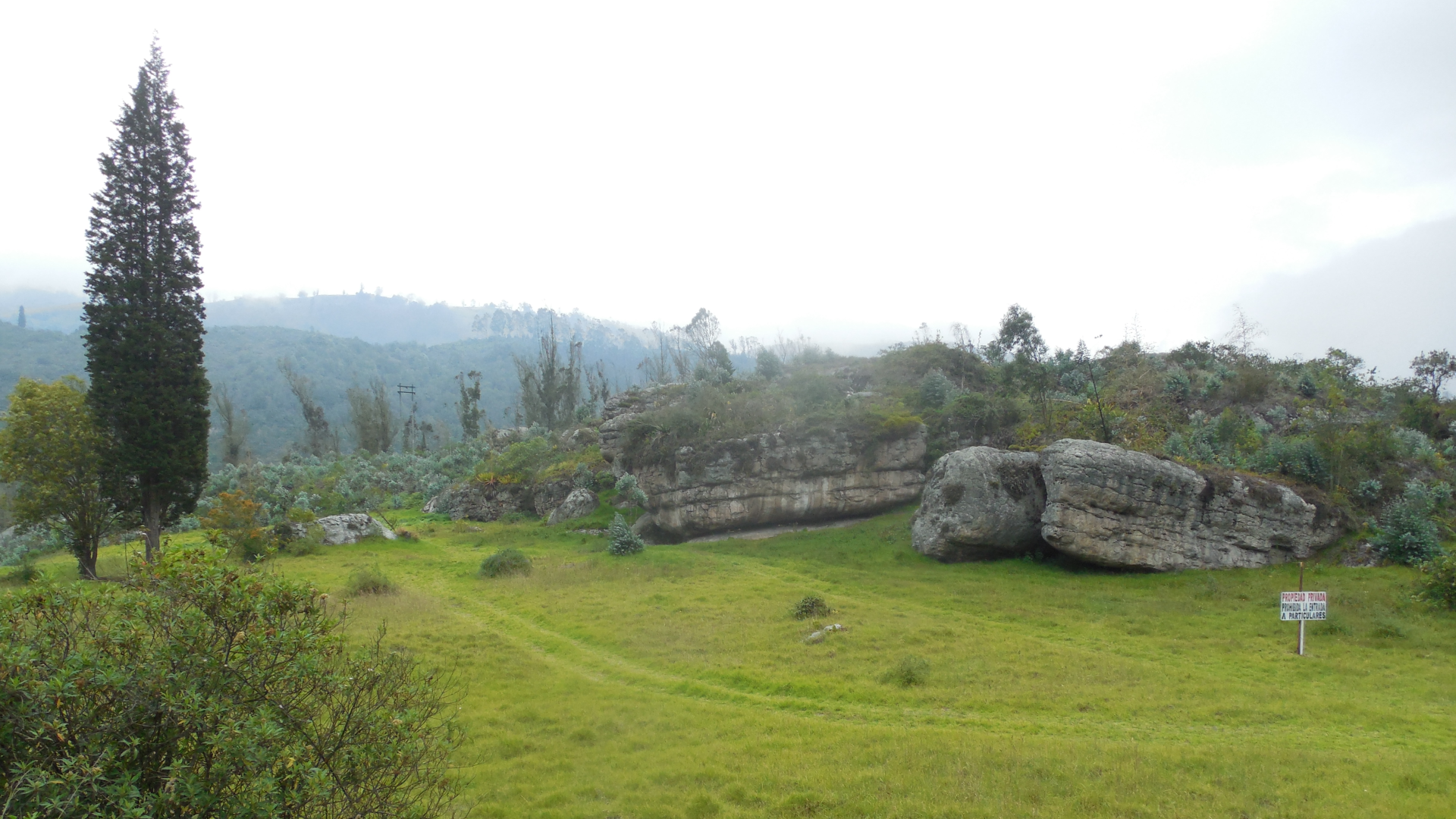 The archaeological rock shelter site where the Treponema genome was recovered, at the border of the Bogotá Savanna (Sabana de Bogotá) in Colombia.
(Image credit: Angélica Triana)
Share
Share by:
The archaeological rock shelter site where the Treponema genome was recovered, at the border of the Bogotá Savanna (Sabana de Bogotá) in Colombia.
(Image credit: Angélica Triana)
Share
Share by:
- Copy link
- X
The world's oldest evidence of Treponema pallidum, the bacterium that causes syphilis and several chronic skin infections, has been found in a 5,500-year-old skeleton buried in a rock shelter in Colombia. But the genetic evidence suggests that the person was infected with a previously unknown strain of T. pallidum, adding to an already-complicated picture of the evolution of syphilis.
Researchers have debated the geographical origin and spread of the treponemal diseases — syphilis, bejel, yaws and pinta, all of which are caused by bacteria in the genus Treponema — for centuries. Because the best-documented epidemics of syphilis occurred in Europe in the 15th century, early theories suggested that Christopher Columbus brought syphilis to the Americas or, conversely, that Indigenous people in the Americas transmitted syphilis to Columbus and his crew.
You may like-
 Ötzi the Iceman mummy carried a high-risk strain of HPV, research finds
-
 Oldest known evidence of father-daughter incest found in 3,700-year-old bones in Italy
-
 Ancient DNA reveals mysterious Indigenous lineage that lived in Argentina for nearly 8,500 years — but rarely interacted with others
In a study published Thursday (Jan. 22) in the journal Science, researchers isolated the oldest T. pallidum genome yet, from the skeleton of a middle-aged hunter-gatherer who was buried in Colombia 5,500 years ago.
"Our results push back the association of T. pallidum with humans by thousands of years," study lead author Davide Bozzi, a computational biologist at the University of Lausanne in Switzerland, said in a statement.
Ancient genomes of Treponema are exceptionally difficult to recover and are usually found in skeletons with bony evidence of treponemal disease lesions, such as holes that make the bone appear moth-eaten, which are often associated with the later stages of infection. Surprisingly, the 5,500-year-old skeleton containing evidence of T. pallidum did not have any obvious skeletal lesions, although other skeletons in the area did.
While investigating the new T. pallidum genome, which they named TE1-3, the researchers found that it was a different lineage than all other subspecies of T. pallidum identified to date. Based on a statistical analysis of the differences among the genomes, the researchers estimated that TE1-3 diverged from today's lineages around 13,700 years ago. This suggests that Treponema began circulating in the Americas thousands of years earlier than experts previously thought.
Sign up for the Live Science daily newsletter nowContact me with news and offers from other Future brandsReceive email from us on behalf of our trusted partners or sponsorsBy submitting your information you agree to the Terms & Conditions and Privacy Policy and are aged 16 or over.But the new genome does not clarify whether early Treponema lineages like TE1-3 were capable of sexual transmission like venereal syphilis.
"Current genomic evidence, along with our genome presented here, does not resolve the long-standing debate about where the disease syndromes themselves originated, but it does show there's this long evolutionary history of treponemal pathogens that was already diversifying in the Americas thousands of years earlier than previously known," study co-author Elizabeth Nelson, a molecular anthropologist at Southern Methodist University in Dallas, said in the statement.
In a related perspective published in Science, Molly Zuckerman and Lydia Bailey, anthropologists at Mississippi State University who were not involved in the study, wrote that the new finding "points to an origin for syphilis in the Americas rather than Europe." Comparing progressively ancient genomes of Treponema with modern genetic data could help inform infection control strategies for syphilis, which has rebounded globally over the past decade, they wrote, as well as help researchers understand the history of infectious disease.
RELATED STORIES—Syphilis originated in the Americas, ancient DNA shows, but European colonialism spread it widely
—See how syphilis ravaged a woman’s face 500 years ago, in an artistic interpretation
—Medieval religious hermit buried in 'extremely unusual' position had syphilis
"It is possible that 15th century syphilis was the first globalized emerging infectious disease and a harbinger of all subsequent ones, from HIV/AIDS to COVID-19," Zuckerman and Bailey wrote.
The new discovery shows "the unique potential of paleogenomics to contribute to our understanding of the evolution of species, and potential health risks for past and present communities," study co-author Lars Fehren-Schmitz, a geneticist at the University of California, Santa Cruz, said in the statement.
Article SourcesBozzi, D., Broomandkhoshbacht, N.Z., Delgado, M., et al. A 5500-year-old Treponema pallidum genome from Sabana de Bogotá, Colombia. Science (2026). http://dx.doi.org/10.1126/science.adw3020
Human skeleton quiz: What do you know about the bones in your body?
 Kristina KillgroveSocial Links NavigationStaff writer
Kristina Killgrove is a staff writer at Live Science with a focus on archaeology and paleoanthropology news. Her articles have also appeared in venues such as Forbes, Smithsonian, and Mental Floss. Kristina holds a Ph.D. in biological anthropology and an M.A. in classical archaeology from the University of North Carolina, as well as a B.A. in Latin from the University of Virginia, and she was formerly a university professor and researcher. She has received awards from the Society for American Archaeology and the American Anthropological Association for her science writing.
Show More CommentsYou must confirm your public display name before commenting
Please logout and then login again, you will then be prompted to enter your display name.
Logout Read more Ötzi the Iceman mummy carried a high-risk strain of HPV, research finds
 Oldest known evidence of father-daughter incest found in 3,700-year-old bones in Italy
 Ancient DNA reveals mysterious Indigenous lineage that lived in Argentina for nearly 8,500 years — but rarely interacted with others
 'An extreme end of human genetic variation': Ancient humans were isolated in southern Africa for nearly 100,000 years, and their genetics are stunningly different
 60,000-year-old poison arrows from South Africa are the oldest poison weapons ever discovered
 Last common ancestor of modern humans and Neanderthals possibly found in Casablanca, Morocco
Latest in Archaeology
Last common ancestor of modern humans and Neanderthals possibly found in Casablanca, Morocco
Latest in Archaeology
 Some of the oldest harpoons ever found reveal Indigenous people in Brazil were hunting whales 5,000 years ago
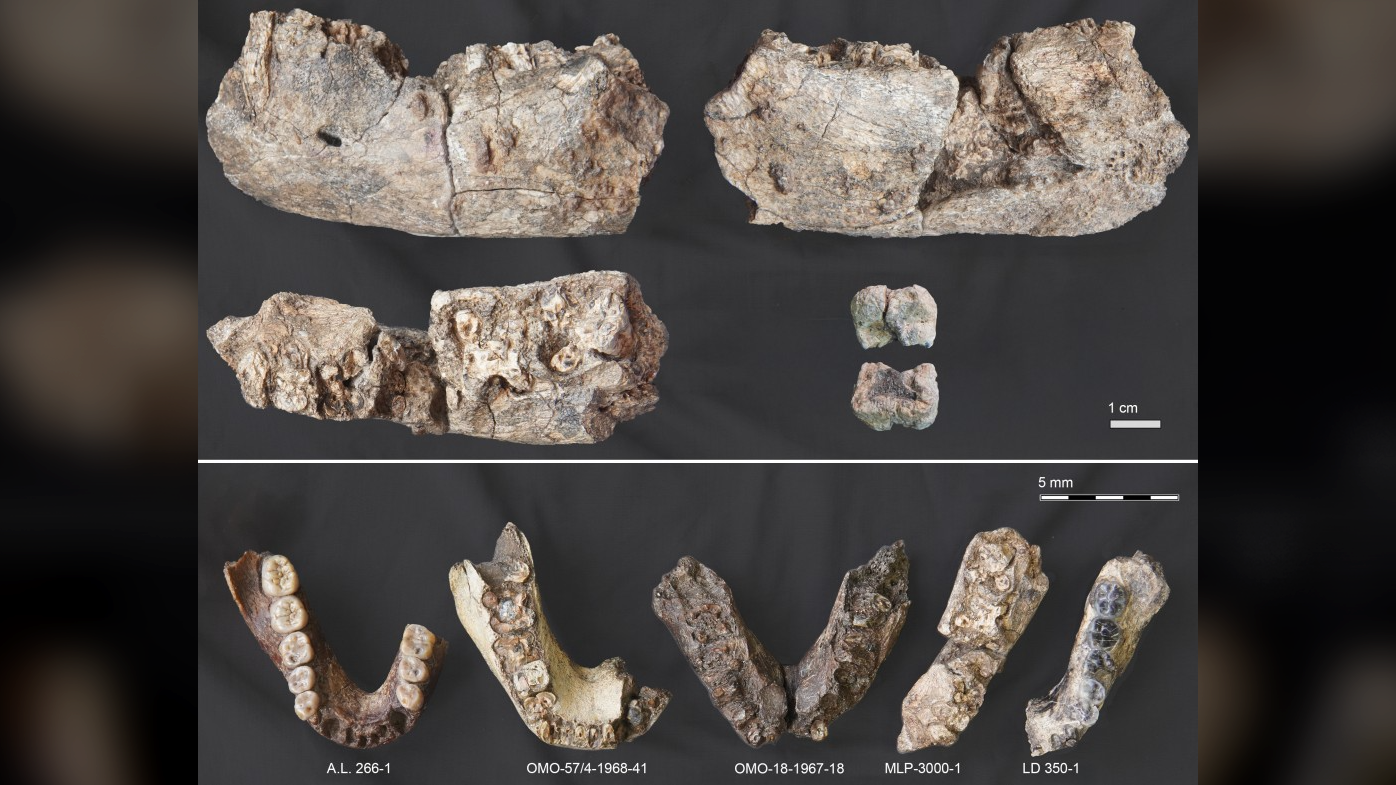 2.6 million-year-old jaw from extinct 'Nutcracker Man' is found where we didn't expect it
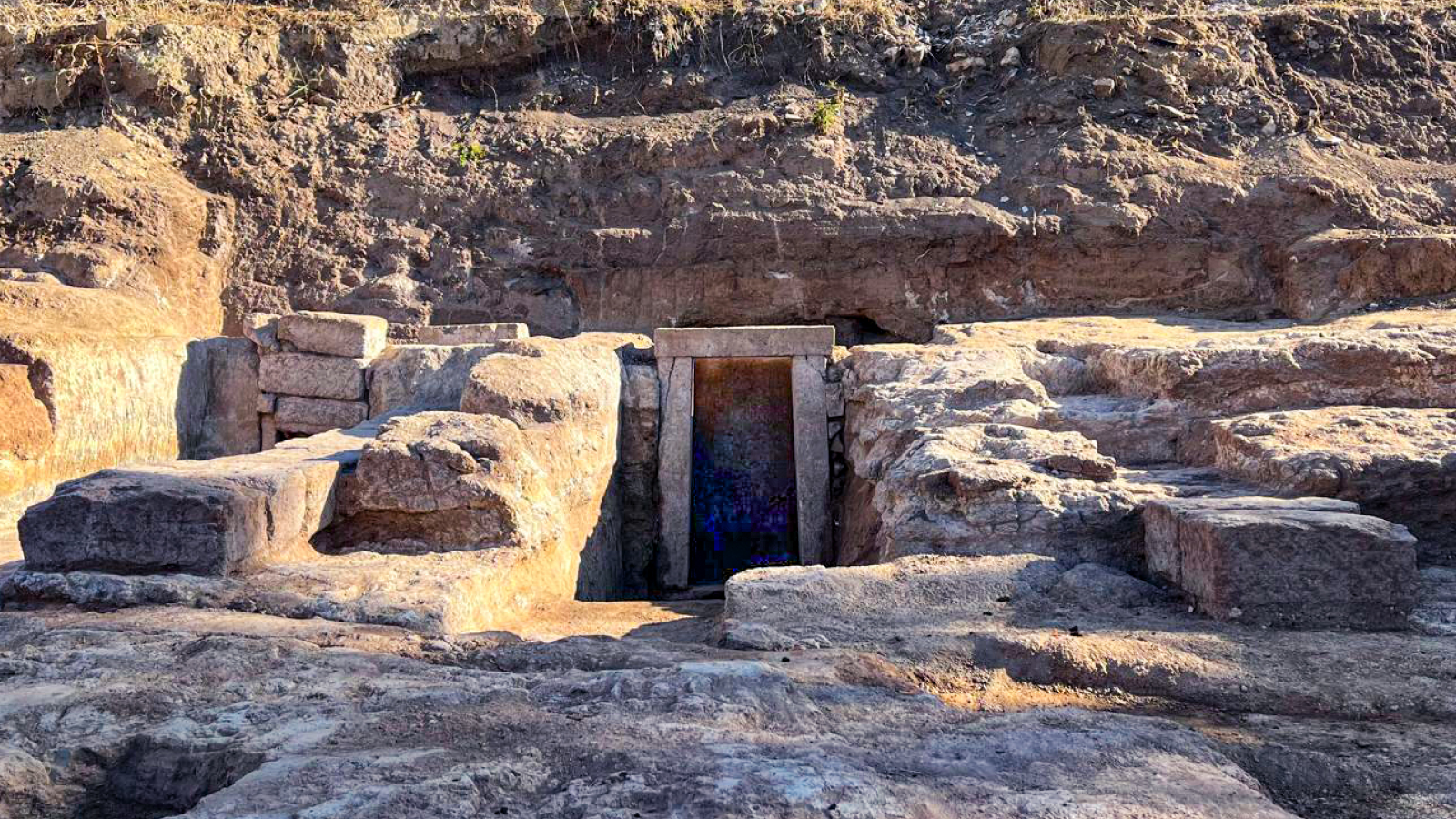 2,400-year-old Hercules shrine and elite tombs discovered outside ancient Rome's walls
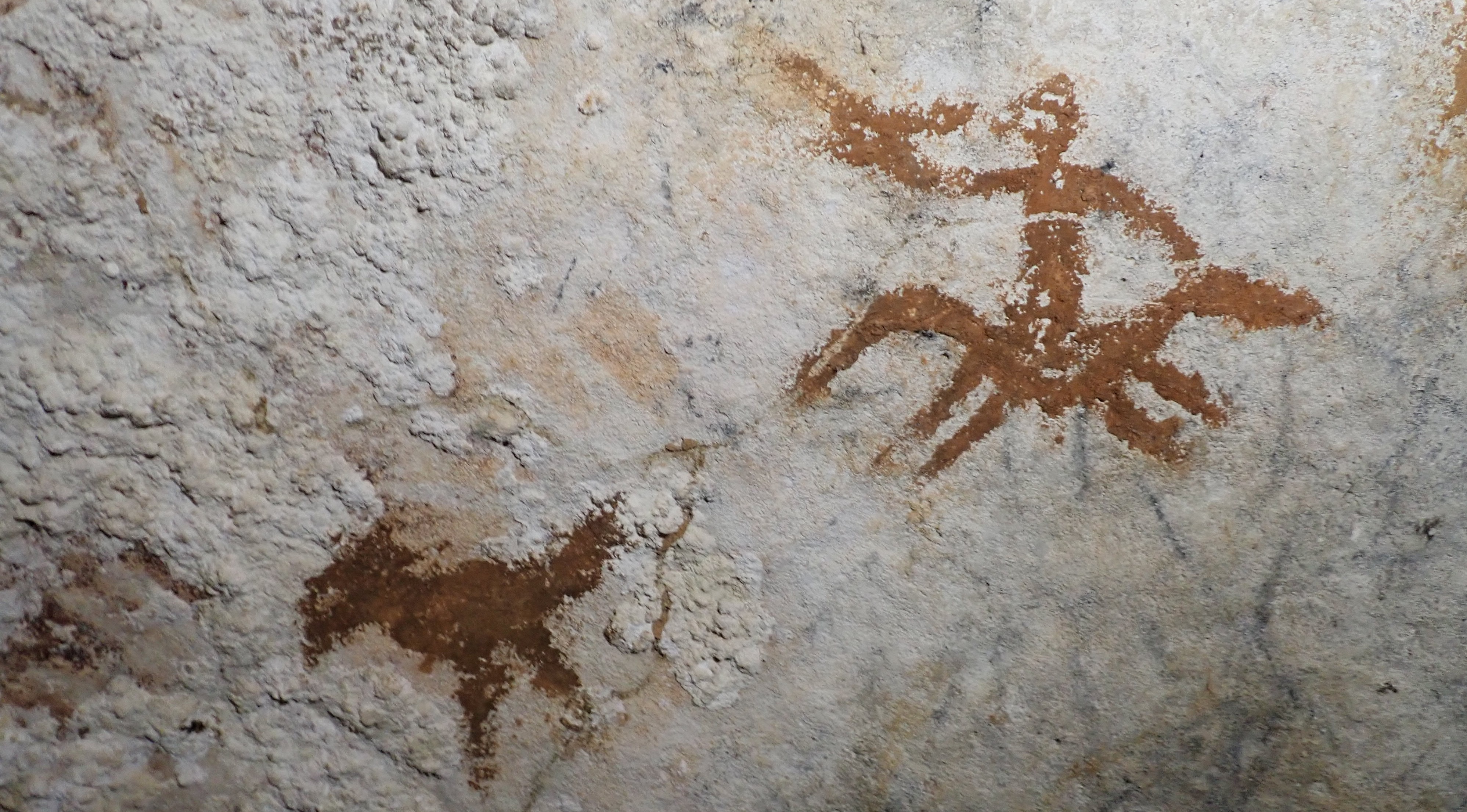 World's oldest known rock art predates modern humans' entrance into Europe — and it was found in an Indonesian cave
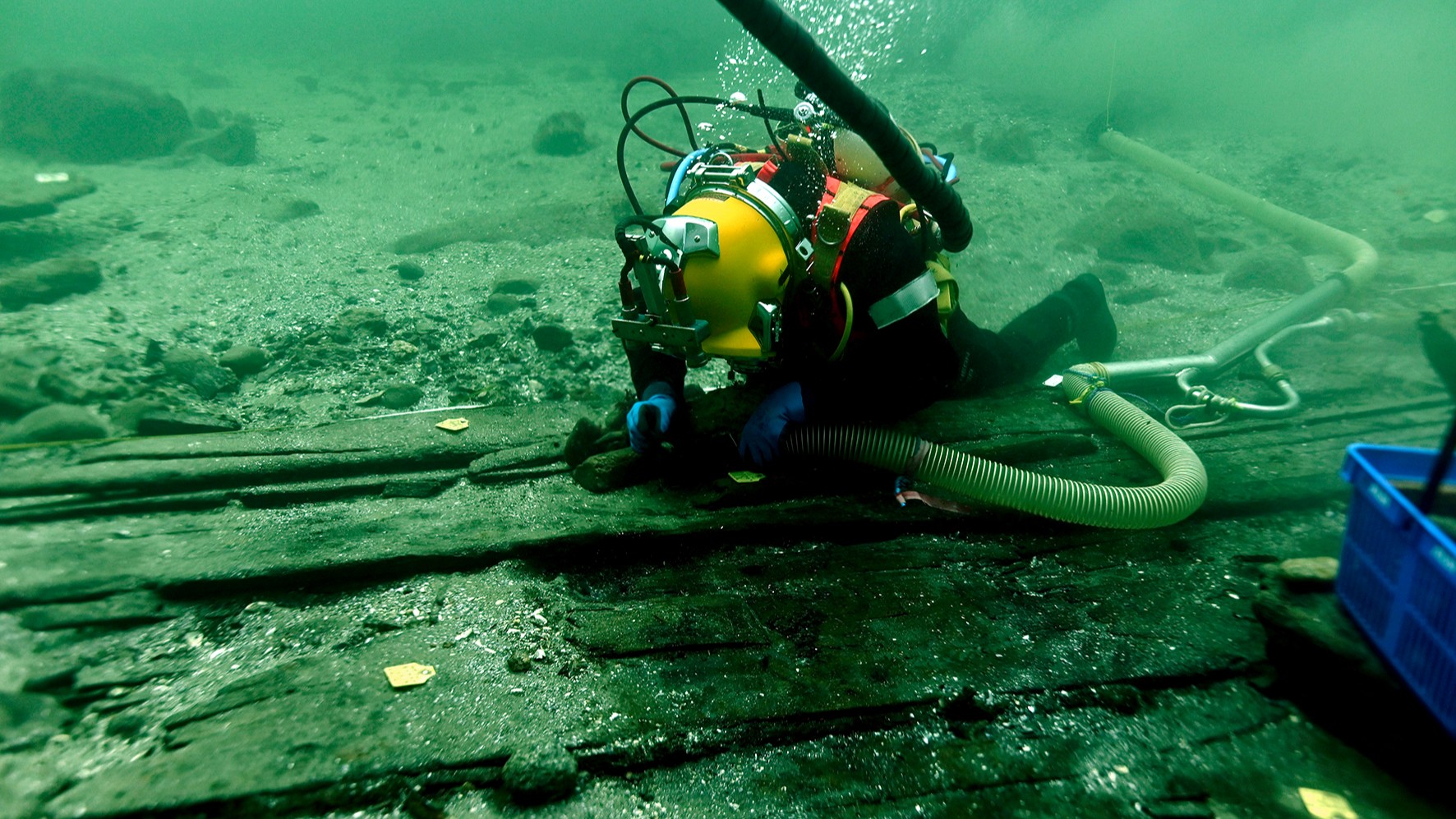 Medieval 'super ship' found wrecked off Denmark is largest vessel of its kind
 Remnants of spills on Renaissance-era textbook reveal recipes for 'curing' ailments with lizard heads and human feces
Latest in News
Remnants of spills on Renaissance-era textbook reveal recipes for 'curing' ailments with lizard heads and human feces
Latest in News
 'Pain sponge' derived from stem cells could soak up pain signals before they reach the brain
 An ocean the size of the Arctic once covered half of Mars, new images hint
 Arctic blast probably won't cause trees to explode in the cold — but here's what happens if and when they do go boom
 Wegovy now comes in pill form — here's how it works
 'Earthquake on a chip' uses 'phonon' lasers to make mobile devices more efficient
 Creepy robotic hand detaches at the wrist before scurrying away to collect objects
LATEST ARTICLES
Creepy robotic hand detaches at the wrist before scurrying away to collect objects
LATEST ARTICLES- 1Some of the oldest harpoons ever found reveal Indigenous people in Brazil were hunting whales 5,000 years ago
- 2'A real revolution': The James Webb telescope is upending our understanding of the biggest, oldest black holes in the universe
- 3'Earthquake on a chip' uses 'phonon' lasers to make mobile devices more efficient
- 4Chocolate Hills: The color-changing mounds in the Philippines that inspired legends of mud-slinging giants
- 5How to choose the best dehumidifier for your home this season

