- Technology
- Virtual Reality
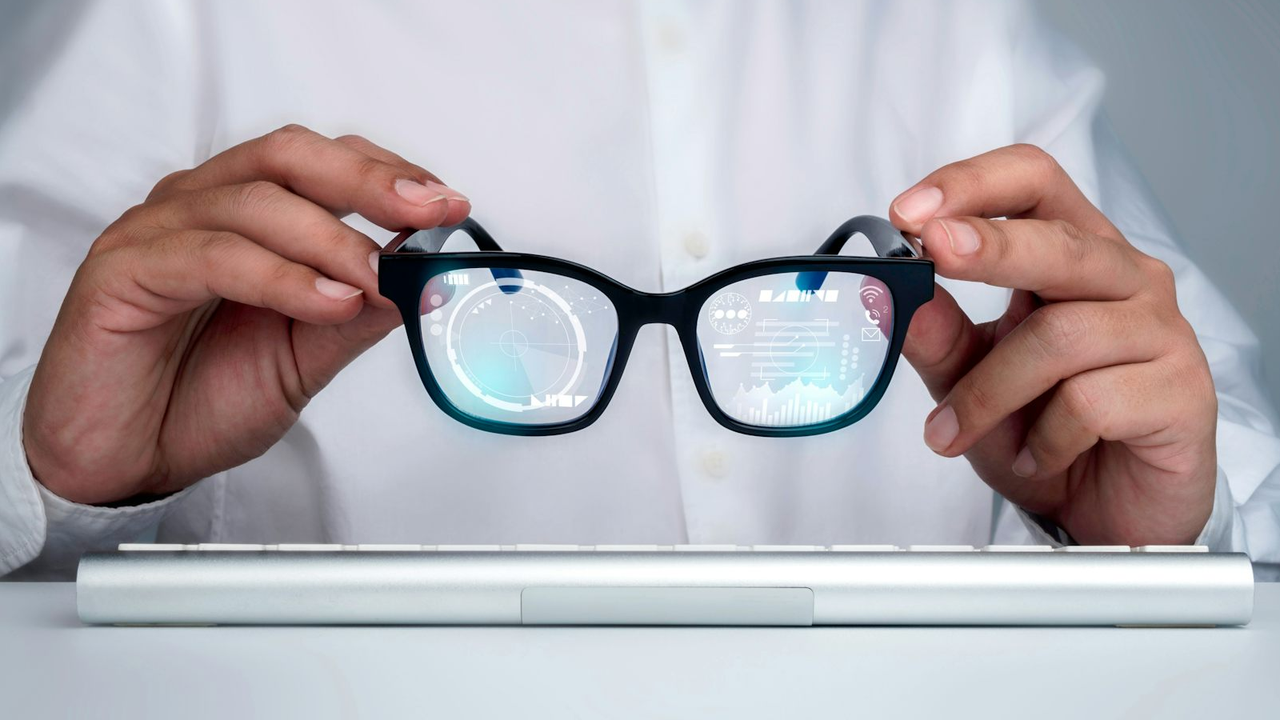
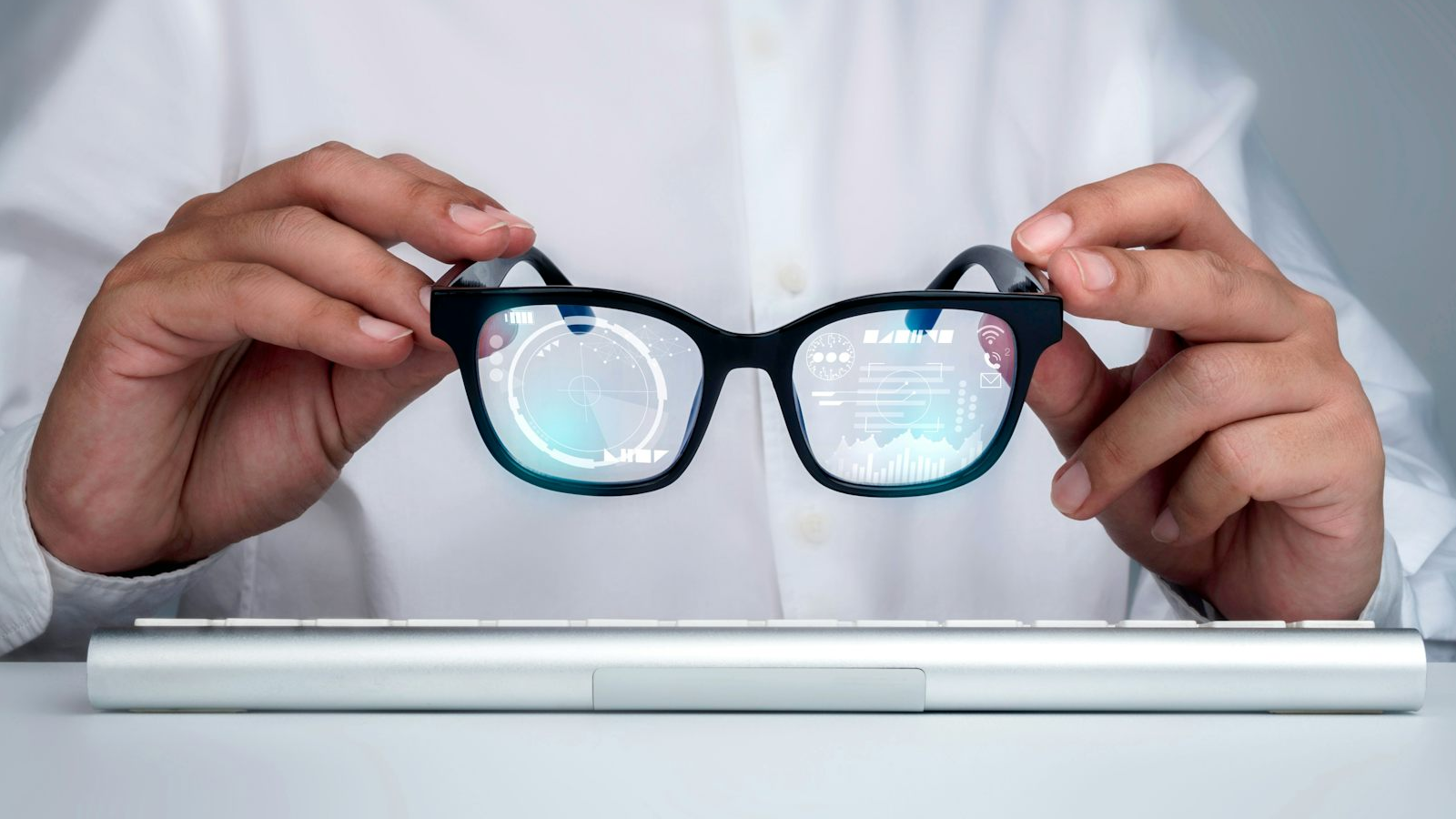
Augmented reality-powered smart glasses have seen a muted resurgence lately. Will Google's intervention reinvigorate what feels like a tired concept?
When you purchase through links on our site, we may earn an affiliate commission. Here’s how it works.
 (Image credit: Tete Escape)
Share
Share by:
(Image credit: Tete Escape)
Share
Share by:
- Copy link
- X
It has been over a decade since Google Glass smart glasses were announced in 2013, followed by their swift withdrawal — in part because of low adoption. Their subsequent (and lesser known) second iteration was released in 2017 and aimed at the workplace. They were withdrawn in 2023.
In December 2025, Google made a new promise for smart glasses — with two new products to be released in 2026. But why have Google smart glasses struggled where others are succeeding? And will Google see success the third time around?
You may like-
 'It won’t be so much a ghost town as a zombie apocalypse': How AI might forever change how we use the internet
-
 Why the rise of humanoid robots could make us less comfortable with each other
-
 Some people love AI, others hate it. Here's why.
These are the types of accessories that have emerged over centuries and currently adopted as normal in society.
Some of the most recent academic research is taking this approach, building sensors into jewellery that people would actually want to wear. Research has developed a scale to measure the social acceptability of wearable technology (the WEAR scale, or Wearable Acceptability Range), which includes questions like: "I think my peers would find this device acceptable to wear."
Noreen Kelly, from Iowa State University, and colleagues showed that at its core, this scale measured two things: that the device helped people reach a goal (that made it worth wearing), and that it did not create social anxiety about privacy and being seen as rude.
This latter issue was highlighted most prominently by the term that emerged for Google Glass users: Glassholes. Although many studies have considered the potential benefits of smart glasses, from mental health to use in surgery, privacy concerns and other issues are ongoing for newer smart glasses.
Sign up for the Live Science daily newsletter nowContact me with news and offers from other Future brandsReceive email from us on behalf of our trusted partners or sponsorsBy submitting your information you agree to the Terms & Conditions and Privacy Policy and are aged 16 or over.All that said, "look-and-feel" keeps coming up the most common concern for potential buyers. The most successful products have been designed to be desirable as accessories first, and with smart technologies second. Typically, in fact, by designer brands.
A fine spectacle
After Google Glass, Snapchat released smart glasses called "spectacles", which had cameras built in, focused on fashion and were more easily accepted into society. The now most prominent smart glasses were released by Meta (Facebook's parent company), in collaboration with designer brands like Ray-Ban and Oakley. Most of these products include front facing cameras and conversational voice agent support from Meta AI.
So what do we expect to see from Google Smart Glasses in 2026? Google has promised two products: one that is audio only, and one that has "screens" shown on the lenses (like Google Glass).
You may like-
'It won’t be so much a ghost town as a zombie apocalypse': How AI might forever change how we use the internet
-
Why the rise of humanoid robots could make us less comfortable with each other
-
Some people love AI, others hate it. Here's why.
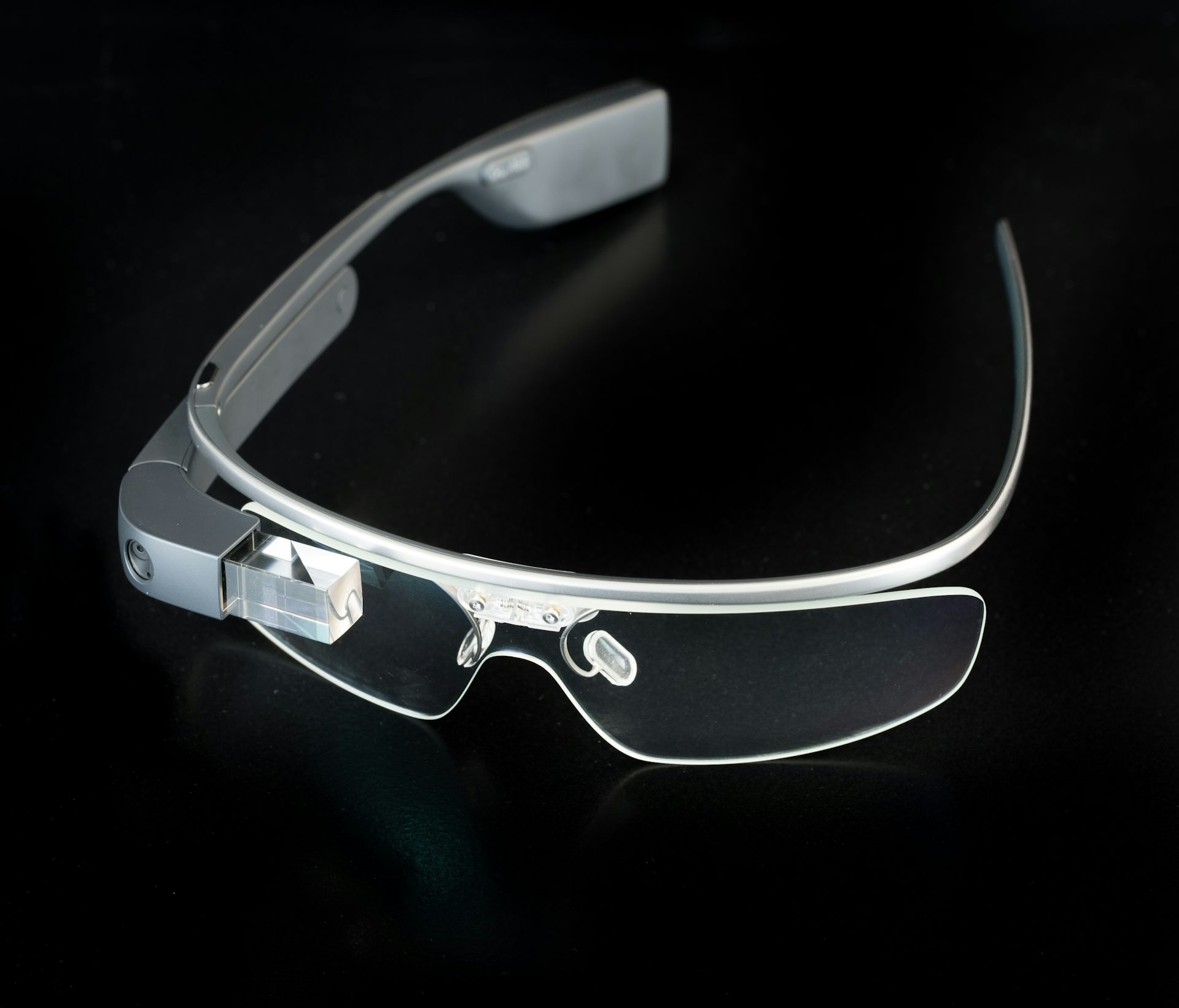
The biggest assumption (based on the promo videos) is that these will see a significant change in form factor, from the futuristic if not scary and unfamiliar design of Google Glass, to something that is more normally seen as glasses.
Google's announcement also focused on the addition of AI (in fact, they announced them as "AI Glasses" rather than smart glasses). The two types of product (audio only AI Glasses, and AI Glasses with projections in the field of view), however, are not especially novel, even when combined with AI.
Meta's Ray-Ban products are available in both modes, and include voice interaction with their own AI. These have been more successful than the recent Humane AI Pin, for example, which included front-facing cameras, other sensors, and voice support from an AI agent. This was the closest thing we've had so far to the Star Trek lapel communicators.
Direction of travel
Chances are, the main directions of innovation in this are, first, reducing the chonkyness of smart glasses, which have necessarily been bulky to include electronics and still look like that are normally proportioned.
"Building glasses you'll want to wear" is how Google phrases it, and so we may see innovation from the company that just improves the aesthetic of smart glasses. They are also working with popular brand partners. Google also advertised the release of wired XR (Mixed Reality) glasses, which are significantly reduced in form factor compared to Virtual Reality headsets on the market.
Second, we could expect more integration with other Google products and services, where Google has many more commonly used products than Meta including Google Search, Google Maps, and GMail. Their promotional material shows examples of seeing Google Maps information in view in the AI Glasses, while walking through the streets.
RELATED STORIES—Holographic-inspired lenses could unlock '3rd dimension of imaging' in future VR headsets and smart glasses
—Snakes' mind-bending 'heat vision' inspires scientists to build a 4K imaging system that could one day fit into your smartphone
—'Super-vision' contact lenses let wearers see in the dark — even with their eyes closed
Finally, and perhaps the biggest area of opportunity, is to innovate on the inclusion of additional sensors, perhaps integrating with other Google wearable health products, where we are seeing many of their current ventures, including introducing their own smart rings.
Much research has focused on things that can be sensed from common touchpoints on the head, which has included heart rate, body temperature and galvanic skin response (skin moistness, which changes with, for example, stress), and even brain activation through EEG for example. With the current advances in consumer neurotechnology, we could easily see Smart Glasses that use EEG to track brain data in the next few years.
This edited article is republished from The Conversation under a Creative Commons license. Read the original article.
 Max L WilsonAssociate Professor of Human-Computer Interaction, University of Nottingham
Max L. Wilson is an Associate Professor of Human-Computer Interaction, in the Mixed Reality Lab, and Director of Student Experience in the School of Computer Science. His EPSRC, European, and Google funded research is focused on the use of fNIRS brain data, about mental workload and other cognitive activity, as a form of personal data, that can be used to evaluate technology and work tasks.
This work has emerged from his earlier research on the evaluation of user interfaces for interacting with information. Max is on the steering committees of both ACM CHI and ACM CHIIR conferences, as well as a member of the SIGCHI Conferences Working Group, and a Deputy Editor at the International Journal of Human-Computer Studies.
Show More CommentsYou must confirm your public display name before commenting
Please logout and then login again, you will then be prompted to enter your display name.
Logout Read more 'It won’t be so much a ghost town as a zombie apocalypse': How AI might forever change how we use the internet
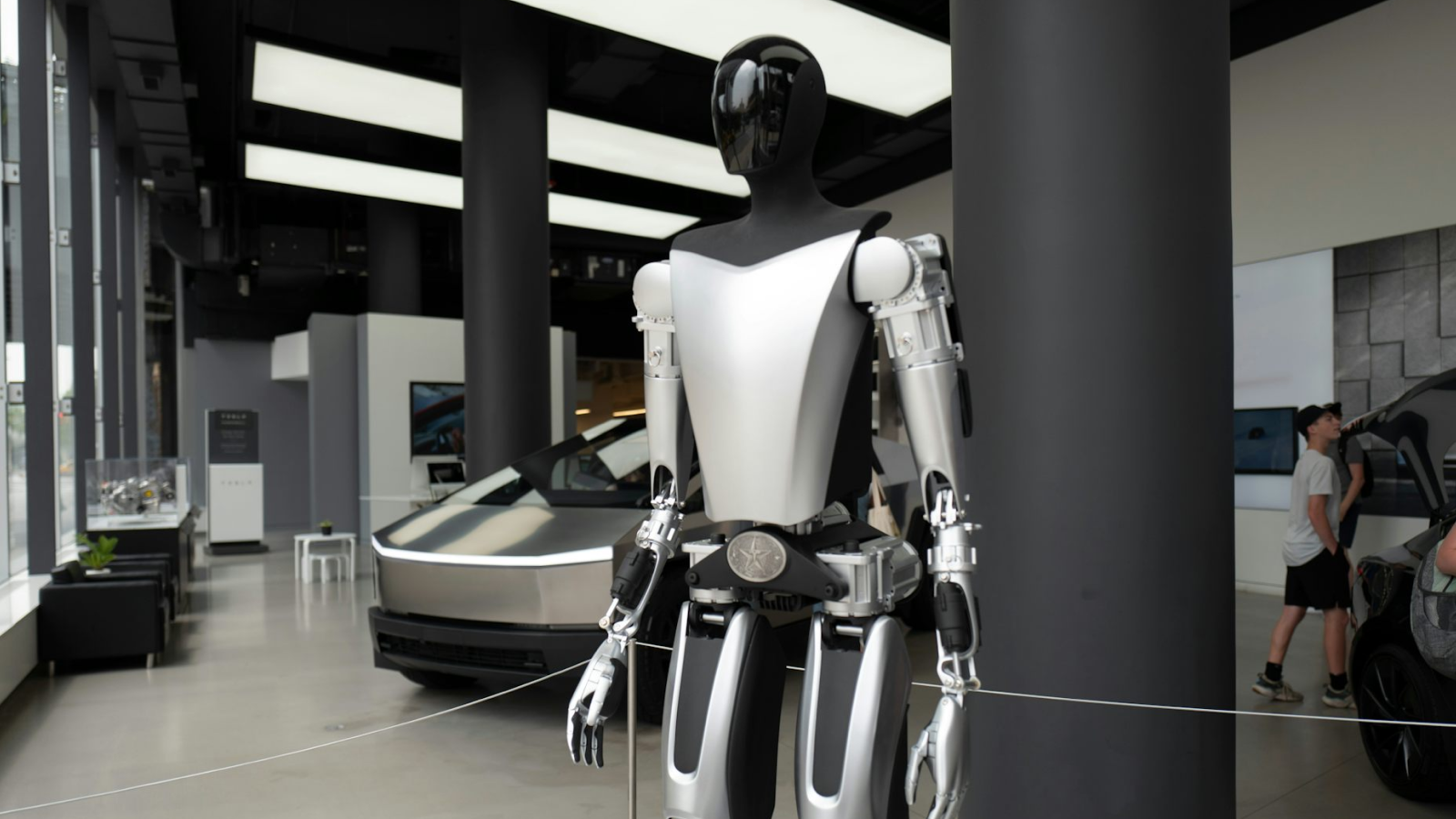 Why the rise of humanoid robots could make us less comfortable with each other
 Some people love AI, others hate it. Here's why.
 'Putting the servers in orbit is a stupid idea': Could data centers in space help avoid an AI energy crisis? Experts are torn.
 'Artificial intelligence' myths have existed for centuries – from the ancient Greeks to a pope's chatbot
 Scientists say they've eliminated a major AI bottleneck — now they can process calculations 'at the speed of light'
Latest in Virtual Reality
Scientists say they've eliminated a major AI bottleneck — now they can process calculations 'at the speed of light'
Latest in Virtual Reality
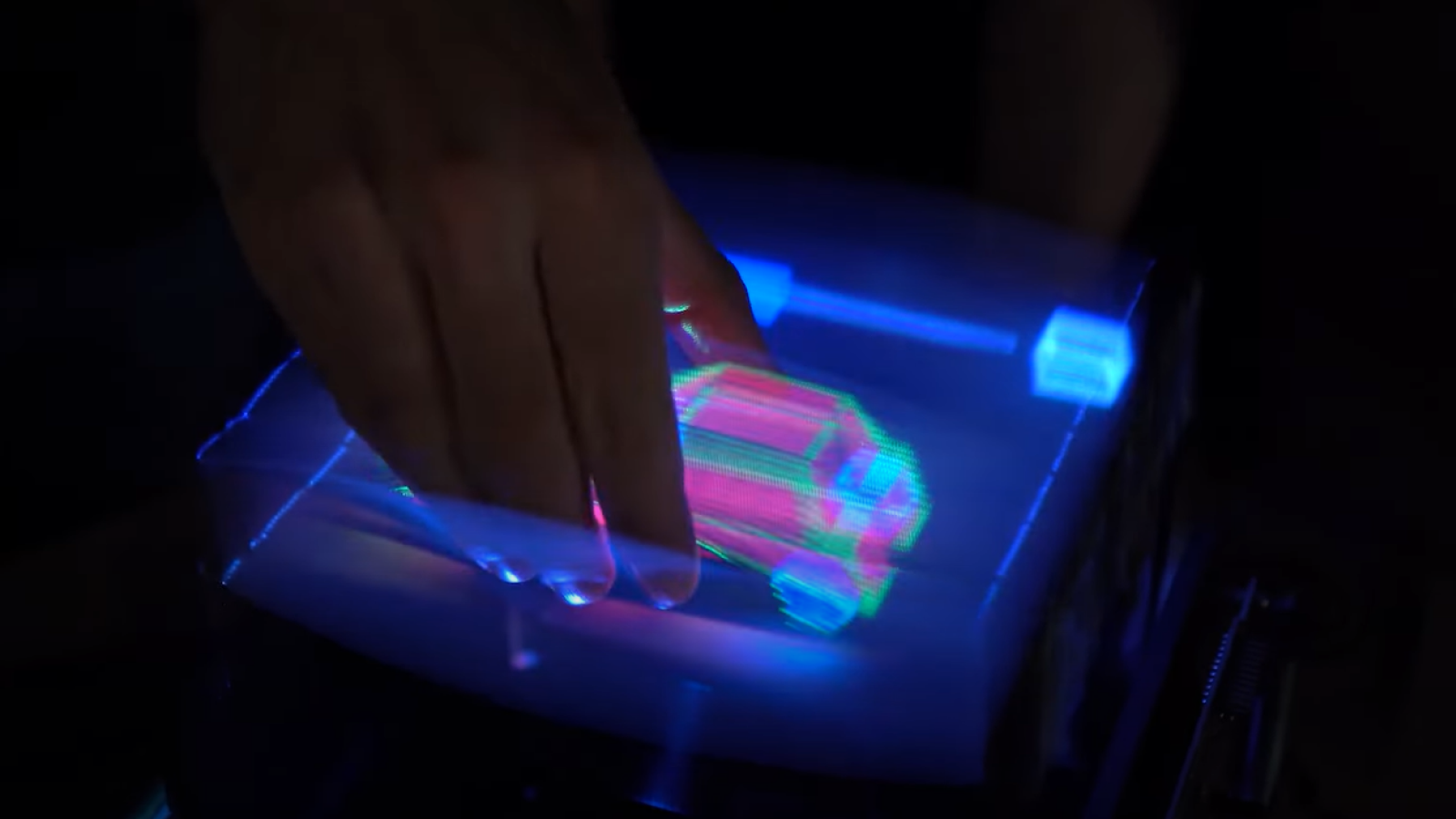 Watch people manipulate 3D holograms thanks to breakthrough technology
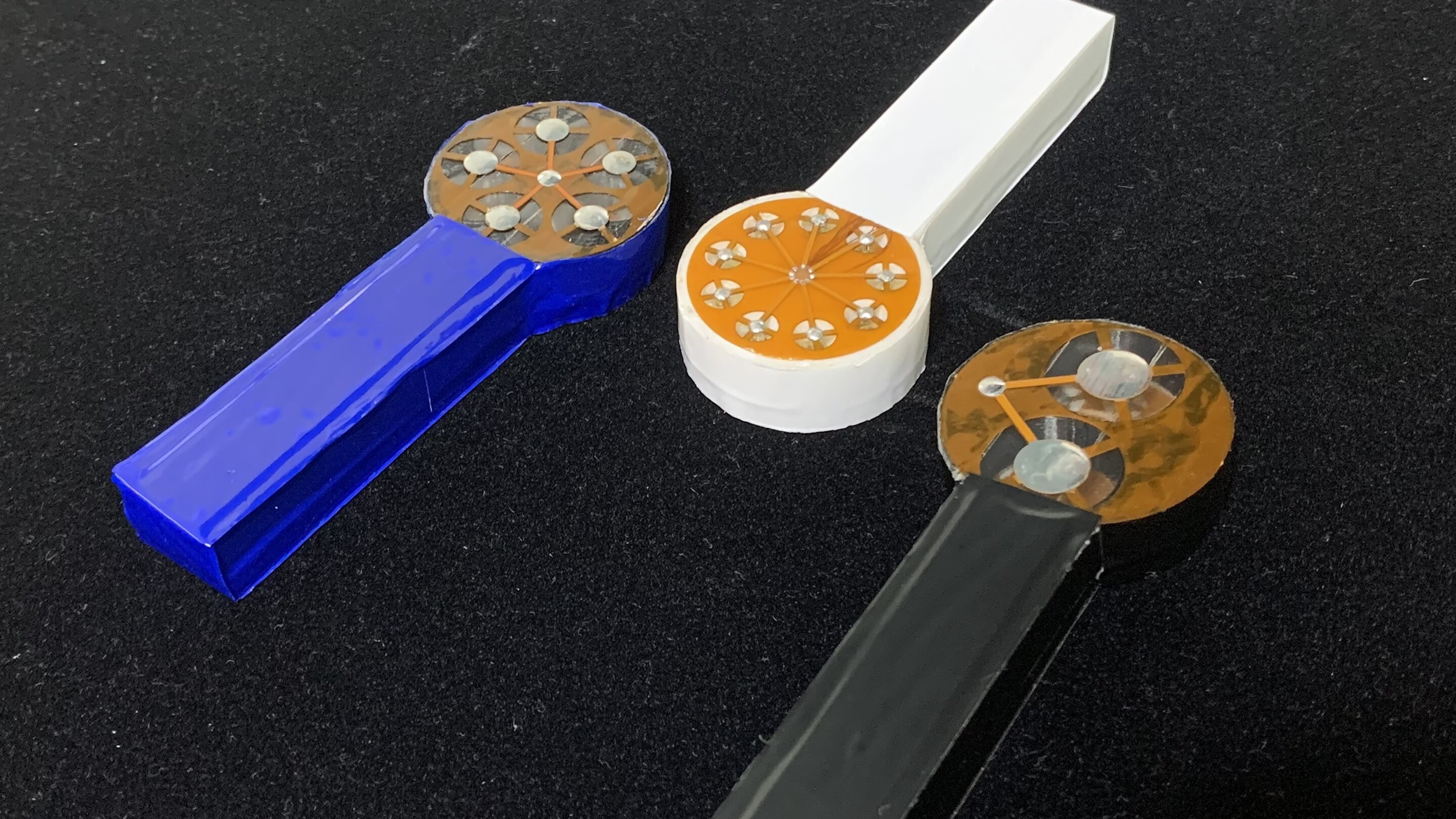 Weird lickable lollipop invention lets you taste in virtual reality
 Future VR headsets could use a new type of lens inspired by holographic tech
 AI-powered app performs full-body motion capture using just your smartphone — no suits, specialized cameras or equipment needed
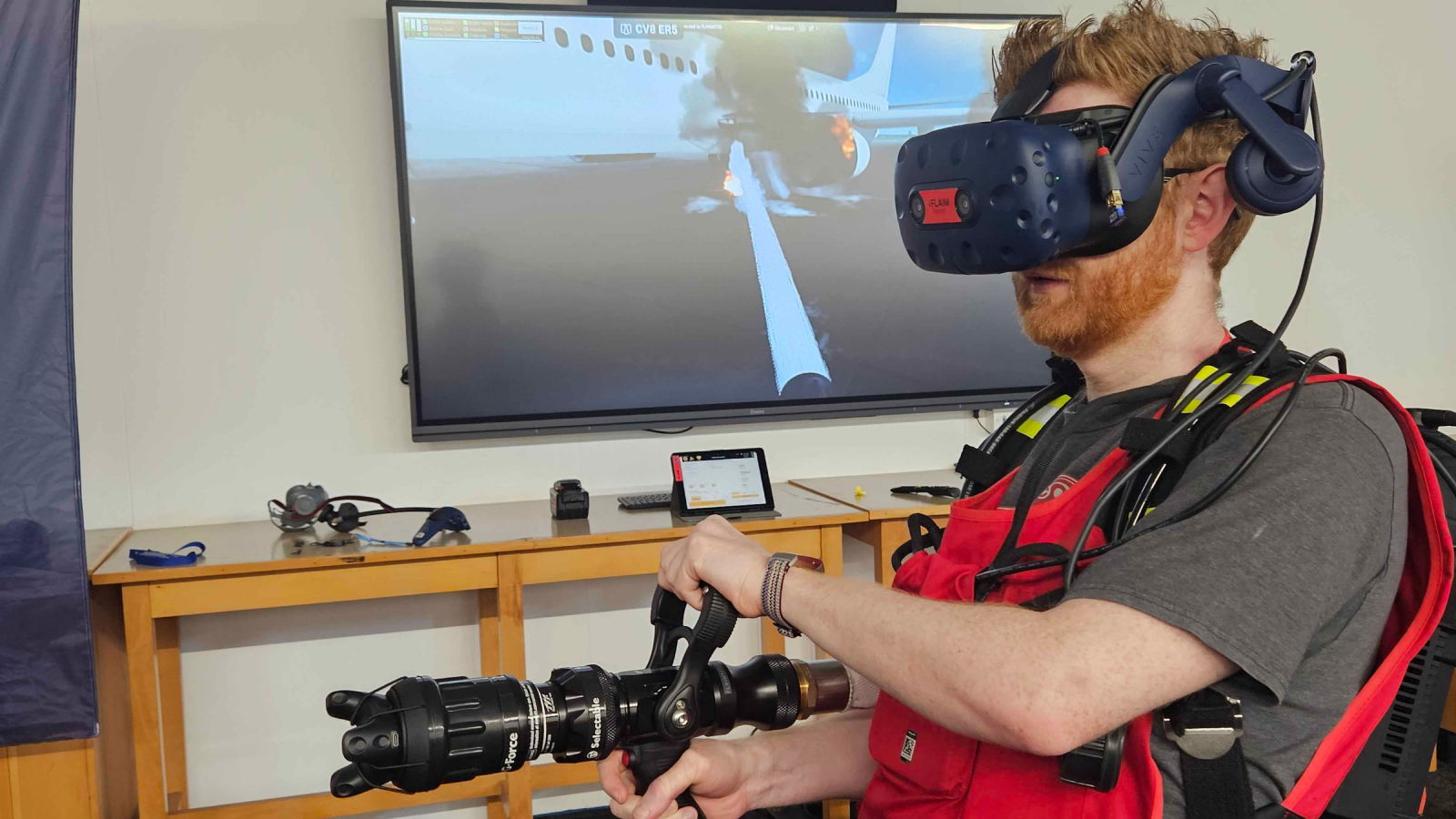 Playing with fire: How VR is being used to train the next generation of firefighters
 New display tech paves the way for 'most realistic' holograms in regular eyeglasses
Latest in Opinion
Google Glass has found yet another lease of life — but is it too little too late for smart glasses?
Why the rise of humanoid robots could make us less comfortable with each other
New display tech paves the way for 'most realistic' holograms in regular eyeglasses
Latest in Opinion
Google Glass has found yet another lease of life — but is it too little too late for smart glasses?
Why the rise of humanoid robots could make us less comfortable with each other
 Indigenous TikTok star 'Bush Legend' is actually AI-generated, leading to accusations of 'digital blackface'
 Is there anything 'below' Earth in space?
 NASA launches Pandora telescope, taking JWST's search for habitable worlds to a new level
 'The scientific cost would be severe': A Trump Greenland takeover would put climate research at risk
LATEST ARTICLES
'The scientific cost would be severe': A Trump Greenland takeover would put climate research at risk
LATEST ARTICLES 1James Webb telescope peers into 'Eye of God' and finds clues to life's origins — Space photo of the week
- 2Why does the moon look larger when it's on the horizon?
- 32,500 years ago, people in Bulgaria ate dog meat at feasts and as a delicacy, archaeological study finds
- 4480,000-year-old ax sharpener is the oldest known elephant bone tool ever discovered in Europe
- 5AI can develop 'personality' spontaneously with minimal prompting, research shows. What does that mean for how we use it?


