- Space
- Astronomy
A spectacular new image from the James Webb Space Telescope reveals intricate structures inside the Helix Nebula, where a dying sunlike star is enriching the galaxy with the elements needed for life.
When you purchase through links on our site, we may earn an affiliate commission. Here’s how it works.
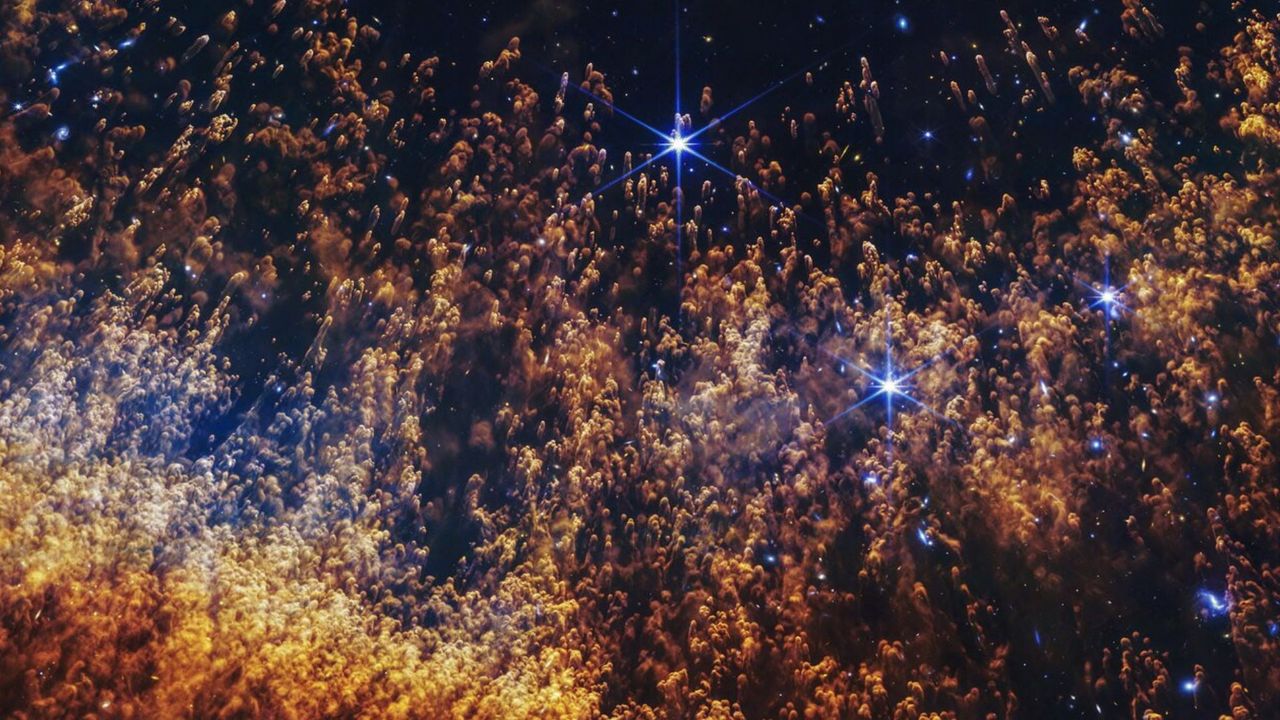
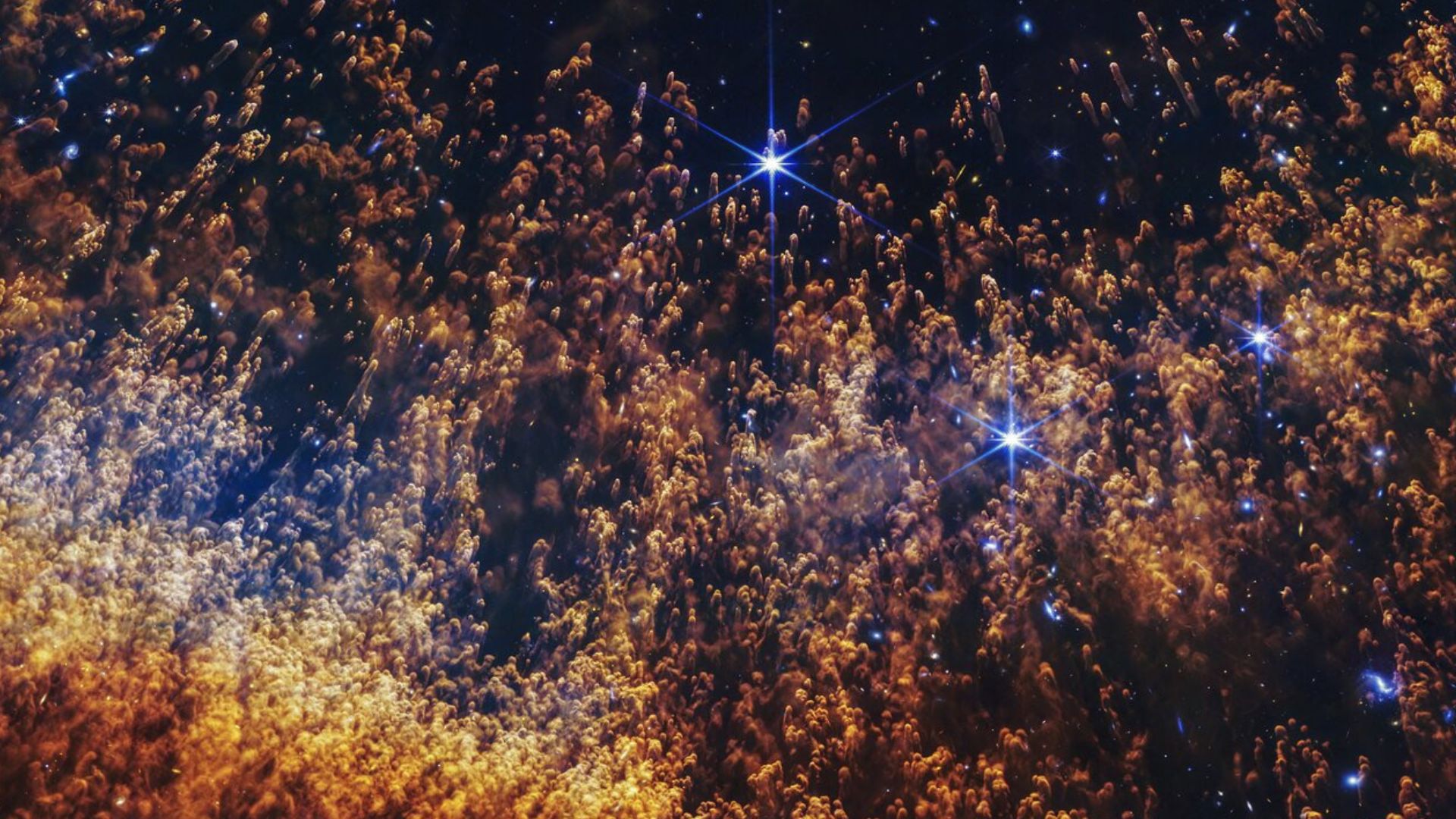 The James Webb Space Telescope's new image of the Helix Nebula reveals comet-like knots, stellar winds and dramatic gas transitions.
(Image credit: NASA, ESA, CSA, STScI, A. Pagan (STScI))
Share
Share by:
The James Webb Space Telescope's new image of the Helix Nebula reveals comet-like knots, stellar winds and dramatic gas transitions.
(Image credit: NASA, ESA, CSA, STScI, A. Pagan (STScI))
Share
Share by:
- Copy link
- X
What it is: The Helix Nebula (also called NGC 7293 and Caldwell 63), a planetary nebula
Where it is: 655 light-years away, in the constellation Aquarius
When it was shared: Jan. 20, 2026
A spectacular new image of the Helix Nebula captured by the James Webb Space Telescope (JWST) reveals the death throes of a sunlike star — and perhaps a harbinger of our own solar system's fate.
A planetary nebula is the slightly confusing name for a cloud of gas (primarily hydrogen and helium) and fine cosmic dust ejected by a dying, sunlike star as it sheds its outer layers, according to NASA. That star, a dense and hot white dwarf at the center of the cloud, ionizes the surrounding gas, causing it to glow in vibrant colors — in this case, in a helix-like (or corkscrew-like) structure, as seen from the solar system. (These bright, often circular nebulas resembled planets when viewed through early telescopes, earning them their title.)
You may like-
 James Webb telescope celebrates Halloween with eerie image of a dying sun — it's what our own might look like one day
-
 Ethereal structure in the sky rivals 'Pillars of Creation' — Space photo of the week
-
 James Webb telescope spots 'failed stars' in a breathtaking cluster near Earth — Space photo of the week
Within this colorful scene, a vital process is unfolding: A star's former outer layers, now expanding into interstellar space, are seeding the galaxy with carbon, oxygen and nitrogen — the same elements that make life on Earth possible.
Using its Near-Infrared Camera, JWST pierced the Helix Nebula deeper than ever before. In this close-up of a small section of the nebula around the white dwarf, thousands of orange and gold, comet-like pillars stream upward. These features, technically called "cometary knots," separate high-speed stellar winds from the dying star and older, cooler layers of gas shed earlier in its life.
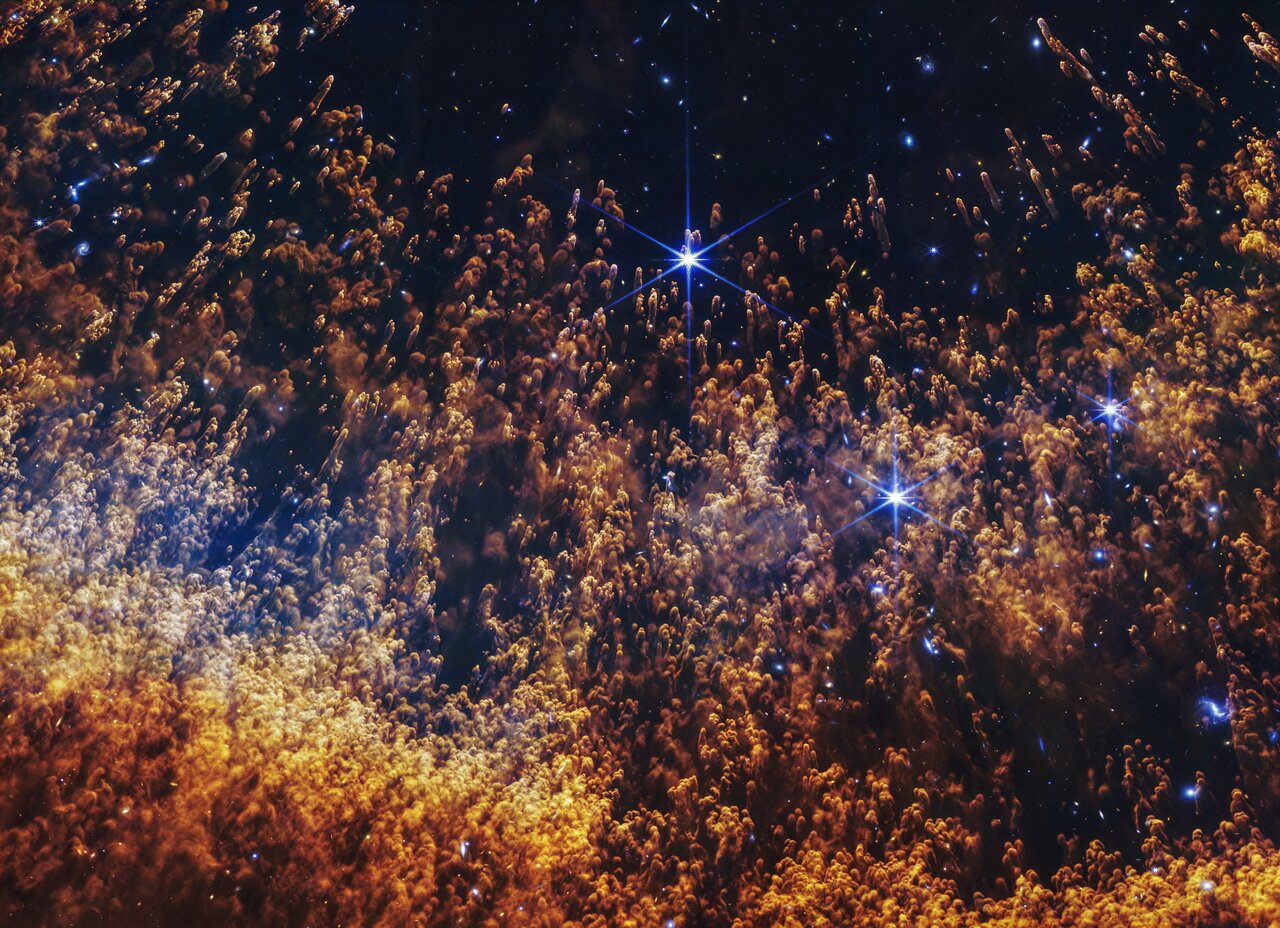
A partial orange semicircle at the bottom, where the pillars are more densely concentrated, is the circumference of the shell. The blackness of space hovers above, along with some blue background stars.
As is typical in space telescope images, filters have teased out the temperature and chemistry of the nebula, which changes according to its distance from the white dwarf. Close to the star, a blue glow is produced by ultraviolet radiation, igniting hot, ionized gas. Farther from the star, it gets cooler, with molecular hydrogen shown in yellow and deep-red dust even farther out.
Sign up for the Live Science daily newsletter nowContact me with news and offers from other Future brandsReceive email from us on behalf of our trusted partners or sponsorsBy submitting your information you agree to the Terms & Conditions and Privacy Policy and are aged 16 or over.
As the potential seeds of the next generation of stars and planets, that dust is, in part, what makes this image so exciting — the image shows the life cycle of matter. Radiation and expelled material from a dying star create regions where more complex molecules can survive and grow.
It may be beautiful, but the Helix Nebula is a cosmic recycling center and, ultimately, a blueprint for what will happen to the sun when it expands into a red giant, sheds its outer layers, and leaves behind a white dwarf in about 5 billion years.
For more sublime space images, check out our Space Photo of the Week archives.
TOPICS space photo of the week James Webb Space Telescope Jamie CarterSocial Links NavigationLive Science contributor
Jamie Carter is a Cardiff, U.K.-based freelance science journalist and a regular contributor to Live Science. He is the author of A Stargazing Program For Beginners and co-author of The Eclipse Effect, and leads international stargazing and eclipse-chasing tours. His work appears regularly in Space.com, Forbes, New Scientist, BBC Sky at Night, Sky & Telescope, and other major science and astronomy publications. He is also the editor of WhenIsTheNextEclipse.com.
Show More CommentsYou must confirm your public display name before commenting
Please logout and then login again, you will then be prompted to enter your display name.
Logout Read more James Webb telescope celebrates Halloween with eerie image of a dying sun — it's what our own might look like one day
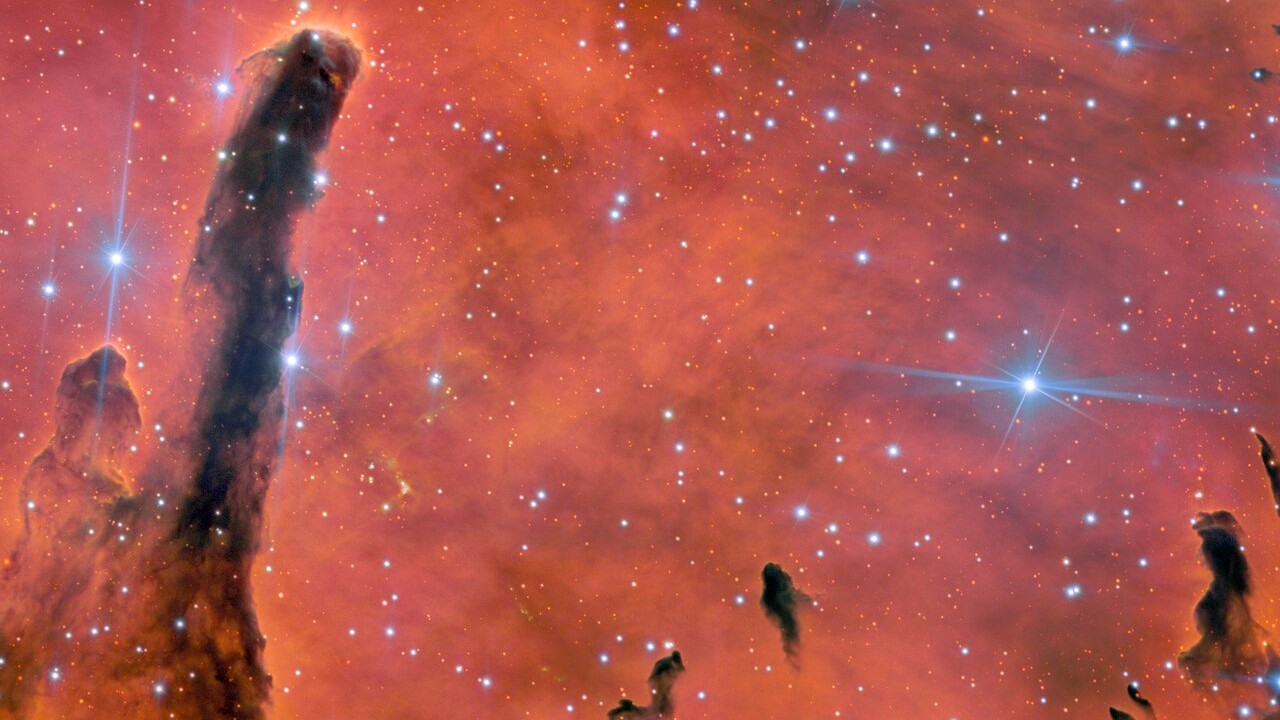 Ethereal structure in the sky rivals 'Pillars of Creation' — Space photo of the week
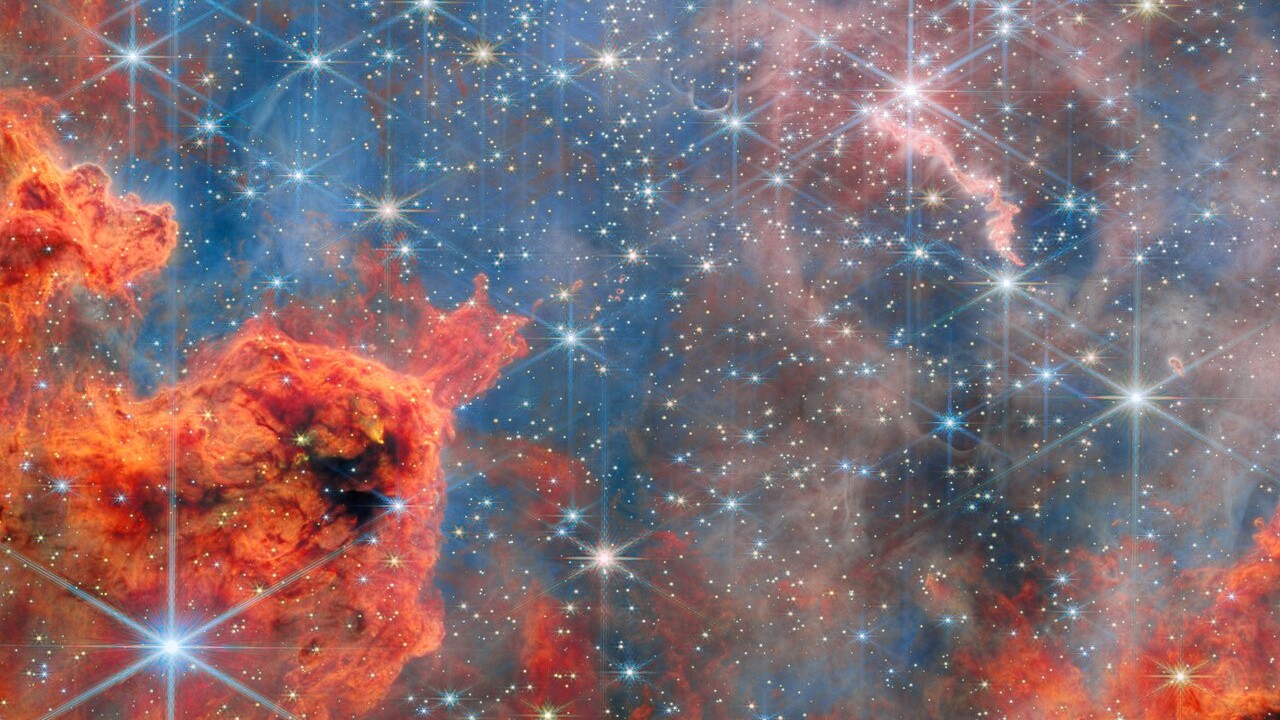 James Webb telescope spots 'failed stars' in a breathtaking cluster near Earth — Space photo of the week
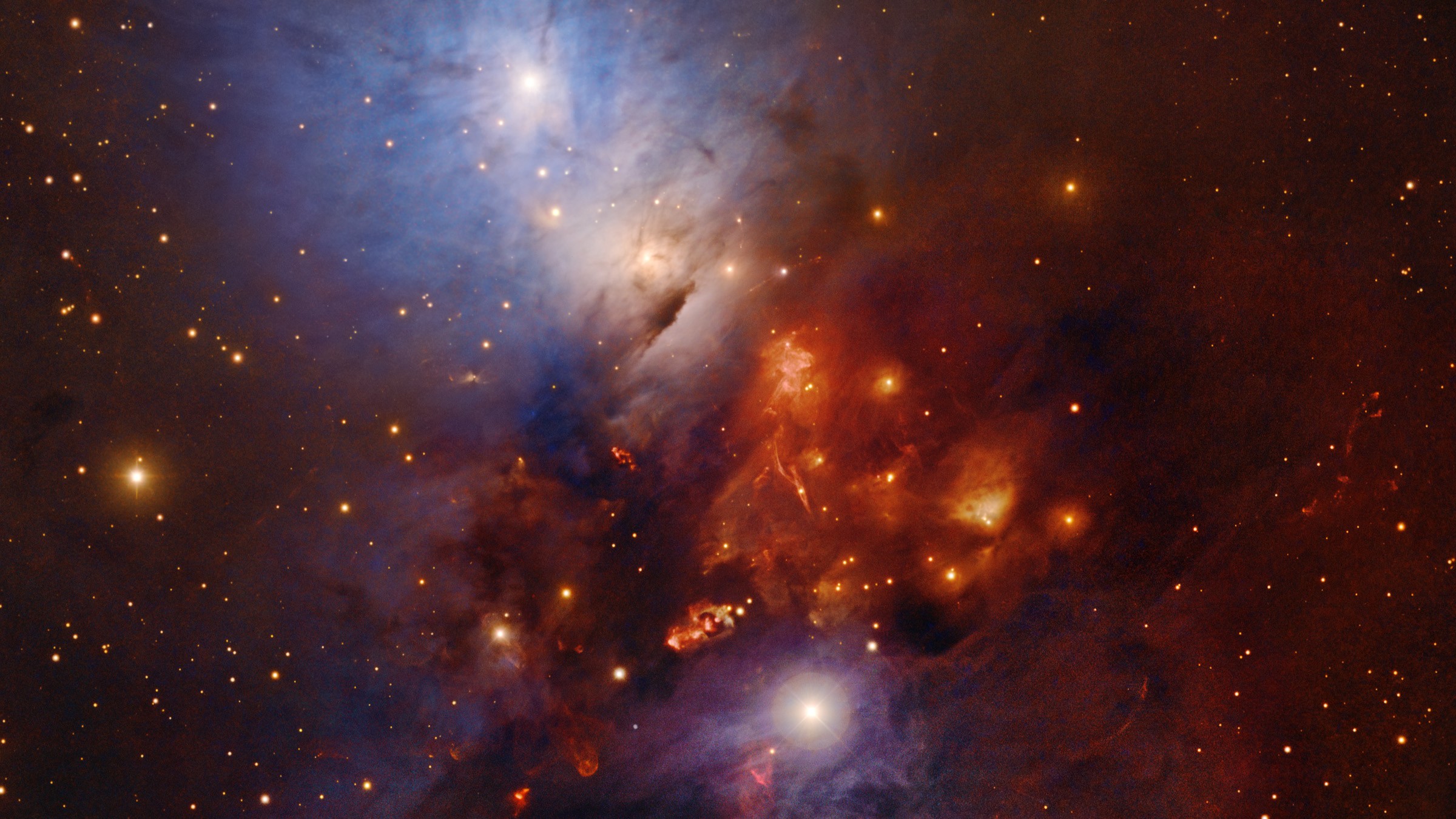 Stunning array of 400 rings in a 'reflection' nebula solves a 30-year-old star-formation mystery — Space photo of the week
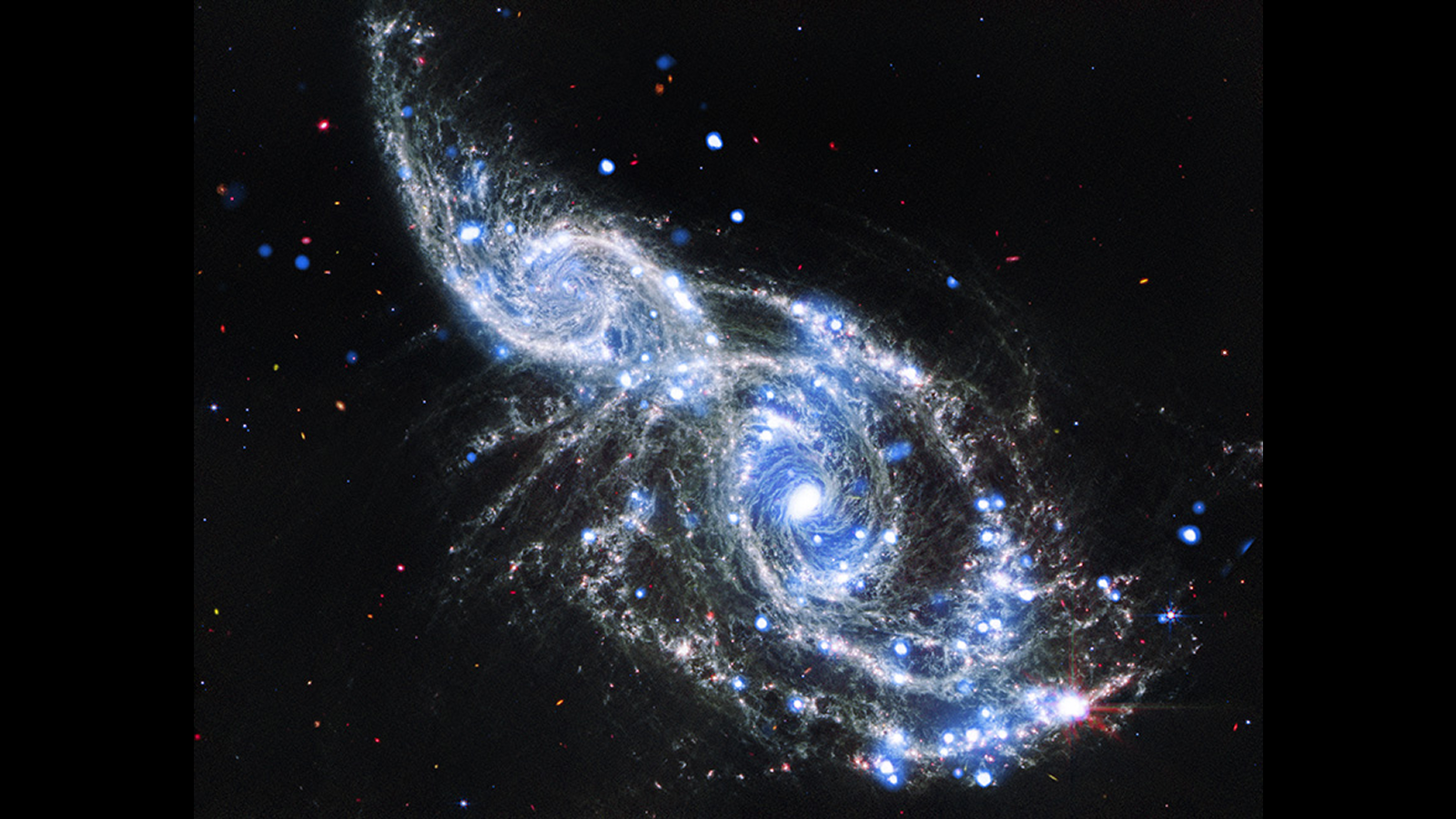 Glittering new James Webb telescope image shows an 'intricate web of chaos' — Space photo of the week
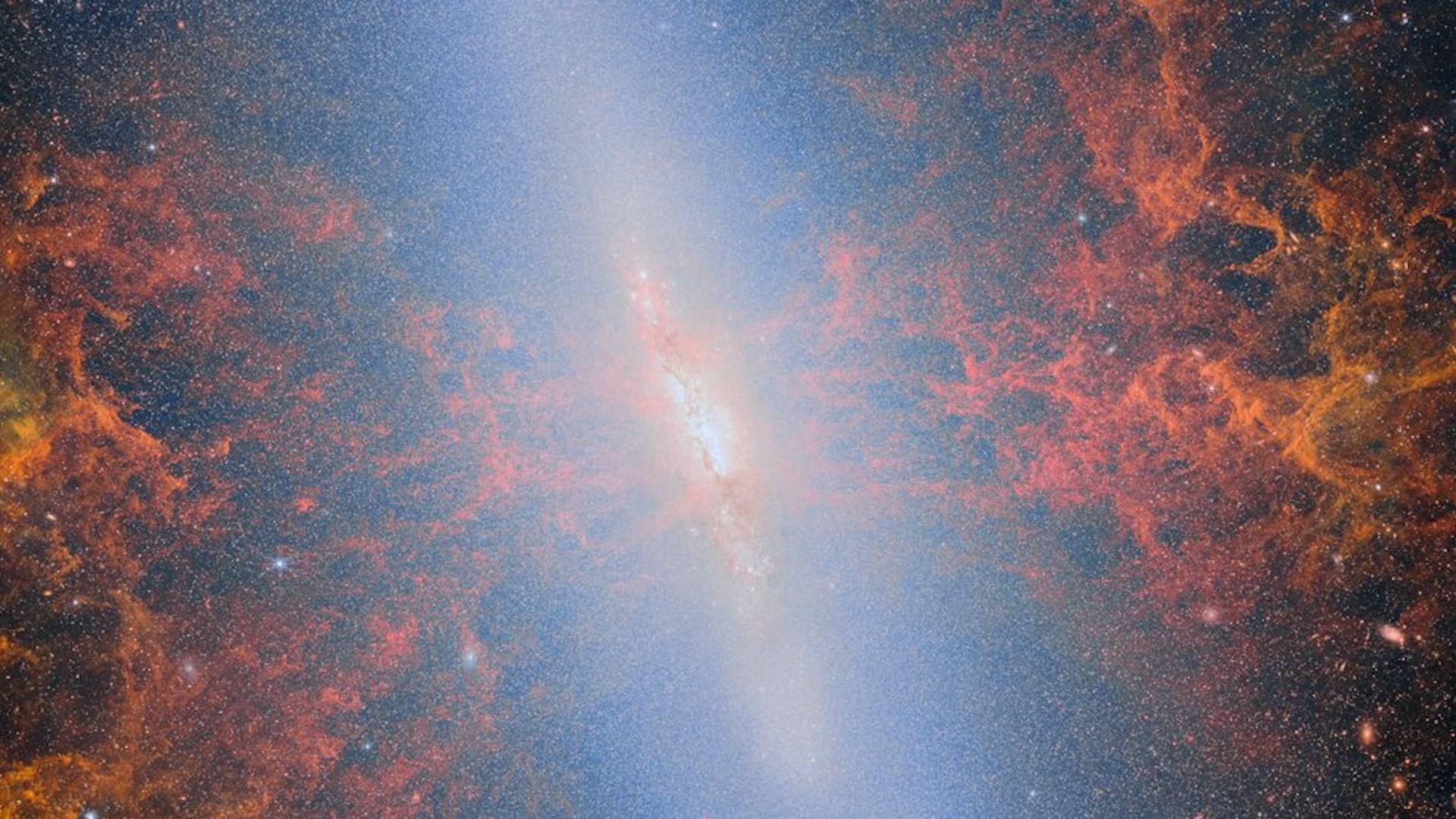 Webb reveals a fiery starburst in the Cigar Galaxy — Space photo of the week
Latest in Astronomy
Webb reveals a fiery starburst in the Cigar Galaxy — Space photo of the week
Latest in Astronomy
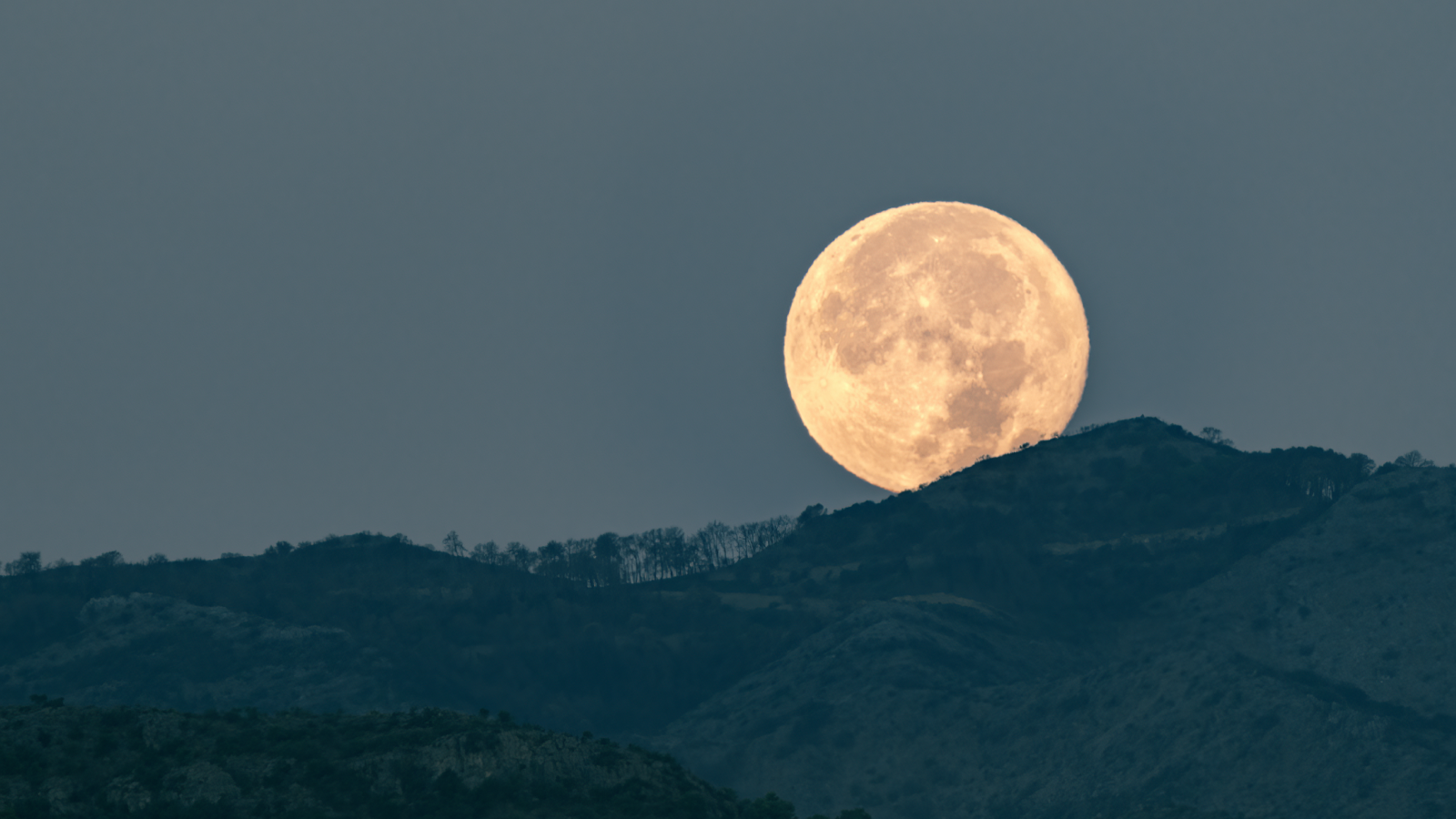 Why does the moon look larger when it's on the horizon?
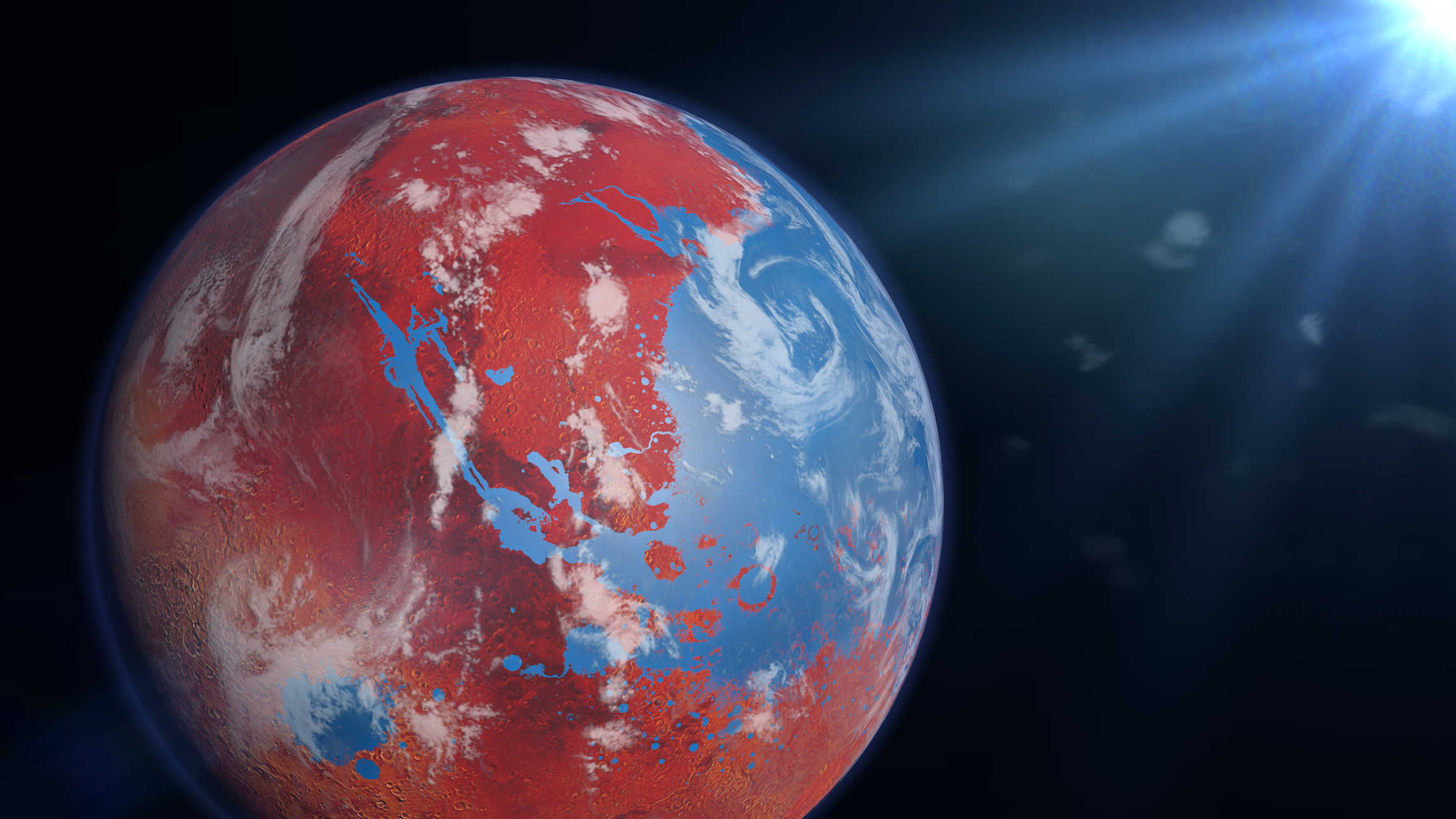 An ocean the size of the Arctic once covered half of Mars, new images hint
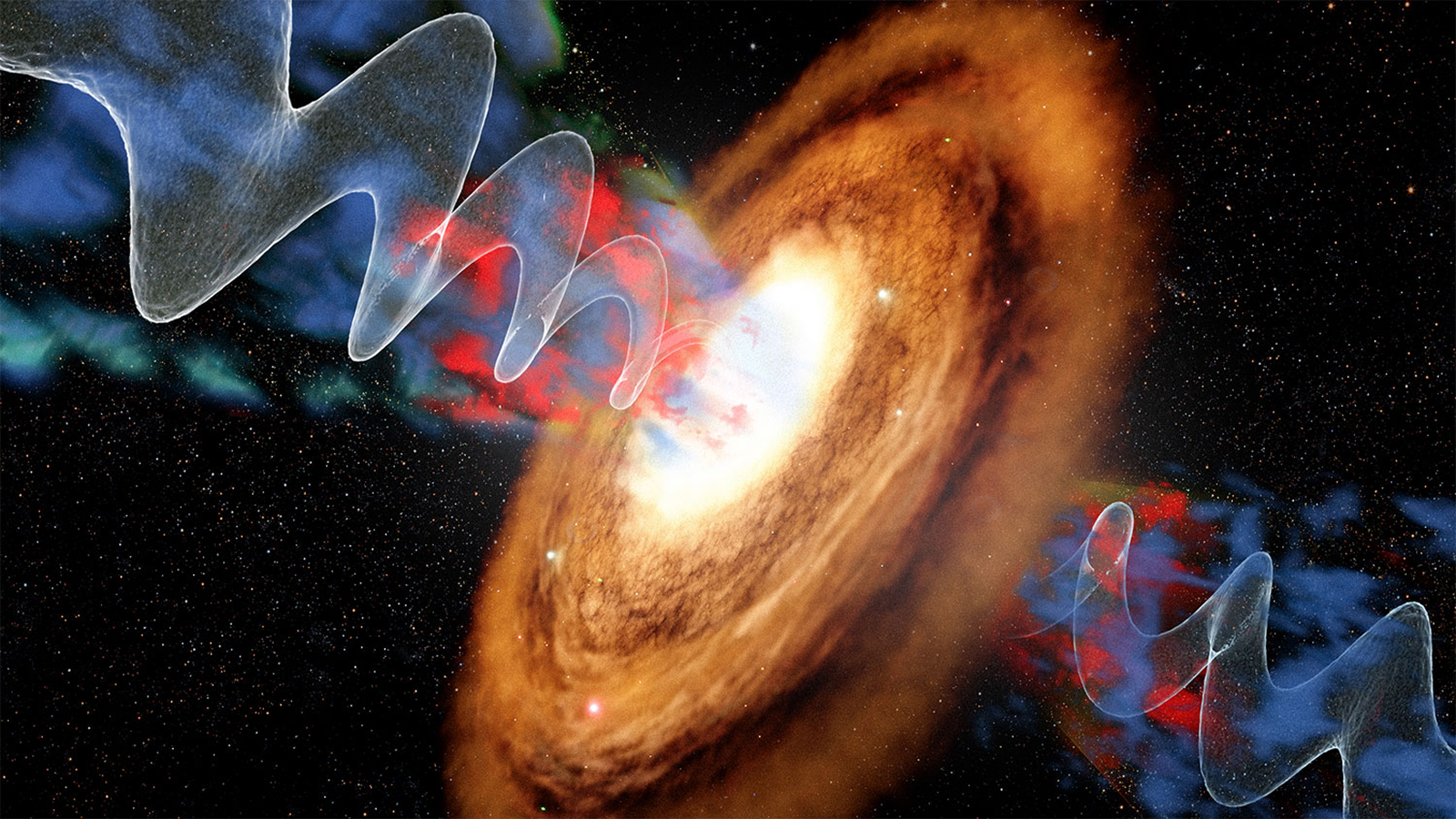 Astronomers discover a gigantic, wobbling black hole jet that 'changes the way we think about the galaxy'
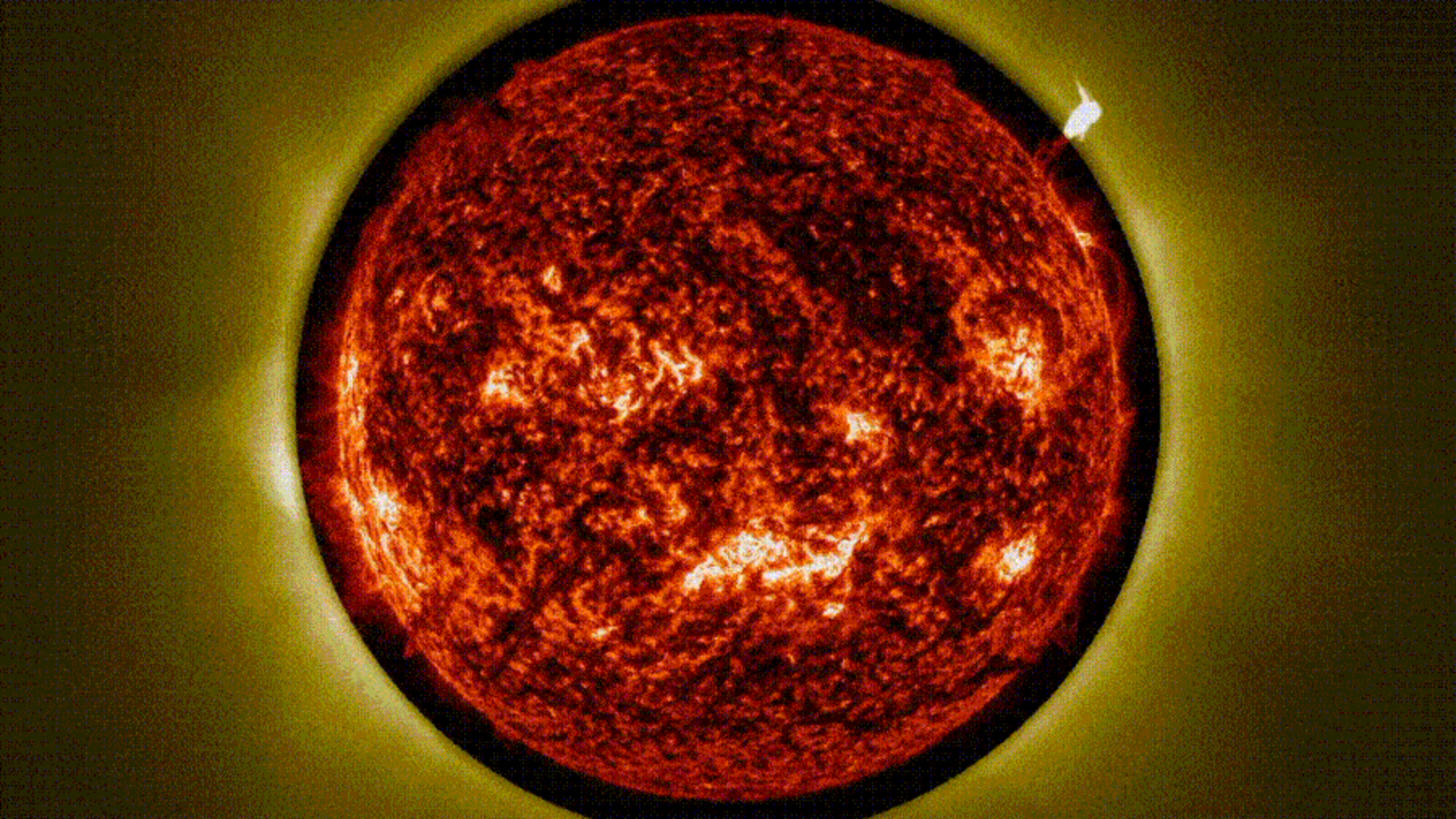 Stunning time-lapse video captured using 'artificial eclipse' shows 3 massive eruptions on the sun
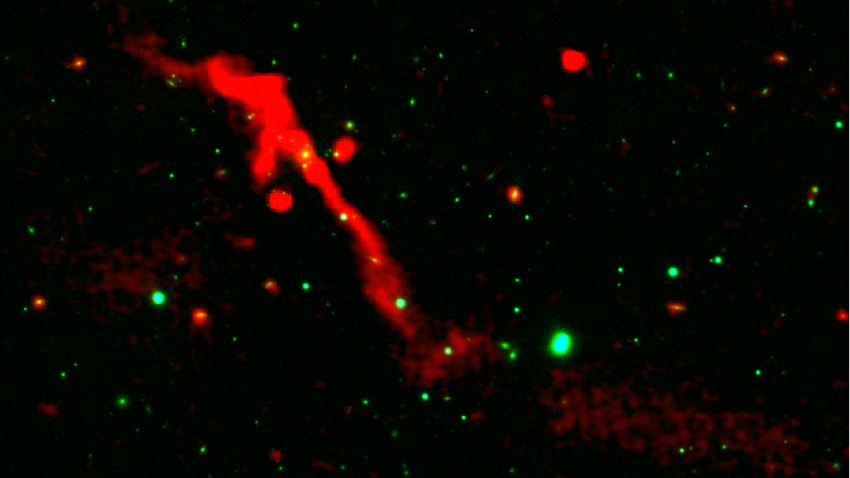 Scientists see monster black hole 'reborn' after 100 million years of rest
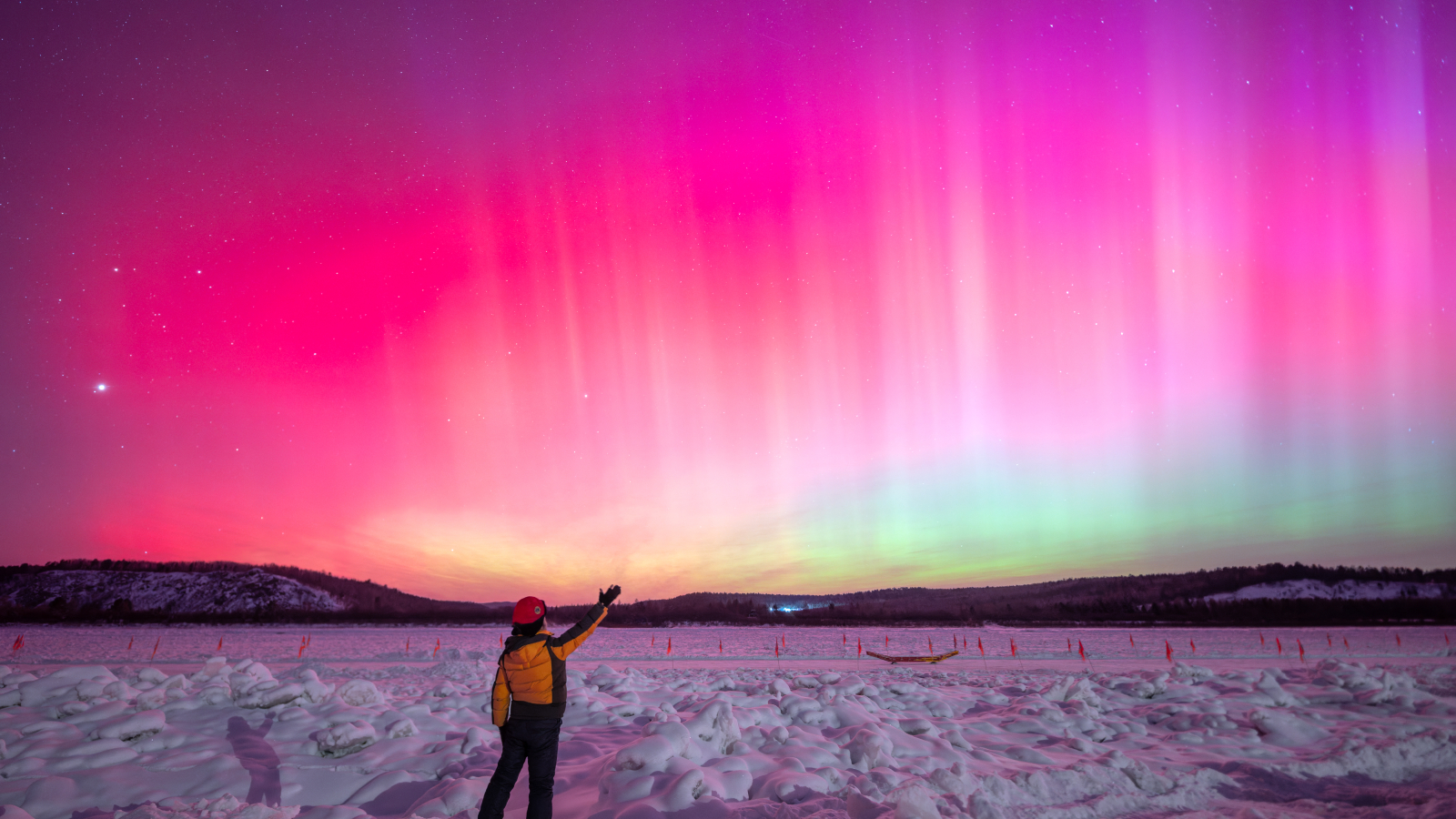 Earth hit by biggest 'solar radiation storm' in 23 years, triggering Northern Lights as far as Southern California
Latest in News
Earth hit by biggest 'solar radiation storm' in 23 years, triggering Northern Lights as far as Southern California
Latest in News
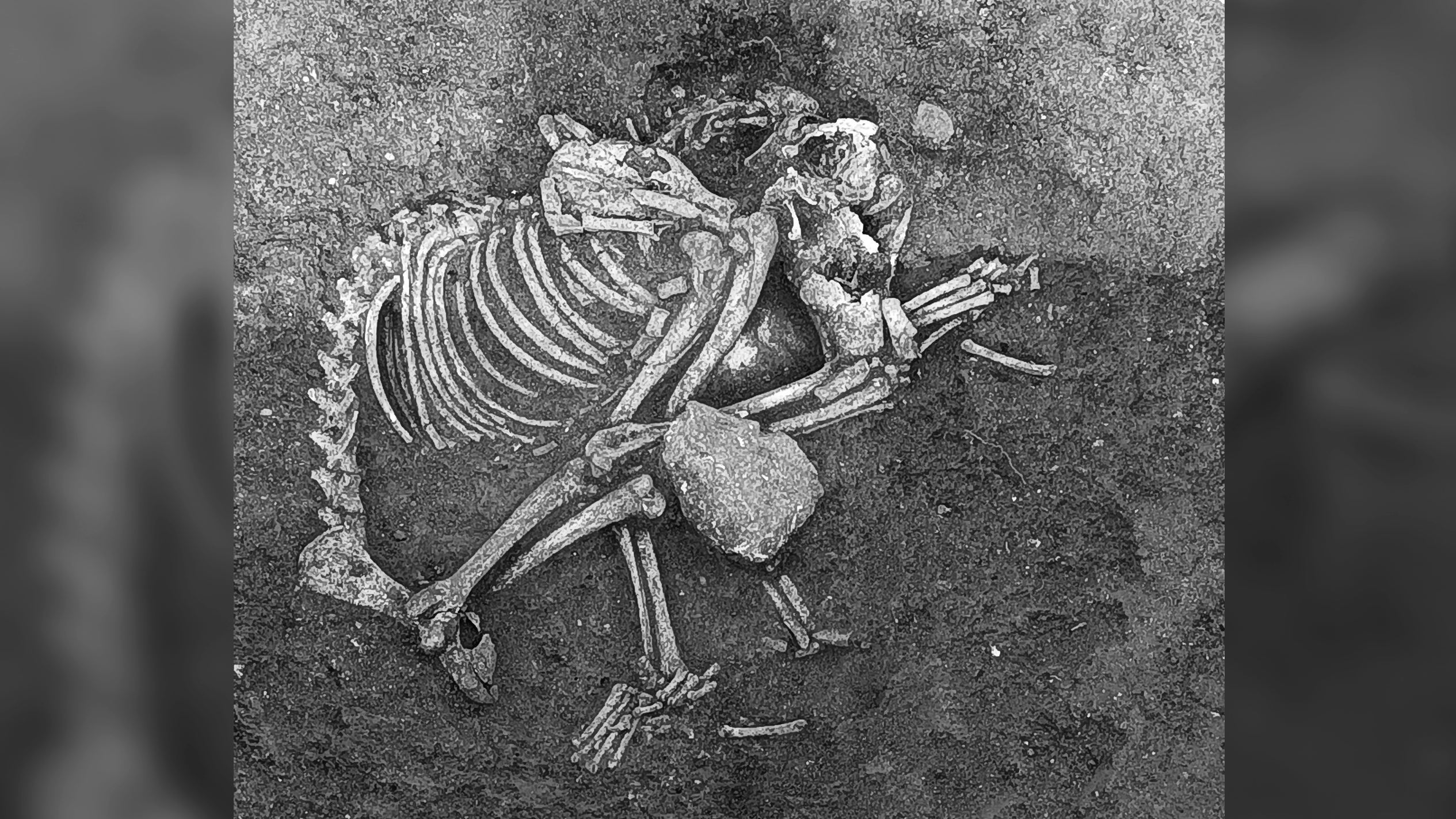 2,500 years ago, people in Bulgaria ate dog meat at feasts and as a delicacy, archaeological study finds
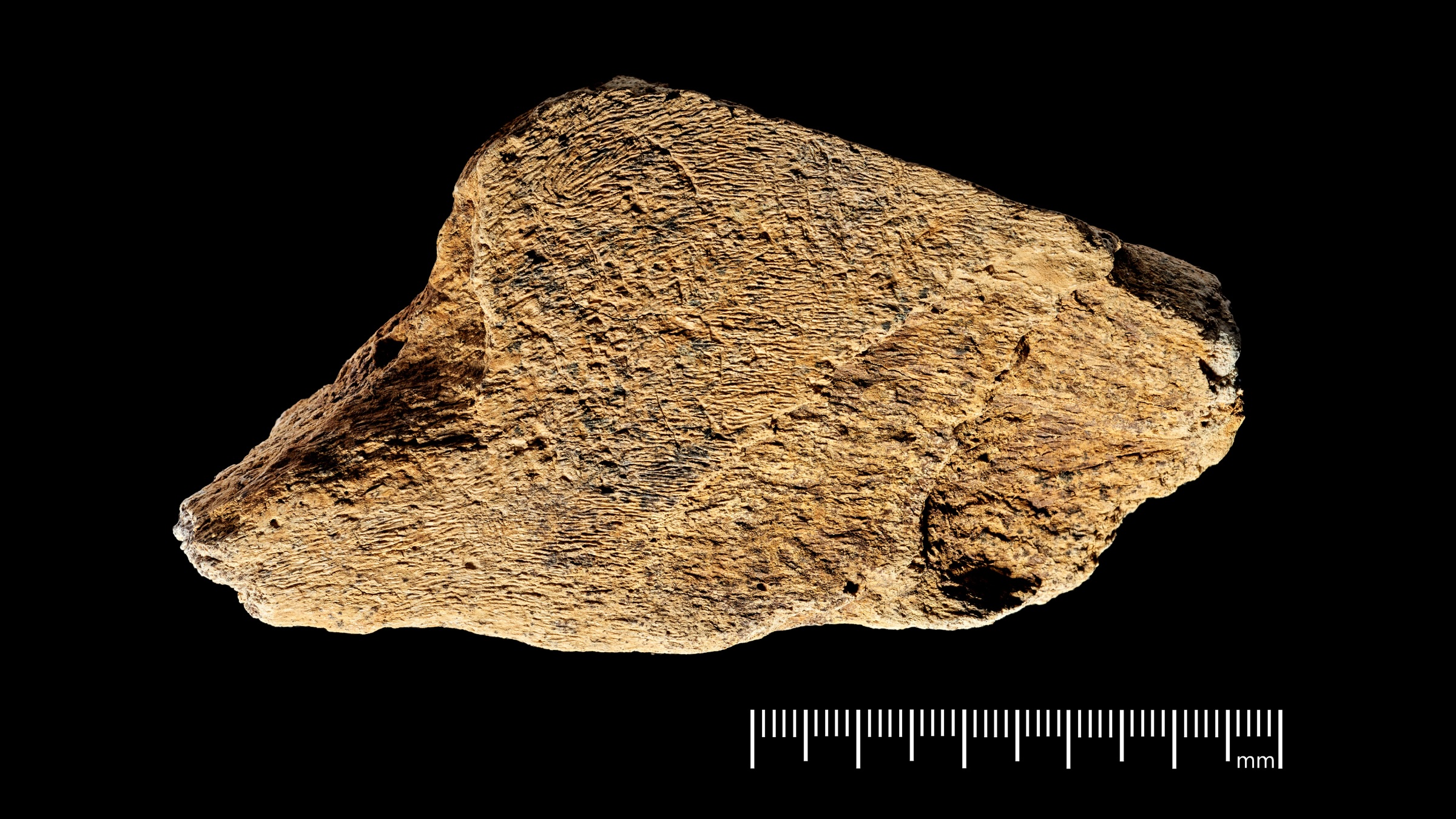 480,000-year-old ax sharpener is the oldest known elephant bone tool ever discovered in Europe
 People, not glaciers, transported rocks to Stonehenge, study confirms
 Some of the oldest harpoons ever found reveal Indigenous people in Brazil were hunting whales 5,000 years ago
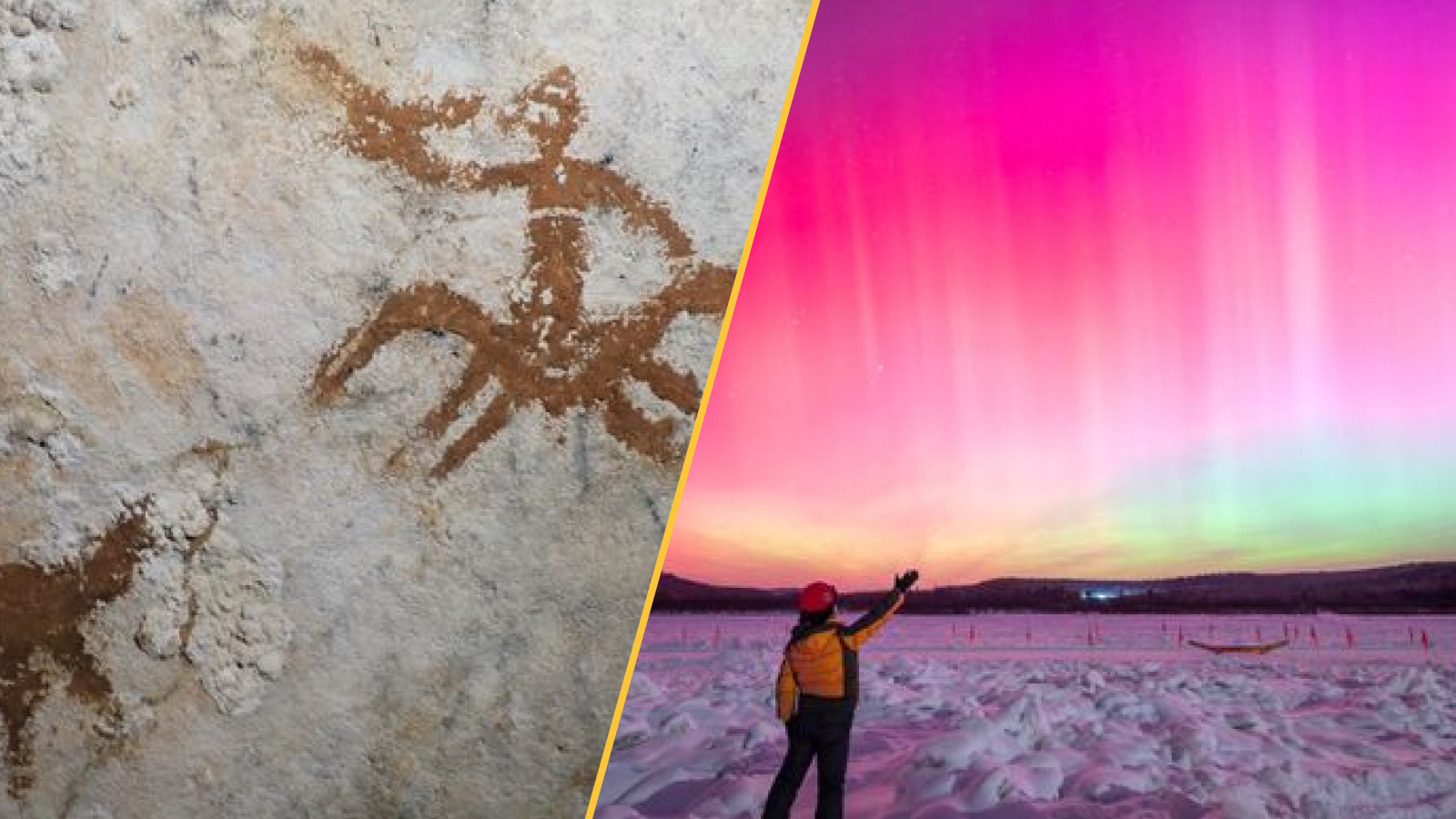 World's oldest rock art, giant reservoir found beneath the East Coast seafloor, black hole revelations, and a record solar radiation storm
James Webb telescope peers into 'Eye of God' and finds clues to life's origins — Space photo of the week
LATEST ARTICLES
World's oldest rock art, giant reservoir found beneath the East Coast seafloor, black hole revelations, and a record solar radiation storm
James Webb telescope peers into 'Eye of God' and finds clues to life's origins — Space photo of the week
LATEST ARTICLES- 1Why does the moon look larger when it's on the horizon?
- 22,500 years ago, people in Bulgaria ate dog meat at feasts and as a delicacy, archaeological study finds
- 3480,000-year-old ax sharpener is the oldest known elephant bone tool ever discovered in Europe
- 4AI can develop 'personality' spontaneously with minimal prompting, research shows. What does that mean for how we use it?
- 5World's oldest rock art, giant reservoir found beneath the East Coast seafloor, black hole revelations, and a record solar radiation storm


