- Technology
- Artificial Intelligence
As AI-generated images and videos become more common, Indigenous people are increasingly concerned about digital forms of cultural appropriation and blackface.
When you purchase through links on our site, we may earn an affiliate commission. Here’s how it works.
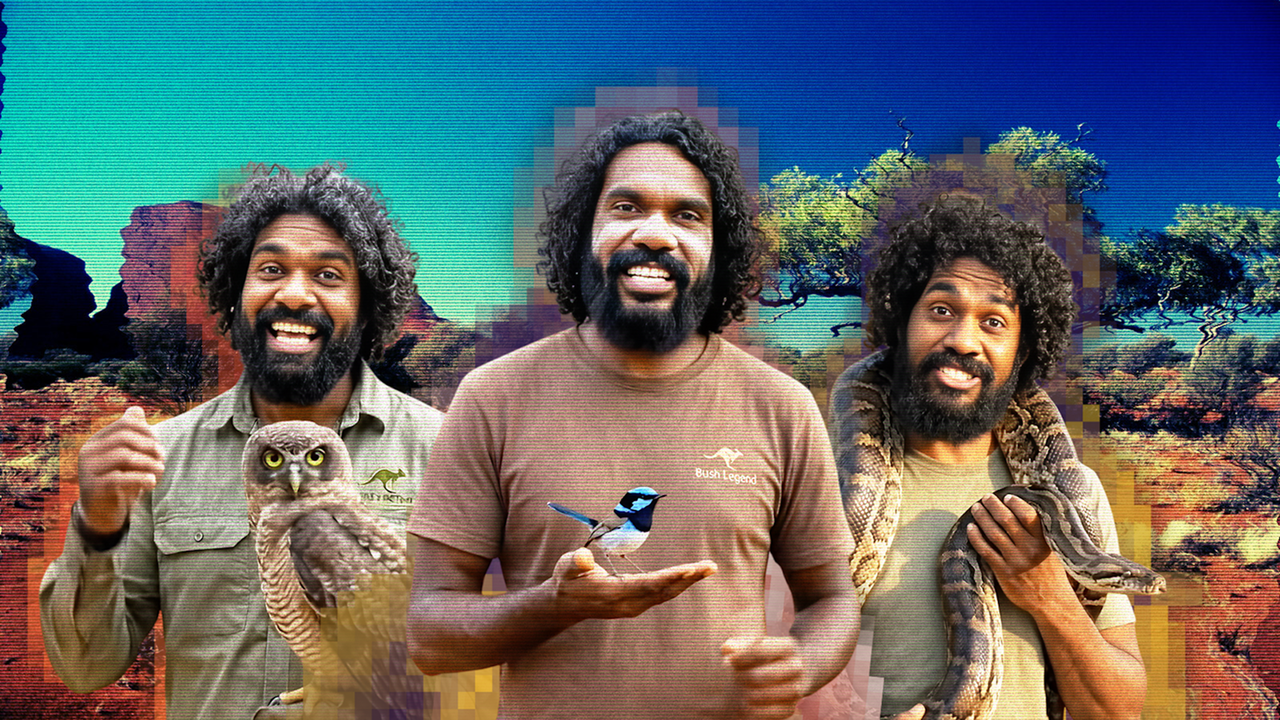
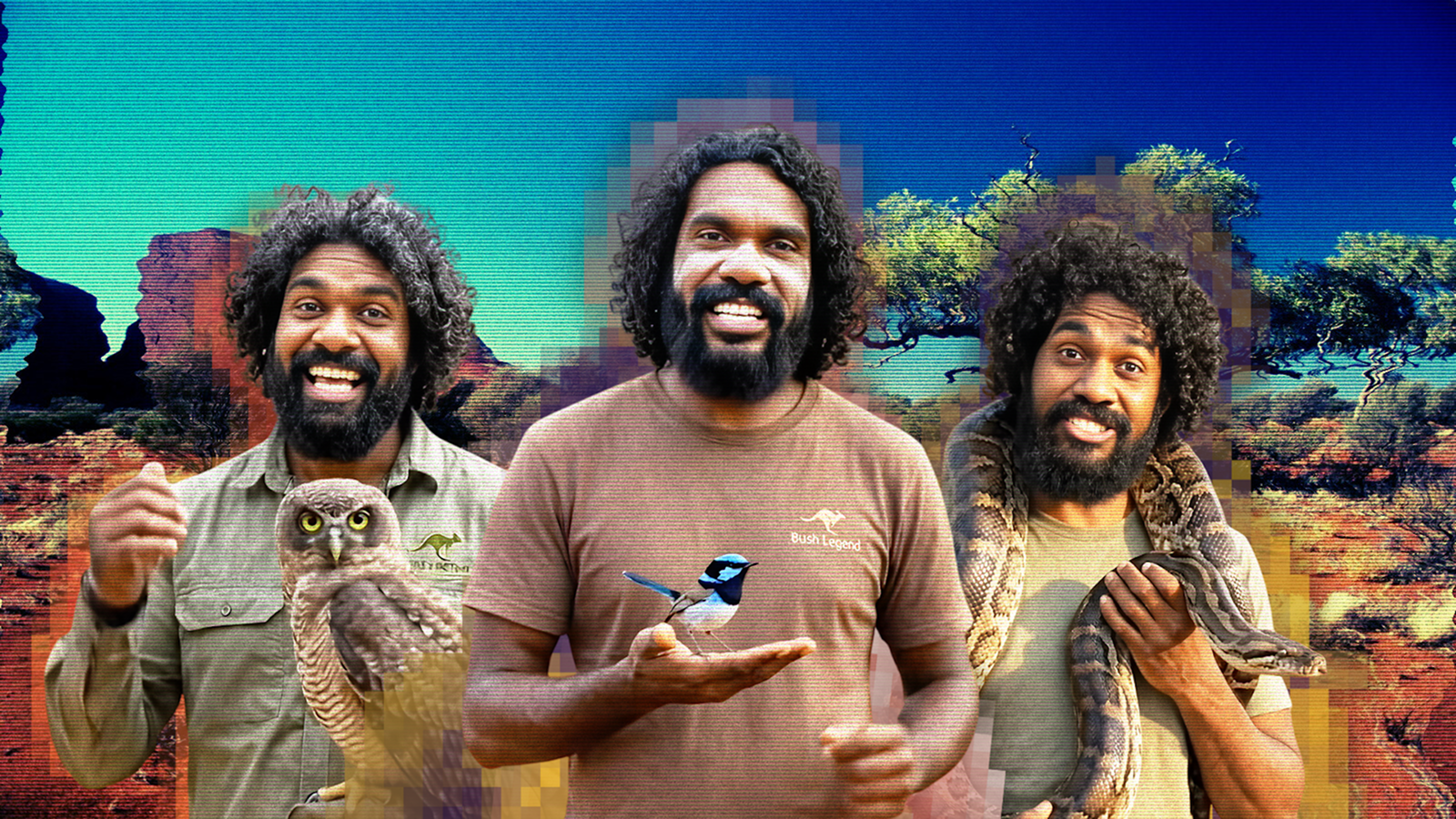 The AI presenter for "Bush Legend" who doesn't actually exist.
(Image credit: Bush Legend/The Conversation)
Share
Share by:
The AI presenter for "Bush Legend" who doesn't actually exist.
(Image credit: Bush Legend/The Conversation)
Share
Share by:
- Copy link
- X
The self-described "Bush Legend" on TikTok, Facebook and Instagram is growing in popularity.
These short and sharp videos feature an Aboriginal man — sometimes painted up in ochre, other times in an all khaki outfit — as he introduces different native animals and facts about them. These videos are paired with miscellaneous yidaki (didgeridoo) tunes, including techno mixes.
You may like-
 'It won’t be so much a ghost town as a zombie apocalypse': How AI might forever change how we use the internet
-
 Some people love AI, others hate it. Here's why.
-
 Even AI has trouble figuring out if text was written by AI — here's why
@bushlegend.offical ♬ Wild and powerful didgeridoo Primitive(1478108) - Shinnosuke Shibata
Do they know it's AI?
In the user description, the Bush Legend pages say the visuals are AI. But does the average user scrolling through videos on their social media click onto a profile to read these details?
Some of the videos do feature AI watermarks, or mention they are AI in the caption. But many in the audience will be completely unaware this person is not real, and the entire video is artificially generated.
Sign up for the Live Science daily newsletter nowContact me with news and offers from other Future brandsReceive email from us on behalf of our trusted partners or sponsorsBy submitting your information you agree to the Terms & Conditions and Privacy Policy and are aged 16 or over.These videos "bait" the audience in through a spectrum of cute and cuddly to extremely dangerous creatures. Comments left on the videos query how close the man is to the animals, alongside their words of encouragement.
One commenter on Facebook writes "You have the same wonderful energy Steve Irwin had and your voice is great to listen to."
The voice and energy they are referring to is fabricated.
You may like-
'It won’t be so much a ghost town as a zombie apocalypse': How AI might forever change how we use the internet
-
Some people love AI, others hate it. Here's why.
-
 'Artificial intelligence' myths have existed for centuries – from the ancient Greeks to a pope's chatbot
A lack of respect
With any Indigenous content on the internet (authentic or AI), there remains racist commentary. As Indigenous people, we often say don't read the comments, when it comes to social media and Indigenous content.
While the Bush Legend is not real nor culturally grounded, it too is not immune to online racism. I have read comments on his videos which uplift this AI persona while denigrating all other Indigenous people.
While this does not impact the creator, it does impact Indigenous peoples who are reading the comments.
The only information available on Bush Legend, other than the fact it is AI, is the creator is based in Aotearoa New Zealand. This suggests there is likely no connection to the Aboriginal and Torres Strait Islander communities that this likeness is being taken from.
Recently, Bush Legend addressed some of this critique in a video.
He said:
I'm not here to represent any culture or group […] If this isn't your thing, mate, no worries at all, just scroll and move on.
A post shared by Keagan John Mason (@bushlegend.offical)
A photo posted by on
This does not sufficiently address the very real concerns. If the videos are "simply about animal stories", why does the creator insist on using the likeness of an Aboriginal man?
Accountability to the communities this involves is not considered in this scenario.
The ethics of AI
Generative AI represents a new platform in which Indigenous Cultural and Intellectual Property (ICIP) rights are breached.
Concerns for AI and Indigenous peoples lie across many areas, including education, and the lack of Indigenous involvement in AI creation and governance. Of course, there is also the cost to Country with considerable environmental impacts.
@outbackmike ♬ original sound - Outback Mike
The recently released national AI plan offers little in terms of regulation.
Indigenous peoples have long fought to tell our own stories. AI poses another way in which our self determination is diminished or removed completely. It also serves as a way for non-Indigenous people to distance themselves from actual Indigenous peoples by allowing them to engage with content which is fabricated and, often, more palatable.
Bush Legend reflects a slippery slope when it comes to AI generated content of Indigenous peoples, as people can remove themselves further and further from engaging with Aboriginal and Torres Strait Islander people directly.
A new era of AI Blakface
We are seeing the rise of an AI Blakface that is utilised with ease thanks to the availability and prevalence of AI.
Non-Indigenous people and entities are able to create Indigenous personas through AI, often grounded in stereotypical representations that both amalgamate and appropriate cultures.
Bush Legend is often seen wearing cultural jewelry and with ochre painted on his skin. As these are generated, they are shallow misappropriations and lack the necessary cultural underpinnings of these practices.
This forms a new type of appropriation, that extends on the violence that Indigenous peoples already experience in the digital realm, particularly on social media. The theft of Indigenous knowledge for generative AI forms a new type of algorithmic settler colonialism, impacting Indigenous self-determination.
Most concerningly, these AI Blakfaces can be monetized and lead to financial gain for the creator. This financial benefit should go to the communities the content is taking from.
What is needed?
It is concerning to be living in a time where we do not know if the things we are consuming online are real. Increasing our AI and media literacy levels is integral.
RELATED STORIES—Even AI has trouble figuring out if text was written by AI — here's why
—Will AI ever be more creative than humans?
—When an AI algorithm is labeled 'female,' people are more likely to exploit it
Seeing AI content shared online as truth? Let the person sharing this content know — conversations with our communities serve as an opportunity to learn together.
Support actual Indigenous people sharing knowledge online, such as @Indigigrow, @littleredwrites or @meissa. Or check out all the Indigenous Ranger videos on TikTok.
When engaging online, take a moment to consider the source. Is this AI generated? Is this where my support should be?
This edited article is republished from The Conversation under a Creative Commons license. Read the original article.
 Tamika WorrellSenior Lecturer in the Department of Critical Indigenous Studies, Macquarie University
Dr Tamika Worrell is a Senior Lecturer in Critical Indigenous Studies at Macquarie University. Tamika's family is from Gamilaroi Country, she has been grown up by Dharug Ngurra (Country) Western Sydney since birth. Her research explores Indigenous representation across all levels of education, as well as Indigenous digital lives including artificial intelligence.
Show More CommentsYou must confirm your public display name before commenting
Please logout and then login again, you will then be prompted to enter your display name.
Logout Read more 'It won’t be so much a ghost town as a zombie apocalypse': How AI might forever change how we use the internet
 Some people love AI, others hate it. Here's why.
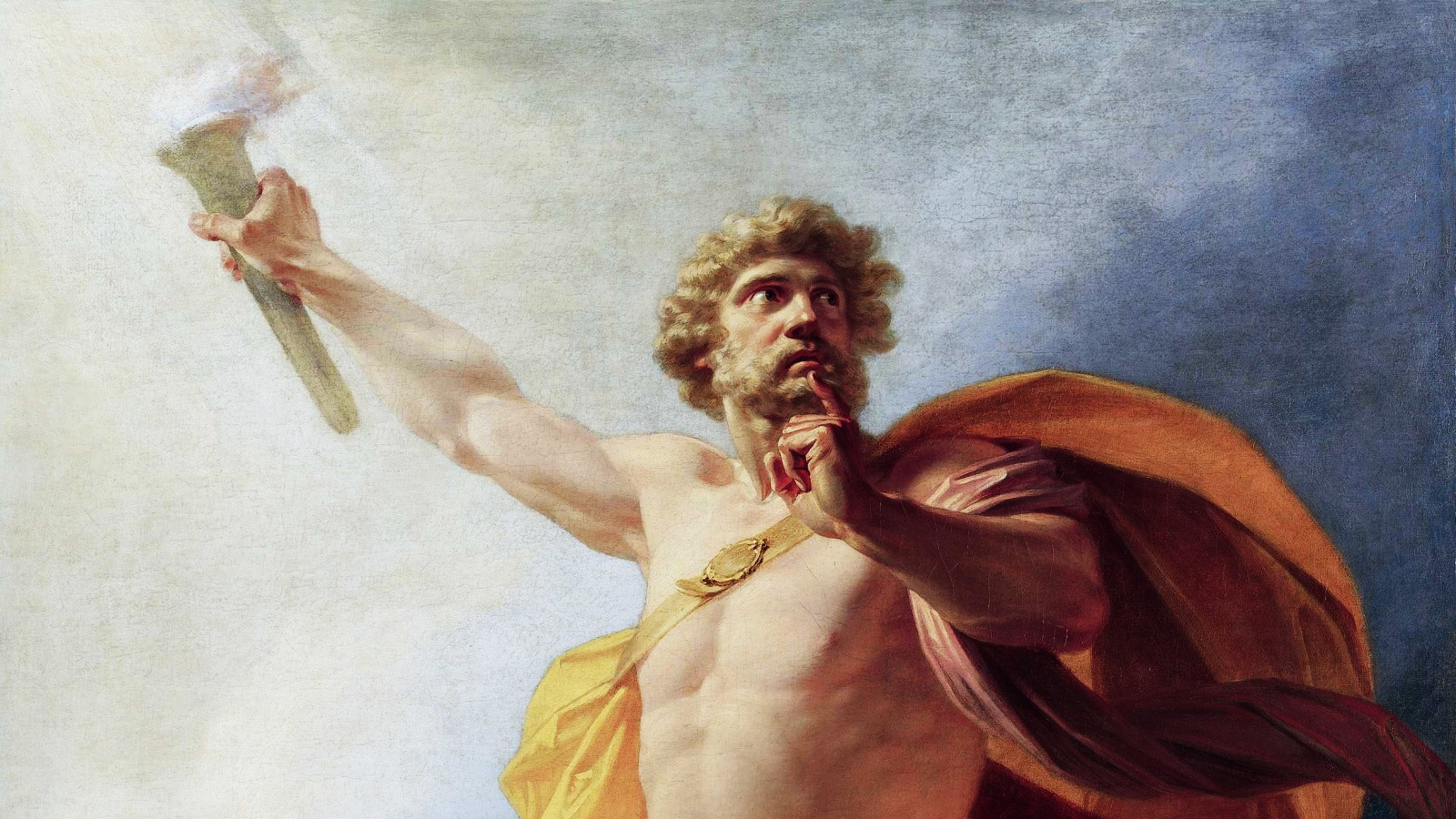 'Artificial intelligence' myths have existed for centuries – from the ancient Greeks to a pope's chatbot
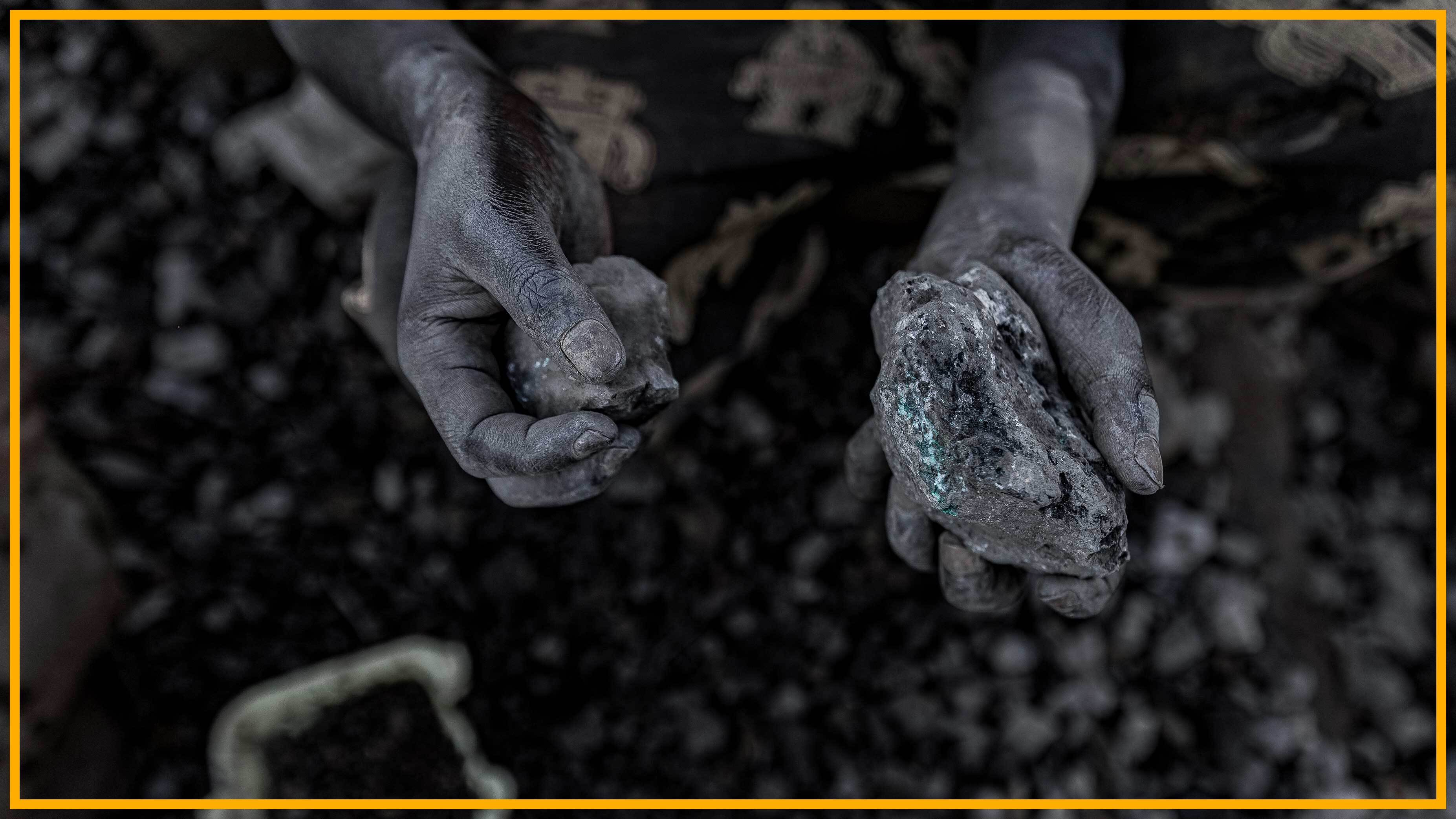 Your AI-generated image of a cat riding a banana exists because of children clawing through the dirt for toxic elements. Is it really worth it?
 Experts divided over claim that Chinese hackers launched world-first AI-powered cyber attack — but that's not what they're really worried about
 AI is getting better and better at generating faces — but you can train to spot the fakes
Latest in Artificial Intelligence
AI is getting better and better at generating faces — but you can train to spot the fakes
Latest in Artificial Intelligence
 Even AI has trouble figuring out if text was written by AI — here's why
 Do you think you can tell an AI-generated face from a real one?
 Will AI ever be more creative than humans?
 'Putting the servers in orbit is a stupid idea': Could data centers in space help avoid an AI energy crisis? Experts are torn.
'It won’t be so much a ghost town as a zombie apocalypse': How AI might forever change how we use the internet
'Putting the servers in orbit is a stupid idea': Could data centers in space help avoid an AI energy crisis? Experts are torn.
'It won’t be so much a ghost town as a zombie apocalypse': How AI might forever change how we use the internet
 When an AI algorithm is labeled 'female,' people are more likely to exploit it
Latest in Opinion
Indigenous TikTok star 'Bush Legend' is actually AI-generated, leading to accusations of 'digital blackface'
When an AI algorithm is labeled 'female,' people are more likely to exploit it
Latest in Opinion
Indigenous TikTok star 'Bush Legend' is actually AI-generated, leading to accusations of 'digital blackface'
 Is there anything 'below' Earth in space?
 NASA launches Pandora telescope, taking JWST's search for habitable worlds to a new level
 'The scientific cost would be severe': A Trump Greenland takeover would put climate research at risk
 Gender ambiguity was a tool of power 4,500 years ago in Mesopotamia
 Should humans colonize other planets?
LATEST ARTICLES
Should humans colonize other planets?
LATEST ARTICLES 1Diagnostic dilemma: A woman experienced delusions of communicating with her dead brother after late-night chatbot sessions
- 2Early research hints at why women experience more severe gut pain than men do
- 3'Like watching a cosmic volcano erupt': Scientists see monster black hole 'reborn' after 100 million years
- 4Tiny improvements in sleep, nutrition and exercise could significantly extend lifespan, study suggests
- 5James Webb telescope spies rare 'goddess of dawn' supernova from the early universe